



Not using overage players at ASIAD 2026, what is VFF sacrificing?



Vietnam Olympic remains firm in not using the three overage player slots at ASIAD 2026 despite adjusting its personnel plan, which helps maintain the youth development strategy but also raises big questions about VFF's true objectives.
The list of 29 players called up for Vietnam Olympic's training camp ahead of ASIAD 2026 shows a notable adjustment by the Vietnam Football Federation (VFF). After the U21 squad's unconvincing performance at the CFA Team China friendly tournament in March, the initial plan was revised as many experienced U23 players were recalled. However, amid these adjustments, VFF still upheld one important principle: Not using any overage players.
This decision may cost Vietnam Olympic a slight advantage in strength compared to many opponents. In return, it shows that VFF remains steadfast in its long-term squad building strategy.
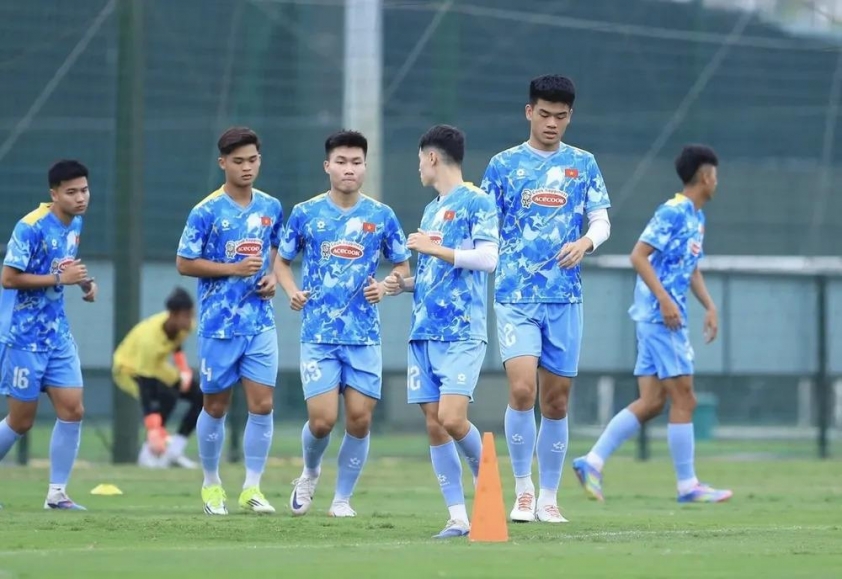
In fact, adding players who just won the bronze medal at the 2026 U23 Asian Cup is a sensible choice. Vietnam was placed in the top seed group and drawn into a group with Uzbekistan, the Philippines, and Kuwait, opening up opportunities to advance further in the tournament. A lineup of entirely U21 players would clearly face many risks after their performance at the CFA Team China. The presence of veteran U23 players gives the team more composure and experience without breaking the youth development direction.
What is noteworthy is that VFF only adjusted personnel within the U23 age group, rather than using all three overage player slots as allowed by the regulations. In other words, Vietnam Olympic remains a true U23 team. This can be seen as a compromise between performance goals and long-term development plans.
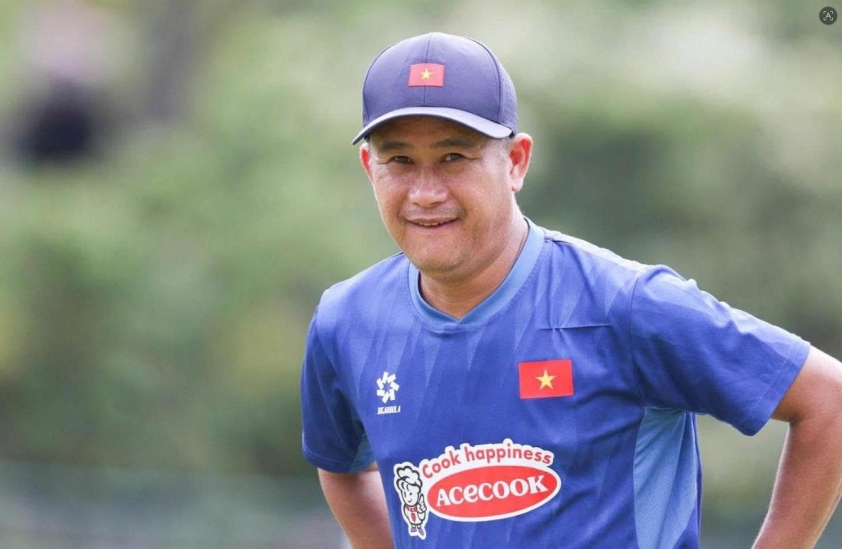
After all, the ASIAD is no longer just a tournament for medal competition. Since the U23 Asian Cup switched to a four-year cycle, opportunities for young Vietnamese players to compete against top Asian football nations have become increasingly rare. Apart from the Southeast Asian U23 Championship, there are very few international competitions of sufficient quality for this age group, and not every young player is capable of breaking into the first team of a club or the national team.
Therefore, the decision not to use overage players carries more significance than just a professional matter. It is a way for VFF to create conditions for young players to gain experience in a highly competitive environment, thereby preparing the squad for the 2027 SEA Games, 2028 U23 Asian Cup, and beyond, on the journey towards the Olympics and the World Cup in the future.
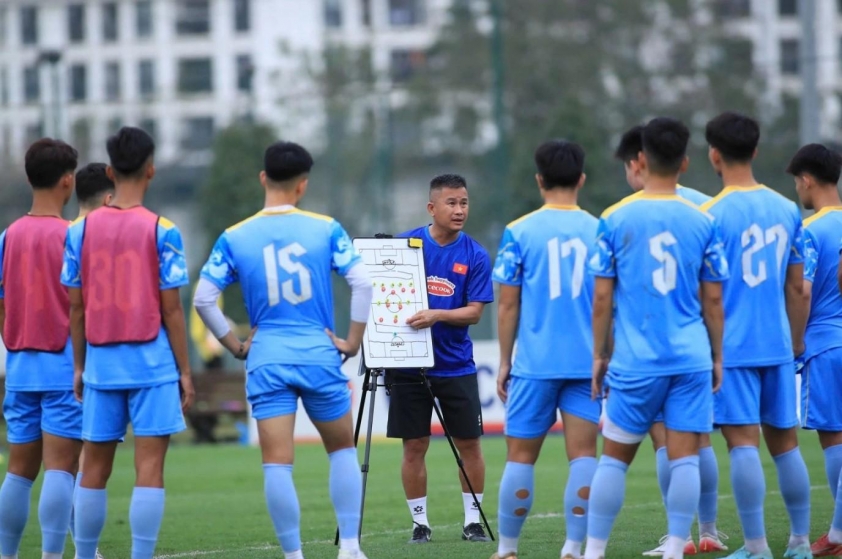
In the context that the Vietnam national team is accelerating its naturalization policy to serve short-term goals in the World Cup qualifiers, while ASIAD should be seen as a place to invest in domestic talent. These two strategies are not contradictory but complementary: the national team targets immediate results, while Vietnam Olympic nurtures the next generation.
Therefore, VFF's refusal to use overage players is not necessarily a sacrifice. On the contrary, it is a choice that reflects long-term vision. The performance at ASIAD 2026 is still very important, but the greater value of this quadrennial tournament lies in whether Vietnamese football can create another layer of players with enough courage to follow in the footsteps of their seniors in bigger future goals.


Wonderfulshortvideo

raphinha assist today lamine yamal goal today brace today vs levante



Follow for more pokemon content! So what do I do with them now?…

arda guler assist today guler vs rayo vallecano mbappe goal today jude bellingham goal today

Cristiano Ronaldo and Al Nassr vs Al Khaleej

HIGHWAYMAN WINS THE BETFRED ST LEGER! 🏆

DESERT CASTLE DOMINATES! 🏆🍾

mbappe ballon d'or interview lequipe mbappe edit mbappe interview
 Links
Links
 Contact
 App
App


