



ISSUE: The Premier League remains the biggest spender in Europe.


Even though the 2026 summer transfer window is just over halfway, the Premier League has reaffirmed its position as the global football financial powerhouse.
1. According to statistics from disclosed transfer fees, the 20 Premier League clubs have spent over £1.4 billion to strengthen their squads in the summer of 2026. This figure is approximately £303 million more than the total spending of all 76 clubs in the Bundesliga, La Liga, Serie A, and Ligue 1 combined.
This is only gross spending, not including revenue from player sales. When looking at the net transfer balance, the disparity is even more pronounced. Ligue 1 currently has a profit of about £203.4 million from selling more than buying, while the Bundesliga also records a surplus of £72.2 million. Meanwhile, La Liga and Serie A both spend more than they earn, but their net spending is only around £163.1 million and £124.1 million respectively.
In stark contrast, Premier League clubs have a net spending of up to £523.6 million, far ahead of all rivals. This reflects the overwhelming financial strength of English football, where revenue from TV rights, commercial sponsorship, and matchday income remains the highest in the world.
In fact, this is not a new phenomenon but a trend that has lasted for many years. However, what worries other leagues is that the gap between the Premier League and the rest of Europe continues to widen rather than narrow.
2. One notable point is that although it has exceeded £1.4 billion, the current total spending of the Premier League is still about £230 million lower than the same period last summer. The main reason is that the transfer schedule has been affected by the expanded FIFA World Cup, causing many deals to be delayed.
As of July 1, only 25 contracts were completed, compared to 47 at the same time last year. This indicates that a large number of transactions are still awaiting activation in August.
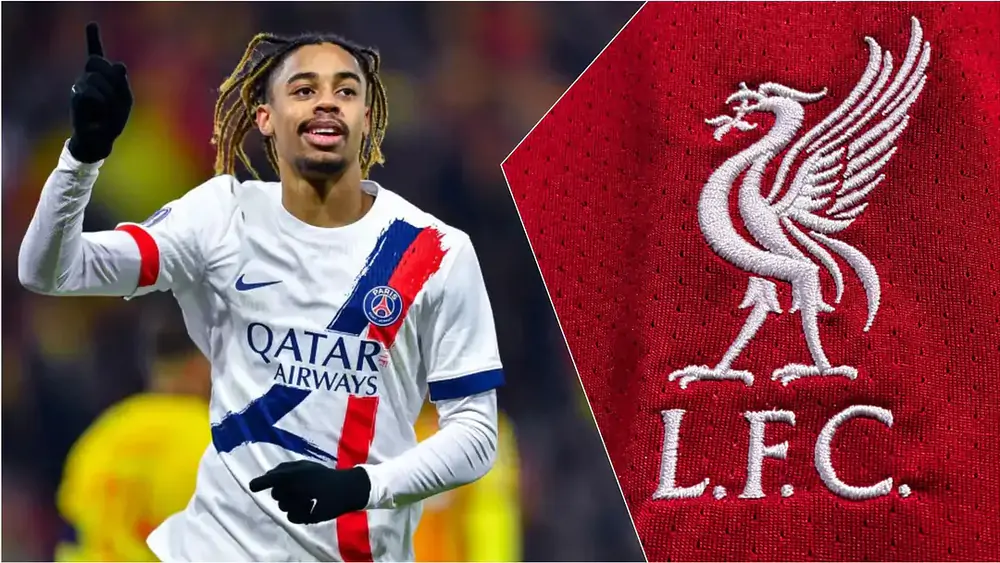
Barcola could be the next blockbuster in the Premier League. Photo: AFP
At the club level, Aston Villa, Brighton, and Tottenham have all spent more than the entire 2025 summer transfer window. Aston Villa still has significant financial resources after selling Morgan Rogers and Youri Tielemans, with a net spend of about £109.6 million to continue reinvesting in the squad.
Brighton had to strengthen their squad in preparation for the UEFA Conference League campaign, while Tottenham are determined to improve their performance after finishing 17th in two consecutive seasons. The North London club currently has the highest net spend among the top five European leagues, reaching nearly £150 million.
Chelsea also shows no signs of stopping. The Stamford Bridge club has invested more than the same period last year and is reportedly close to completing the signing of defender Maxence Lacroix from Crystal Palace. Everton, Fulham, Manchester City, and Newcastle have all spent more heavily than last year and are expected to continue shopping.
3. While many teams have spent heavily, some giants have temporarily stayed on the sidelines. Arsenal, Liverpool, and Manchester United are currently spending significantly less than the same period last year. However, that does not mean these three clubs will remain inactive.
Liverpool is still linked with Bradley Barcola, a star with a very high transfer fee. Manchester United continues to pursue Ollie Watkins, while Arsenal is also reportedly still looking for quality additions to their attack.
In addition, Crystal Palace, Nottingham Forest, and Sunderland have not spent any transfer fees this summer. However, it is hard to believe that these three clubs will end the transfer window without bringing in new signings.
Last summer, Premier League clubs spent a total of about £3.1 billion, with the final week alone seeing over £600 million disbursed. Given that many major deals are still under negotiation, observers believe that total spending this year could easily surpass that milestone before the market closes on September 3.


Wonderfulshortvideo

Follow for more pokemon content! So what do I do with them now?…



arda guler assist today guler vs rayo vallecano mbappe goal today jude bellingham goal today

Cristiano Ronaldo and Al Nassr vs Al Khaleej

HIGHWAYMAN WINS THE BETFRED ST LEGER! 🏆
DESERT CASTLE DOMINATES! 🏆🍾

mbappe ballon d'or interview lequipe mbappe edit mbappe interview

Harry Maguire 99 pens. 🤯
 Links
Links
 Contact
 App
App


