



Is Arsenal learning to be a big club?



A common perception over the years regarding a club regarded as a "giant" in world football involves a blend of elements like financial power, historical success, brand worth, worldwide reach, and a symbolic superstar.
1. Generally, top clubs like Real Madrid, Barcelona, and Manchester United are among the largest economic entities in world football, with the highest revenues according to annual financial rankings, along with enormous wage bills and transfer budgets. This includes the ability to regularly trigger blockbuster transfer deals and pay high salaries to attract the highest-caliber superstars.
A true big club must have a winning DNA, a long-standing tradition, and numerous domestic and European trophies. This is the clearest measure distinguishing a genuine top club from emerging powers like PSG or Manchester City. That strength is also defined by brand value, commercial activity, jersey sales, broadcasting rights, and sponsorship deals. Simply put, it is how much off-field influence the club has and how appealing it is.
Additionally, a big club must be a natural destination for stars and the top choice based on criteria such as world-class salaries, opportunities to compete for prestigious titles like the Champions League, and the ability to turn players into timeless icons like Messi or Ronaldo. Or currently, Mbappé or Lamine Yamal.
Having big stars not only elevates the club's status to a new level in terms of branding but also raises the sporting standards of the entire club, including the youth academy and surrounding core players. Turning world-class players into long-term assets through expensive contracts is how top clubs assert their power and maintain their peak position for many years.
Arsenal stands on the borderline between a big club and an ordinary club, overall. According to the latest report, the Gunners have impressively risen to become the world's fifth most valuable club, with a valuation exceeding €4 billion. They have even surpassed Manchester United and Manchester City in terms of pure business growth rate.
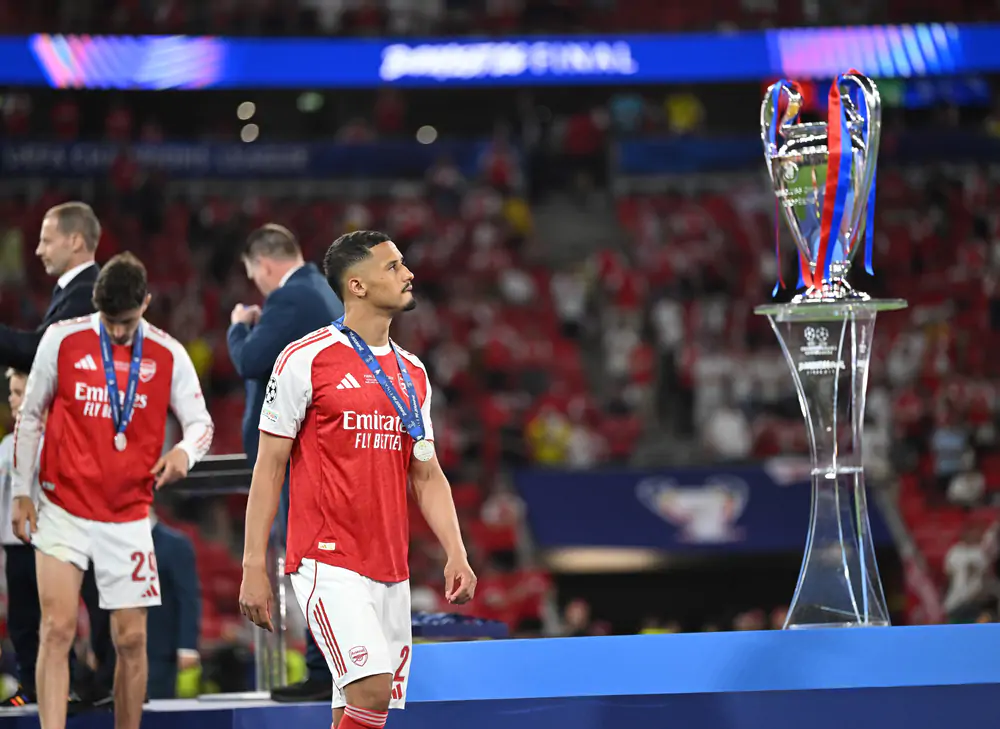
Arsenal has money, image, and influence but lacks big stars. Photo: Xinhua
The global brand strength evaluation system also ranks Arsenal among only seven clubs to achieve an elite certification due to its massive global engagement and booming commercial revenue after winning the English title.
2. But according to Forbes' brand valuation, Arteta's team ranks only eighth at $5.4 billion, behind Manchester City, PSG, and even Manchester United. This is an interesting case: the Red Devils currently do not win major trophies nor need global stars to prove their "big club" status, because the name Manchester United itself is already the third-largest commercial superstar on the planet, after Real Madrid and Barcelona.
Billionaire Jim Ratcliffe's club remains the most decorated club in the Premier League era and possesses such enduring commercial power that it is "immune" to any brand or financial crisis, despite repeated failures on the pitch.
Meanwhile, Arsenal still has few trophies, has never reached the pinnacle of Europe, and lacks the ability to maintain long-term dominance. The Gunners also follow a financially conservative model, lacking a breakthrough in image. Although they have an unprecedented growth rate—leading the Premier League in Instagram value (£37.7 million), with a brand worth €1.2 billion and ranking 10th in social media followers across platforms.
However, the Kroenke-owned team needs a breakthrough in status: winning the "auctions" for superstars. A true big club is one that can snatch top global targets away from direct rivals. Arsenal must prove they have enough appeal to recruit currently available world-class stars like Vinicius, rather than only buying potential players and developing them internally.


Wonderfulshortvideo
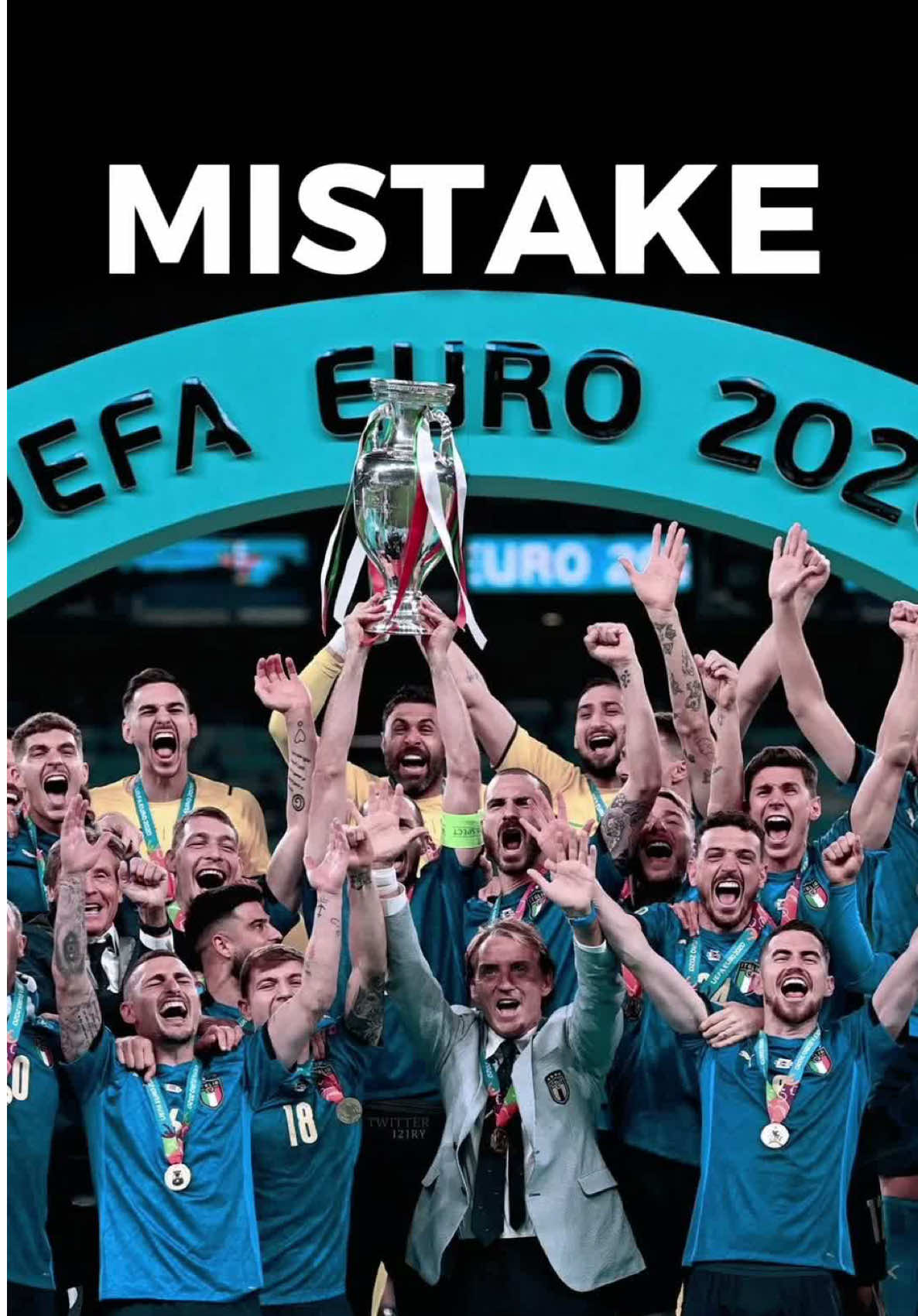
mancini italy football news today


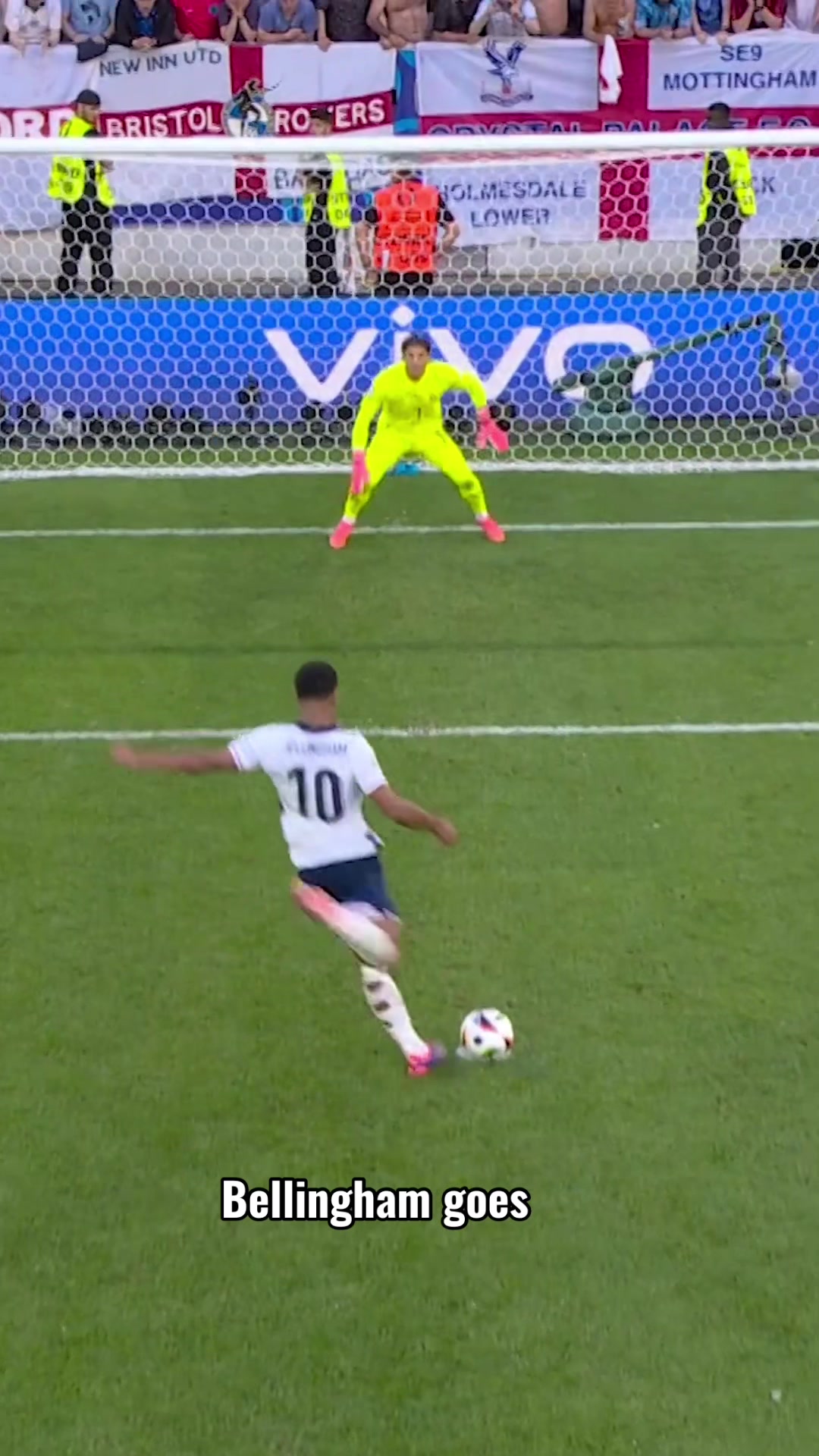
Don’t try mind games with Jude Bellingham 😅
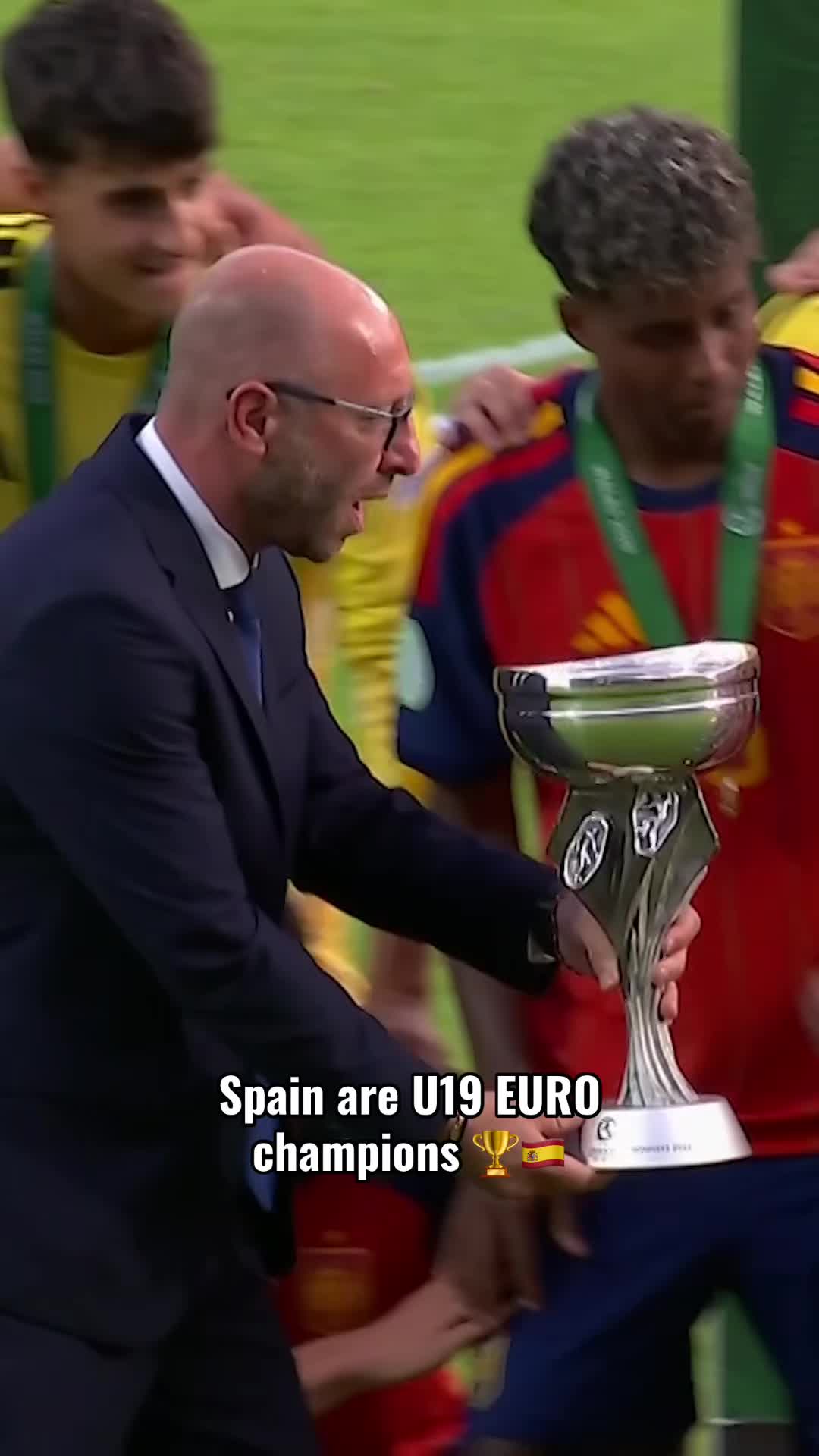
19 goals scored, ZERO goals conceded. Spain are U19 champions! 🙌🇪🇸
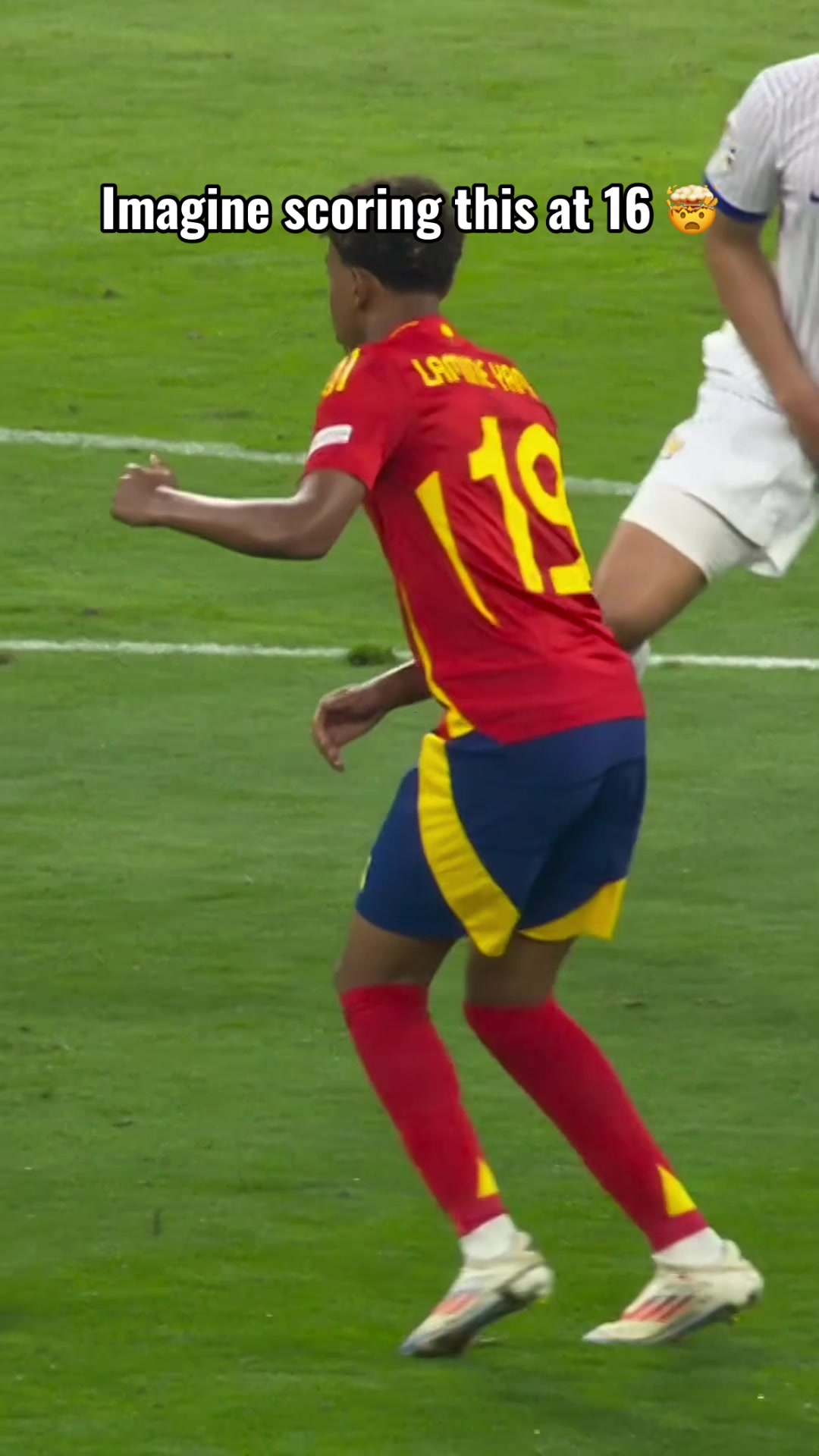
What were you doing when you were 16? 🤔
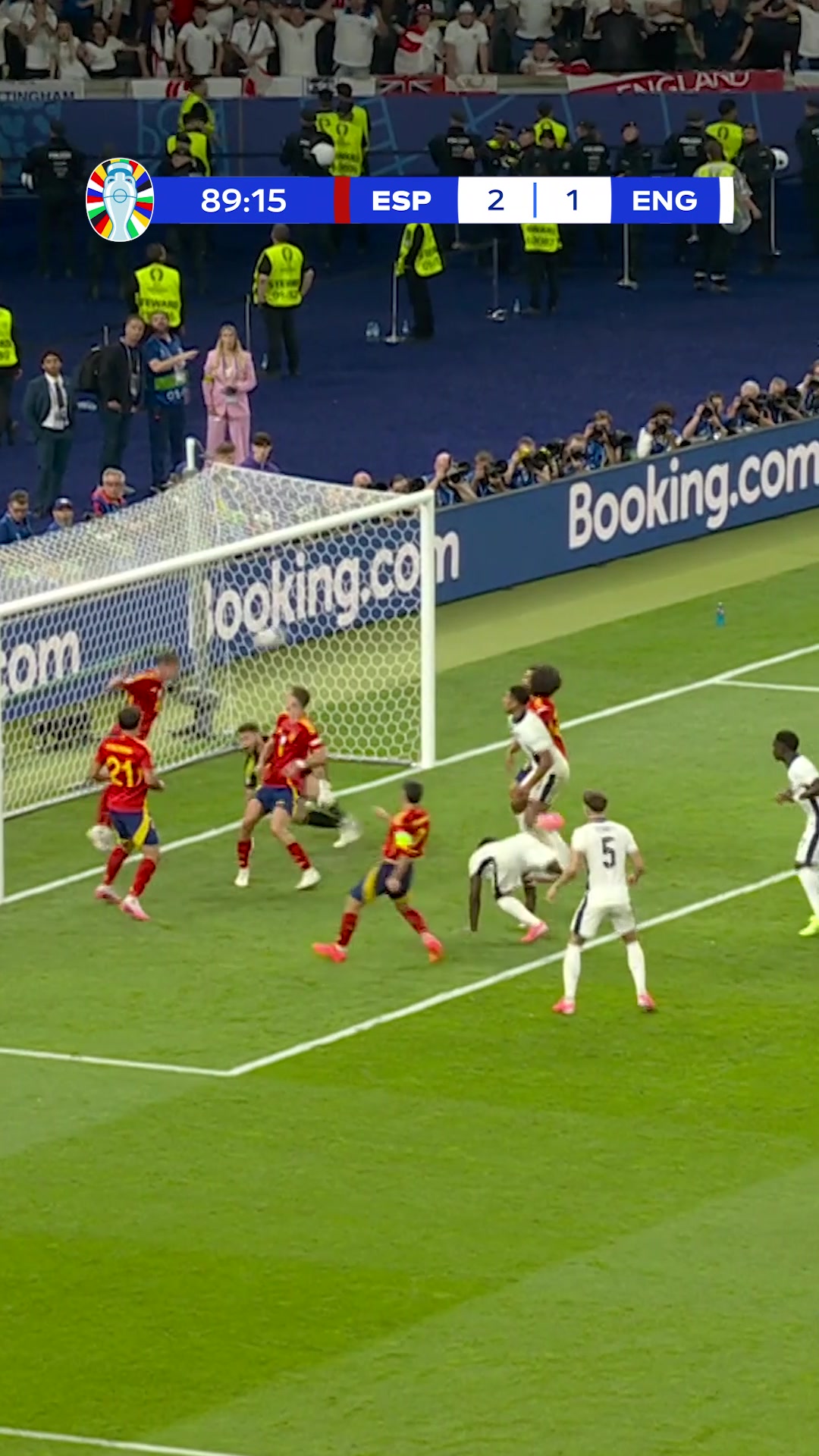
Dani Olmo coming up clutch 🇪🇸👏

Ronaldo magic 🪄
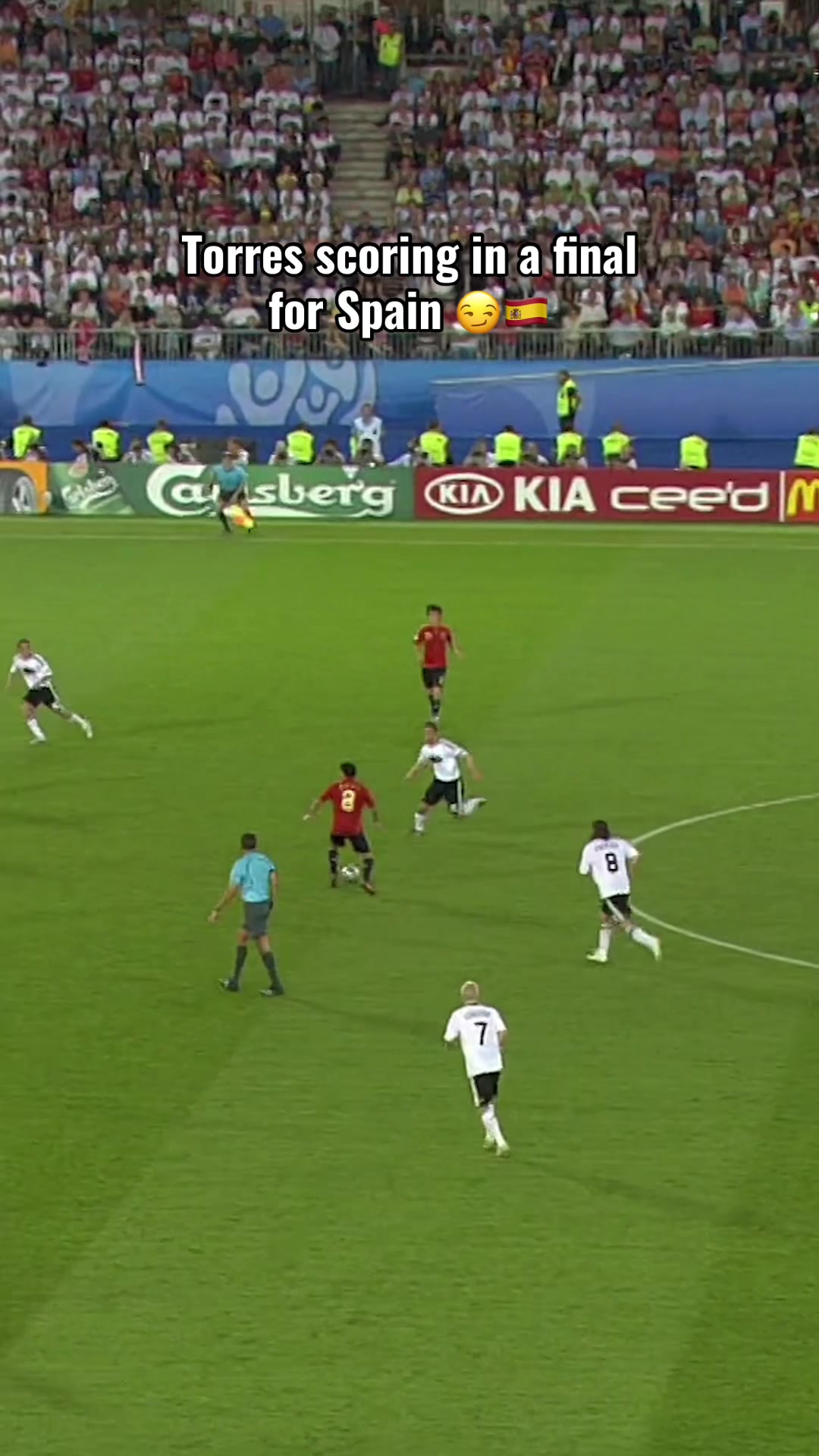
It just feels right 🙌
 Links
Links
 Contact
 App
App


