



Legend reveals that Venus Williams will make a comeback to accompany Serena Williams in her retirement, while Chakvetadze criticizes the homogenization of women's tennis.


Recently, former British tennis star and current commentator Greg Rusedski disclosed on a show that he believes 23-time Grand Slam champion Serena Williams will return in the new season and partner with her sister Venus Williams in doubles once again, as a farewell to their legendary careers. This prediction quickly attracted widespread attention in the tennis world.
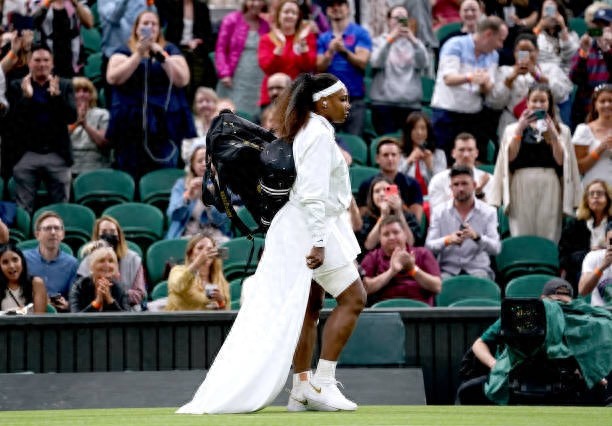
Rusedski said on the program: “I think Serena will team up with Venus again in doubles, especially if Venus decides to retire. Serena re-registering suggests it’s likely to bid farewell to the sport alongside her sister—Venus was the one who started the Williams sisters’ legendary journey.”
He further speculated that this significant doubles match might take place at this year’s Wimbledon or US Open, adding, “I really want to see this happen. If it does, I hope to witness it live.”
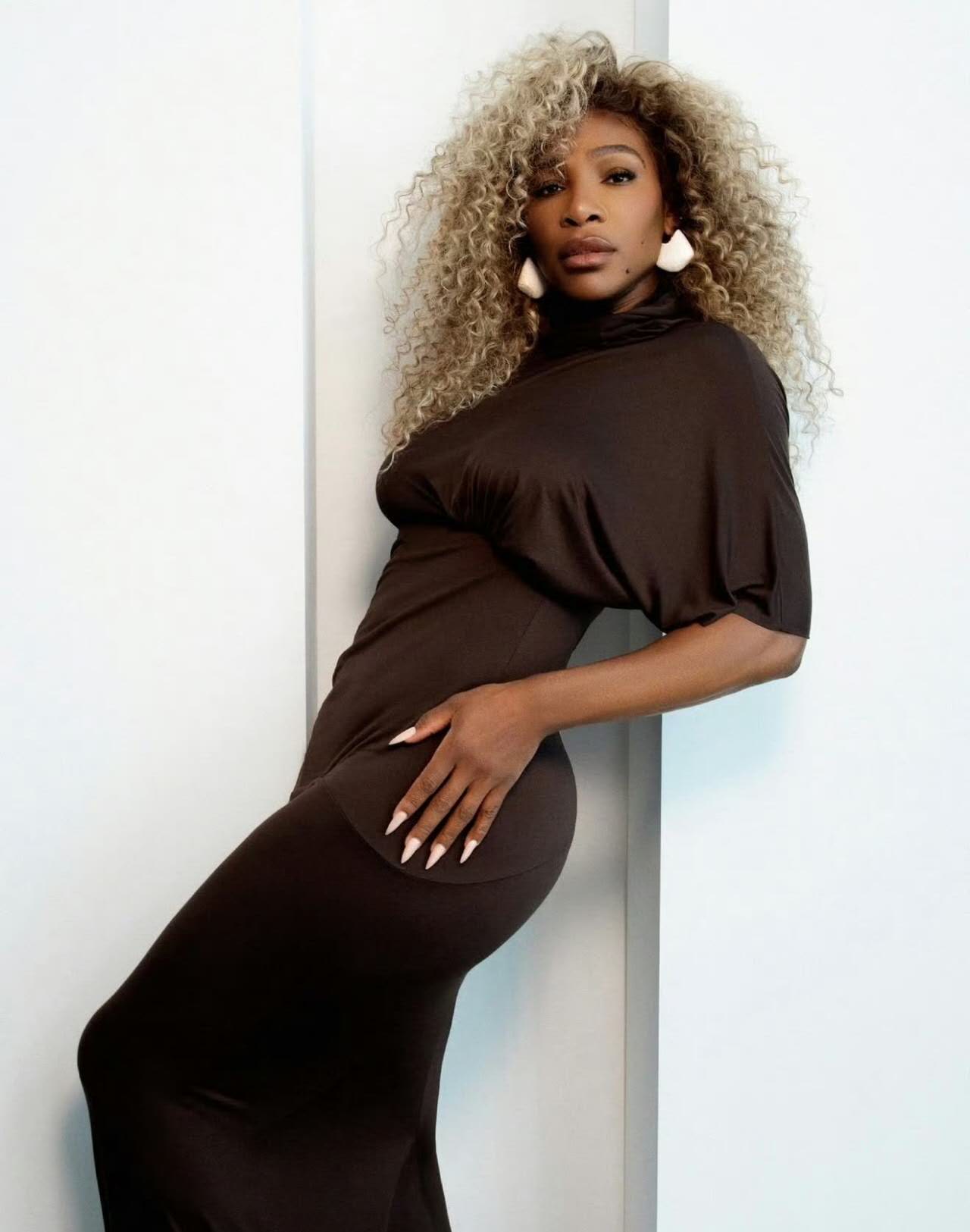
In response to Rusedski’s prediction, several tennis figures shared their views. Former Wimbledon champion and current BBC commentator Martina Navratilova said, “If the Williams sisters truly join forces again, it would be a touching moment in tennis history. They transformed the power dynamics of women’s tennis, and a doubles farewell would be a perfect full circle.”
Some fans commented: “If I could see Venus and Serena fight side by side once more in my lifetime, I would definitely cry! It symbolizes an era.” Others said, “Watching their final doubles match on Wimbledon’s grass? Please make this happen!”

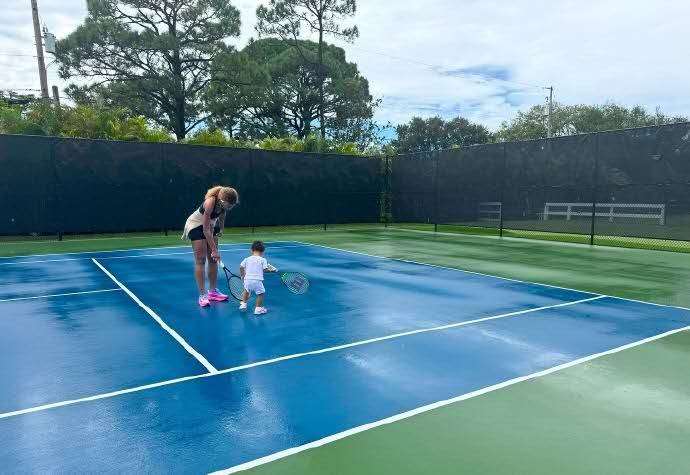
Although the news has not yet been confirmed by the Williams sisters, Serena’s recent training videos and her sudden appearance on the doping test list have led many to believe this prediction is very likely. Of course, even though Venus has previously denied the possibility of her sister’s comeback, many fans think this might just be to surprise everyone even more.
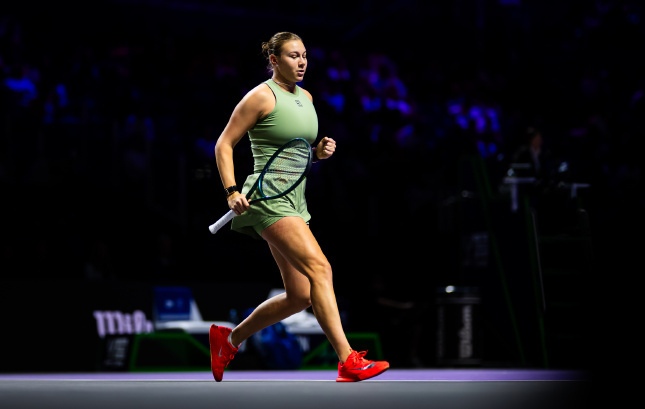
Meanwhile, discussions about the overall style of women’s tennis have intensified following comments from former Russian star Chakvetadze. In an exclusive interview, Chakvetadze pointed out that today’s WTA tour is becoming “more homogenized.”
“Of course, players like Sabalenka, Swiatek, and Gauff stand out due to their physicality and athleticism—they are excellent and make matches very entertaining. But overall, the tour seems more balanced than before, while the diversity of playing styles has diminished. Compared to my era, players’ styles today are more similar,” she said.

Chakvetadze expressed her hope for greater variety in women’s tennis styles: “Personally, I want to see more creative players, richer tactical combinations, and more individuality on the tour. Has the game become more focused on physicality? Possibly, but it seems mainly to have become more homogenized.”
Regarding Chakvetadze’s views, current coach David Witt, who has guided several top 20 players, partially agreed: “Modern tennis training is more scientific, and players’ physical fitness has generally improved, making baseline power play dominant. But differences remain, such as Swiatek’s spin, Sabalenka’s aggressive attacks, and Gauff’s defensive counterpunching. Perhaps ‘homogenization’ refers more to reduced tactical variety rather than a lack of personality.”
WTA veteran commentator Catherine Whitaker believes: “Social media and ranking pressures may push young players to imitate successful models rather than develop unique styles. This is an issue worth reflection for the tour and coaches.”
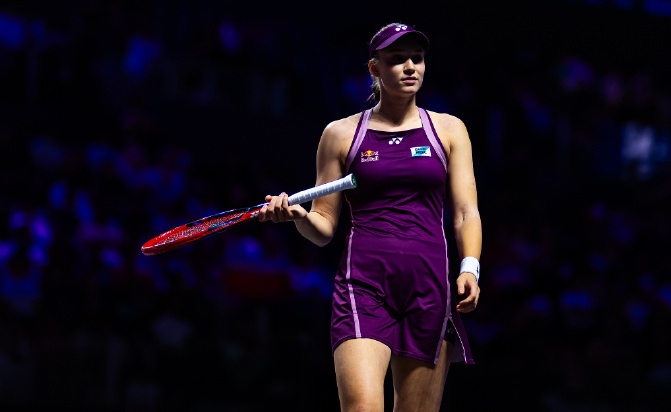
Some fans agreed: “I totally agree with Chakvetadze! Many matches now look very similar, lacking Hingis’ craftiness, Henin’s one-handed backhand, or even Sharapova’s unique rhythm. Power tennis dominates everything.” However, others disagreed: “I don’t think it’s homogenization but overall improvement. Previously, only three or four players were competitive; now anyone in the top 50 can win, making matches more intense.” Another fan said, “As a coach, I think the problem lies in overly standardized youth training. Everyone trains the same power chain and tactics, which erases individuality.”
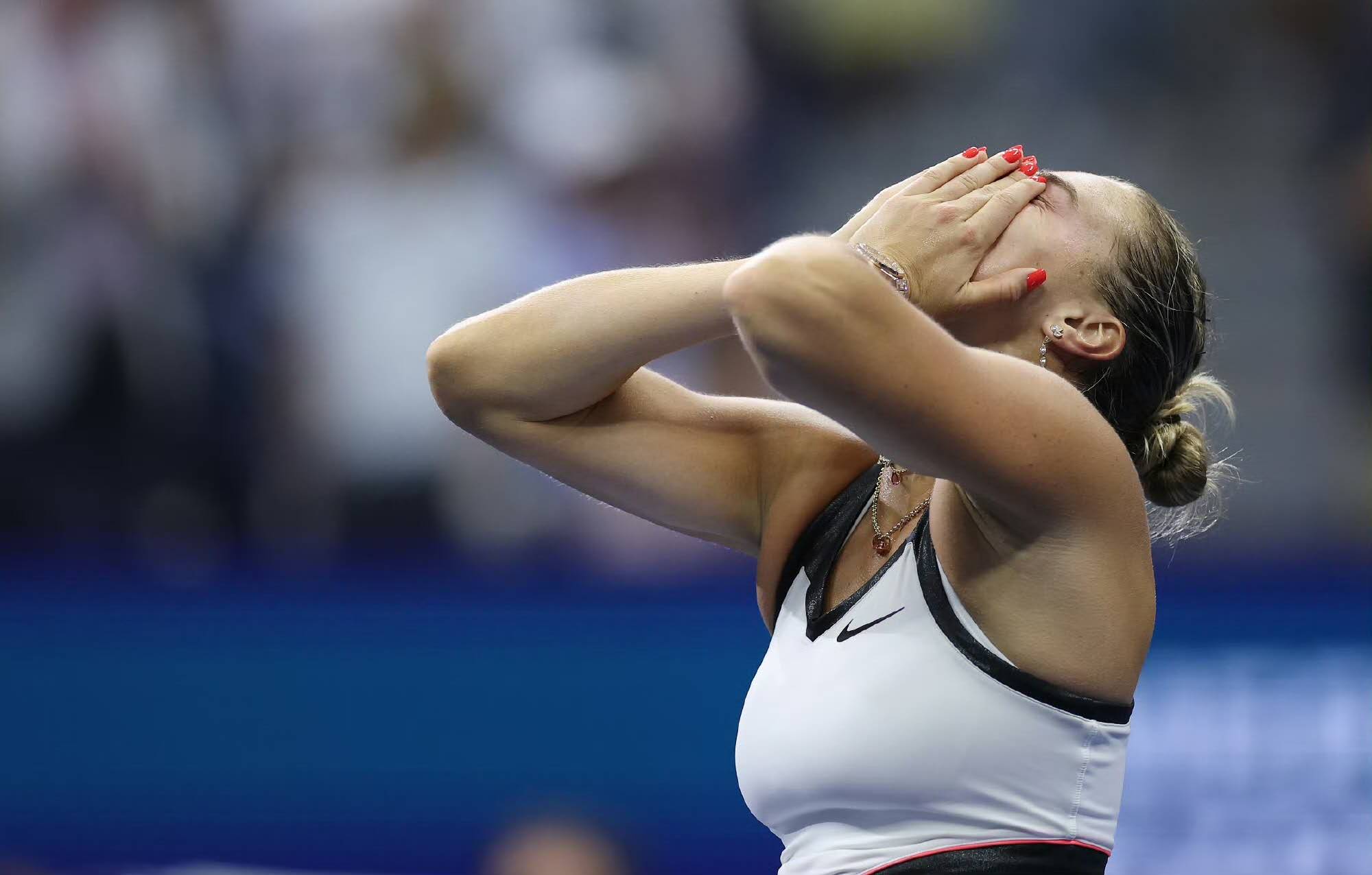
With strength and speed continually rising, maintaining diversity in playing styles and cultivating players’ unique personalities may shape the future appeal and development path of tennis. Fans look forward to witnessing both historic farewells and a richer, more colorful tennis spectacle.(Source: Tennis Home Author: Lu Xiaotian)

 Links
Links
 Contact
Address:UNIT 1804 SOUTH BANK TOWER, 55 UPPER GROUND,LONDON ENGLAND SE1 9E
Number:+85259695367
E-mali:[email protected]
 App
App


