



The time left for Alexandrova is running out.



In Melbourne Park in 2026, the air was thick with the heat of the Australian summer and the salty scent of sweat. When Alexandrova was once again eliminated in the first round of the Australian Open, the camera caught a fleeting expression on her face—a complex mix of disappointment, confusion, and reluctance, glaring sharply under the direct sunlight. As the scoreboard froze at 4-6 in the deciding set, the Russian star ended another Grand Slam campaign prematurely, leaving behind only her somewhat heavy footsteps and a fading silhouette as she exited the court. "There isn't much time left for Alexandrova," the commentator quietly uttered this objective yet harsh verdict, which has almost become a standard footnote after her recent Grand Slam exits.
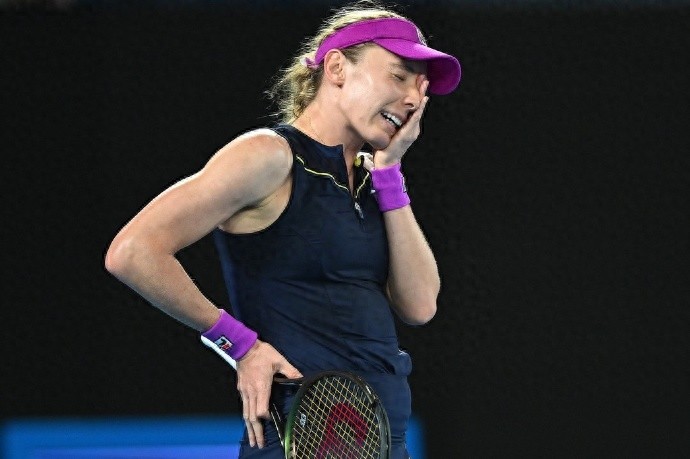
As one of the most perplexing "paradoxes" in women's tennis, Alexandrova’s career resembles a complicated math problem. On the tour, she is a giant killer, using powerful serves and fierce forehands to defeat many top-ten players. Last year, she made breakthroughs in Grand Slams, reaching the round of 16 in three consecutive events, setting personal bests and seemingly poised to fulfill her potential on the big stage. Yet the blow she suffered at the 2026 Australian Open once again revealed the most glaring contradiction in her tennis journey: why does a player who frequently creates miracles on the tour lose her magic under the Grand Slam spotlight?
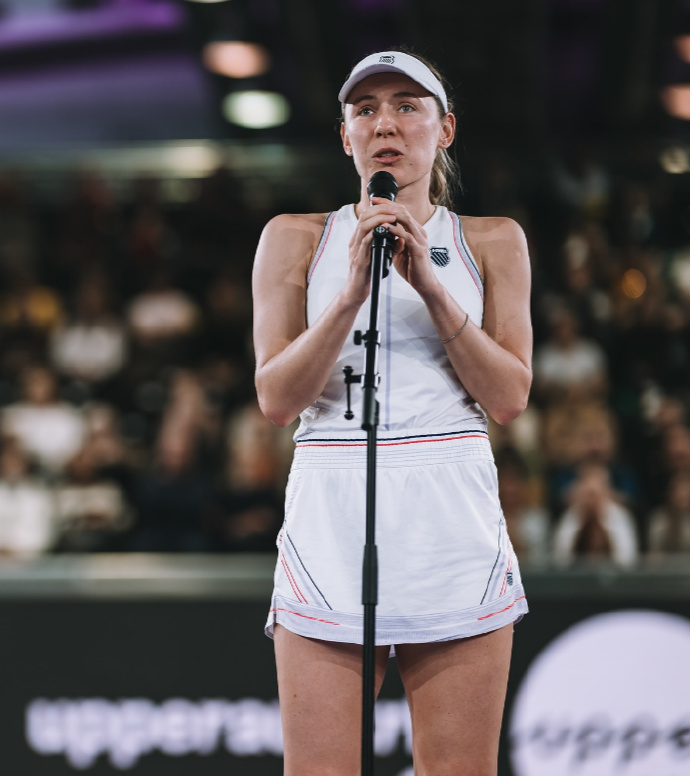
Strength has never been Alexandrova’s issue. Standing 1.75 meters tall with excellent explosiveness, her textbook serve often reaches speeds above 180 km/h on the first serve. Her baseline attacks are thunderous, and her forehand down the line ranks among the deadliest weapons on the WTA Tour. In practice, she can rally evenly with any top player; in regular tour events, she has victories over champions like Swiatek and Sabalenka. The stats don’t lie: she ranks in the top five on the tour for serve speed, consistently among the leaders in forehand winners, and although her movement isn’t elite, it’s sufficient to support her offensive style.
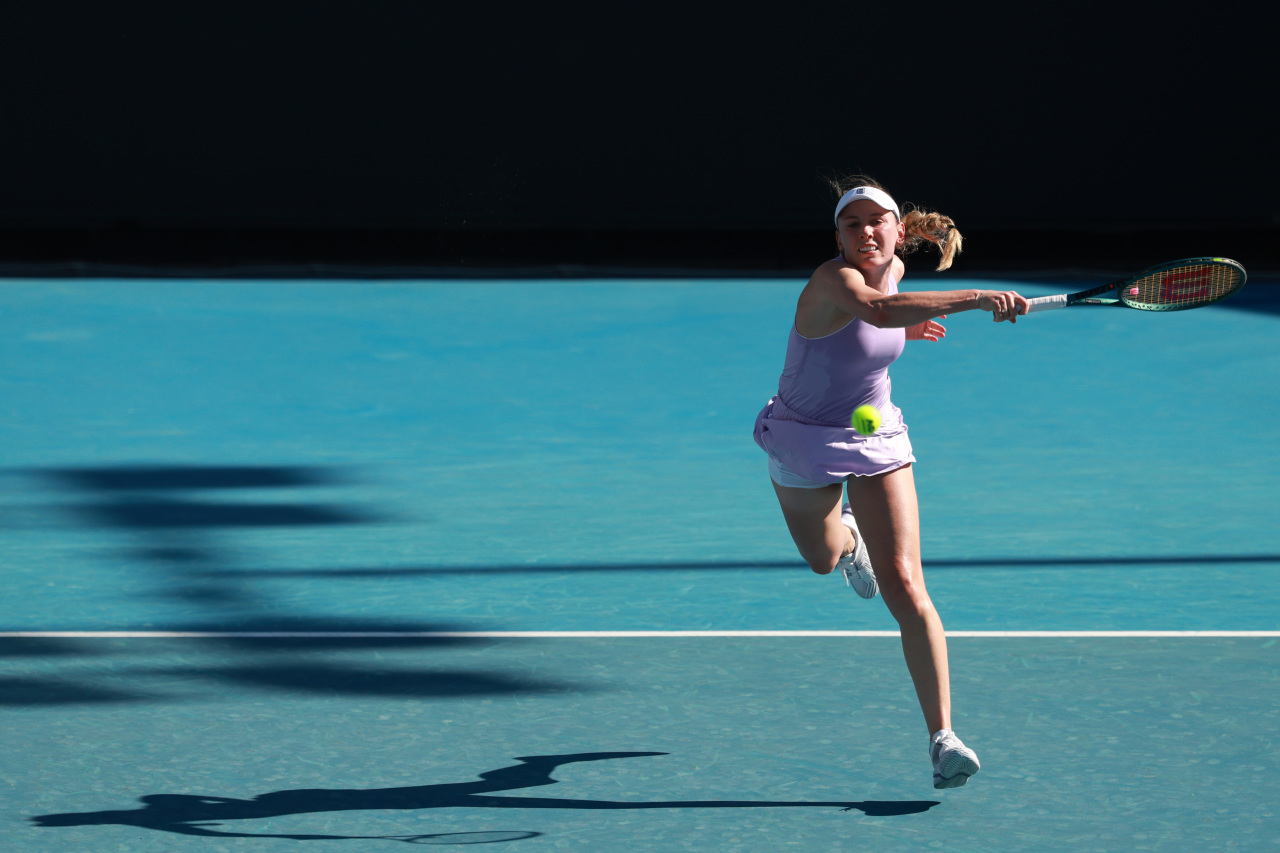
However, when the stage shifts from regular tour events to the Grand Slam spotlight, a subtle change always occurs in Alexandrova. Her serve remains powerful, but double faults at critical moments seem to increase; her forehand stays fierce, yet she hesitates on key points; her footwork remains steady, but her reactions under pressure appear a step slow. The root cause, as many observers have noted, lies in a psychological barrier she cannot seem to break through.
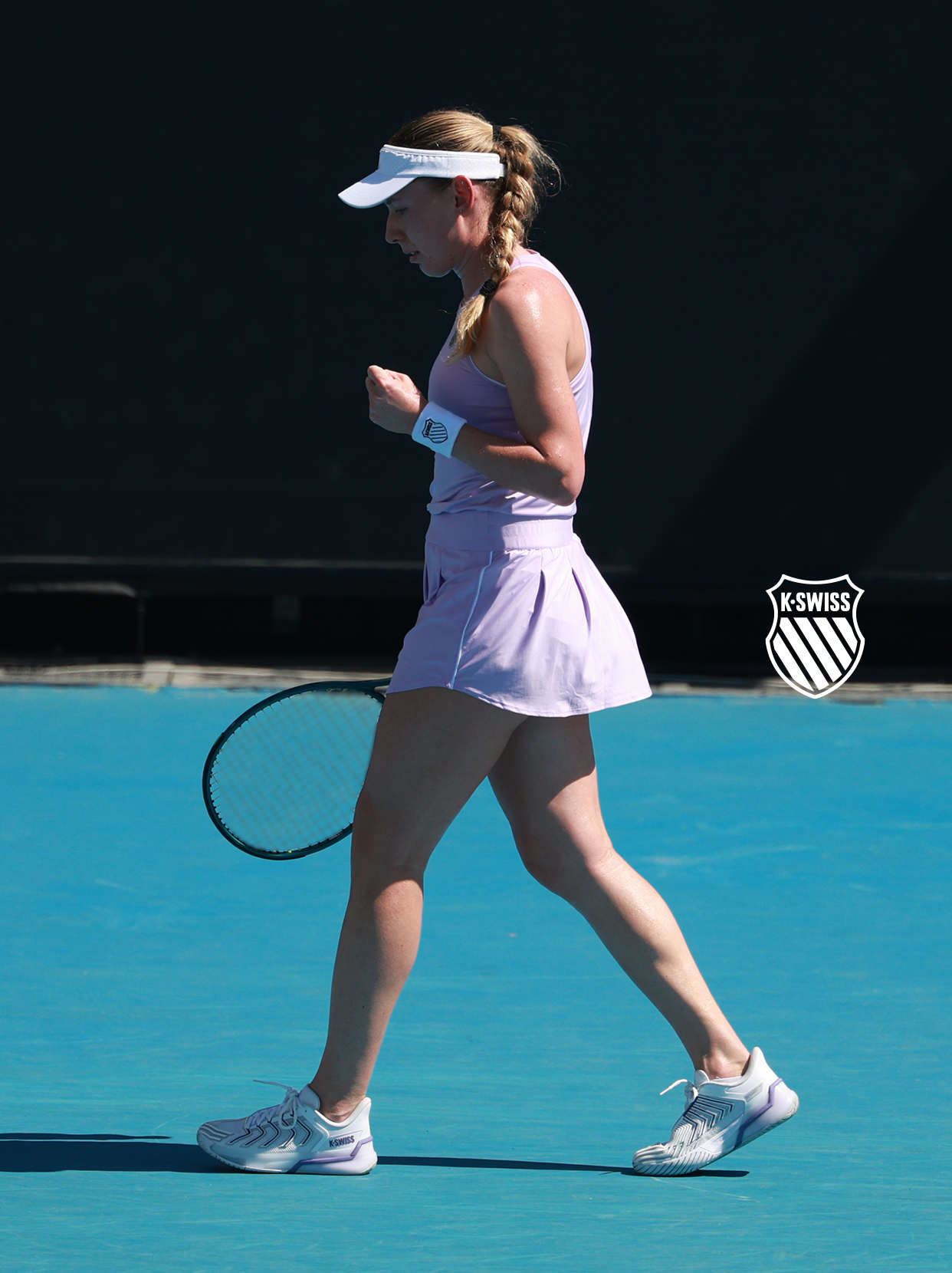
Sports psychologists often talk about "big-stage anxiety"—an excessive nervousness triggered by more important occasions. For Alexandrova, this anxiety may stem from self-imposed pressure, the invisible comparisons to Russia’s glorious tennis history, or simply an inexplicable mental block. When she steps onto a Grand Slam court, the shot selections that come almost automatically on the tour become overthought; instinctive tactical executions get clouded by doubt. Her opponents keenly sense this: Alexandrova’s aura in Grand Slams is markedly different from her tour-level presence. Last year's three consecutive Grand Slam round-of-16 finishes led many to believe she had conquered her mental demons. Yet at this year’s Australian Open first round, facing the young Turkish player Senmuez—whom she had beaten at Wimbledon last year—she reverted to an ordinary tour-level competitor, losing a hard-fought three-set battle.
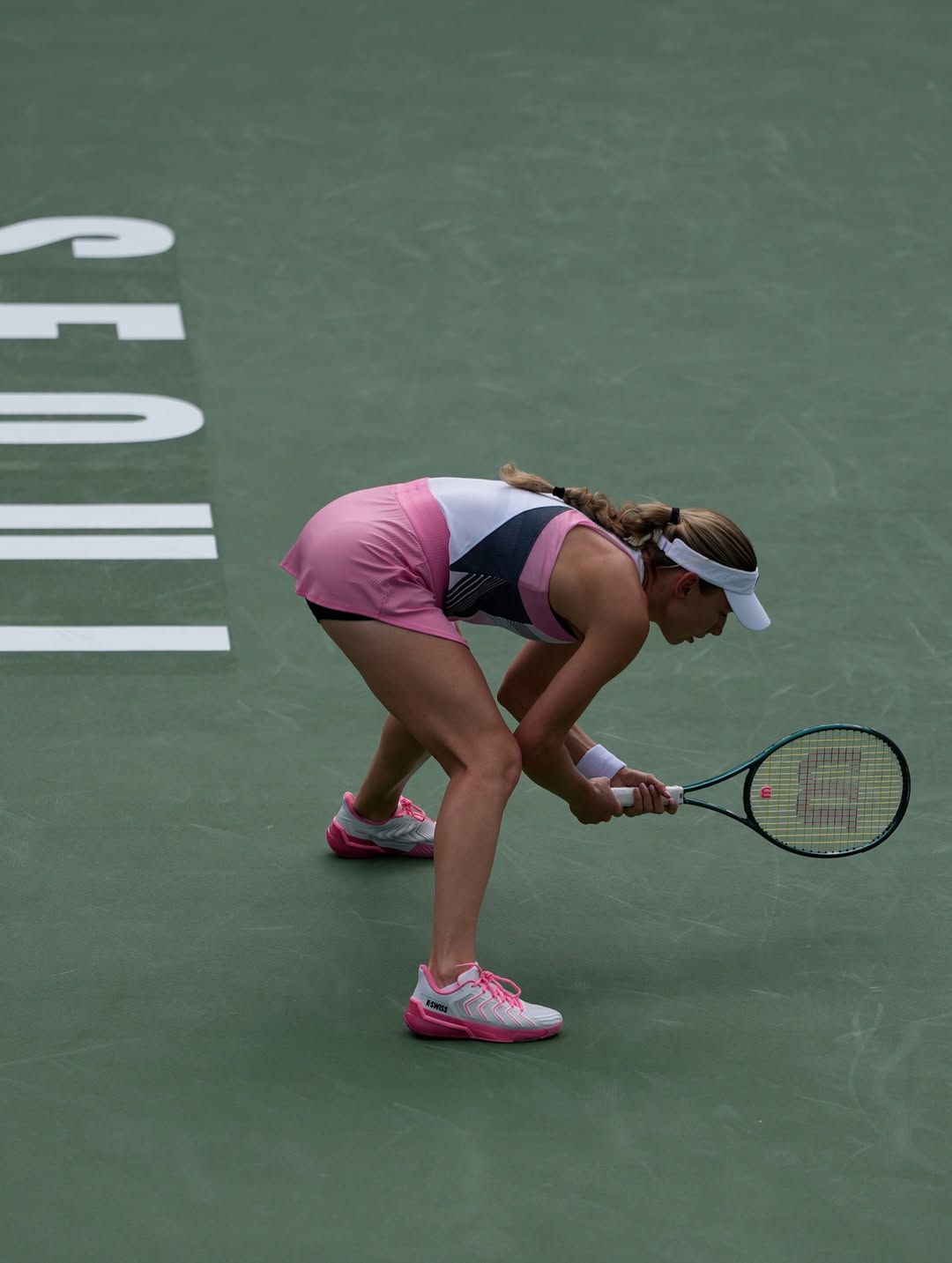
“Seventy percent of tennis is mental,” legendary player Billie Jean King once summarized. This is vividly true for Alexandrova. At moments when mental toughness is most needed—key points in Grand Slams, facing higher-ranked opponents, or under intense media and crowd expectations—an invisible barrier arises, separating her from victory. Now 31 years old, Alexandrova is not at the end of her career by women’s tennis standards; Serena Williams won Grand Slams after 35. But time is undeniably becoming tight. More worrying is that she has yet to break into a Grand Slam quarterfinal, a stark contrast to her long-standing top-20 ranking. This mismatch between results and ranking hangs over her like the sword of Damocles.
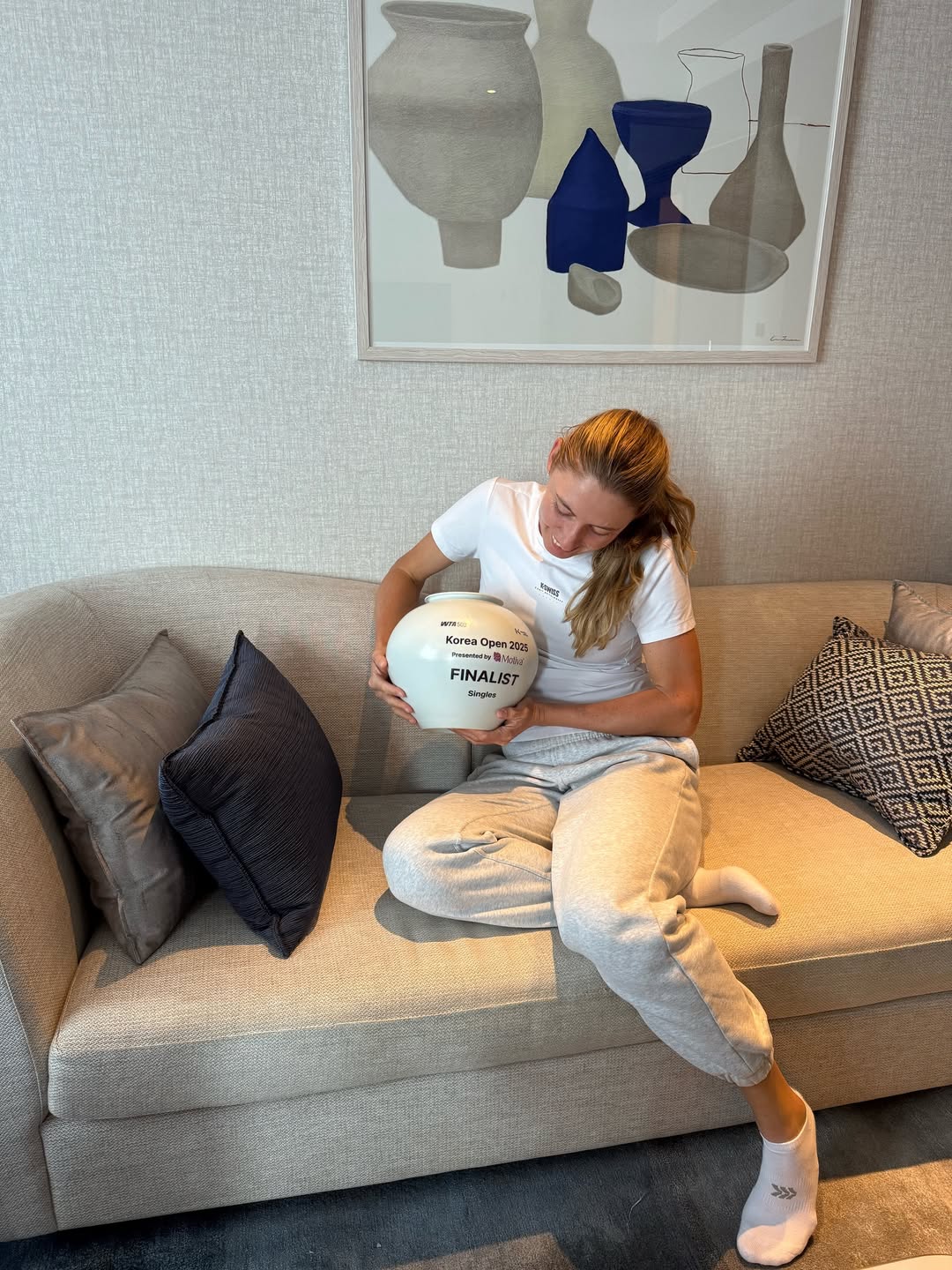
Tennis history is full of late bloomers, but late bloomers must eventually "arrive." Flavio Coda reached his first Grand Slam semifinal after 30; Wawrinka never made a Grand Slam quarterfinal before 28 but went on to win three majors. These examples prove that psychological breakthroughs can happen at any career stage. For Alexandrova, the key to breakthrough may lie in redefining her relationship with the game. What she might need is not harder training but a lighter mindset; not stronger technique but firmer confidence. Some sports psychologists suggest she should focus less on outcomes and more on immersing herself in the process; she might benefit from developing a mental routine to stay calm under pressure; she may need to reassess her definition of success and ease the weight of expectations on her shoulders.
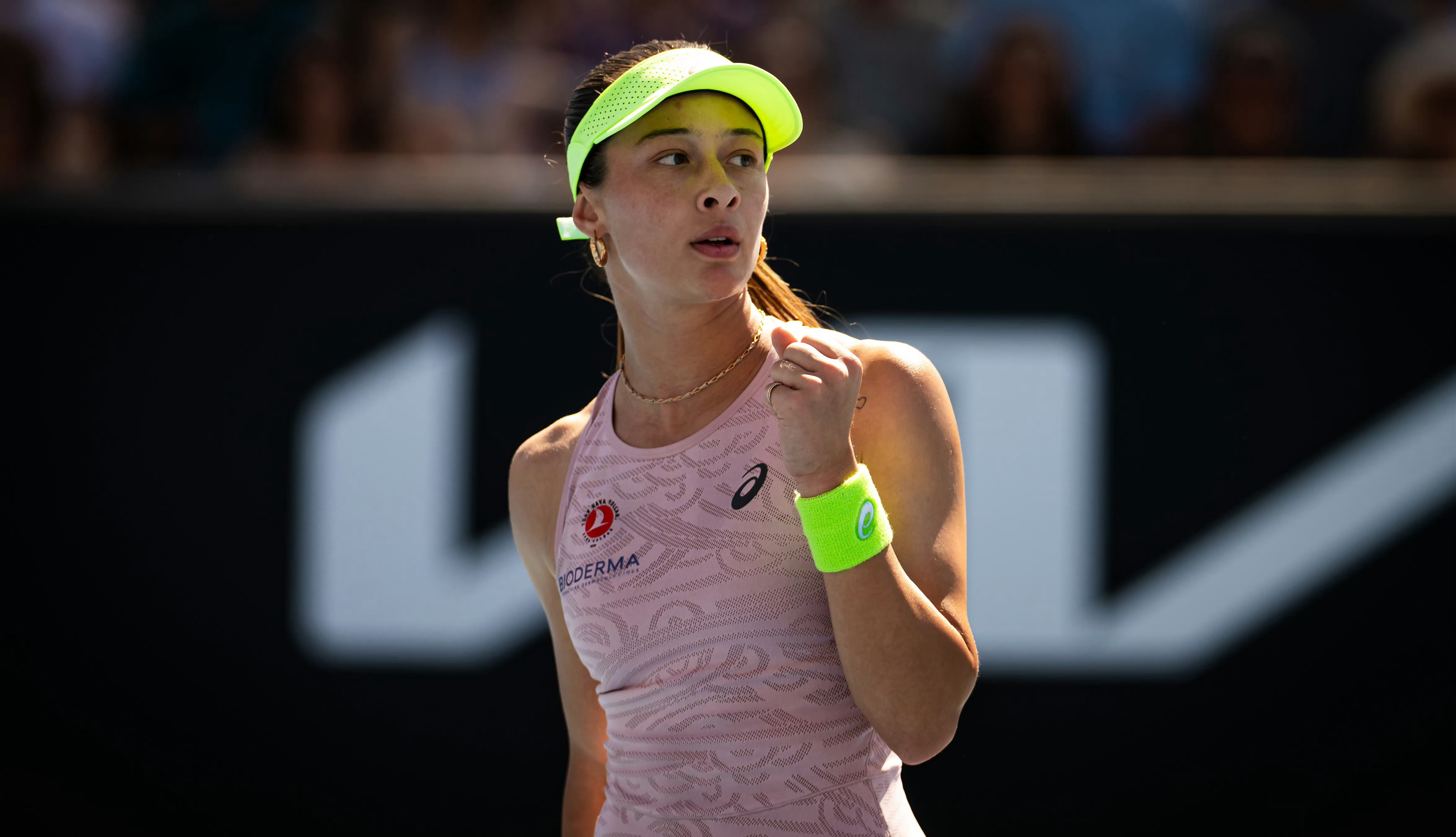
In the brutal yet beautiful sport of tennis, skills can be trained, fitness improved, but mental breakthroughs often require an epiphany—that sudden reconciliation with oneself allowing talent to flow freely at the most crucial moments. Indeed, time is running out for Alexandrova. Yet sometimes, urgency is the best catalyst for breakthroughs. Before her lies the legacy of many predecessors in tennis history: those who crumbled under pressure and those who rose above it to become champions. The difference often comes down to a single thought—a thought of fear or a thought of liberation.

Perhaps at the next Grand Slam, when Alexandrova steps onto the court again, she will find a way to make peace within herself. Maybe she will realize that her powerful serve and forehand are merely tools, and what truly determines the outcome is the spirit behind the swinging arm. Perhaps at that moment, when she stops counting how much time remains and focuses entirely on each point, the thin veil separating her from glory will quietly lift.
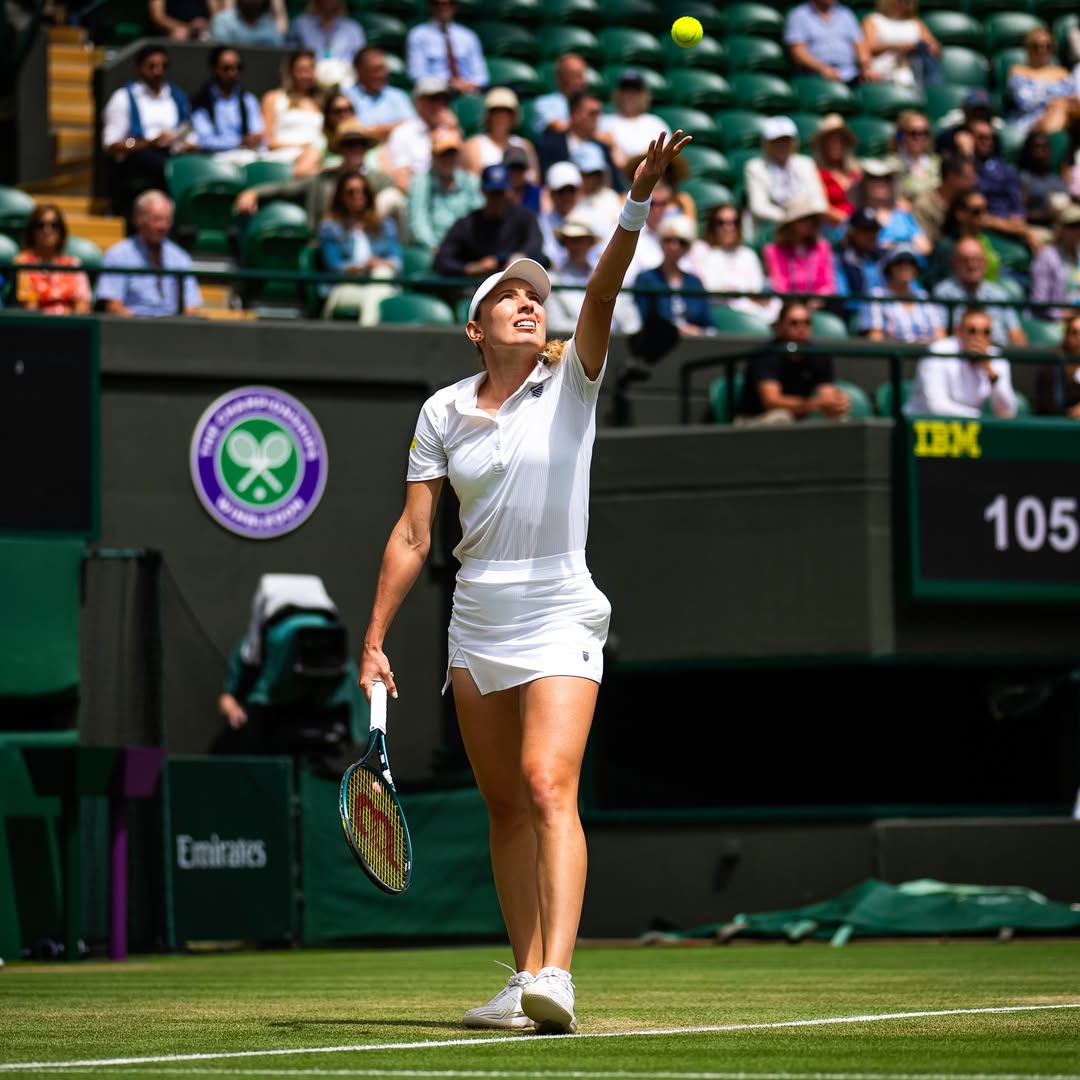
Time is short, but for a heart ready to transform, the duration of one match is enough. The drama of tennis lies in the fact that legends often emerge at the most unlikely moments. Alexandrova’s tennis story is far from finished, and the most thrilling chapter may be just after the next serve.(Source: Tennis Home, Author: Xiao Di)

 Links
Links
 Contact
Address:UNIT 1804 SOUTH BANK TOWER, 55 UPPER GROUND,LONDON ENGLAND SE1 9E
Number:+85259695367
E-mali:[email protected]
 App
App


