



Alcaraz advanced through the first set but unexpectedly faced a tough battle; Henman admitted that after Ferrero left, he seemed like a wild horse running free.


On January 21 Beijing time, during the second round of the 2026 Australian Open men’s singles, top seed Alcaraz took on Germany’s Hanfmann, who is ranked 102nd globally. Surprisingly, Alcaraz encountered difficulties in the first set, but in the end, the world number one secured a straight-sets victory 7-6(4), 6-3, 6-2 to move into the last 32.
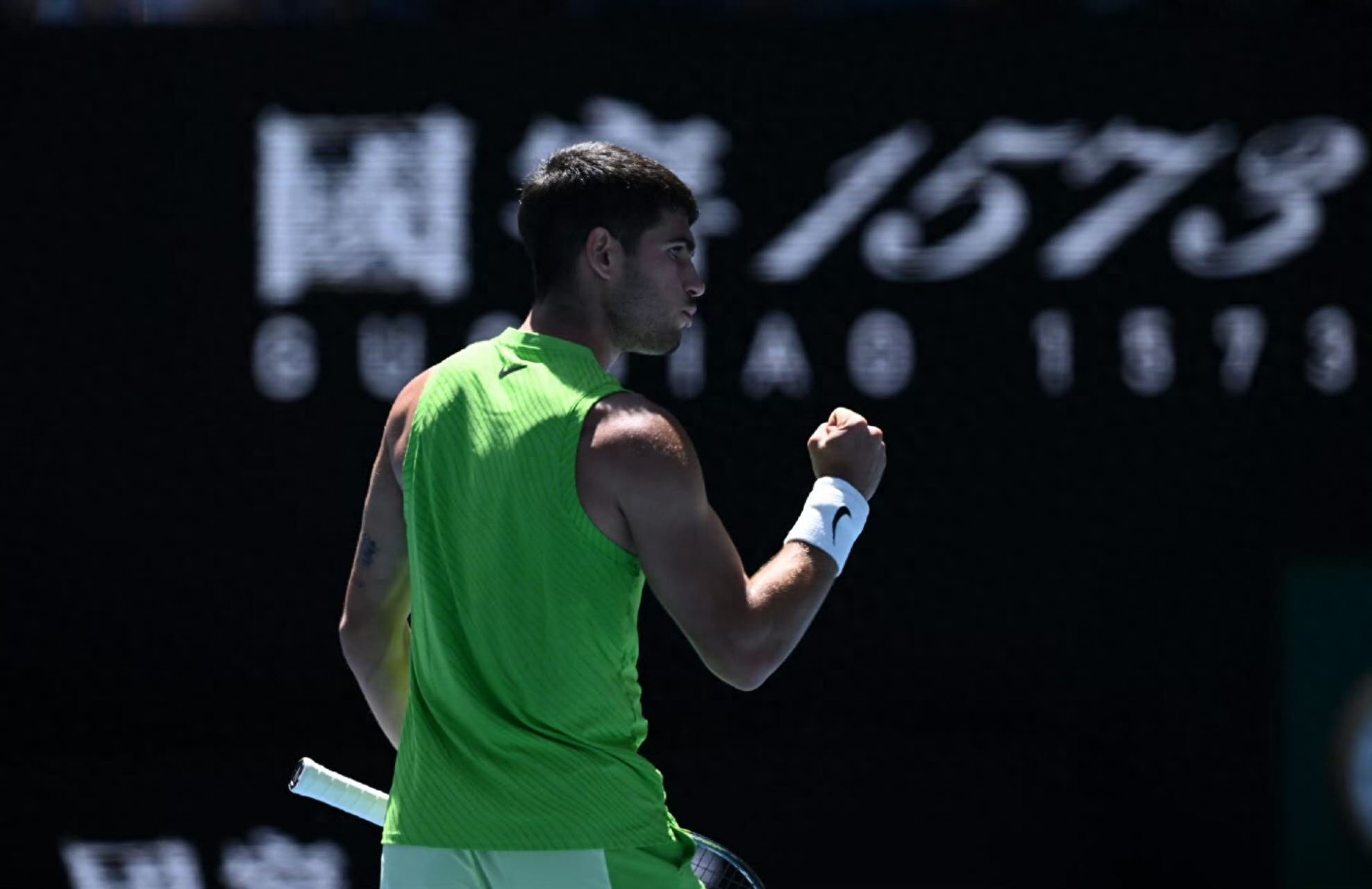
Before the match, most analysts believed Alcaraz held a clear advantage. Over the past 12 months on hard courts, Alcaraz compiled an impressive 33-6 record and won four titles; meanwhile, Hanfmann had a 13-8 record on hard courts recently but only managed 1 win against top 5 players out of 11 matches.
Experts from the Australian Open official team widely predicted before the match that Alcaraz was likely to complete the final piece of his career Grand Slam puzzle—the Australian Open title.
Bookmakers were very clear about this match’s outcome: the odds for Alcaraz to win were as low as -10000, while Hanfmann’s odds were as high as +1400. According to these odds, Alcaraz’s implied probability of winning was 99.0%.
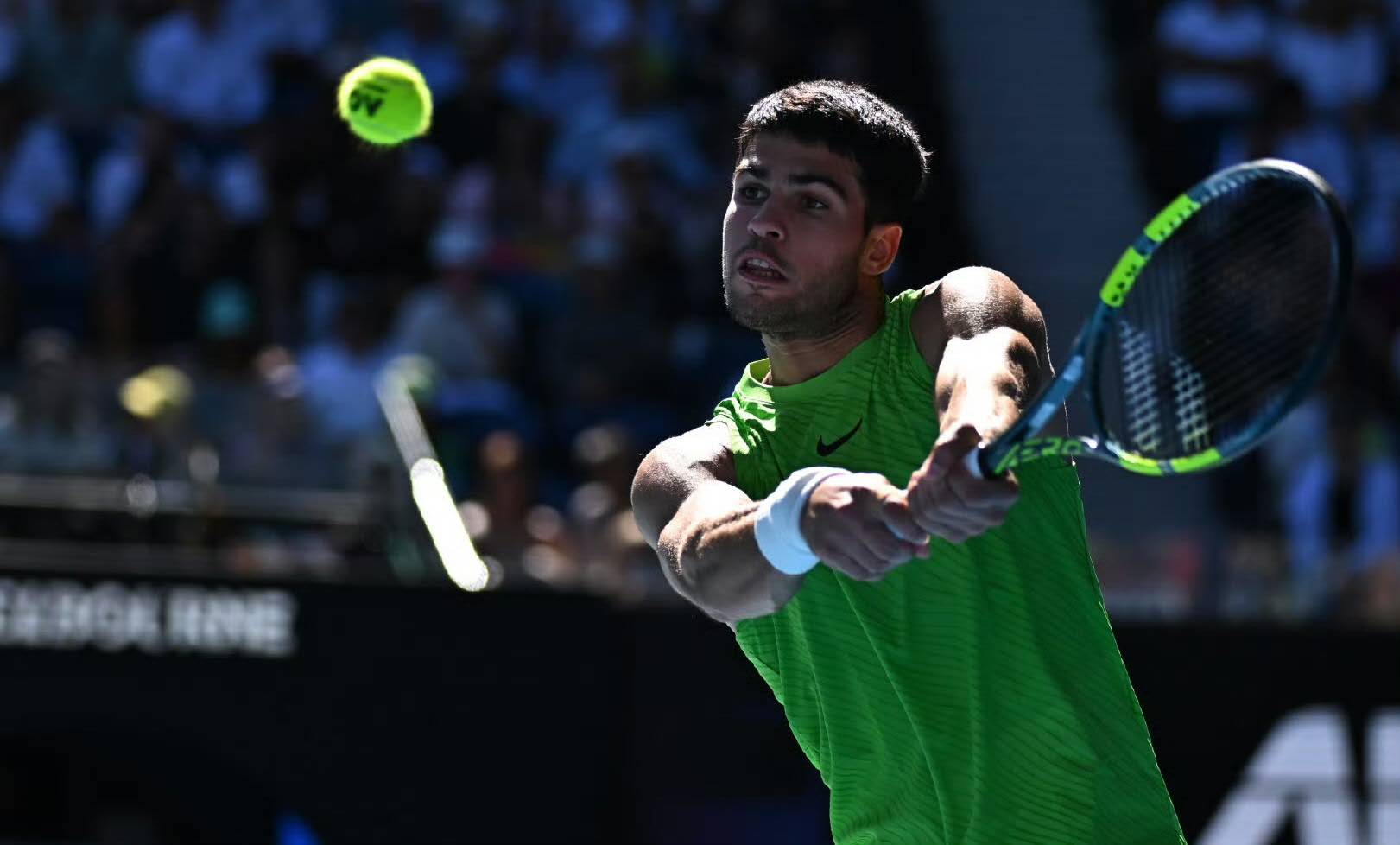
However, the match did not fully unfold as expected. Facing the world number one, Hanfmann played without pressure and started aggressively from the outset. In contrast, Alcaraz appeared “off form,” making multiple slicing errors and forcing net approaches that put his service games under pressure. After a double fault in the fourth game, Hanfmann seized the chance to break serve first, taking a 3-1 lead.
Although Alcaraz immediately broke back in the fifth game, Hanfmann kept applying pressure with steady baseline rallies and precise drop shots. The players battled evenly until 6-6, pushing the set into a tiebreak. Trailing 3-4 in the tiebreak, Alcaraz regained composure, forcing Hanfmann into errors with wide court movement, securing a mini-break, and eventually winning the tiebreak 7-4. This set lasted 78 minutes, marking one of the longest Grand Slam first sets in Alcaraz’s career.
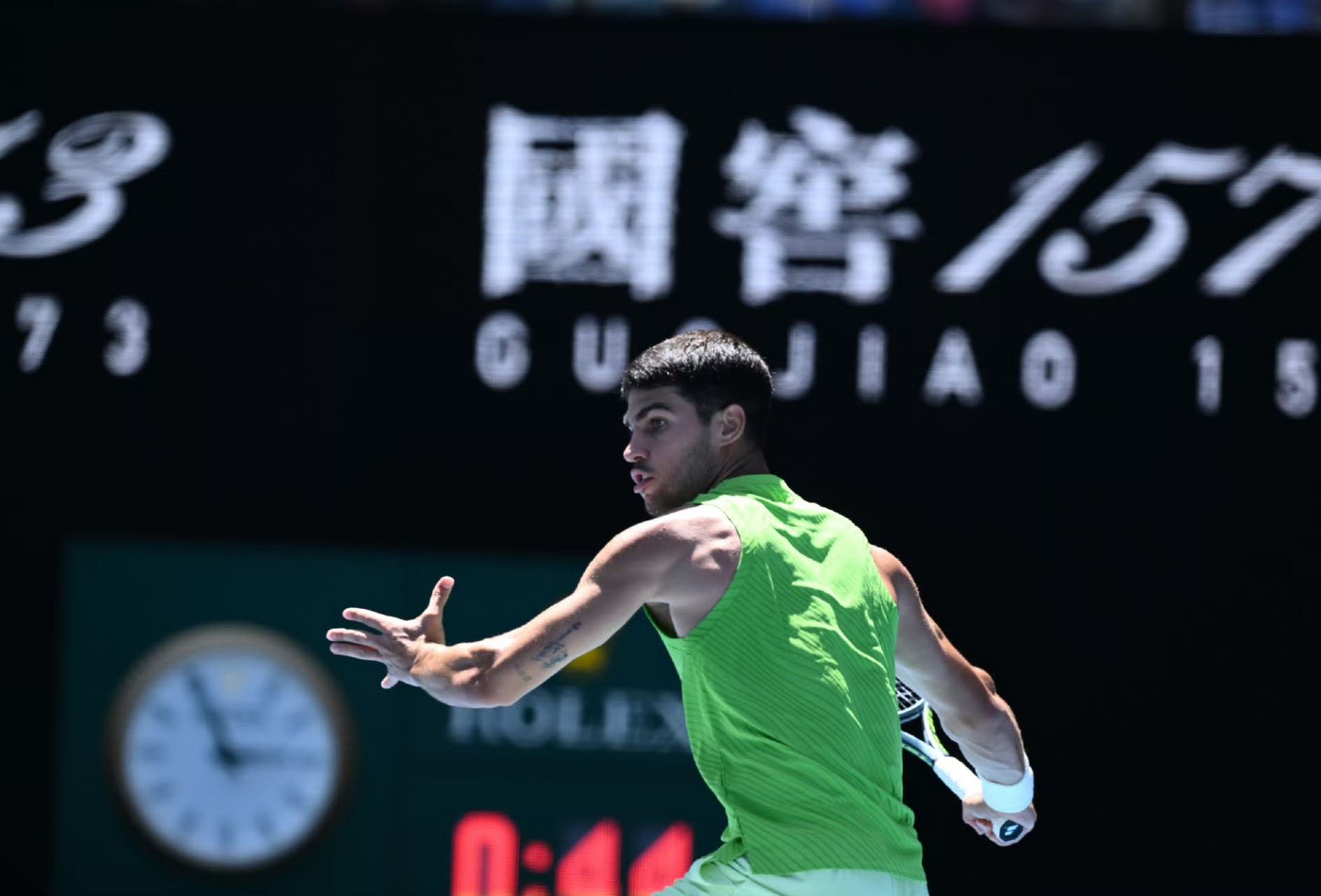
After clinching the first set, Alcaraz seemed relieved and gradually took control. In the fourth game of the second set, he broke serve at a crucial moment to win the set 6-3. At this point, Hanfmann requested a medical timeout due to discomfort around his left ribs, which affected his form.
In the third set, Alcaraz pressed his advantage, breaking twice and closing out the match 6-2, saving four break points in his final service game to seal the victory.
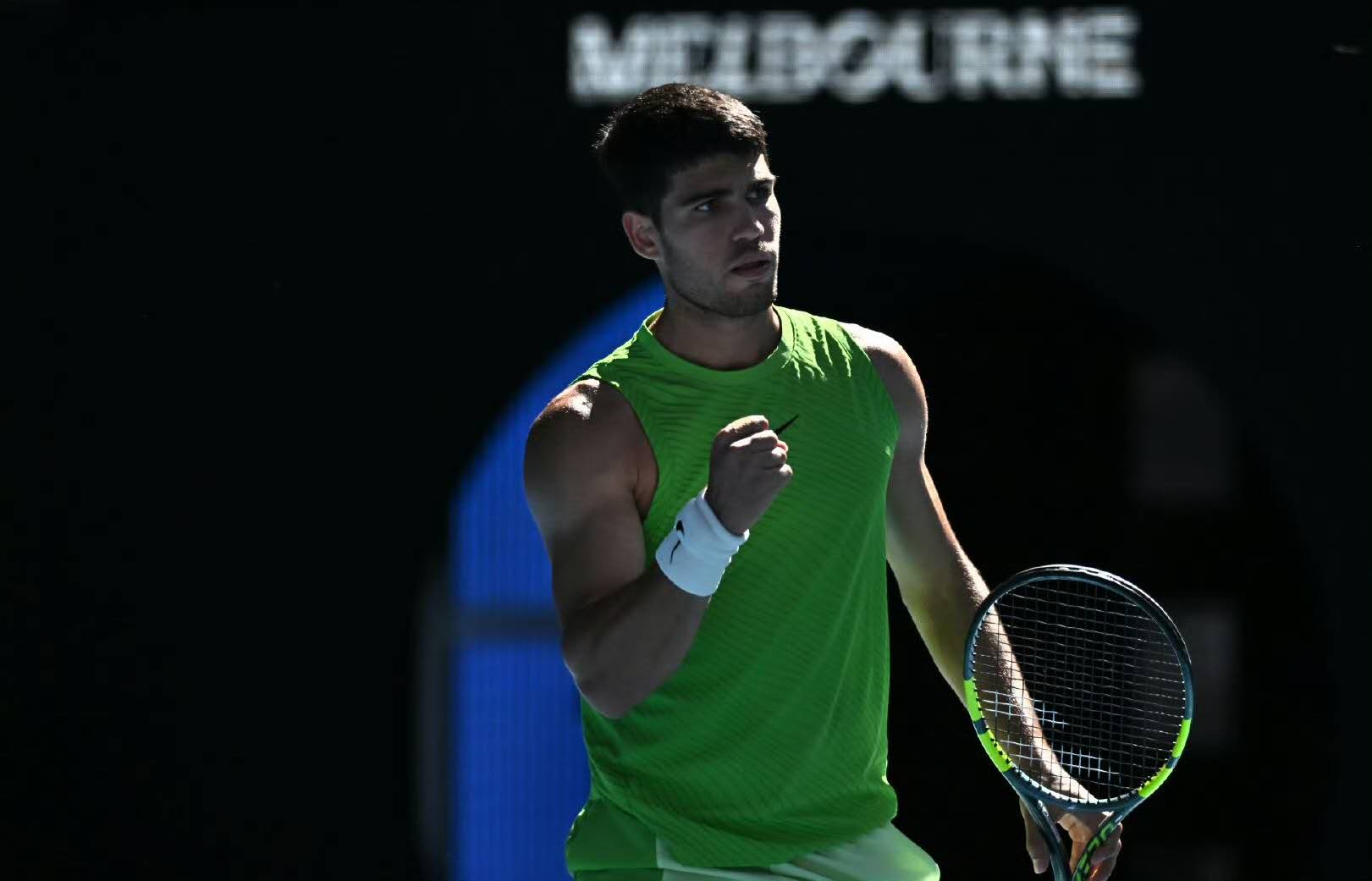
Alcaraz’s performance in this match, especially the fluctuations in the first set, sparked discussions about his adaptation with the new coaching team. British tennis legend Henman expressed concern after watching, suggesting Alcaraz seemed to be “deliberately extending his match highlights,” even describing him as a “wild horse running loose,” which contrasts interestingly with his main rival Sinner.
Henman noted that since losing in the US Open final last year, Sinner has been adding more variety to his game, whereas Alcaraz now needs to “tighten the reins” and improve his tactical discipline.
This is not the first time Henman has offered such advice to Alcaraz. During the 2025 Wimbledon final, when Alcaraz showed frustration and shouted at his box team, Henman commented, “This is definitely a bad sign; he was clearly distracted and feeling the pressure.”
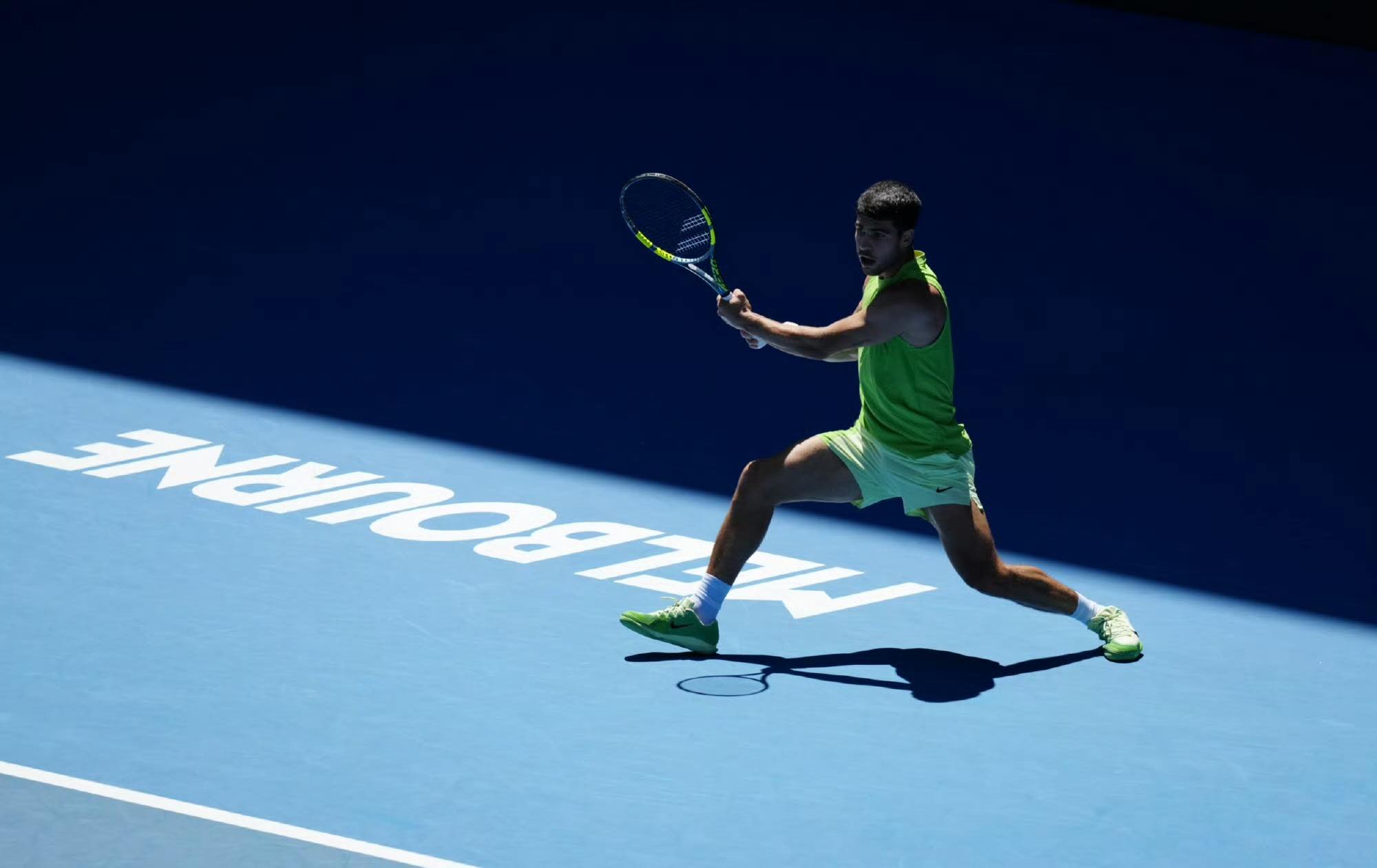
Other veterans also agree. Lopez’s technical skills are unquestionable, and his winter training improvements on Alcaraz’s serve and backhand are evident. However, whether he can fill the tactical discipline and mental coaching gap left by Ferrero remains uncertain. Ferrero successfully helped Alcaraz with “point-to-point” training, leading to great success in the 2024-2025 seasons. This training essentially “tightened the reins” on Alcaraz’s tactical system—meaning to avoid reckless play and gimmicks, making his game more practical. Since Ferrero’s departure, Alcaraz has shown signs of reverting to old habits. Ferrero’s comprehensive tactical guidance is difficult for a technical coach to fully replace.
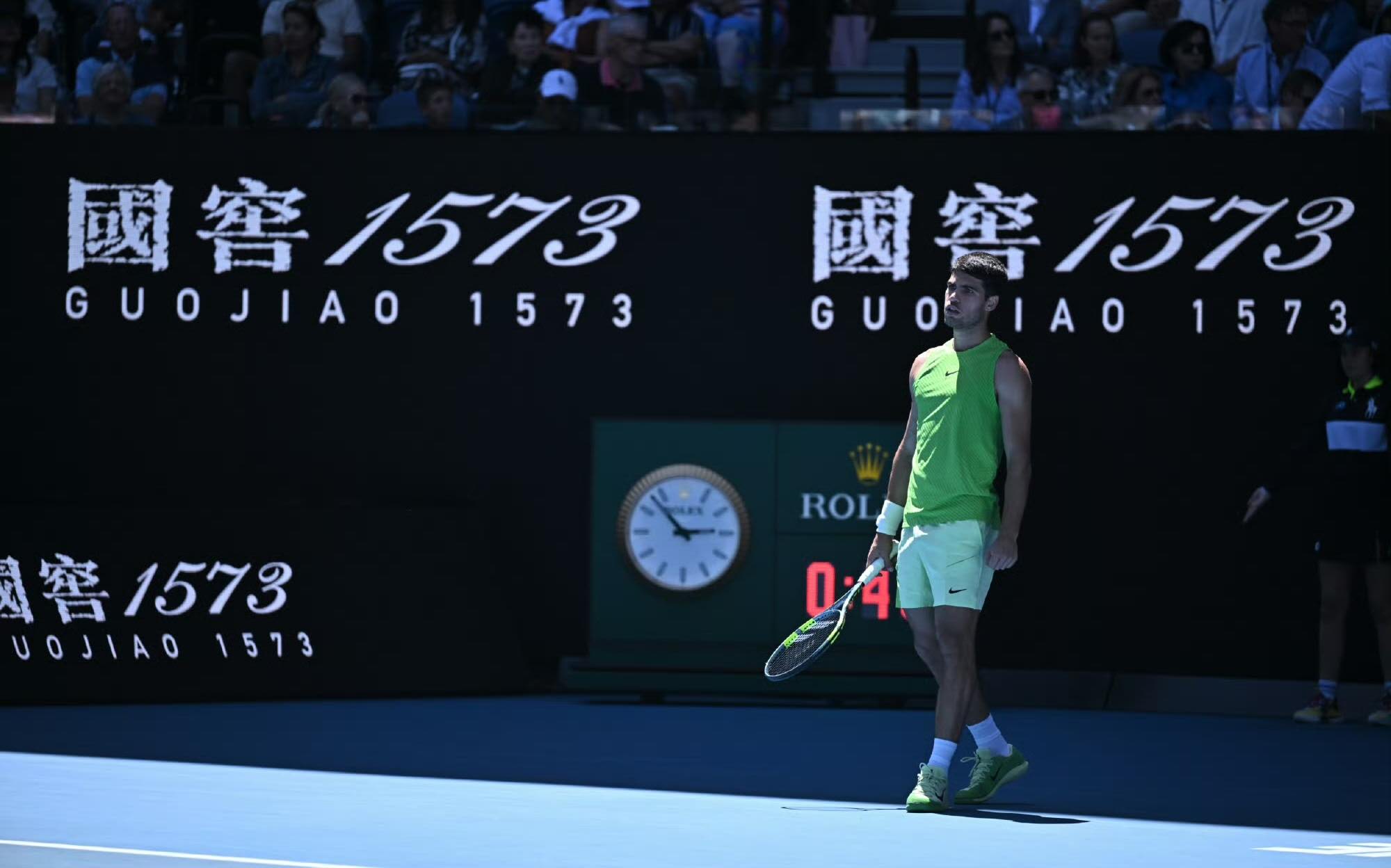
In response, some netizens have commented, “Starting from the 2024 season, Ferrero’s work on Alcaraz’s tactical discipline took two years to bear fruit. But in the first Grand Slam after Ferrero’s exit, Alcaraz immediately showed obvious signs of slipping back. This raises a question: Samuel Lopez is a good coach technically—his impact on Alcaraz’s serve and backhand is clear—but is he capable of being the figure to ‘tighten the reins’ on Alcaraz? That role is precisely the hardest vacuum to fill since Ferrero left.”
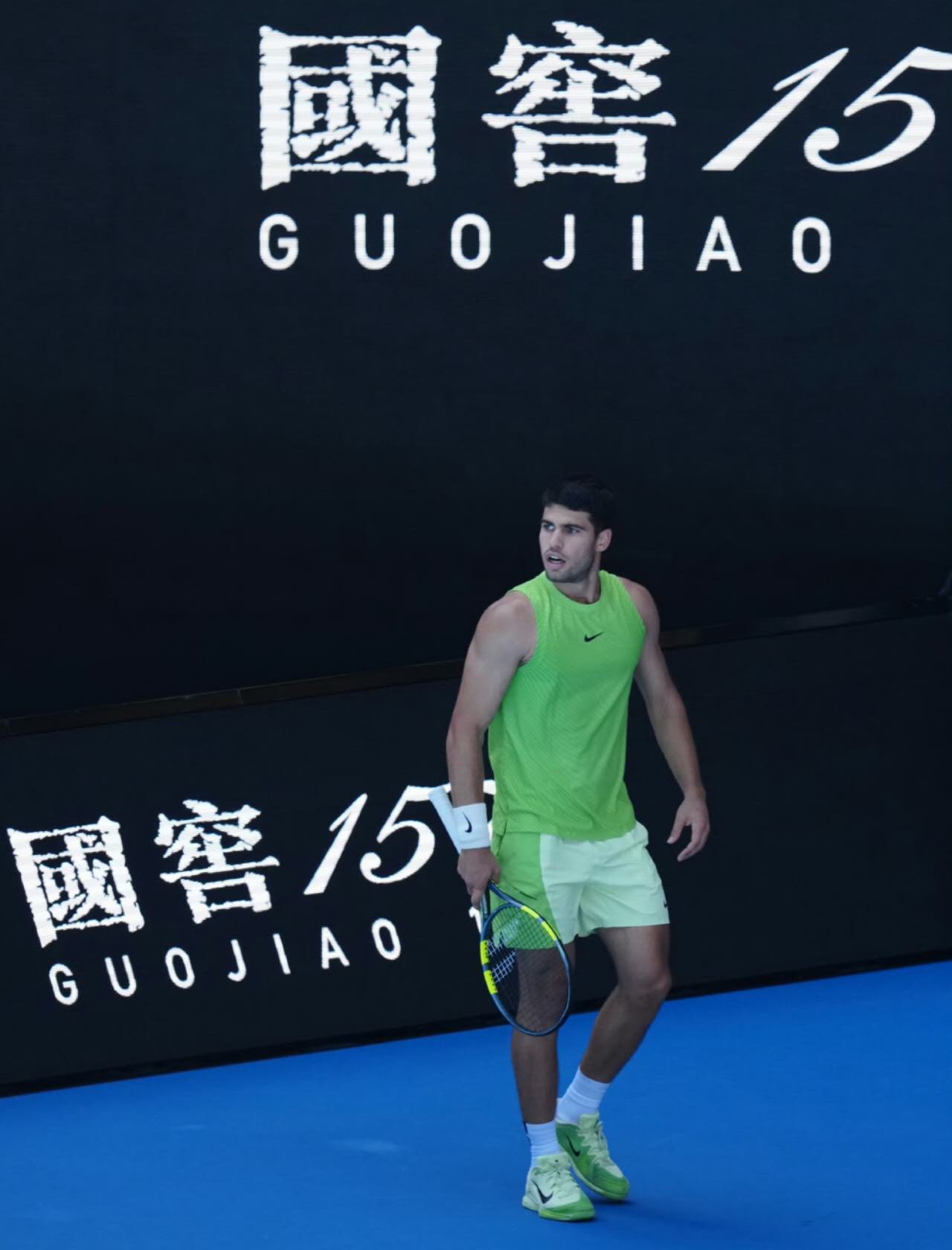
After the match, in the player’s box, Lopez was focused on organizing the data board. However, since Ferrero’s departure, the person who once “tightened the reins” on Alcaraz is no longer there. Grand Slam tournaments leave little room for young players to make mistakes. The side effects of Ferrero’s exit may just be beginning. Given the heavy expectations to win this year’s Australian Open, Alcaraz’s performance today inevitably raises a big question mark from the public.(Source: Tennis Home Author: Lu Xiaotian)

 Links
Links
 Contact
Address:UNIT 1804 SOUTH BANK TOWER, 55 UPPER GROUND,LONDON ENGLAND SE1 9E
Number:+85259695367
E-mali:[email protected]
 App
App


