



Losing is the key to emotional breakdown: Examining athletes' emotional tipping points from Sakkari to Cîrstea


In the 2026 Australian Open women's singles second round, Greek player Sakkari and Romanian veteran Cîrstea both showed strong emotional responses following their defeats, which drew broad attention in tennis circles. Sakkari lost 0-6, 4-6 to Russian rising star Andreyeva and expressed displeasure at her opponent shouting "come on" during her mistakes; meanwhile, Cîrstea, after a three-set battle, was defeated by Naomi Osaka and responded coldly when Osaka shouted "come on" following her first serve error.
At the heart of these controversies lies a superficial debate about whether opponents’ cheers during matches constitute interference, but the deeper issue is that the frustration from losing triggers athletes' emotional “tipping points.”
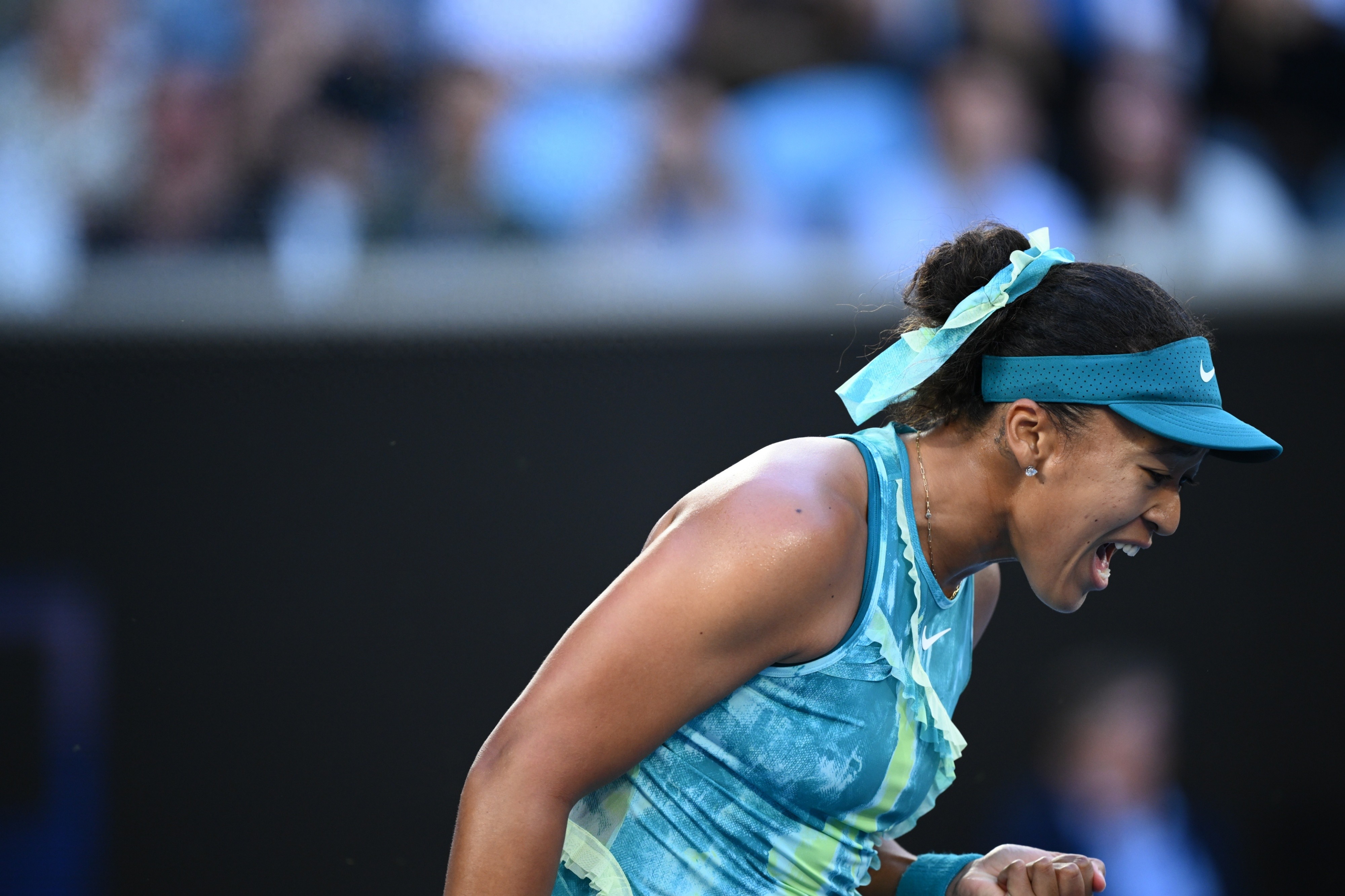
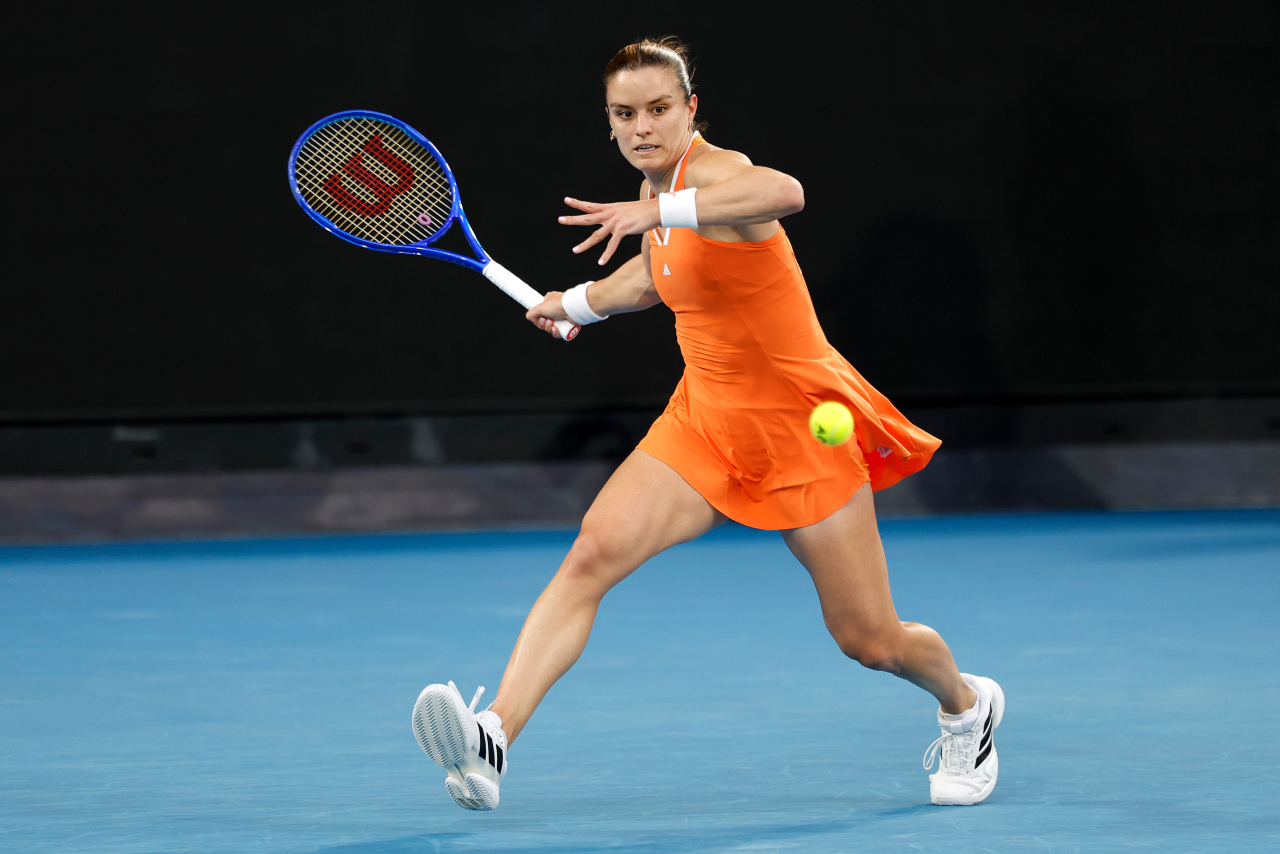
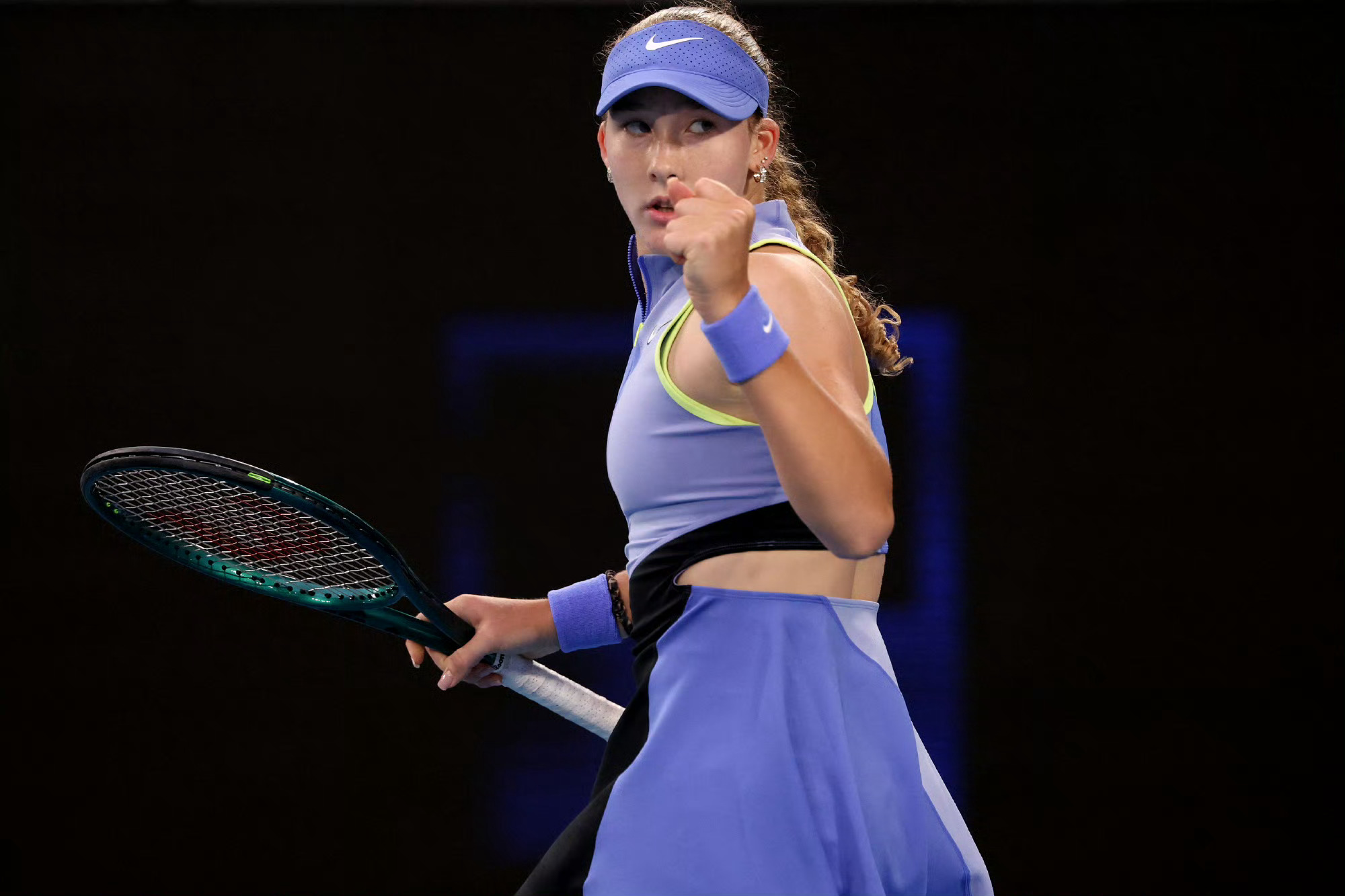
These two matches became focal points due to the tense atmosphere between players after the games. When defeat is certain, the emotional reactions of the losing players often attract more attention than the match itself. In Sakkari’s match against Andreyeva, the crowd was very lively. As a Greek player, Sakkari enjoyed enthusiastic support from many Greek fans present in Melbourne. Facing this, young Russian Andreyeva loudly shouted "come on" to counter the atmosphere. After the match, Sakkari expressed dissatisfaction with Andreyeva’s shouting during her errors, considering it inappropriate.
In another match, when Cîrstea was trailing 2-4 in the third set, she heard Osaka’s loud “come on” after her first serve fault. She immediately complained to the chair umpire, asking if such shouting between points was acceptable, but the umpire ruled it was within the rules. After the match, Cîrstea shook hands with Osaka coldly at the net and later voiced her displeasure, accusing Osaka of lacking sportsmanship. Osaka explained post-match that her "come on" was self-motivation without intent to disturb, noting she had used this method for years without complaints from opponents.
Players’ shouting during matches remains a gray area in tennis; these actions often spark controversy but lack clear regulation, making them common triggers for emotional flare-ups. According to on-site reports, Andreyeva initially “did not make much noise” but began loudly shouting “come on” as Greek fans’ cheers grew more fervent. This self-encouragement after an opponent’s mistake, while potentially affecting the opponent’s mood, does not violate tennis rules.
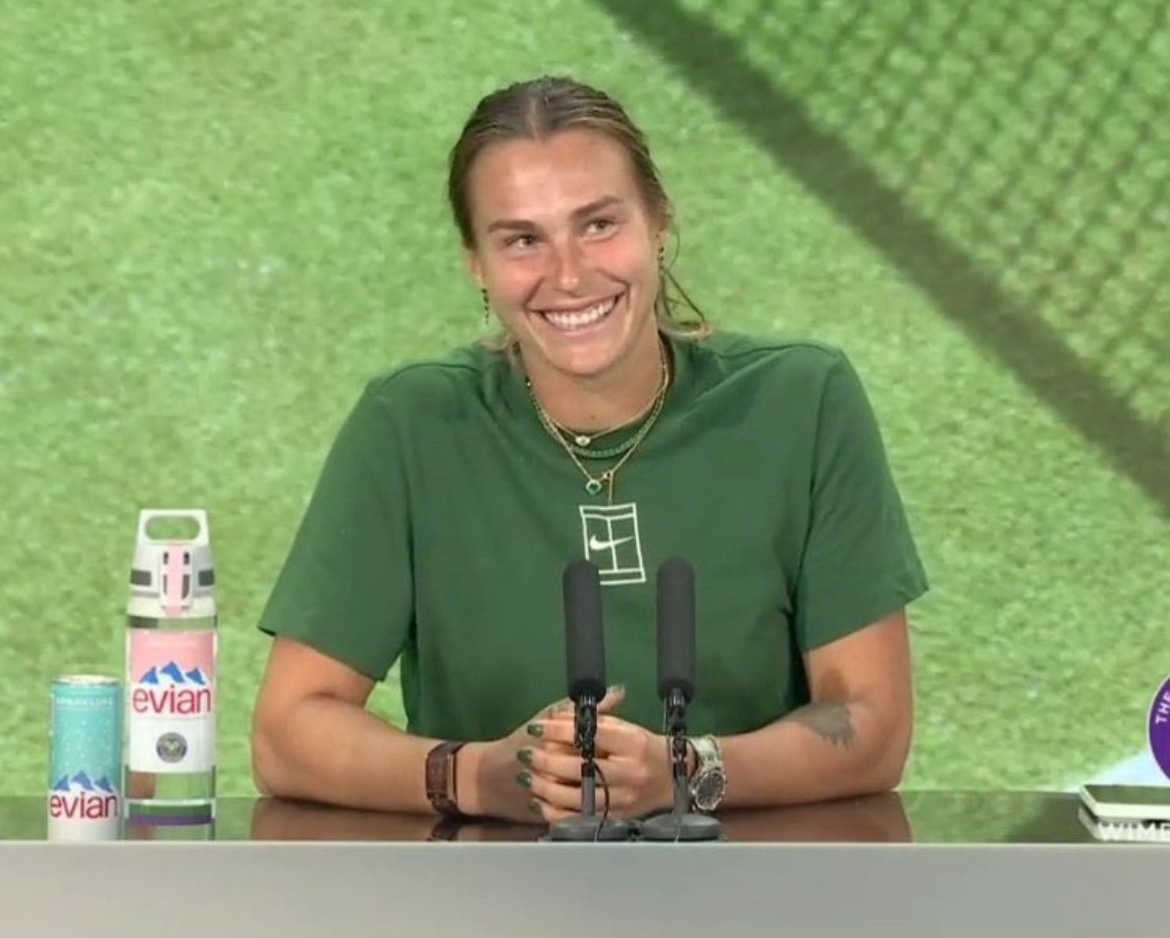
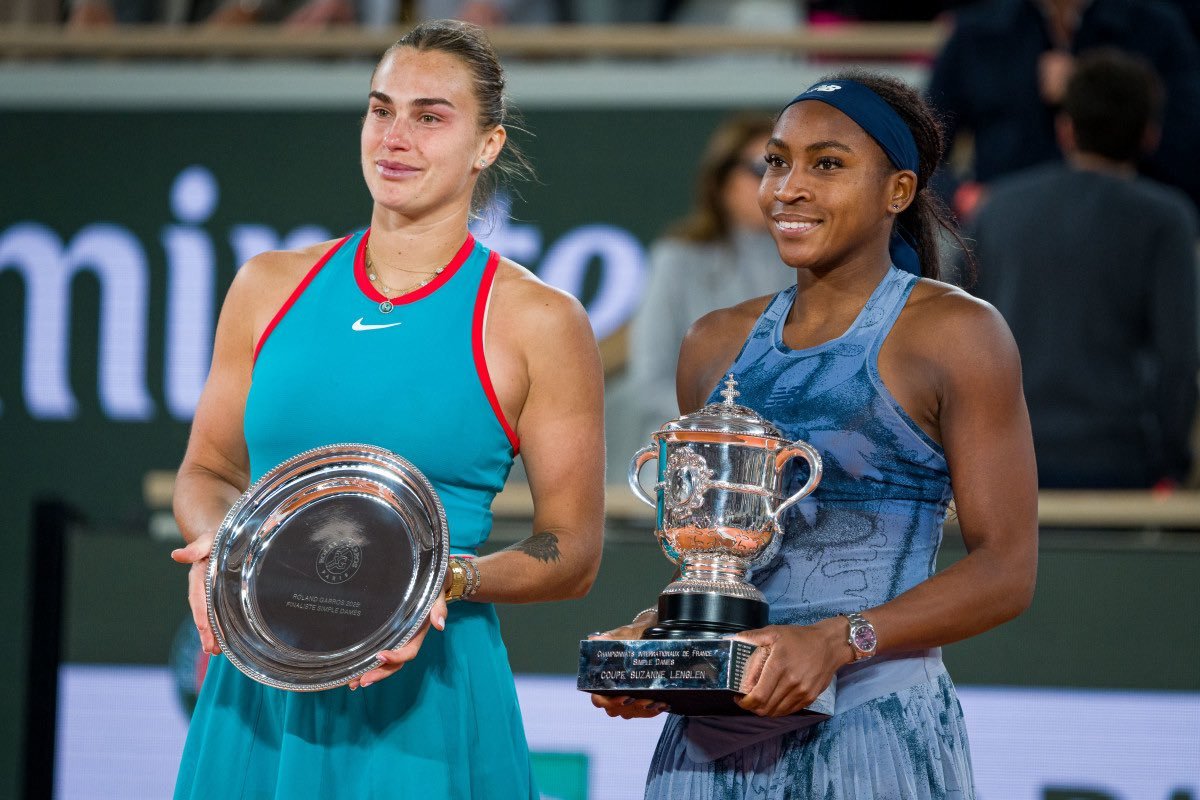
Defeat often becomes the final straw breaking an athlete’s mental defenses; this frustration is not only an emotional shock but also triggers physiological stress responses that impair rational judgment. Losing means more than falling behind in score—it challenges self-identity. Athletes especially feel intense frustration when losing critical matches. For example, in the 2025 French Open women’s final, Sabalenka’s inappropriate remarks after losing to Gauff sharply contrasted with her status as world number one.
An athlete’s interpretation of failure directly shapes their emotional response. A World Economic Forum study notes that under pressure, athletes assess whether their “resources” (confidence, skills, experience) are sufficient to meet the “demands” of competition. If demands exceed resources, they enter a “threat state,” causing negative emotions. Both Sakkari and Cîrstea clearly felt the pressure from their opponents exceeded their coping capacity, leading to adverse emotional reactions.
Tennis is not only a technical contest but also a psychological battle. Players’ differing reactions to the same behavior under pressure reveal how match outcomes influence perceptions and judgments of on-court conduct. From the loser’s viewpoint, any unusual behavior by the opponent is magnified. Cîrstea felt Osaka’s shouting during the crucial moment after her first serve fault disrupted her focus for the second serve. From the winner’s perspective, such actions are seen as strategic or self-motivating. Andreyeva stated that facing the passionate Greek crowd supporting Sakkari, she had to raise her voice to maintain concentration.
Match results alter how the same behavior is perceived. Had Cîrstea won, she might not have been so sensitive to the “come on”; if Sakkari had made a comeback, she might not have criticized Andreyeva’s shouting. When the outcome is decided, the losing side is more likely to attribute failure to external factors rather than their own performance. Emotional control under pressure is often a decisive factor in professional sports and a mark of professionalism. Top athletes must learn to manage emotions and stay focused under stress. The World Economic Forum study suggests athletes can improve performance under pressure through psychological training such as visualization, breathing techniques, and positive self-talk.
Developing a “challenge state” rather than a “threat state” is crucial. Research shows athletes who view high-pressure situations as challenges tend to perform better. In this state, adrenaline promotes blood flow to muscles and brain, unlike the “threat state,” where increased cortisol causes blood vessel constriction and impaired decision-making.
Winners calmly handle disputes, while losers struggle to contain frustration and dissatisfaction. As Cîrstea left the Australian Open, she carried the regret of her final appearance there, while Sakkari faced doubts about her declining form. The crisp sound of rackets striking fuzzy balls and the passionate cheers around the court form the surface soundtrack of tennis; yet, the true rhythm that determines the warmth of post-match handshakes lies in the emotional highs and lows within the players’ hearts.(Source: Tennis Home, Author: Xiao Di)

 Links
Links
 Contact
Address:UNIT 1804 SOUTH BANK TOWER, 55 UPPER GROUND,LONDON ENGLAND SE1 9E
Number:+85259695367
E-mali:[email protected]
 App
App


