



Strings in Motion at the Australian Open, Sharpness Behind the Scenes — The Grand Slam Battlefield of YONEX Stringers




Battle on the Strings: Reforging the “Soul” of Australian Open Rackets
In Melbourne’s summer heat, on the blue courts of Rod Laver Arena, tennis players swing their rackets in pursuit of their dreams, each sharp hit resonating with fans around the globe. Beneath this arena, in a workshop filled with professionalism and responsibility, another group races toward their own “battlefield” — the official YONEX stringing room of the Australian Open. This indispensable second front of the tournament is where the “soul” of each racket is recreated. From dawn till late at night, the lights never go out here; stringers remain tirelessly busy, the sharp snip of cutting strings, the hum of stringing machines, and the soft clinks of tools combine into a symphony unique to the backstage, echoing the cheers from above.
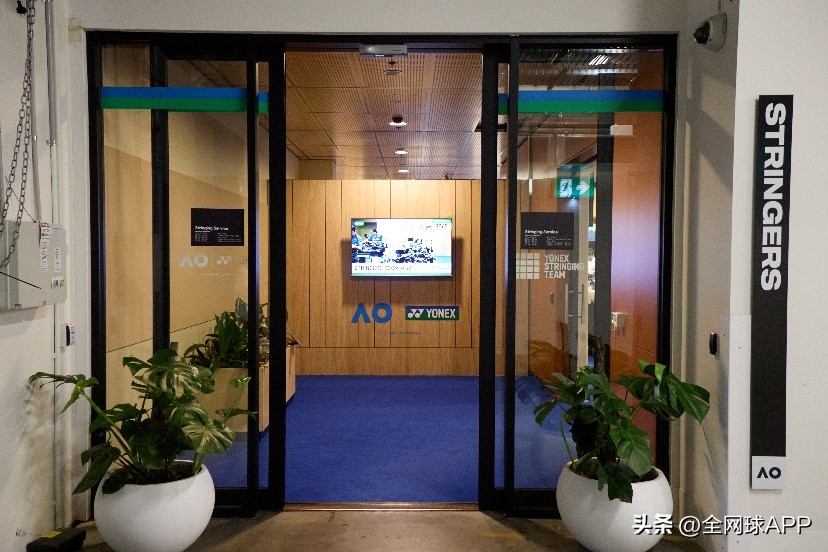
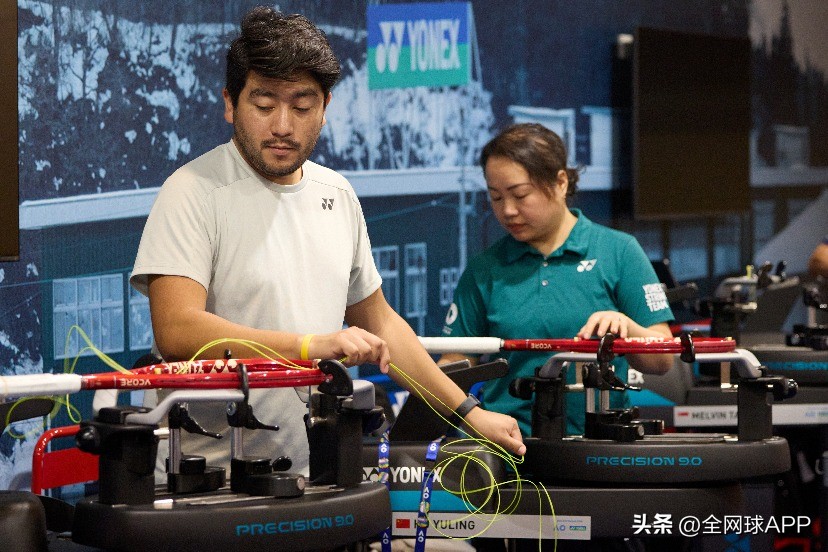
Stepping into this stringing room, a focused and intense atmosphere greets you. Stringers stand at their stations, eyes locked on the rackets and strings in their hands. With nimble fingers, they precisely thread fine yet tough strings through every hole in the racket frame. Their concentration is absolute, as if the surrounding noise does not exist — after all, each racket they handle carries the players’ hopes into battle. More than ten days before the Australian Open main draw begins, these stringers have already settled into Melbourne Park, rigorously training their hand muscle memory and refining their techniques like athletes preparing for this “battle on the strings.”
Crafting Excellence: Professional Dedication in Every Detail
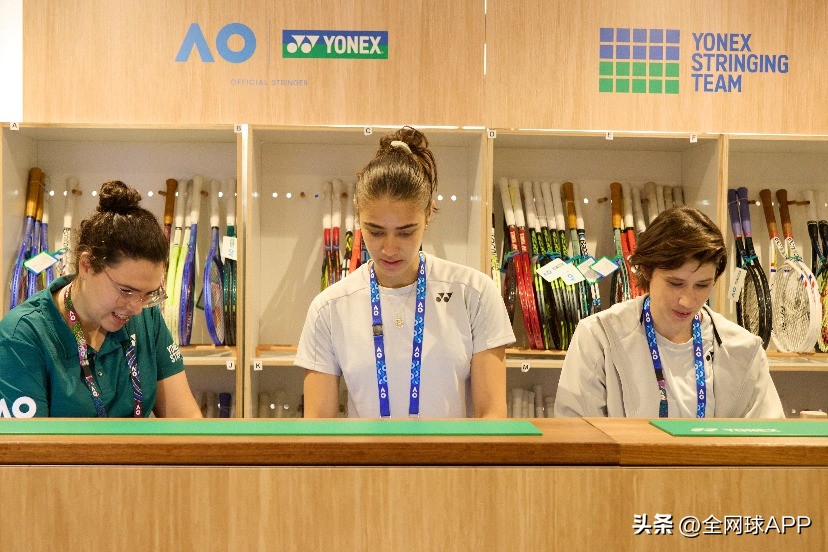
Stringing at the Australian Open is never just about “threading and tying knots”; it is a process combining professionalism and meticulousness, where every step demands absolute precision. The process begins when players or coaches bring their rackets, selected strings, and exact tension requirements. Some players even carefully specify details, fearing that any slight deviation might affect their feel on court.
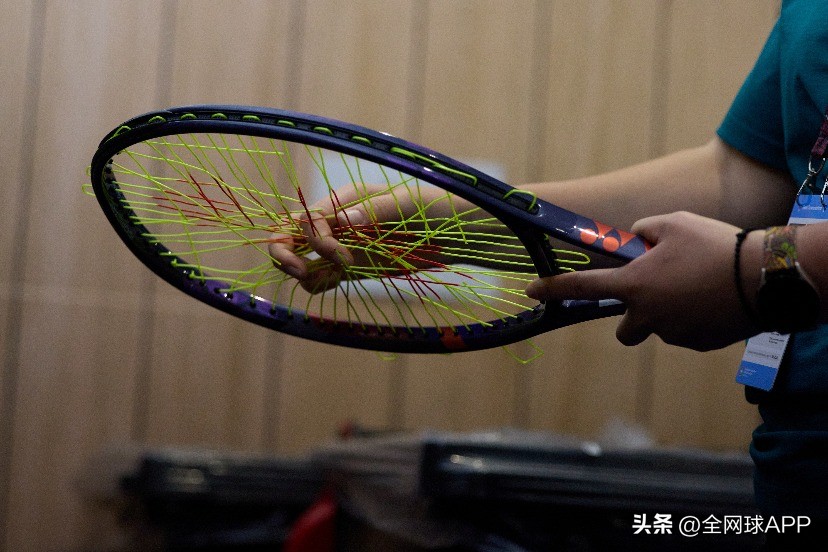
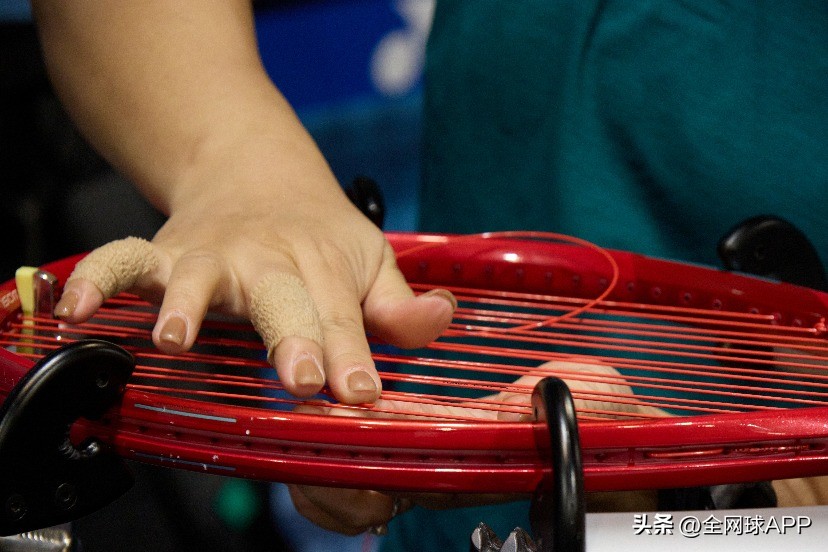
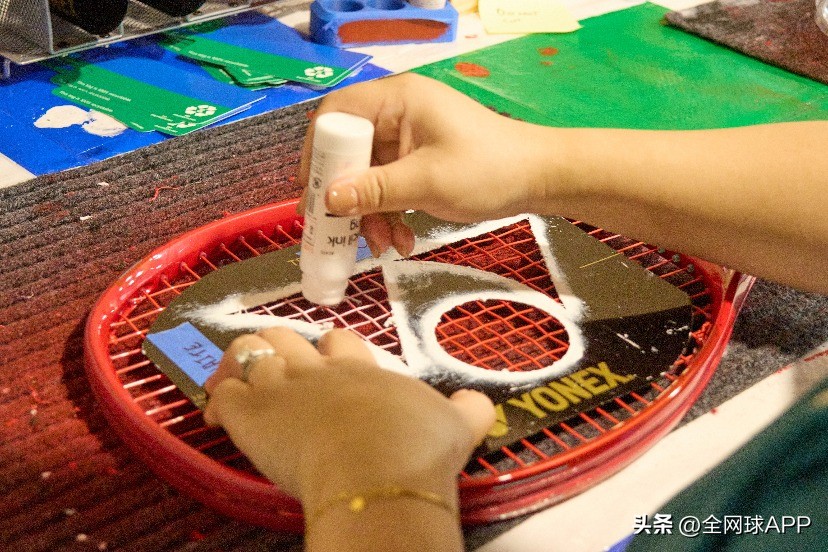
Once the racket arrives, stringers swiftly cut and remove the old strings. After clearing the old strings, the stringing process officially starts. The empty racket is securely mounted on the stringing machine, and the stringer sets the exact tension required. They begin with the mains: threading each string through the holes, clamping them, then using the machine to evenly pull to the specified tension, ensuring uniform force across all mains before tying knots by hand. After the mains, the more intricate crosses are woven manually, interlacing tightly between the taut mains. The final step is precisely applying the logo with a paint pen. When facing personalized requests from players, stringers skillfully arrange the layout to meet different brand display needs.
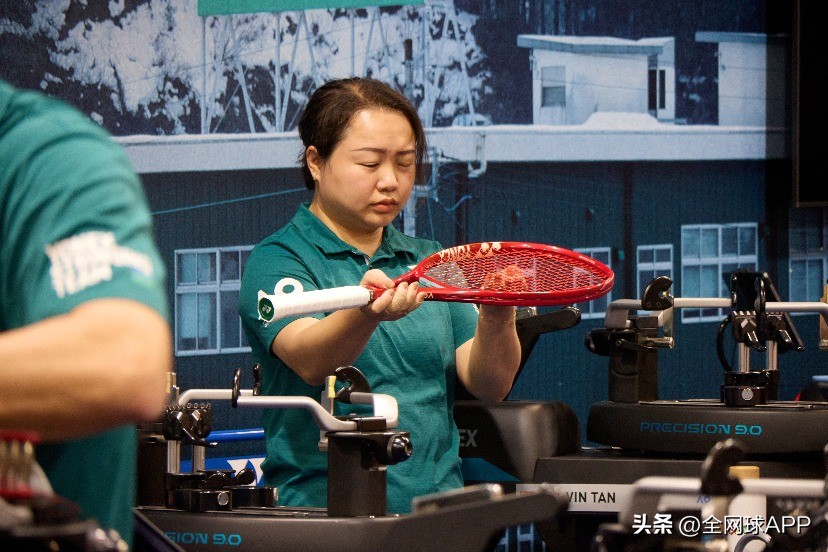
Tension setting is the core of stringing work and a direct reflection of professionalism. Pro players are extremely particular about tension; some string up to 16 rackets a day, continuously sending rackets for restringing during matches. Because strings lose tension within hours, high-level players avoid overnight strings; even if restrung the same day, they often restring again the next day. Generally, lower tension offers more “bite” on the ball, delivering greater elasticity, power, shock absorption, and a softer string bed, though with less control; higher tension results in less string bed deformation and more precise shots but requires greater player strength and increases string breakage risk. Melbourne’s weather adds complexity — heat softens strings and lowers tension, while rain and cooler temperatures stiffen strings. Stringers must quickly adjust tension on the spot, testing their responsiveness and expertise to the limit.
Passing the Torch: The Strength and Responsibility of the YONEX Team
Efficiency and accuracy are essential qualities for YONEX stringers. During the Australian Open, their workload is intense; at peak times, one stringer may restring 30 to 40 rackets daily, completing one in as little as 11 to 12 minutes, ensuring urgent rackets are delivered on time and with quality. Behind this speed lies years, even decades, of skill refinement and muscle memory ingrained through practice. Top-seeded players usually have dedicated stringers present throughout, guaranteeing consistent racket feel to support stable performance.
Being entrusted with Australian Open stringing reflects the deep foundation of the YONEX team. This year marks YONEX’s 11th consecutive year as the official stringing partner of the Australian Open. Over these eleven years, they have completed about 65,000 racket stringings, setting a record last year with 7,808 rackets, and this year is expected to surpass that milestone.
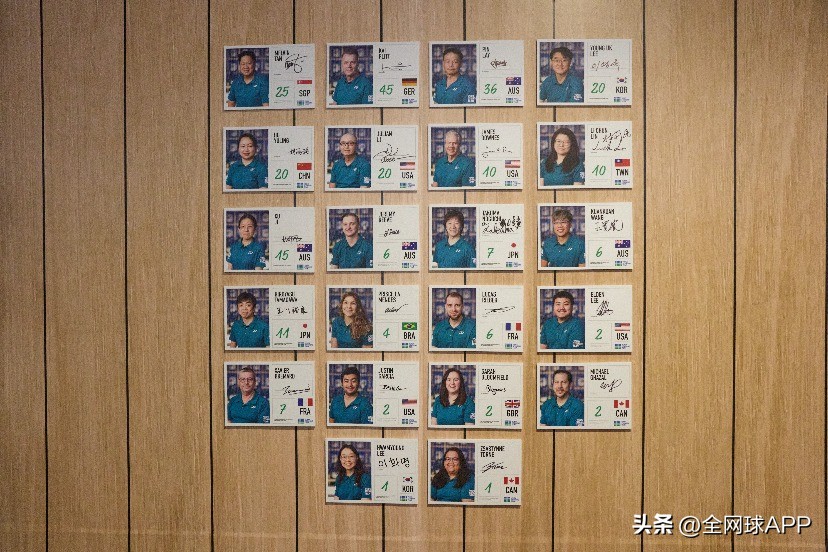
This year, YONEX assembled a 22-member international stringing team from 13 countries, all rigorously selected and trained, with extensive top-level tournament experience. The team is equipped with professional PRECISION 9.0 stringing machines, known for high accuracy and stability.
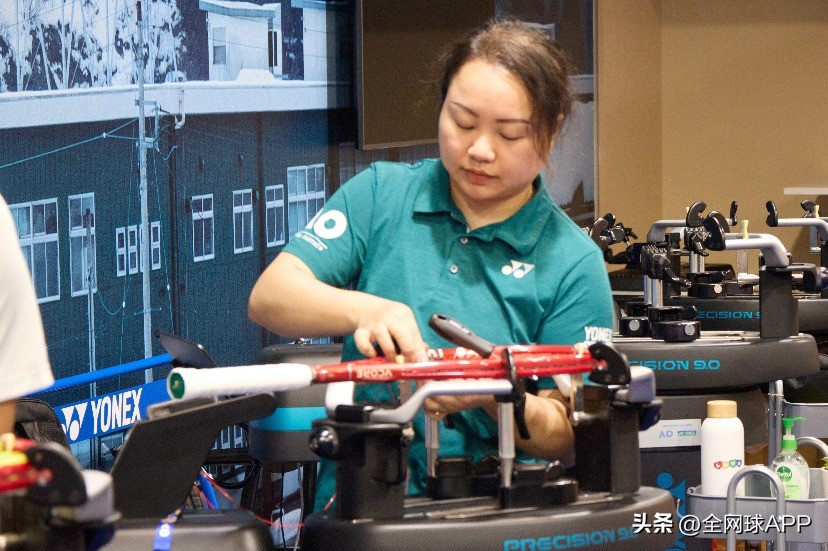
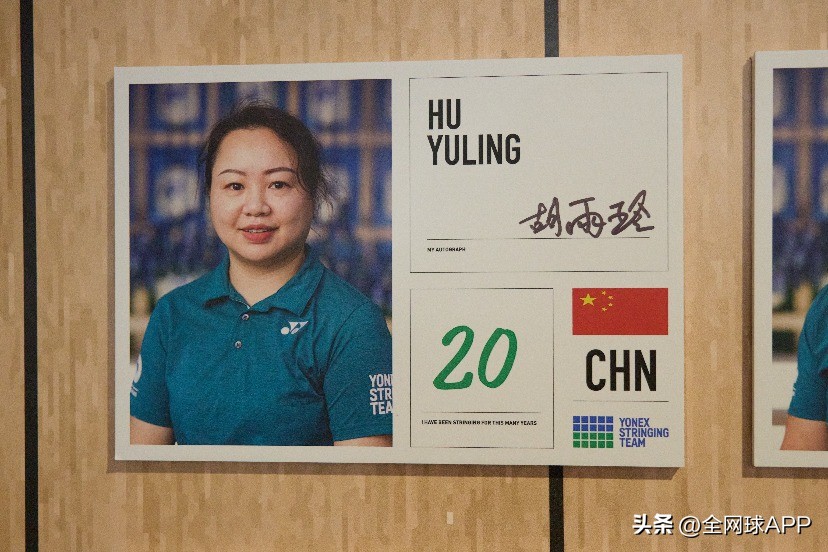
The team’s sole Chinese stringer, Hu Yuling, has 20 years of stringing experience and has served events like the Wuhan Open and Shanghai Rolex Masters, but this is her first Grand Slam. For her, working at the Australian Open is both challenging and fulfilling. She has handled ultra-low tension requests around 20 pounds and even players demanding 88 pounds—the machine’s limit. During peak times, she’s so busy she barely has time to eat properly or watch a full match. Yet, seeing rackets she strung accompany players to victory fills her with pride. With solid skills and a meticulous approach, she confidently meets all challenges, earning recognition and leaving the mark of a Chinese stringer behind the scenes at the Australian Open.
Strings in Motion: The Dedication and Passion of Unsung Heroes
As the Australian Open progresses, competition intensifies, but the stringing room remains tirelessly busy. In the tournament’s later stages, although many players are eliminated, the quarterfinals, semifinals, and finals require the most experienced stringers to ensure flawless racket performance. Additionally, junior and wheelchair tennis events bring a surge of stringing demand, keeping stringers occupied. Long hours standing cause sore feet, and years of tool handling leave calluses on their hands, yet complaints are rare. Among stringers, a playful rivalry exists — when two players they strung face off, they quietly root for their “creations,” adding fun to their high-pressure work.
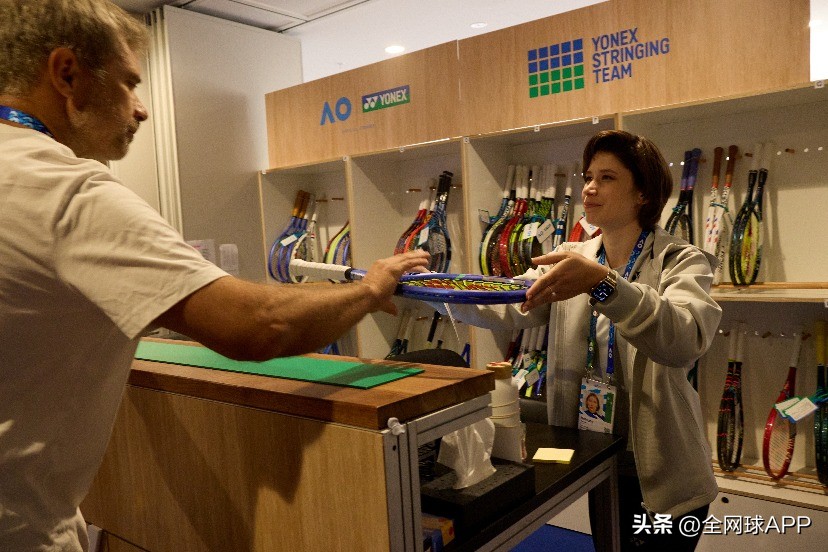
At the Australian Open, fans cheer for players who swing to victory, remembering those thrilling moments, but few recall the stringers working underground. Though not on court, they fight alongside players; though unseen under the spotlight, they protect dreams with expertise. They are YONEX’s professional ambassadors and the tournament’s unsung heroes, connecting players’ efforts with the glory of the court through delicate strings. With skilled hands and heartfelt dedication, they safeguard every thrilling match. Strings in motion at the Australian Open, sharpness behind the scenes — these quietly devoted stringers write the moving story behind the Grand Slam.
(Text by Felix, Photos by Huang Shangyue)

 Links
Links
 Contact
Address:UNIT 1804 SOUTH BANK TOWER, 55 UPPER GROUND,LONDON ENGLAND SE1 9E
Number:+85259695367
E-mali:[email protected]
 App
App


