



The closure of the Rod Laver Arena roof sparks controversy: fairness or interference?



In the third round of the Australian Open, Italian star Sinner faced Spizzirri in a four-set battle on the blazing courts of Rod Laver Arena in Melbourne, with the Italian emerging victorious 4-6, 6-3, 6-4, 6-4. Originally just a standard Grand Slam third-round match, it evolved into a multifaceted contest involving determination, regulations, and fortune in the third set.
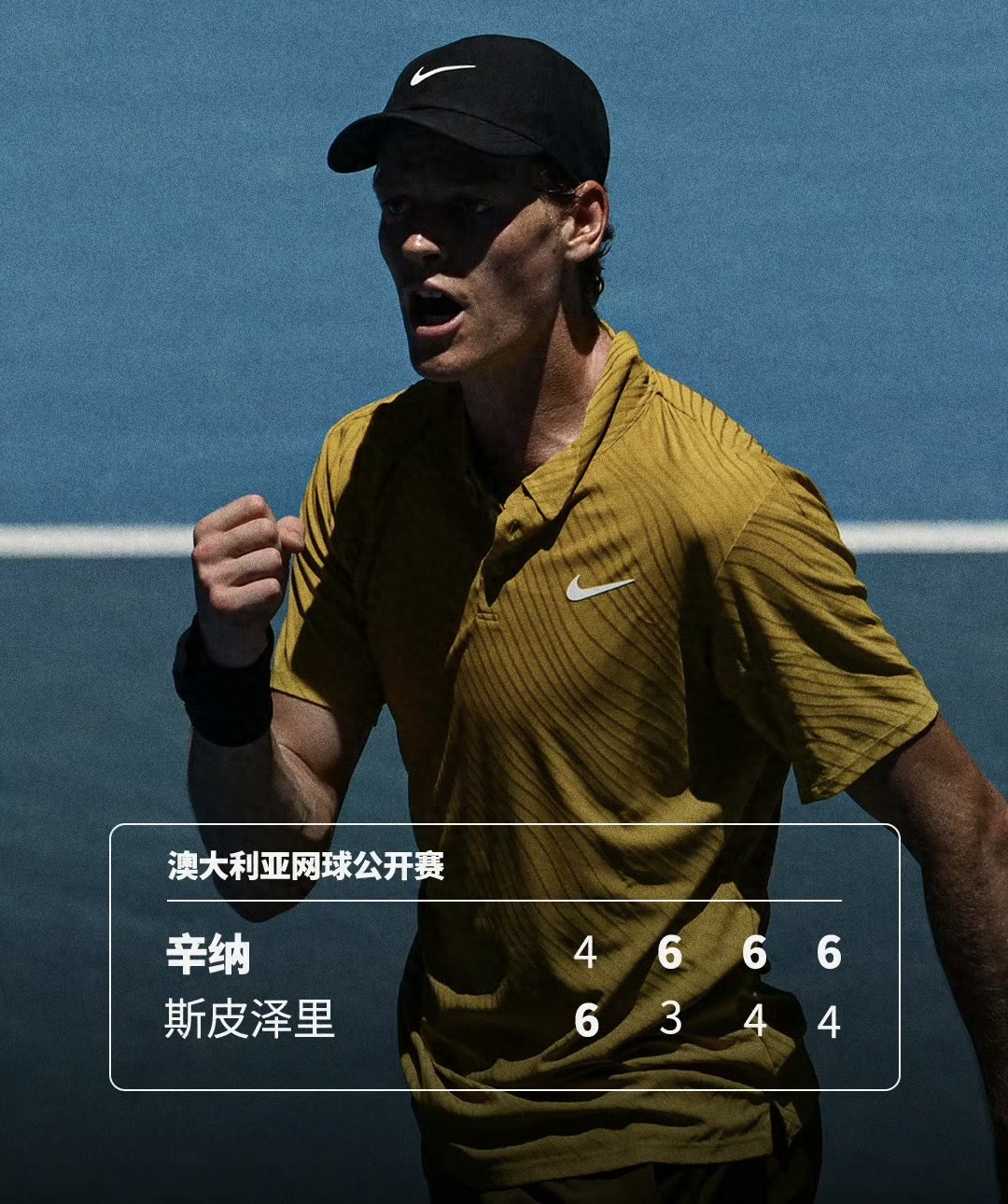
When Sinner was trailing 1-3 in the third set and suffering from leg cramps that hindered his movement, nearly all spectators expected a turning point in the match. Spizzirri’s attacks surged like a tide, and every movement from Sinner appeared agonizing, even making it difficult for him to maintain balance while serving. Yet at this moment, the Australian Open’s heat policy was enacted, the match paused, and the roof began to close slowly.
After the roof was closed, the temperature inside gradually dropped and air circulation slowed. The pause allowed Sinner’s cramped leg to recover, leading to a dramatic shift in his condition. He regained his rhythm, moved freely again, and his serves regained their sharpness. Breaking his opponent’s serve repeatedly not only reversed the score but completely changed the momentum of the match.
“I just tried to stay focused and used the break to adjust my condition,” Sinner said modestly after the match. However, this explanation falls short of clarifying such a dramatic turnaround. From a medical perspective, the heat break indeed provided valuable recovery time for a cramping player, reducing heat buildup and fluid loss.
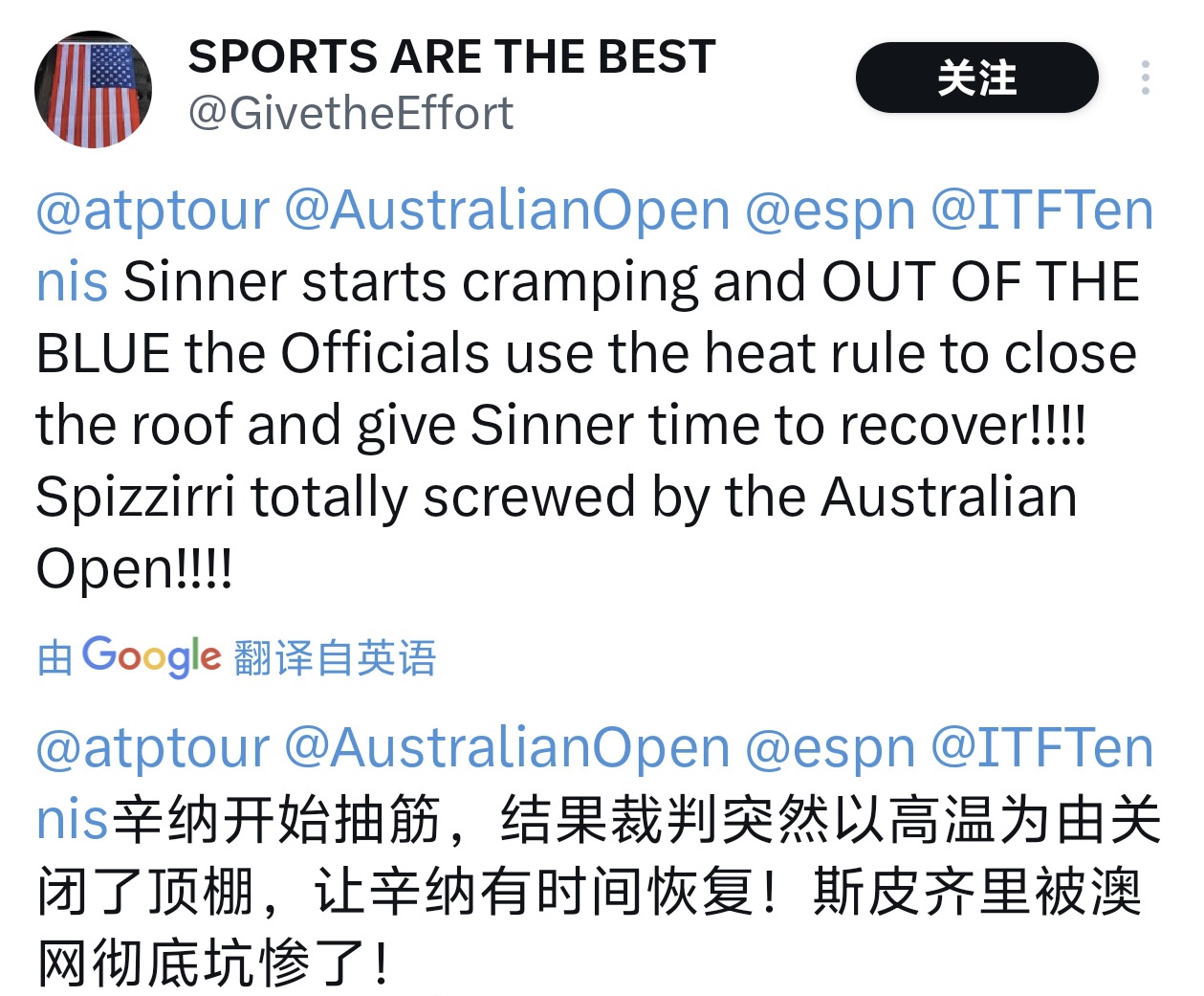
Supporters of Spizzirri angrily pointed out that the pause came exactly at Sinner’s weakest moment, a “too coincidental” rescue for the Italian player. On social media, discussions about “rules interfering with momentum” quickly intensified. One sharp comment noted, “In football, when a player is injured and the game restarts, the opposing team often kicks the ball out of bounds to show sportsmanship, but tennis has no such tradition.”

However, the referee’s report indicated that the heat policy was applied based on uniform standards—automatically triggered when a specific temperature threshold was reached, not targeted at any particular player or moment. Australian Open tournament director Craig Tiley emphasized, “We enforce a clear policy designed to protect the health of all athletes.”
This match touched on a fundamental question in sports philosophy: what role should luck play in competitive sports? Traditional views hold that sports are contests of skill and willpower, where chance factors should be minimized. Yet in reality, weather, venue conditions, and even accidental injuries are part of the competition.
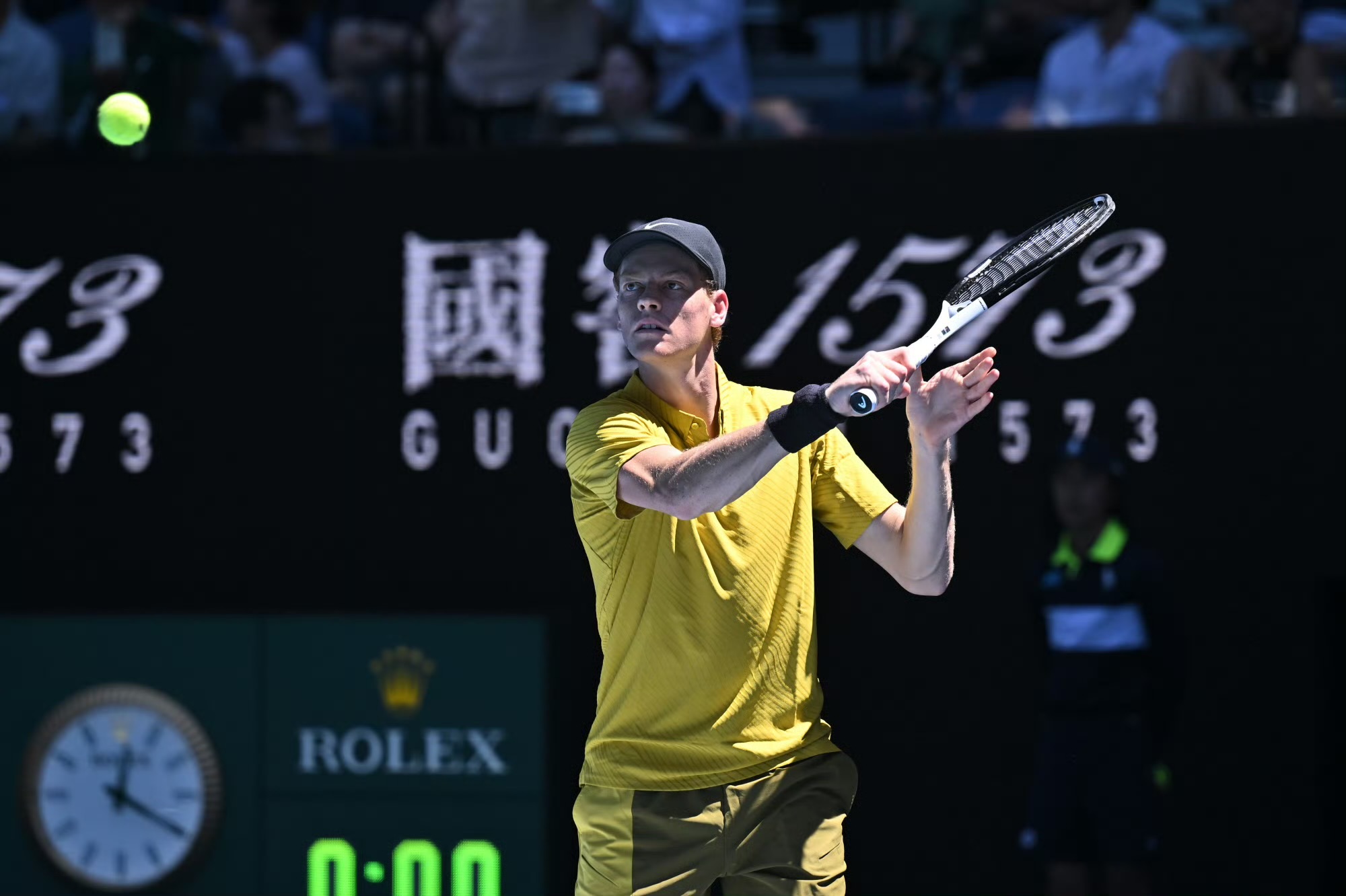
Sinner admitted after the match, “Luck is part of the game, and today it was on my side.” This statement is both humble and truthful, acknowledging the presence of uncontrollable factors in competition. But the issue arises when such luck intertwines with rules set by humans—can it still be considered pure luck?
The heat policy’s original intention is to protect athletes’ health. In Melbourne’s scorching summer, risks of heatstroke and severe dehydration are real. At the 2020 Australian Open, Russian player Mikhail Kukushkin once fainted on court due to the heat. Thus, the rule’s existence is necessary.
However, when protective rules alter the course of a match at critical moments, they become more than just background conditions—they effectively participate in the competition.
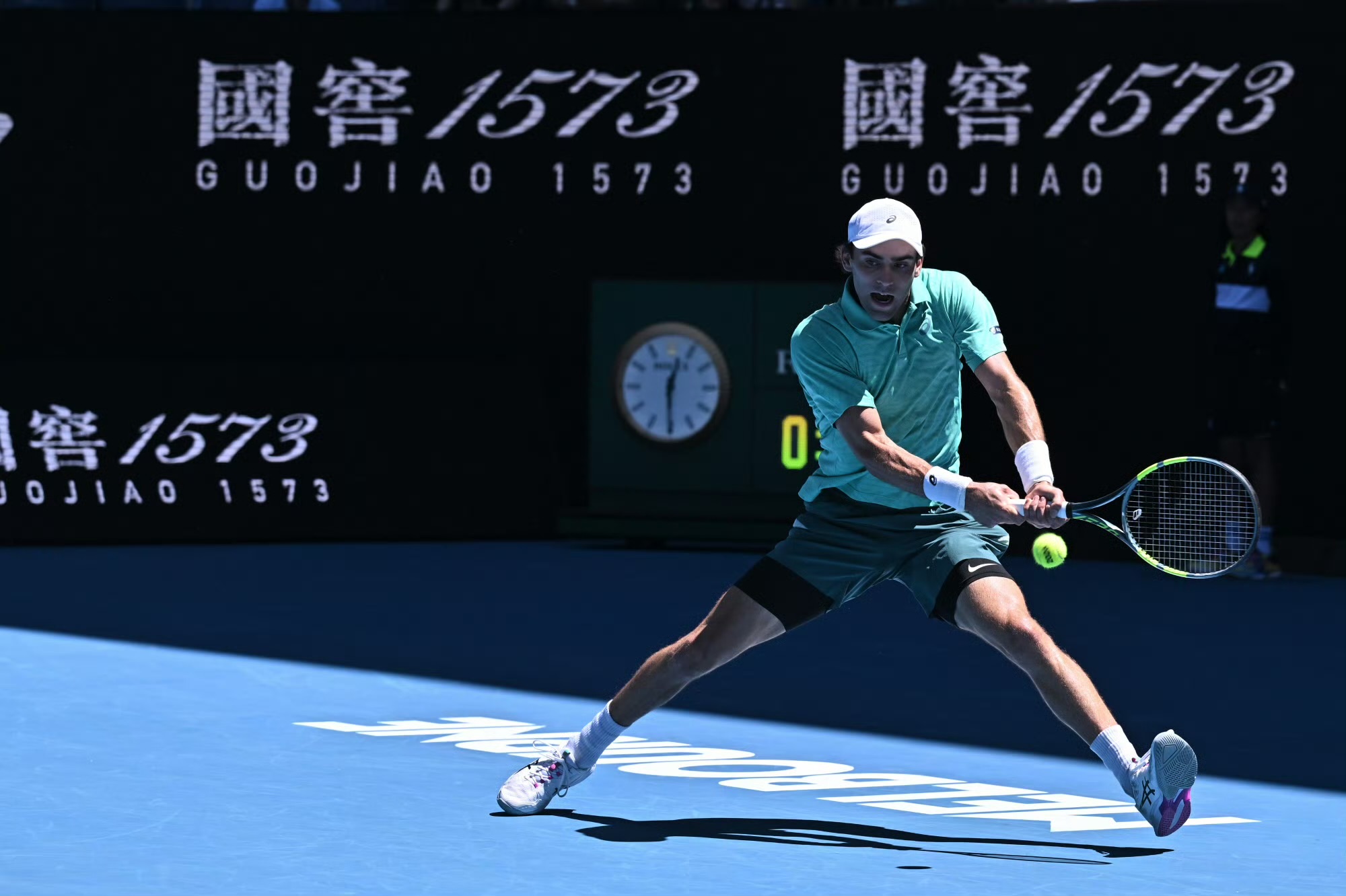
Perhaps what this match reveals is not a problem with the rules themselves, but the enduring tension in sports competition: how to balance athlete protection with maintaining match continuity? How to create rules that address extreme situations without excessively interfering with the game?
Although disappointed, Spizzirri maintained sportsmanship: “The rules are the same for everyone. I lost today, that’s just how it is.” This attitude may hint at a way forward: accepting rules as the established framework of competition while continuously refining them to be more scientific and transparent.
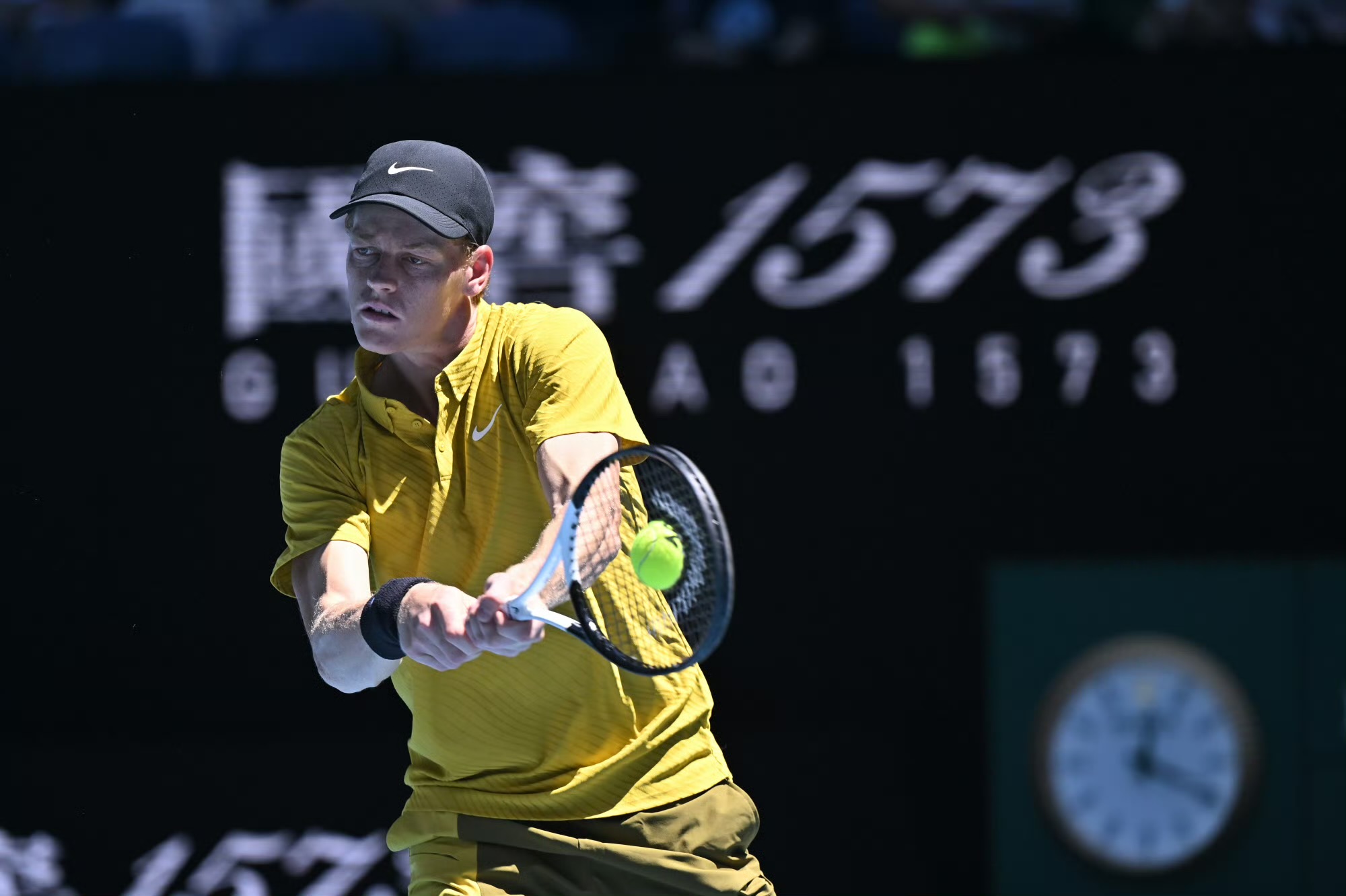
In the end, this match will be remembered as another comeback victory for Sinner, extending his Australian Open winning streak to 17 matches. Behind the numbers lies an athlete’s resilience and adaptability under extreme conditions. Perhaps what truly defines a champion is not avoiding adversity but the ability to prevail amid the complex interplay of rules and chance.
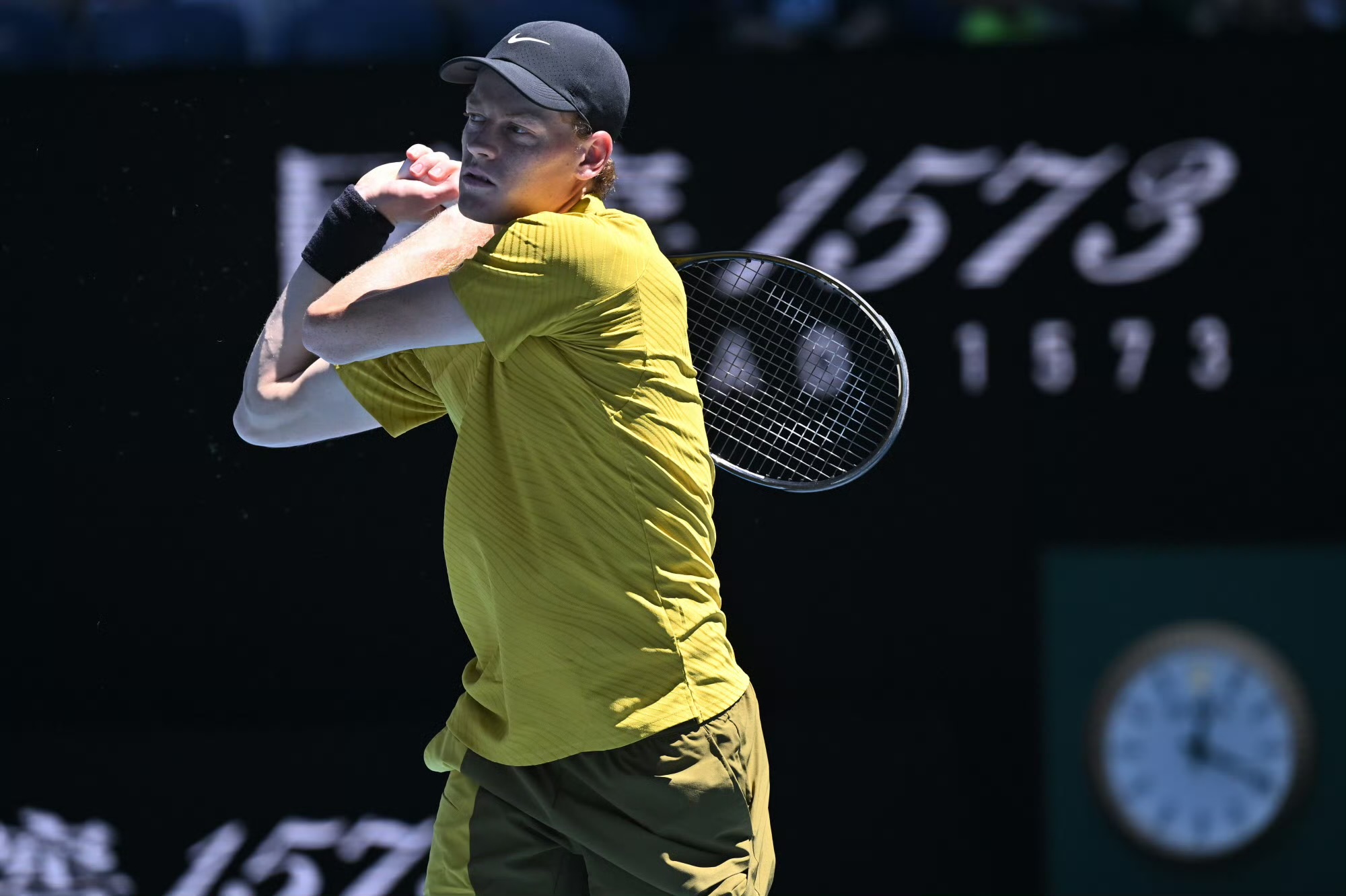
After this match, the Australian Open continues its schedule, with players competing under Melbourne’s sun. Meanwhile, debates about rules and luck will persist with every controversial call and weather-affected match. This is the allure of sports—it is not only a test of physical ability but also an ongoing exploration of fairness, regulations, and human willpower.(Source: Tennis Home, Author: Mei)

 Links
Links
 Contact
Address:UNIT 1804 SOUTH BANK TOWER, 55 UPPER GROUND,LONDON ENGLAND SE1 9E
Number:+85259695367
E-mali:[email protected]
 App
App


