



Sinner was nearly eliminated after suffering full-body cramps in 38-degree heat but survived thanks to the extreme heat policy.



The defending champion Sinner faced a tough challenge at Rod Laver Arena. Battling cramps, scorching heat, and opponent Eliot Spizzirri, he ultimately advanced to the fourth round. With temperatures nearing 38°C, the organizers started matches earlier. The Italian endured immense physical strain and credited the tournament’s heat rules for helping him get through.
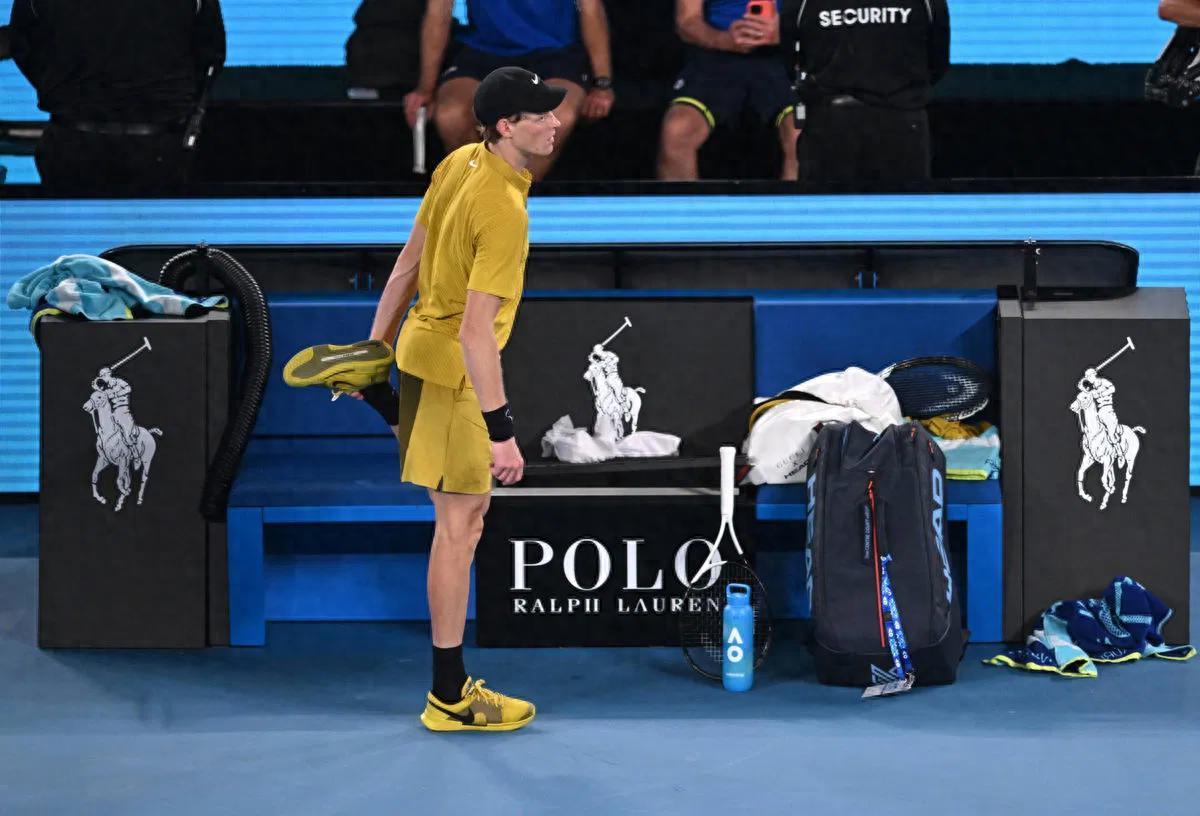
In a post-match interview, Sinner admitted the conditions were extremely demanding. "Today my body struggled a bit. Luckily, the ‘heat rule’ and closing the roof helped," he explained. The break allowed him to reset. "I took it slow, and over time I felt better. I’m very pleased with my performance and hope it positively impacts my upcoming matches." His relief after the hard-fought win was clear.
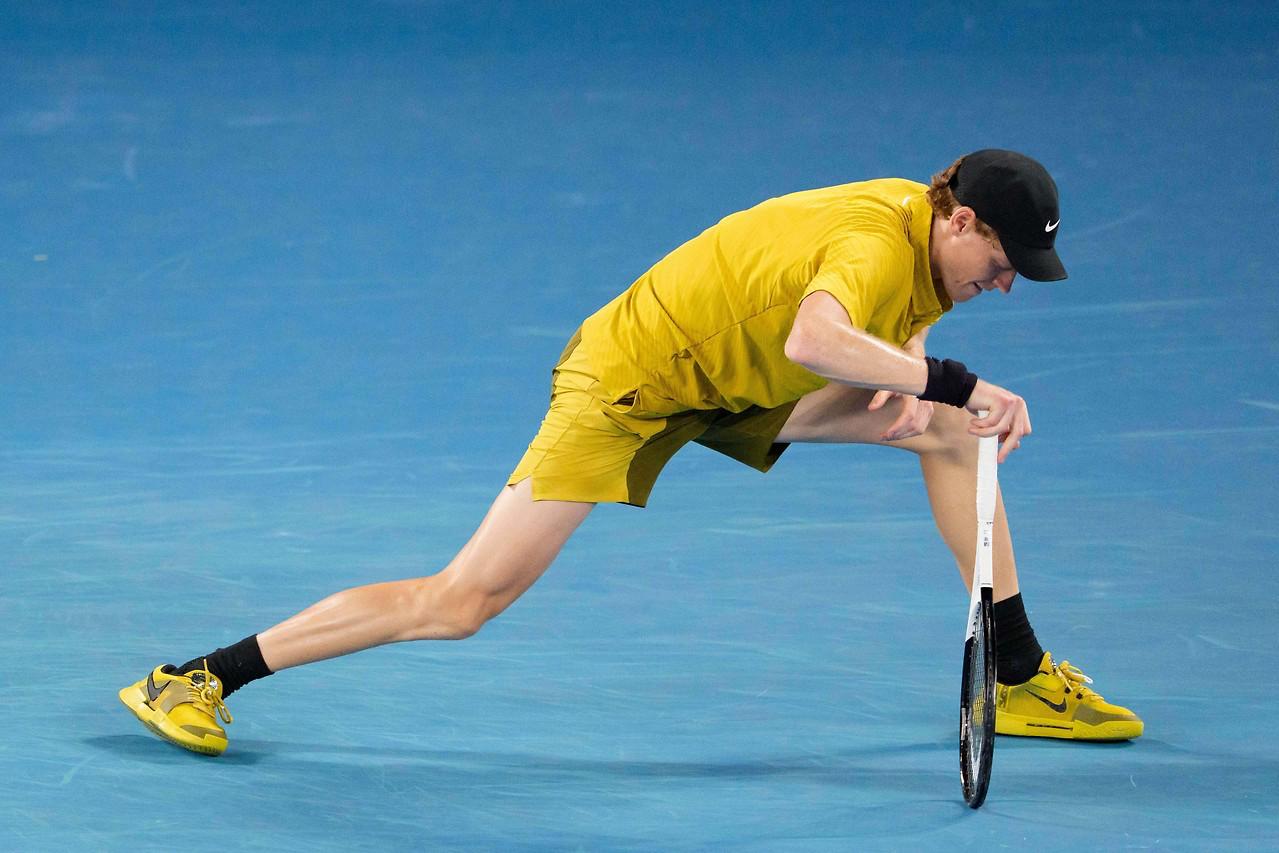
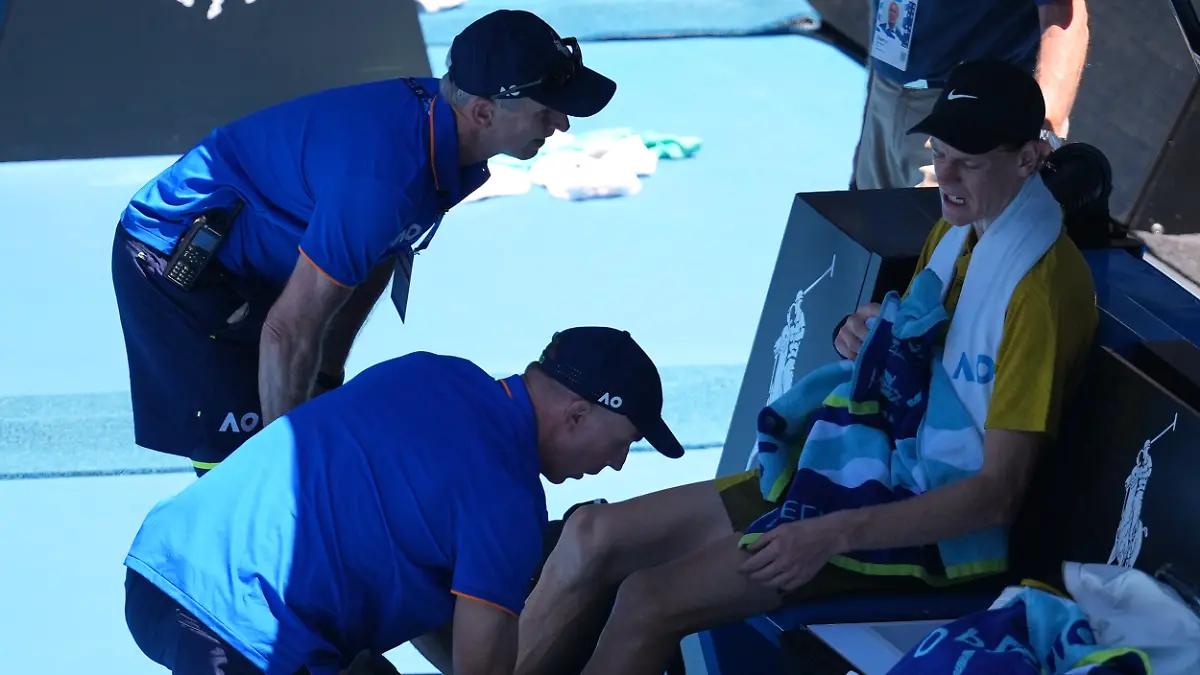
The Italian also described the severity of his cramps: "When the cramps started, many thoughts ran through my mind. It began in my legs and then spread to my arms."
“Almost my entire body cramped, but that’s part of sports and something I know I need to improve. Fortunately, I have an excellent team behind me pushing me in the right direction. I’m here to fight and give my all every point,” Sinner emphasized.

The match reached a critical moment in the third set. Both players had won a set each, and after breaking serve, Spizzirri led 3–1. At this point, Sinner was clearly struggling, barely able to move freely or serve properly.
Around 2:30 PM, the Australian Open’s extreme heat index triggered a match suspension just as Sinner’s cramps worsened. All outdoor courts paused play immediately. Roofs over Melbourne Park courts were closed one after another, and players took about a 10-minute break. This pause was vital for Sinner.
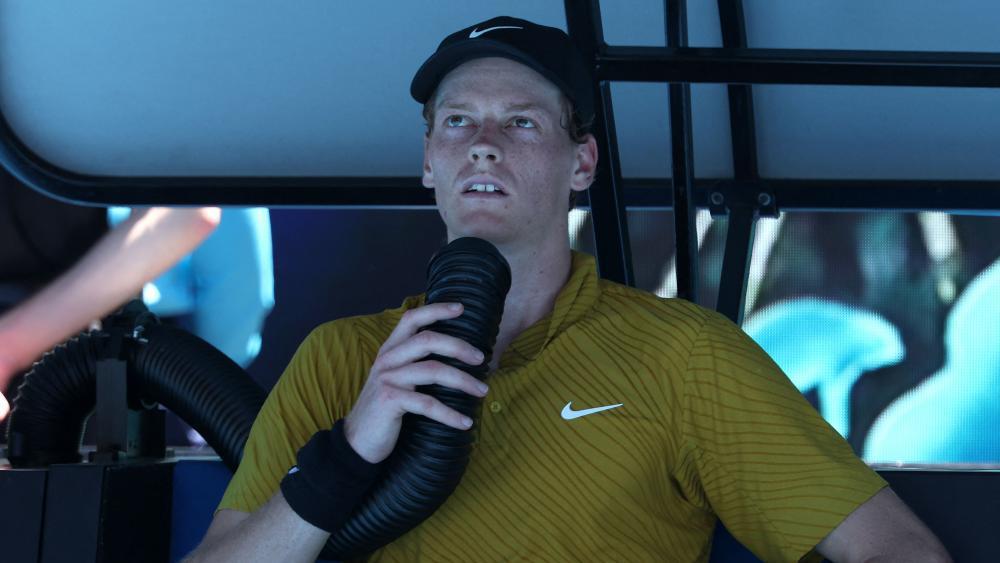
When play resumed, Sinner appeared rejuvenated. He quickly broke back, regained control, moved freely again, and showed the form of the two-time Melbourne Park men’s singles champion. The heat index factors in radiant heat, humidity, temperature, and wind speed. At level four, a 10-minute rest between sets is allowed; at level five, matches pause or roofs close.
At 2:36 PM, the Australian Open issued a statement: “The extreme heat index has exceeded 5.0. All outdoor matches and training are suspended. Roofs on Rod Laver, Margaret Court, and John Cain arenas will be closed and remain so for the rest of today’s matches. Spectators are advised to seek shade and take cooling measures.”
Even before the cramps, Sinner’s condition was unstable. He lost the first set and frequently used ice packs during changeovers, also relying on personal cooling devices during breaks.
Earlier that day, women’s defending champion Keys defeated Kvitova 6–3, 6–3. She said afterward, “I was actually looking forward to the heat today. As a Floridian, I was ready.” She added, “Overall, I felt great and was happy to play some clean matches.”
Similar heat conditions occurred at the 2023 Australian Open. That year, when the extreme heat index reached level five, outdoor matches were halted. The organizers acted to protect players, staff, and fans when conditions became unsafe.
According to the tournament’s extreme heat policy, the referee continuously monitors weather and decides on resuming outdoor play based on the heat index. Once approved, players receive at least 30 minutes’ notice before returning to the court.
This year, the tournament took similar precautions. To anticipate potential heat delays, Saturday’s matches started 30 minutes earlier. The meteorological bureau forecasted temperatures reaching about 40°C around 5 PM, rising quickly in the afternoon. Temperatures were expected to remain high into the night, possibly 38°C at 8 PM. Before Sinner and Spizzirri’s third-round match began after noon, the temperature was 32°C. By 1 PM, the heat index had risen to 3.2.
An hour later, the index surpassed level four, triggering a mandatory 10-minute rest between the third and fourth sets. About 30 minutes after that, it exceeded level five, prompting further intervention by organizers.
American Pegula played the earliest match that day. She said afterward, “It was good to be first on court today. The match wasn’t too long, so I didn’t have to wear myself out in the heat, which I expect to get really intense later.”
After beating Tiafoe on Friday night, de Minaur also expressed concerns about the heat. He said it “will be very tough” and added, “I try to stay in the shade as much as possible and prepare mentally to endure the discomfort. But sometimes, that’s part of tennis — one of the elements of this beautiful sport.”(Source: Tennis Home, Author: Spark)

 Links
Links
 Contact
Address:UNIT 1804 SOUTH BANK TOWER, 55 UPPER GROUND,LONDON ENGLAND SE1 9E
Number:+85259695367
E-mali:[email protected]
 App
App


