



Naomi Osaka's withdrawal sparks speculation, with media reporting she is overwhelmed by online abuse following the previous round's controversy.


Today brought breaking news: Japanese tennis star Naomi Osaka announced her withdrawal from the third round of this year's Australian Open women's singles. Her opponent, Australian native Angélique Inglis, advanced to the round of 16 by walkover. Inglis will face the tournament's second seed, Poland's Iga Świątek, in the next round.
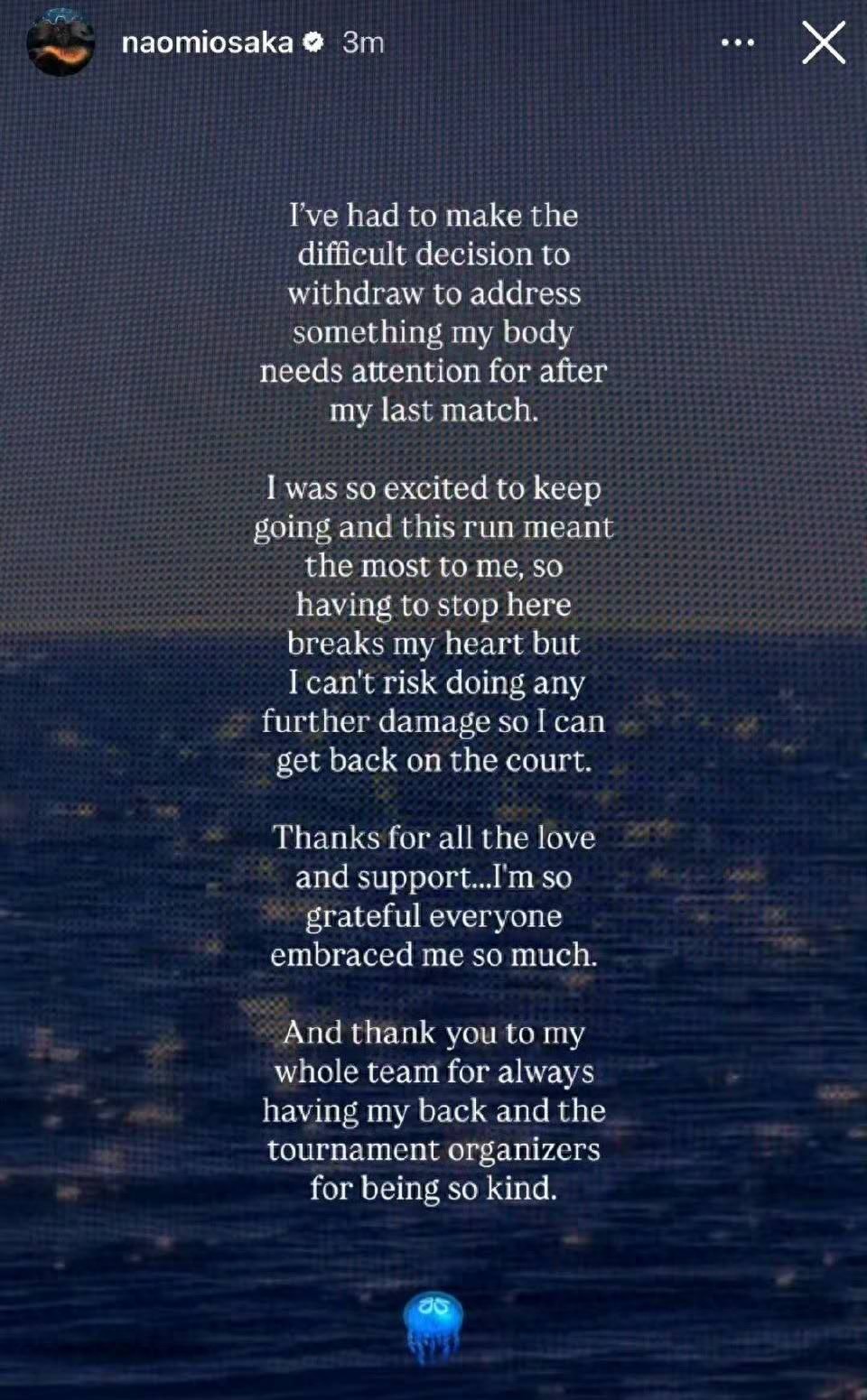
In her withdrawal statement, Naomi Osaka explained that the decision was based on physical health considerations: "After much difficult thought, I have to withdraw to give my body some much-needed care following the last match."
She added, "I was really looking forward to continuing; this tournament meant a lot to me. So stopping here breaks my heart, but I cannot risk further injury to ensure I can return to the court in the future."
The four-time Grand Slam champion expressed gratitude to her fans, team, and the event organizers for their support, and conveyed her hope to come back to competition in the future.
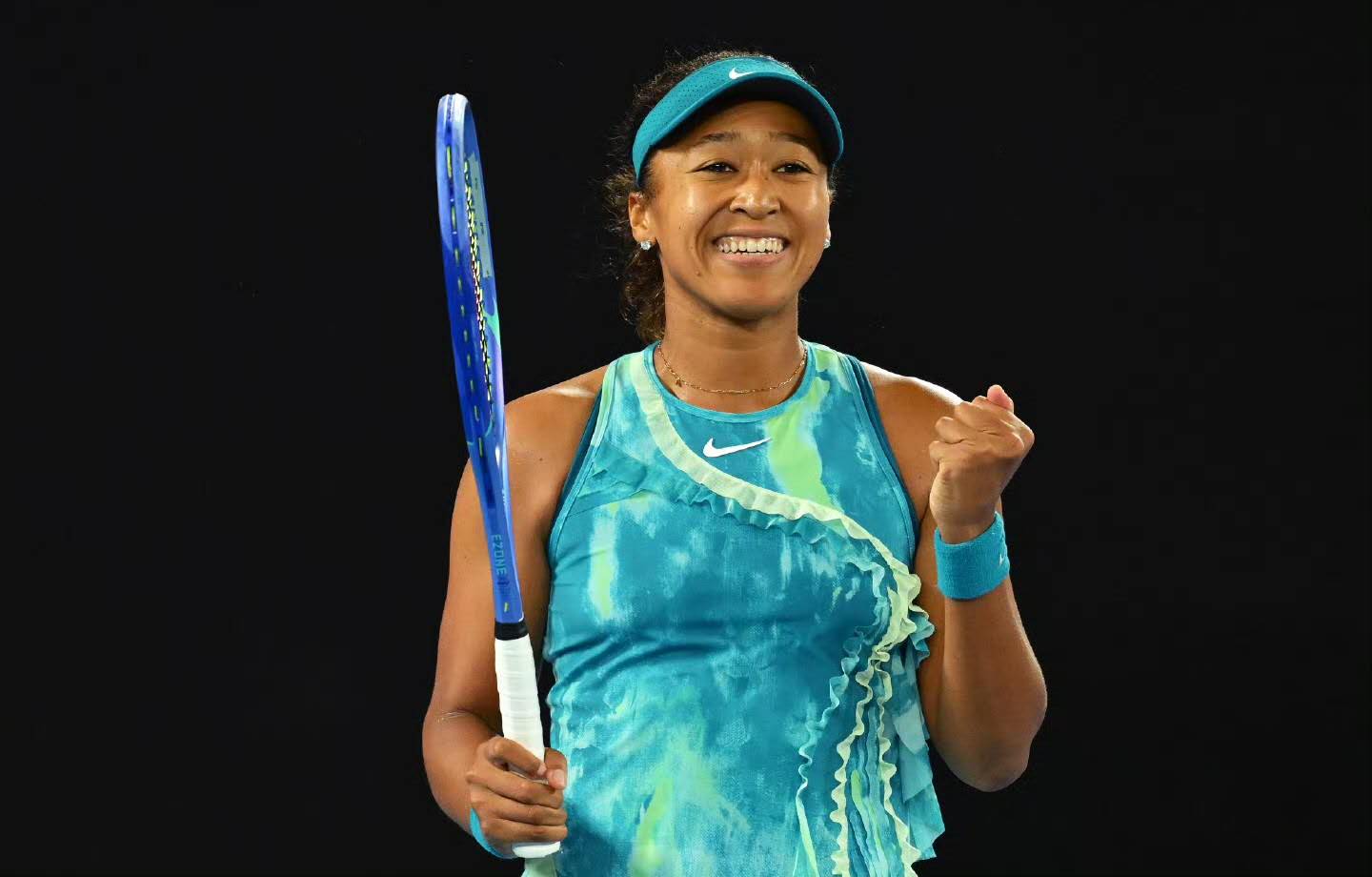
Osaka’s sudden withdrawal sparked widespread discussion, with many online linking the decision to her behavior in the previous match. During her game against veteran Kostya, Osaka shouted "Come on!" between serves to encourage herself, a move some spectators and commentators felt might disrupt her opponent’s rhythm, stirring controversy.
“Cheering between first and second serves isn’t cool,” wrote one user on social media. However, many supporters saw it as a natural way for athletes to motivate themselves during intense matches. “She has always maintained great sportsmanship and high standards; I don’t believe she intended to disturb her opponent,” said a longtime Osaka fan.
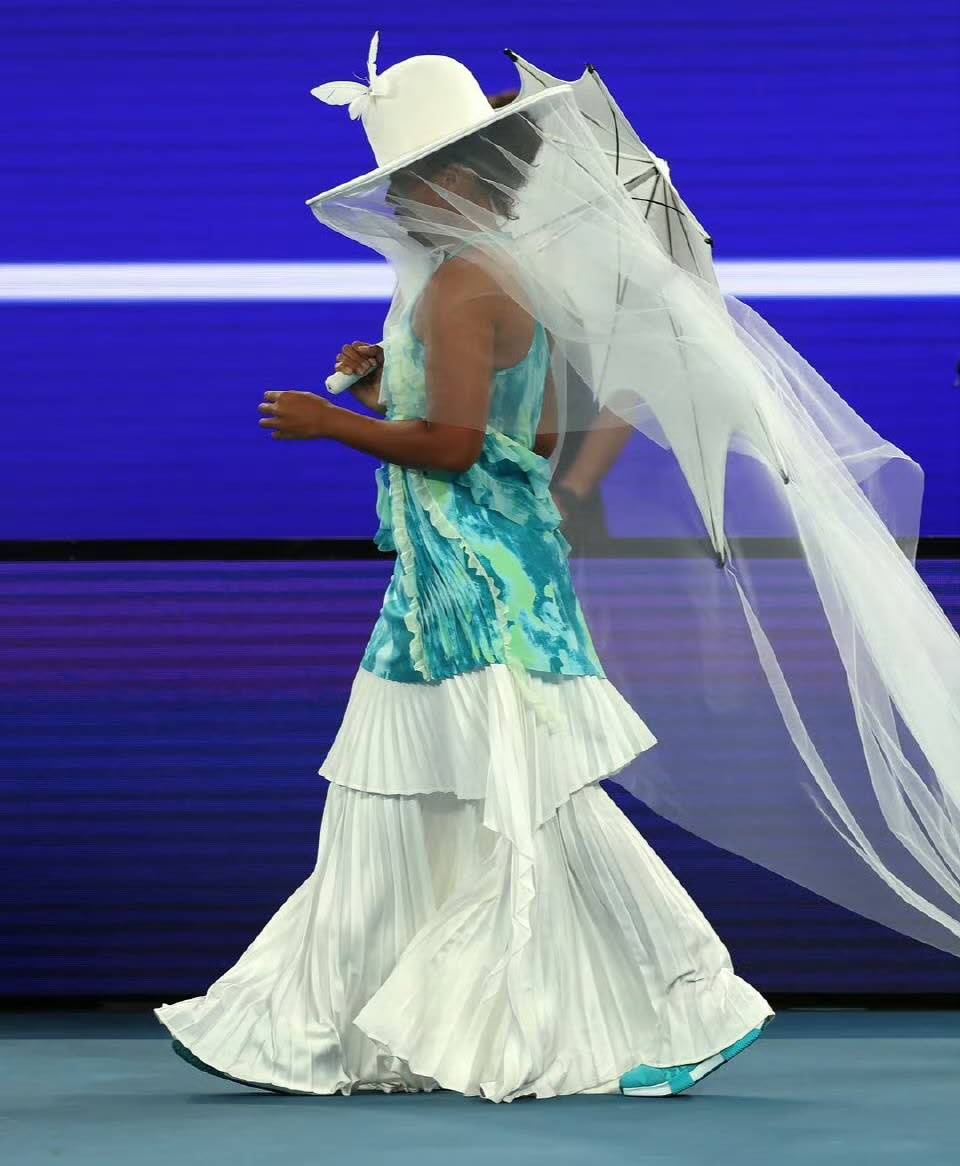
In recent years, Osaka has openly discussed her mental health struggles, including depression and anxiety. During the 2021 French Open, she withdrew due to mental health issues, sparking a global conversation about athletes' psychological well-being. This Australian Open marked an important step as she returned to Grand Slam competition after becoming a mother, carrying high expectations.
A sports psychologist from an international website commented, “Professional tennis is a high-pressure sport demanding strong mental resilience. For athletes who have publicly acknowledged mental health challenges, simply returning to competition is a major achievement. We should approach their struggles with empathy.”
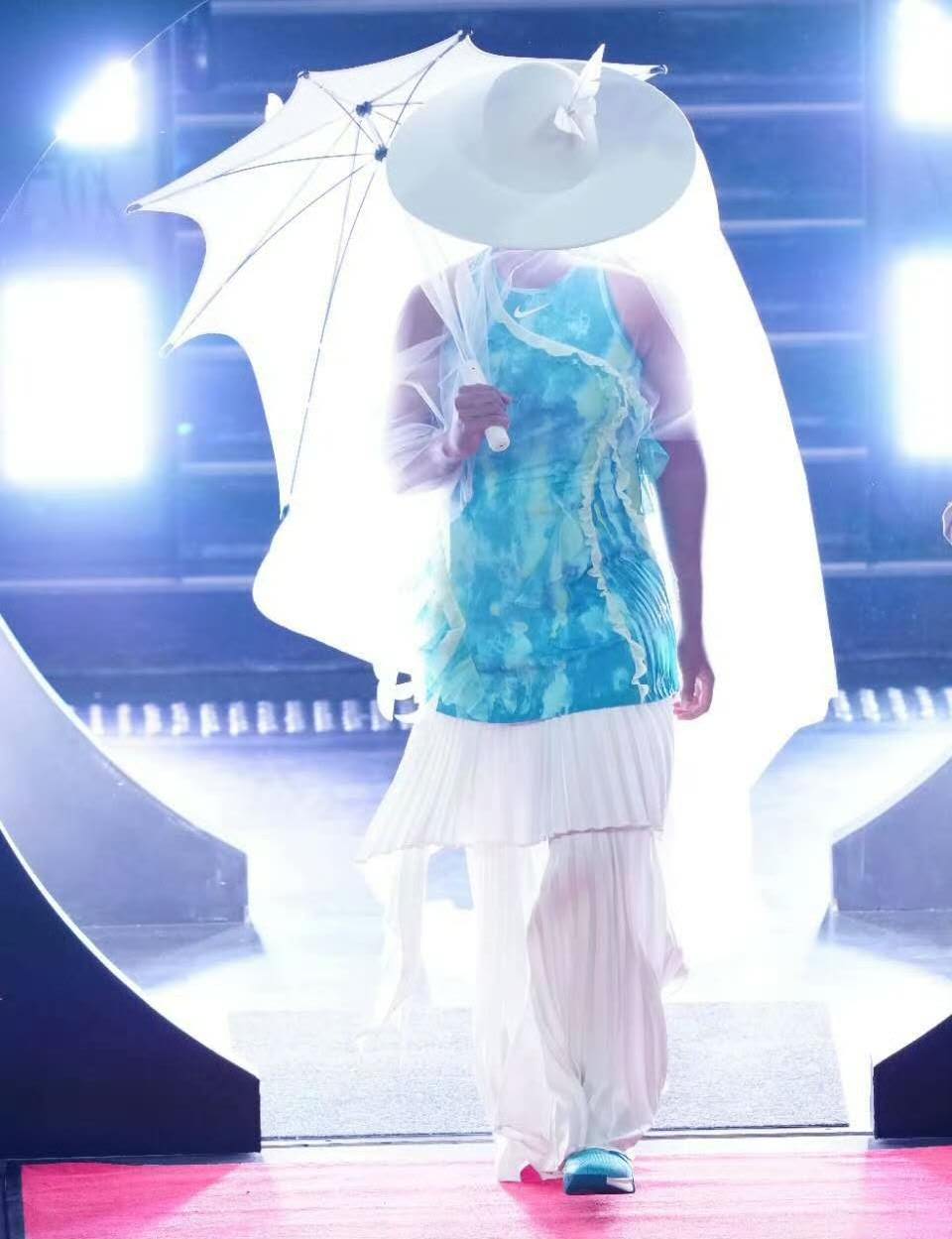
On social media, reactions to Osaka’s withdrawal were mixed; some critics said, “Professional athletes need to learn to handle pressure; withdrawing isn’t the solution.”
However, many voices expressed understanding and support. One user wrote, “She’s already making great efforts to regulate her mental state like anyone else; we should show the same empathy toward both mental and physical vulnerabilities.” Another added, “She’s not lacking competitive spirit; she’s fighting an invisible enemy. We need more understanding and less blame.”
Another commenter questioned, “Why does no one criticize Kostya for being overly sensitive? Why is all the blame on Osaka? That’s unfair! If one word can break your focus, should every match be played without an audience? It’s unbelievable she’s adding drama at the end of her career!”

Osaka’s withdrawal also sparked broader discussions about mental health support for athletes. An American mental health journal stated, “Modern sports are not only a test of physical ability and skill but also of mental toughness. Event organizers and sports bodies need to establish better mental health support systems to help athletes cope with immense pressure.”
Although her Australian Open journey ended early, Osaka showed determination to return in her statement. Her team said they will focus on her full recovery, including both physical and mental health, preparing her for future competitions.
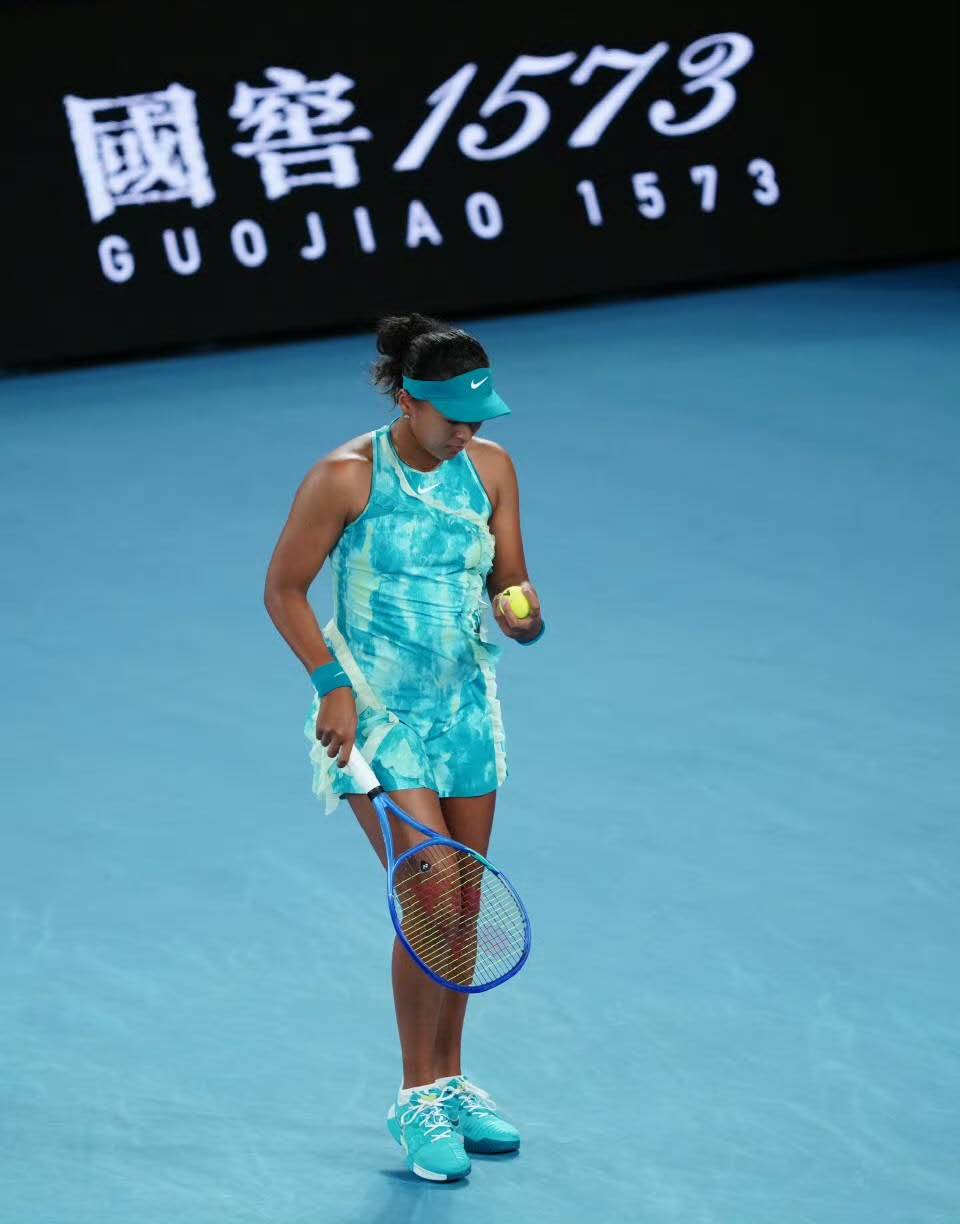
Australian Open tournament director Craig Tiley said, “We fully respect Naomi Osaka’s decision and wish her a speedy recovery. Her courage and honesty will continue to inspire many.”
With Inglis advancing, the women’s singles competition will go on, but Osaka’s early exit leaves a bittersweet note on this Australian Open and reminds everyone of the psychological challenges and human care behind professional sports.(Source: Tennis Home, Author: Lu Xiaotian)

 Links
Links
 Contact
Address:UNIT 1804 SOUTH BANK TOWER, 55 UPPER GROUND,LONDON ENGLAND SE1 9E
Number:+85259695367
E-mali:[email protected]
 App
App


