



Djokovic: With Wawrinka's departure, the tennis world loses not only a great player but also a great person.


A four-set struggle under Melbourne’s sun marked a lengthy goodbye.
In the third round of the Australian Open, 40-year-old Stan Wawrinka—the man who violently disrupted the status quo with his one-handed backhand in 2014—halted his journey after a 6-7, 6-2, 4-6, 4-6 defeat. His challenger was the younger American Fritz, 12 years his junior, seeded ninth, symbolizing a fresh era defined by stronger power and cleaner shots.
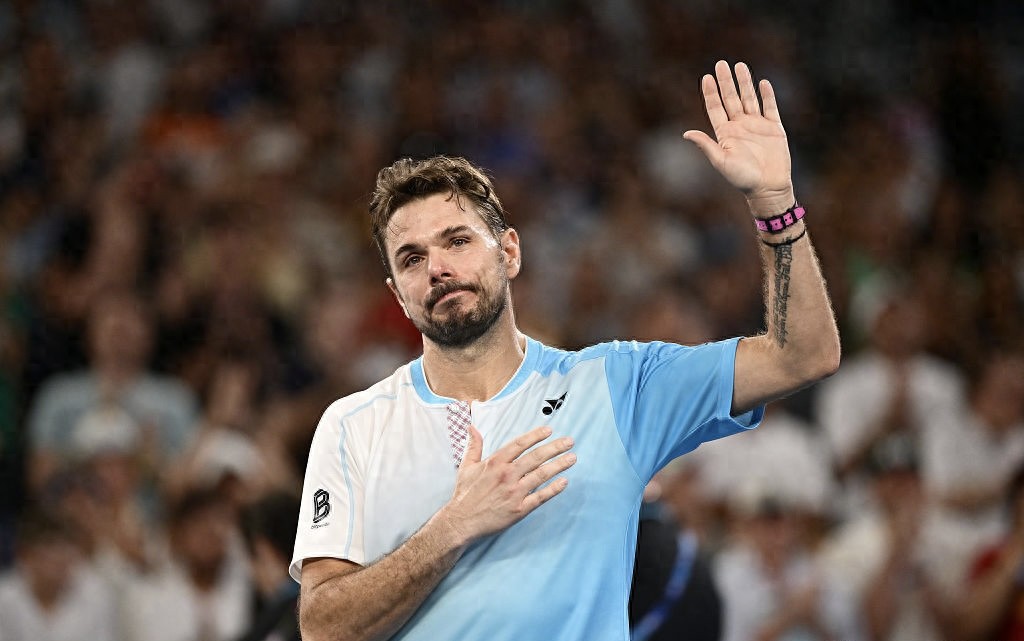
This was no surprise. Entering as a wildcard in the twilight of his career, every step was a battle against time. Yet in the second round, fans witnessed the familiar Wawrinka: he fought a nearly 4-hour 33-minute epic against a French youngster 20 years his junior, coming back to win. That was the last brilliant flash of his iron will, a summary of the Swiss veteran’s career—never yielding easily, pushing his muscles and bones to the limit until delivering that astonishing shot.
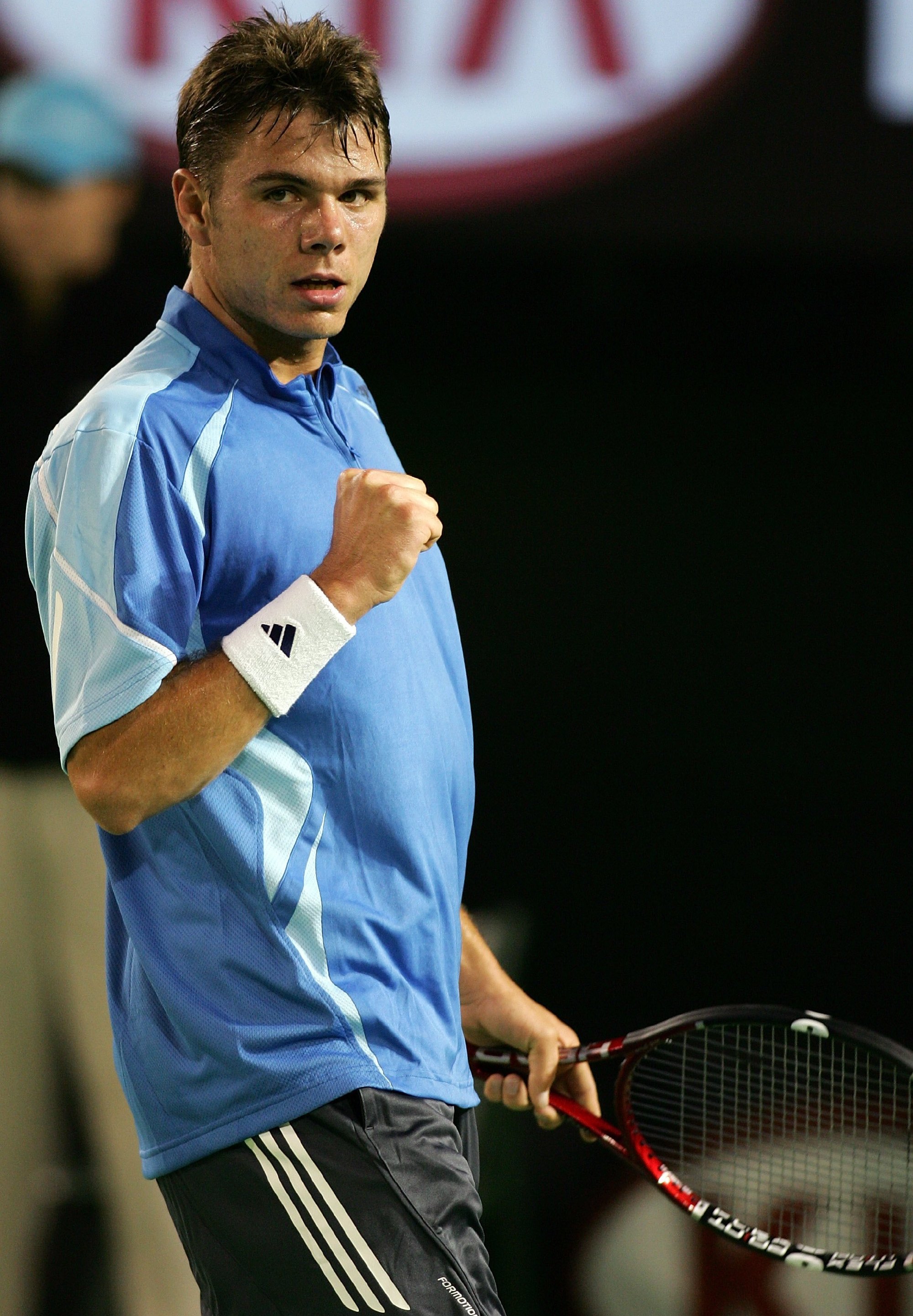
Last night, Djokovic spoke at his press conference after reaching the round of 16: “With his departure, tennis loses a great player and a great person.” The weight of this statement can only be fully felt by those who shared that era with him.
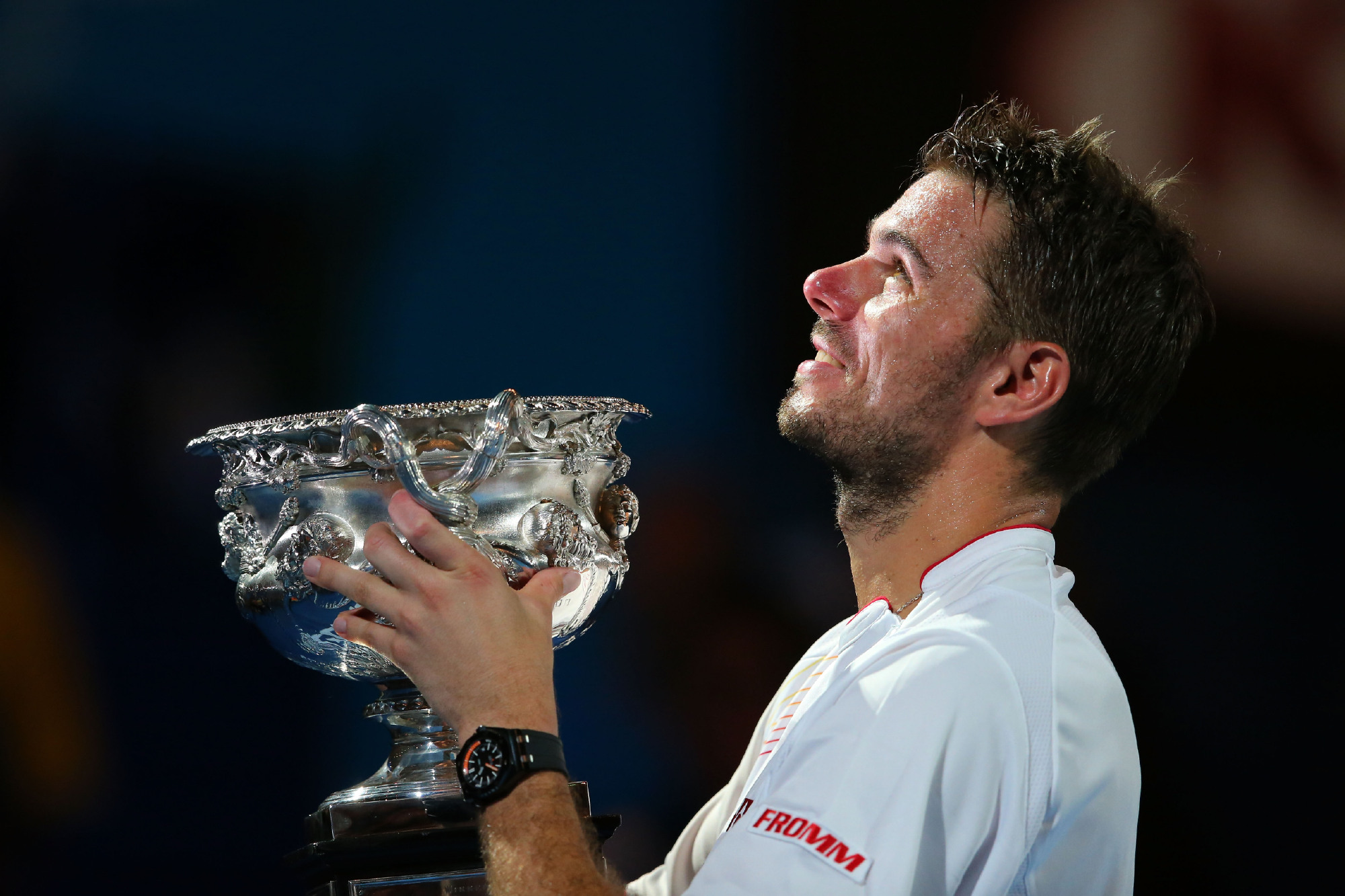
They were rivals during tennis’s golden age. Under the reign of the Big Three—Djokovic, Federer, and Nadal—Wawrinka was the most stubborn breaker of their dominance. He didn’t fit the style of any of the three; he was something different: silent, resilient, turning his one-handed backhand into a weapon rather than just a signature. At the 2014 Australian Open, he knocked out Djokovic in the quarterfinals, then defeated Berdych in the semifinals, and finally overcame Nadal in the final to claim his first Grand Slam title. That victory was more than a trophy; it was a declaration that even in the era of giants, an outsider could break through.
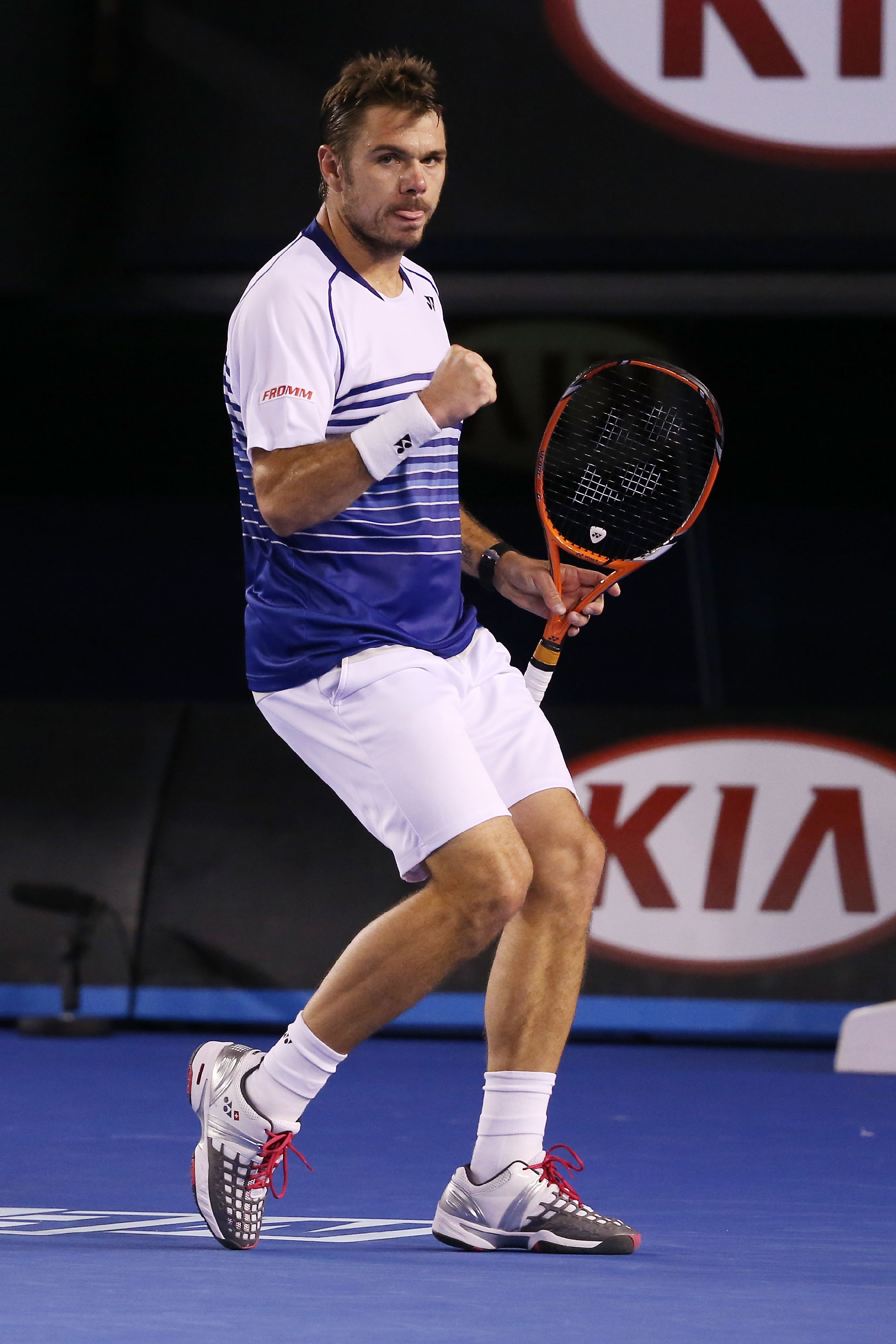
Then came the 2015 French Open, where he beat Djokovic again in the final, shattering Djokovic’s dream of a career Grand Slam; and the 2016 US Open, his third Grand Slam final victory, again over Djokovic. He seemed born for the big stage—a blacksmith who was quiet off the anvil but struck the brightest sparks when the iron was hottest.
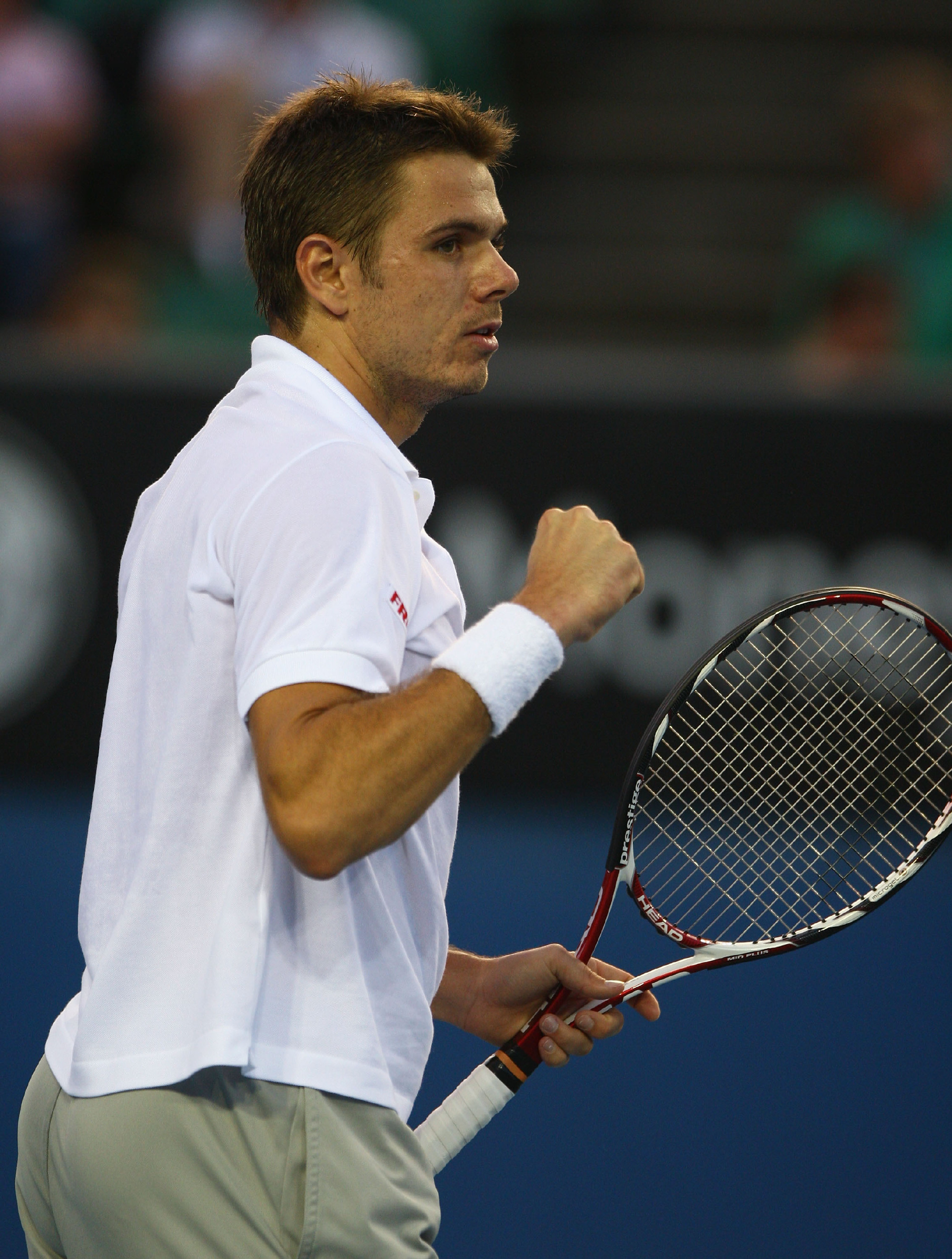
In Djokovic’s praise, there is profound empathy: “I am honored to call him both a friend and a rival. His long career and dedication to tennis have inspired me.”
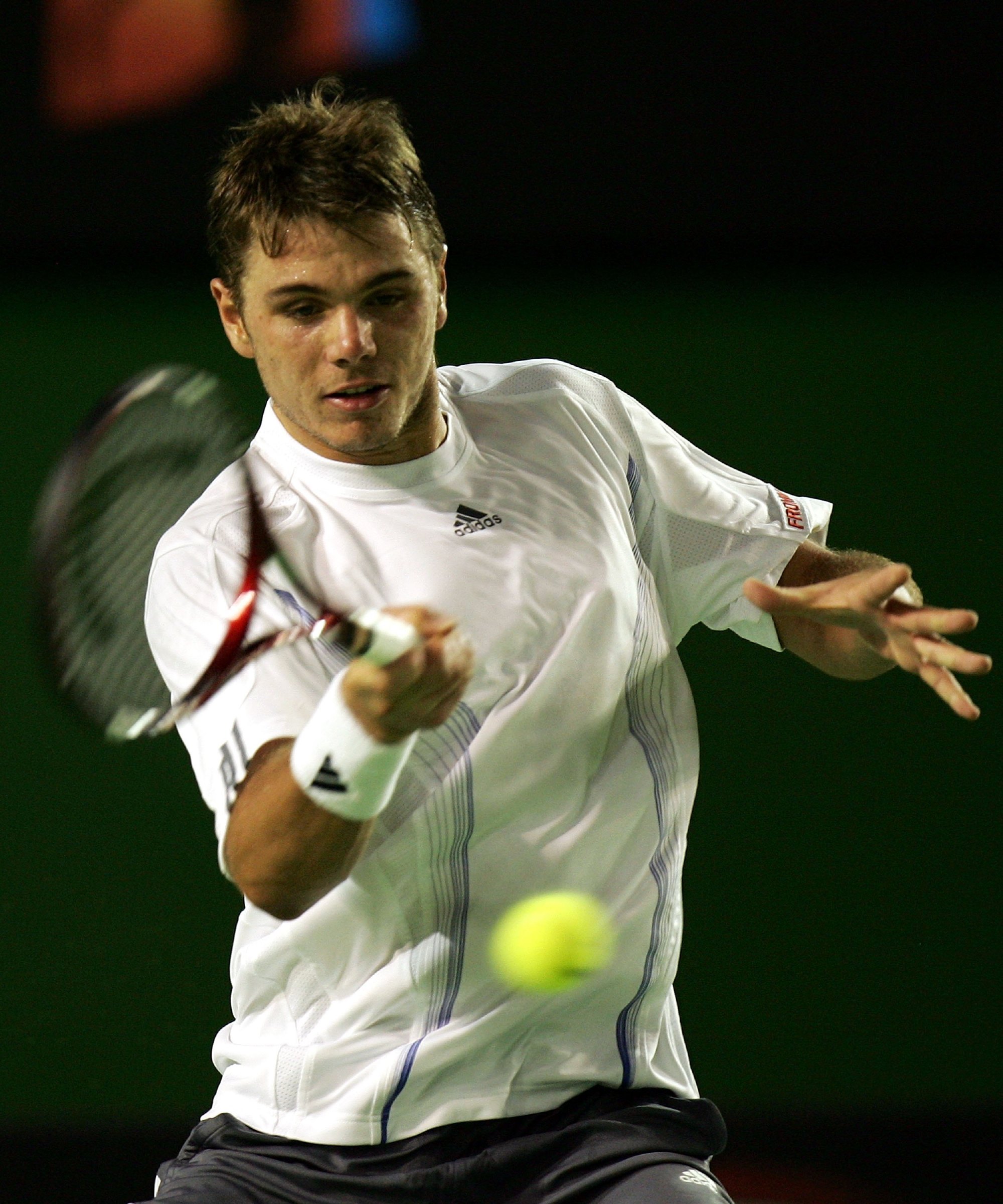
This is no longer just a memory of wins and losses, but a tribute to a way of being. Wawrinka’s tennis was never as graceful as Federer’s, nor as agile as Djokovic’s, nor as fierce as young Nadal’s. His game was heavy industry: solid, powerful, sparking like metal on metal. His body suffered many injuries; knee problems nearly ended his career, yet every comeback showed the stubborn will to fight on.
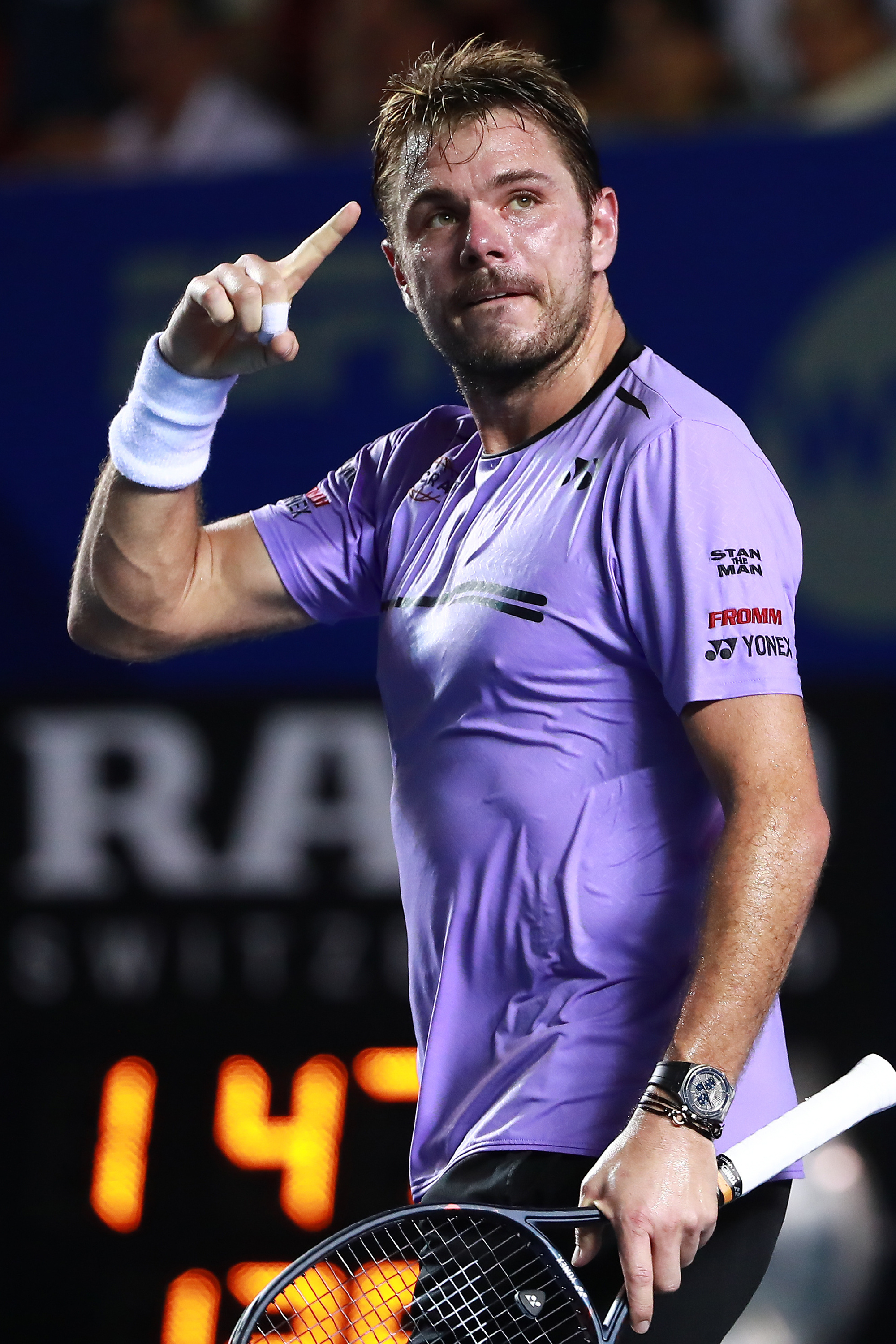
In that over four-hour comeback in the second round, we saw not only an old warrior’s unwillingness to give up but the ultimate expression of professionalism: as long as he was on court, every drop of sweat, every pain, every ounce of will was left there.
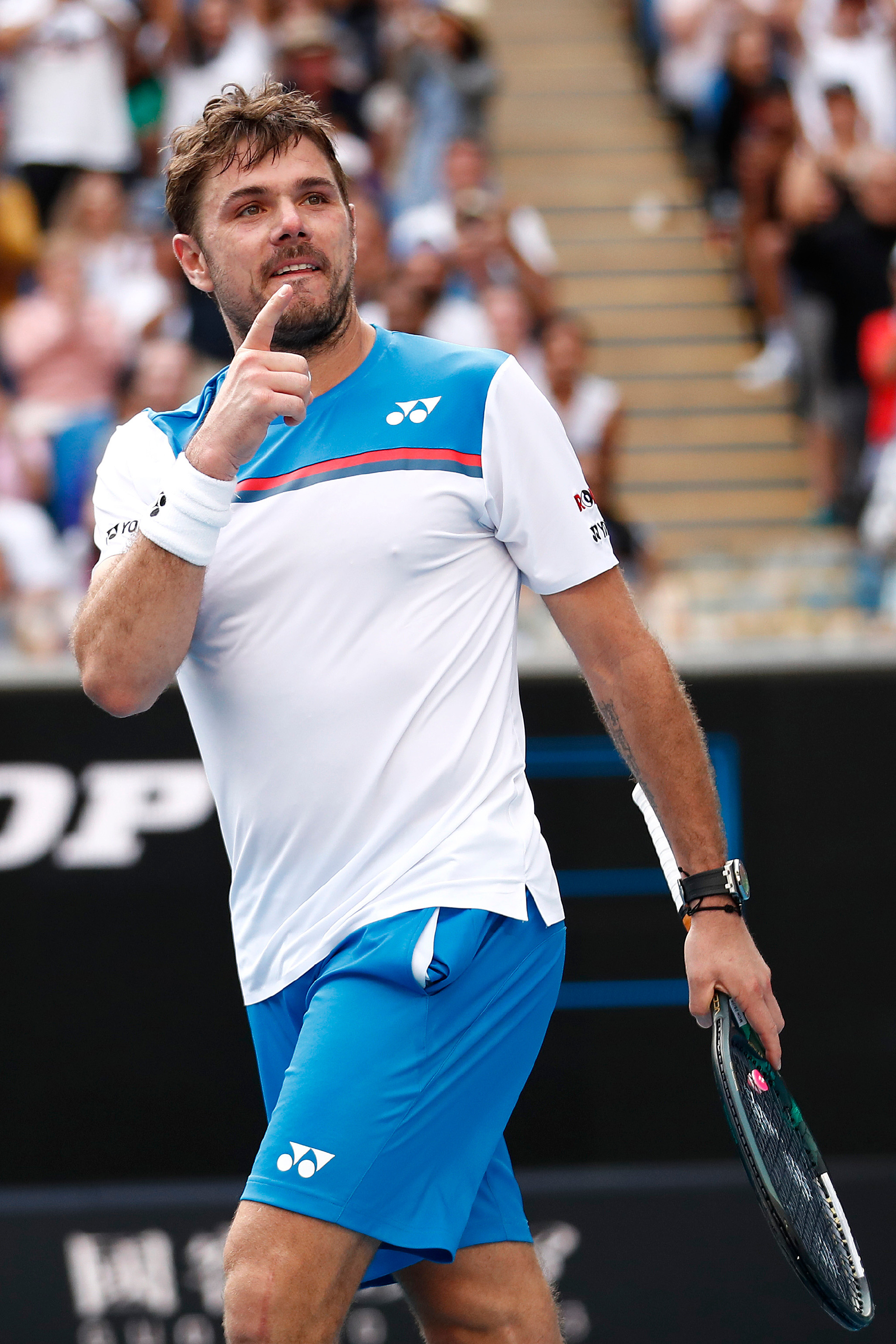
Yet, heroes must eventually turn away.
With Wawrinka’s exit, another name fades from the active roster. The friends and rivals Djokovic mentioned are retiring one after another. Federer and Nadal have gone; now Wawrinka’s Australian Open journey ends. The era of stars that elevated tennis to the pinnacle of art and sport is slowly drawing to a close.
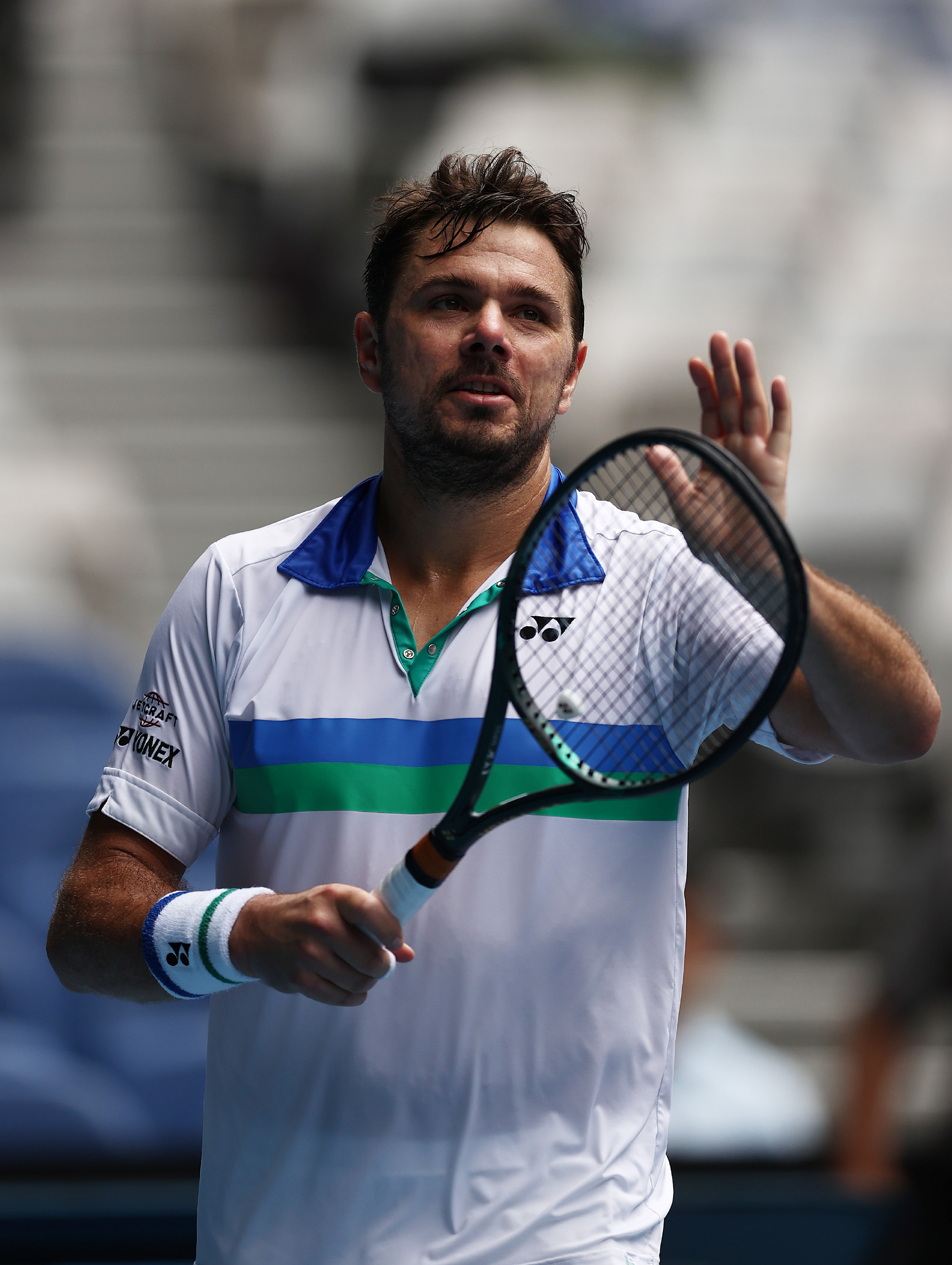
Djokovic has become the last sentinel. He continues to fight against the rising young generation like Alcaraz, Sinner, and Medvedev, as well as against time itself. His praise perhaps also reflects his own aspiration: to fight until the very last moment, giving everything like Wawrinka did.
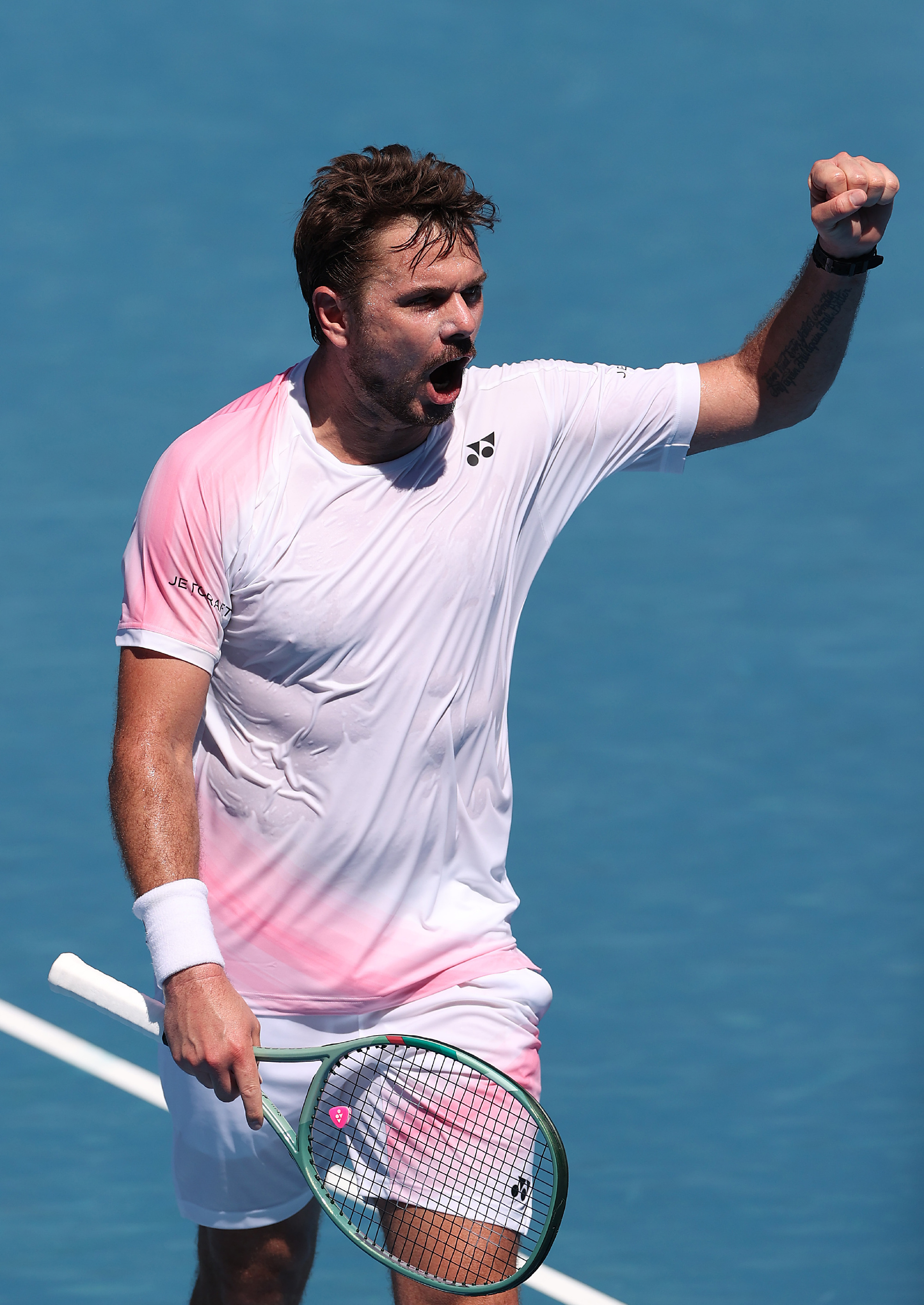
But tennis never stops turning because of anyone’s departure.
Fritz’s victory is a declaration from the new generation, and the young faces at the sidelines are writing the sport’s next chapters in their own ways. They may no longer wield Wawrinka’s heavy backhand or embody that all-or-nothing steel aesthetic, but they bring new speed, fresh tactics, and unique personalities.
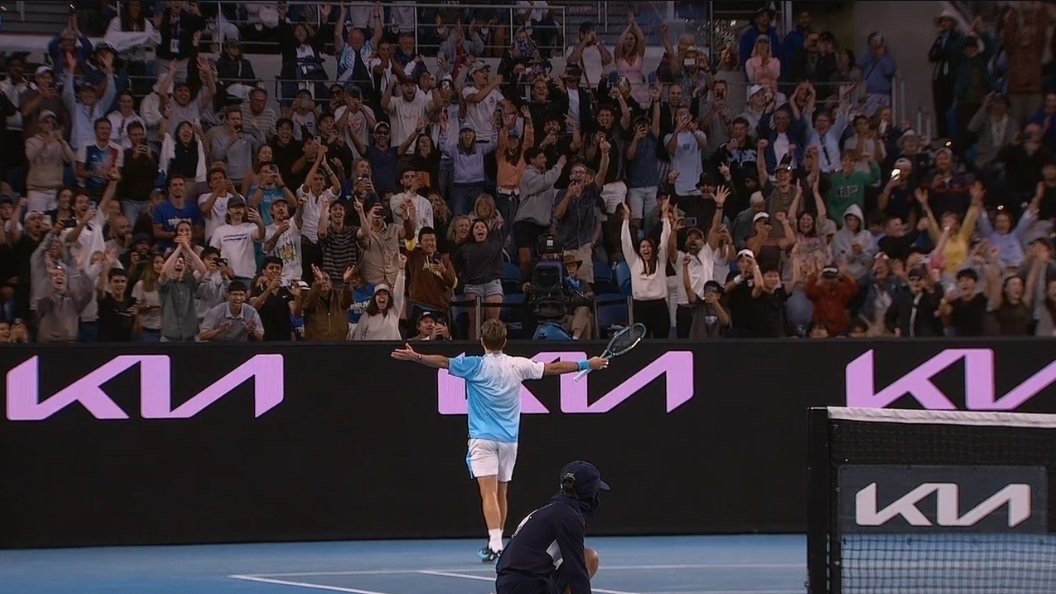
When Wawrinka left, the applause thundered through the arena. It was the audience’s salute to an era and an affirmation of a spirit: tennis is not just about winning or losing but a reflection of human will and passion.
As Djokovic said: “His spirit will live on, inspiring countless younger generations.”
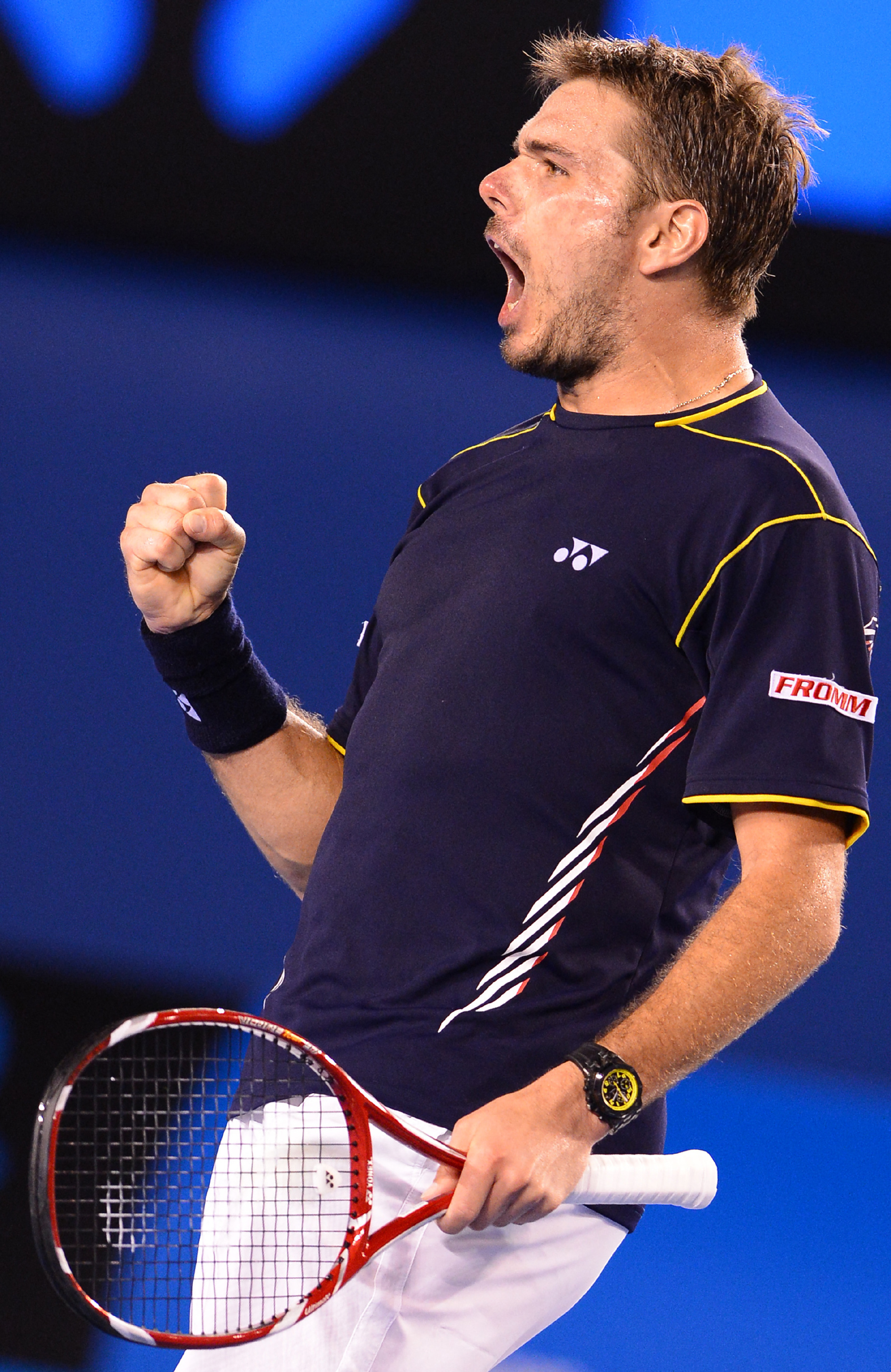
When a giant steps away, his silhouette may fade into the distance, but the path he carved is deeply etched in the ground. Those footprints tell the next generation: you can fight, love, and become a legend in your own way.
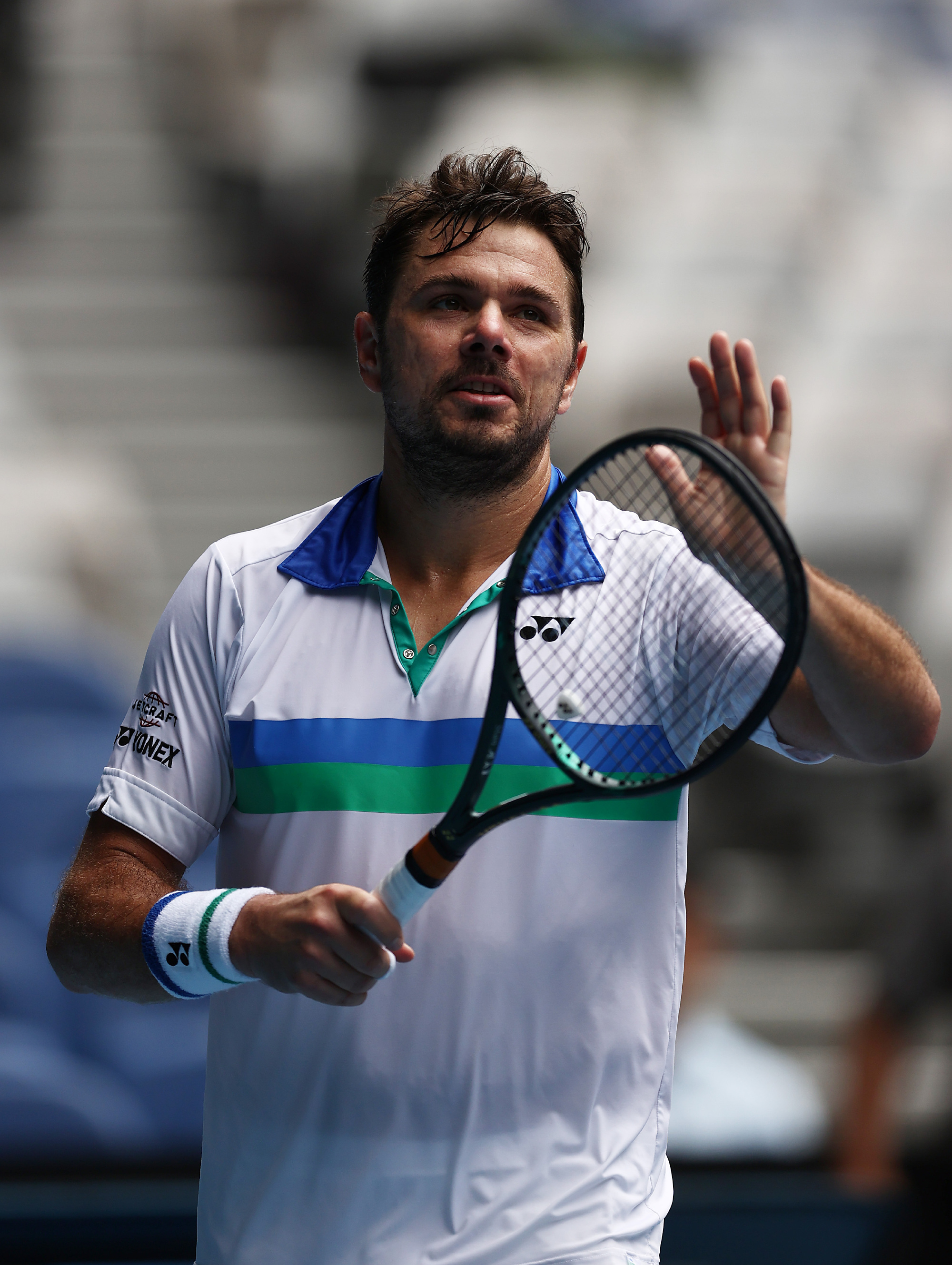
The body of steel will age, but the spirit of steel is reborn with every swing, every sprint, and every rally fought without surrender.
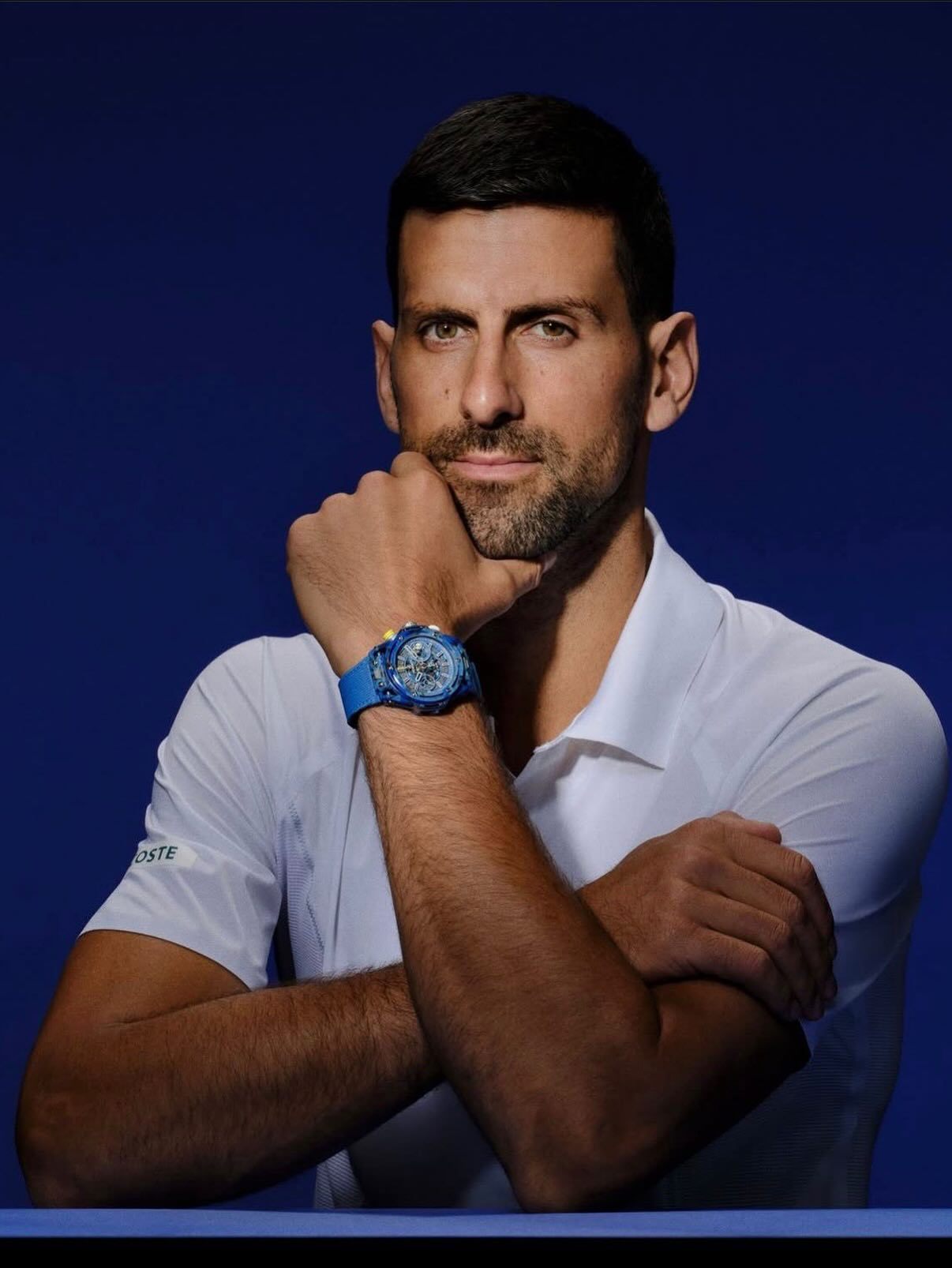
The night is still young, and the tennis courts remain brightly lit. A lone brave soul continues to battle, while more young players step into the spotlight. This is the cycle of sport—harsh, yet gentle.(Source: Tennis Home, Author: Mei)

 Links
Links
 Contact
Address:UNIT 1804 SOUTH BANK TOWER, 55 UPPER GROUND,LONDON ENGLAND SE1 9E
Number:+85259695367
E-mali:[email protected]
 App
App


