



Drama, controversies, noise, and more in the first week of the Australian Open



Grand Slams represent the highest level of tennis competition as well as a stage for showmanship.
In reality, Craig Tiley, the Australian Open's tournament director, has crafted this Grand Slam event into a hybrid of sports and entertainment, including tennis, culinary delights, concerts, bars, dancing, various attention-grabbing innovations, and diverse commercial ventures.
Besides the tangible spectacles, the Australian Open has also produced numerous headline-grabbing moments. Since the tournament began a week ago, there have been many dramas, controversies, disturbances, and other interesting incidents both on and off the court. Here are some highlights to lighten the mood while you enjoy the intense tennis action. After all, the Australian Open brands itself as the "Happy Slam"—happiness is paramount, everything else comes second.
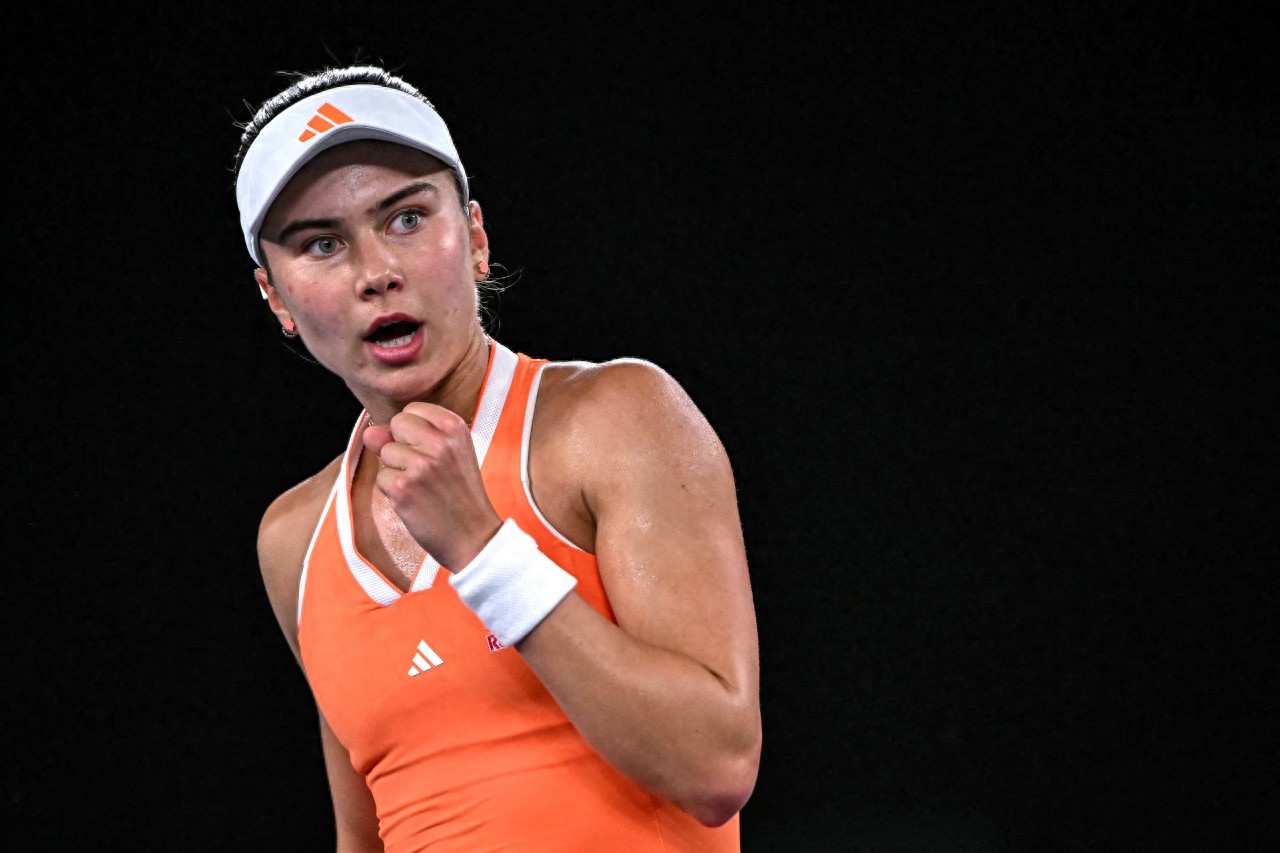
American rising star Eva Jovic spoke about meeting Djokovic again and the advice he gave her: "I feel he is kinder and more considerate off-camera, which is wonderful. He is very smart and genuinely wants to help the younger generation. When Novak gives you advice, you have to follow it." Jovic’s record this year is 10 wins and 2 losses, and she recently reached her first Grand Slam round of 16. Boris Becker remarked that Eva reminds him of Martina Hingis.
Apart from tennis topics, reporters love to ask American players political questions, likely aiming to provoke criticism of President Trump and his policies. The reason journalists favor questioning American players is because of the country's strong free speech protections—for instance, Americans can openly criticize Trump without fearing for their safety. In contrast, Russian players tend to be more cautious when publicly commenting on President Putin.
When asked about American politics, nearly all players (including Kecmanovic, Fritz, Anisimova, Pegula, and others) tend to avoid the topic, with the exception of Gauff. Retired American player John Isner commented on social media: "Let's just stick to tennis. Asking tennis players questions unrelated to tennis is incredibly boring."
However, Gauff does not find such topics "incredibly boring." The 21-year-old Black player seems somewhat drawn to the subject; last week at a press conference, she stated that living as a Black woman in America has been very challenging. Her so-called "difficult life" obviously is not about finances, as she is currently the highest-earning female athlete worldwide. Sportico reported that she earned over $30 million last year, with endorsements alone exceeding $20 million.
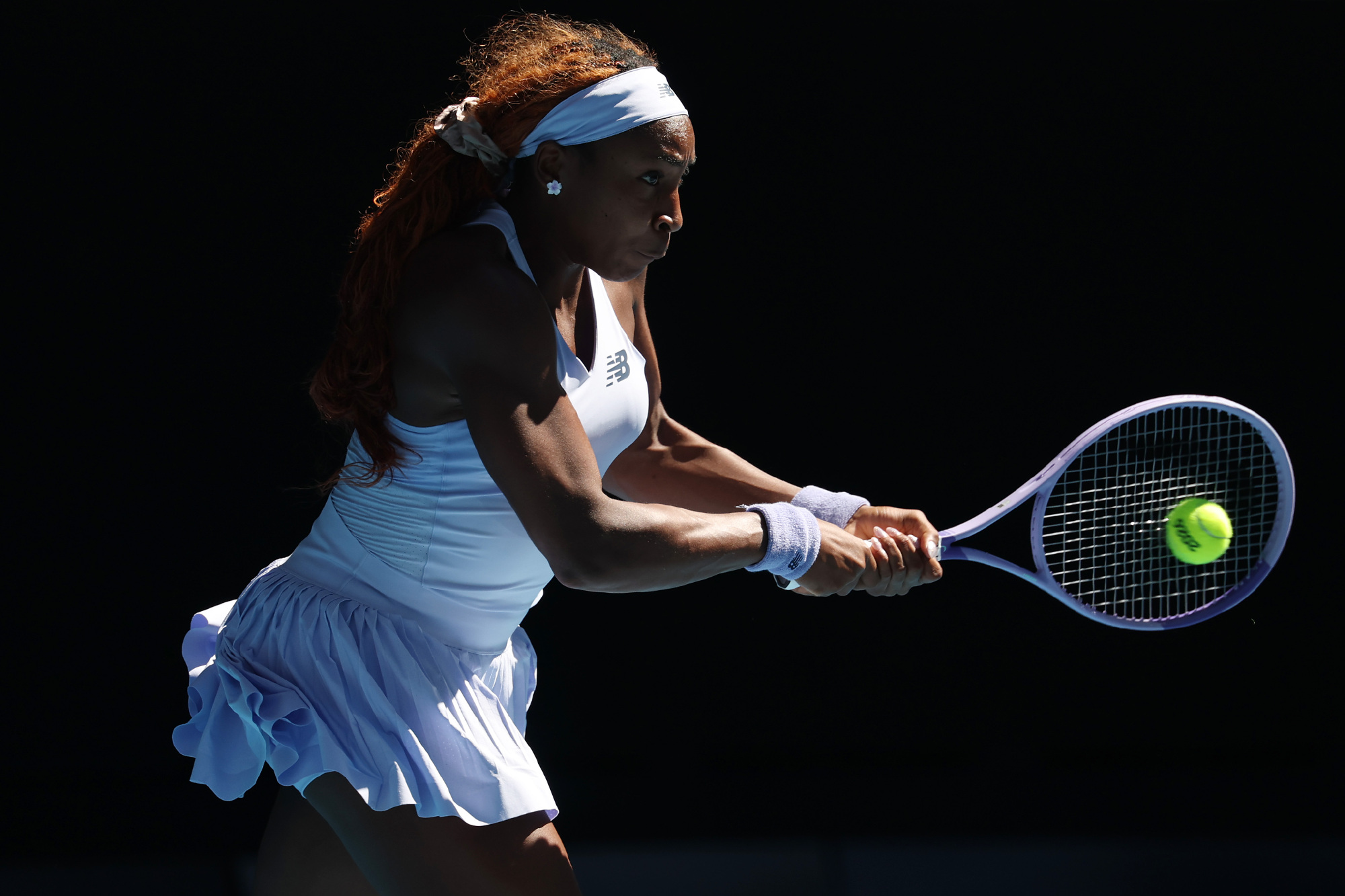
Therefore, Gauff’s notion of "difficulty" must relate to social or political issues rather than financial ones. She has suffered racial discrimination since childhood; during her teenage years competing in Europe, local youths, having never seen a Black person like her, called her a "monkey" and loudly invited others to watch the spectacle. This incident left a deep psychological scar, motivating her to engage in Black community activities even before she became famous.
Gauff’s stance has also sparked some criticism, with some questioning whether she unfairly portrays all Black women as victims of white oppression. After all, the "political correctness" trend in the West has sometimes led to attitudes like "Black is always right" or claims that "white people face discrimination."
Discussing politics is never easy. So, let's move on to something lighter.
This year, Australian native Nick Kyrgios finally won a match at the Australian Open! He and Fernandez narrowly defeated Skupski and Krawczyk 10-8 in a tiebreak. Fernandez sealed the victory with a stunning winner after the pair saved three match points earlier.
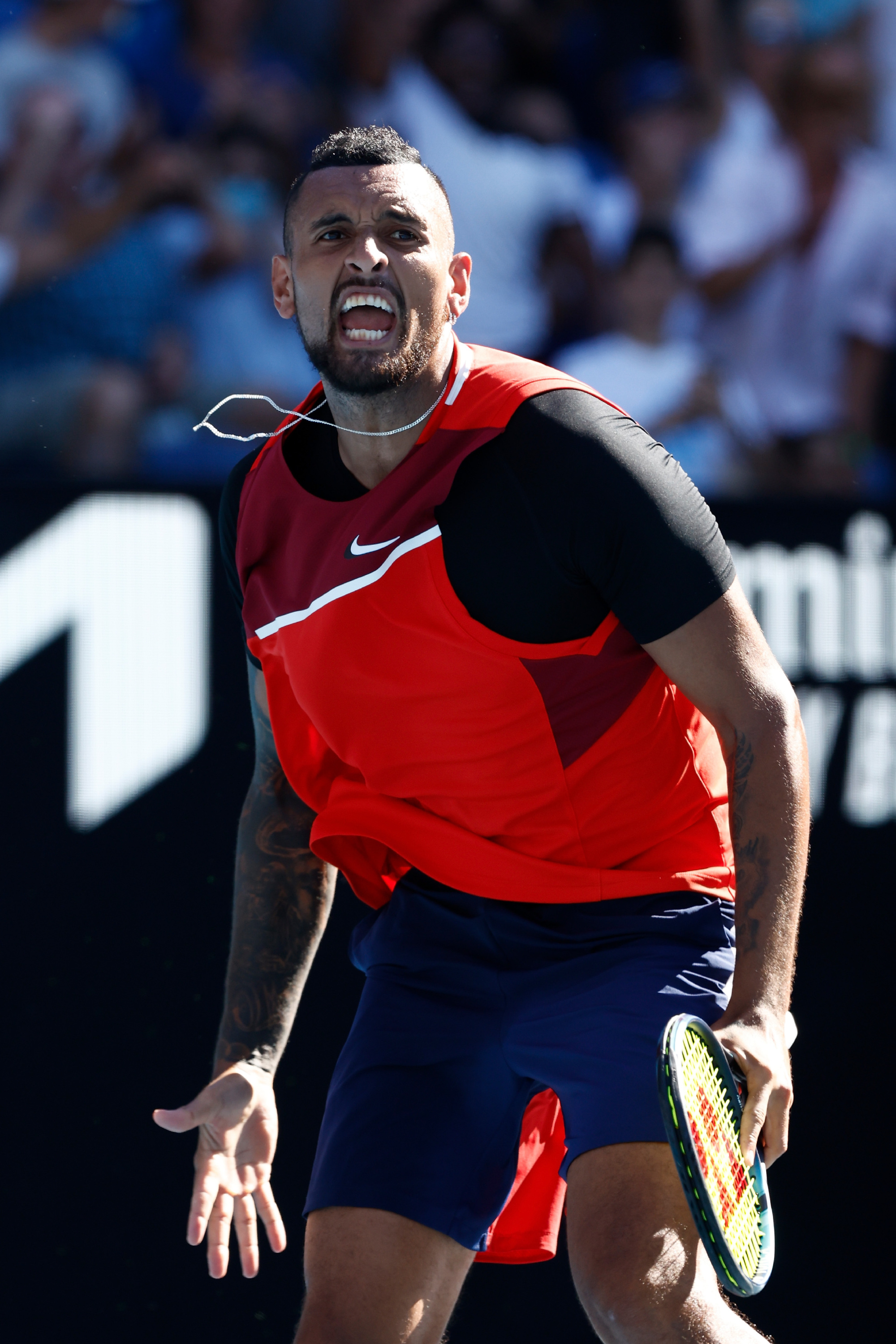
Controversy has always followed Kyrgios. Before the Australian Open, he organized and participated in a "Battle of the Sexes" match with Sabalenka, which was highly controversial but commercially successful. Kyrgios attracted plenty of attention and money—remember, this Australian "bad boy" previously admitted to financial struggles and urgently needed tennis income to cover daily expenses.
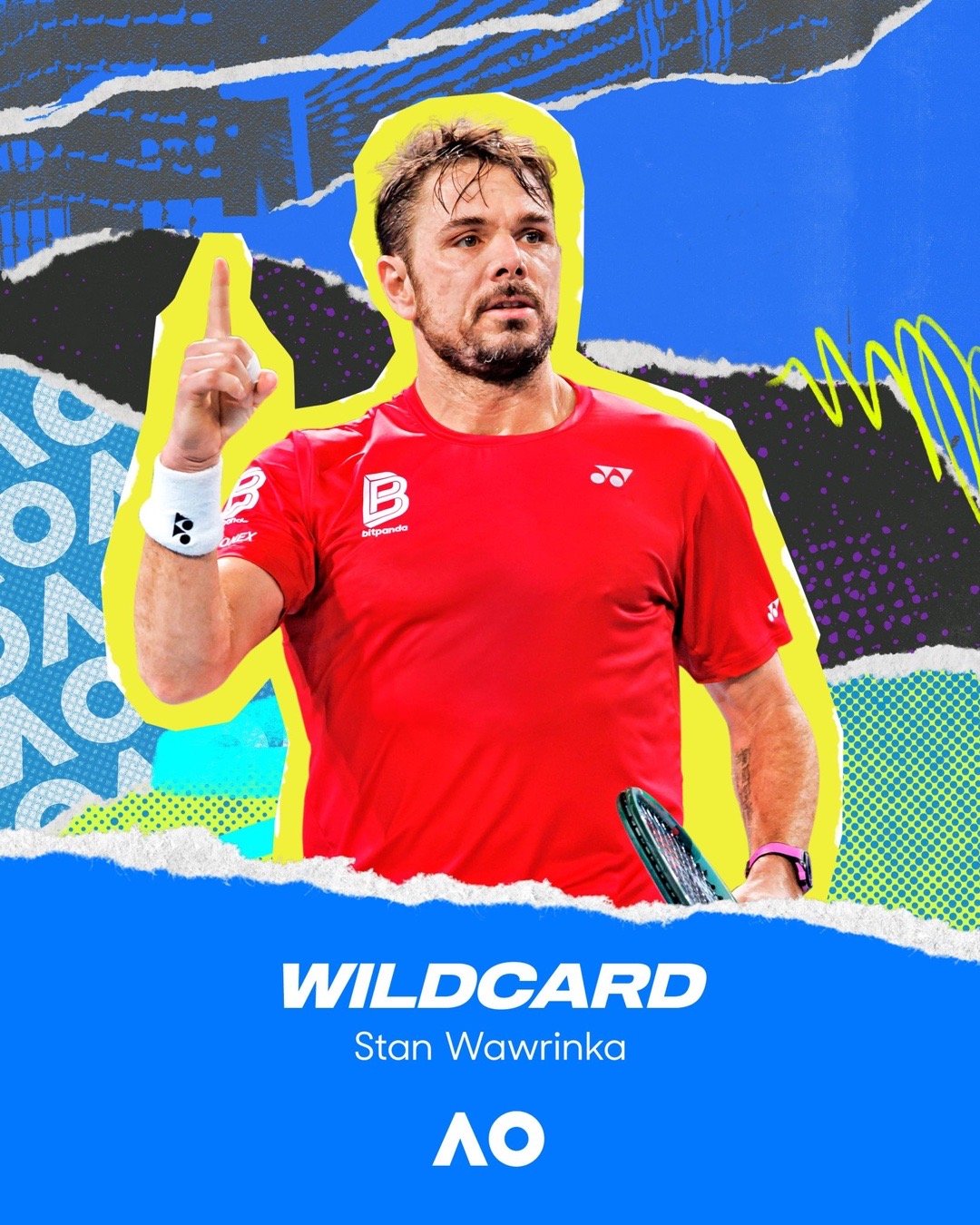
Kyrgios’s unconventional popularity made the Australian Open organizers hesitant—should they grant him a singles wildcard? Over time, the question evolved into whether to give the last singles wildcard to local favorite Kyrgios or to 2014 men's singles champion Stan Wawrinka.
After consideration, the Australian Open ultimately awarded the final singles wildcard to Wawrinka, as the Grand Slam organizers preferred to see a "serious contest" featuring Wawrinka rather than what some called a "clown act" by Kyrgios.
The Australian Open did not explain this decision, but Kyrgios quickly stated that he voluntarily gave up the singles wildcard and was content to only play doubles—"You can still see me, and I can still bring joy to the home crowd on the court."
Unwilling to stay quiet, Kyrgios chose to compete in two doubles events. He partnered with childhood friend Kokkinakis to receive a men's doubles wildcard, but they lost their first match 4-6, 6-4, 6-7(4) to another local wildcard pair. Then, Kyrgios teamed with former US Open women's singles finalist Fernandez in mixed doubles, earning a wildcard and narrowly winning their first match 6-7, 6-4, 12-10 against a British-American mixed doubles team, with Fernandez playing a decisive role.
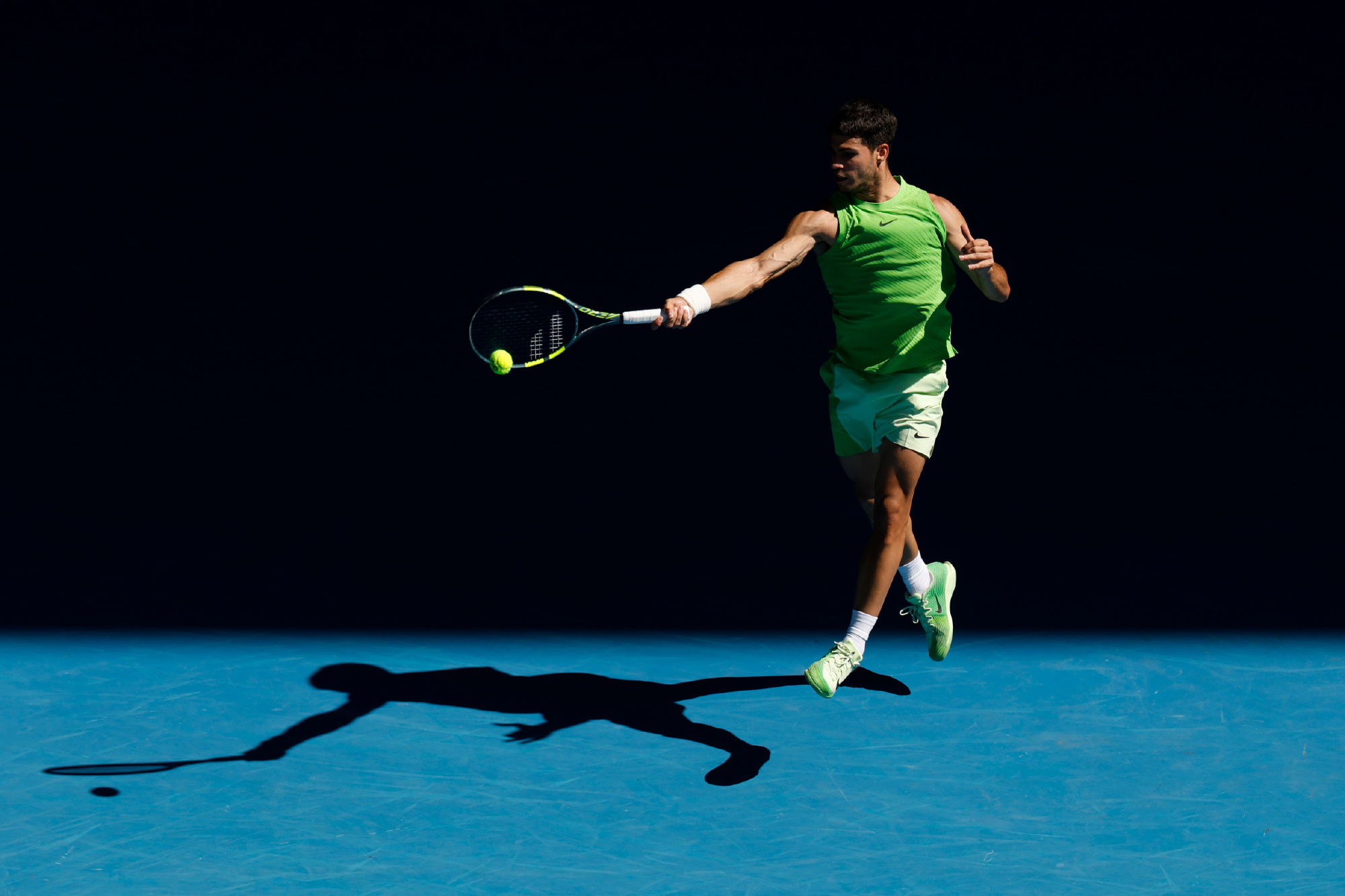
In the main draw, the undeniable figure is the men's singles top seed Alcaraz. But this time, I won’t talk about his firing of Ferrero, as that topic has been over-discussed.
The latest news is that during the Australian Open, Alcaraz announced his brother Alvaro will take on a more significant role in the coaching team: "My brother is very important in my personal and professional life. He brings me a lot of positivity, helping me perform better on court and in matches. Now he will share more responsibilities with Sam. He understands how we operate and knows tennis well. Sometimes he has his own views and ways of seeing things, which Sam and I find very valuable. I’m glad to see him more involved on the coaching bench; he brings me a lot."
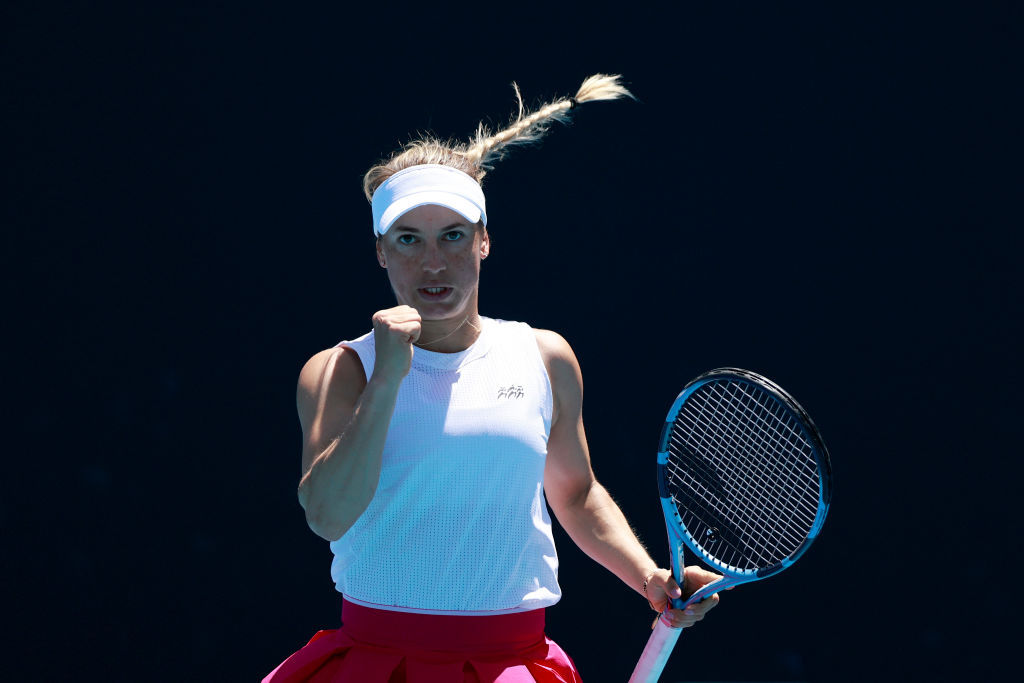
Let’s return to controversies and drama, which inevitably involve the so-called "Big Sister" Putintseva—her reputation for being "sassy" is well-earned.
After her match against Sorribes, Putintseva said the audience was very disrespectful: "That guy started coughing to disrupt my chances. I thought, okay, I’m not going to lose... I was ready to fight till the end. Some people support, some deserve cheers. That’s the beauty of this sport. But today, I felt many disrespectful moments; they screamed between my first and second serves. The screams weren’t even loud, just meant to make me err. I remember the score was 4-3, an important point. I was doing well hitting forehands when the opponent started coughing just to cause me mistakes. I thought, 'Okay, I’m not losing now.' Really. I was prepared for everything. Ready to fight till the end. What can I do? Some people are educated, some aren’t."
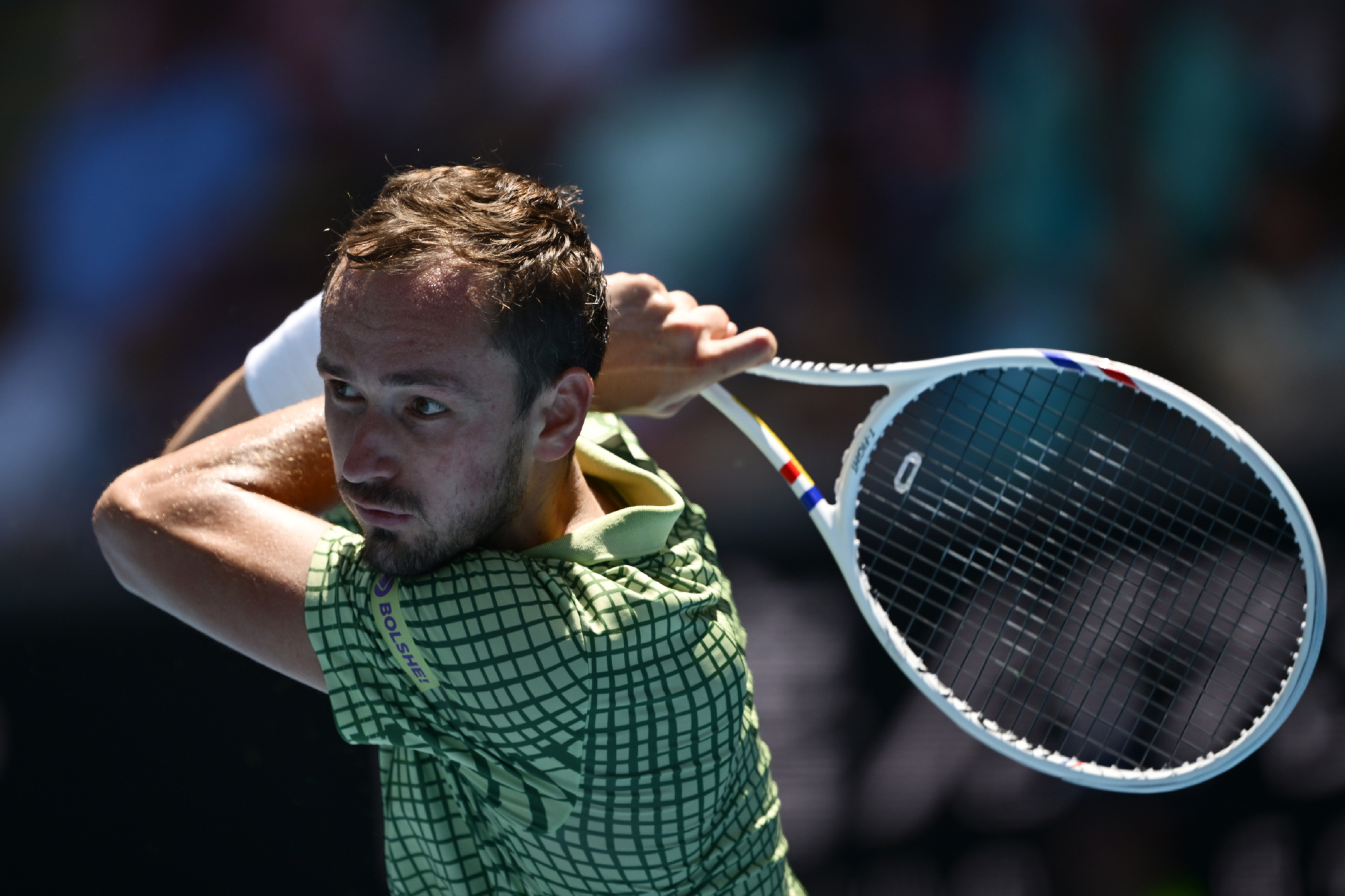
It seems Russian players tend to bring humor or controversy. Known as a "comedian," Medvedev often loses his temper or uses dramatic language during matches. But this time, he clearly disliked the script—he had to face his young "old rival" Lenny Chan again in the round of 16.
During his round of 32 match, Medvedev was trailing and close to defeat when he noticed on the big screen that Lenny Chan had just advanced to the round of 16. This news was crucial—if Medvedev staged a comeback to win, he would have to face Chan next.
In the end, Medvedev came back to win 3-2. After the match, he talked about his next opponent: "During the match, they showed the score... I glanced and saw 'Lenny Chan won in three sets.' I thought, 'Okay,' I was two sets down; if I win this match, it will be a five-set comeback, which is tough, and then I have to play Chan (laughs), but it’s fine. The thing is, I don’t really like playing him, and he probably hates playing me too, because all our matches are long and brutal rallies... but I also enjoy it because we both get many attacking chances and have great defense... so I’ll try to enjoy the tennis and definitely try to surprise him (funny face)."
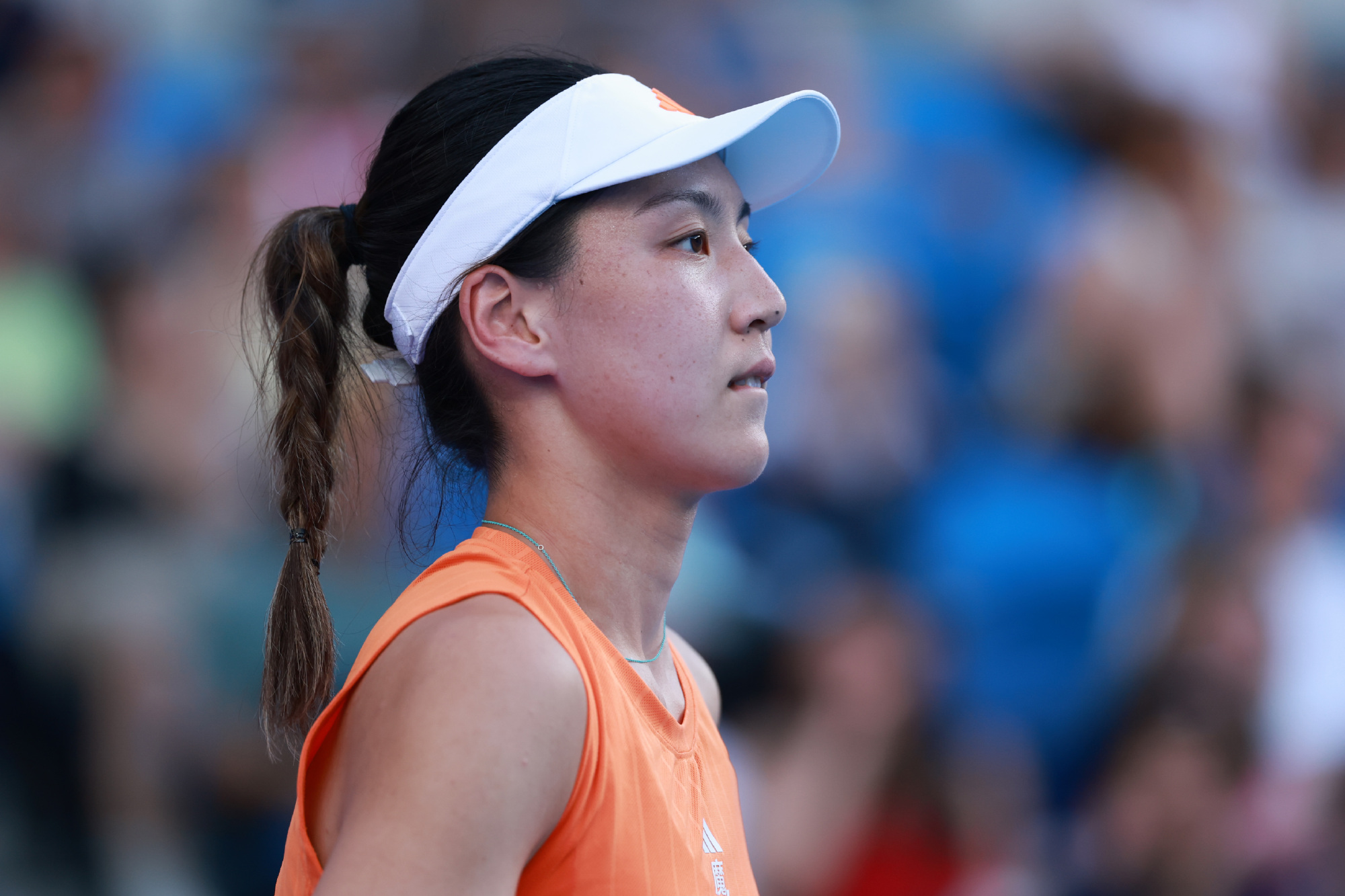
While the Australian Open was in full swing, Melbourne’s weather was equally intense. Yesterday, the "Australian Open Heat Stress Scale" reached the highest level 5 risk due to weather conditions, causing all outdoor matches to be suspended. Fortunately, Wang Xinyu won 2-0 against last year’s China Open finalist Noskova in the resumption, reaching her first Grand Slam round of 16.
While people focused on the fiery Australian Open, an ATP Challenger event in Brazil unexpectedly ignited controversy. In a doubles match, Venezuelan Martinez mimicked a "monkey" gesture, and his partner, Colombian Rodriguez, called a ball kid "monkey." The duo lost the match 7-6, 6-7, 2-10, but the issue didn’t end there. After the match, they were detained by Brazilian police for publicly displaying "racist behavior," facing possible imprisonment of up to five years.
So, jokes aside, there are definitely lines that must not be crossed.(Source: Tennis Home, Author: Yun Juan Yun Shu)

 Links
Links
 Contact
Address:UNIT 1804 SOUTH BANK TOWER, 55 UPPER GROUND,LONDON ENGLAND SE1 9E
Number:+85259695367
E-mali:[email protected]
 App
App


