



Zverev: Aspiring to Break the Monopoly of Alcaraz and Sinner



At the 2026 Australian Open, German star Zverev impressively advanced to the quarterfinals with a series of commanding victories, showing remarkable consistency. In the quarters, he will face the post-2005 rising talent Chun-Lin Lener, a young player who stunned Medvedev with a flawless win in the previous round, demonstrating explosive potential.
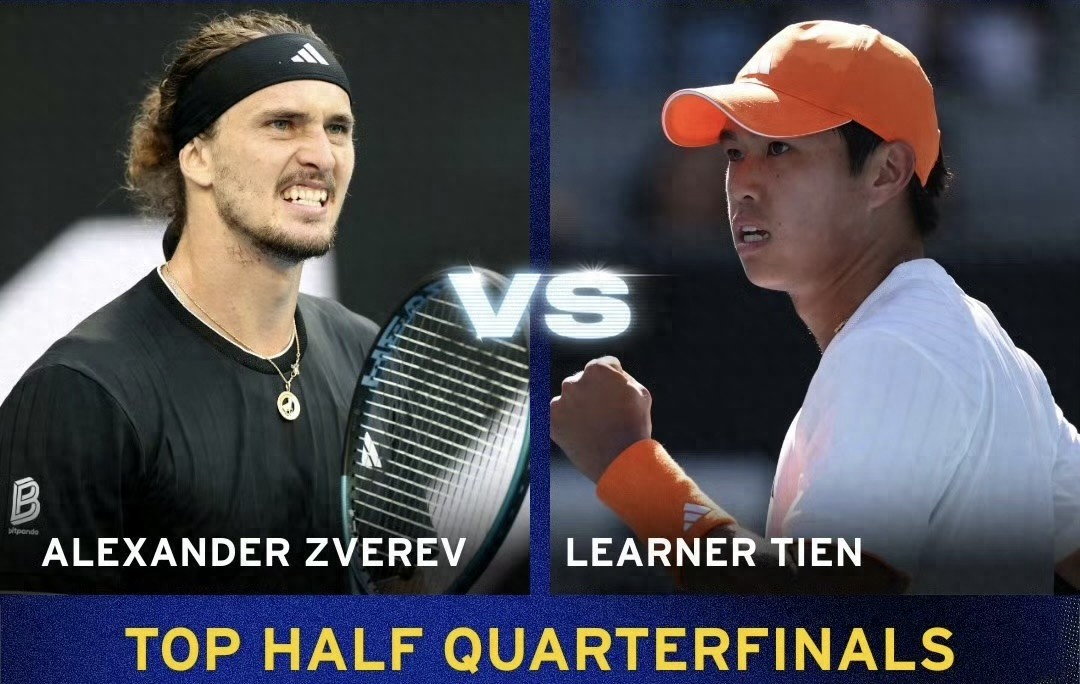
"When I was just starting out, winning a Grand Slam felt like an insurmountable challenge," Zverev confessed during the pre-match press conference. "Back then, the tennis landscape seemed predetermined: Djokovic would win in Australia; Nadal in Paris; and Wimbledon belonged to Federer or Djokovic. The only real upset possibility was at the US Open."
His words revealed a complex mix of respect and resignation toward the era dominated by the Big Three. At that time, it was nearly impossible for young players to break through those three giants. Before every Grand Slam, media discussions focused not on who might win, but rather which of the Big Three would take the title.
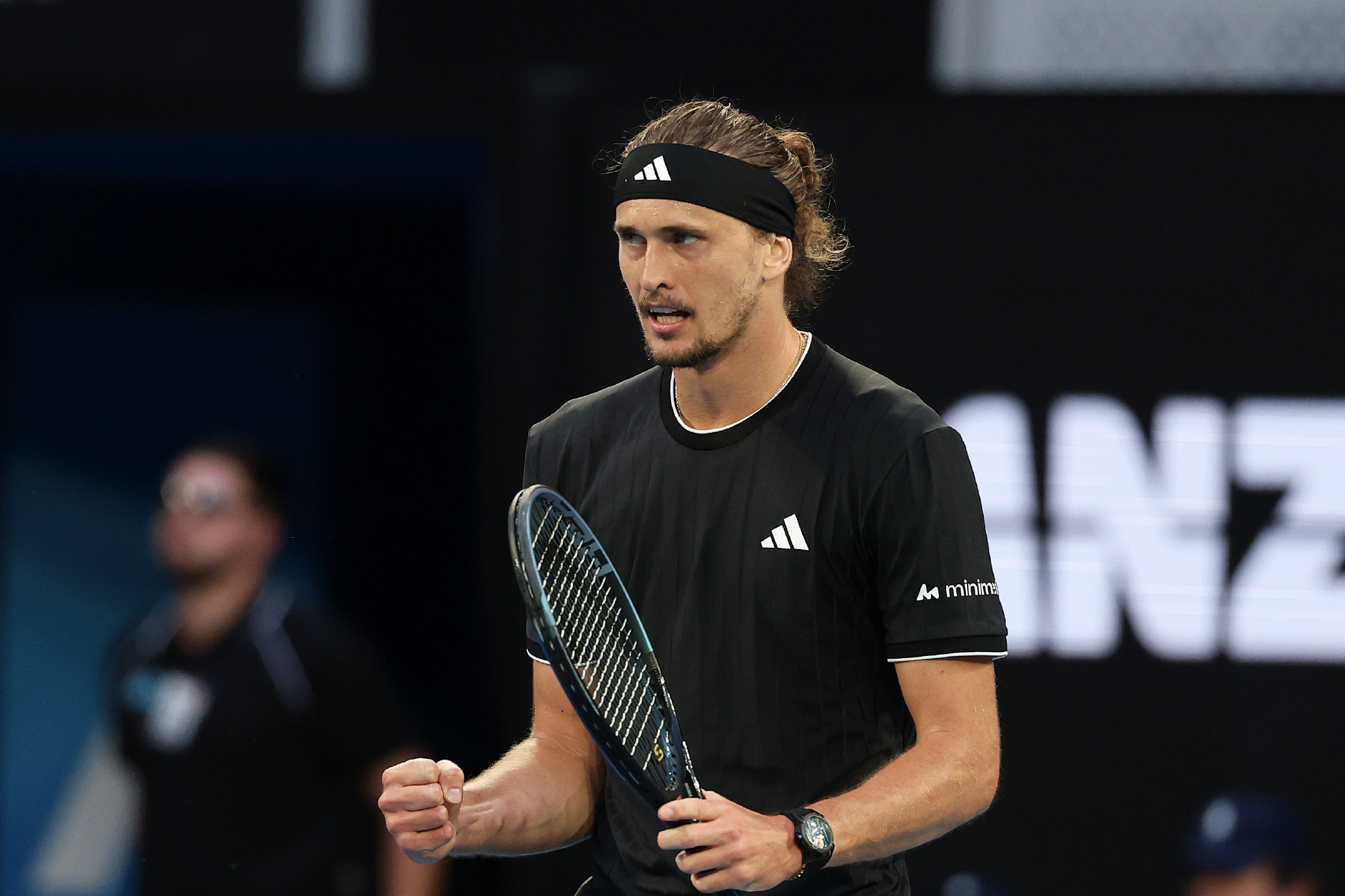
Moving forward to the 2024-2025 seasons, the monopoly in tennis has shifted, yet dominance remains. Over the past two seasons, Sinner and Alcaraz have claimed all Grand Slam titles, establishing a new dual-power structure.
"Yannik and Carlos undoubtedly rule the tennis world, but I hope that changes," Zverev stated candidly. However, he quickly added, "That said, I want to emphasize this doesn’t mean the overall level of tennis has declined—quite the opposite."
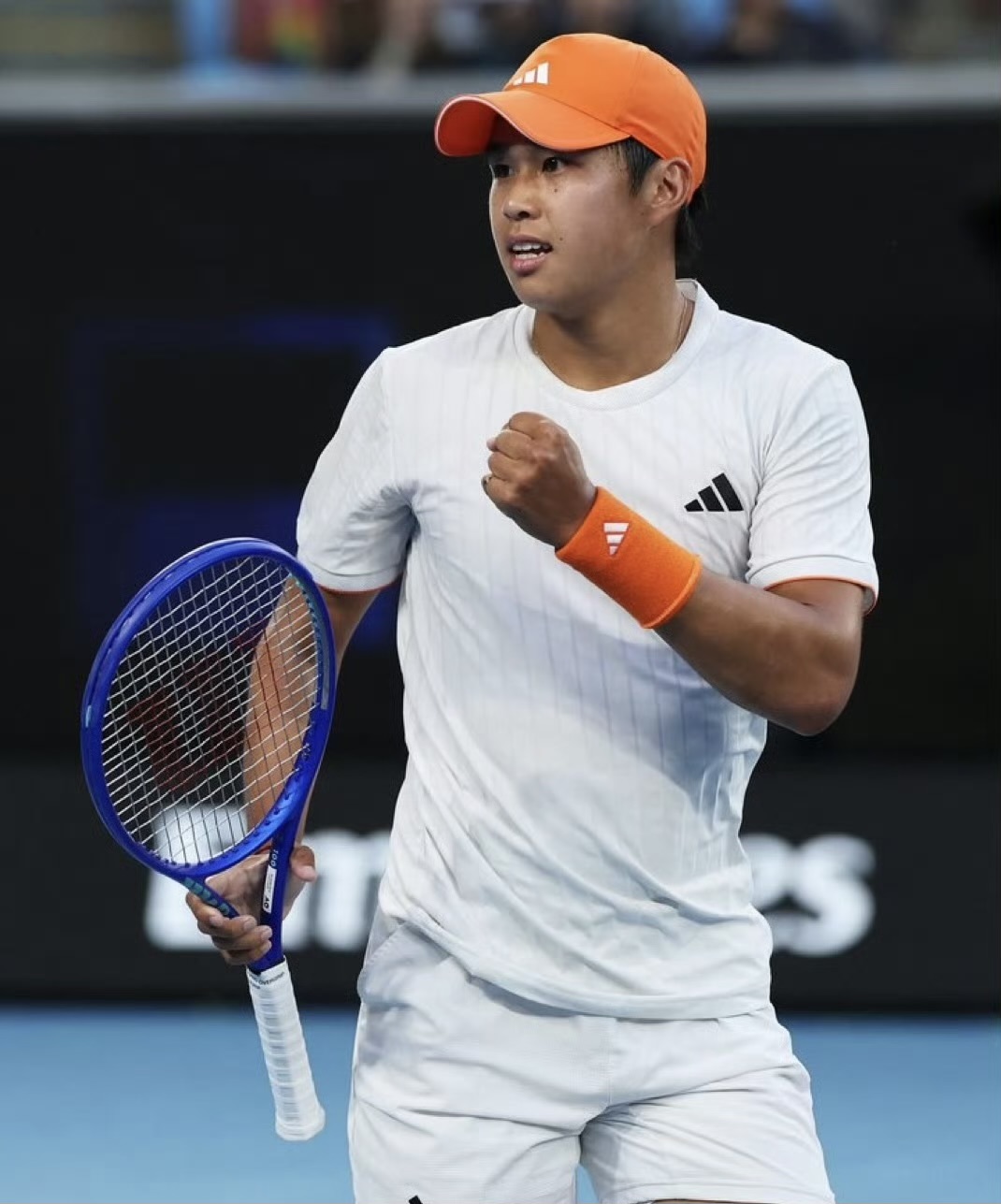
Zverev believes the current standard of tennis has actually risen: "Matches today are faster and more physically demanding than when the Big Three were dominating." His perspective highlights an interesting phenomenon: although top players still exert strong dominance, the overall competitive level has significantly improved.
Zverev specifically pointed out the phenomenon of surface homogenization: "I think now, with courts becoming more uniform, we can all dream of winning on any surface."
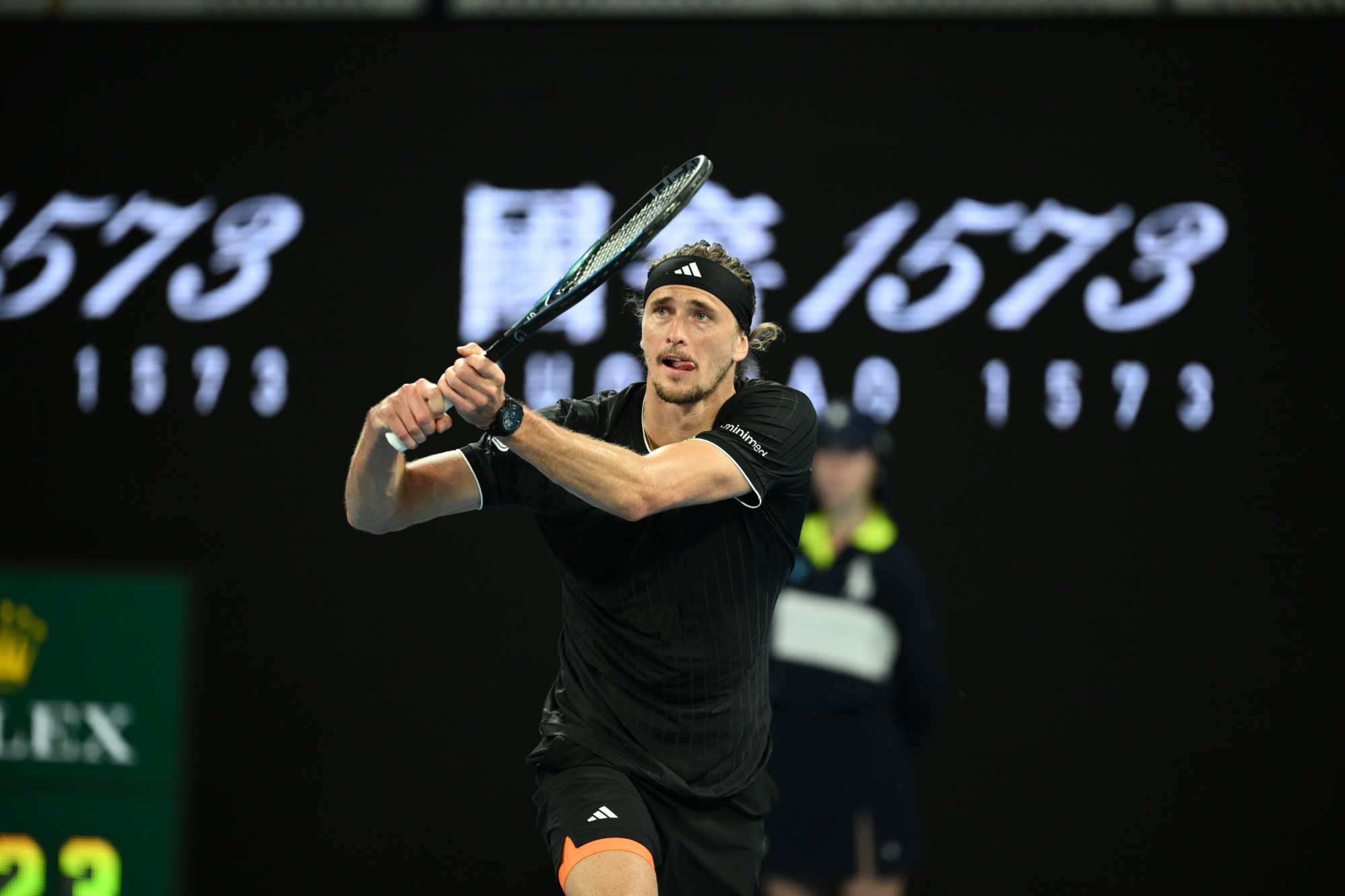
This observation hits at the core of modern tennis evolution. Previously, the surfaces of different Grand Slams varied greatly: the hard courts of Australia, the clay of Roland Garros, and the grass of Wimbledon each required players to master distinct skill sets. Nadal’s clay dominance, Federer’s grass supremacy, and Djokovic’s all-around hard court excellence exemplified this diversity.
However, in recent years, the differences between Grand Slam surfaces have diminished. Wimbledon’s grass has slowed down, Roland Garros’ clay has changed, and hard courts have become more balanced. This trend toward homogenization benefits all-around players but lowers the barrier for surface specialists, allowing more players to compete effectively across different types of tournaments.
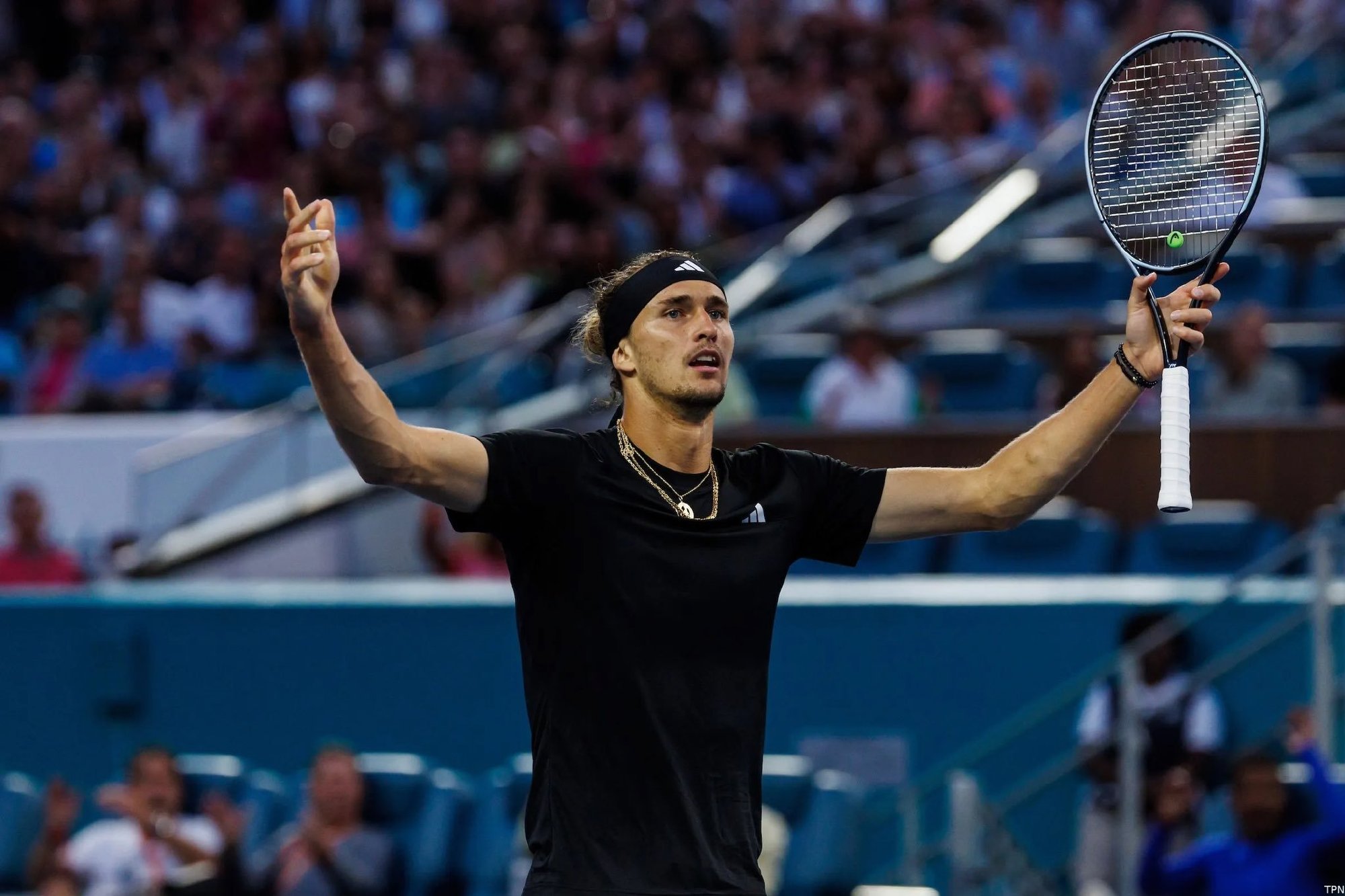
Regarding potential extreme weather conditions, Zverev showed surprising calmness: "I guess they’ll schedule my match during the day and close the roof due to extreme heat. That doesn’t worry me because historically, I’ve performed well under high temperatures."
This confidence likely stems from his years of experience competing in Melbourne’s intense heat. The extreme summer temperatures in Australia have always been a hallmark challenge of the Australian Open, and Zverev has clearly learned to turn this disadvantage into an advantage.
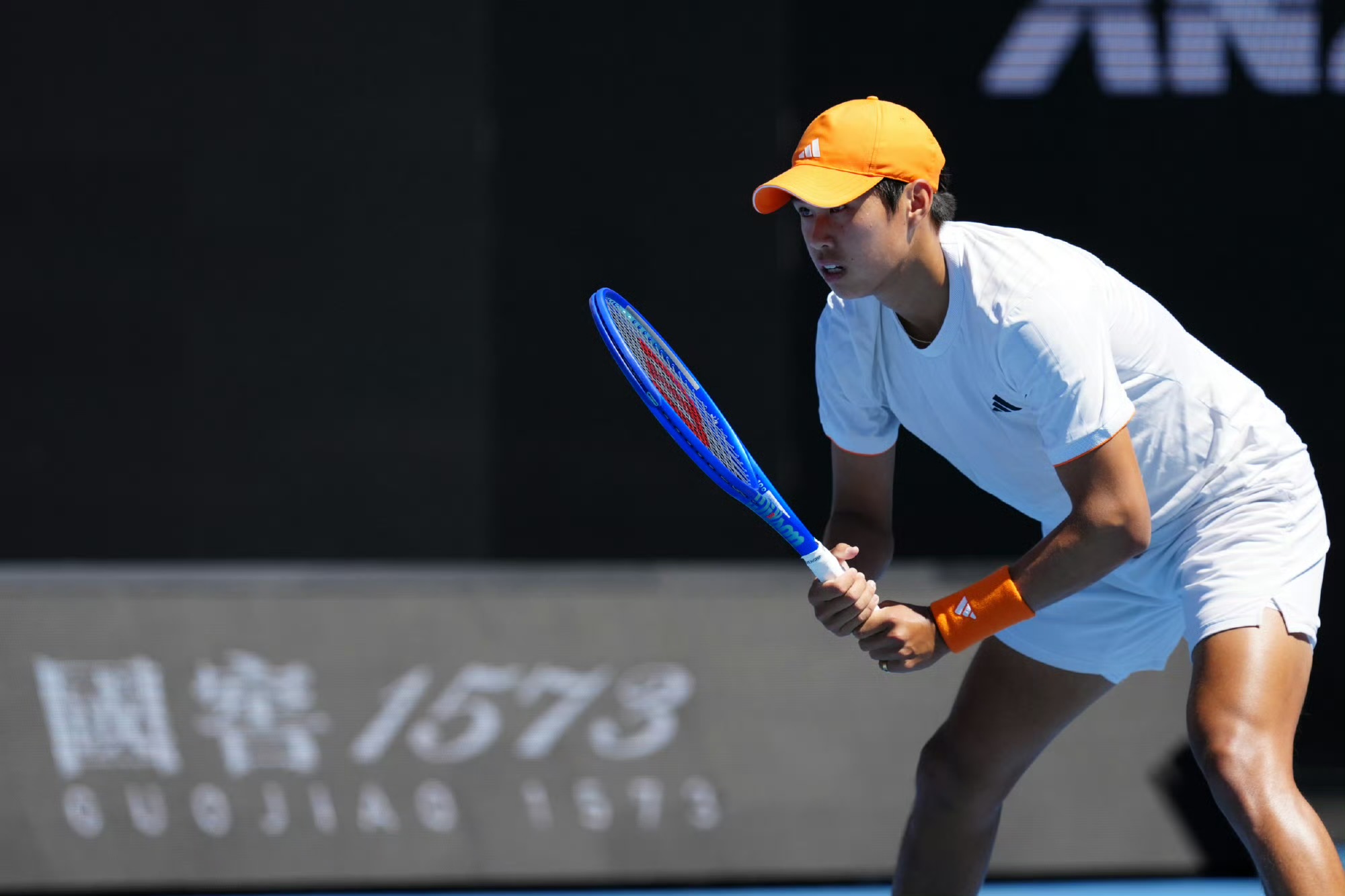
Zverev’s remarks reveal a transitional period in tennis—the Big Three era has ended, a new dual dominance is forming, but this new monopoly appears more fragile and contested.
On one hand, Sinner and Alcaraz have shown astonishing control; on the other, mid-generation players like Zverev remain strong, while post-2005 stars such as Chun-Lin Lener are beginning to emerge, ready to shake up the existing order.
This multi-layered competitive landscape reflects the elevated standards Zverev described. Today’s players face faster-paced matches, more comprehensive technical demands, and fiercer physical battles. Winning a Grand Slam is no longer just about technique or fitness; it requires a complete combination of skill, mental toughness, and tactical intelligence.
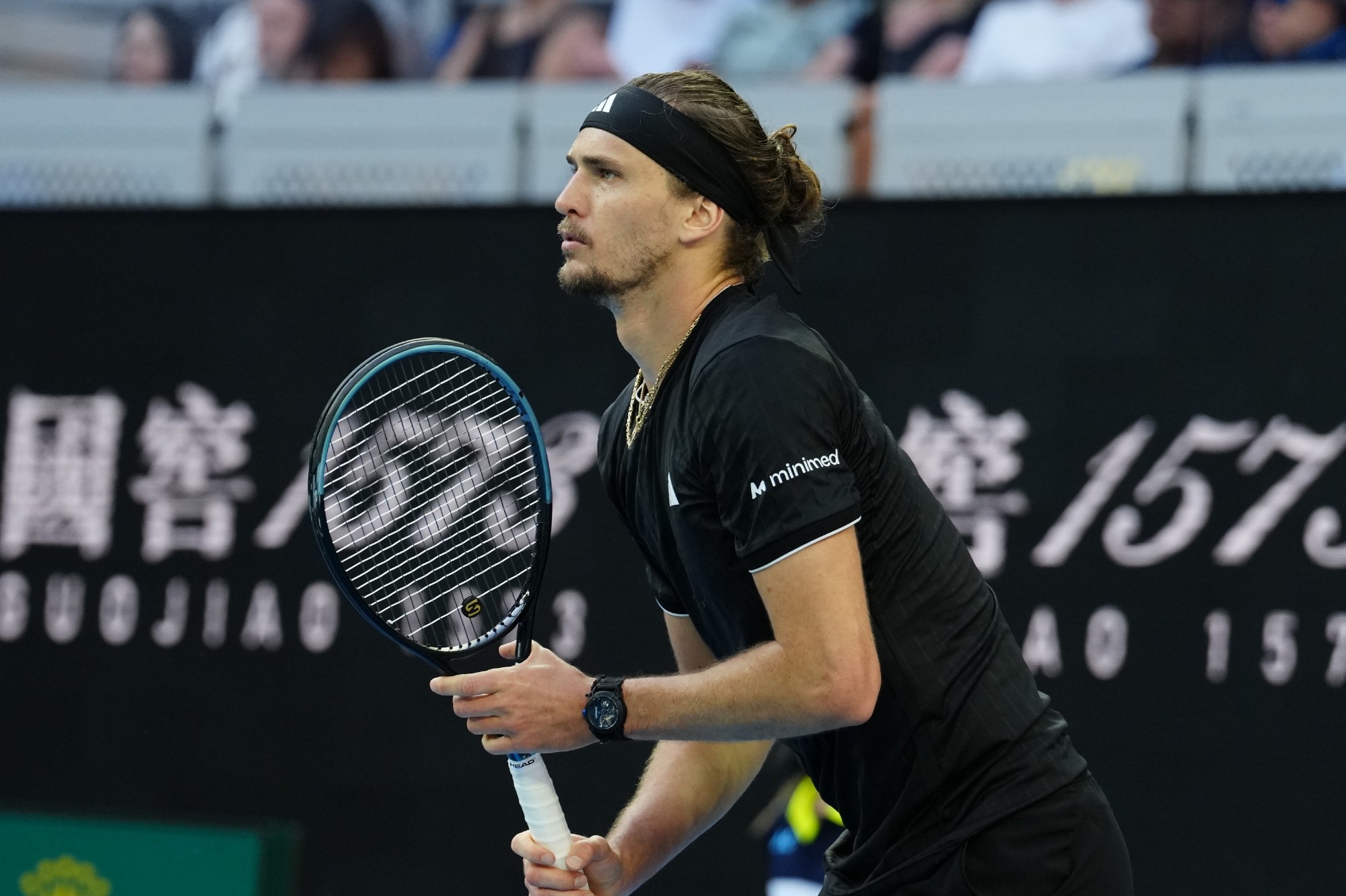
When asked about his upcoming young opponent, Zverev showed the respect and caution expected of a professional: "Chun-Lin Lener has proven he can beat anyone. Against such a player, you have to stay focused on every single point."
As the 2026 Australian Open reaches its critical phase, Zverev’s words serve not only as analysis but also as a declaration: in this era of surface homogenization and fierce competition, breaking the monopoly is difficult but not impossible. Every top player, whether an experienced veteran or a rising star, has reason to believe that the moment for change may finally be here.(Source: Tennis Home, Author: Mei)

 Links
Links
 Contact
Address:UNIT 1804 SOUTH BANK TOWER, 55 UPPER GROUND,LONDON ENGLAND SE1 9E
Number:+85259695367
E-mali:[email protected]
 App
App


