



Rybarikova revealed two key factors in her match against Swiatek, while Silas said the high temperature would cause confusion.



In the fourth round of the Australian Open women's singles, former Wimbledon champion Rybarikova stayed composed and defeated 21st seed Mertens comfortably 6-1, 6-3, moving on to face Swiatek in the quarterfinals. Their previous meeting was at last year's year-end championships, where Rybarikova recovered after losing the first set and ultimately won decisively.
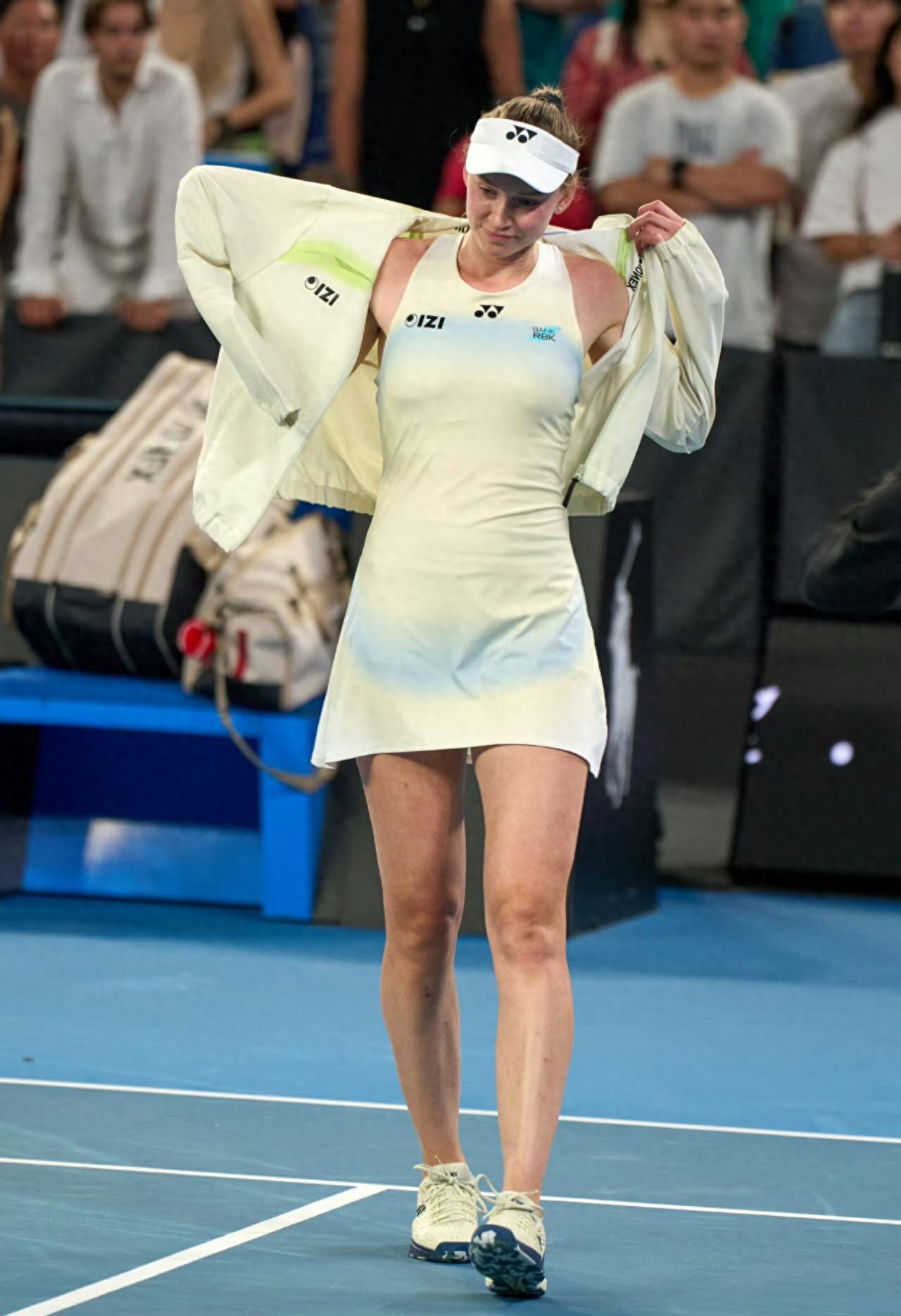
Before the fourth-round match began, bookmakers had already ranked Rybarikova as the second favorite to win the Australian Open women's singles title this year, with odds of 5.50, just behind top seed Sabalenka. Therefore, her match against Mertens was widely seen as a crucial step toward higher goals.
Looking at their head-to-head record: the two players have met seven times before, with Rybarikova holding a dominant 6-1 lead. Their most recent encounter was at the 2025 Cincinnati tournament, where Rybarikova won a tough three-set battle 2-1.
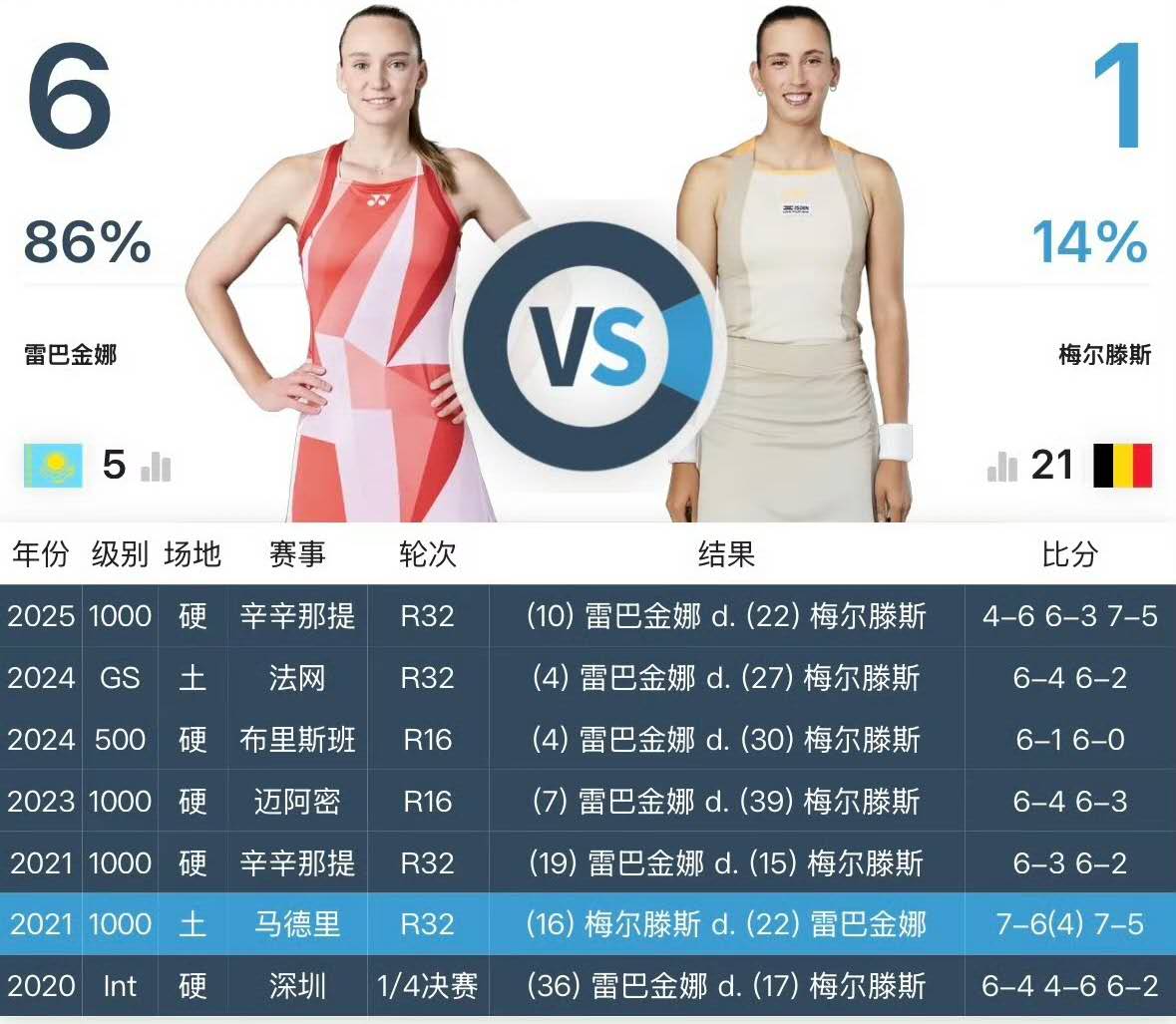
Regarding their current form, Rybarikova has been consistent and strong through the first three rounds of this Australian Open, while Mertens, although also advancing, had a tougher path. Experts analyzing key winning factors believe Rybarikova needs to "use her powerful forehand to keep Mertens pinned at the baseline and prevent her from using varied shots."
The match progress fully confirmed the pre-match predictions. Rybarikova showed stronger offensive firepower from the start. In the first set, she dominated with a first-serve win rate of 78% and three aces. She broke serve in the second game to take a 3-0 lead. Although Mertens held serve in the fourth game to avoid a bagel, Rybarikova then won three consecutive games to take the set 6-1 easily.
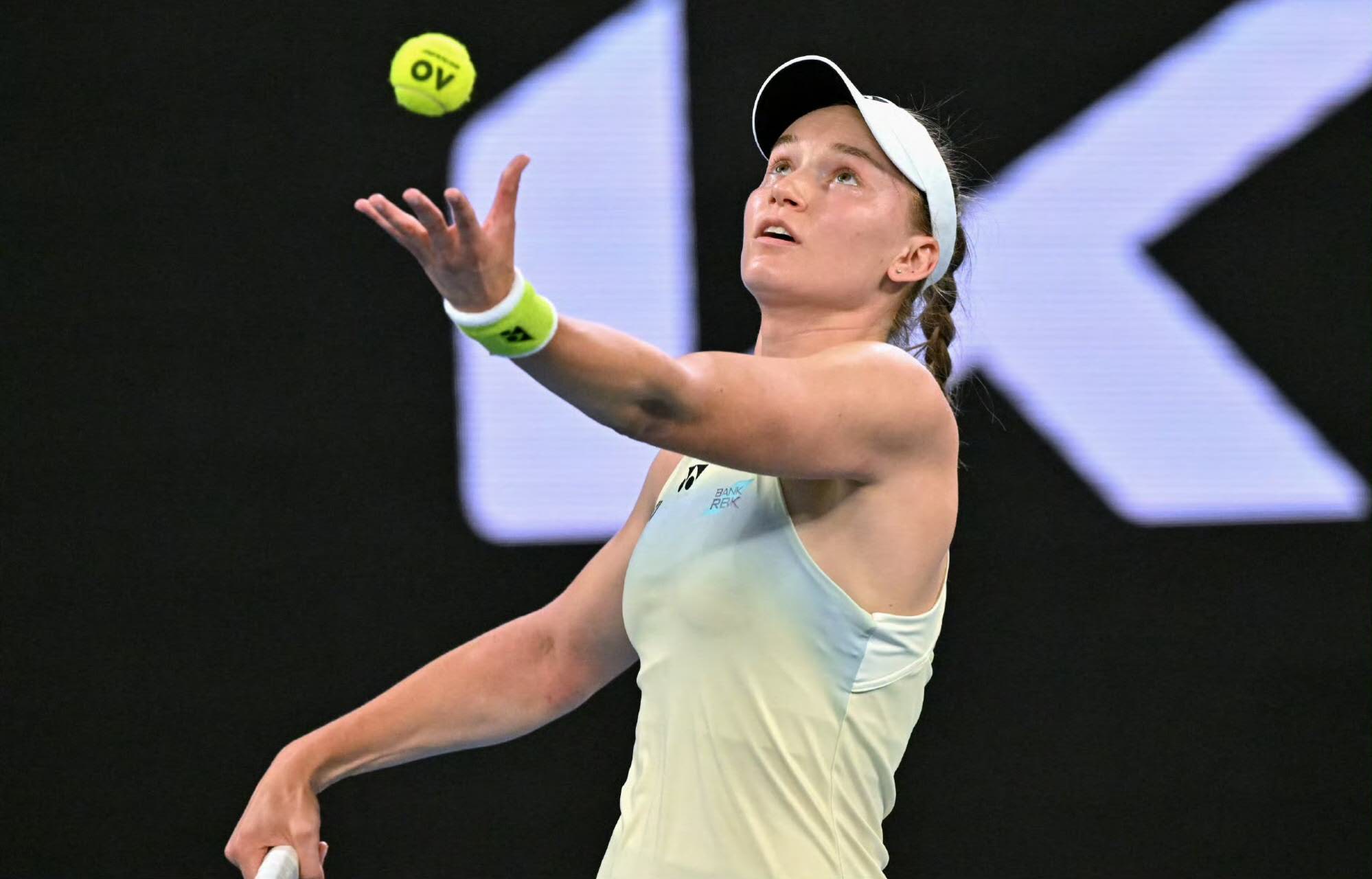
Technical stats showed Rybarikova scored 12 winners in the first set, double that of her opponent; unforced errors were kept to 5, much fewer than Mertens' 9.
In the second set, Mertens improved her form, leveling at 2-2 after four games. But in the crucial fifth game, Rybarikova broke serve again to regain control. From there, her service games were rock solid, giving Mertens no chance to break back.
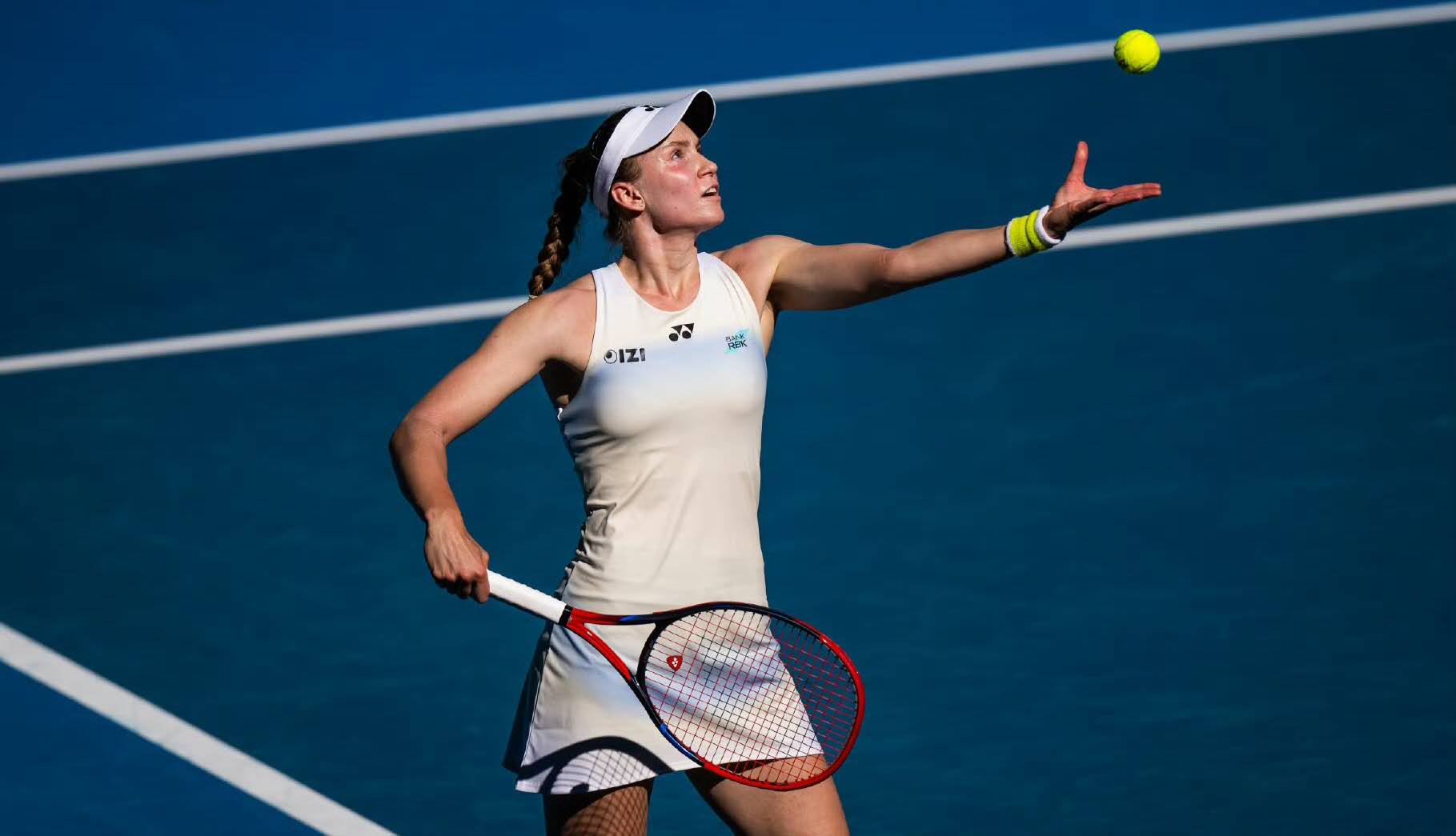
Throughout the match, Rybarikova served six aces and maintained a first-serve win rate above 75%, completely dominating her opponent. Her forehand was especially impressive, producing many sharp angled winners. The match lasted only 68 minutes, making it the fastest women's singles match of the day.
After the match, Rybarikova expressed satisfaction with her performance: "I think I played better today than in the first three rounds, my movement was good, my serve remained strong, and my returns were solid." When asked about playing in the heat, she admitted uncertainty about specific heat rules but said, "I just feel that having a ten-minute break is great."
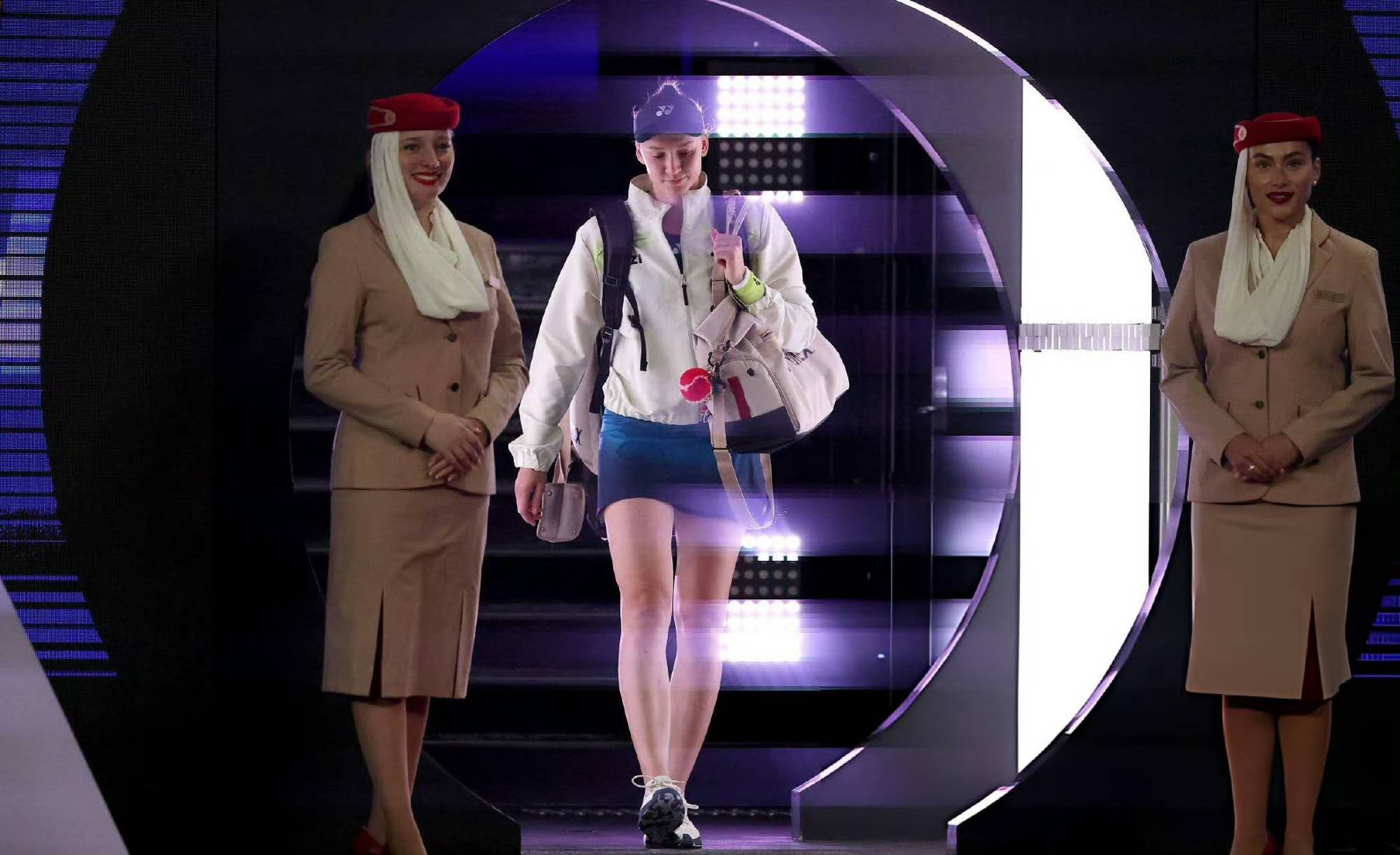
Regarding the upcoming quarterfinal against Swiatek, Rybarikova showed cautious optimism and pointed out two key aspects: "We have played many times. I know I need to stay aggressive and play boldly. The last time we played here, it was also very hot and the ball was fast. We'll see. It depends on the match conditions and who wins, but for me, the focus is definitely on my serve and maintaining aggression."
Swiatek, in another match, easily defeated qualifier Ingles 6-0, 6-3 to reach the quarterfinals. She expressed some concern about potentially high temperatures: "If the temperature during my match with Rybarikova is as high as today, I don't know what I can do." Weather forecasts predict Melbourne temperatures could reach 44 degrees Celsius in the coming days, posing a serious challenge for players.
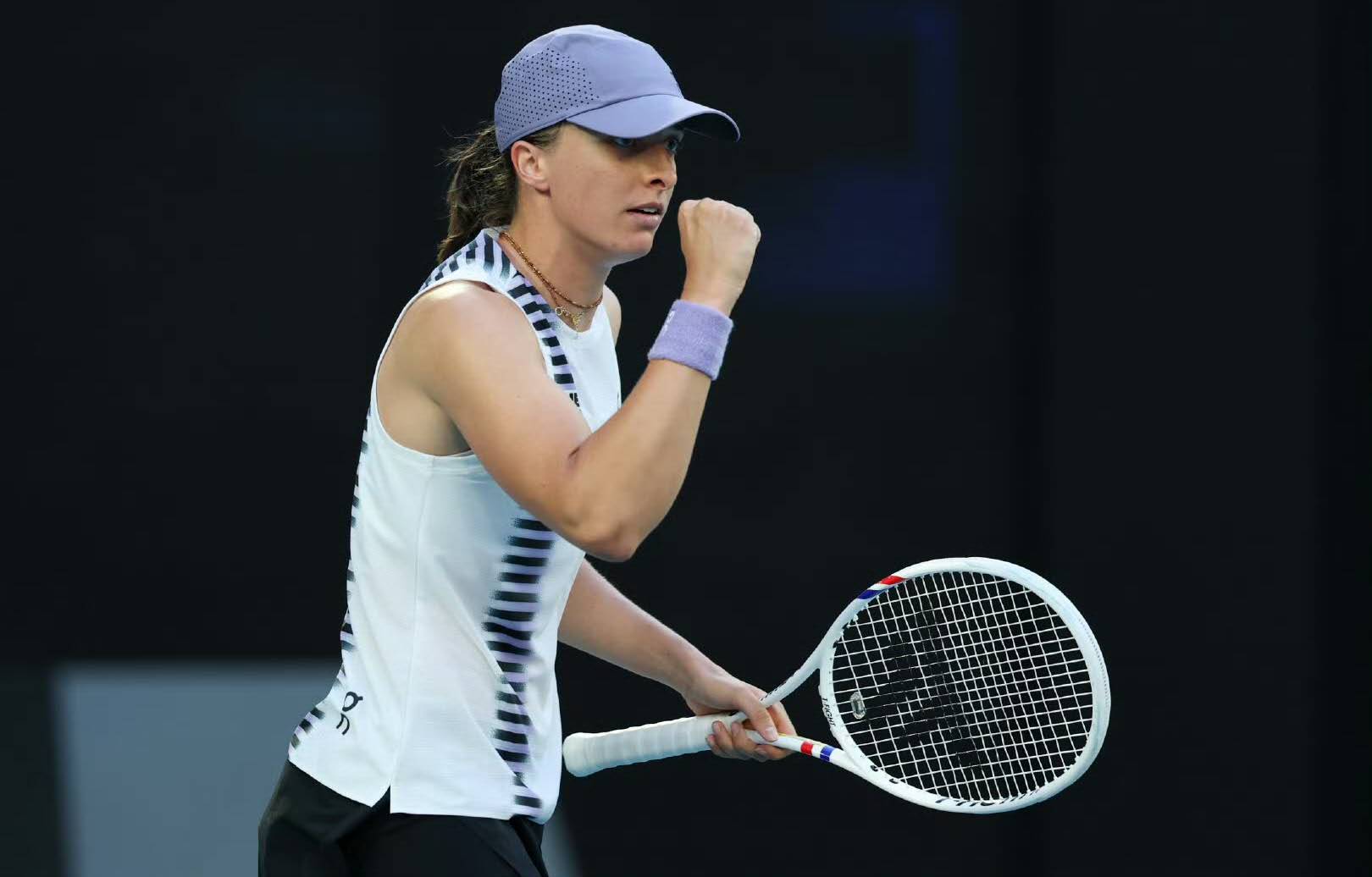
Experts point out several key factors for this upcoming clash: on one hand, Rybarikova's powerful serve will directly challenge Swiatek's top-class return game. If Rybarikova can maintain a high level on her first serve, it will severely limit Swiatek's ability to organize offense; on the other hand, Swiatek prefers to control the pace through long rallies looking for opportunities, while Rybarikova favors quick points to reduce rally length. Whoever can impose their preferred rhythm is more likely to win.
Additionally, with potentially high temperatures during the match, both players' fitness and heat adaptability will be crucial. Swiatek has openly expressed concerns about the heat, while Rybarikova seems more accepting of the hot conditions.
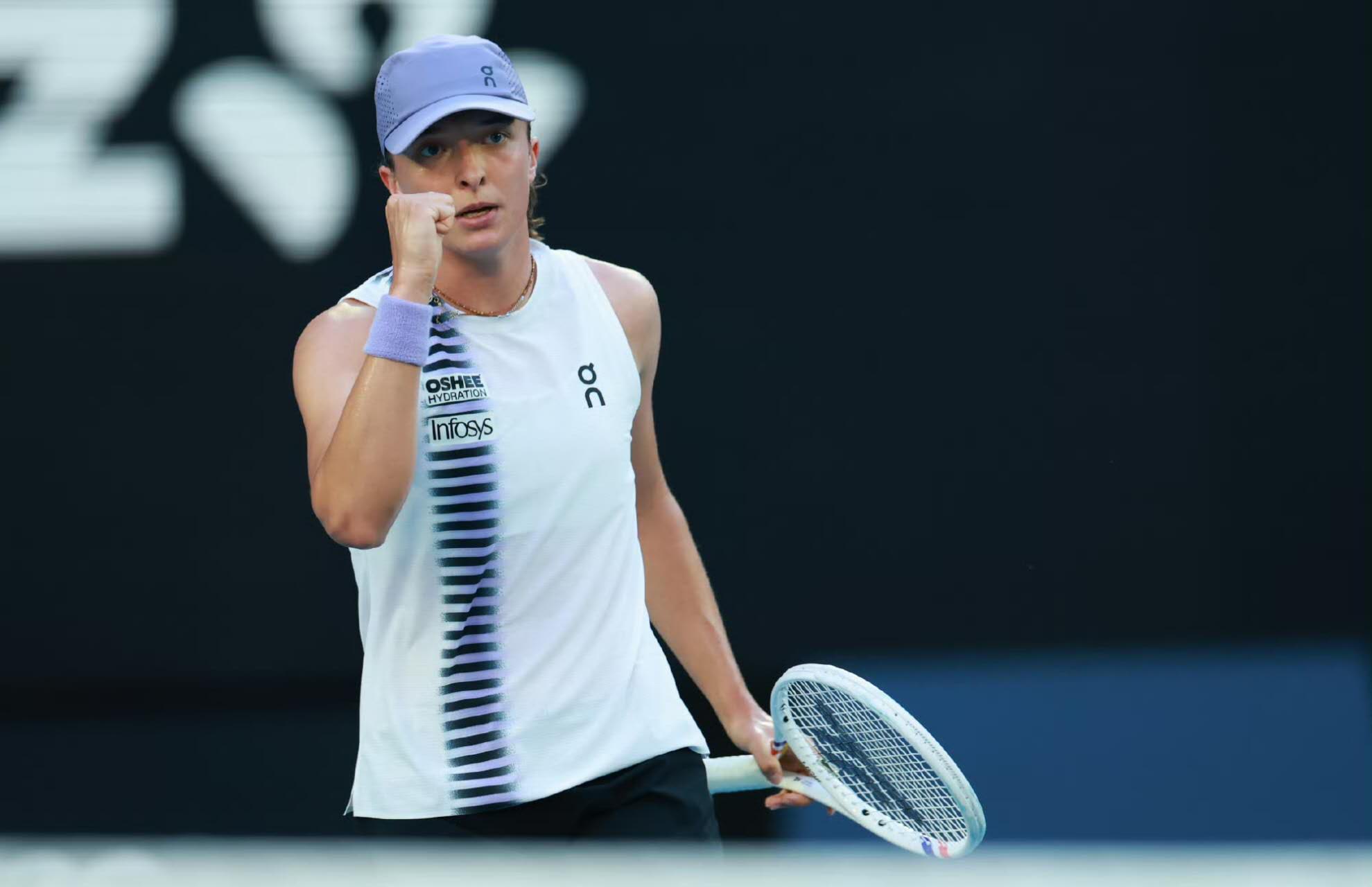
After the match, fans on tennis forums and social media shared their views. One user said, "Rybarikova was on fire today, her serve was textbook perfect! If she keeps this form, Swiatek will have a hard time." Another commented, "Looking at the stats, Rybarikova's first-serve win rate over 75% is terrifying. Mertens barely had a chance."
Regarding the expected harsh playing conditions, a fan commented, "Swiatek's worries about the heat are understandable, but professional players should adapt to all conditions. Rybarikova seems less bothered by the heat." Another responded, "I think their match will be a battle of power versus skill. Rybarikova needs to keep her aggressive consistency like in last year's finals. Of course, the heat could be a deciding factor. Melbourne's weather is a huge test for players' fitness."
Tennis legend McEnroe also emphasized the impact of match conditions in his post-match comments: "Playing in high heat is not just a technical contest but also a test of physical endurance and mental strength. Rybarikova showed excellent adaptability today, which is very favorable for her preparation in the next round."
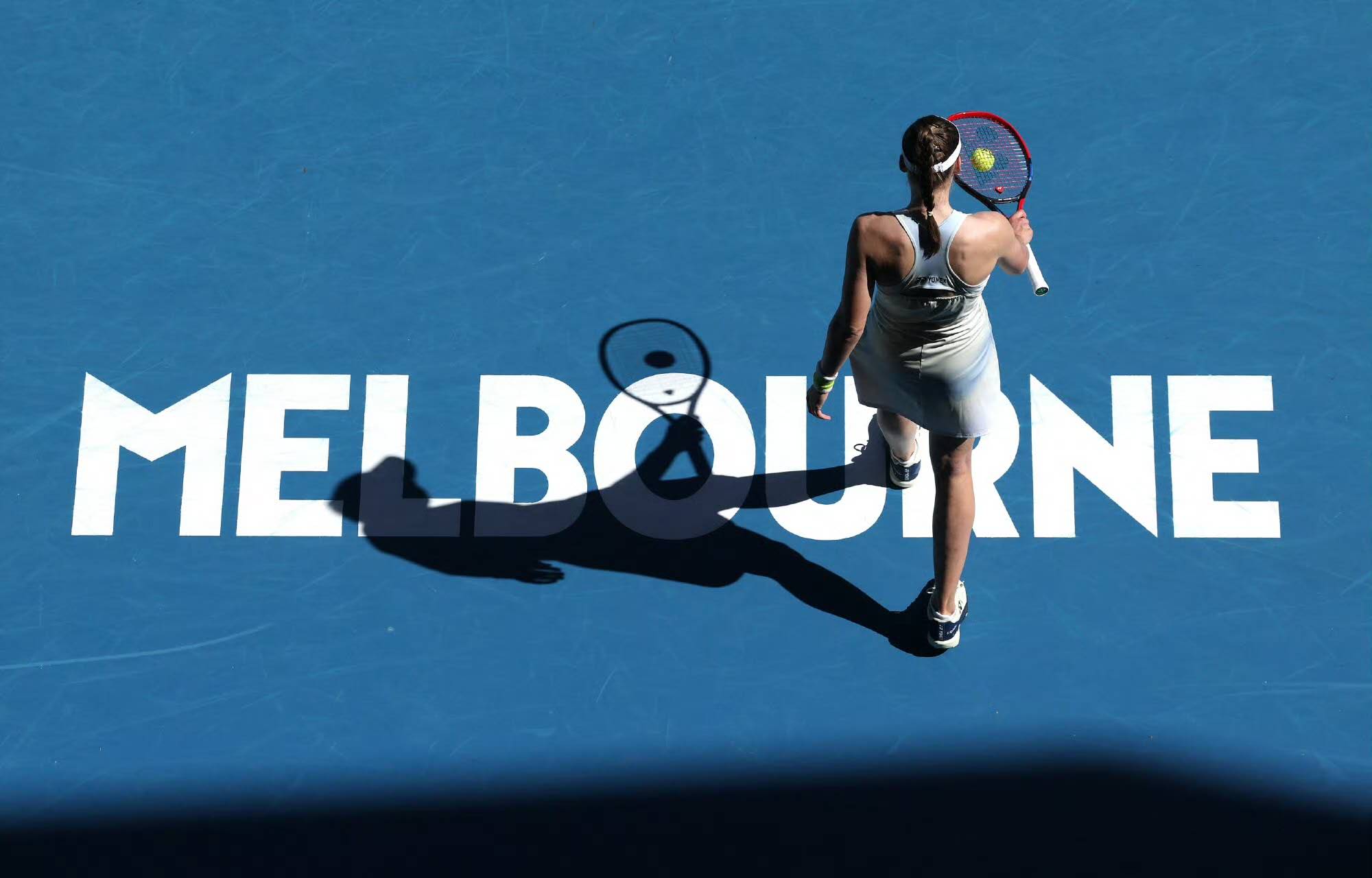
Although the match has not started yet, it has already sparked discussion on social media. A well-known tennis blogger posted a technical analysis chart showing Rybarikova's average first-serve speed increased by 8 km/h compared to the first three rounds, with a more varied placement. Popular comments below read: "When she's in this form, no one in women's tennis wants to face her serve." It seems public opinion favors Rybarikova—what do you think? Feel free to share your thoughts in the comments.(Source: Tennis Home Author: Lu Xiaotian)

 Links
Links
 Contact
Address:UNIT 1804 SOUTH BANK TOWER, 55 UPPER GROUND,LONDON ENGLAND SE1 9E
Number:+85259695367
E-mali:[email protected]
 App
App


