



Growing distant from his homeland? Djokovic may withdraw from next month's Davis Cup.



Evidence suggests that Djokovic, previously seen as a "symbol of patriotism" by supporters, is increasingly estranged from his homeland.
For a long time, Djokovic was celebrated as a national hero of Serbia; this tennis GOAT never hid his love for his country—from shedding tears after Olympic losses to trembling on his knees after winning gold; from returning home with Grand Slam trophies to receiving honors personally from the president.
In professional tennis, Djokovic is viewed as a disruptor to the Federer-Nadal dominance, and his success has always been accompanied by the aura of a "national hero." It seemed as if Djokovic's emergence was meant to shatter Western prejudices against Serbia, a former socialist nation. On the court, by defeating Federer, he avenged his people, providing spiritual comfort to Serbians and helping heal wounds caused by long-term oppression.

When a nation suffers prolonged external humiliation, its people desperately need a hero to seek revenge. Unable to retaliate on battlefields, they pin their hopes on the sports arena, expecting national athletes to defeat "enemy" rivals. Thus, sports become forcibly linked with politics to boost national morale.
As his results improved, Djokovic’s popularity and support at home rose accordingly. After winning gold at the Paris Olympics last year, his domestic fame peaked. He returned triumphantly to a hero’s welcome, and President Vučić even announced plans to build a "Djokovic Museum" in the city center, citing "Mallorca already has a Nadal Museum." During this period, Djokovic frequently attended public events, and there was even speculation he might run for Serbian president after retirement.
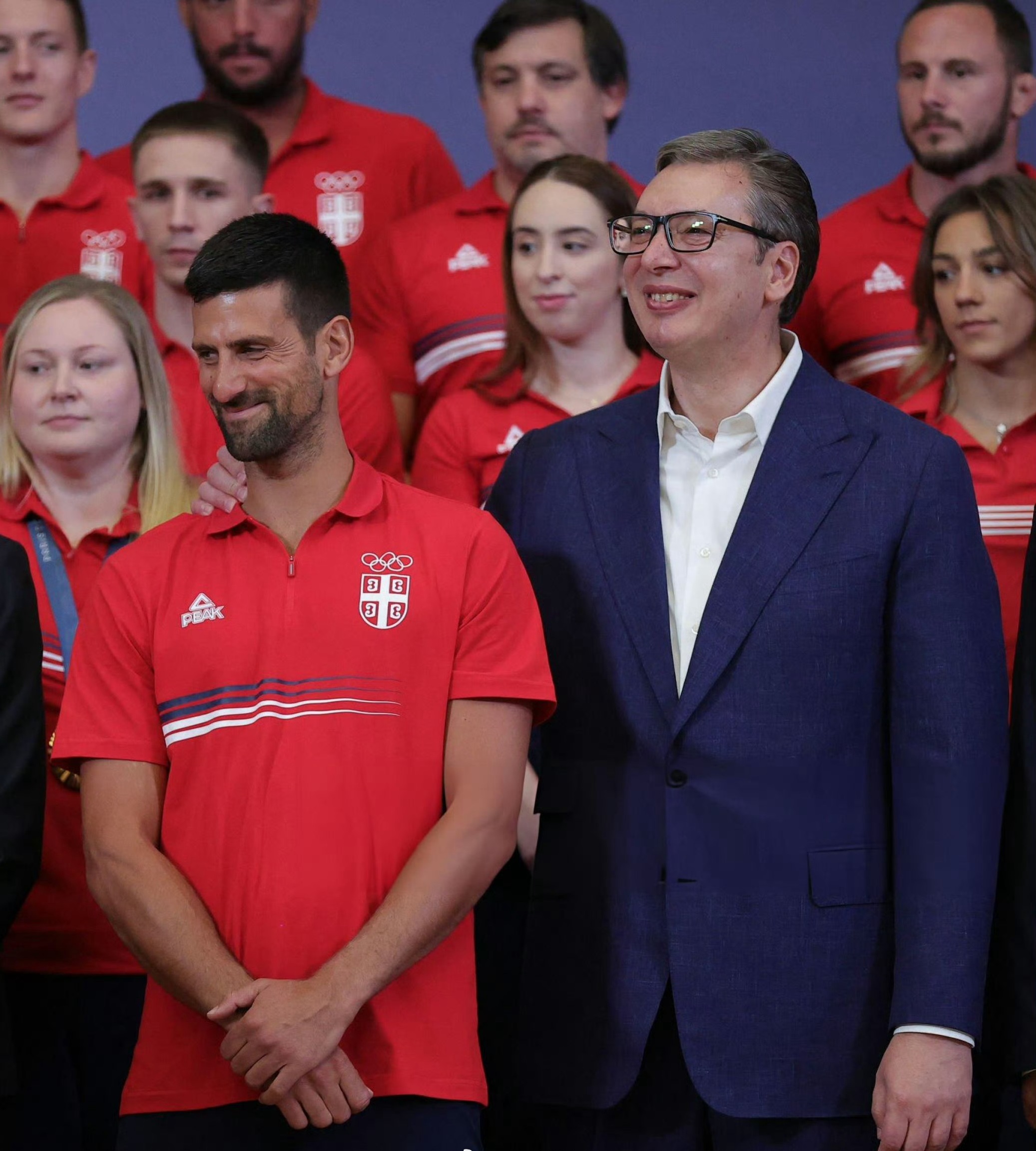
However, since last year, Djokovic’s domestic popularity has sharply declined. This began with the collapse of the concrete roof at Novi Sad train station, which killed 16 people and sparked nationwide protests against government corruption. Djokovic openly supported the anti-government protests, shifting from a moderate to a more radical stance. Official media outlets that once hailed him as a national pride quickly turned critical, while the pro-government tabloid Informer mercilessly labeled him a "national disgrace and fake patriot."
In a short time, Djokovic transformed from a "distinguished guest" of government officials into a "thorn in their side," his image shifting from patriot to fake patriot, from national pride to national shame.
At the end of last year, Djokovic began distancing himself from his homeland, relocating his family from Belgrade to Athens, Greece, citing "convenience for his children’s education," and moving the ATP250 Belgrade tournament to Athens as well.
Now, signs of Djokovic "turning away from his country" are becoming more evident. In a recent interview with Serbian journalists during the Australian Open, he stated he is likely to skip next month’s Davis Cup in Chile, a tournament considered the "World Cup" of tennis and closely tied to national honor.
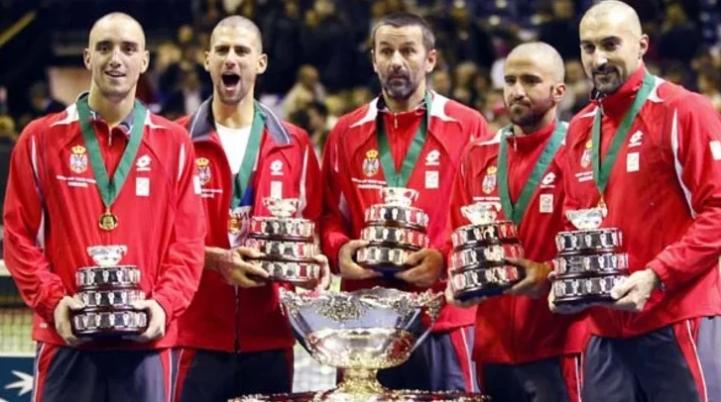
Djokovic has left a strong legacy in the Davis Cup, having been a key player when Serbia won the title in 2010. For many tennis players, the Davis Cup is the most significant team event, and they take great pride in representing their country. Performance in the Davis Cup is also an important metric in tennis statistics and player evaluations.
Currently nearing the twilight of his career, Djokovic has shifted from being a patriot and national hero to being seen as a fake patriot and national disgrace. Whether this is due to him betraying his country or the country betraying him remains unclear.
From this perspective, Djokovic is indeed a "complex individual." His professional achievements are unparalleled, yet opinions about him remain divided. One can only wonder how, years from now, Djokovic himself or fans reflecting on this history will judge his legacy.(Source: Tennis Home, Author: Yun Juan Yun Shu)

 Links
Links
 Contact
Address:UNIT 1804 SOUTH BANK TOWER, 55 UPPER GROUND,LONDON ENGLAND SE1 9E
Number:+85259695367
E-mali:[email protected]
 App
App


