



Murray's brother questions Sinner's schedule, sparking renewed debate over favoritism at the Australian Open



Yesterday, Sinner swept past compatriot Darderi 6-1, 6-3, 7-6(2) in the fourth round of the 2026 Australian Open men’s singles, achieving an 18-match winning streak at the event and advancing to the quarterfinals for the third straight year.

Sinner’s match was set for the night session, a scheduling choice that, after the previous round’s roof closure incident, sparked fresh controversy online. In response, Sinner’s coach Cahill explicitly said, “The champion did not ask for a night slot.” However, this statement was immediately challenged by Andy Murray’s brother, Jamie Murray, who publicly expressed doubt: “I don’t believe it. After what happened in the last match, there’s no way they didn’t ask to play as late as possible.”

The source of this controversy traces back to Sinner’s previous round match. Under extreme heat and trailing in the score, Sinner suffered cramps and the match was suddenly paused as the roof was closed, granting him valuable recovery time. This decision sparked a huge uproar on social media, with many fans and commentators questioning whether top players enjoy scheduling privileges unavailable to others.

“I’m not saying this is wrong, because they absolutely have the right to request night or day sessions, just like other players.” Murray’s brother’s comment appears fair but carries deeper implications. His words reveal an open secret in tennis: top stars wield far greater influence over scheduling than lower-ranked players, often pushing the boundaries of the rules.
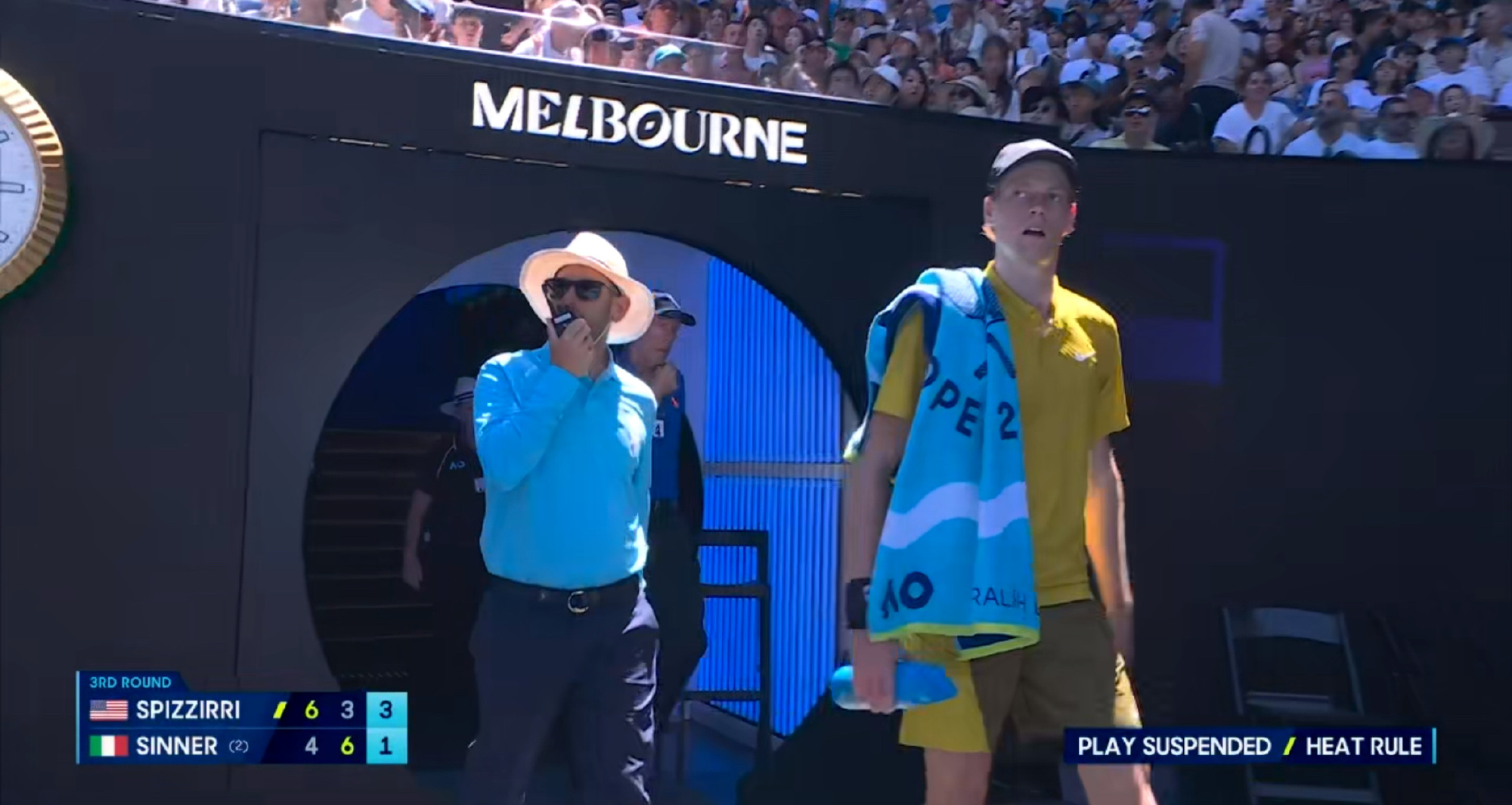
This is not the first time tennis scheduling has caused controversy. Night matches on central courts at Grand Slam events often become exclusive stages for top players.The oldest Grand Slam tournaments have long followed an unwritten “star-first” scheduling principle. Organizers must balance multiple factors: TV broadcasting demands, ticket sales, fan experience, and player needs. In this process, the voices of top stars usually carry more weight than those of lower-ranked competitors.
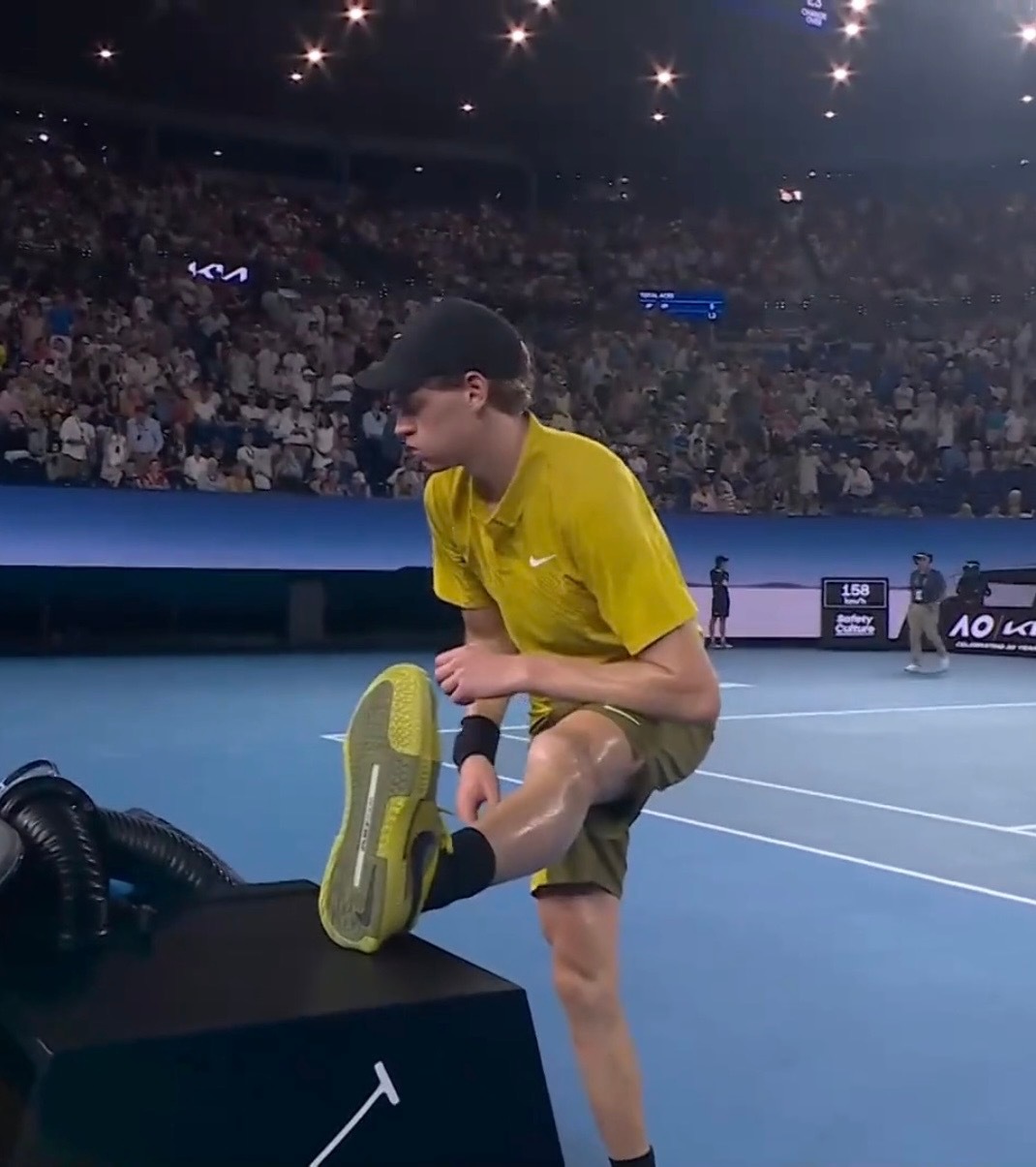
From a sports science perspective, match timing significantly affects player performance. Night matches typically feature cooler temperatures and moderate humidity, reducing physical strain; daytime matches often occur under intense heat, greatly taxing endurance. In Sinner’s case, shifting from day to night play likely provided several extra hours of recovery—a crucial respite for a player suffering from cramps.
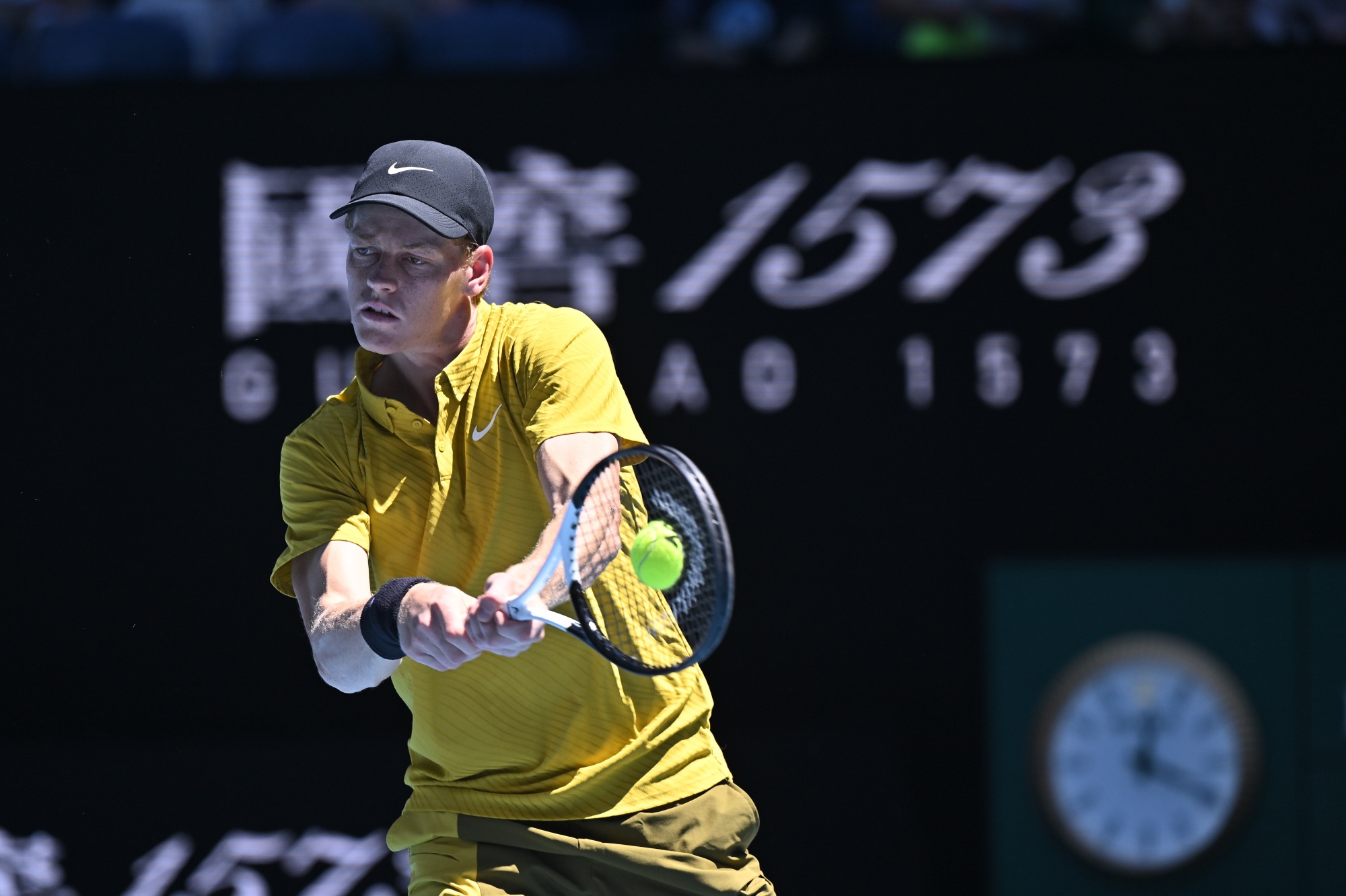
“Of course, I might be wrong.” Murray’s brother concluded his doubts with this phrase, yet he left open a challenging question tennis faces: how to balance the ideal of fair competition with the reality of star privileges in a professional sport driven by commercial interests?
The Australian Open tournament director has repeatedly stated that scheduling is a complex system requiring consideration of many factors. Nevertheless, this explanation fails to dispel doubts about invisible privileges. When top players can influence their match times through formal or informal means, does the foundation of fairness in competitive sports become undermined?

This controversy also highlights the dilemma in modern professional tennis. On one hand, organizers rely on stars to attract audiences and sponsors; on the other, they must uphold basic fairness. Amid this tension, scheduling becomes a gray area where subtle negotiations take place.
Perhaps the key to resolving this issue lies in greater transparency in scheduling. If Grand Slam events openly shared the criteria and procedures for scheduling matches, explaining why certain matches are placed at specific times, suspicion would be greatly reduced. At the same time, establishing formal channels for player feedback would allow all competitors—not just top-ranked ones—to voice their preferences, eliminating hidden privileges.

Melbourne Park, home to the Australian Open, has witnessed countless legendary battles, but the off-court struggles also shape the sport’s future. When the exchange between Sinner’s coach and Murray’s brother hits the sports headlines, it is more than a player questioning another—it is a public challenge to the fairness of the entire tennis system.
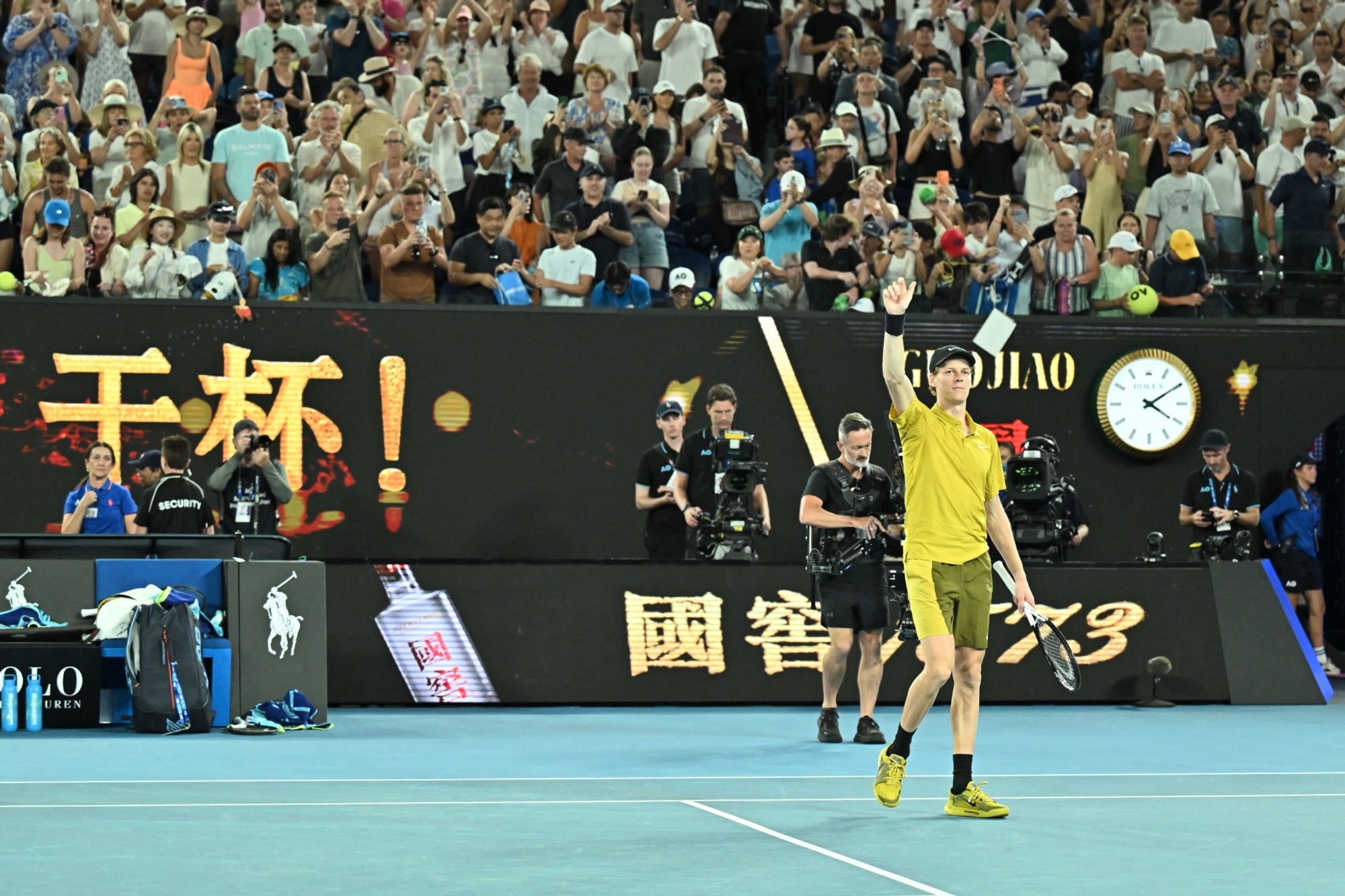
Finding a balance between commercialization and fairness is a common challenge in modern professional sports. Every point contested on the court is visible, yet the unseen battle over scheduling may quietly determine outcomes in the shadows. When match times can be subtly influenced, the tension between Grand Slam tradition and modern management unfolds before the world’s eyes in the most delicate way.(Source: Tennis Home, Author: Mei)

 Links
Links
 Contact
Address:UNIT 1804 SOUTH BANK TOWER, 55 UPPER GROUND,LONDON ENGLAND SE1 9E
Number:+85259695367
E-mali:[email protected]
 App
App


