



After losing, Gauff was criticized for smashing her racket in the locker room, while Sabalenka sparked controversy by saying women tolerate heat better than men.



After the Australian Open women's singles quarterfinals, two swift wins triggered off-court debates that appeared to outshine the matches. The third seed Gauff was swept aside and caught on camera smashing her racket in the locker room, drawing criticism for being unable to handle defeat; meanwhile, top seed Sabalenka’s blunt remark after the match that “female players endure heat better than male players” was widely interpreted by netizens as a pointed response to recent controversies involving male players, sparking a fresh round of discussion.
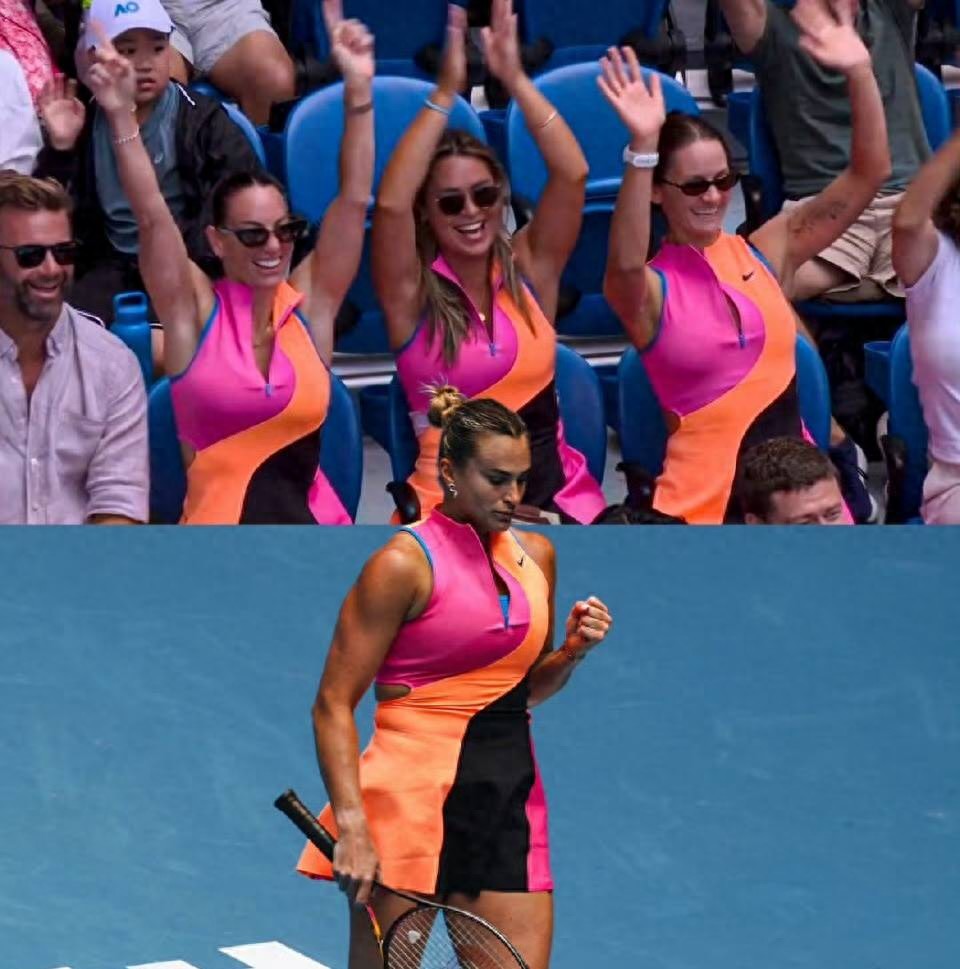
After easily advancing today, Sabalenka’s comments about the playing conditions became a focal point. Under nearly 45 degrees Celsius heat in Melbourne, her match was held at the Rod Laver Arena with the roof open. She candidly stated, “Honestly, female players are naturally more heat-resistant than male players. They close the roof mainly for the men, so they don’t suffer. Before the match, I knew the organizers wouldn’t let us play in extreme heat; once the heat index hits 5, they close the roof. I understand it’s for our health protection. When we finished, the heat index was about 4.4 — still quite hot but manageable, and I’m happy I could get through it.”
This somewhat proud statement quickly went viral on social media. Many users connected it to two major controversies involving male players at this Australian Open, believing Sabalenka’s words carried a hidden meaning.
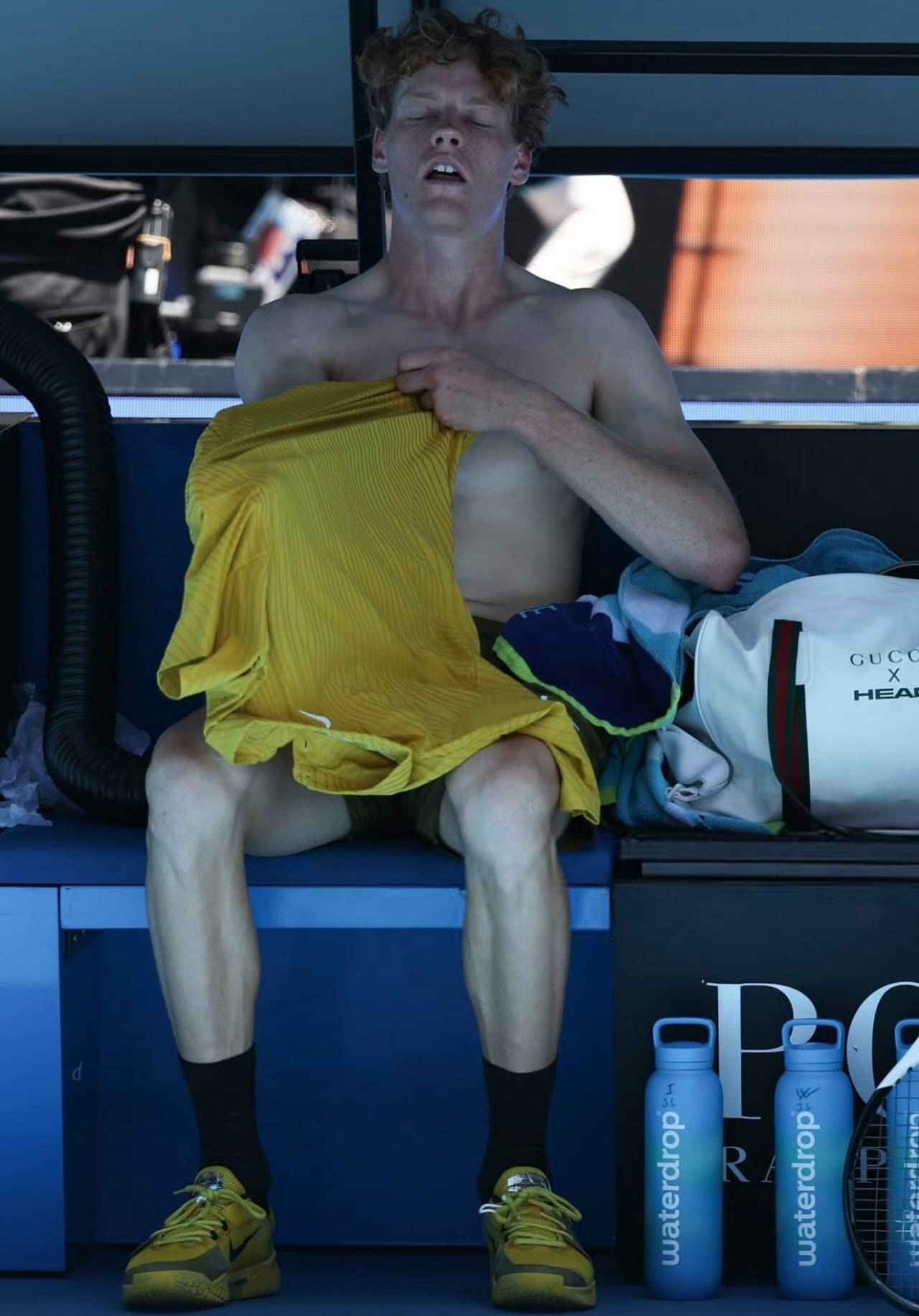
Previously, men’s singles defending champion Sinner suffered cramps and dehydration due to the heat during a match but miraculously came back to win after “heat breaks” and “locker room rests,” which sparked various debates outside the court.
Some netizens commented, “Sabalenka is really outspoken. Her personality is so likable because she says things directly. But I think this was mostly a joke; I hope people don’t overinterpret it since there’s no real hostility between players. The media might be reading too much into it.”
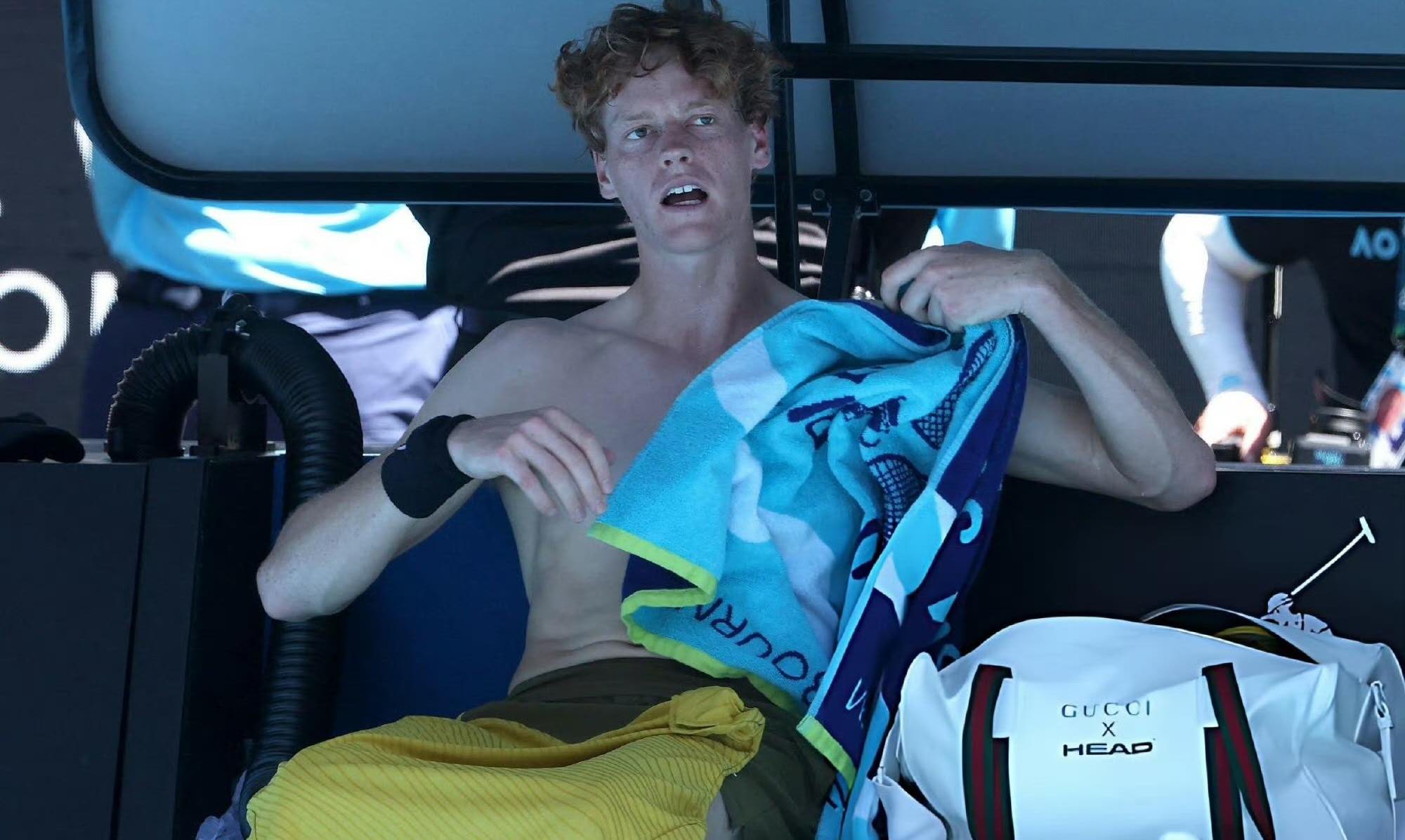
Others said, “Only Sinner knows how he won — one moment he was cramping and couldn’t serve, the next he was back full strength. This isn’t the first time either. Using Sabalenka’s words, it’s like women handle heat better, which is quite ironic.”
Meanwhile, American rising star Gauff, after a heavy defeat to Svitolina, was shown on live TV smashing her racket in the locker room hallway, sparking debates about athletes’ emotional management and media boundaries.
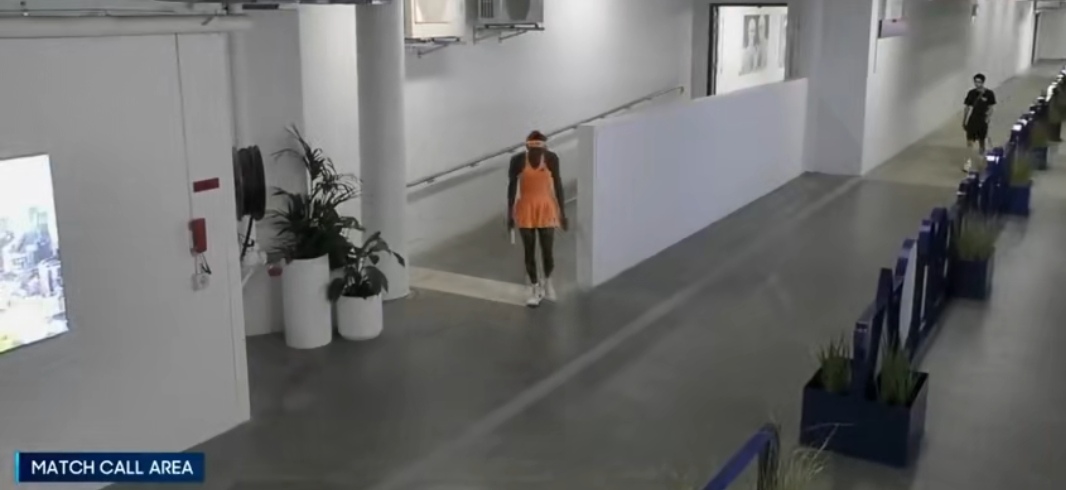
In front of the cameras, Gauff’s frustration was obvious as she tried to find a corner to vent but couldn’t escape the omnipresent cameras. After the match, she expressed helplessness and self-defense: “I wanted to find a spot without cameras to smash my racket. Yes, I’m a bit resistant to the broadcast.” She recalled feeling “disrespected” by previous racket-smashing incidents on court and promised not to repeat them, but emphasized, “I need to release my frustration… otherwise, I become irritable with those around me.” She believes that private moments like Sabalenka’s racket smash after the French Open final should not be made public.
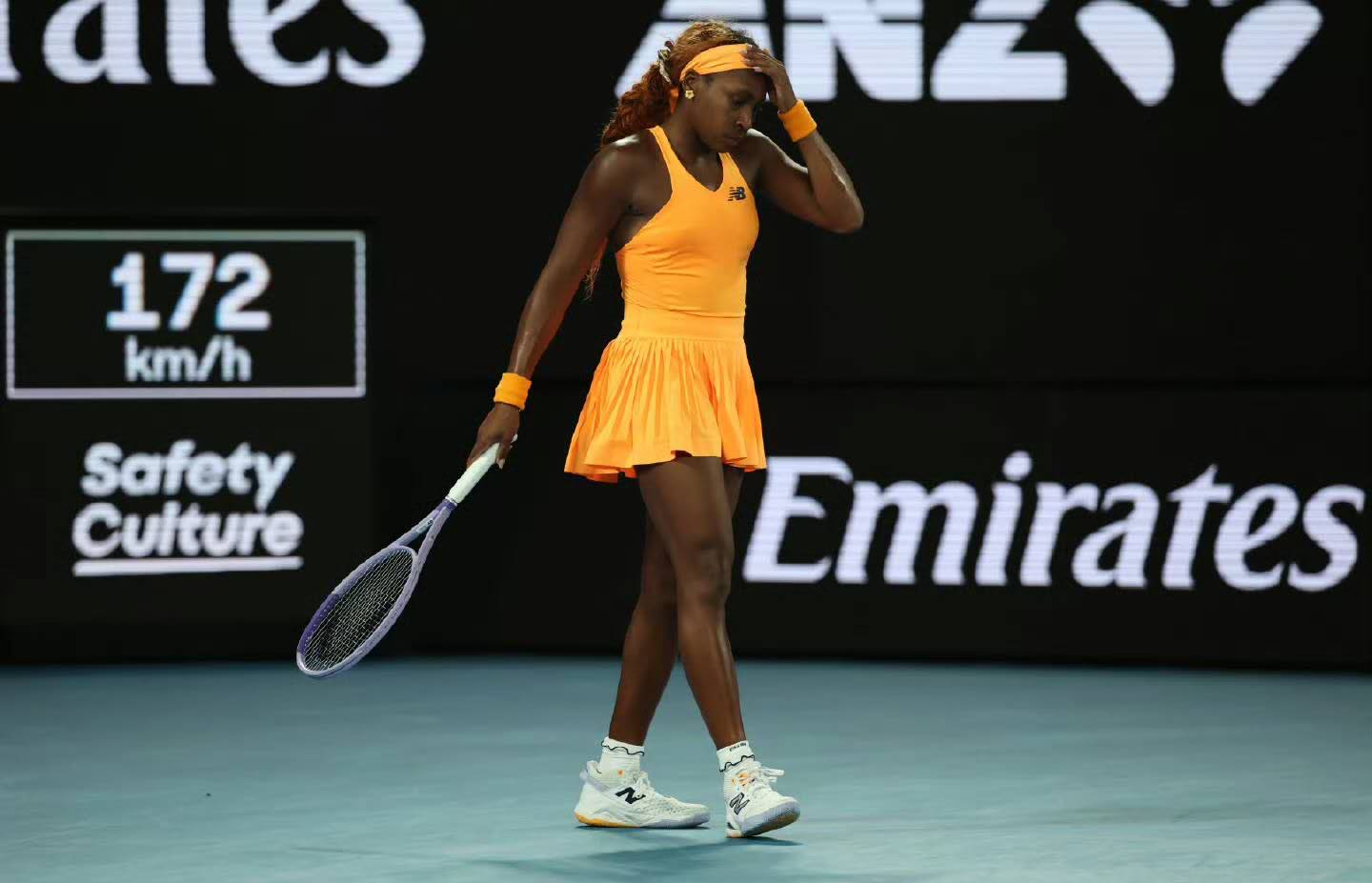
Former world No. 1 Wozniacki commented with understanding and sympathy: “She must have been so upset today… Honestly, I don’t mind her showing frustration, letting it out, and then moving on.” However, she also highlighted the reality tennis players face today: “There are cameras in every corner of the training grounds… but that’s how it is, you can’t avoid it.” This comment pointed out the dilemma modern sports stars face: while bearing immense competitive pressure, they are almost constantly exposed to the public eye, making it extremely difficult to find a truly “private space.”
Currently, the attention on these two off-court incidents continues. Whether it’s teasing about physical limits or defending emotional privacy, these stories add layers of social reflection on sportsmanship, gender perspectives, and media ethics beyond the thrilling competition at this year’s Australian Open women’s singles.(Source: Tennis Home, Author: Lu Xiaotian)

 Links
Links
 Contact
Address:UNIT 1804 SOUTH BANK TOWER, 55 UPPER GROUND,LONDON ENGLAND SE1 9E
Number:+85259695367
E-mali:[email protected]
 App
App


