



From the US Open to the Australian Open: Djokovic’s Decade-Long Cycle of “Withdrawal Gifts”



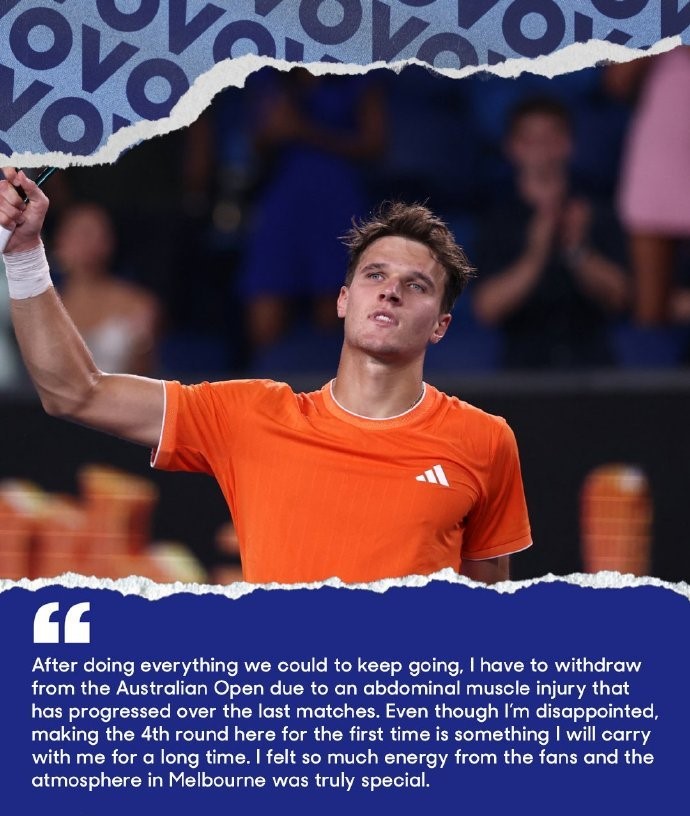
The dramatic scenes at the 2026 Australian Open sparked widespread discussion in the tennis world. After winning three consecutive matches to reach the fourth round, Djokovic advanced through two successive rounds due to his opponents’ withdrawals. Czech rising star Menšík pulled out before the match due to an abdominal muscle tear as assessed by the medical team, followed by Italian player Musetti, who retired with a right leg injury despite leading Djokovic by two sets.
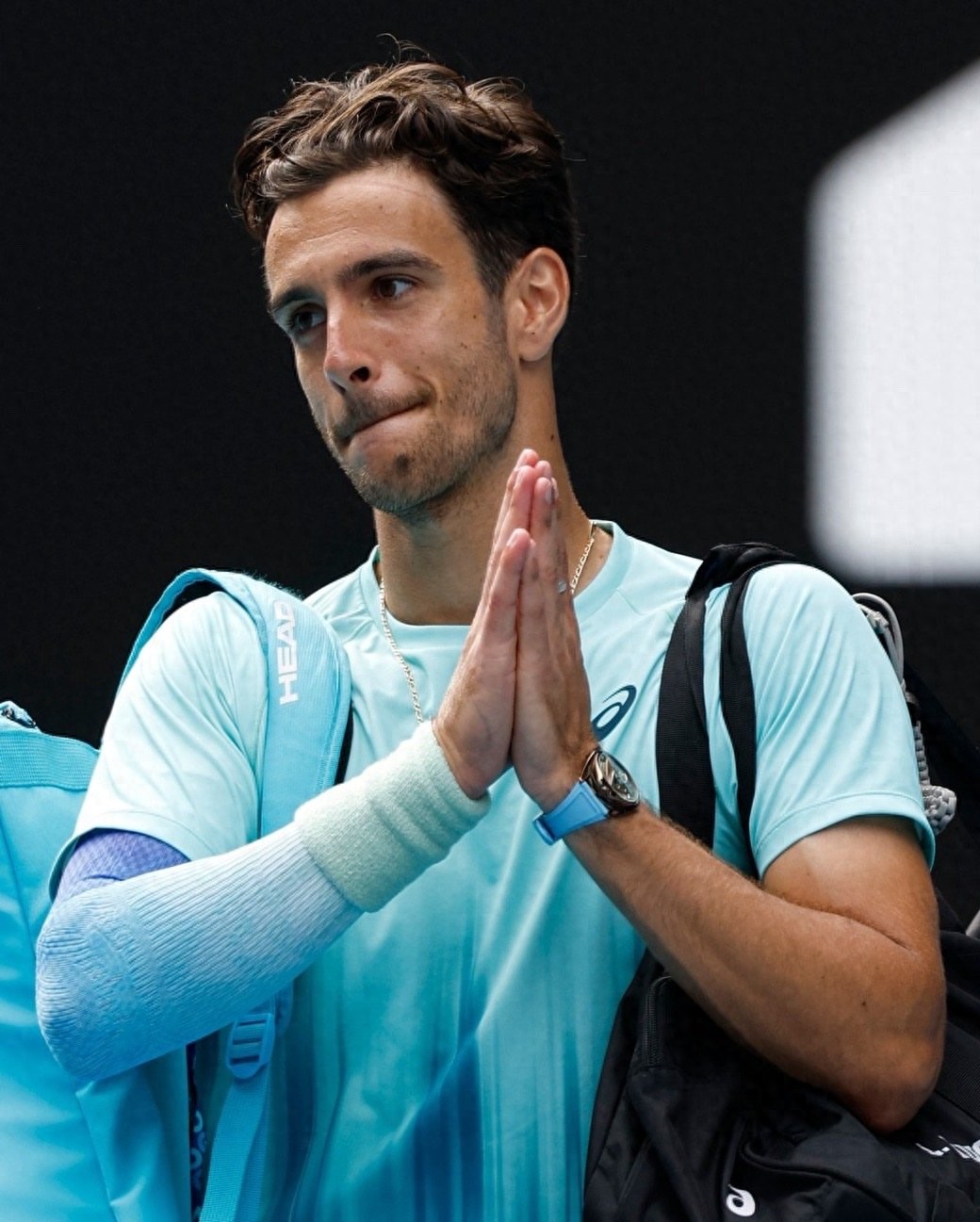
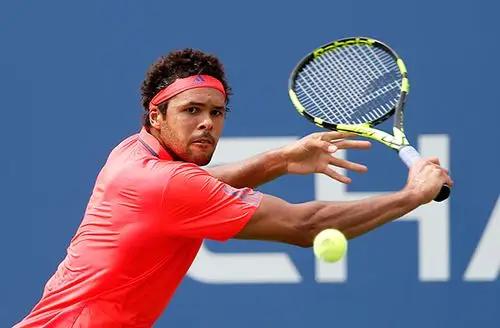
A decade ago at the US Open, Djokovic also received several “withdrawal gifts.” In the first round, he battled through four sets to defeat Janowicz; in the second round, his scheduled opponent Vesely withdrew before the match due to swelling in his left forearm; in the third round, opponent Youzhny retired mid-match; and in the quarterfinals against Tsonga, the Frenchman retired due to injury while Djokovic was leading 6-3, 6-2.
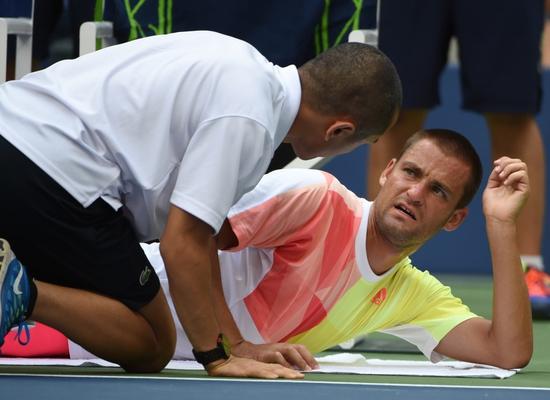
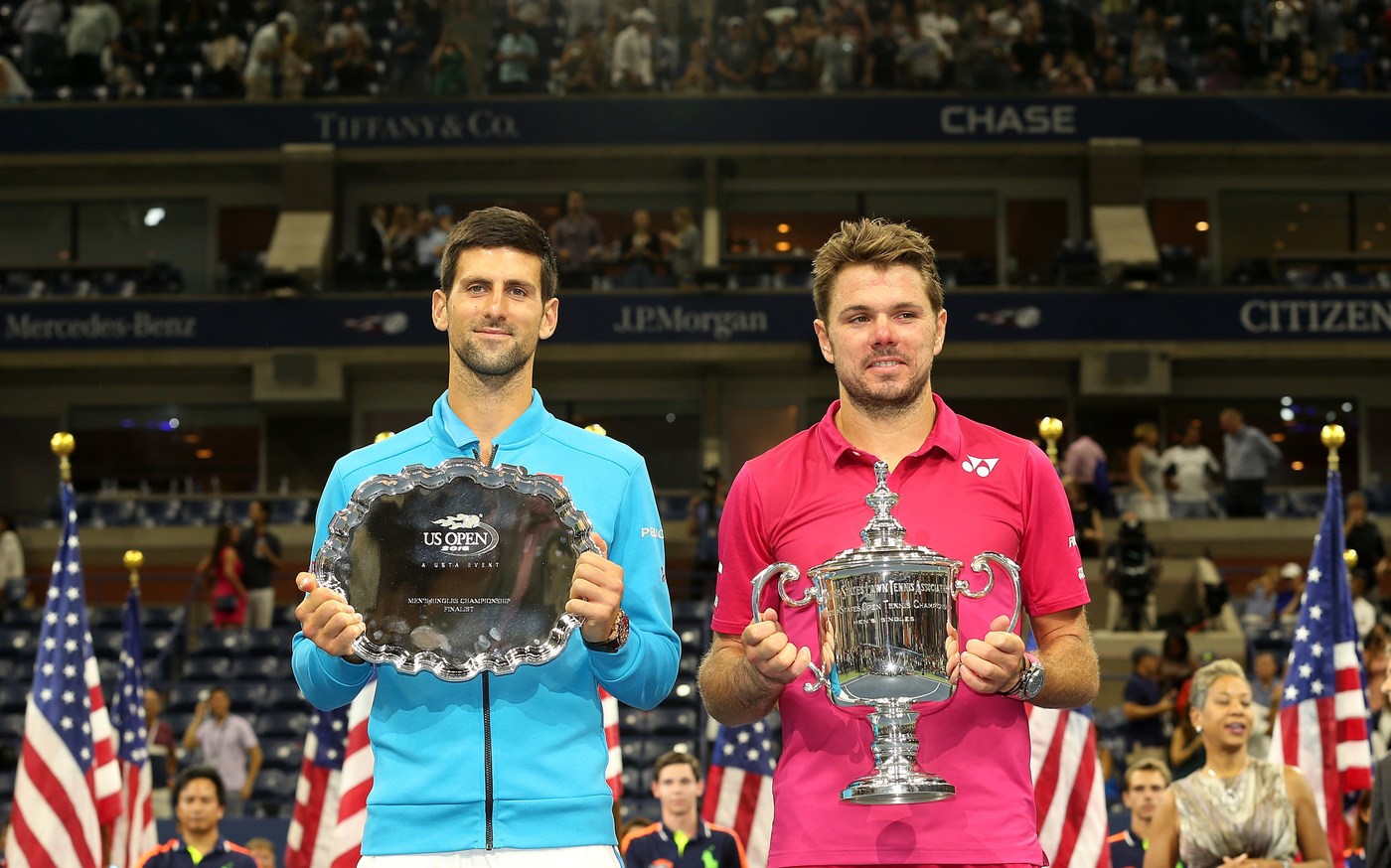
The contrast between Djokovic’s form in 2016 and 2026 is striking. Ten years ago at the US Open, Djokovic was at his peak, winning two Grand Slam titles that year. Despite this, he struggled with injuries during the tournament, even requesting a medical timeout for his arm in the first round. Still, he made it all the way to the final, ultimately losing to Wawrinka and finishing runner-up. Ten years later, at 38 years old, Djokovic faces the challenge of younger players and his dominance on court has diminished. In the first two sets against Musetti, Djokovic committed 31 unforced errors and showed noticeably slower movement. The impact of age is clear: he requires extra hours of daily physiotherapy to maintain his condition, his court speed has dropped by 8%, and his reaction time is delayed by 0.1 seconds.
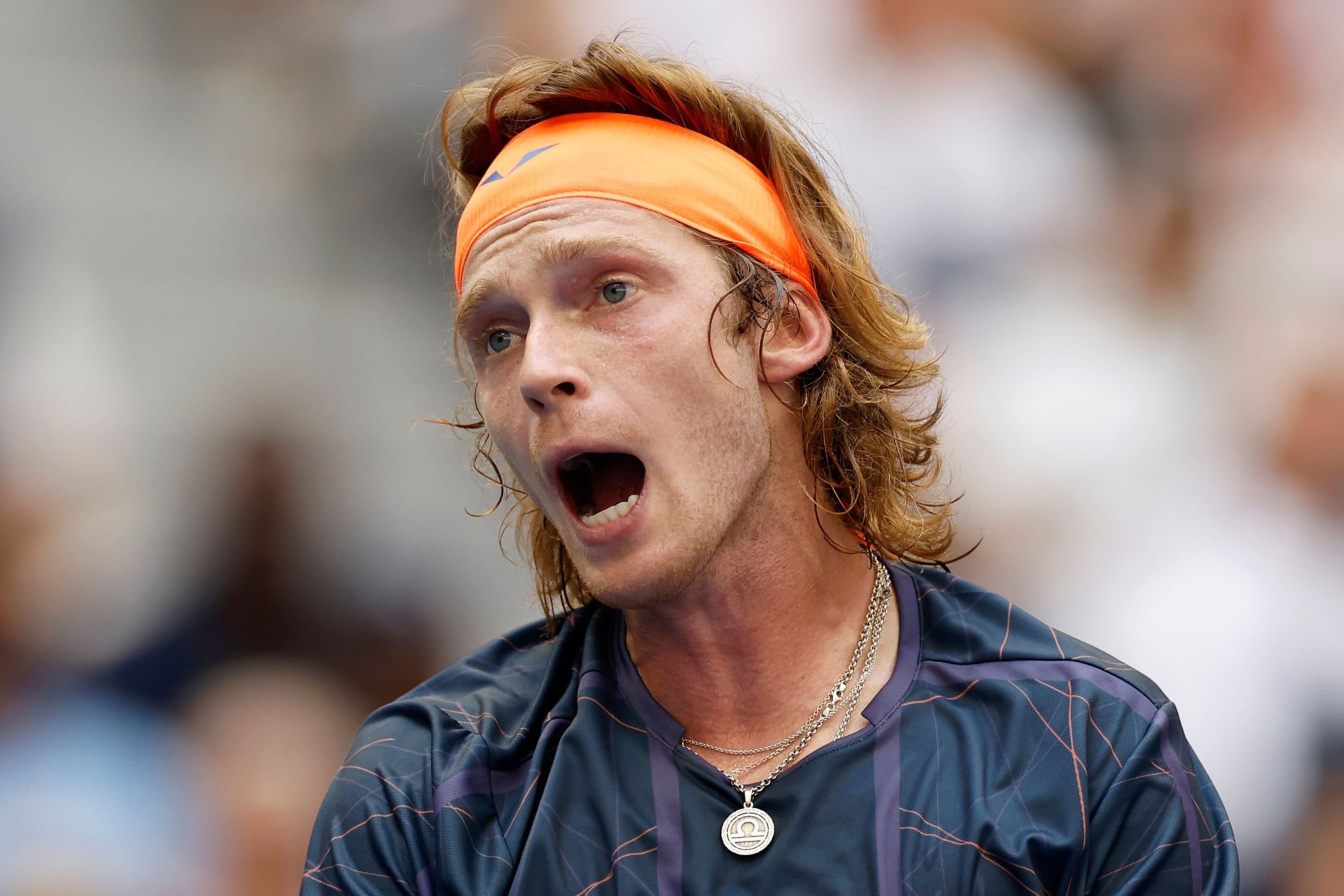
Djokovic’s repeated receipt of withdrawal “gifts” raises a question: why does luck seem to favor top players? This issue becomes more apparent when compared to the experiences of “quarterfinal curse” players Demoliner and Rublev. In recent years, Demoliner has shown strong form in Grand Slams, breaking through to the quarterfinals at the 2020 US Open—where he lost to eventual champion Thiem—then reaching back-to-back quarterfinals at the 2024 French Open and Wimbledon, and finally achieving quarterfinal appearances in all four majors at last year’s Australian Open. Meanwhile, Rublev had reached the Grand Slam quarterfinals ten times without advancing further, and with his form declining over the past two years, he’s struggled even to reach the quarters.
While luck plays a role, Djokovic’s ability to be in a position to receive these “gifts” itself proves his strength. He holds numerous historic records: 103 wins at the Australian Open (the most ever), 401 Grand Slam victories, and 13 appearances in the Australian Open semifinals. These accomplishments are the result of solid skill accumulation. Despite competing at an advanced age, Djokovic maintains his competitiveness through technical evolution and tactical adjustments. He has reduced baseline defense, enhanced his serve’s aggressiveness and net play efficiency, and manages his fitness scientifically. His serving technique innovation is considered the key to remaining top-level at an older age. In fact, Djokovic has also withdrawn due to injury multiple times, such as a meniscus tear at the 2024 French Open. Injuries are a common risk in professional sports, and this time he happened to benefit from them.
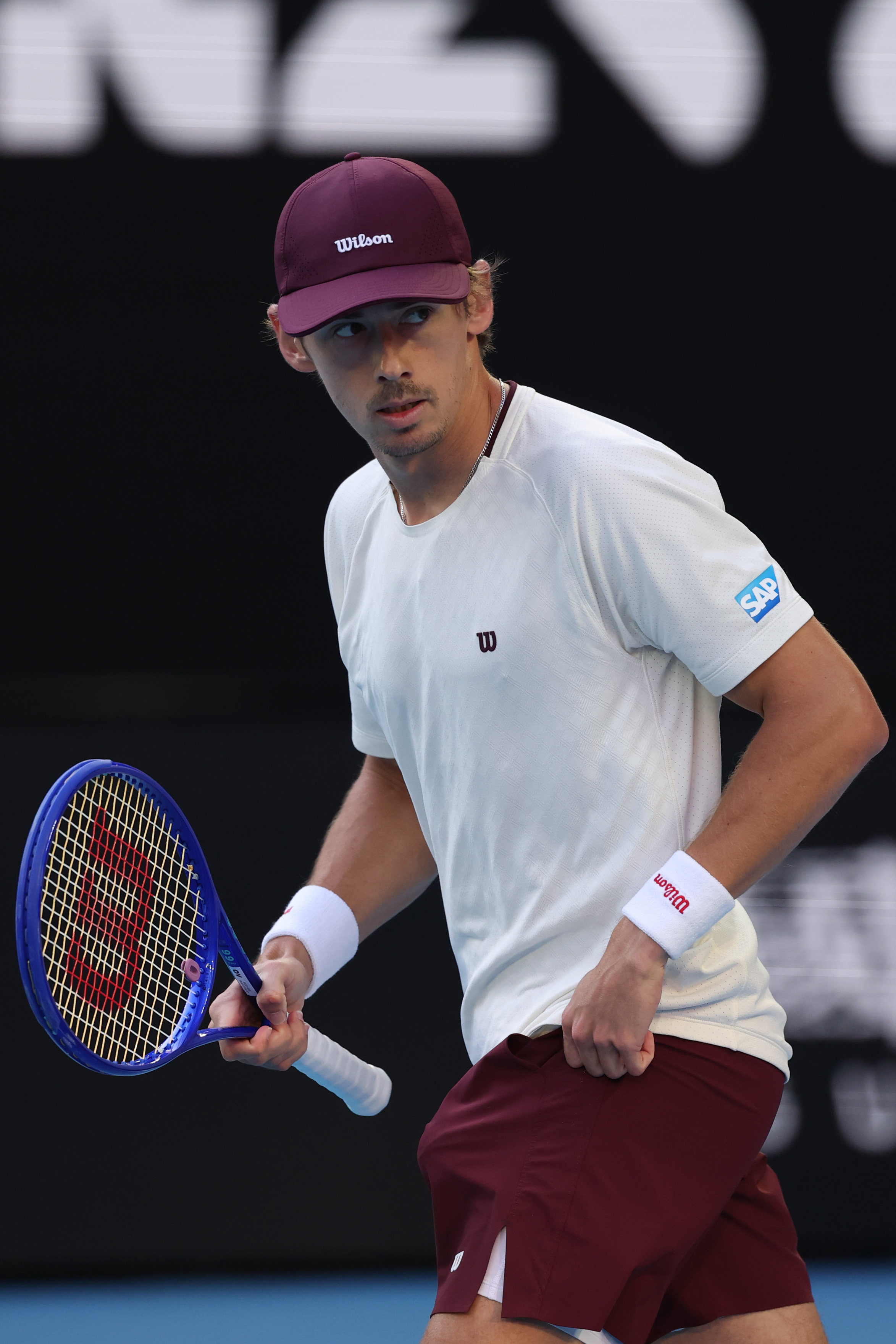
Djokovic’s two experiences provoke reflection on the relationship between luck and skill in competitive sports. Luck can be seen as an extension of skill, as it often favors players who persist until critical moments. Djokovic’s case shows that even when not at peak form, top players can rely on experience, tactical intelligence, and mental strength to find a path forward. His consecutive progressions, though partly fortunate, are built on decades of accumulated competitive capital. Chance always exists in sports competitions—injuries, weather, and fluctuating form are all part of the game. Djokovic’s story reminds us that those who ultimately stand victorious are usually those who combine skill with timely fortune.
As Djokovic reached the Australian Open semifinals for the 13th time in his career, standing on the Melbourne Park court ready for his next challenge, the crowd expressed mixed feelings—some marveling at his luck, others sympathizing with his opponents. When asked about his opponents’ consecutive withdrawals, Djokovic calmly stated he would focus on the upcoming match. He understands that at his age, simply reaching the Grand Slam semifinals is already a victory.
At the other end of the court, Demoliner and Rublev continue striving to break the “quarterfinal curse.” They may lack some luck, but they know that in this arena, ultimate victory depends on skill.(Source: Tennis Home, Author: Xiao Di)

 Links
Links
 Contact
Address:UNIT 1804 SOUTH BANK TOWER, 55 UPPER GROUND,LONDON ENGLAND SE1 9E
Number:+85259695367
E-mali:[email protected]
 App
App


