



Shadows Behind the Lens: Player Privacy and the Boundaries of Modern Tennis Broadcasting



Following the unexpected loss of third seed Gauff in the 2026 Australian Open women's quarterfinals, a video of her furiously breaking her racket in the players' tunnel went viral, igniting discussions about the pervasive presence of cameras and safeguarding players' privacy. "I don't like these cameras," American tennis player Pegula openly voiced her worries about how matches are filmed today. Her words highlight a growing tension in professional tennis: as comprehensive broadcasting expands, athletes' private spaces are increasingly encroached upon.

Pegula described a troubling reality: "You might be filmed arriving at the venue even in the gym. I've seen footage from places where I had no idea cameras were set up—areas you wouldn't expect to be monitored. They're everywhere, in every hallway."
This issue has extended beyond the traditional boundaries of the court. Players are no longer only visible to the public when on the court; they can be captured by cameras at any moment throughout the competition day. Gauff admitted that the only relatively quiet place left is the locker room, a statement that itself reflects the severity of the problem.
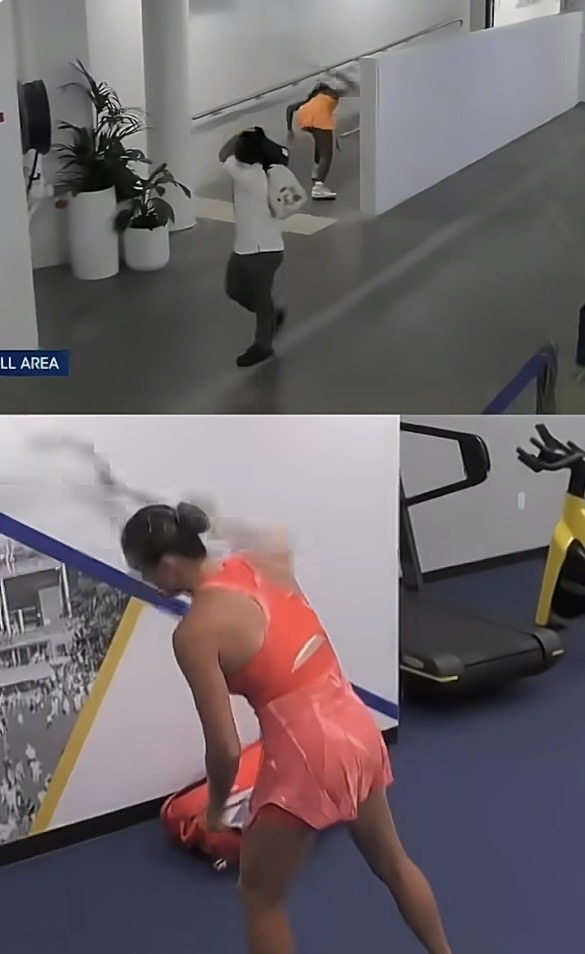
Pegula specifically mentioned the filming of Sabalenka after last year's US Open final and the ongoing attention on Gauff's racket-smashing incident in the players' tunnel this week. In these moments, cameras capture not just the matches but also the players' most vulnerable and private reactions.
"People post these clips online, taking them out of context or judging you based on moments that should remain private. Those are meant to be personal times," Pegula pointed out. The public exposure of such private moments often leads to misunderstandings and harsh criticism of athletes, as their most natural emotional responses are subjected to public scrutiny.
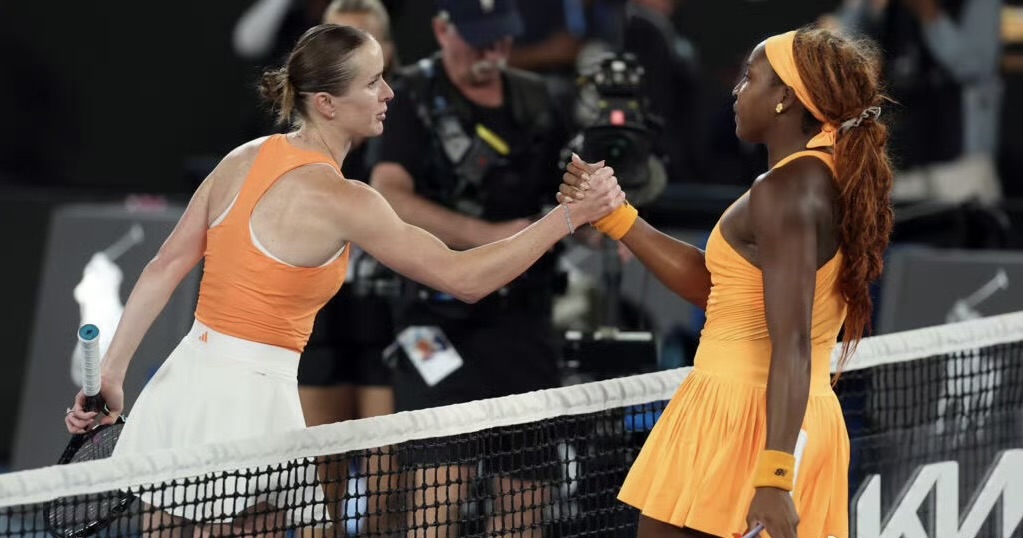
This is not a new issue. Pegula revealed that one of the top priorities for Keys on the players' council is to put an end to this invasive filming. "This has been discussed for years," she said, "and it’s completely out of control now."
Although event organizers may put up signs warning about camera presence, Pegula feels that the situation "seems worse this year." This pervasive filming makes players feel like they are "constantly under a microscope," turning normal daily activities into performances.
The competition in modern sports broadcasting is intensifying, with media and event organizers constantly seeking new angles and content to engage viewers. However, this demand should not come at the cost of completely sacrificing athletes' privacy.
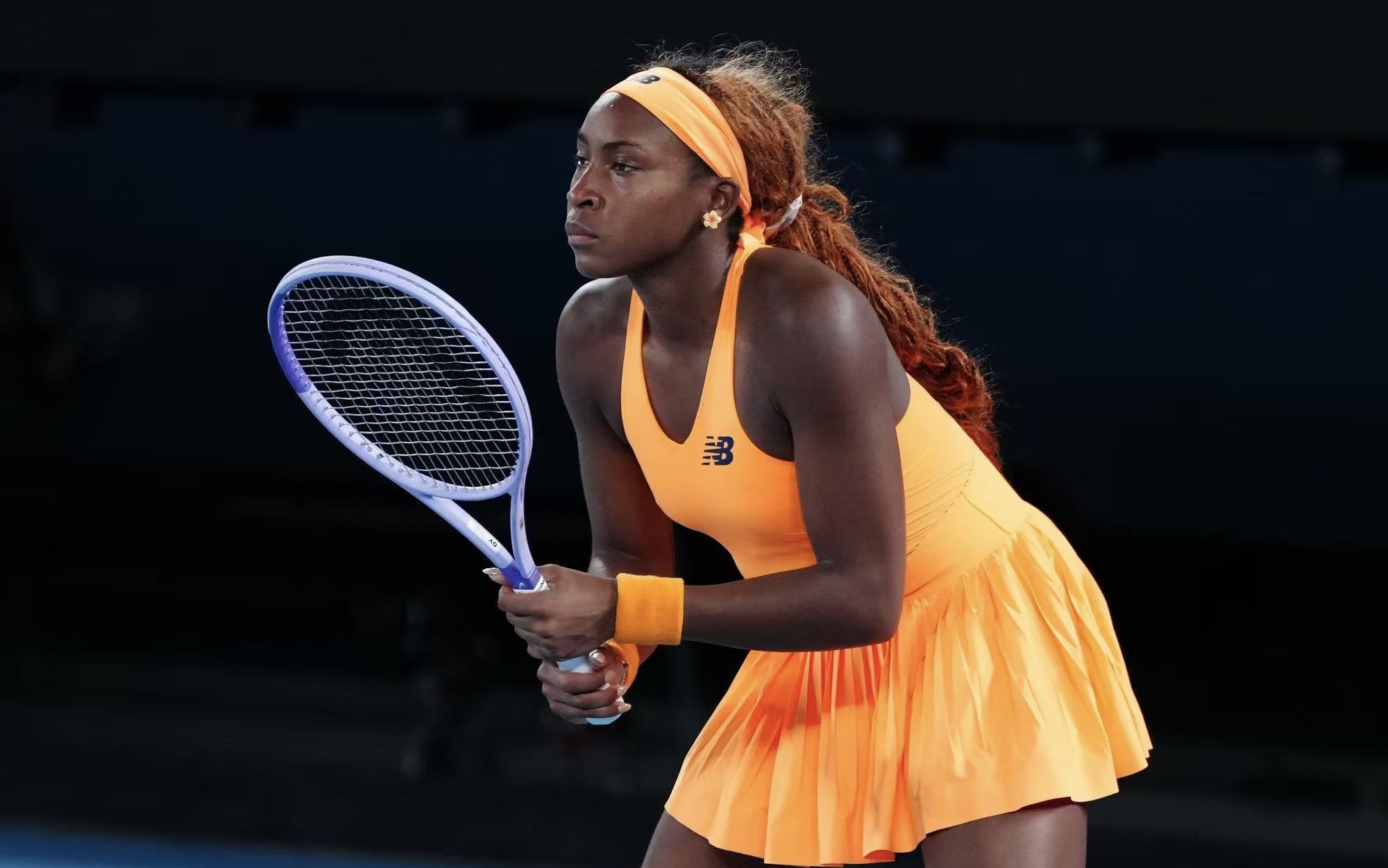
Pegula suggested a reasonable boundary: "We are already televised on the court. Inside, we’re still on TV. Literally, the only times we’re not filmed are when showering or using the restroom." This omnipresent surveillance has gone beyond what can be justified by the public’s right to know.
Clearly, athletes need basic privacy protections at event venues. Pegula called for a reduction in such filming practices. She supports Gauff and Sabalenka's criticisms of these methods and believes their stance is justified.
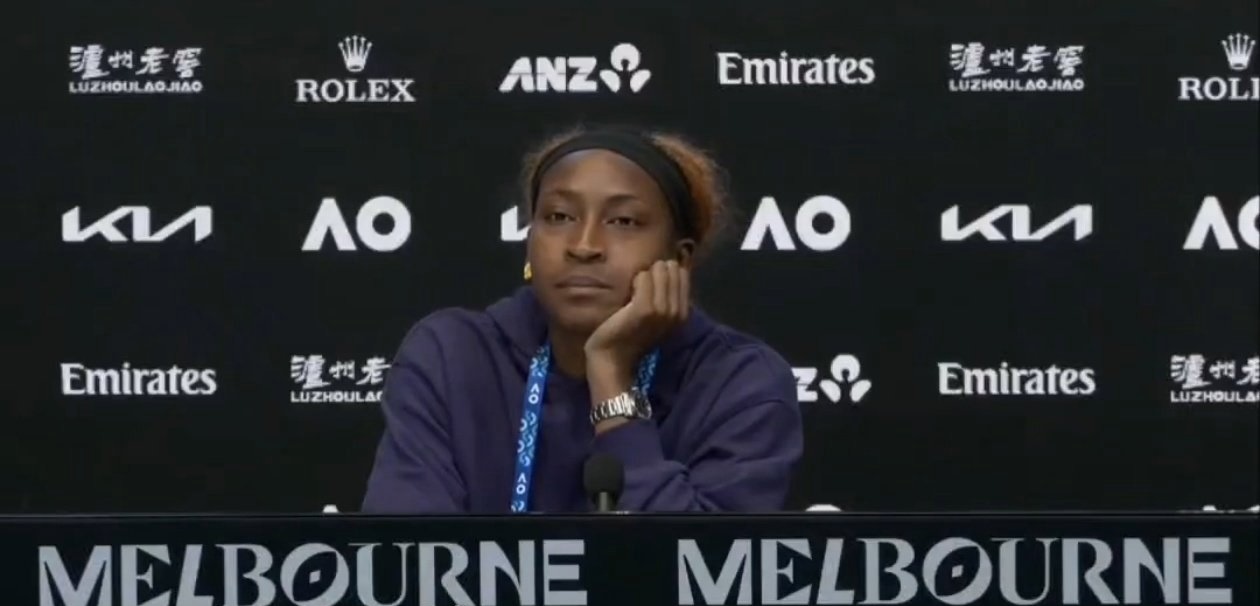
Potential solutions include restricting filming in backstage areas, clearly defining private spaces, and giving athletes greater control over footage captured outside of competition times. These measures would not only protect athletes' mental health but also respect their fundamental personal dignity.
In the digital age, privacy has become a luxury. For professional athletes, who provide the public with exceptional skill and thrilling matches, this does not mean they must completely forfeit their private lives. Pegula’s voice represents the players’ call for reasonable boundaries: to balance broadcasting needs while preserving basic human privacy and dignity.
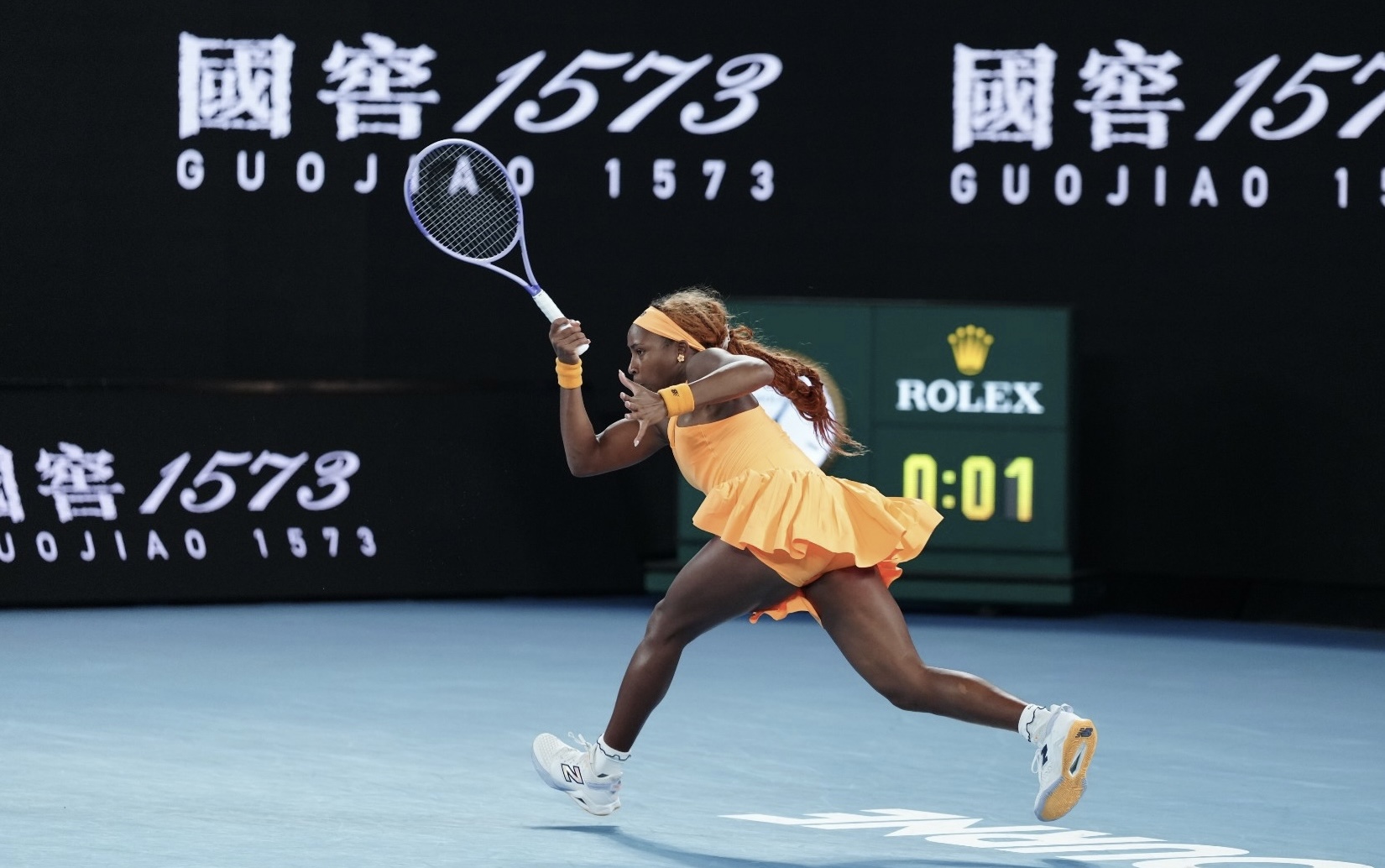
The essence of sportsmanship lies in both excellence and humanity. Perhaps only when the cameras learn to look away at certain moments can we truly see athletes as people. In an era filled with surveillance cameras, allowing each other some undisturbed space might be the most important improvement needed in the sports world.(Source: Tennis Home, Author: Mei)

 Links
Links
 Contact
Address:UNIT 1804 SOUTH BANK TOWER, 55 UPPER GROUND,LONDON ENGLAND SE1 9E
Number:+85259695367
E-mali:[email protected]
 App
App


