



Medical timeout sparks controversy! Zverev calls it absurd, Becker accuses him of lying, Alcaraz blames the physiotherapist



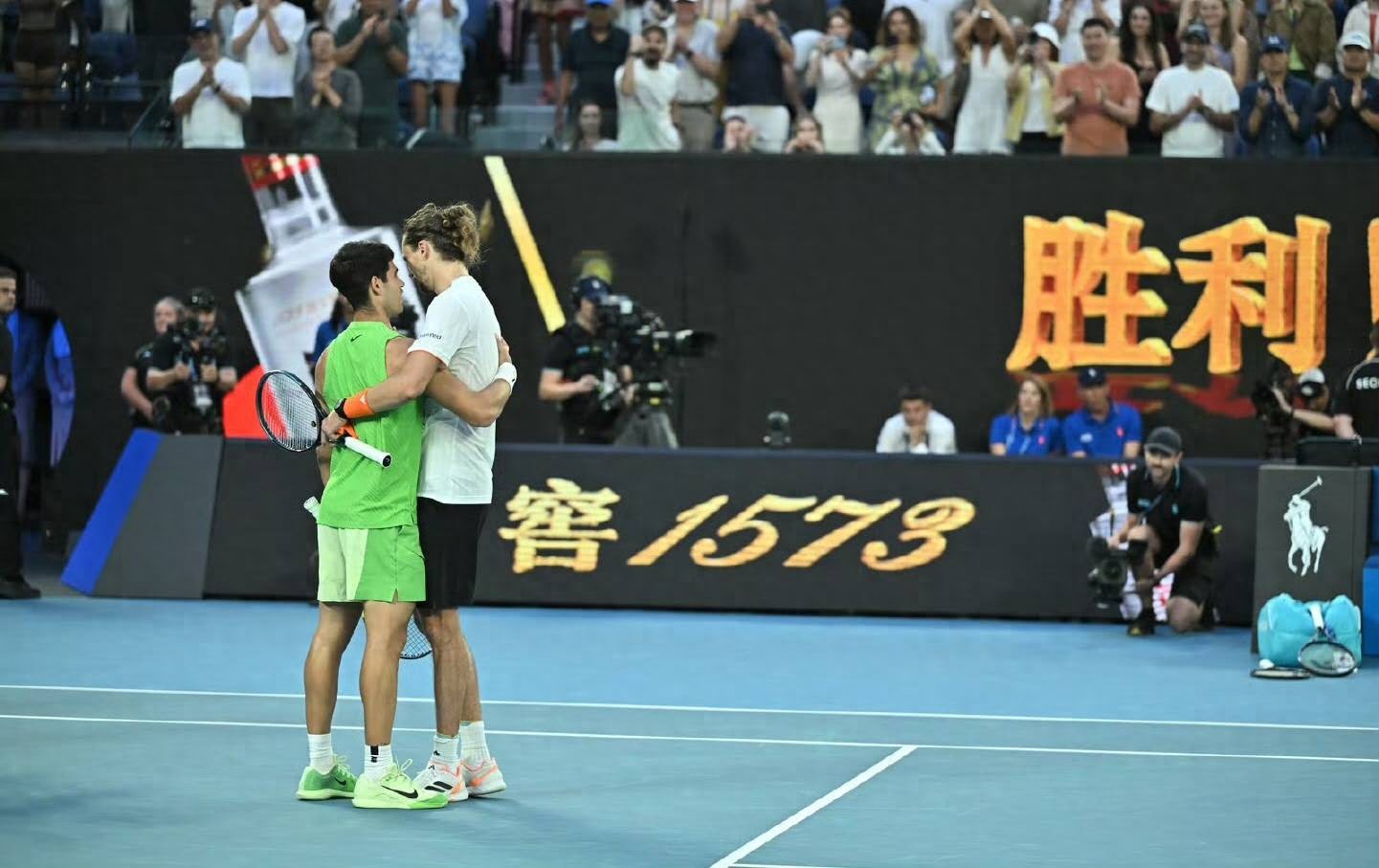
In the Australian Open men's singles semifinal, top seed and Spanish star Alcaraz fought for 5 hours and 27 minutes, finally overcoming German star Zverev 6-4, 7-6(5), 6-7(3), 6-7(4), 7-5 to reach his first Australian Open final. Yet, the most debated incident was not the historic comeback but a medical timeout during a critical point in the third set.
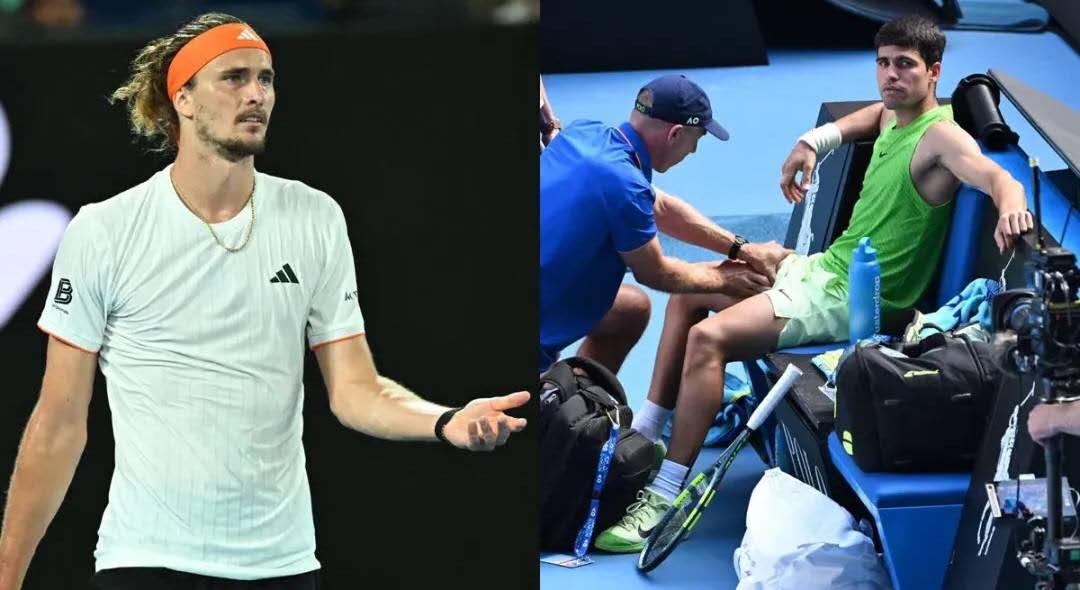
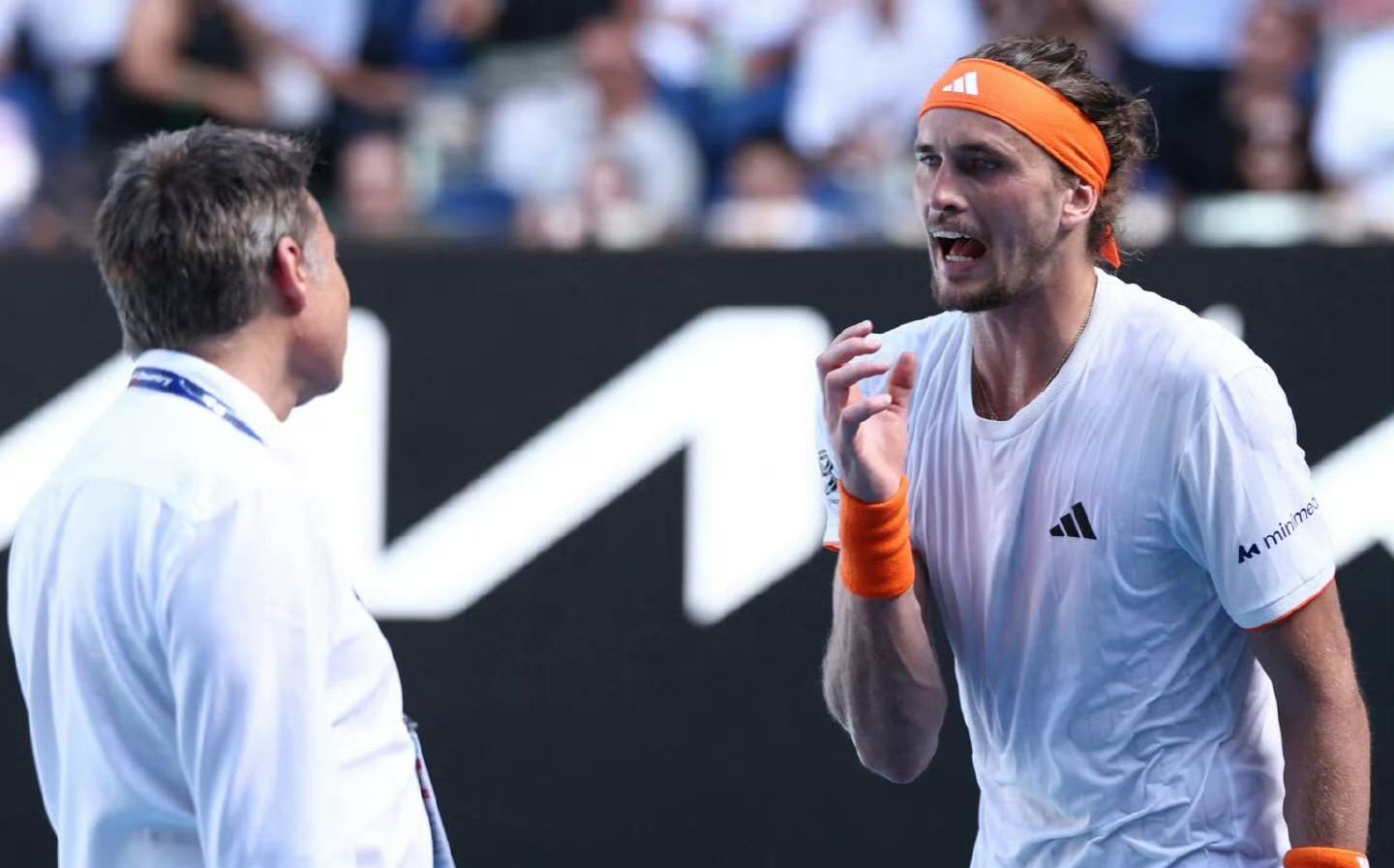
After switching sides at 4-5 in the third set, Alcaraz requested a medical timeout due to discomfort in his right adductor muscle. Meanwhile, Zverev, ready to serve, protested, citing the rule that cramping alone does not qualify for a medical timeout. The live broadcast clearly caught Zverev angrily telling the chair umpire in German: “He’s cramping! What is this? He can’t take an MTO!” Commentator John McEnroe speculated: “I bet he said, ‘Look, he’s cramping. He’s not injured.’”
After the match, Zverev was frank: “Normally, cramping doesn’t allow for a medical timeout. I don’t like it, but it’s not my decision.” When asked if some players receive special treatment, he hinted, “That was 17 hours ago... but this match is one of the greatest in Australian history and shouldn’t be overshadowed by this issue.”
Tennis legend and six-time Grand Slam champion Becker publicly sided with Zverev, saying, “Anyone would break down at that moment because he was closer to victory. If Alcaraz had to keep playing, he wouldn’t have lasted!” Becker emphasized that the key point is that Alcaraz is smart—he claimed a minor strain or something similar, which can justify a medical timeout.
“Of course, the referees don’t know that, and neither does the chair umpire. You have to trust Alcaraz first, believe he has a strain or injury. But three hours later, it turned out to be just cramping, not an injury, showing how long the match was. It’s a tricky situation. Sasha was referring to two players, Sinner and Alcaraz, both protected. I can’t comment on Sinner now, but you have to pay attention to the rules concerning Sinner, Alcaraz, and others,” Becker explained.
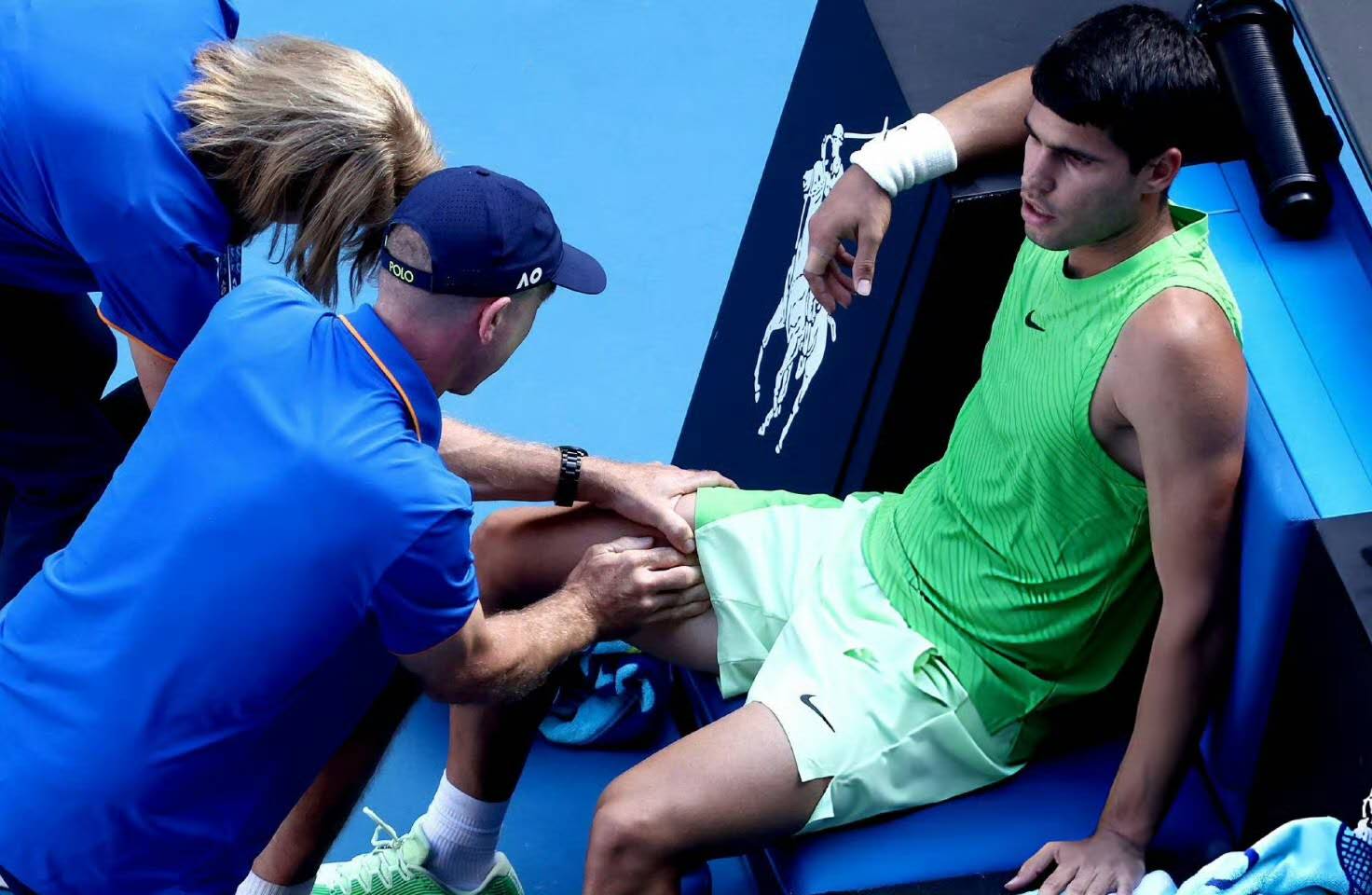
Facing criticism, Alcaraz explained in the post-match press conference: “While chasing a forehand, I suddenly felt discomfort in my right adductor muscle. I wasn’t sure if it was cramping or a muscle strain. I only told the physiotherapist how I felt, and he decided to call the medical timeout. I just described the symptoms; the final decision was his.”
Former ATP player and current commentator Patrick McEnroe added: “The rules do allow a player to request a medical timeout for ‘muscle injury’ but not for ‘simple cramping.’ The problem is how the on-site officials accurately determine if it’s cramping or a minor strain. It almost entirely depends on the player’s subjective description.”
The controversy quickly spread to social media, with debates about the medical timeout rules trending on Twitter.
Some netizens admitted that cramping does not qualify for a medical timeout, but argued that Alcaraz’s physical issues in the semifinal weren’t just cramps—they involved heatstroke causing vomiting and spasms. Since the live broadcast did not show the vomiting, this fully complies with Australian Open rules allowing medical timeouts for heat-related conditions.
Others questioned, “The rules have loopholes! If everyone uses ‘possible strain’ or other minor excuses to pause, where is the fairness in the match?” Some sympathized with Zverev’s frustration: “He was so close to victory but got disrupted by this gray-area timeout.”
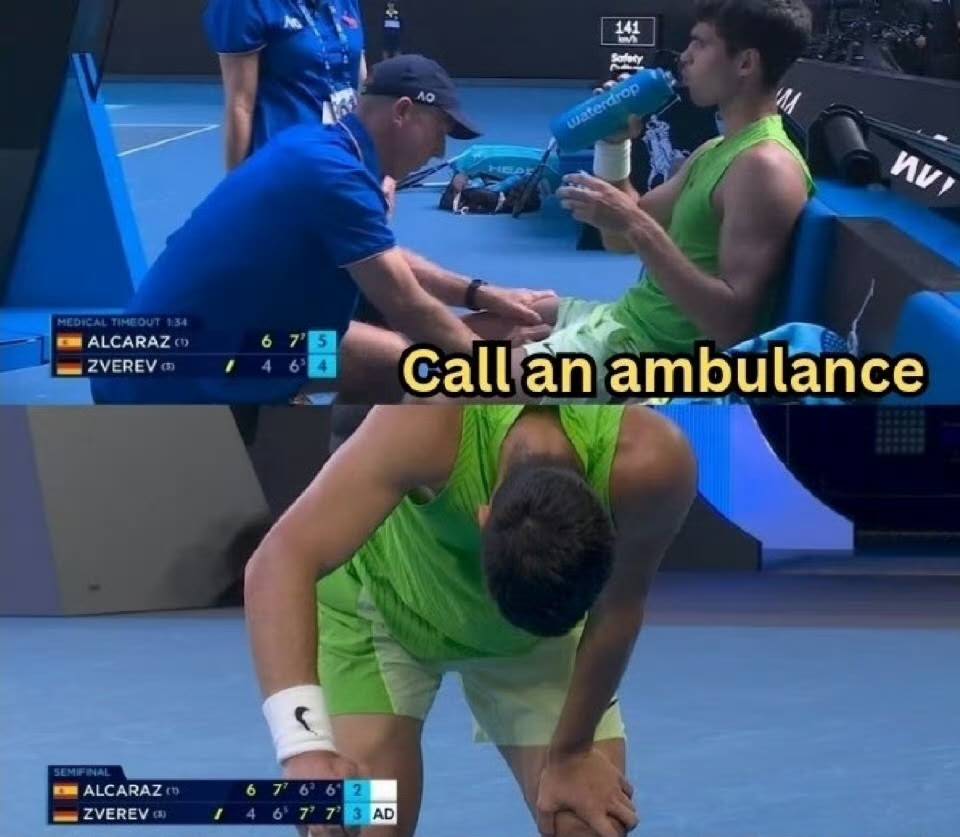
However, some countered, “Don’t forget Alcaraz came back from 3-5 down in the final set. The timeout was just a side event. After the break, Zverev also won two games to level the score. So, even if the medical timeout affected him, it wasn’t decisive for the match outcome.”
According to current ATP rules, players may request a medical timeout for “acute injuries or medical conditions occurring or worsening during the match.” The rules specifically state that fatigue, heatstroke, and cramping generally do not qualify unless cramping involves risk of muscle tear, which can be considered an injury. In practice, this boundary often depends on the subjective judgment of the on-site physiotherapist and chair umpire.
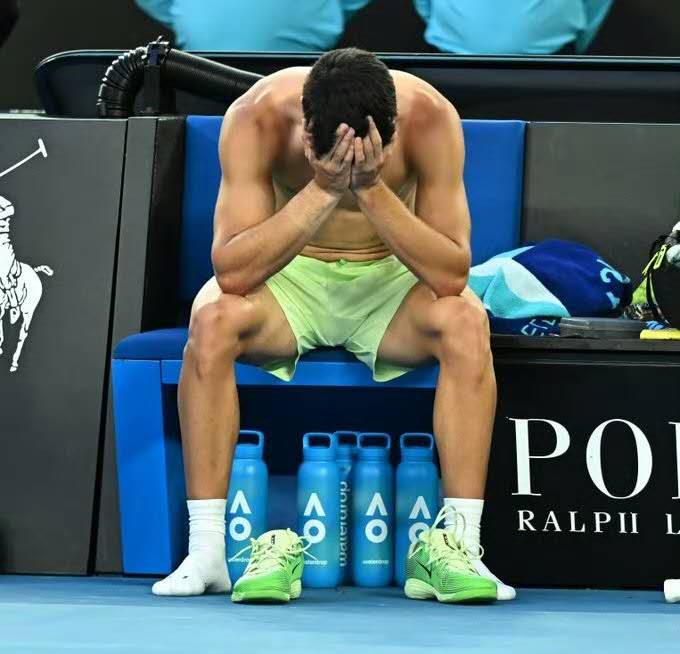
Regardless, Alcaraz will face the winner between second seed Sinner and Djokovic in the final. Despite the controversy, the 22-year-old Spaniard has proven his mental toughness under extreme pressure. The final will take place on Sunday, and the discussion about medical timeout rules may linger in tennis history longer than the championship itself.(Source: Tennis Home, Author: Lu Xiaotian)

 Links
Links
 Contact
Address:UNIT 1804 SOUTH BANK TOWER, 55 UPPER GROUND,LONDON ENGLAND SE1 9E
Number:+85259695367
E-mali:[email protected]
 App
App


