



Breaking news! Zheng Qinwen cautiously withdraws from the Abu Dhabi tournament at the last moment! Team reveals reasons for withdrawal


On January 31, the WTA500 Abu Dhabi women’s singles draw was officially announced, but the much-anticipated Chinese No.1 Zheng Qinwen was absent from the list. It was reported that she decided to pull out of the tournament at the final moment.
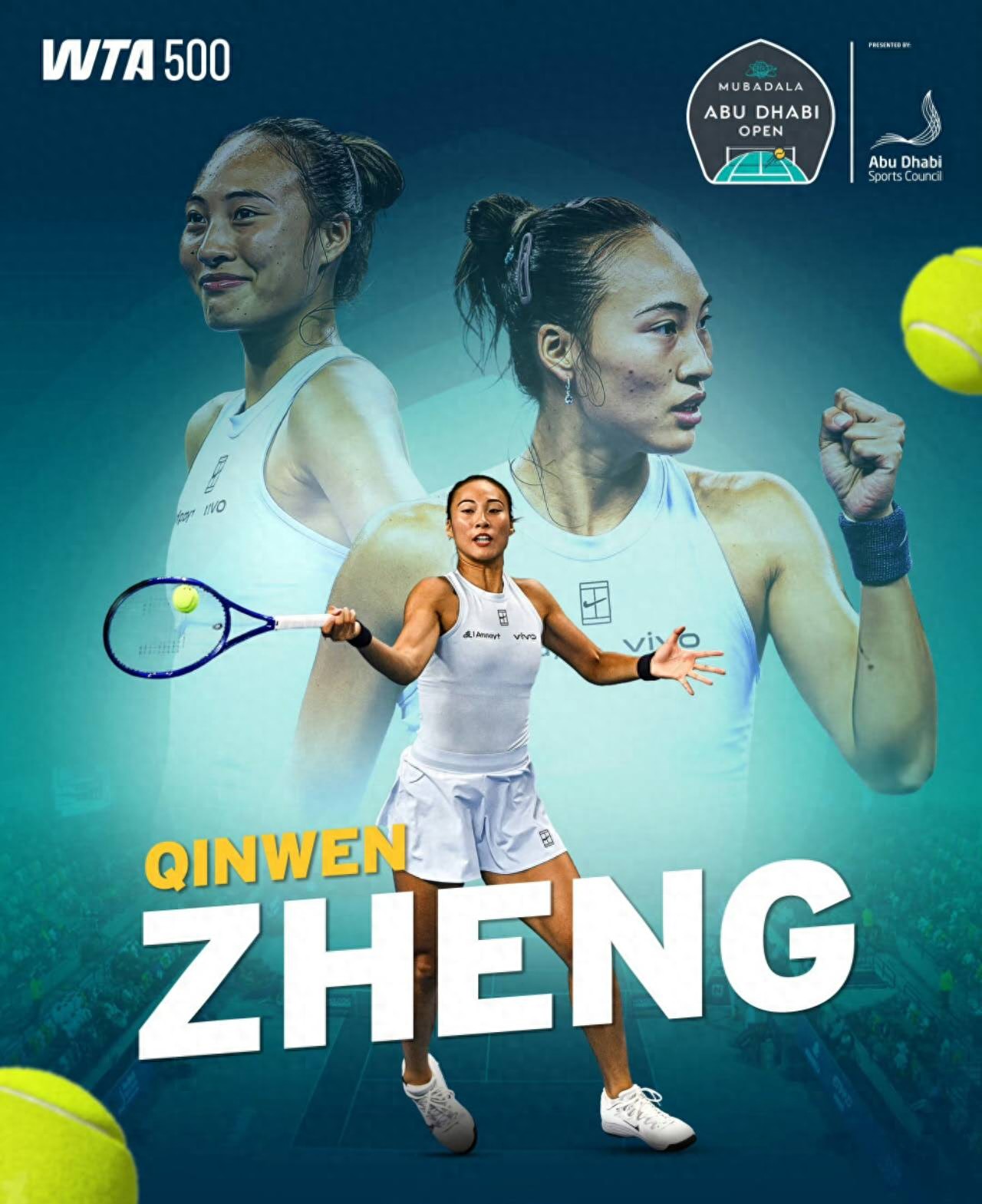
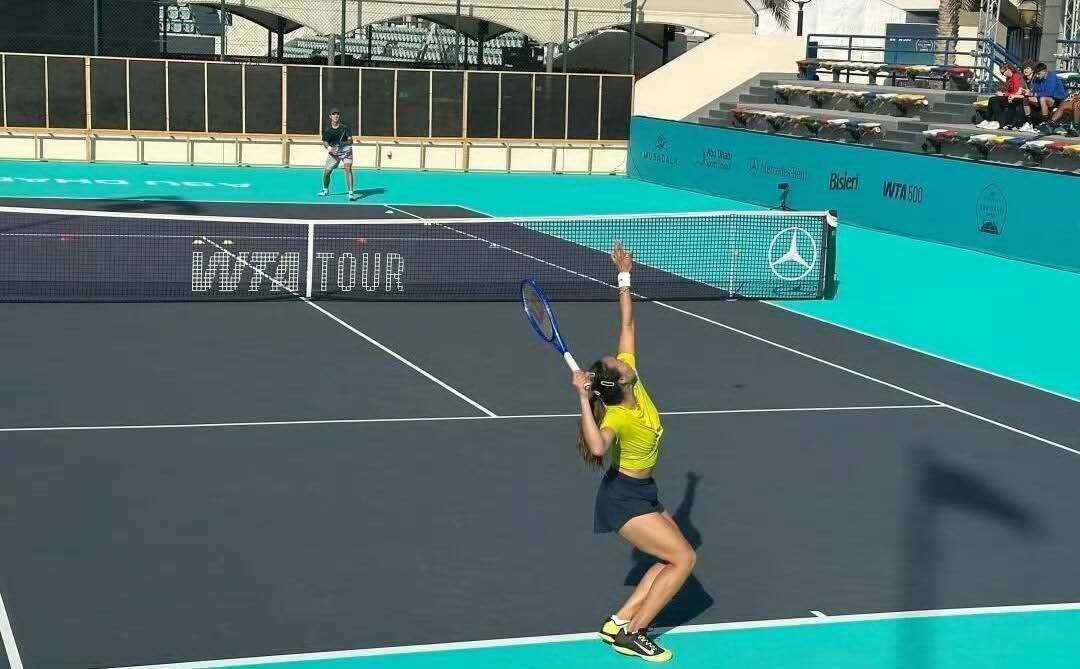
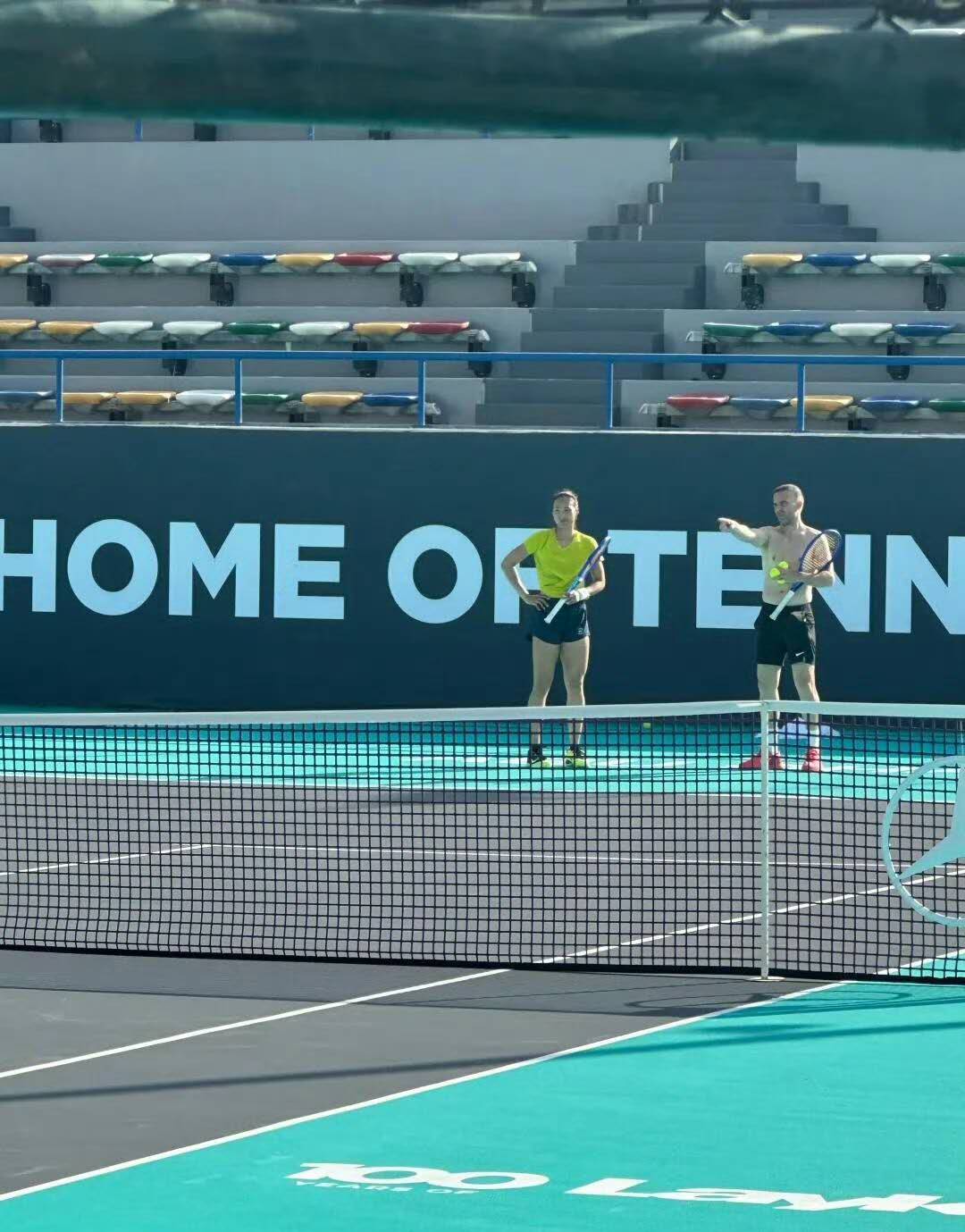
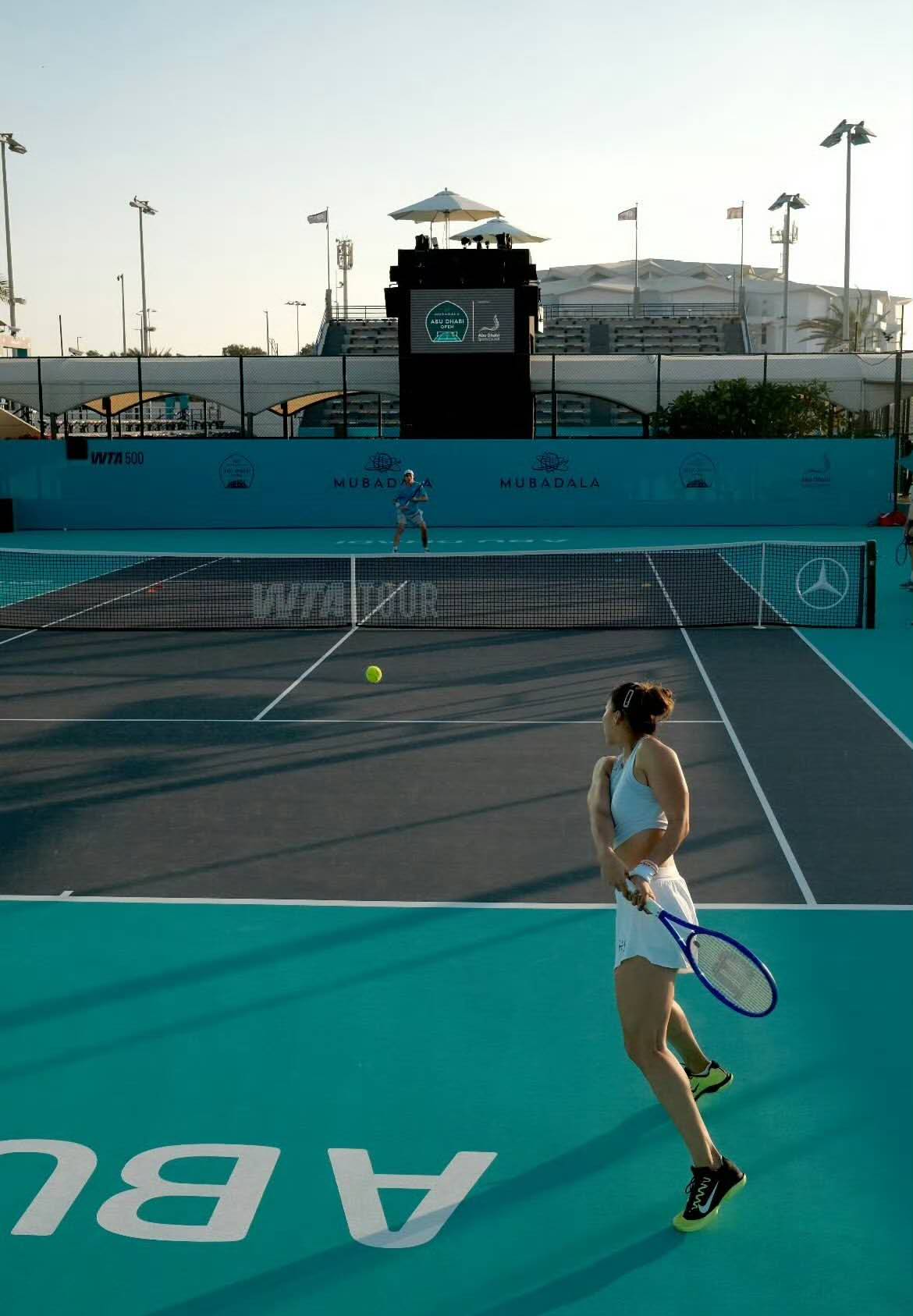
At the Abu Dhabi training ground, Zheng Qinwen’s figure had brought hope to fans looking forward to her return. Just days ago, she and her team arrived and immediately began adjustment training. Training videos showed Zheng completing a full session including baseline rallies, serving, and return practice. Her forehand still maintained its signature power, and her footwork appeared quite smooth. Notably, she wore no protective gear on her right elbow at that time, which pleased many fans.
However, some details during training still indicated caution. Her team clearly controlled the training intensity, limiting the duration of high-intensity drills. After training, Zheng spent more time than usual on ice therapy and stretching recovery.
It is understood that “listening to the body’s signals” is the core reason Zheng Qinwen’s team gave for her withdrawal. Although her technical movements were mostly unaffected during training, when intensity approached match level, Zheng and her medical staff still felt her body needed more time to adjust. Especially her surgically treated right elbow showed normal fatigue after consecutive training days, signaling that rushing back could risk re-injury.
The lesson from her brief comeback and recurring injury at last year’s China Open made Zheng and her team particularly cautious about returning to competition this time. Therefore, insiders emphasized: “The goal now is to build a sustainable healthy foundation, not to rush into one or two tournaments.”
It is worth mentioning that this Abu Dhabi trip was originally seen as a crucial step for her return to the tour since last year’s elbow surgery. But now with the delay in her comeback, many fans worry even more, realizing the elbow injury is not as mild as thought and requires longer recovery.
Looking back over Zheng Qinwen’s competition trajectory in the past six months, a clear pattern emerges: injury — surgery — attempted comeback — readjustment.
In the latter half of last year, due to worsening right elbow injury, she opted for surgery. This forced her to withdraw from multiple key events including the National Games and prematurely end her 2025 season.
Entering the new season, her comeback plans began to take shape. In early January, she registered for the United Cup but withdrew due to slower-than-expected recovery. Later, her name appeared on the Australian Open entry list, but she also pulled out before the tournament began. Abu Dhabi was her third recent tournament to enter and then withdraw from.
In an interview with media at the end of last year, Zheng openly admitted: “The recovery process requires more patience than I expected. I must ensure I return at 100% condition, which is respect both for the competition and myself.”
The good news currently is that medically, Zheng Qinwen’s elbow injury has basically healed well, with the surgical site recovering properly. She is now able to complete most regular training drills, including serving and forehand strokes, which place considerable load on the elbow.
However, there remains a gap between “being able to train” and “withstanding the intensity of high-level matches.” Tennis matches are unpredictable and can involve long rallies and consecutive days of play, posing a serious challenge to the healed area’s endurance.
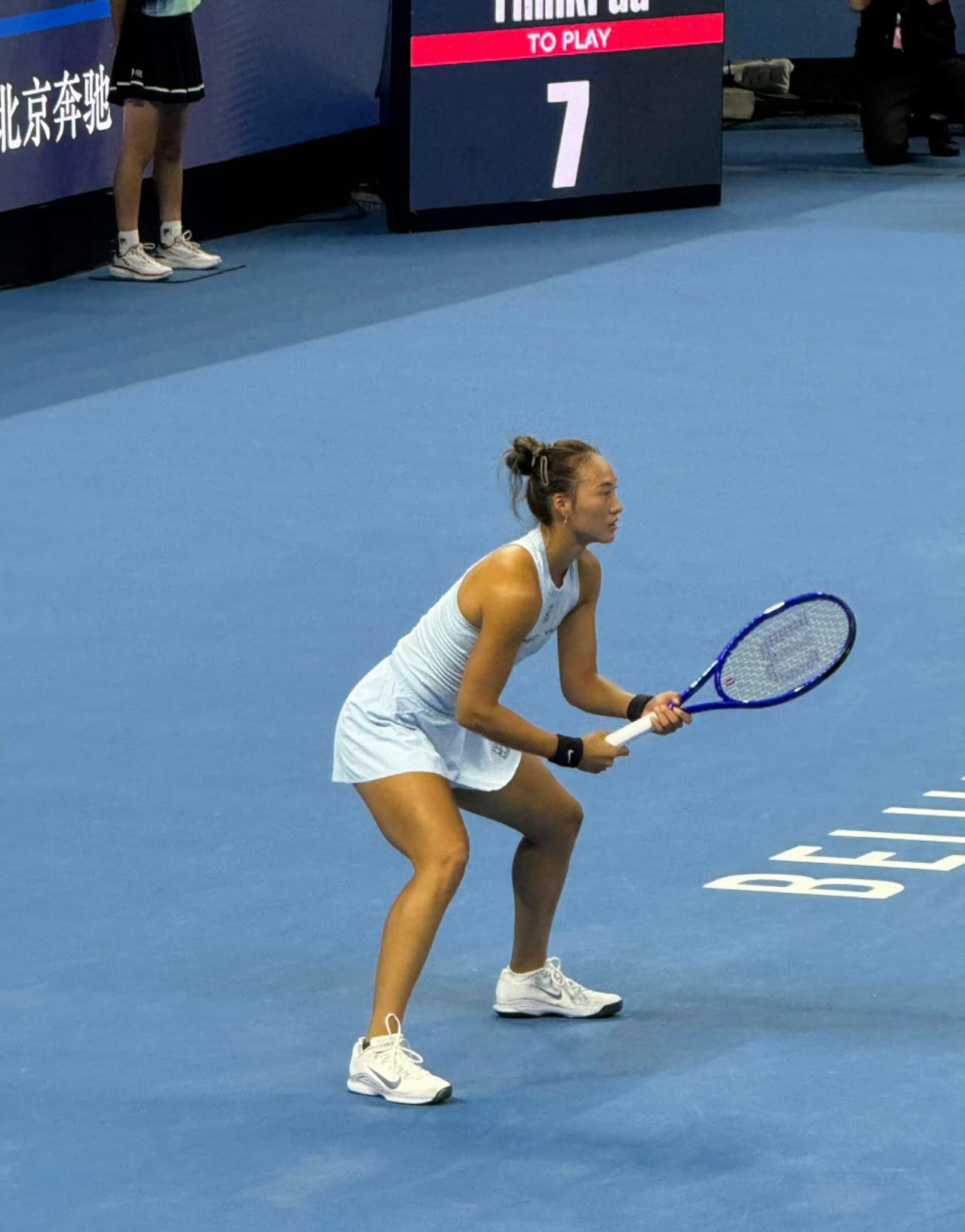
Zheng’s fitness coach stated: “Her current physical condition, especially in terms of strength reserves and sustained competitive ability, still needs systematic improvement. We do not want her to step onto the court with any uncertainties.”
The tennis community and fans generally understand and support Zheng Qinwen’s decision.
A tennis analyst commented: “This is a mature decision. A professional athlete’s career is a marathon, especially for a young top player like Zheng. Protecting long-term health is far more important than rushing into one or two tournaments.”
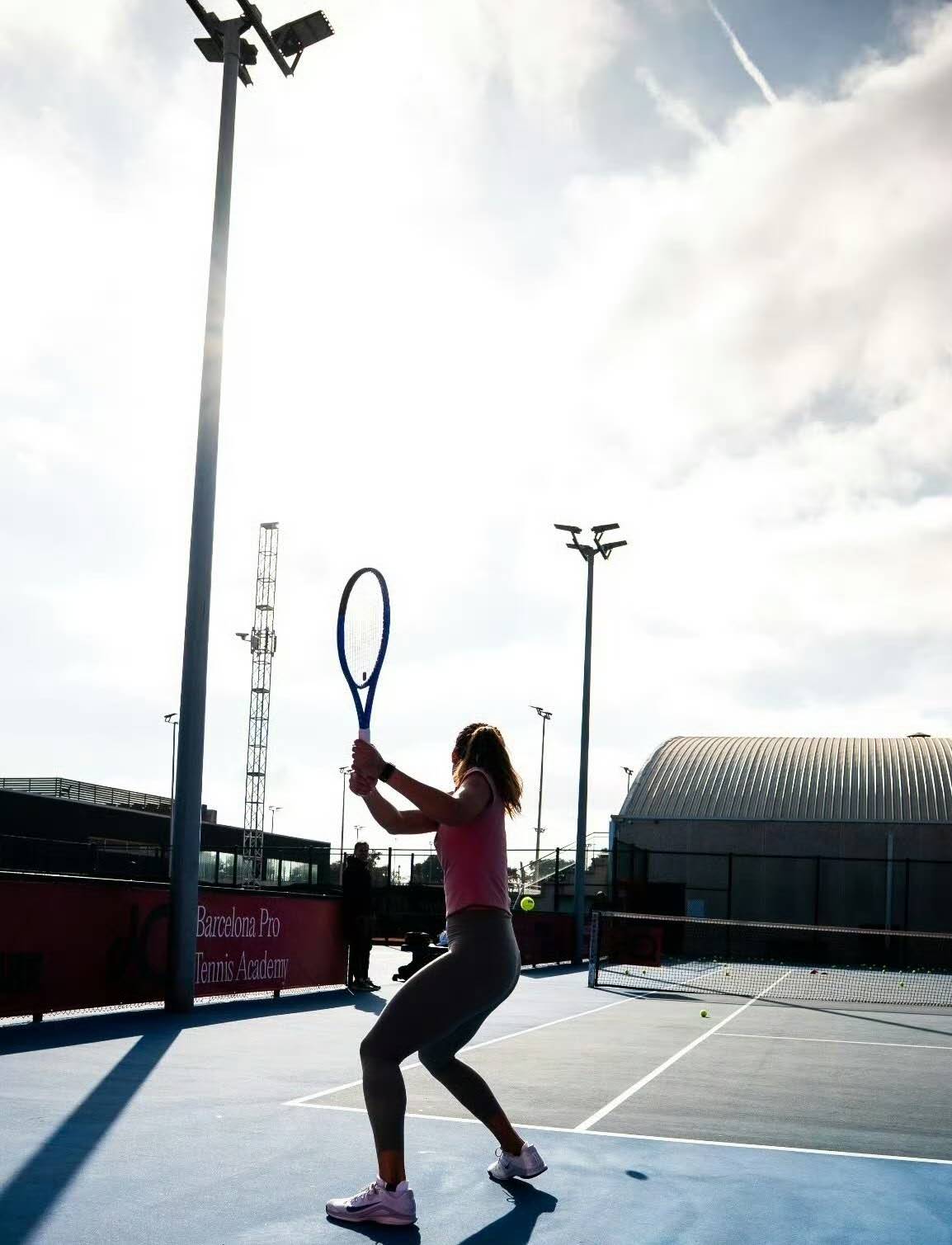
Some fans also backed Zheng’s choice, commenting: “Her technical skills are indisputable. What she needs most now is enough time for her body to fully adapt to match intensity. Patience at this moment is the best investment.”
On social media, most fans expressed support. Comments like “Health is the foundation; we’ll wait for you to be fully ready” and “Seeing such caution makes us feel reassured, looking forward to a completely healthy Qinwen’s return” dominated.
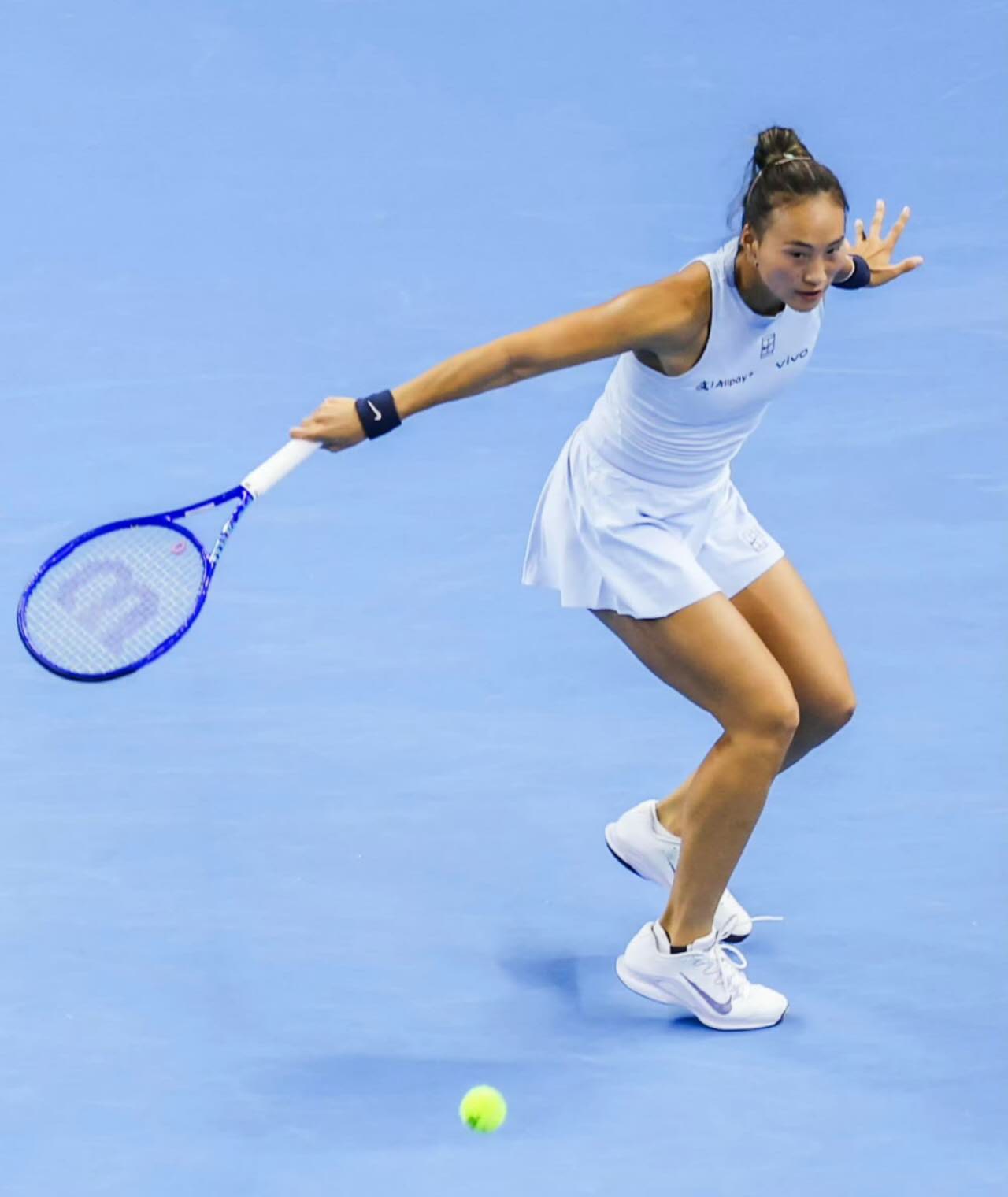
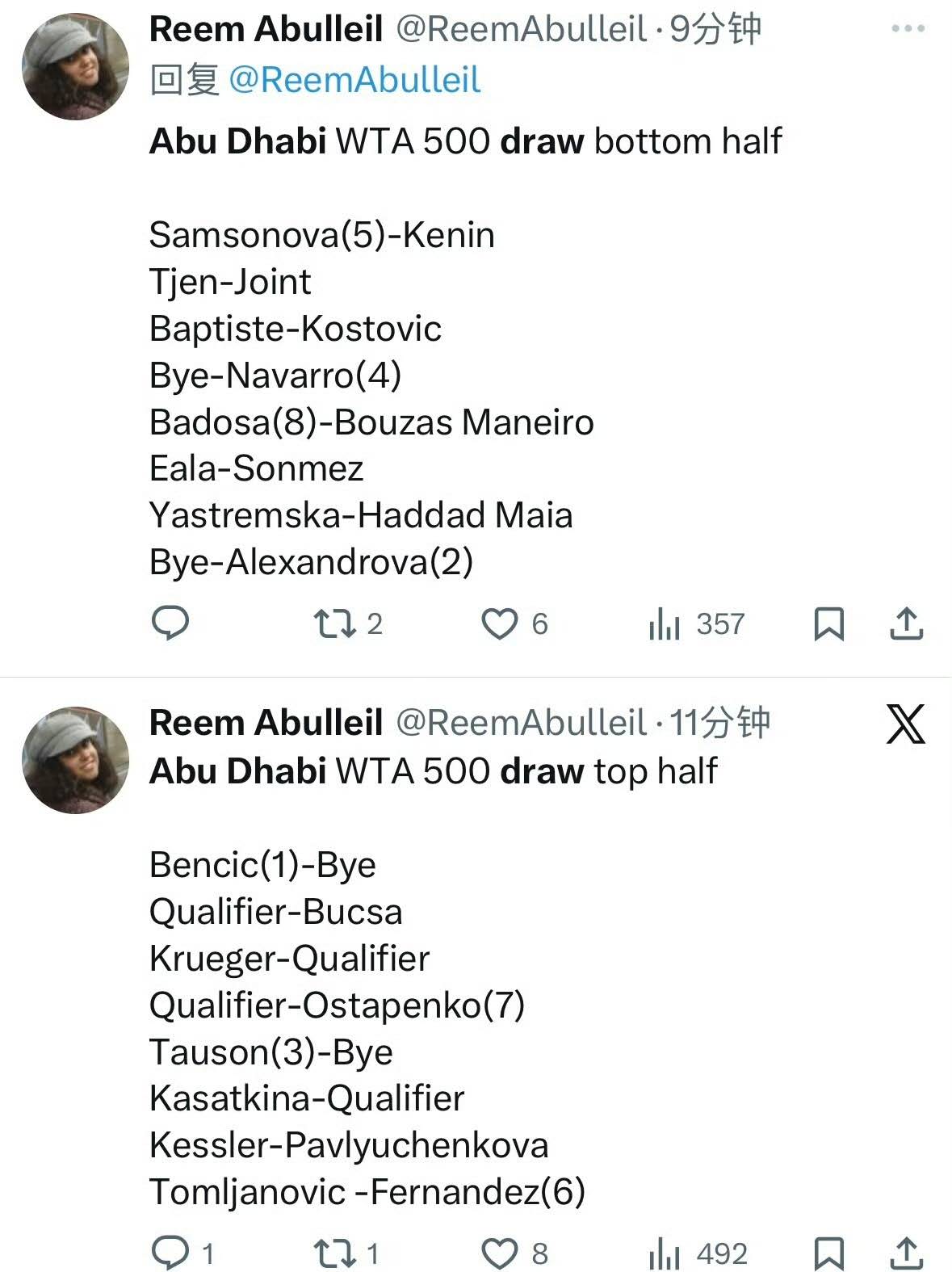
After the withdrawal news broke, the WTA Abu Dhabi draw was adjusted. With Zheng Qinwen and newly crowned Australian Open champion Leylah Fernandez both withdrawing for rest, defending champion Belinda Bencic became the top seed.
Zheng’s team stated they will continue to monitor her recovery progress and decide on her next tournament entry in due course. According to sources close to the team, her next target is the WTA1000 event in Doha starting mid-February.
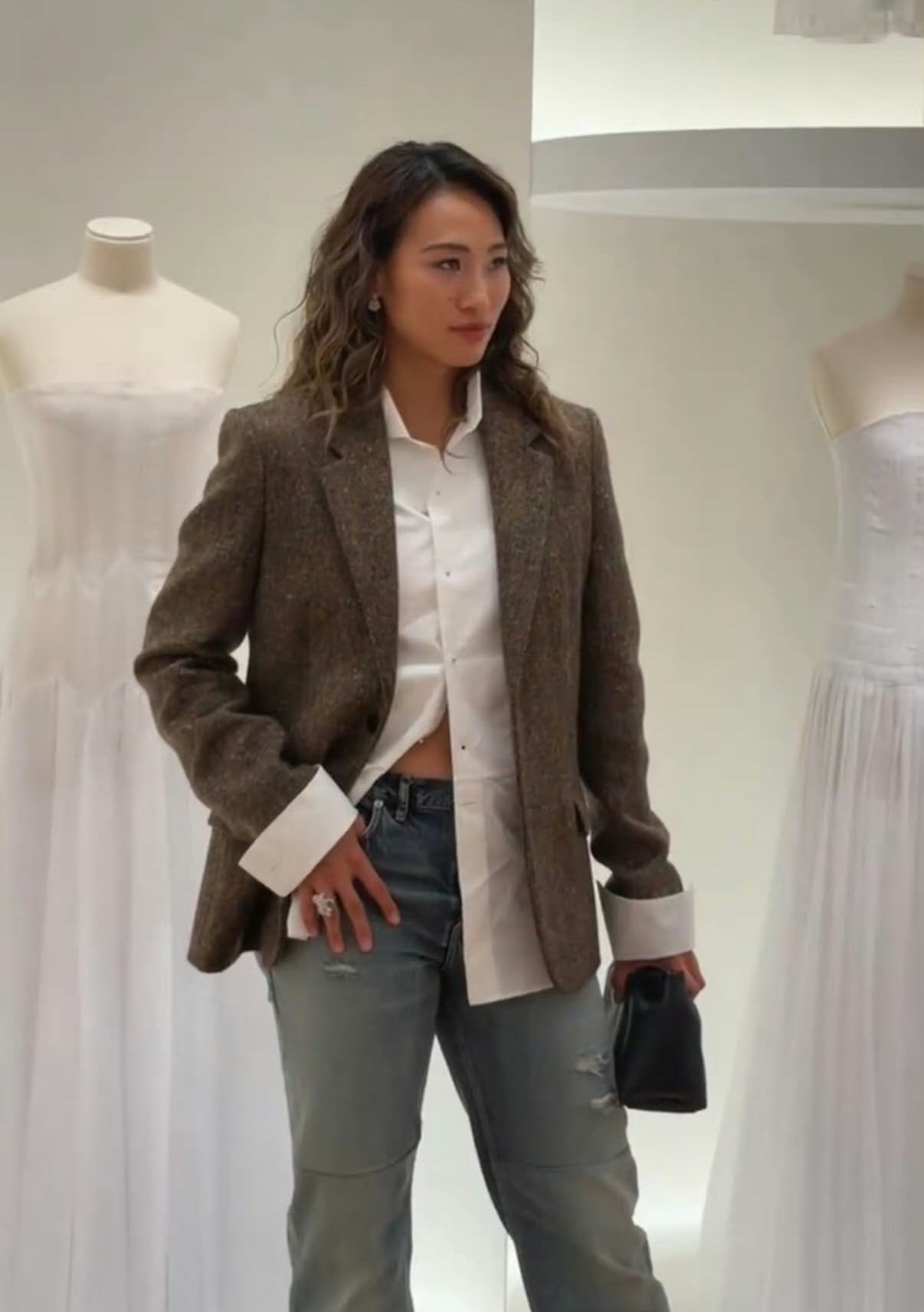
The professional tennis tour calendar keeps turning, and for this leading Chinese player, the most important thing now is to listen to and reconcile with her body. When the sound of hitting balls returns to the training courts, the familiar and powerful Zheng Qinwen will eventually come back.(Source: Tennis Home, Author: Lu Xiaotian)

 Links
Links
 Contact
Address:UNIT 1804 SOUTH BANK TOWER, 55 UPPER GROUND,LONDON ENGLAND SE1 9E
Number:+85259695367
E-mali:[email protected]
 App
App


