



The transformation and rebirth of the new Australian Open champion, Rybakina



When Rybakina lifted the Daphne Akhurst Memorial Cup at Rod Laver Arena, her smile reflected not only the joy of victory but also the relief after a long wait. In the women's singles final on January 31st at the Australian Open, the Kazakh ice beauty triumphed over the current world No.1 Sabalenka in a three-set battle, claiming her second Grand Slam title.
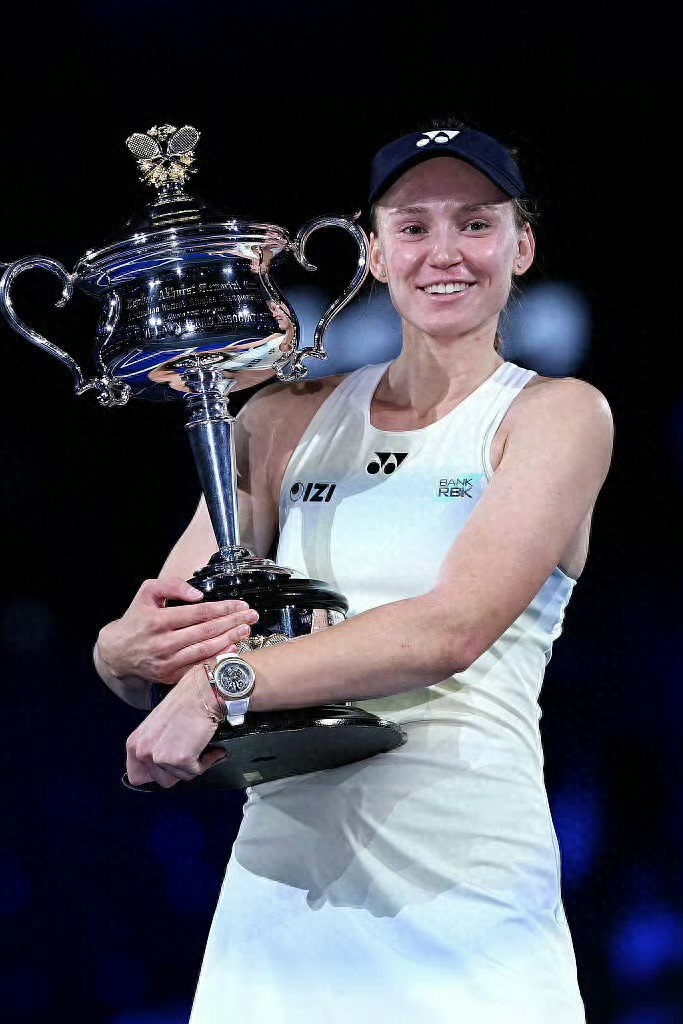
"I think she has gained more confidence and is hitting with greater decisiveness." This was the observation from her final opponent Sabalenka, who accurately captured the key to the match. Three years ago, on the same court, the Belarusian girl defeated Rybakina to win the title; this time, the roles reversed, tipping the balance in favor of the Kazakh player.
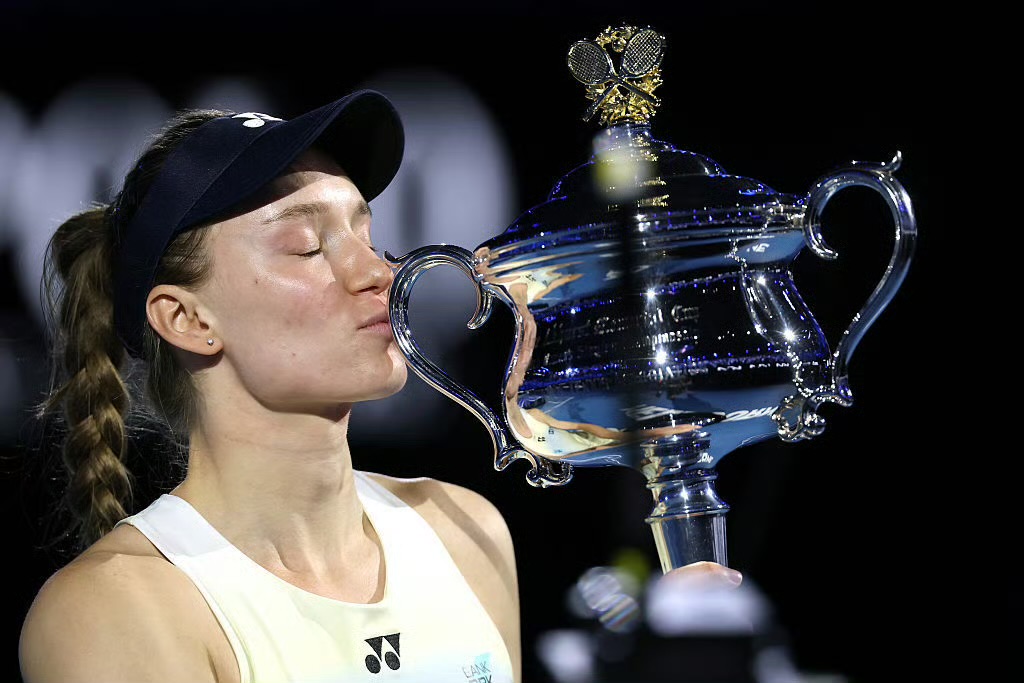
Rybakina’s self-reflection during the post-match press conference revealed the mindset shift behind her victory: "I knew today, to beat Aryna Sabalenka in the Australian Open final, I had to play more aggressively." Unlike many players, she did not wait for her opponent to make mistakes but took the initiative: "You can’t wait for the other side to slip up, nor drag the rallies into long exchanges."This proactive and risk-taking spirit is precisely what top players rely on to win Grand Slam finals.
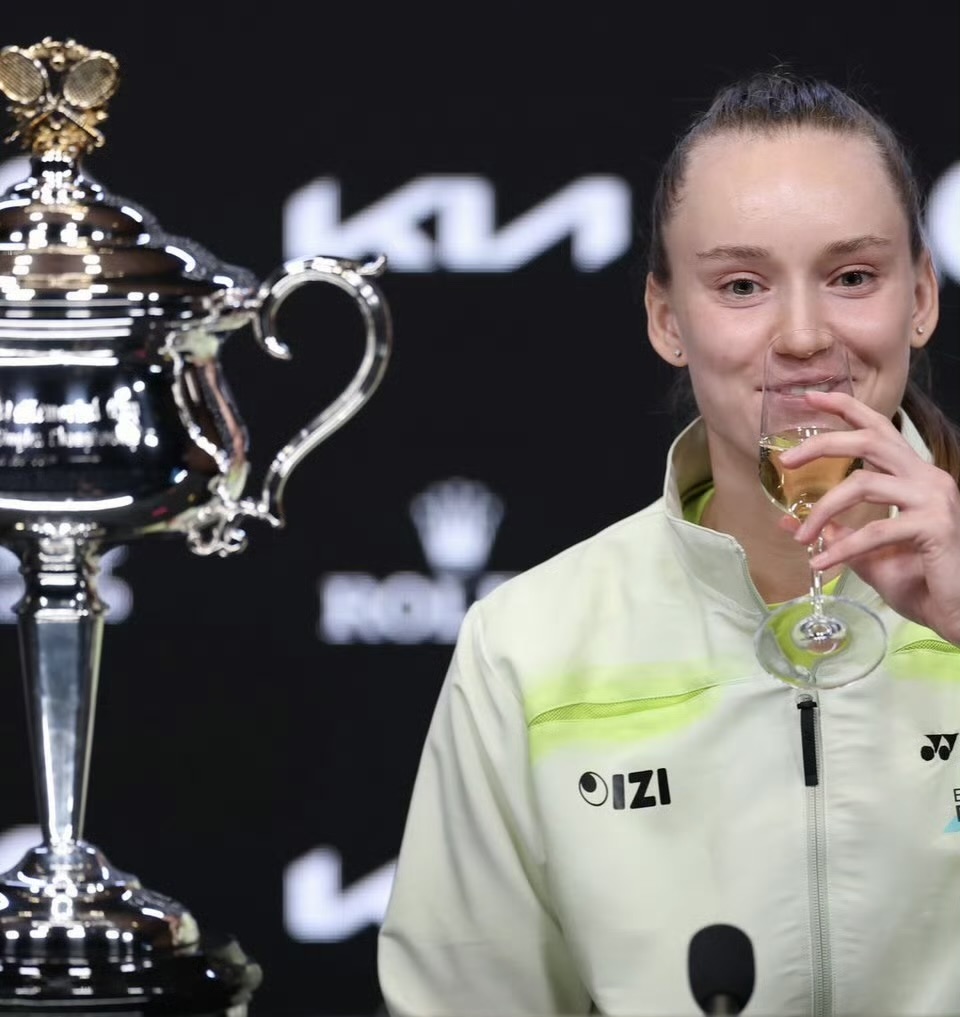
The glory of victory often hides the hardships along the way. When asked if she ever doubted winning a second Grand Slam title, she admitted: "Everyone experiences ups and downs. I once thought, ‘Maybe I’ll never reach a final again, or never win a trophy again.’"
Such doubts are familiar to any athlete, especially when facing setbacks in competition, as Rybakina humorously mentioned at the press conference: "I just played in Brisbane and lost."
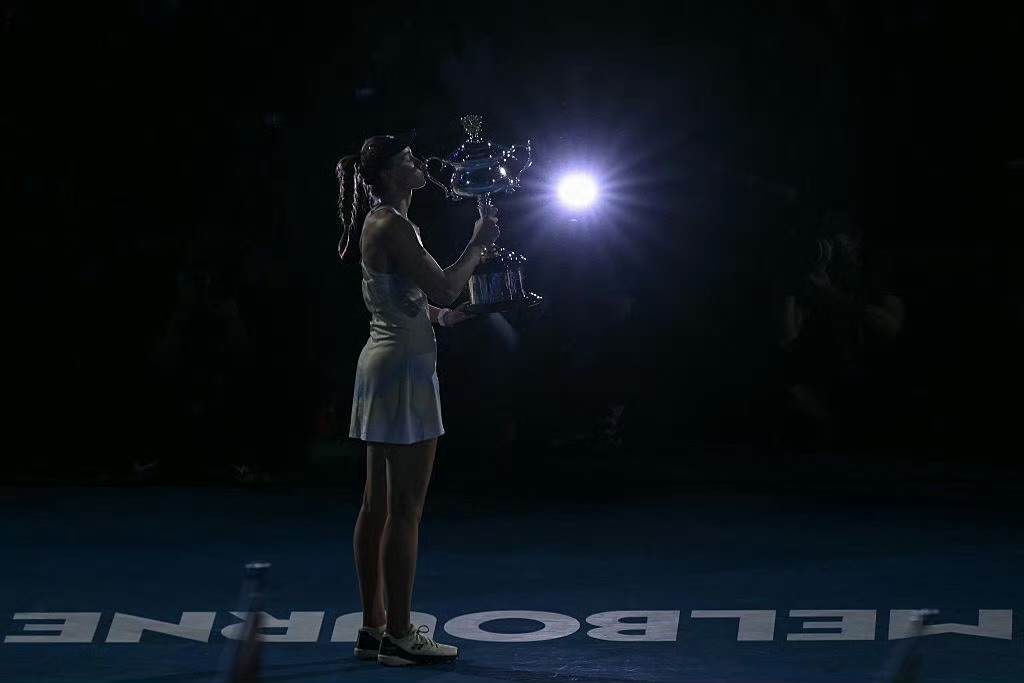
However, it was this calm acceptance of failure that became the foundation of her ultimate success. Rybakina emphasized the support of her team: "We worked very hard together with my team. They gave me tremendous support… when I felt down… they helped me emotionally."
Rybakina’s path to the title confirms an eternal truth in sports: confidence grows from accumulation, and victories breed confidence. "When you defeat top players and achieve significant wins, you start believing in yourself and gain more confidence."
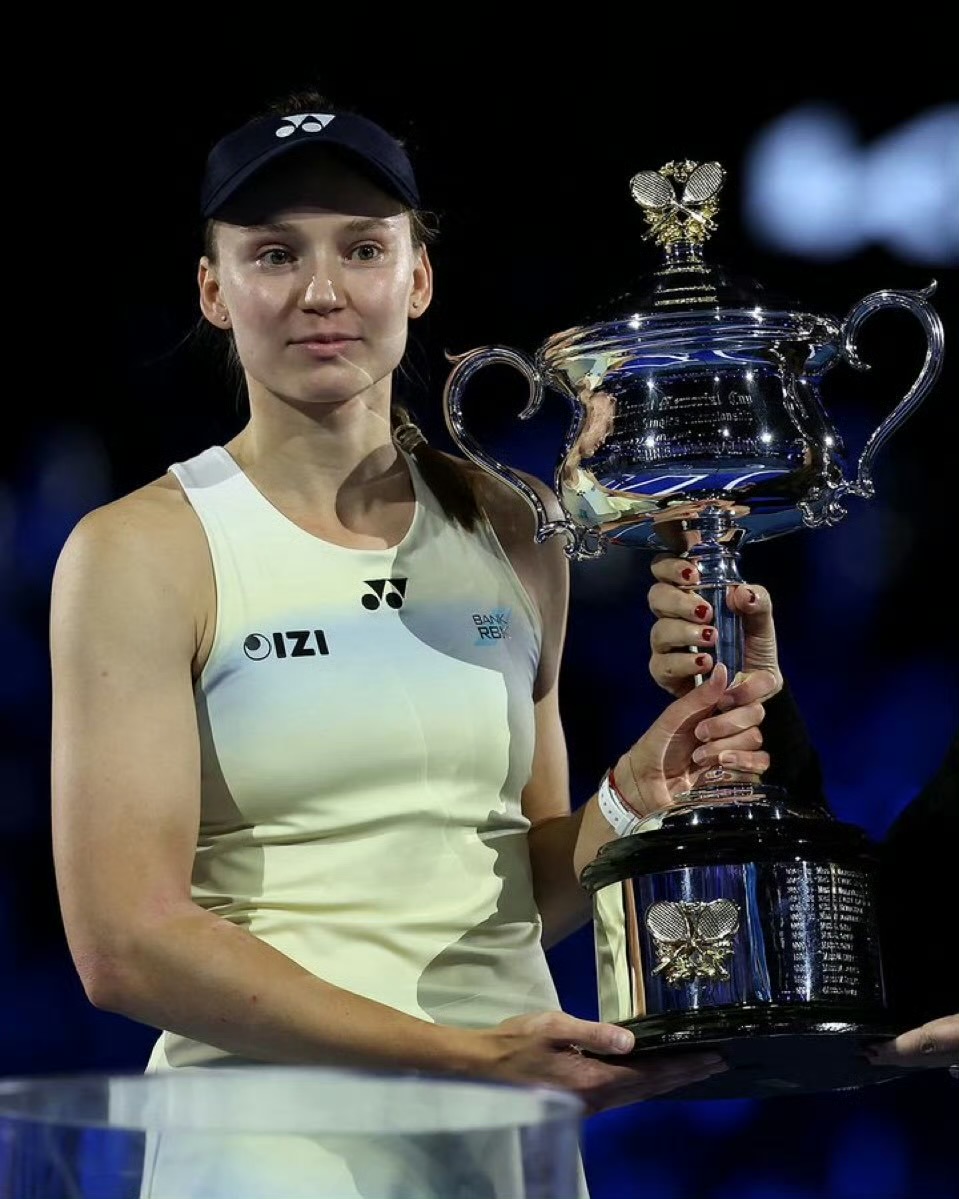
This snowball effect is vividly evident in her journey. From winning in Ningbo last year, to defeating Sabalenka at the year-end finals, and now at the Australian Open, she has steadily improved: "My form has improved over the past few weeks, which is really good." Her precise awareness of her condition is also a hallmark of elite athletes.
When asked if she believes she is already the best player in the world and if she will soon reach No.1, Rybakina’s answer was both pragmatic and ambitious: "Yes, I have many goals. Of course, time will tell. But we will definitely keep working hard."
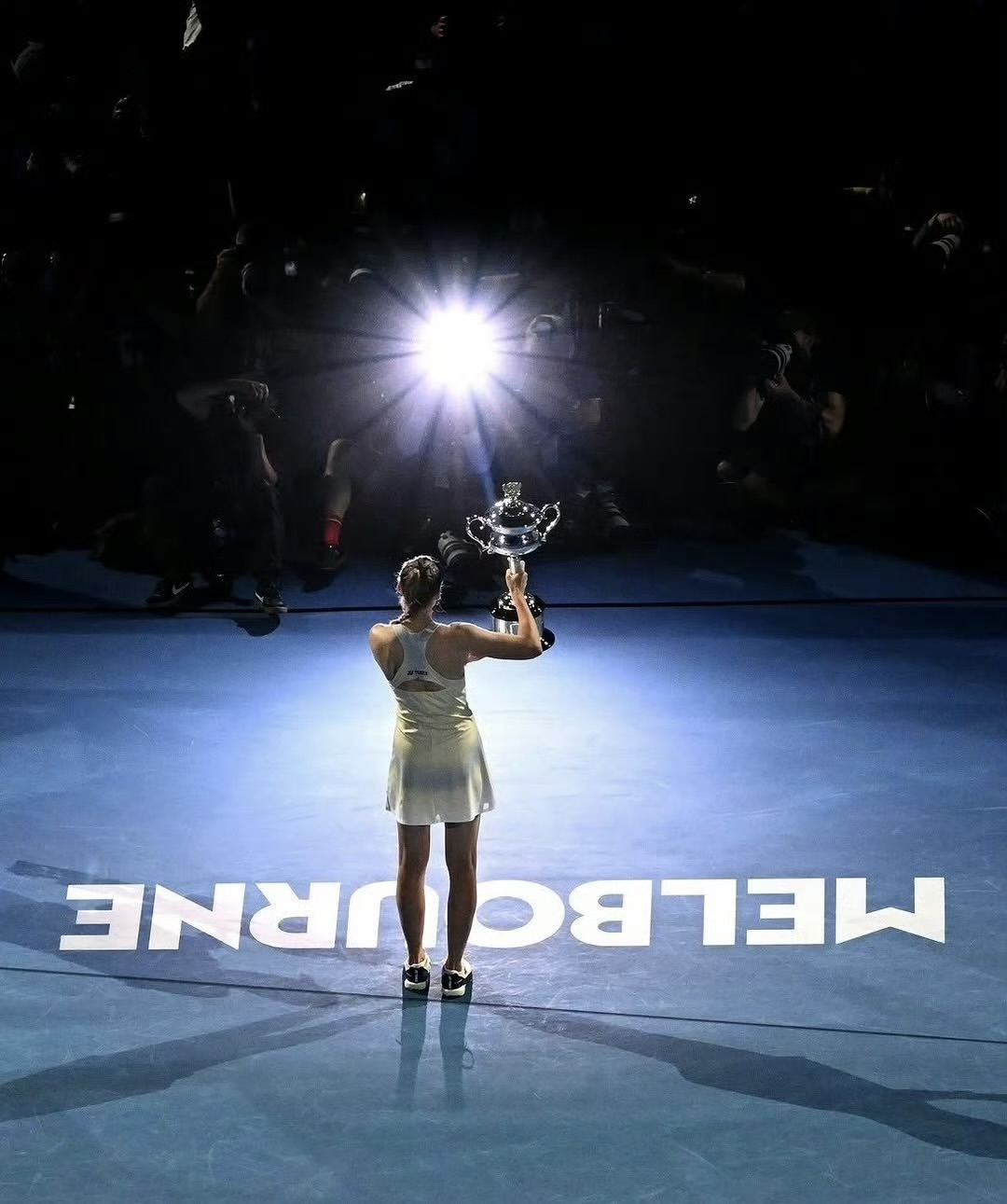
Rybakina’s Australian Open victory journey offers a profound example of sportsmanship and personal growth. In the fiercely competitive professional tennis world, talent is only the ticket; continuous improvement, mental maturity, and relentless pursuit of goals are the true steps to the top.
Her experience also reminds us that true confidence does not come from an illusion of invincibility but from the courage to keep moving forward after defeats, from daily training, from the support and trust of the team, and from a clear understanding of one’s abilities coupled with constant challenges.
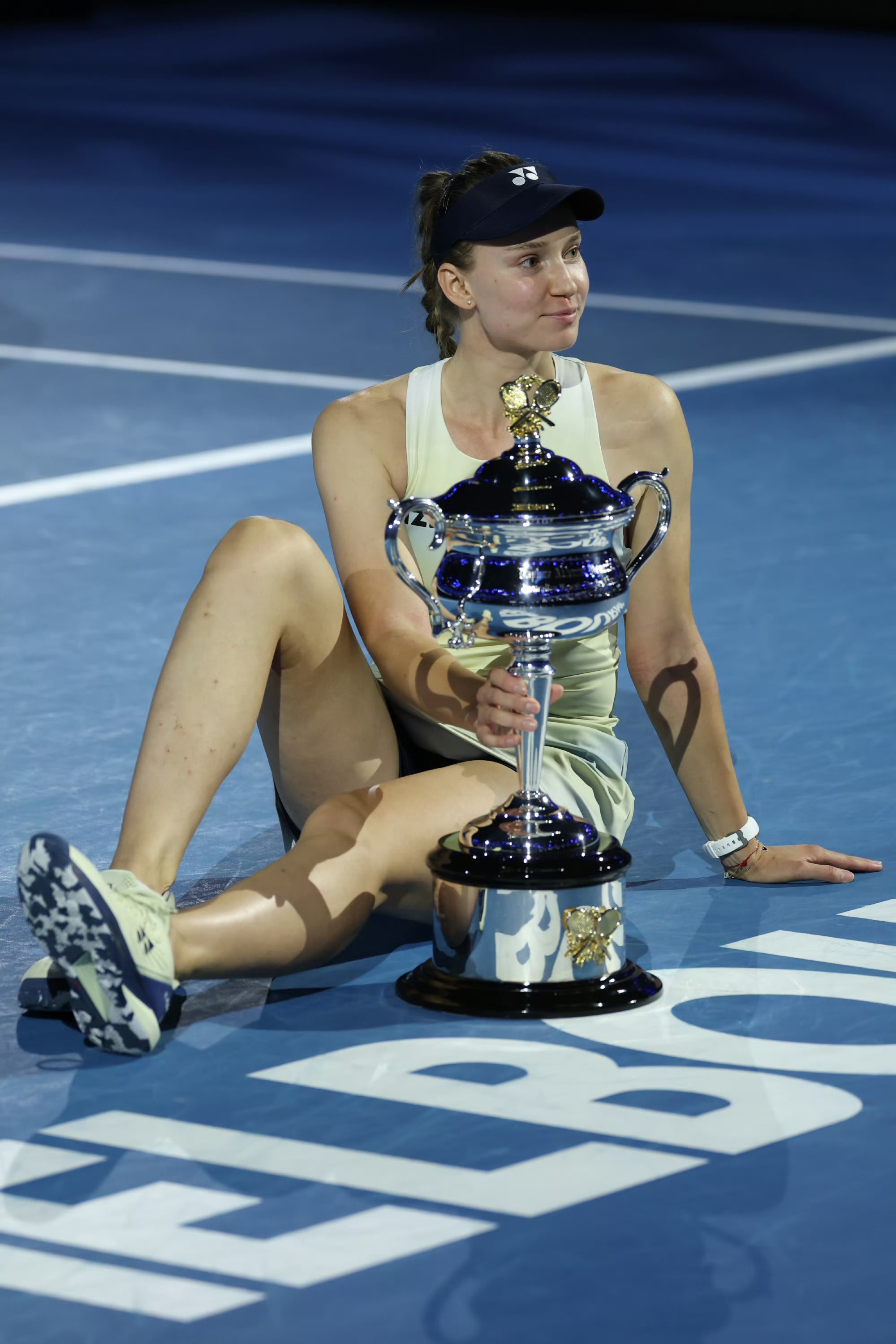
"Having goals gives you motivation; regardless of whether you achieve them, the effort is never in vain." This is the most fitting summary of Rybakina’s path to the title. From Wimbledon champion to Australian Open queen, from top ten to striving for No.1, her journey continues, and this relentless spirit shines far brighter than any trophy.
On a summer night in Melbourne, Rybakina not only won the championship but also completed a personal transformation — a true portrayal of faith, courage, and growth.(Source: Tennis Home Author: Mei)

 Links
Links
 Contact
Address:UNIT 1804 SOUTH BANK TOWER, 55 UPPER GROUND,LONDON ENGLAND SE1 9E
Number:+85259695367
E-mali:[email protected]
 App
App


