



Alcaraz's comeback victory over Djokovic in the Australian Open final cements him as the youngest-ever Grand Slam legend



The iconic blue hardcourt of Rod Laver Arena gleamed under the Melbourne summer night lights. On the evening of February 1, 2026, tennis history was rewritten — as Alcaraz’s forehand zipped across the net like an arrow, Djokovic’s final defensive stretch was in vain, and the 22-year-old Spanish prodigy collapsed to the ground, covering his face with his hands. A 2-6, 6-2, 6-3, 7-5 comeback victory not only earned him his first Australian Open title but also broke an 87-year-old record at 22 years and 272 days, making him the youngest male player in history to complete a career Grand Slam.
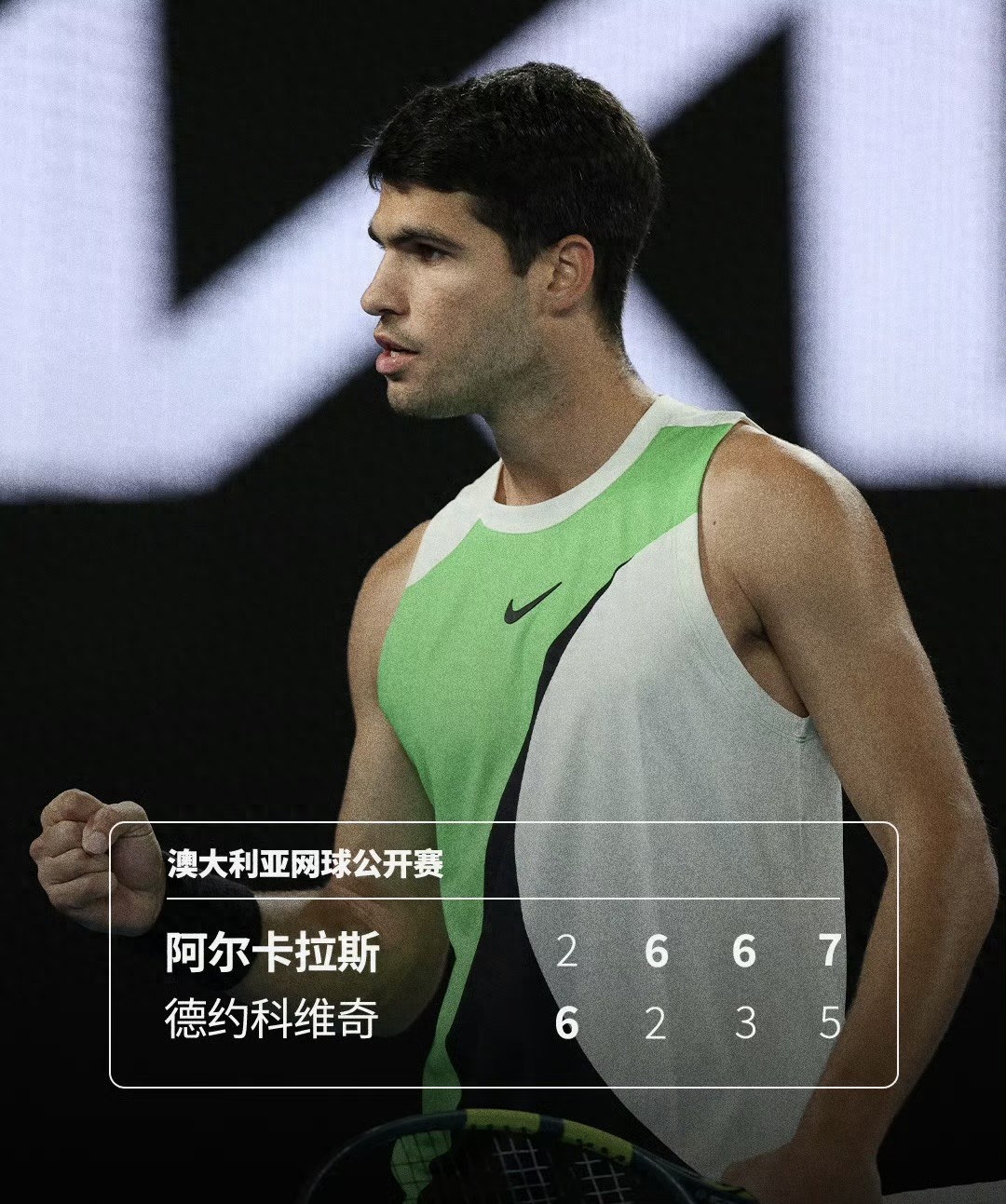
The first set seemed to be another routine display of Djokovic's dominance. The nearly 39-year-old Serbian legend quickly established a 6-2 lead with his trademark precision and efficiency, appearing poised to extend his perfect 10-0 record in Australian Open finals. Yet, the wheels of history had already begun to turn quietly.
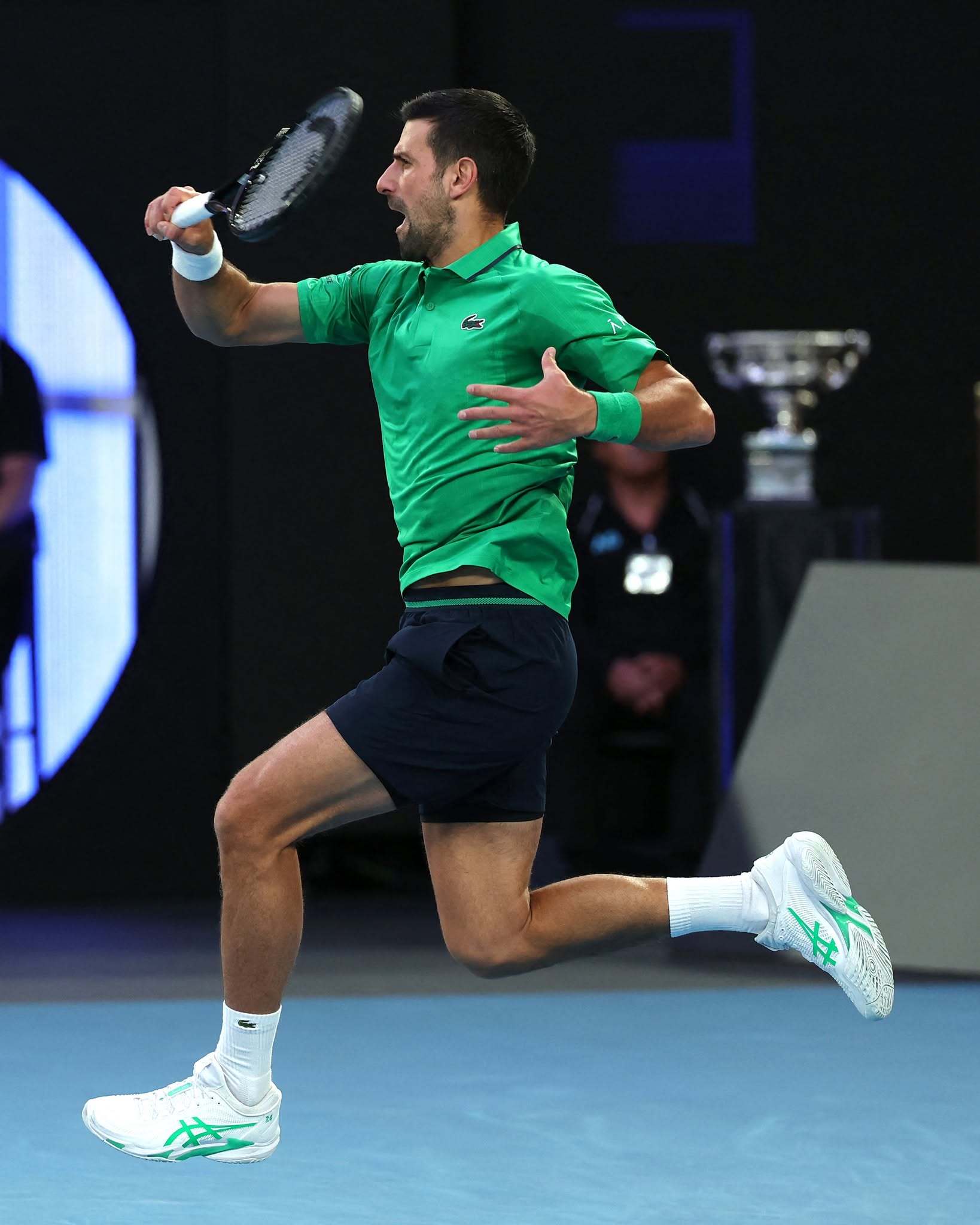
At the start of the second set, a tactical revolution unfolded. The Spaniard improved his serve quality — achieving an impressive 78% first-serve points won, a rare stat against Djokovic. More importantly, he boldly maintained relentless pressure from the baseline, dragging the match into a fast-paced duel that suited his strengths. Djokovic’s ironclad defense began to show cracks under this youthful storm.
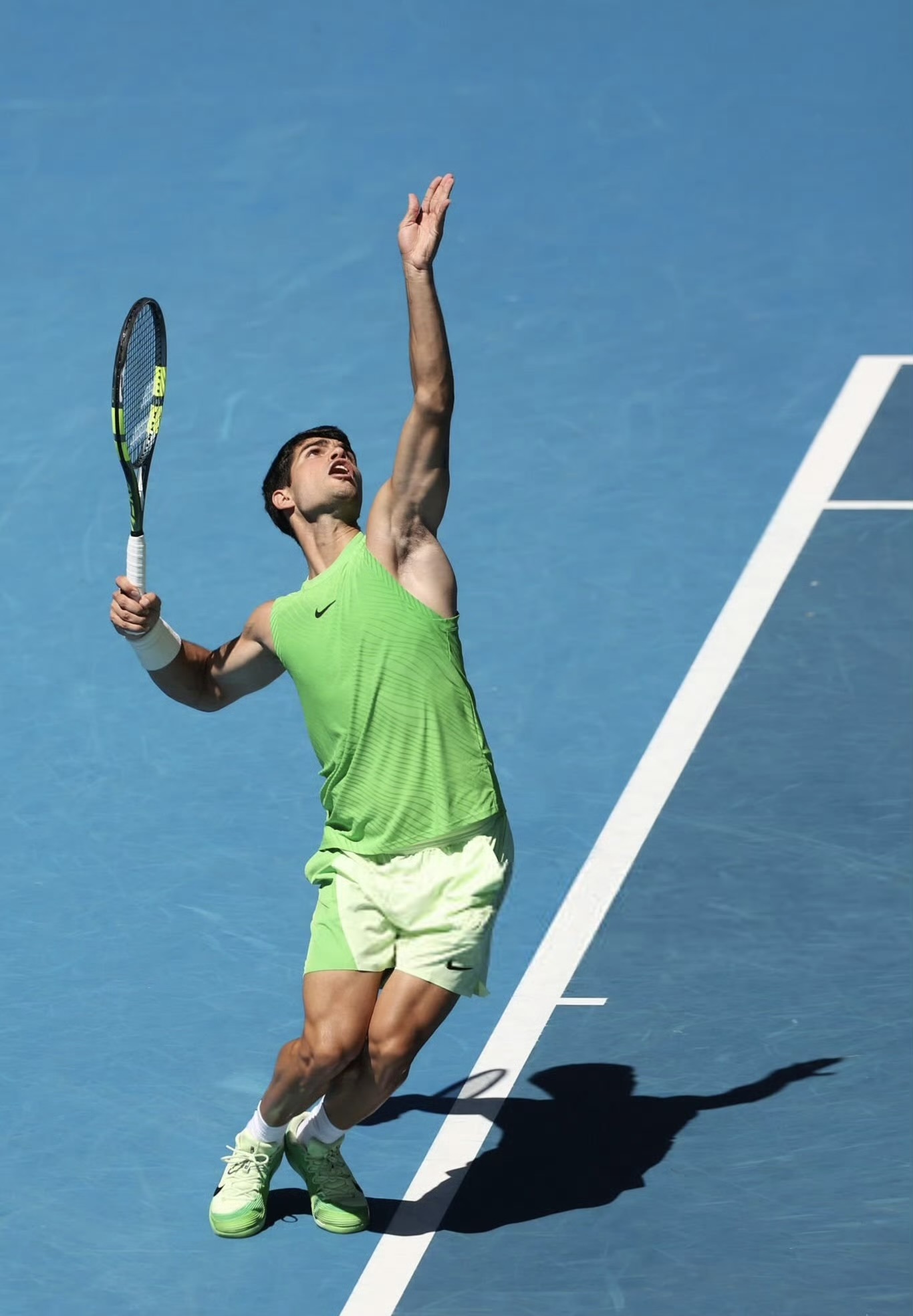
In the last three sets, Alcaraz allowed Djokovic only 10 games. Such dominance was especially remarkable against a 24-time Grand Slam champion. In the fourth set, Djokovic held a crucial break point — his last chance to save the match and push it to a tiebreak. However, Alcaraz extinguished that threat with a signature forehand winner down the line, ending Djokovic’s undefeated streak in Australian Open finals.

At that moment, Alcaraz not only claimed his seventh Grand Slam title but also achieved the career Grand Slam feat. At 22 years and 272 days old, he shattered the 87-year-old record held by American legend Don Budge (22 years and 363 days), becoming the youngest player in tennis history to complete a career Grand Slam.
This victory also leveled his head-to-head record against Djokovic at 5-5. Among the new generation, he is one of the few who can hold his own against the Big Three. Behind this record lies tactical intelligence and mental resilience beyond his years.
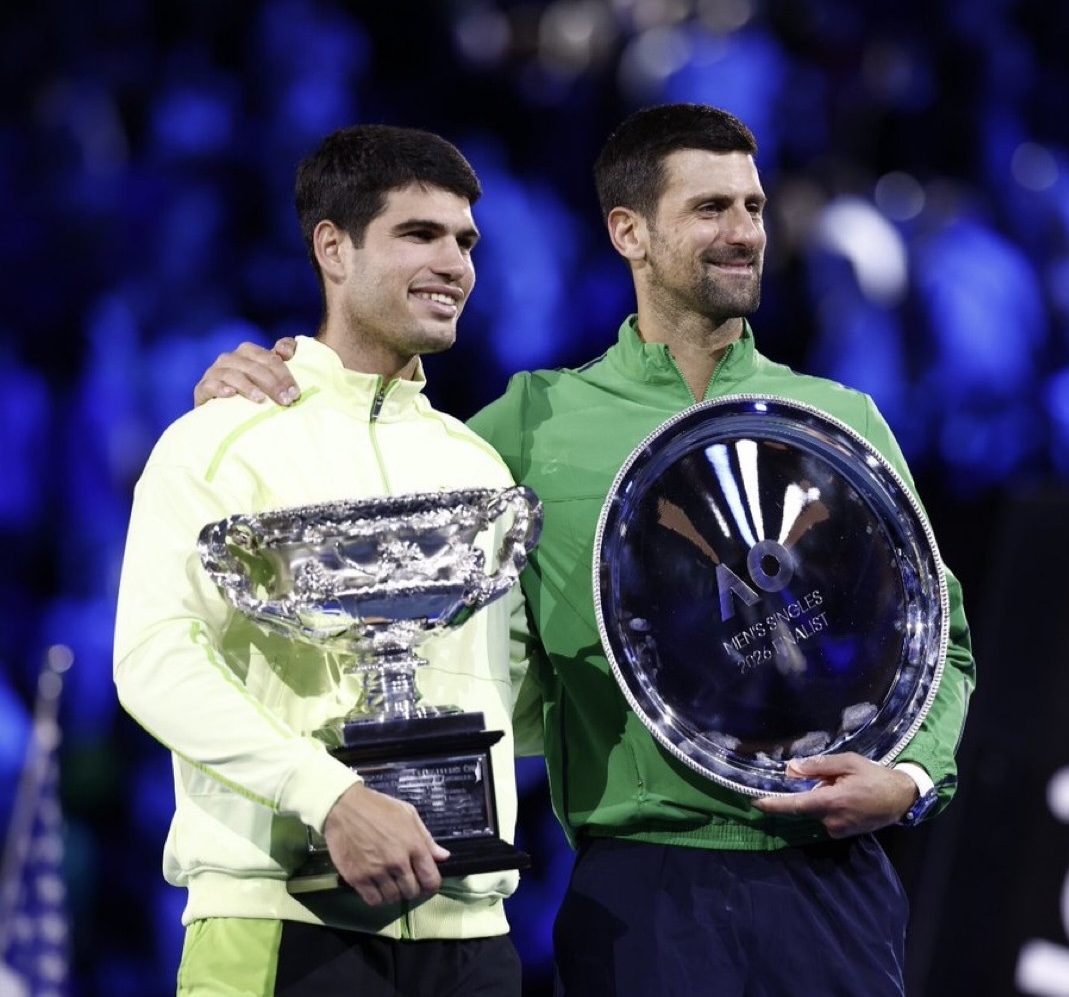
As the spotlight shone on the new king’s coronation, Rod Laver Arena also applauded the defeated. Djokovic — a great player who needs no further proof — still reached a Grand Slam final at the age of 38.
His list of achievements deserves full recognition: 24 Grand Slam titles, the most in history; 40 Masters 1000 titles (completing the Career Golden Masters), also a record; Olympic gold medal and Davis Cup champion; 428 weeks ranked world No.1, the longest ever; eight year-end No.1 finishes, a record; five Laureus World Sportsman of the Year awards; 101 tour-level singles titles; 38 Grand Slam final appearances; over 400 Grand Slam match wins…
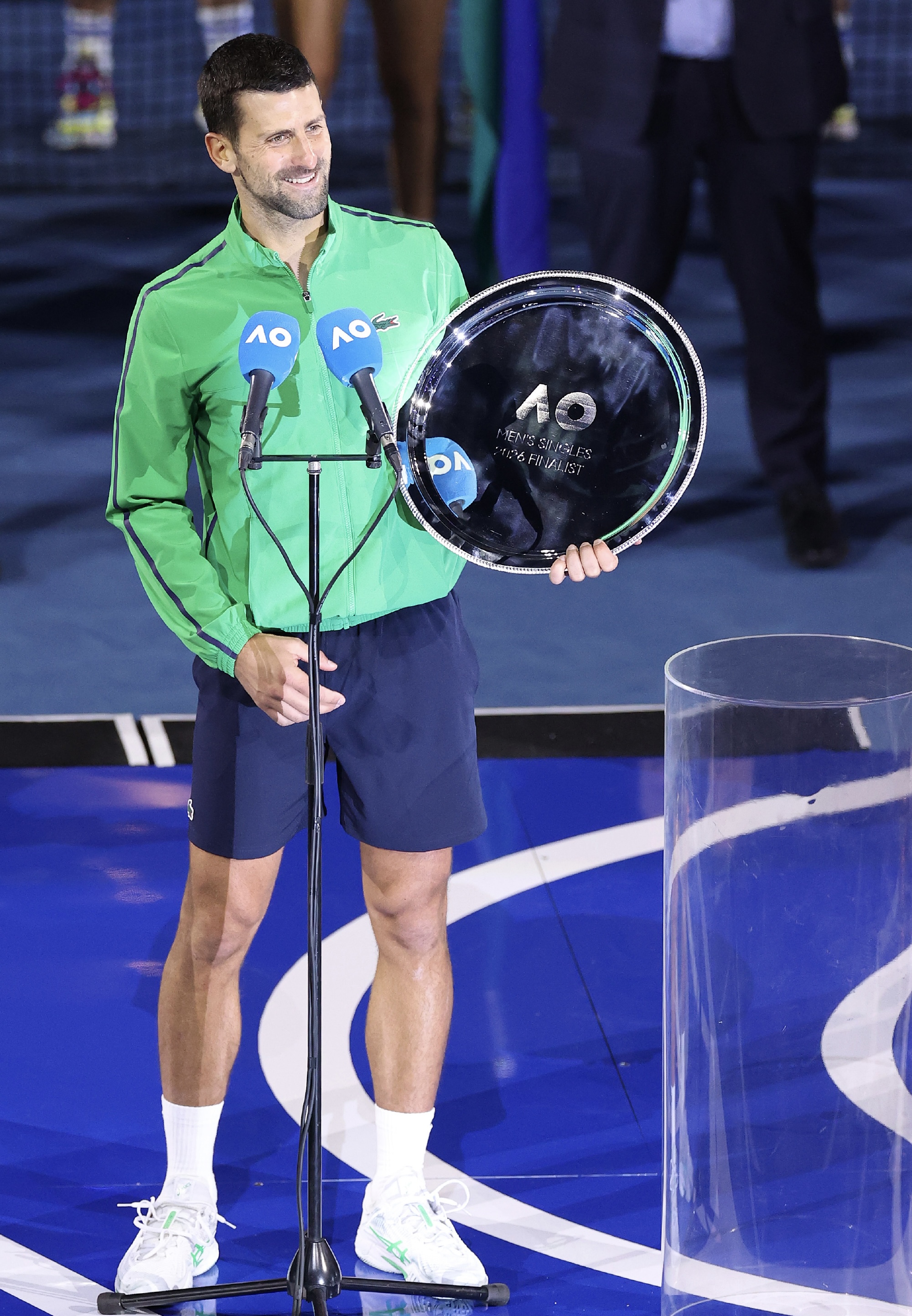
“Every time Novak swings his racket, he rewrites tennis history,” said renowned commentator McEnroe. “At his age and with his accomplishments, maintaining such competitiveness is nothing short of a miracle.”
Although Djokovic’s unbeaten streak in Australian Open finals was broken, his technical mastery and fighting spirit displayed in this match remain deeply admirable. The break point battle near the end of the fourth set epitomized his indomitable will — even knowing time may no longer fully favor him, he fought until the very last moment.

This final’s deeper significance goes beyond the scoreline. It marks a gradual passing of the torch — the younger generation has finally, unequivocally defeated the last guardian of the Big Three on the Grand Slam stage. It also highlights the beauty of tennis legacy: the veteran’s persistence and wisdom combined with the new generation’s energy and innovation, together writing the sport’s most moving chapters.
Alcaraz’s all-around game is astonishing: he possesses Nadal’s speed and fighting spirit, Federer’s elegance and creativity, Djokovic’s tactical flexibility and clutch play. Yet he is not a mere imitator; he integrates all these qualities into a unique, aggressive, and entertaining tennis style.
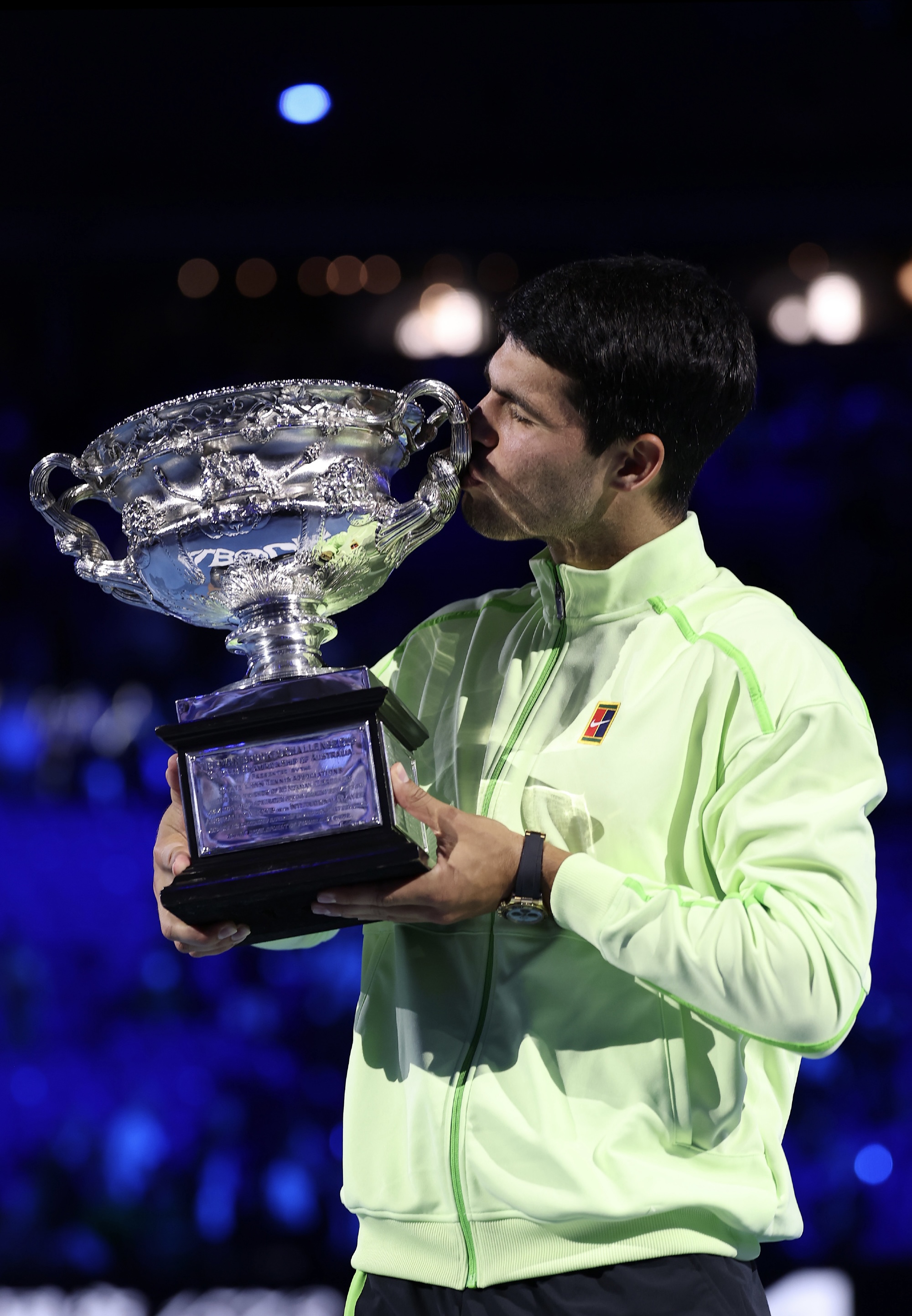
When the 22-year-old Alcaraz lifted the Norman Brookes Challenge Cup, he officially declared himself not just the king of the future, but the king of the present.
However, Djokovic’s presence reminds everyone that true legends never retire. Even the brightest dawn cannot fully overshadow the grandeur of dusk. In this battle, what was witnessed was not just a change of champions but the eternal spirit of tennis — relentless pursuit of excellence, constant pushing of limits, and graceful acceptance of victory or defeat.
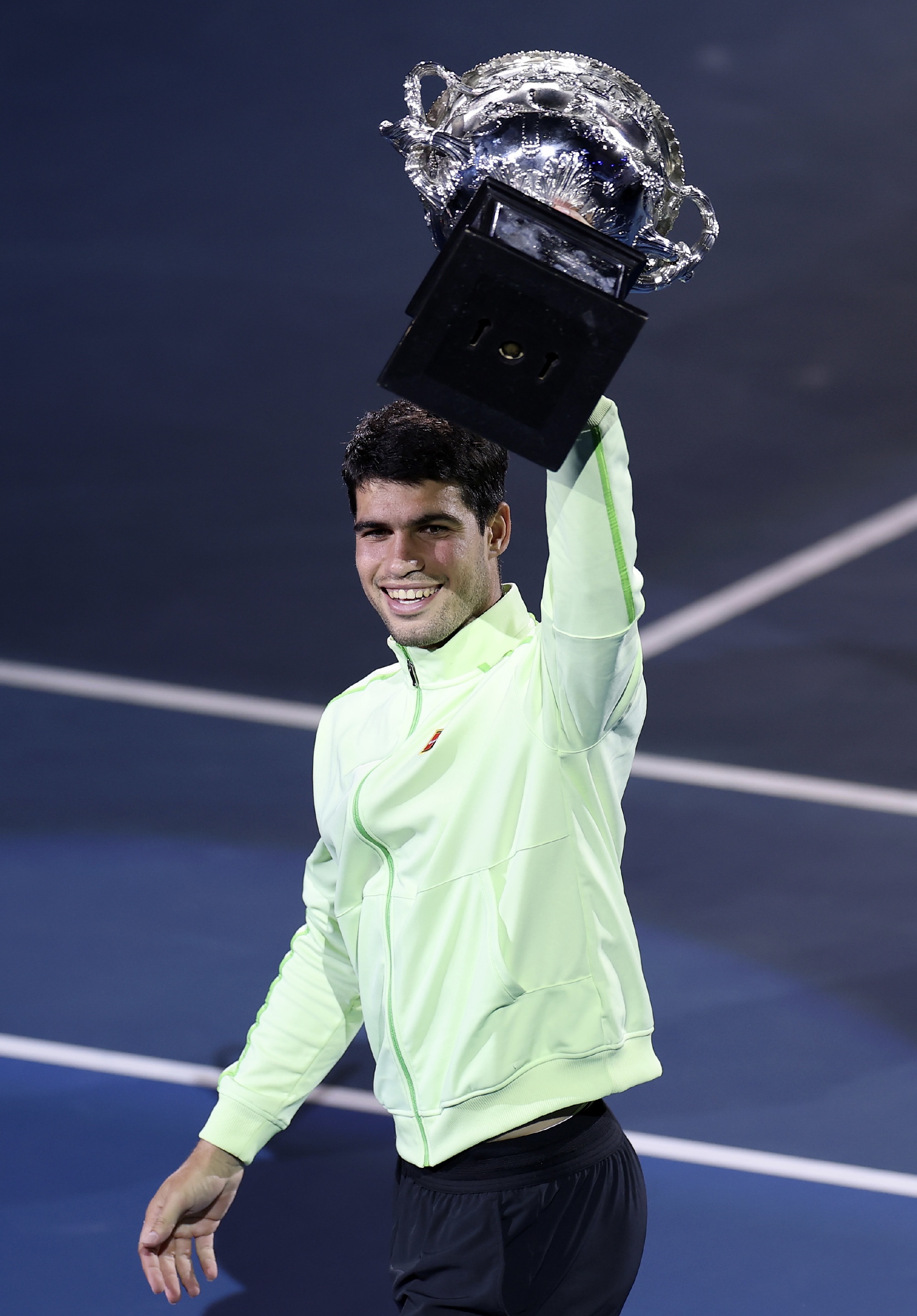
Alcaraz’s career Grand Slam record may one day be surpassed, and Djokovic’s achievements will become historical numbers, but the night of the 2026 Australian Open will be forever remembered: a moment when youth gloriously honored and surpassed legend, and tennis, this never-ending epic, opened a thrilling new chapter.(Source: Tennis Home Author: Mei)

 Links
Links
 Contact
Address:UNIT 1804 SOUTH BANK TOWER, 55 UPPER GROUND,LONDON ENGLAND SE1 9E
Number:+85259695367
E-mali:[email protected]
 App
App


