



Two major hot topics: Has Djokovic forever lost the chance for his 25th Grand Slam? What is Alcaraz still missing on his journey from a single Grand Slam to a career Grand Slam?


After the men’s singles final at the Australian Open, hailed by many as the most thrilling battle for glory this year, this drama—carrying the joy and disappointment of countless fans and netizens—sparked two highly debated questions: Has Djokovic permanently missed out on his 25th Grand Slam title, and what does Alcaraz still need to complete his journey from winning one Grand Slam to achieving a career Grand Slam?
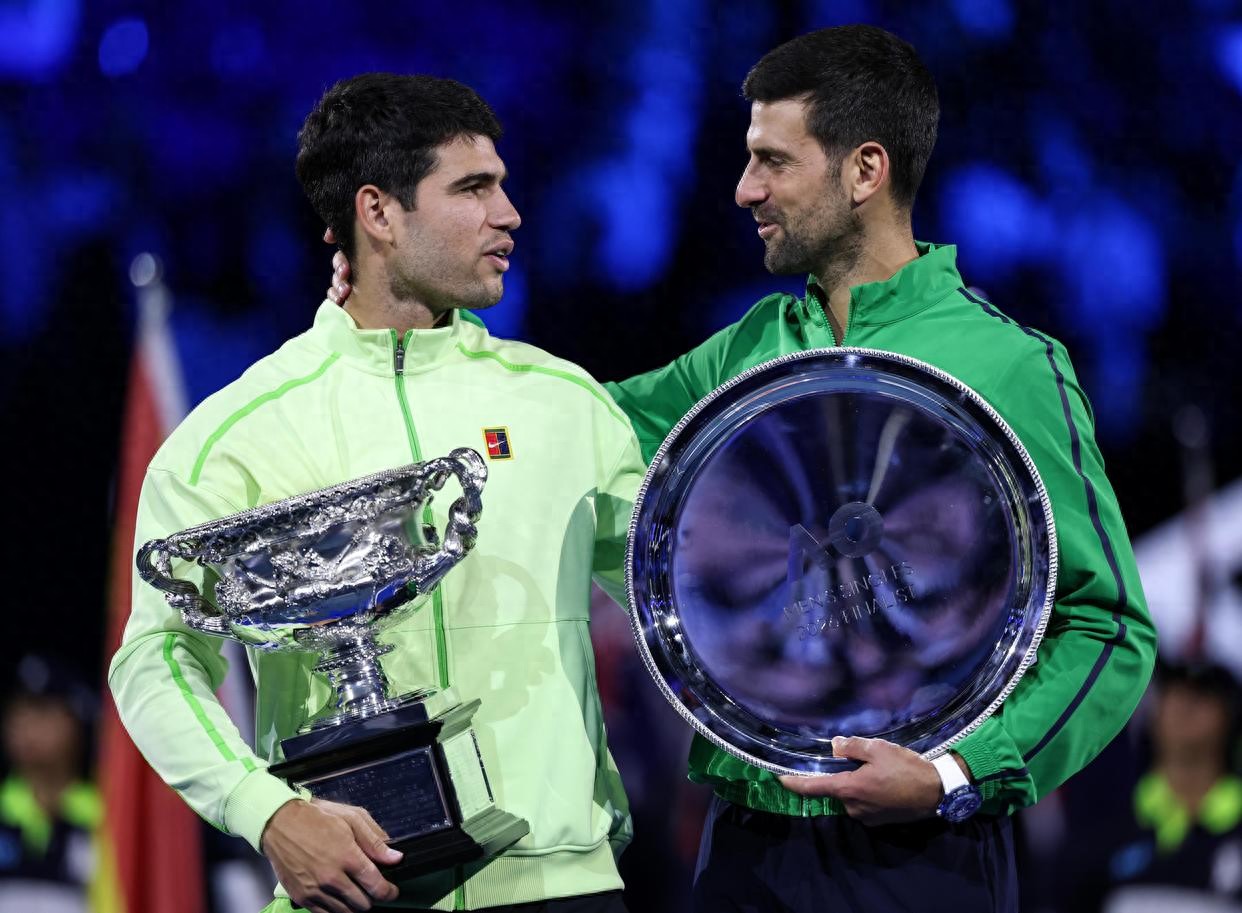
When Djokovic and Alcaraz met in the final, almost everyone considered it the most anticipated Grand Slam showdown of the year, far more exciting than the frequent “Sinner-Korda battles” seen before. Imagine, one is a tennis legend, the other a rising heir—this storyline was definitely more captivating than a duel between two post-2000 players proving who is better.
Otherwise, ticket prices wouldn’t have soared so high. The cheapest tickets surged to 1299 Australian dollars, and premium seats were pushed to nearly 140,000 RMB each. This shows just how much attention the Djokovic-Alcaraz battle for glory attracted.
Unfortunately, the momentum Djokovic ignited lasted only 33 minutes before quickly fading, after which Alcaraz gradually took control of the match, completing a comeback against the Serbian star. This ended Djokovic’s unbeaten streak in Australian Open finals and marked his first loss at Melbourne Park, while Alcaraz achieved a career Grand Slam on top of his three different Grand Slam titles, reaching a new milestone.
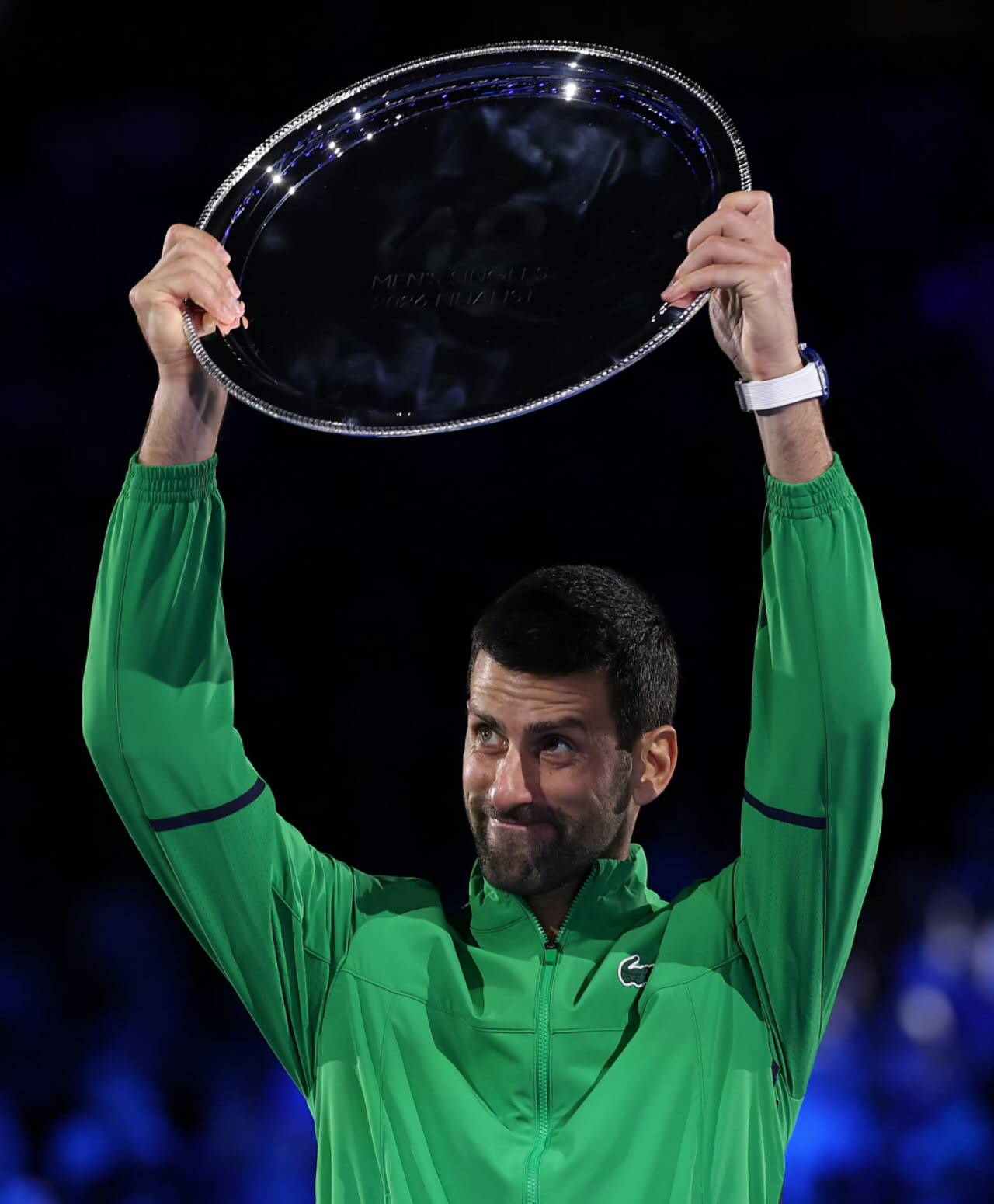
It was precisely because of Djokovic’s strong start but eventual decline that the most painful question arose: Has he lost the chance for his 25th Grand Slam forever, never to claim it again?
To be precise, when Djokovic broke Alcaraz twice in the first set within 33 minutes, leaving the Spaniard almost questioning his own abilities, many fans and viewers in the live stream guessed that Alcaraz’s quest for a career Grand Slam would likely be stopped by Djokovic’s dominance.
Yet no one expected fate to play such a cruel joke on Djokovic’s supporters, instantly shattering their high hopes into pieces beyond repair.
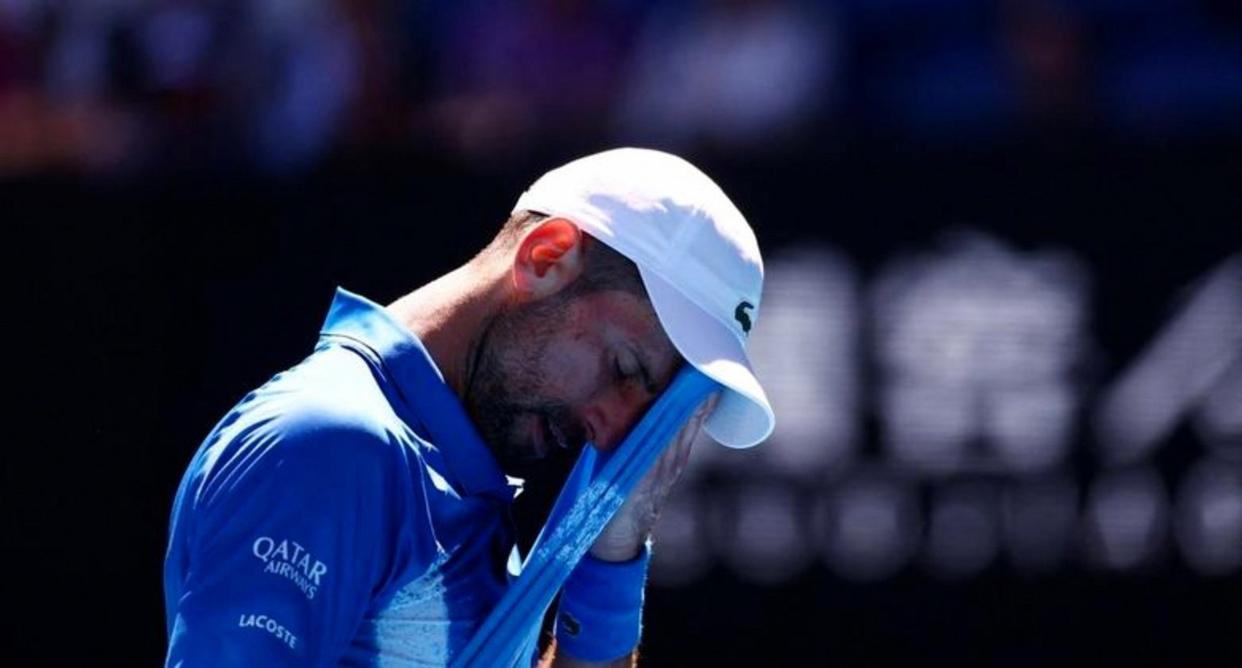
From the second set onward, Djokovic seemed cursed; the Serbian king who fought like a warrior in the first set suddenly disappeared. His powerful serve vanished, and his first serve percentage and points won on first serve dropped sharply from over 80% and 90% respectively. Supporters could only watch helplessly as Alcaraz overturned the match, a heartbreaking defeat that will forever sting in their hearts.
Some say that if Djokovic struggles to maintain good form now, at 38 years old, it will be extremely difficult for him to compete with Sinner or Alcaraz for another Grand Slam title and fulfill his dream of a 25th major. This year, he was almost handed a spot in the semifinals by Menchik and Musetti and then defeated the toughest opponent Sinner to reach the final, yet failed to seize this golden opportunity—making future chances even slimmer.
Of course, others argue that even if Djokovic has lost his chance at the 25th Grand Slam after the Australian Open match against Alcaraz, it does not diminish his greatness. He is already the greatest of all time. That title would be a bonus, not a necessity—having it would be a crown on his legacy, but not having it is not the end of the world, just a slight regret.
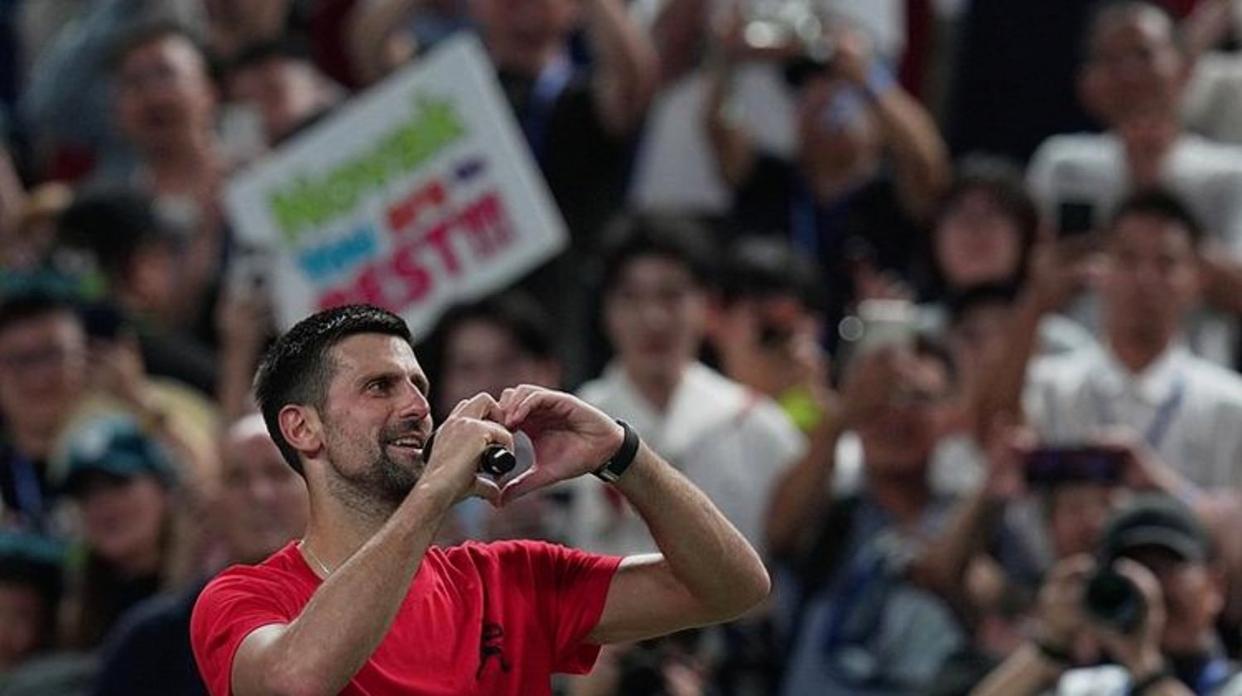
Compared to the heart-wrenching topic sparked by Djokovic’s rise and fall at the Australian Open, Alcaraz has been receiving praise and boasting among his supporters like a top scholar hitting the jackpot.
Remember back in 2022 when Alcaraz failed to win the US Open? At that time, when the Spaniard declared his ambition to become a Grand Slam champion and world number one, many doubted or even mocked him, thinking he was boasting. But after achieving these two goals, he seemed like a celestial envoy or a youthful whirlwind sent from above—within just over three years, he went from winning one Grand Slam to completing a career Grand Slam, becoming the youngest ever to do so. Truly remarkable.
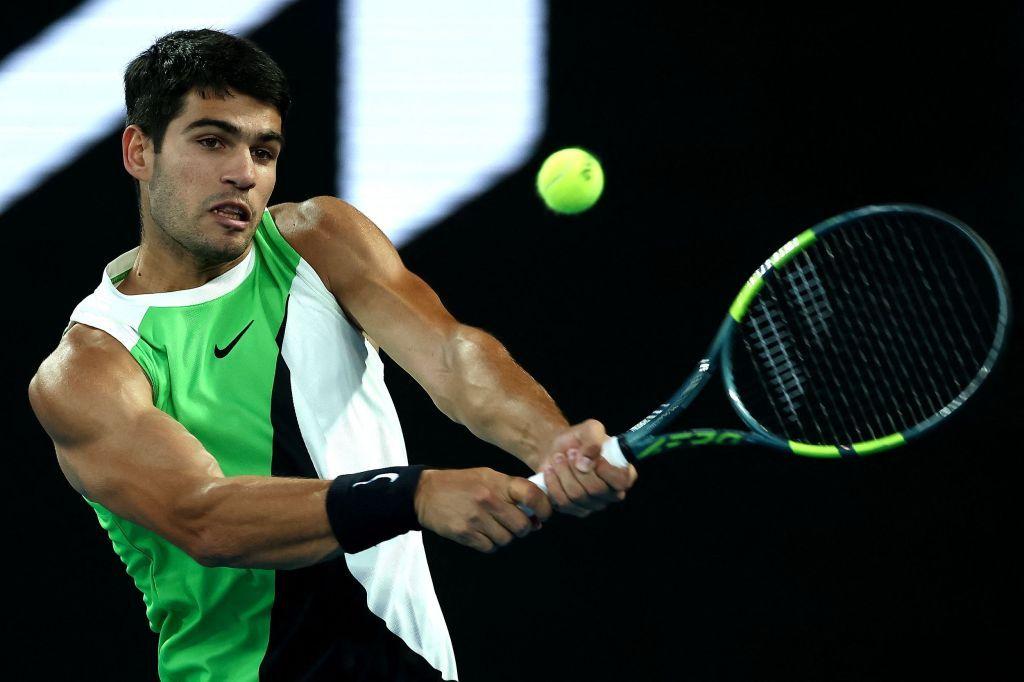
Thus, the discussion about the Spaniard emerged: putting aside the gap between him and the Big Three’s achievements, what is Alcaraz still missing?
Currently, Alcaraz lacks titles in five major tournaments to become the most complete player among those born after 2000.
First is the Olympic men’s singles gold medal, with his best result being silver at last year’s Paris Olympics; second is the ATP Finals title, where his best so far is runner-up last year. Lastly, he has yet to win the major tournaments in Toronto, Paris, and Shanghai, with his best results being quarterfinal appearances.
If he manages to secure these five major titles, Alcaraz’s greatness will be further solidified—he will not only join the exclusive club of Golden Slam winners but also become the ultimate master among post-2000 players.
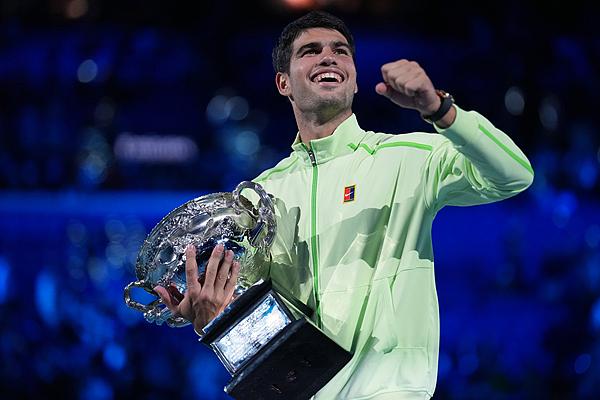
Now that Alcaraz has completed the career Grand Slam, can he claim the Golden Master title this year? Let’s wait and see!(Source: Tennis Home, Author: Moonlit Starry Sky)

 Links
Links
 Contact
Address:UNIT 1804 SOUTH BANK TOWER, 55 UPPER GROUND,LONDON ENGLAND SE1 9E
Number:+85259695367
E-mali:[email protected]
 App
App


