



Tenth victory of the new season! Wang Xinyu advances to the quarterfinals in Cluj, set to face the fierce Ukrainian; she ranks second in a record for women's tennis.



On February 4th Beijing time, at the WTA250 Cluj-Napoca event, Chinese tennis brought more good news. The 4th seed and Chinese talent Wang Xinyu beat Russian opponent Masarova 6-4, 6-2 in straight sets, confidently entering the last eight.
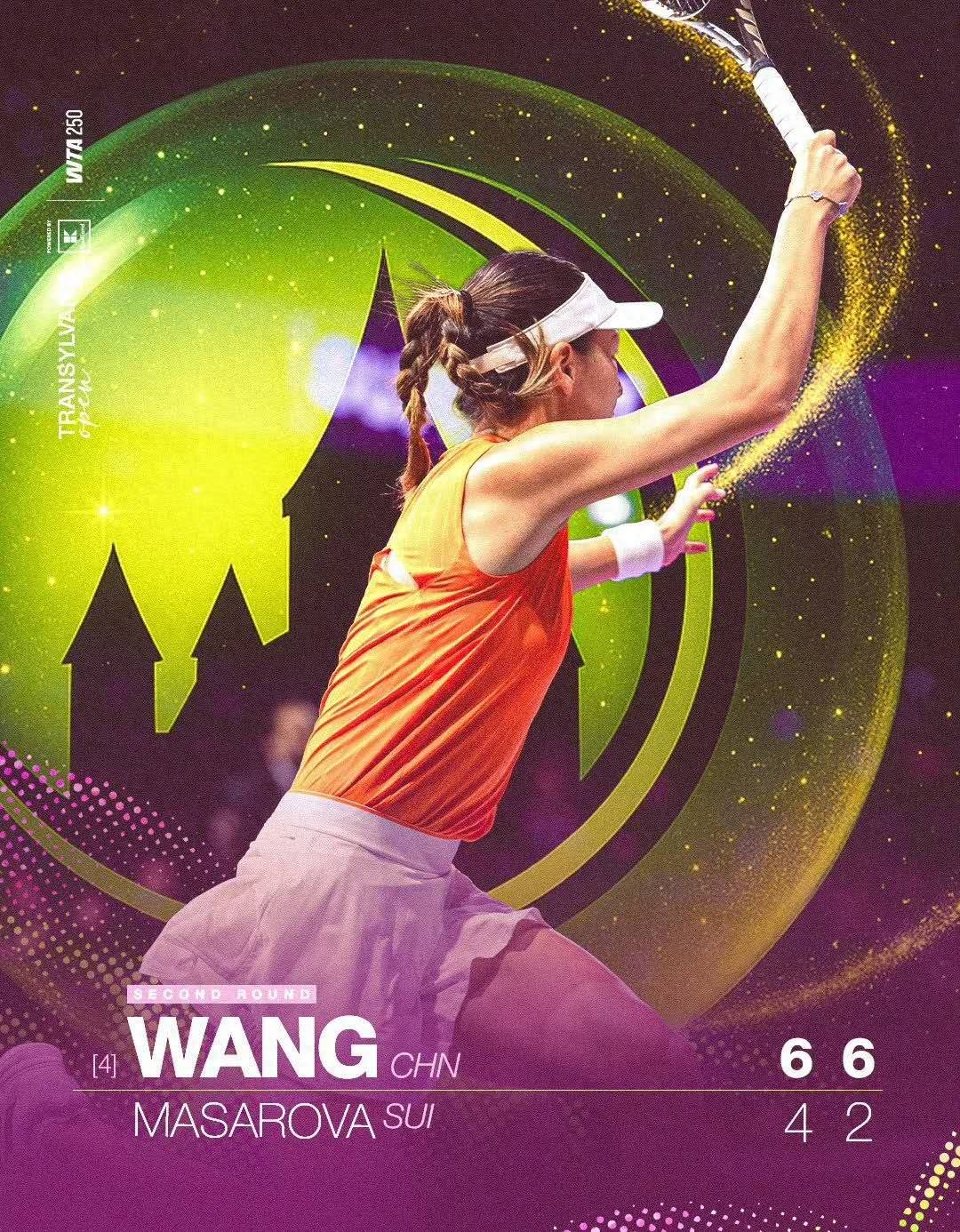
Prior to the match, most experts expected Wang Xinyu to advance. Several tennis analysts noted that Wang's overall skill, especially her baseline consistency and match experience, surpassed her opponent’s. However, they also agreed that Masarova’s serve posed a significant threat and was likely her main weapon against Wang.
One netizen commented on social media: “Xinyu needs to be ready for the return game, particularly against her opponent’s wide serve to the deuce court. If she can get through the early games smoothly and find her rhythm, the scales will tip in her favor.”
Additionally, the pre-match odds from major bookmakers clearly reflected market expectations. Chinese star Wang Xinyu’s winning odds were as low as 1.28, while Masarova’s upset victory was priced much higher at 3.75.
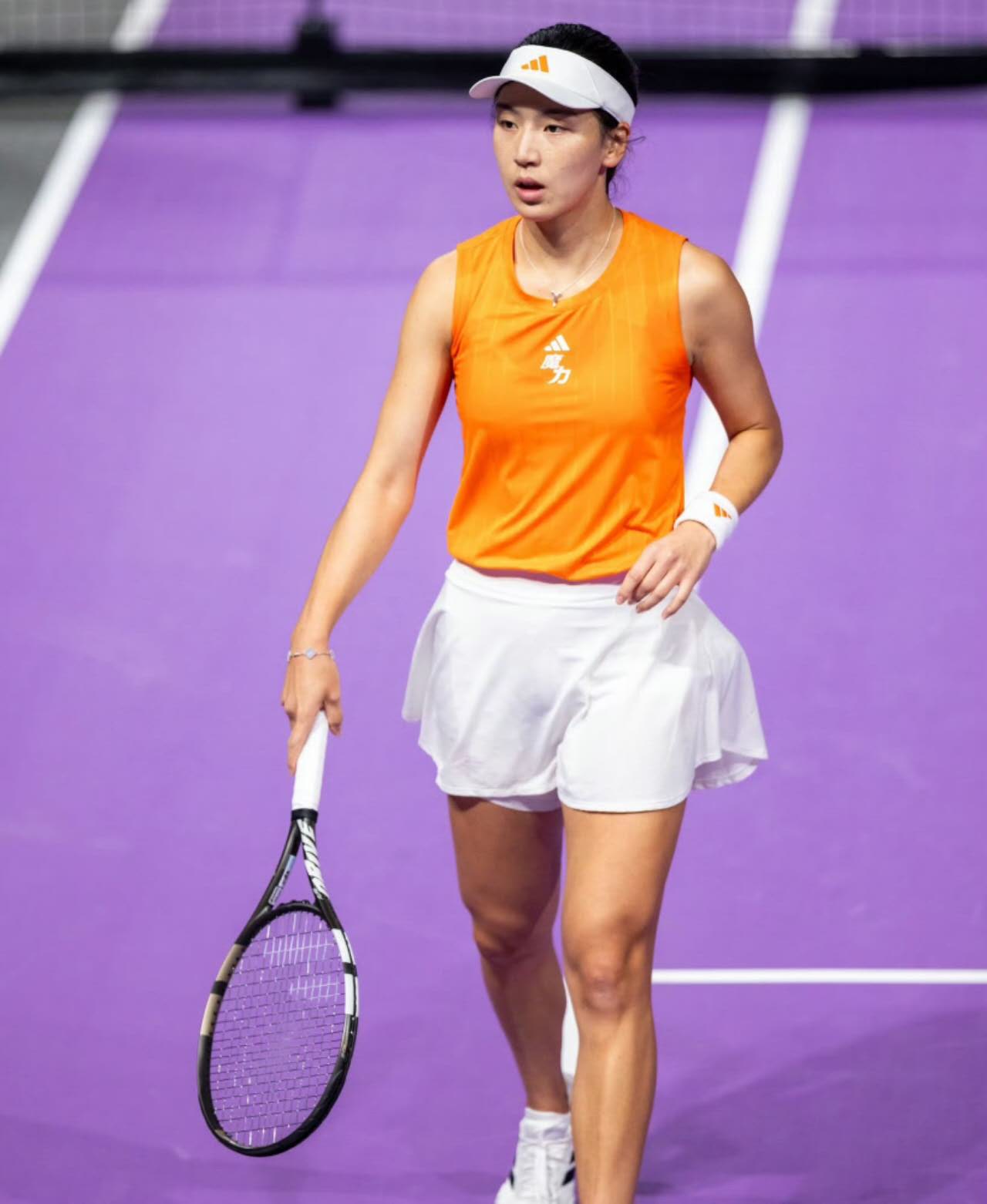
When the match began, Masarova served first. Both players held serve in the opening two games, feeling each other out. In the third game, Wang quickly found her rhythm, increasing aggression on returns during Masarova’s service game. Through a series of high-quality returns, she forced errors and won four straight points to break serve with a “love game,” taking a 2-1 lead. Both then held serve, bringing the score to 4-2. In the crucial seventh game, Wang again pressured Masarova’s serve, sealing a second break with a brilliant backhand crosscourt winner, extending her lead to 5-2.
However, facing elimination, Masarova launched a fierce comeback in the eighth game, capitalizing on a slight lapse from Wang to break back and narrow the gap to 3-5. Yet Wang did not let the momentum slip further; in her tenth game serving for the set, she raised her level, using powerful serves and decisive net play to close out the set 6-4 firmly.
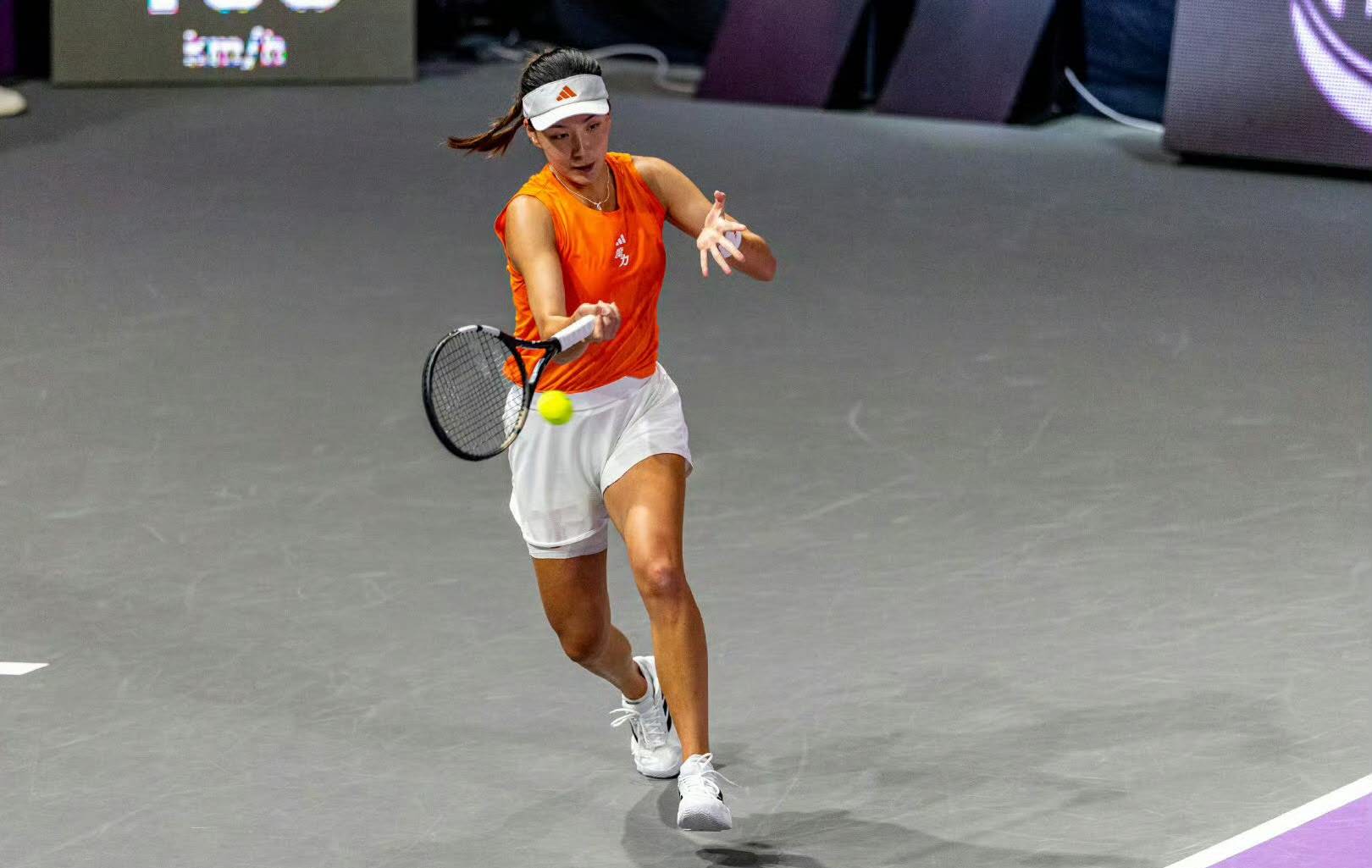
In the second set, Wang rode the momentum. In the first game, she maintained her high focus from the end of the first set, quickly winning four points in a row on Masarova’s serve to secure an early “lightning break.” This early break gave Wang a psychological edge, allowing her to play more comfortably as she held her serve and continued to apply pressure in baseline rallies. The score reached 4-2. The seventh game proved pivotal; in a must-hold service game for Masarova, Wang’s tenacious defense and precise changes of direction created another break opportunity, which she converted. Leading 5-2, Wang served for the match and did not give her opponent any chance to fight back, winning four straight points to seal a 6-2 set and a 2-0 match victory, advancing confidently to the quarterfinals.
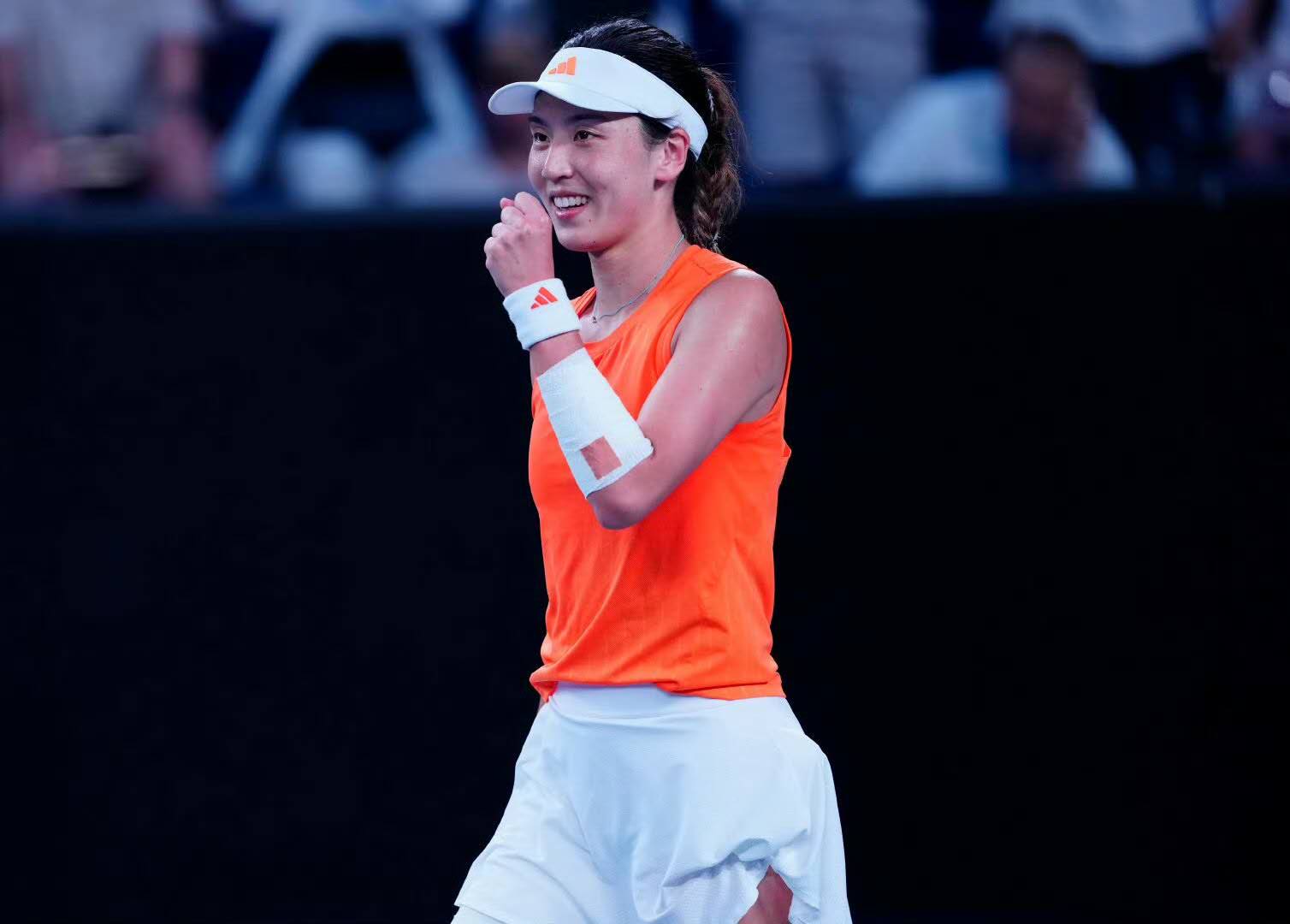
After the match, Wang Xinyu gave a brief on-site interview. Reflecting on the match, she first praised her opponent’s performance: “Today’s match against Masarova was tough because her serve was really strong and put a lot of pressure on me. I’m pleased with how I served today, which helped me control the rhythm of the match.”
Notably, Wang hit 4 aces in this match, bringing her total aces for the new season to 60. This places her second in the entire WTA ace leaderboard, just behind Rybakina who has 75 aces!
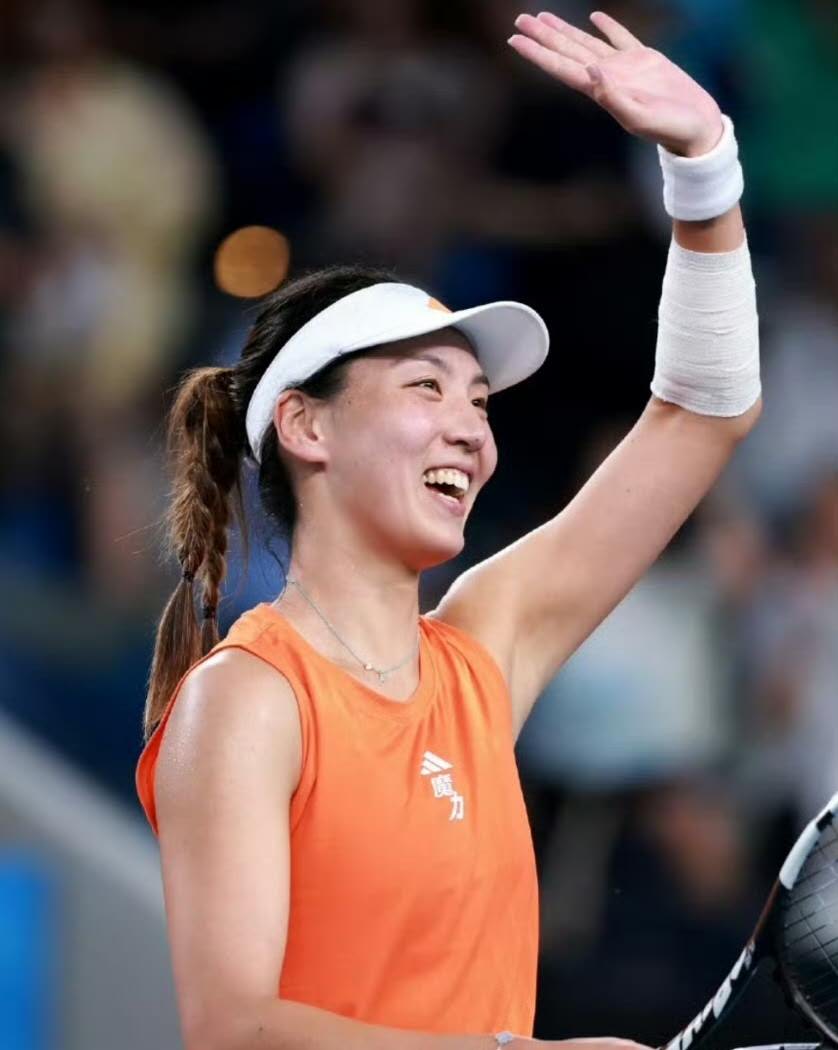
Having reached the quarterfinals, Wang’s next opponent will be the tattooed Ukrainian player Olijnikova. The latter showed great resilience and fighting spirit by coming from behind in three sets to defeat Romanian local player Bondar in another second-round match.
Regarding the upcoming clash, experienced tennis commentators believe: “This will be a contest of contrasting styles. Wang Xinyu needs to maintain patience and efficiency in her offense, avoiding getting dragged into the long rallies that her opponent prefers. Active changes of direction and timely net approaches will be key to breaking the deadlock. If Wang can sustain her excellent serving form and keep unforced errors in check, she has a strong chance to win and reach the semifinals.”
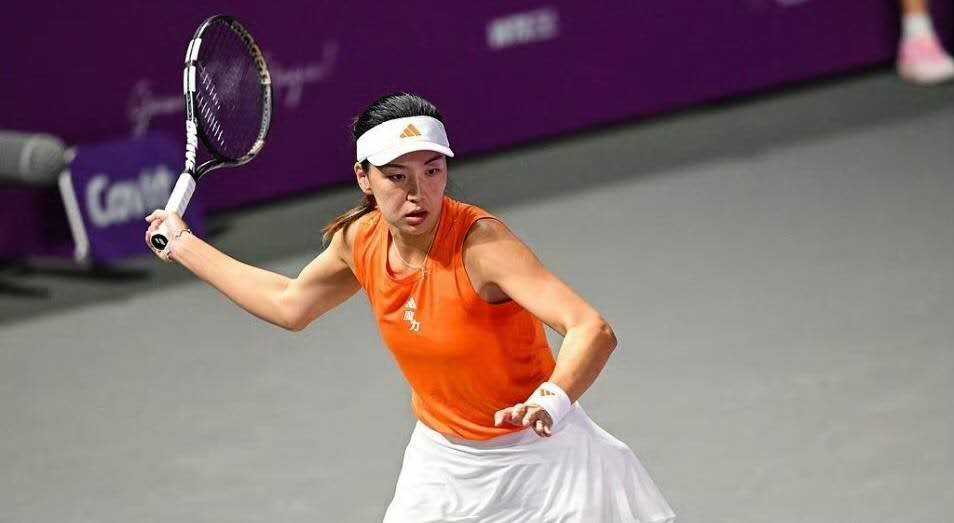
Fans generally hold an optimistic yet cautious view: “Olijnikova is a typical ‘sticky’ player; Xinyu must be patient and not expect to finish points in two or three shots.” Another fan said, “Looking at the stats, Olijnikova’s break point conversion rate isn’t high, which is good for Xinyu. She needs to be bold on the crucial points.” Some also commented, “From windy outdoor courts to stable indoor conditions, Xinyu herself said she prefers indoors, so it looks like her form is improving. Reaching the semifinals seems very possible!”
Regardless of the outcome, Wang Xinyu is currently on the right path, writing a hopeful chapter for her 2026 season through her performances on court. The overseas journey of Chinese tennis looks set to continue triumphantly under her racket.(Source: Tennis Home, Author: Lu Xiaotian)

 Links
Links
 Contact
Address:UNIT 1804 SOUTH BANK TOWER, 55 UPPER GROUND,LONDON ENGLAND SE1 9E
Number:+85259695367
E-mali:[email protected]
 App
App


