



Here are some lesser-known facts about tennis: At the 2022 Australian Open, only one of the top eight seeds made it to the quarterfinals.



Last Sunday, as the top seed and leading post-2000 player from Spain, Alcaraz, after dropping the first set in the final, fought back to win three straight sets against Serbian legend Djokovic. By securing his first Australian Open championship and becoming the youngest to achieve a career Grand Slam, the 2026 Australian Open concluded. In this edition, seven of the top eight men’s singles seeds reached the quarterfinals, with the top four seeds filling all semifinal spots. Objectively, this was a very stable men’s singles tournament. So, has there ever been a time in Australian Open history when the top eight seeds performed particularly poorly? Today, this article will take you through that story.
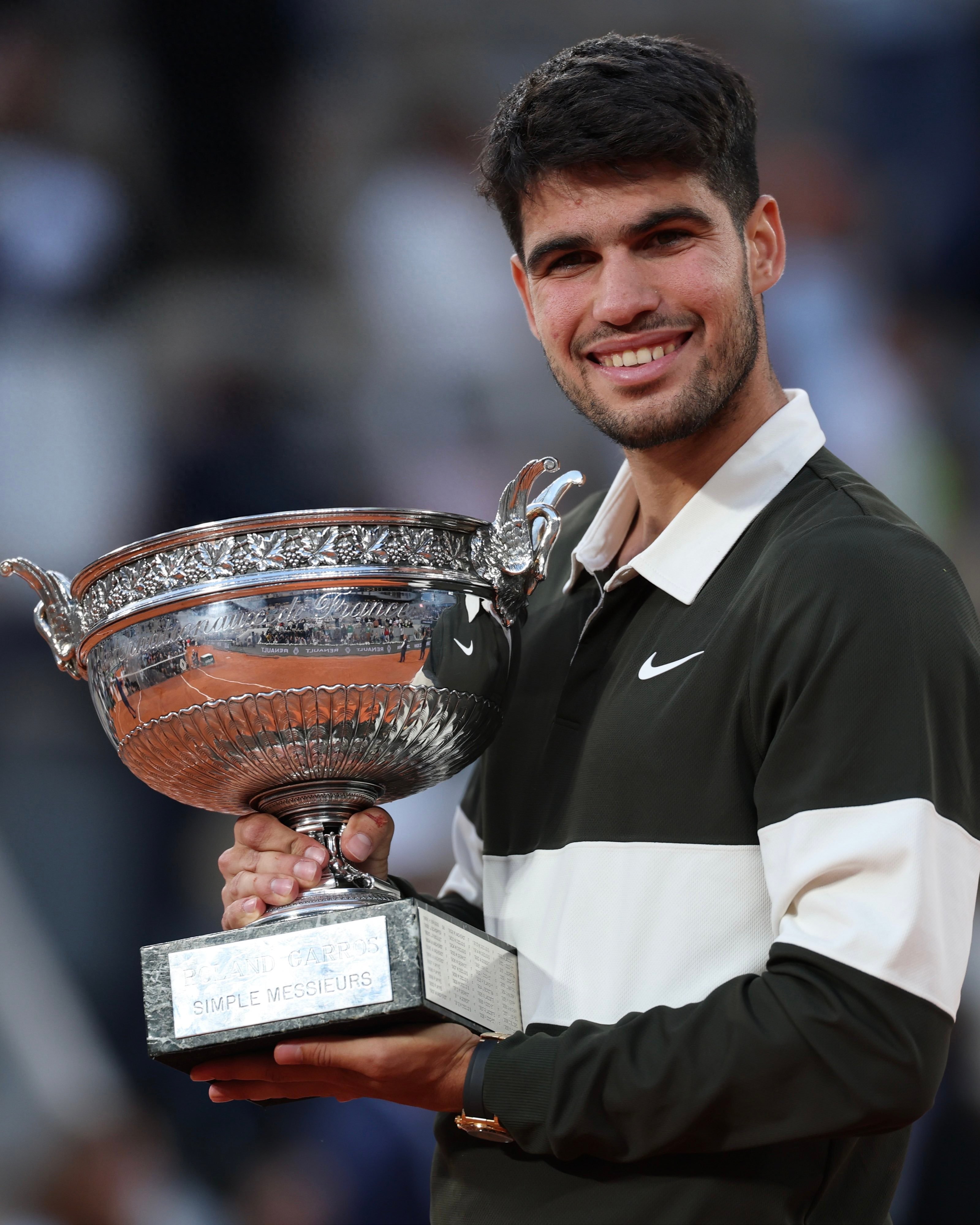
At the 2002 Australian Open, Lleyton Hewitt from Australia, who had just won his first Grand Slam title in 2001 and also the year-end championships, entered as the undisputed top seed. In the first round, he dominated the first set 6-1, handing his opponent, Spanish player Àlex Corretja, a tough start. However, Corretja fought back fiercely, winning the next three sets 6-1, 6-4, 7-6 to overturn the match and defeat the top seed. This match is often regarded by fans as the greatest victory of Corretja’s career.
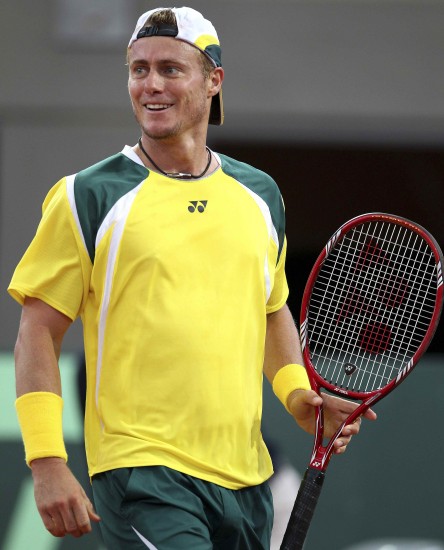
Gustavo Kuerten, the Brazilian who successfully defended his French Open title in 2001, was the second seed at the 2002 Australian Open. In the first round, he faced French player Jérôme Boutter. Kuerten took the first two sets 6-3, 6-4 and seemed close to victory. Yet, an incredible turnaround occurred as Boutter came back to win the next three sets 7-5, 6-3, 6-3, stunning the three-time French Open champion Kuerten, who was forced to exit the tournament early.
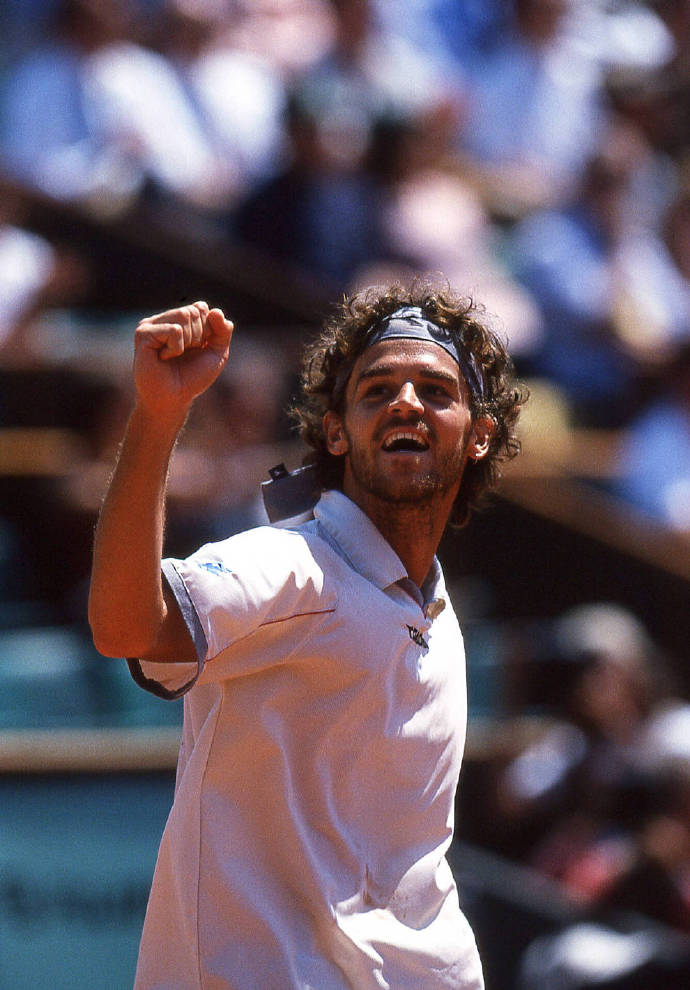
Due to wrist injury, defending champion and American Andre Agassi, the third seed at the 2002 Australian Open, withdrew from the competition, leaving a vacancy among the top eight seeds. Former Australian Open champion Yevgeny Kafelnikov competed as the fourth seed, winning comfortably in the first round against German qualifier Michael Kohlmann. Kafelnikov was the only one among the top four seeds to win his opening match at that tournament. Unfortunately, his success was short-lived as he lost in the second round to American qualifier Alex Kim, failing to advance further.
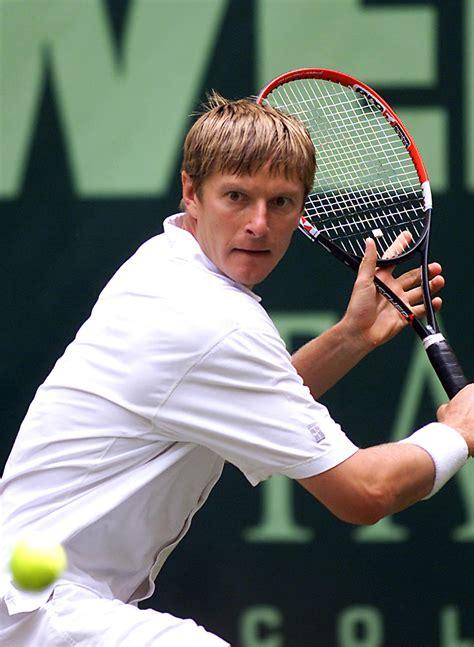
Fabrice Santoro, the French player who reached two Grand Slam semifinals in 2001, was seeded fifth at the 2002 Australian Open. Though he battled through a five-set first-round victory over Spanish player Jordi Burillo, Santoro was defeated in the second round by another Spaniard, Albert Costa. Coincidentally, this match also went to a deciding fifth set before a winner emerged.
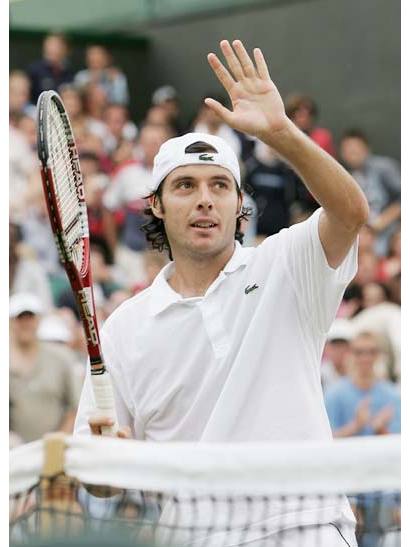
Tim Henman, a British player who had reached three Grand Slam semifinals, came to the 2002 Australian Open as the sixth seed. With the top five seeds performing poorly, Henman advanced to the round of 16. However, in the quarterfinals, he was swept aside in straight sets by Sweden’s Jonas Björkman, halting his progress.
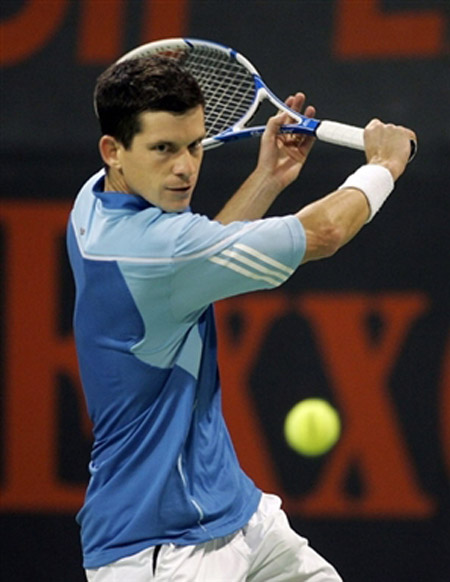
Pete Sampras, the American with thirteen Grand Slam titles, also reached the round of 16 at the 2002 Australian Open as the eighth seed. Unfortunately, he lost a grueling five-set match in the quarterfinals to Russian Marat Safin, ending his run in the tournament.
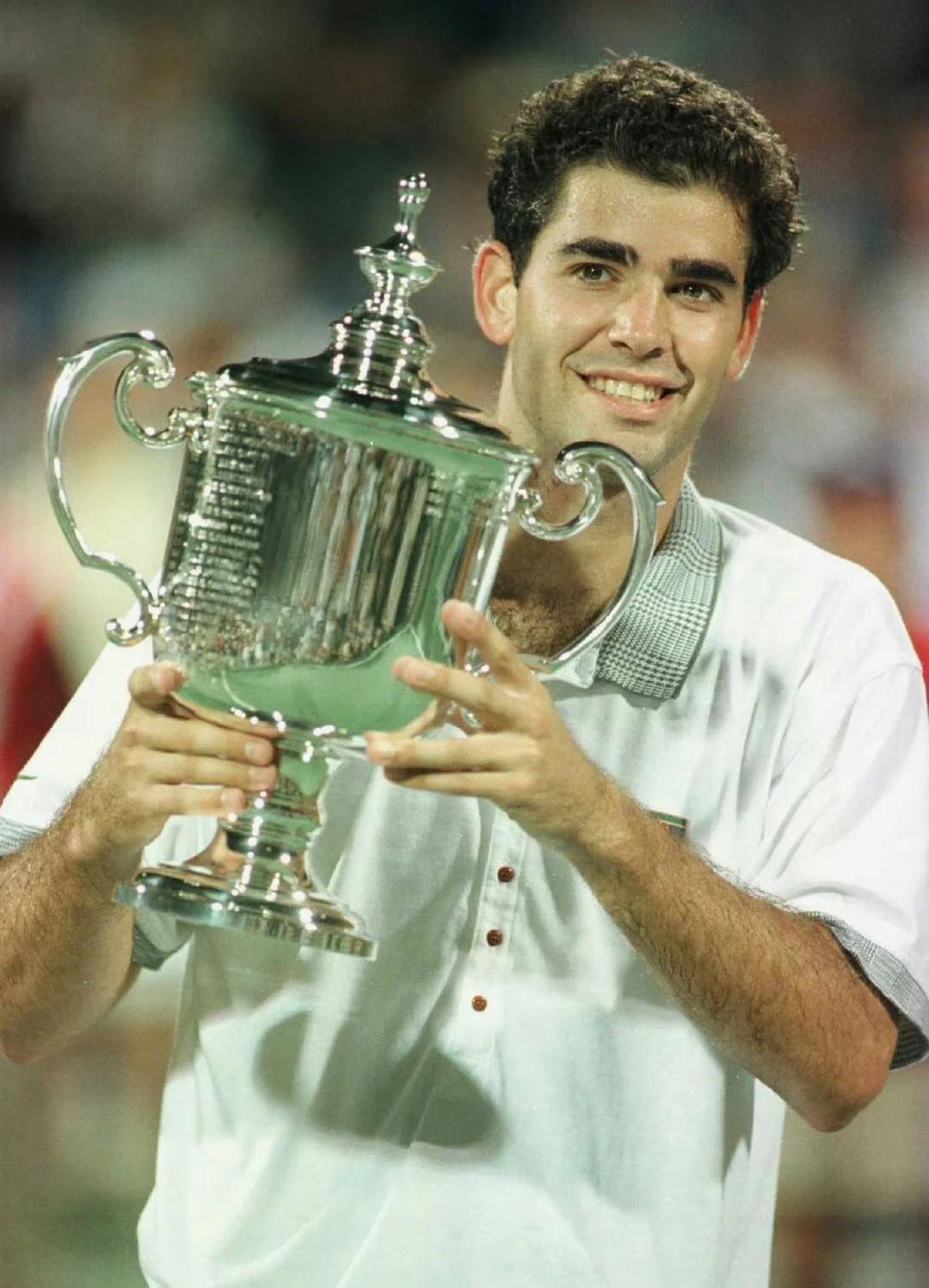
Tommy Haas, the German who had previously reached the Australian Open semifinals, was seeded seventh in 2002. He advanced impressively all the way to the semifinals, becoming the only player among the top eight seeds to reach that stage. Despite this, Haas was ultimately reversed by Safin in the semis. Reaching the Australian Open semifinals for the second time in his career was a significant achievement. The title that year was won by Swedish player Thomas Johansson, who never again reached a Grand Slam semifinal. That concludes today’s tennis story; more to come tomorrow.(Source: Tennis Home, Author: Yixin Jushi)

 Links
Links
 Contact
Address:UNIT 1804 SOUTH BANK TOWER, 55 UPPER GROUND,LONDON ENGLAND SE1 9E
Number:+85259695367
E-mali:[email protected]
 App
App


