



How to evaluate the “soft” Zverev losing to a cramping Alcaraz? Muratoglu’s take


To some tennis followers, the former world No. 3 from Germany, Zverev, is notorious for being a “softie” — tall, with a strong serve and backhand, yet possessing a “tender” heart, which stands in stark contrast to his grimacing anger and a dark past involving domestic abuse.
Multiple times, Zverev has displayed a “soft heart” and “weak hands” on the court, particularly in key matches, where his limp showing has been memorable. The most famous example is the 2020 US Open final against Thiem, where Zverev’s serve speed dropped to just 120 km/h in the final stages of the deciding set, comparable to that of a 3.5-level amateur player.
Recently, the “soft-hearted and weak-handed” Zverev delivered another classic case. In this year’s Australian Open semifinal against Alcaraz, despite his opponent nearly losing mobility due to cramping, Zverev battled into the fifth set, only to be defeated in five sets by the gradually recovering Alcaraz.
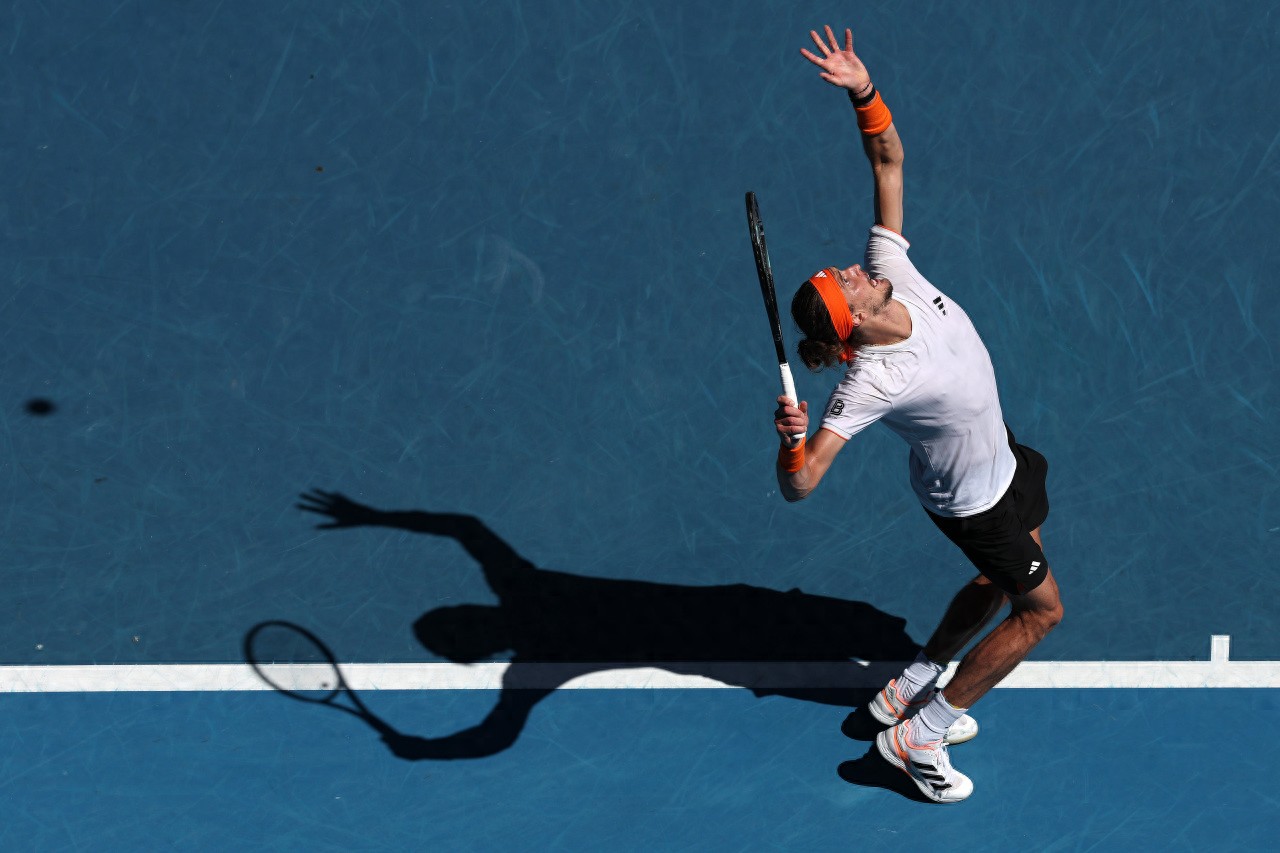
Honestly, when I saw Alcaraz cramping during the live broadcast, I assumed Zverev would quickly close out and advance to the final. To my surprise, as Alcaraz’s performance dipped, Zverev’s level also declined, barely winning the third and fourth sets in tiebreaks.
Some might say that Zverev coming back to win two sets was already good enough. But thinking that way is a big mistake; he should have maintained or even elevated his original level.
In that situation, Zverev’s simplest tactic should have been to move his opponent extensively and keep up relentless pressure, achieving two goals: first, to worsen Alcaraz’s cramping and further reduce his performance; second, to finish the match quickly before the opponent could recover from the cramps.
Therefore, although Zverev won the third and fourth sets through tiebreaks, he was gradually placing himself in a risky position — once Alcaraz slowly recovered from the cramps, the fifth set would likely be disastrous.
Sure enough, by the late stages of the fifth set, Alcaraz had fully regained his initial form, and Zverev ultimately lost the decisive set 5-7. Looking at the entire match, there was only one reason for Zverev’s loss: being “too soft” — both in heart and in execution.
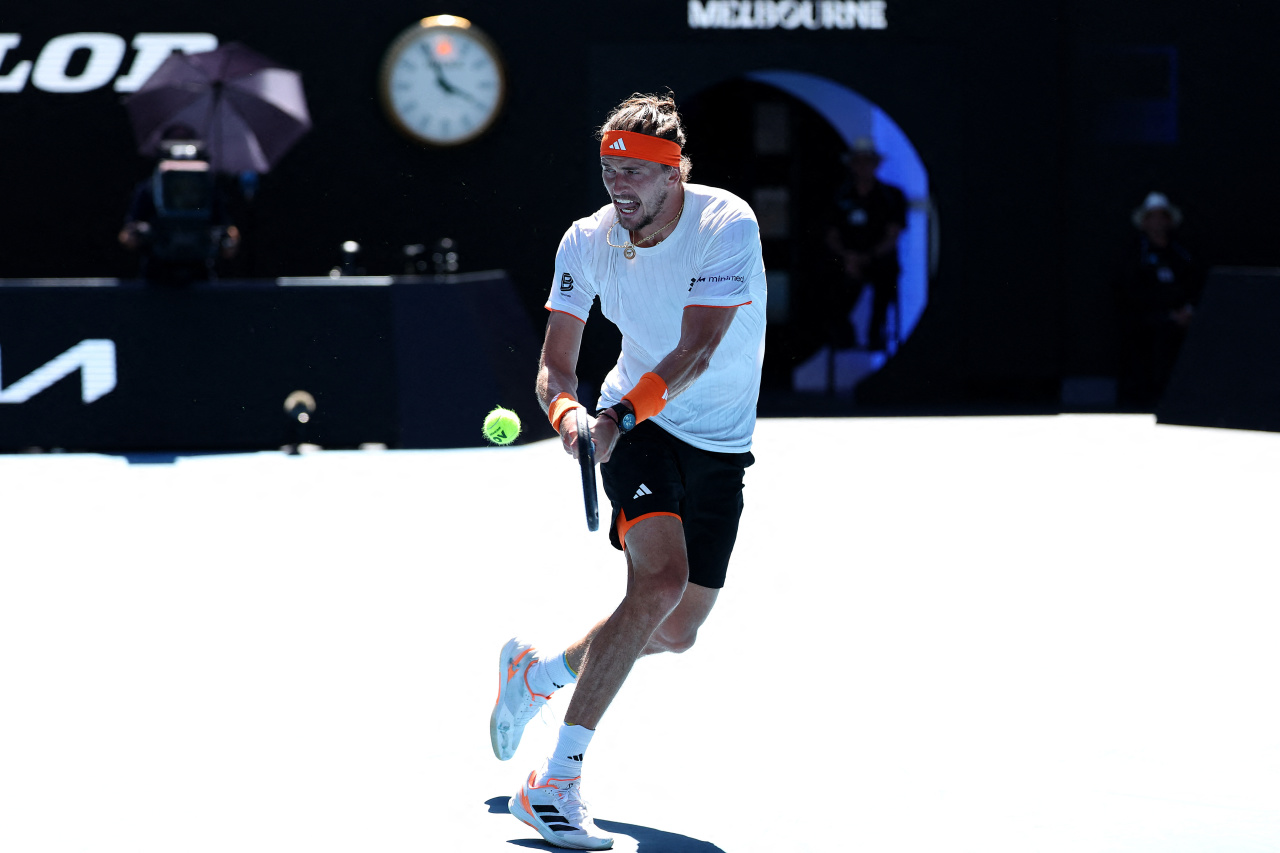
However, Muratoglu, former coach of Serena Williams, disagrees. This French coach, known as a “celebrity coach,” believes the criticism of Zverev is too harsh.
Muratoglu wrote on social media, “During this Australian Open, I’ve seen too many comments that I find meaningless, so I want to share a more comprehensive perspective with everyone.
“Do you really think that Zverev’s skill is insufficient to beat a cramping Alcaraz? That is a misunderstanding of tennis.
“When you are down two sets, you neither want to make mistakes (because you expect your opponent to err), nor do you want to prolong rallies, but your fear of errors causes you to slow down your pace.
“Of course, that cramping player can no longer move freely; he attacks with all his might, tries to win every point, and makes almost no mistakes, which only increases your pressure.
“In tennis history, many champions have played poorly when their opponents were in such distress. Moreover, by the fifth set, Alcaraz’s physical condition was fully restored. So if you fail to see this and just think Zverev couldn’t even beat a cramping Alcaraz, that’s shortsighted. I believe everyone should open their minds and try to understand this sport better.”
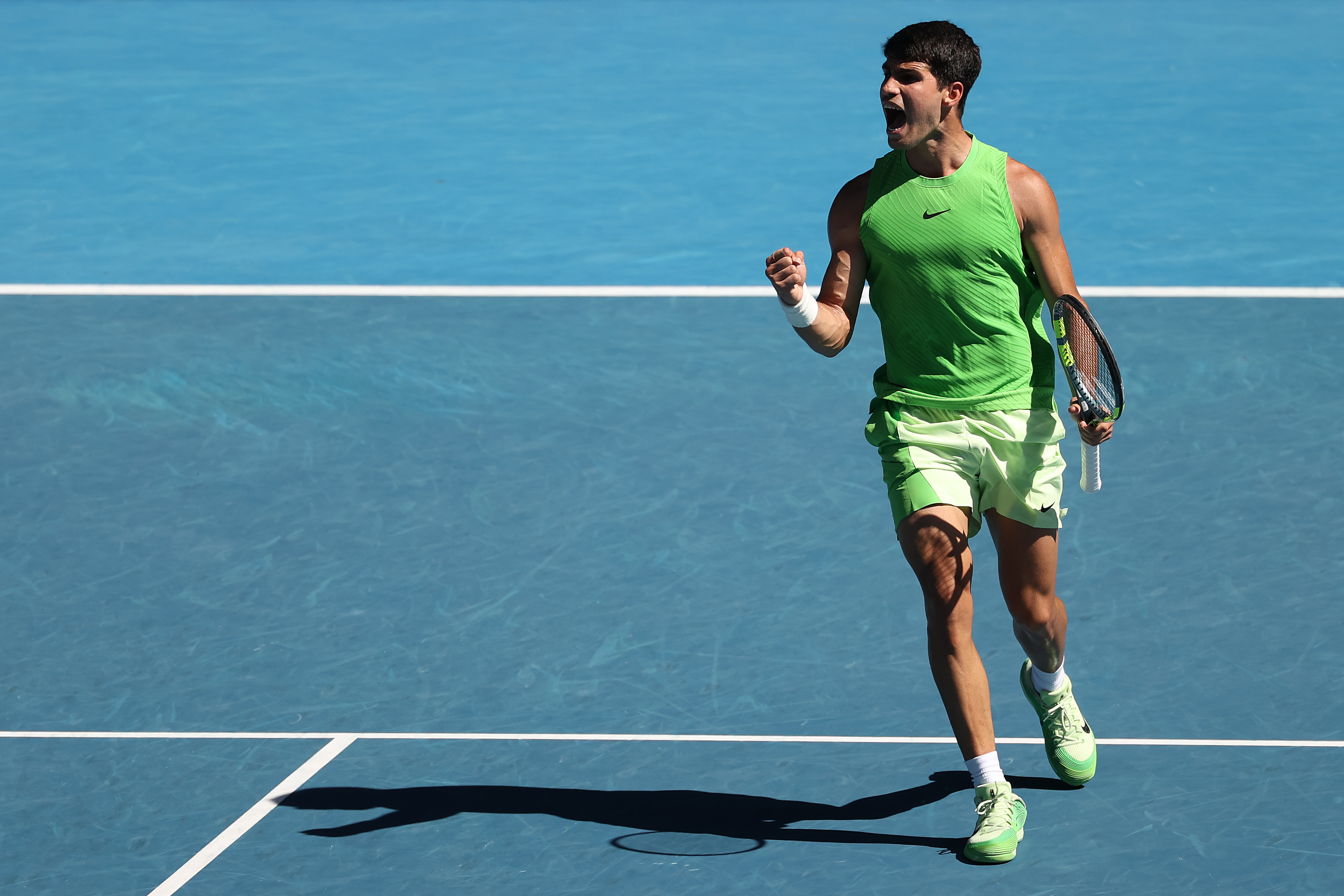
After reading Muratoglu’s post, I think he has some valid points. From my more than ten years of amateur tennis experience, it’s common for a player’s form to drop when their opponent’s level declines. The reason is that everyone feels sympathy; watching an opponent suffer from cramps or injury affects one’s mental state, causing a decline in touch and performance.
However, as the then world No. 3 and top player, Zverev should not have made the same mistakes amateurs do in such situations. After all, he is a professional athlete with long-term training and extensive match experience. Zverev should fully understand that competitive sports are a ruthless game of “you win, I lose.” You may feel a momentary compassion, but you must never let it affect you for long.
This reminds me of the 2014 Australian Open men’s final, when Nadal pulled a back muscle in the third game of the second set, greatly reducing the power of his serve and baseline shots. Initially, Wawrinka’s form also dipped, and he lost the following third set. Fortunately, Wawrinka quickly overcame the distraction caused by Nadal’s injury, played brilliantly in the fourth set, and eventually won his only Australian Open title.
Therefore, Muratoglu’s explanation is only partially reasonable. Zverev, who lost, does not deserve pity or understanding, and I believe he will reflect deeply after the match. Honestly, calling Zverev a “softie” is somewhat disrespectful, but such words come from heartfelt sympathy, a bit of anger, and a touch of sarcasm.
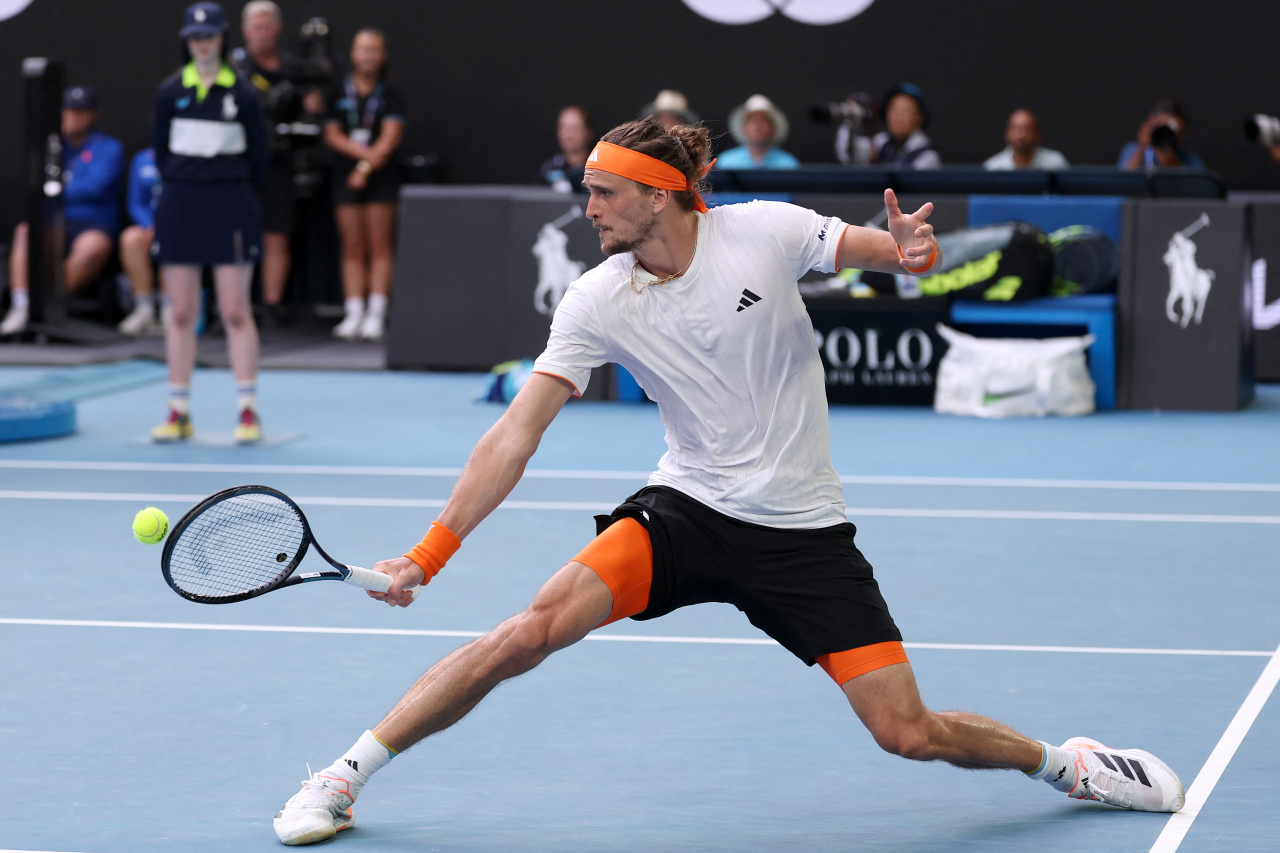
What’s intriguing is whether, after another trial of being “soft-hearted and weak-handed,” Zverev will become tougher in the future. I’m not very optimistic, because Zverev has lost all three Grand Slam finals he reached and has repeatedly lost despite having excellent chances — fate won’t favor you repeatedly.
Had Zverev defeated Alcaraz and reached this year’s Australian Open final, he would have faced Djokovic for the title, and the outcome would have been completely different.
The past cannot be changed, but the future holds infinite possibilities. Regardless, I believe Zverev’s chances of winning a Grand Slam will become increasingly slim.(Source: Tennis Home, Author: Yun Juan Yun Shu)

 Links
Links
 Contact
Address:UNIT 1804 SOUTH BANK TOWER, 55 UPPER GROUND,LONDON ENGLAND SE1 9E
Number:+85259695367
E-mali:[email protected]
 App
App


