



Zheng Qinwen made a stunning comeback in Doha with 20 aces, leaving her injury struggles behind.



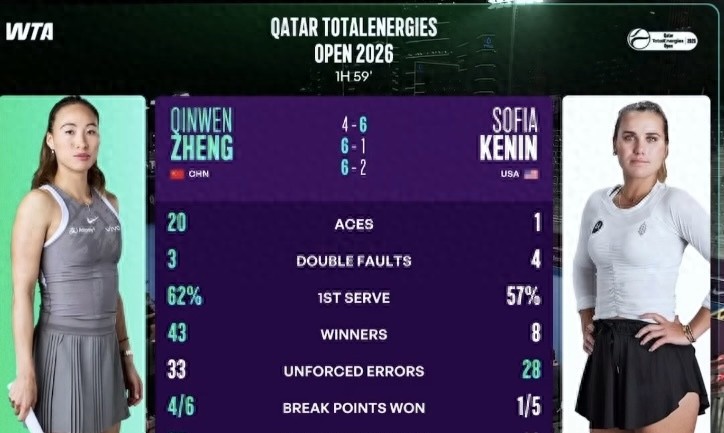
During the opening round of the WTA1000 event in Doha, Zheng Qinwen battled against ex-Australian Open champ Kenin, rebounding from a set down by delivering an astonishing 20 aces to clinch the match 4-6, 6-1, 6-2, heralding her successful return after injury.
This win was more than a routine first-round triumph; it symbolized Zheng Qinwen's assertive declaration to the world of her comeback following right elbow surgery last July and absence from two Grand Slam tournaments.
After the match, in an interview with Tennis Channel, Zheng shared the mental and physical challenges she endured during her recovery.
“During the China Open, my elbow still couldn’t fully straighten or bend,” she admitted. “There was a moment when I even thought it might stay that way forever, and I might never be able to bend my right arm like my left.”At her darkest hour, the 2024 Australian Open finalist even prayed for her physical function: “I was praying, not sure if it was to God or something else, but I just wished for my elbow to return to normal. I wasn’t praying to win matches, only to have a normal elbow.”
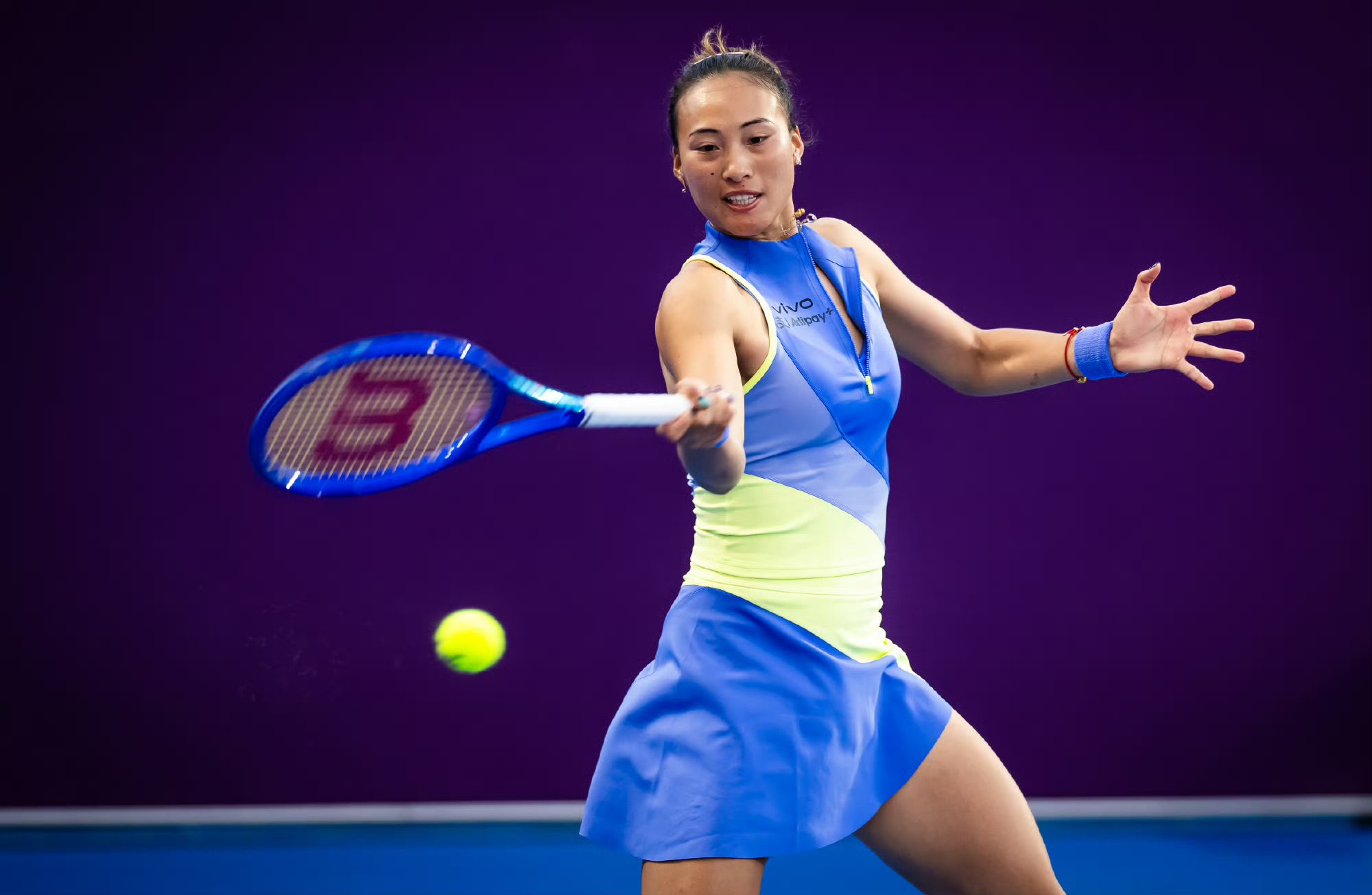
Her concerns were well-founded. Just before this year’s Australian Open, she was still battling elbow pain and had to miss the tournament. “During the Australian Open, my serve speed was only 140 to 150 km/h. If I said I wasn’t worried, that would be a lie—I was very concerned at the time.”
During her injury recovery, Zheng experienced one of the toughest periods for an athlete—the psychological strain of being away from competition for a long time.“When you see so much time pass, it becomes very difficult because you’re used to training but now you get no feedback,” she explained about missing matches. “Matches at least give you feedback through wins and losses, showing you what to improve. Training alone doesn’t provide that.”
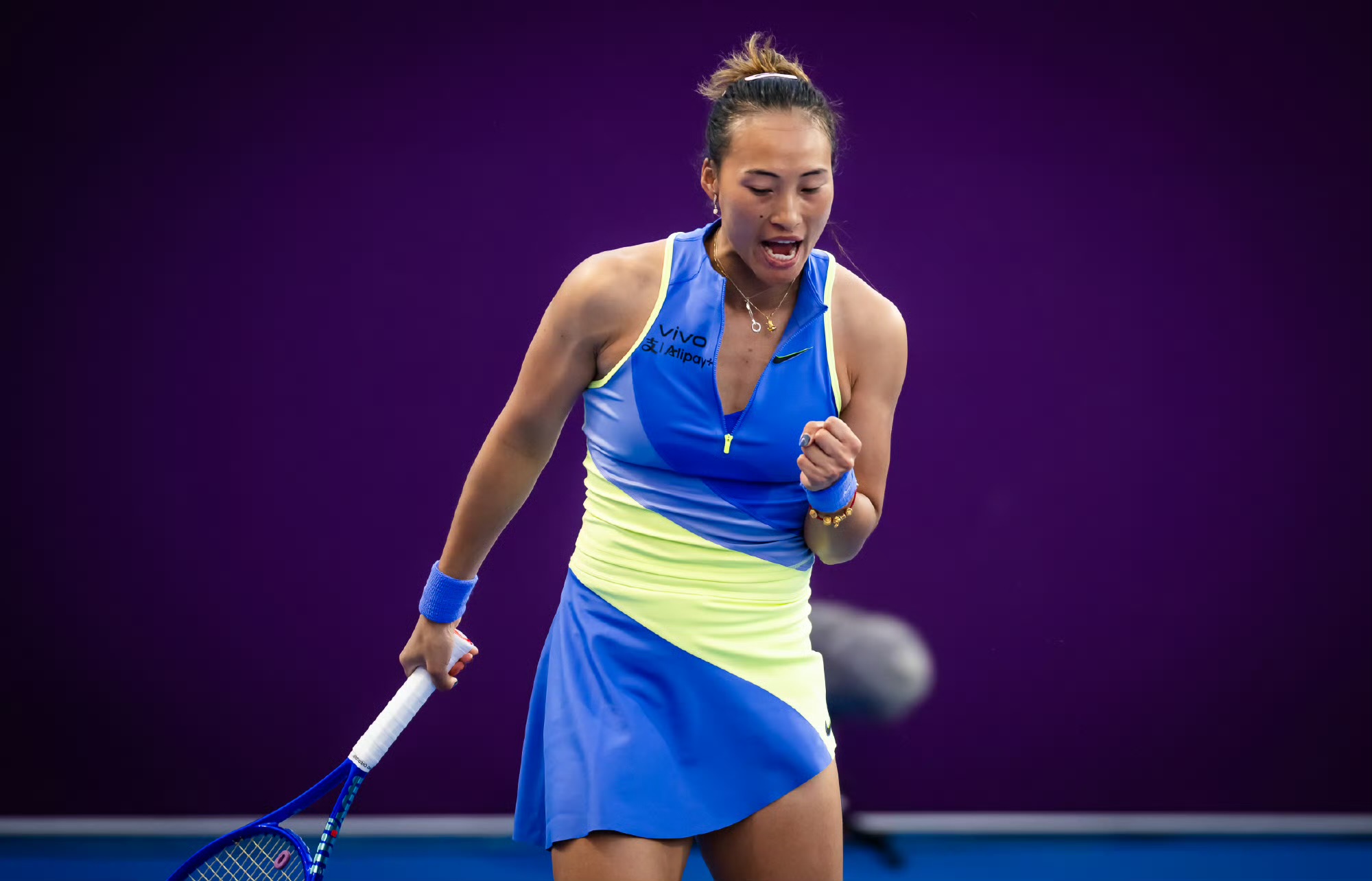
Perhaps driven by her deep love for tennis, despite usually not watching many matches, during her six-month break she did something unexpected—she became a remote spectator.“I set up a big screen for the Australian Open, with a smaller screen beside it, playing men’s and women’s matches simultaneously. That way, I could follow the most exciting players: Sabalenka, Sinner, Djokovic, Alcaraz, and Rybakina.”This passive observation period allowed her to analyze matches from different perspectives, possibly laying the groundwork for her strong return today.
In the match against Kenin, Zheng’s most impressive aspect was her improved serving ability. The 20 aces not only demonstrated technical progress but also signified that her elbow function had recovered enough to support high-intensity serving.“I wanted to come back in a very strong condition,” Zheng said about her serving performance. “I’m glad I could do that in my first match because tennis requires consistent stability, not just winning one round.”More importantly, she expressed full confidence in her current physical state: “With the serving form I showed today, I could even play for another two hours!”
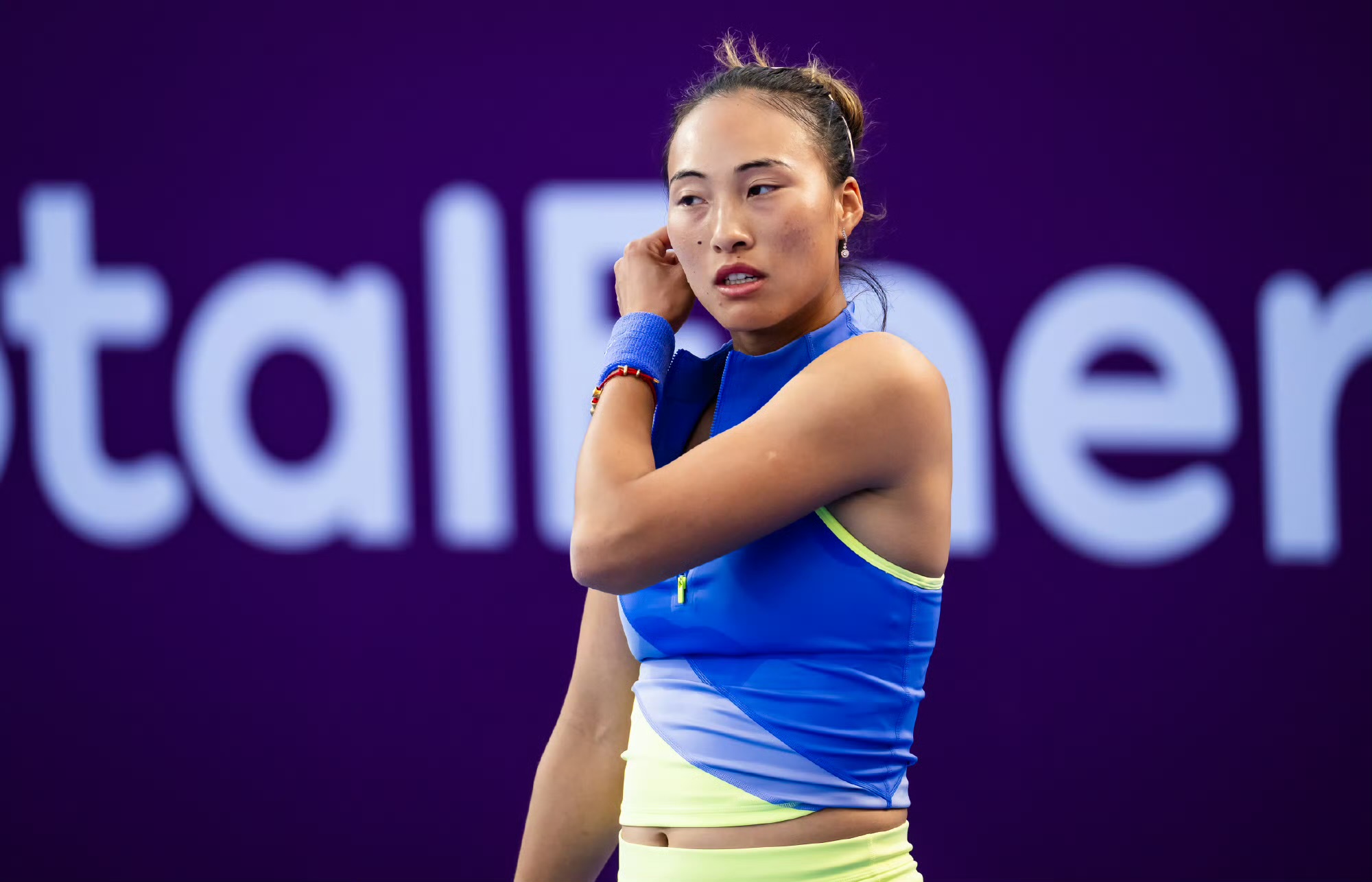
Near the end of the interview, when asked if she supports adopting best-of-five sets from the Grand Slam quarterfinals onward, Zheng’s answer completely dispelled doubts about her physical condition.“I’m not afraid of playing five sets,” she said enthusiastically, mentioning her marathon matches with longtime rival Coco Gauff. “I actually think it benefits me, and I’ve always been curious about what it feels like to play five sets. Maybe one day I’ll get the chance to try.”The shift in mindset—from fearing her elbow wouldn’t recover to daring to face five-set battles—is perhaps more inspiring than any technical improvement.
Zheng Qinwen will face the powerful-serving American player Parks in the second round in Doha. This match will be another test of her recovery, especially as her baseline skills and return game will be challenged against another strong server.“Next, I just need to stay calm and get ready for the next round,” Zheng said with composure.
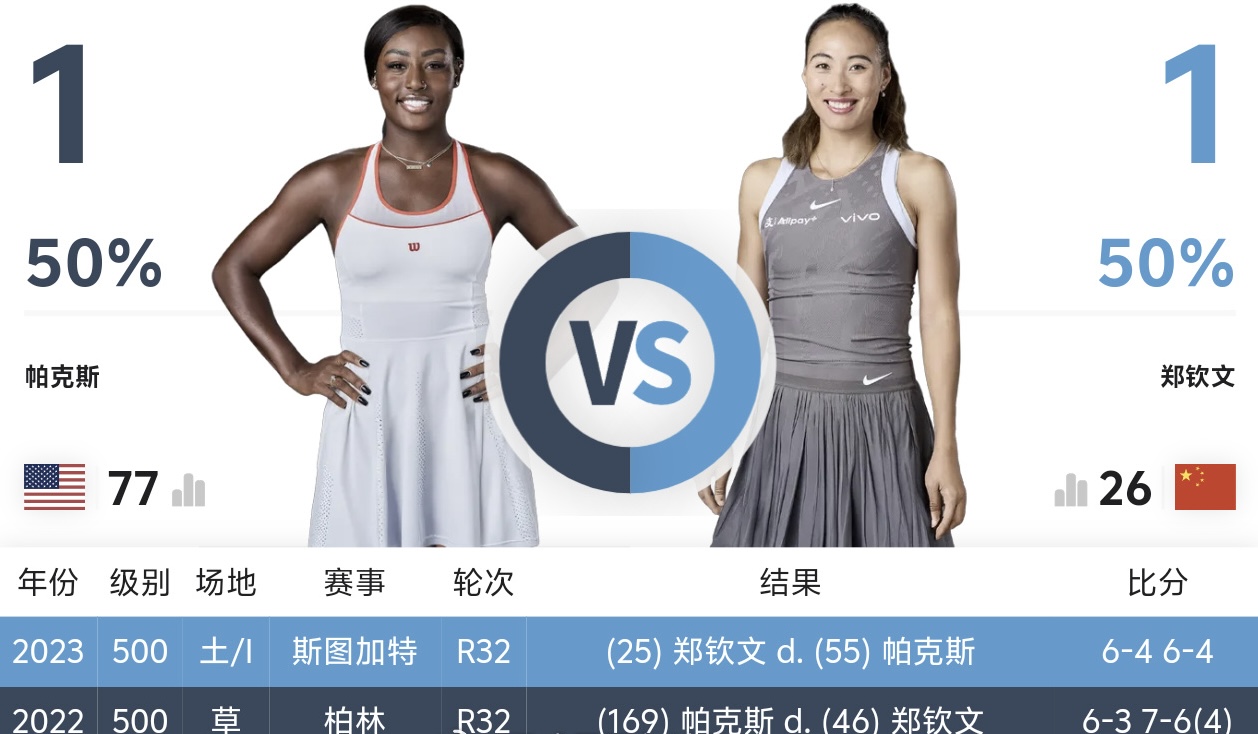
From the confusion and prayers after surgery to confidently delivering 20 aces on court, Zheng Qinwen’s journey in Doha has transcended a mere match win. It represents a victory of will, a reward for persistence, and the strongest response from a top athlete facing a career low.
At the moment she prayed for a normal elbow, she probably never imagined that just months later, the arm that couldn’t fully straighten would unleash such incredible power. The tennis world is now welcoming back a more mature and resilient Chinese star.(Source: Tennis Home, Author: Mei)

 Links
Links
 Contact
Address:UNIT 1804 SOUTH BANK TOWER, 55 UPPER GROUND,LONDON ENGLAND SE1 9E
Number:+85259695367
E-mali:[email protected]
 App
App


