



Former coach of Rybakina: Vukov once forbade her from visiting me in Moscow for fear she would collaborate with others.


After Rybakina’s Australian Open victory, an old behind-the-scenes story was reopened. Kulikovskaya, a former Russian pro player and Rybakina’s foundational coach, disclosed in a recent interview that Vukov initially strongly opposed her trip back to Moscow to see her mentor due to fears she might be "snatched away," but he finally relaxed once assured that the elder coach did not intend to reclaim his pupil.
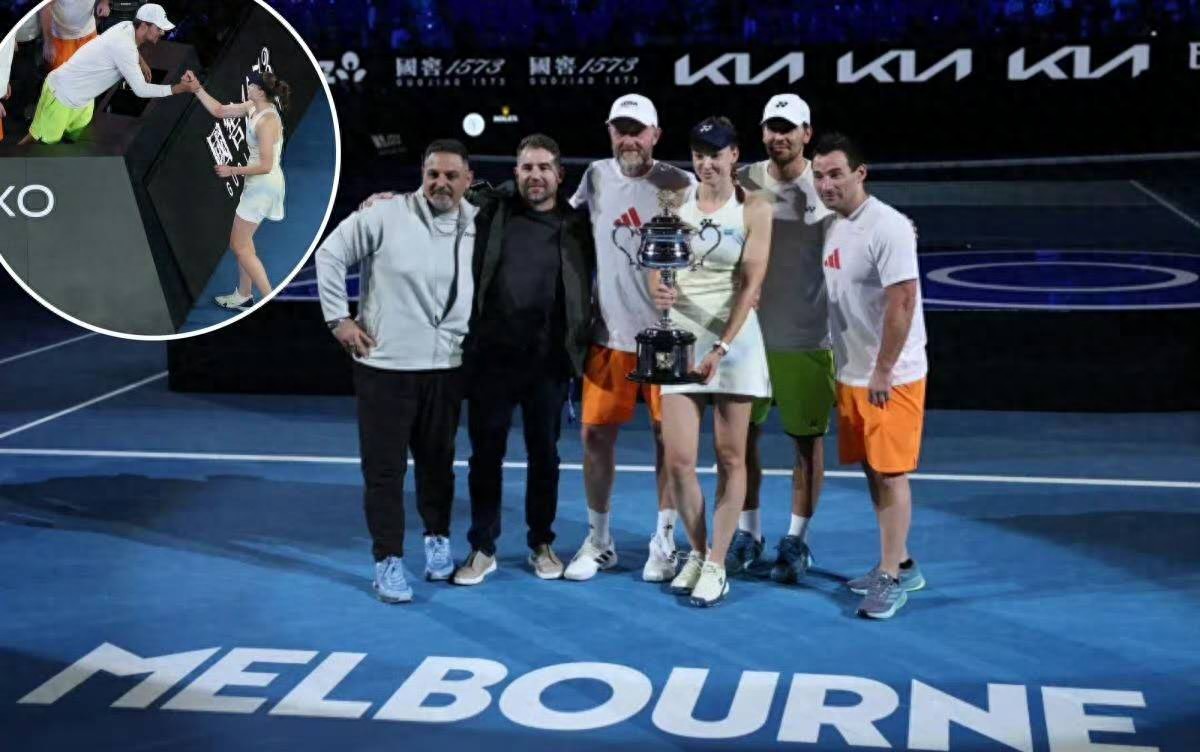
This revelation offers a new crucial insight for the public to better understand the “most delicate coach-player relationship in tennis.”
Kulikovskaya was the guiding figure in Rybakina’s early career. In her eyes, the current Wimbledon and Australian Open champion was once a quiet, reserved girl. Because of this personality, when Vukov joined the team with his passionate and somewhat impatient style, she keenly noticed her student’s discomfort.
“At first, Elena wasn’t used to his way of speaking. She was accustomed to my style, while Stefano (Vukov) tended to get a bit easily agitated,” Kulikovskaya recalled with a smile. “But I told her then, ‘Elena, hang in there. No matter how difficult this coach seems now, you’re still achieving good results training with him.’”
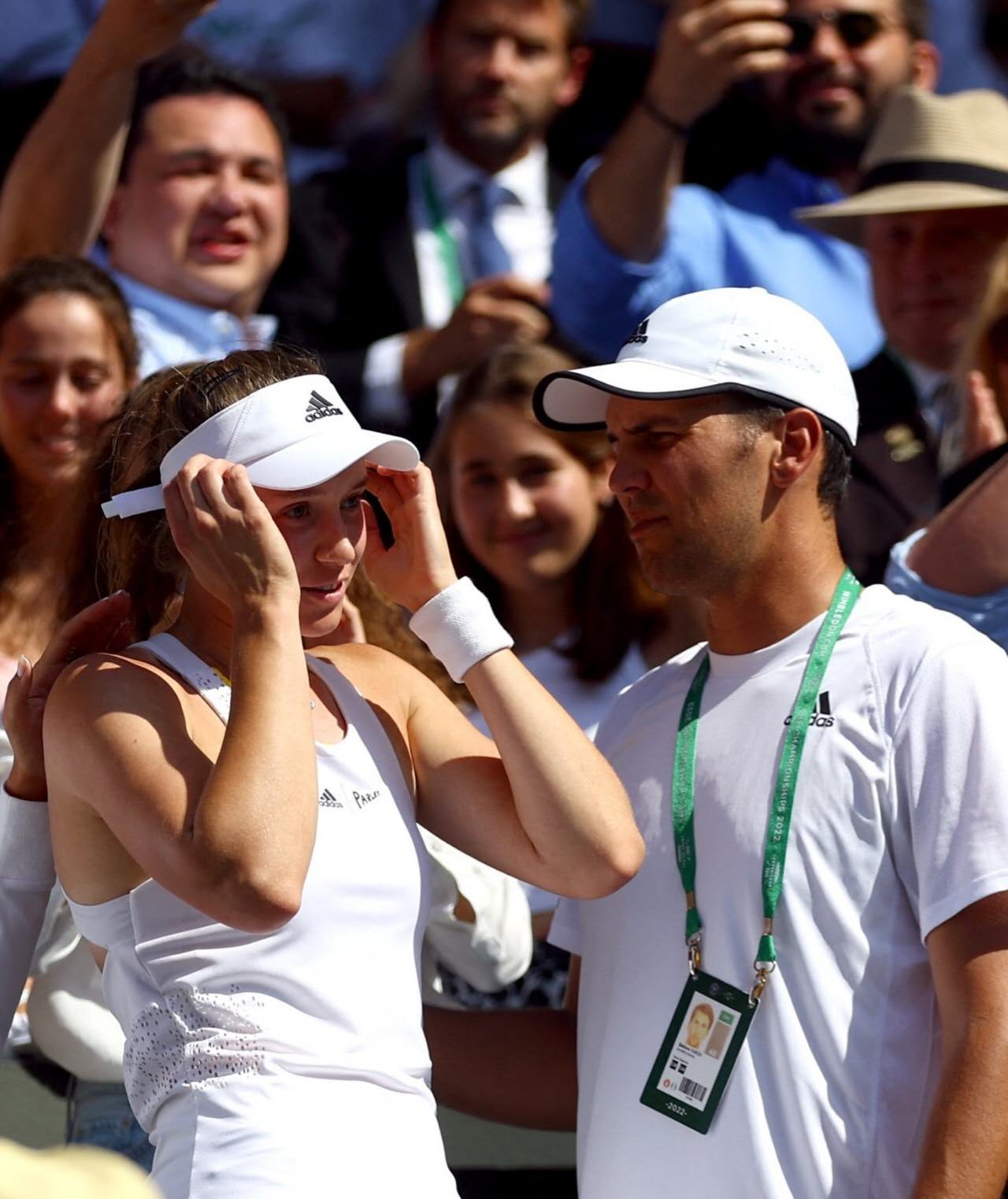
What was truly surprising was Vukov’s attitude. Kulikovskaya revealed that when Rybakina wanted to visit her in Moscow, Vukov initially strongly opposed it. She said, “He was very worried because, in his view, since she was starting to perform well, someone might try to take her away.”
The turning point came when the two of them traveled to Moscow for training. Vukov had a deep conversation with Kulikovskaya. “He only calmed down when he realized I had no intention of taking her back or interfering with the training process.” The veteran coach emphasized that he never intended to meddle with his successor’s work: “I don’t have the right to interfere with another coach’s work. That player is no longer my responsibility. Even if I disagree with some things, I have no right to voice too many opinions.”
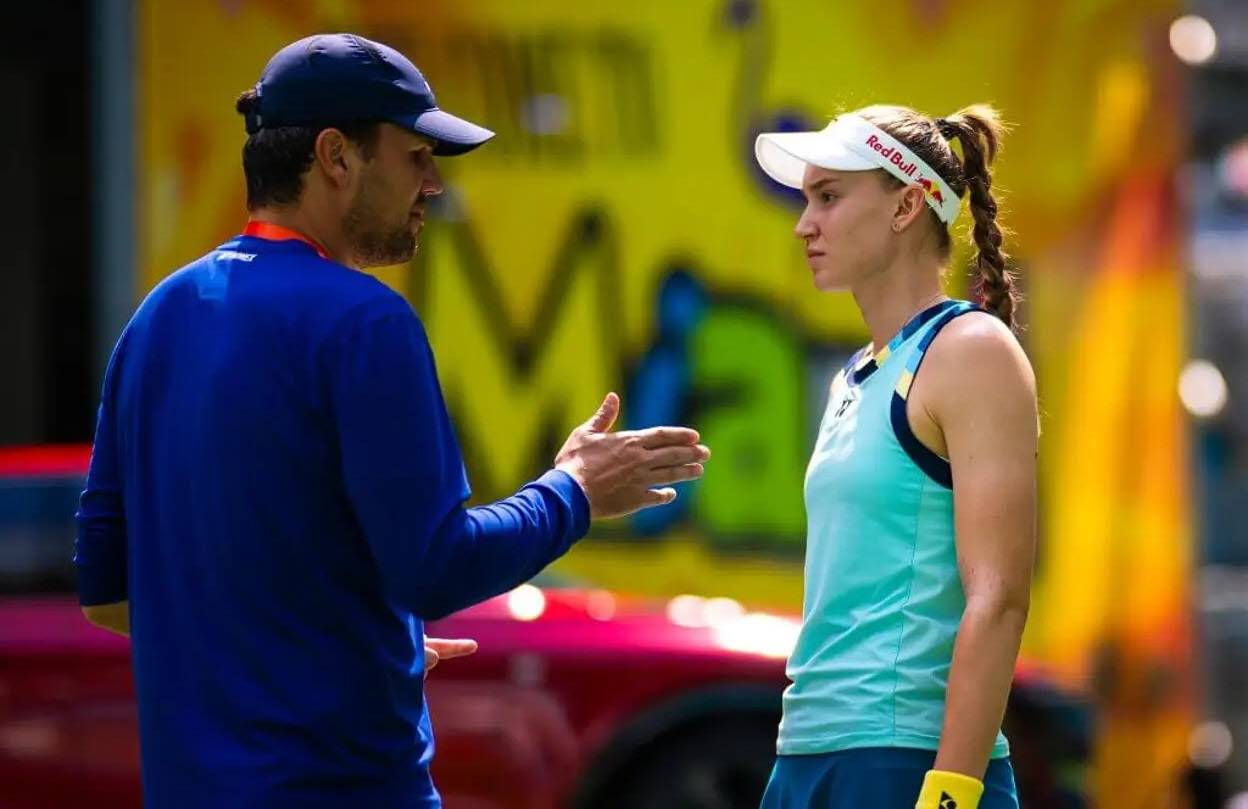
What is touching is that after some time passed, when Rybakina visited, she told Kulikovskaya that it was actually Vukov who suggested she come see her.
This story attracted strong attention precisely because it falls into the most sensitive narrative area of the relationship between Rybakina and Vukov.
At the beginning of 2025, the WTA issued a one-year suspension to Vukov for “verbal abuse and psychological pressure,” accusing him of calling his pupil “stupid,” belittling her background, and continuing to harass her via text messages even after their split was announced. However, Rybakina consistently stood by her coach, insisting that “he never abused me.” In August 2025, Vukov was reinstated, and the duo resumed cooperation, culminating in a winning streak at the end of last year, capturing both the year-end finals and the Australian Open titles.
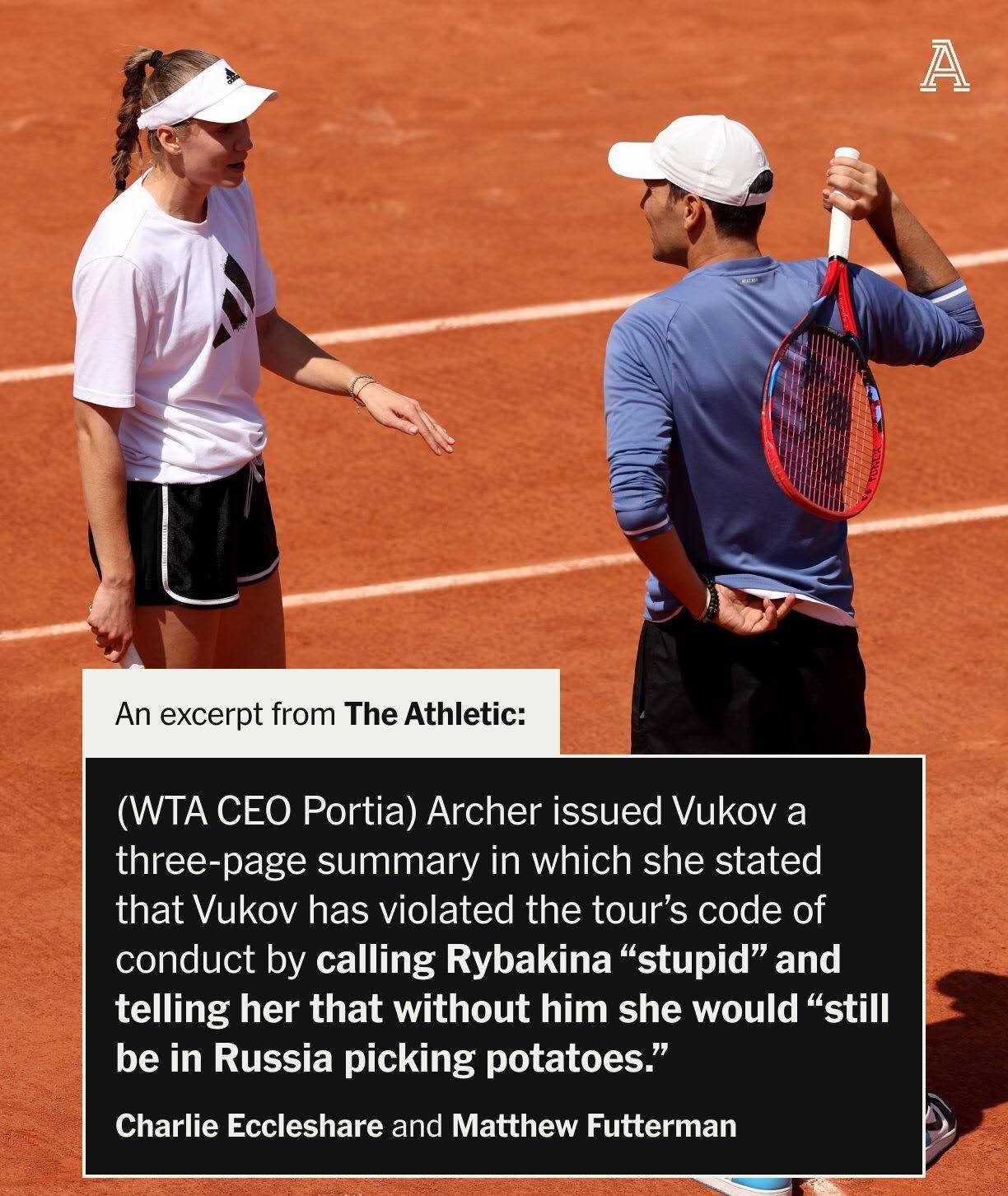
However, the story Kulikovskaya revealed now paints a more complex psychological portrait of Vukov beyond the simple “abuser-victim” narrative — portraying him as a “paranoid leader” with a strong possessiveness over his protégé and extreme anxiety about losing control.
Tennis commentator Pam Schreiber previously exposed Vukov’s rude behavior towards Rybakina during training, which directly triggered the WTA investigation. Meanwhile, Rybakina’s family—especially her longtime supportive older sister—has consistently opposed Vukov’s return to the team. To relatives, management, and some veterans, this is seen as a “toxic relationship.”
Yet in Kulikovskaya’s account, Vukov’s personality is complex: from initially “guarding fiercely” to eventually “actively encouraging his student to meet the old coach,” the man once accused of trying to cut off his pupil’s external contacts seems to have opened a door himself.
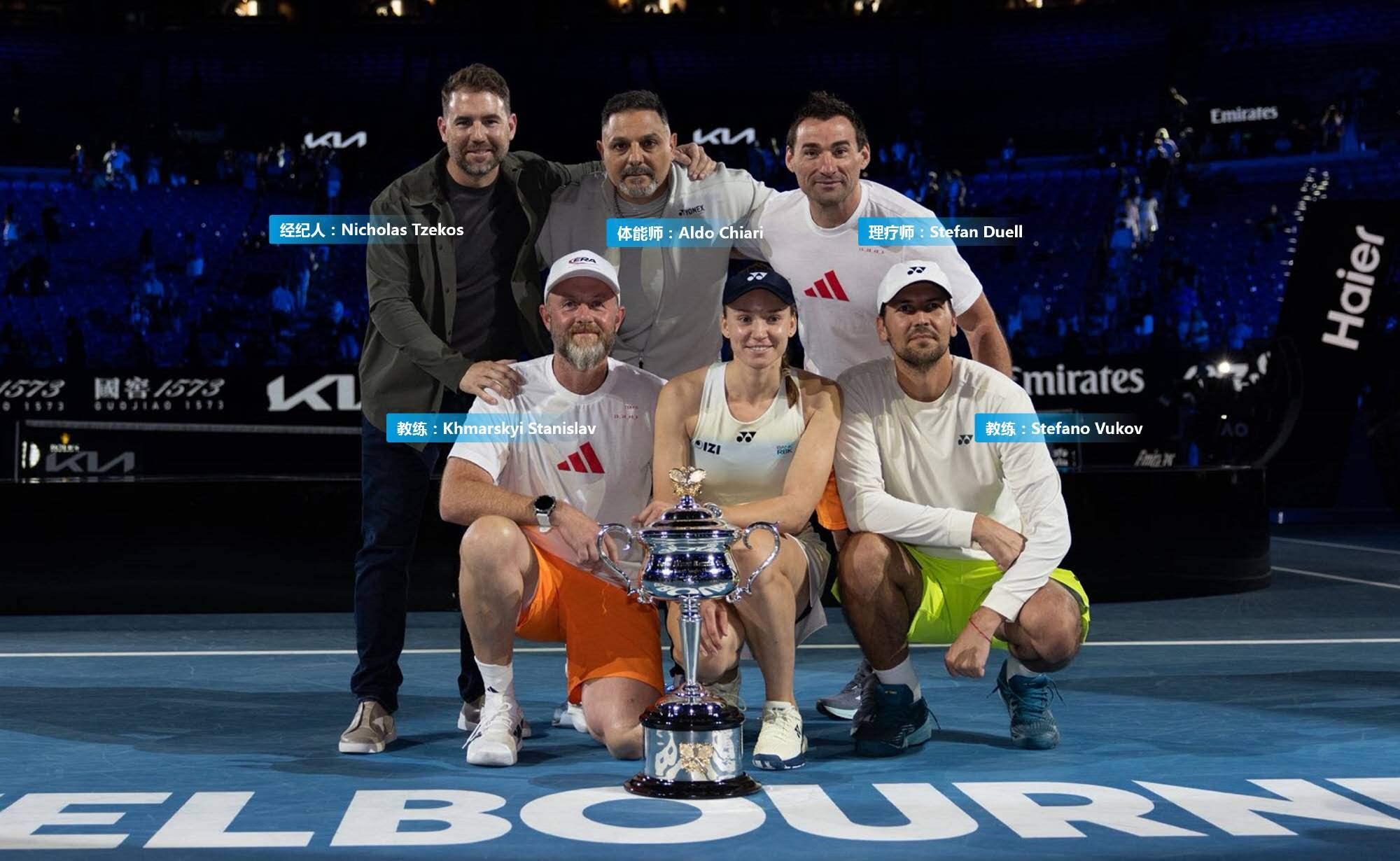
This episode sparked heated discussion among fans at home and abroad. “Forbidding a student from seeing a former coach? Isn’t that the classic first step of PUA — cutting off social circles? And later saying ‘I suggested you go see her’ is just a graceful posture after confirming no threat,” commented one netizen.
Others held opposing views: “His anxiety shows he cares. Elite sports aren’t daycare; top coaches naturally feel possessive over talented players. The key is the final action — didn’t he let her go?”
“The player herself has no objection, so why should outsiders be so anxious?” another strong voice said. “Rybakina isn’t a puppet; she publicly defended Vukov during the WTA investigation and confronted the CEO refusing to take a photo at the year-end finals. She knows exactly what she’s doing.”
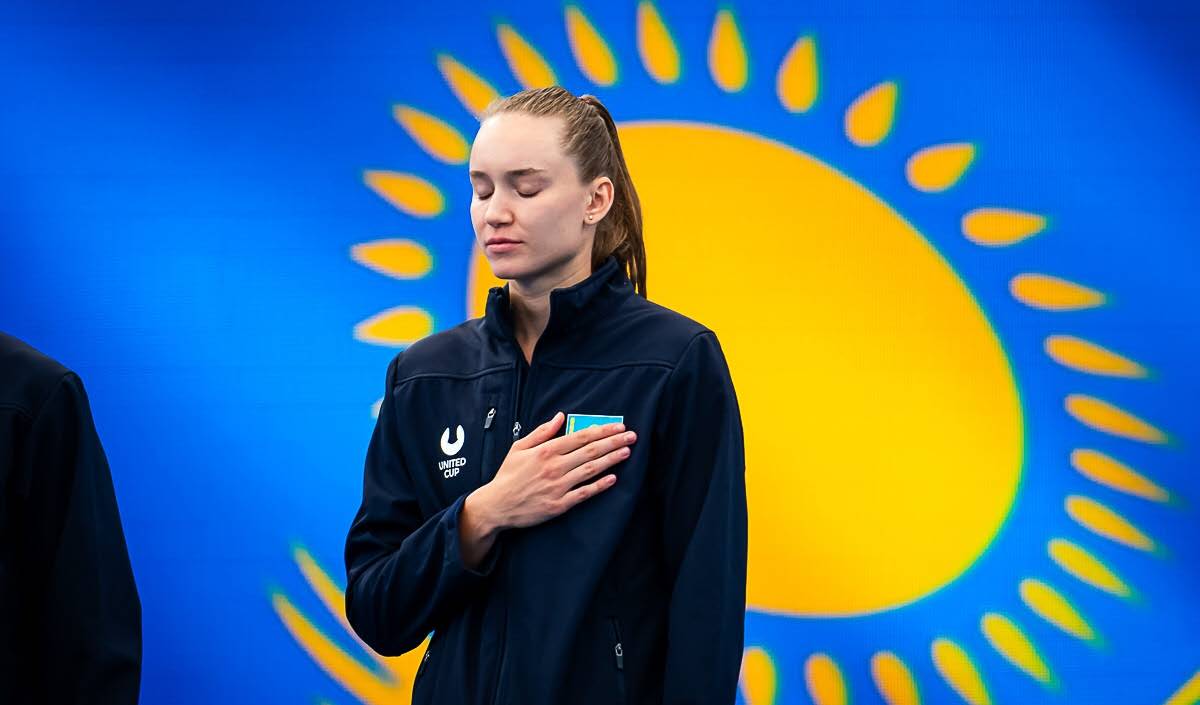
Some veteran fans even compared this to Zheng Qinwen and Liba’s “reunion”: “Zheng Qinwen also left Liba for half a year before inviting her back, and results speak for themselves. Rybakina has proven with two Grand Slams: what you see as toxic, I see as a cure. There’s no standard answer here.”
In any case, some stories only outsiders see in fragments, and the truth? Perhaps only Rybakina knows.(Source: Tennis Home, Author: Lu Xiaotian)

 Links
Links
 Contact
Address:UNIT 1804 SOUTH BANK TOWER, 55 UPPER GROUND,LONDON ENGLAND SE1 9E
Number:+85259695367
E-mali:[email protected]
 App
App


