



Foreign media praise Zheng Qinwen as the female Alcaraz, while domestic opinions are divided: old issues reemerge or is there hope?


In the third round of the Doha women's singles, although China's leading player Zheng Qinwen bravely saved match points and broke her opponent’s serve in the final set, she was eventually defeated 6-4, 2-6, 5-7 by the Australian Open women's singles champion Leylah Fernandez, failing to reach the last eight.
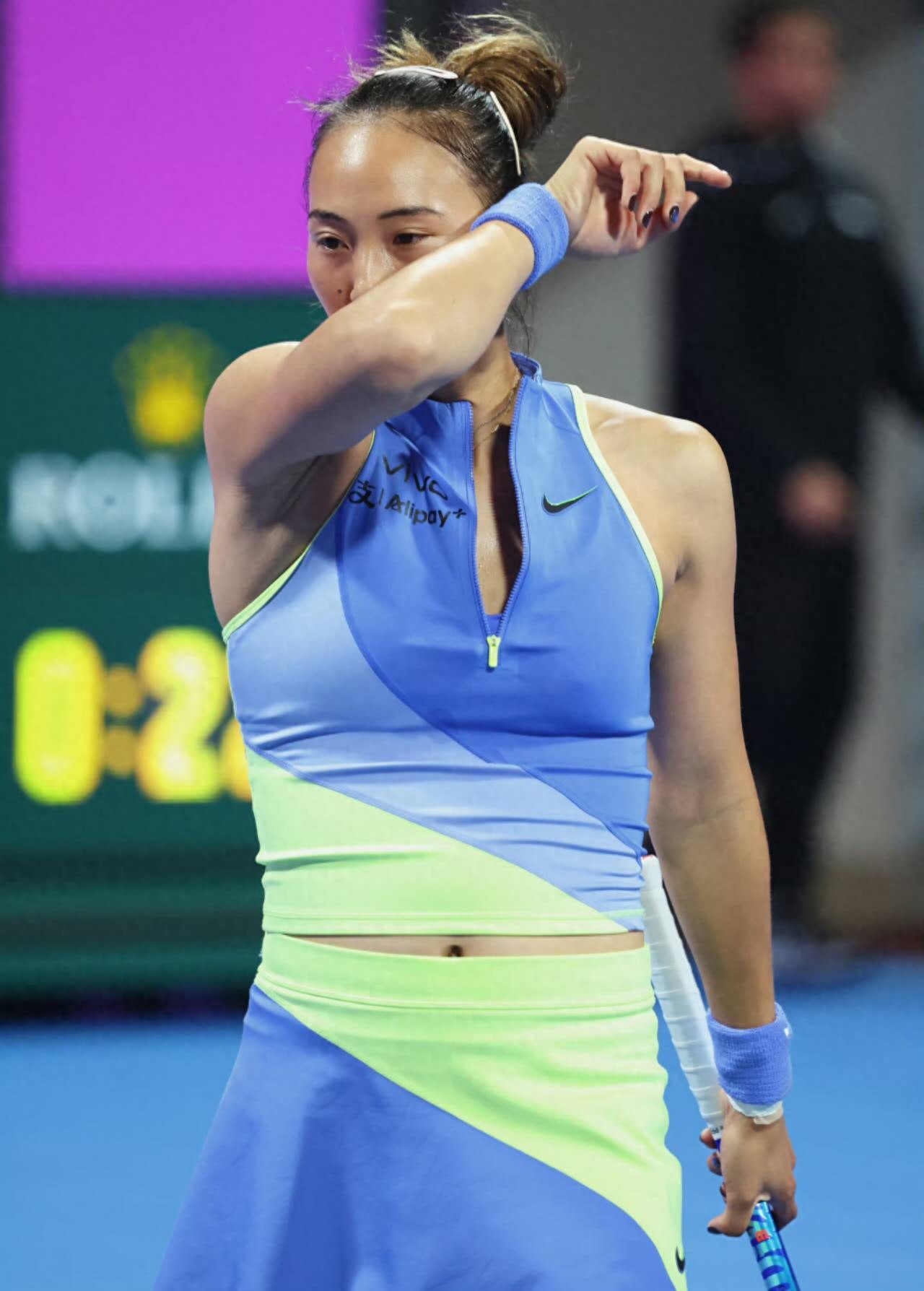
Regarding this match, foreign media gave high praise to China's top player. French newspaper L'Équipe commented that Zheng Qinwen resembles a female version of Alcaraz, writing: "You can see the spirit of Spanish tennis in her, with the warrior-like tenacity in defense, very much like Carlos."
However, this is by no means flattery. In the deciding set, Zheng Qinwen was once down 0-3 and 2-5, just one step away from elimination, but she then saved match points and won three consecutive games to level at 5-5. During that period, her powerful forehand winners, deep baseline shots, and a clever drop shot left the entire arena breathless.
Foreign media especially noted: "In the match against Leylah Fernandez, you could also see the fun in her tennis skills—drop shots and sliced transitions—which have earned her a huge global fanbase."
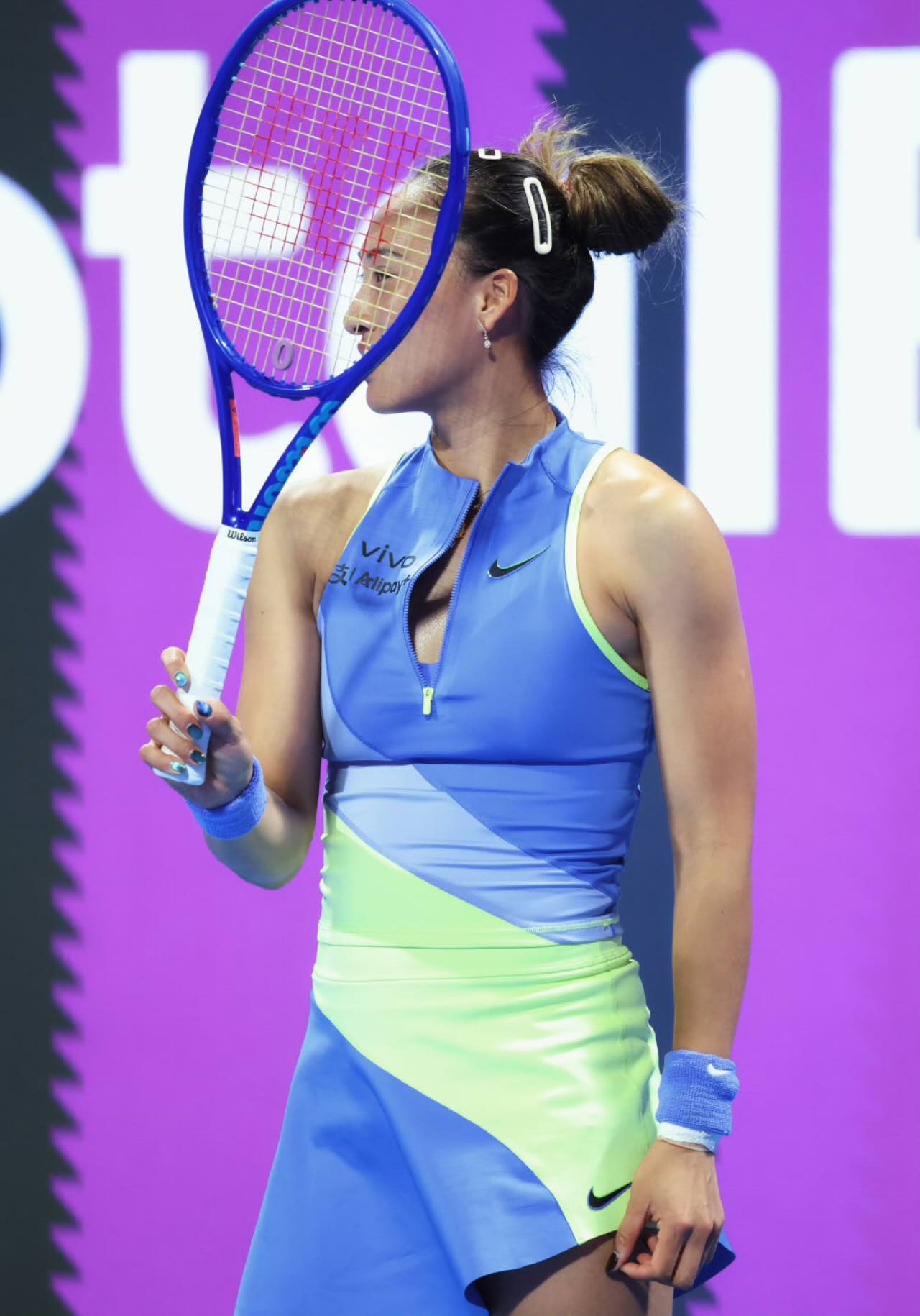
Statistics support this praise: 39 winners in total, 9 aces, and she lost by only 6 points overall. Against the newly crowned Australian Open champion known as the "Ice Beauty," Zheng Qinwen even achieved a 100% first-serve win rate in the first set.
Even Leylah Fernandez described her opponent as "incredible" after the match: "She played amazingly well, some shots were unbelievable. I'm glad to see her healthy again."
Regarding the loss, Zheng Qinwen was very composed in her self-analysis. She admitted, "I think the problem was that my focus fluctuated during the match, sometimes zoning out for long periods. I guess it's because I haven't competed for a long time. Hopefully, with more matches, this will improve."
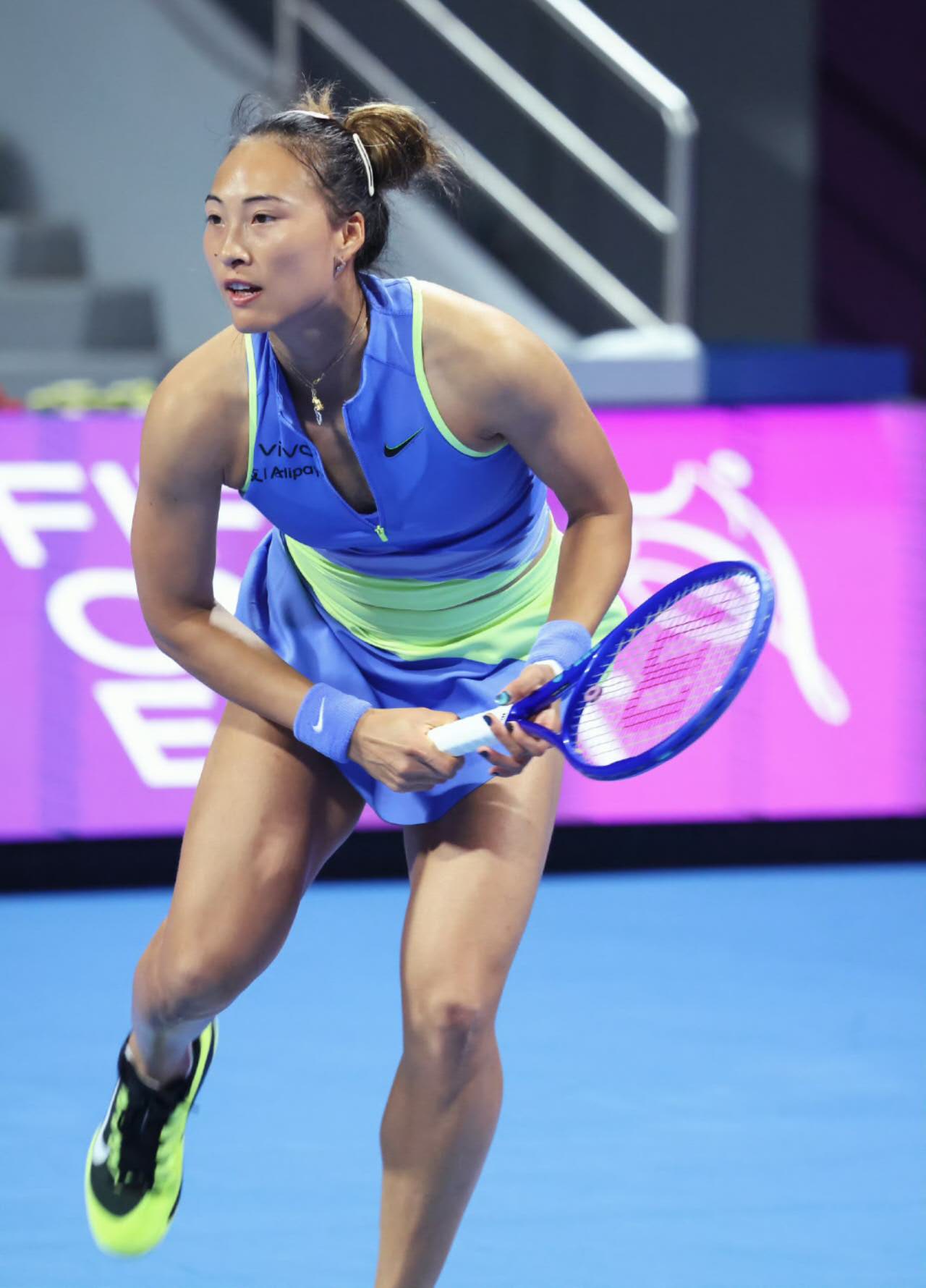
She mentioned the 12th game in the deciding set—where she led 40-0 with three break points but got broken. Her first-serve percentage dropped, and her anticipation of high floating balls in crucial points was half a beat late, causing her advantage to vanish instantly. This was her first high-level tournament since surgery, playing three full three-set matches. She did not shy away from the issues but openly exposed them on camera.
Nevertheless, domestic netizens remain sharply divided: some cheer "the warrior returns," while others bluntly say "the old problems have returned!"
One side believes: despite the loss, she deserves honor; she is on the road to recovery.
"Chasing three games in the deciding set and nearly turning it around—that's not a collapse of willpower, that's a warrior," a fan wrote.
"39 winners, total points even higher than her opponent, lost only on three break points. Playing the Australian Open champion in her first week back—what else can you ask for?" another highly liked comment said.
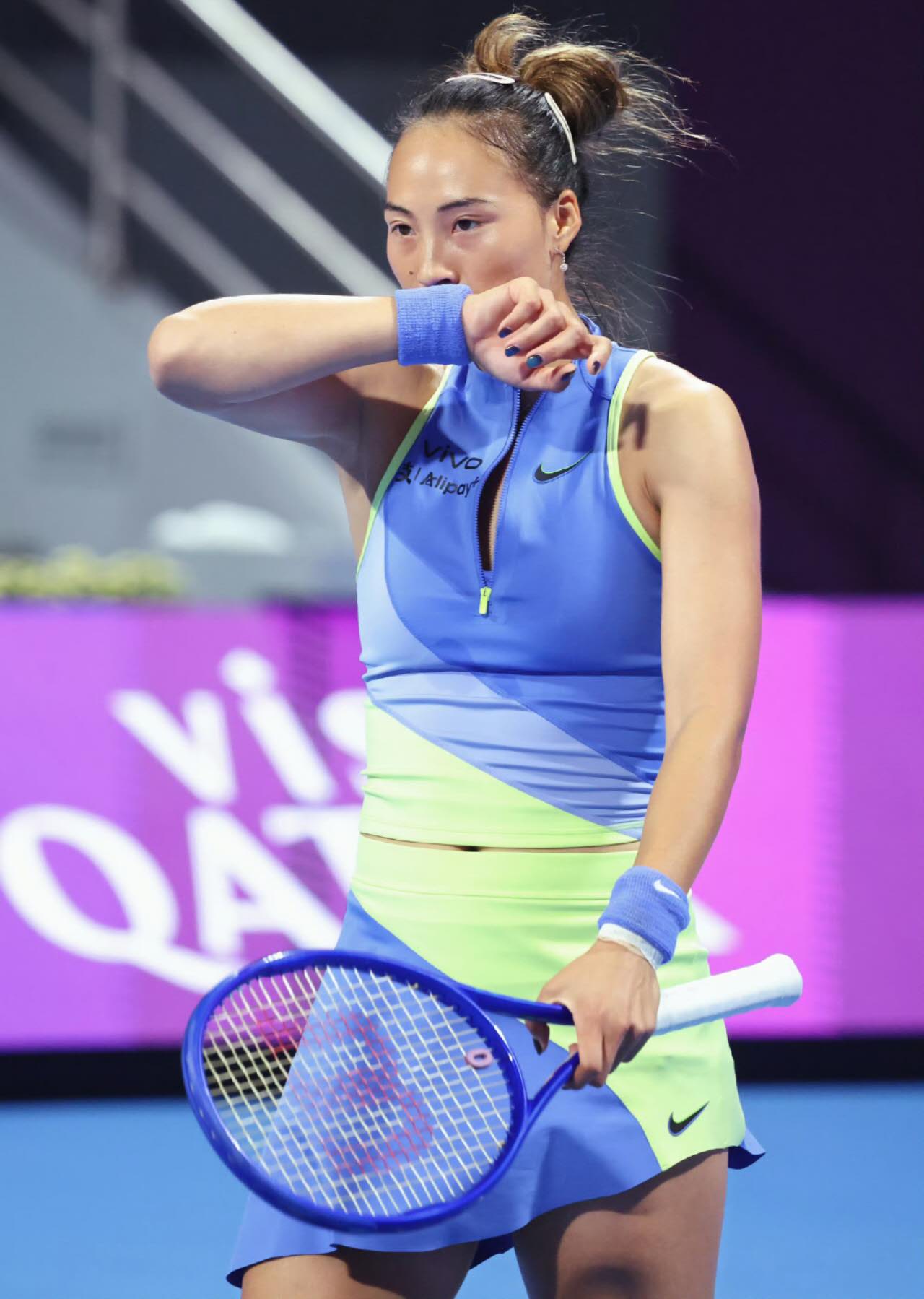
This viewpoint emphasizes: Zheng Qinwen has been off the court for 133 days, just had elbow surgery, fought through three tough rounds, and battled the world No. 3 until the last moment. The stats don’t lie—her form hasn’t declined; she’s just working hard to regain her former rhythm.
But the other side argues: lack of focus is an old problem and should not be blamed solely on lack of recent competition.
“Old problem again.” This short comment topped the live chat.
“Every loss is due to lack of focus and fluctuating form. After so many years playing professionally, when will this issue be fixed?” a netizen questioned.
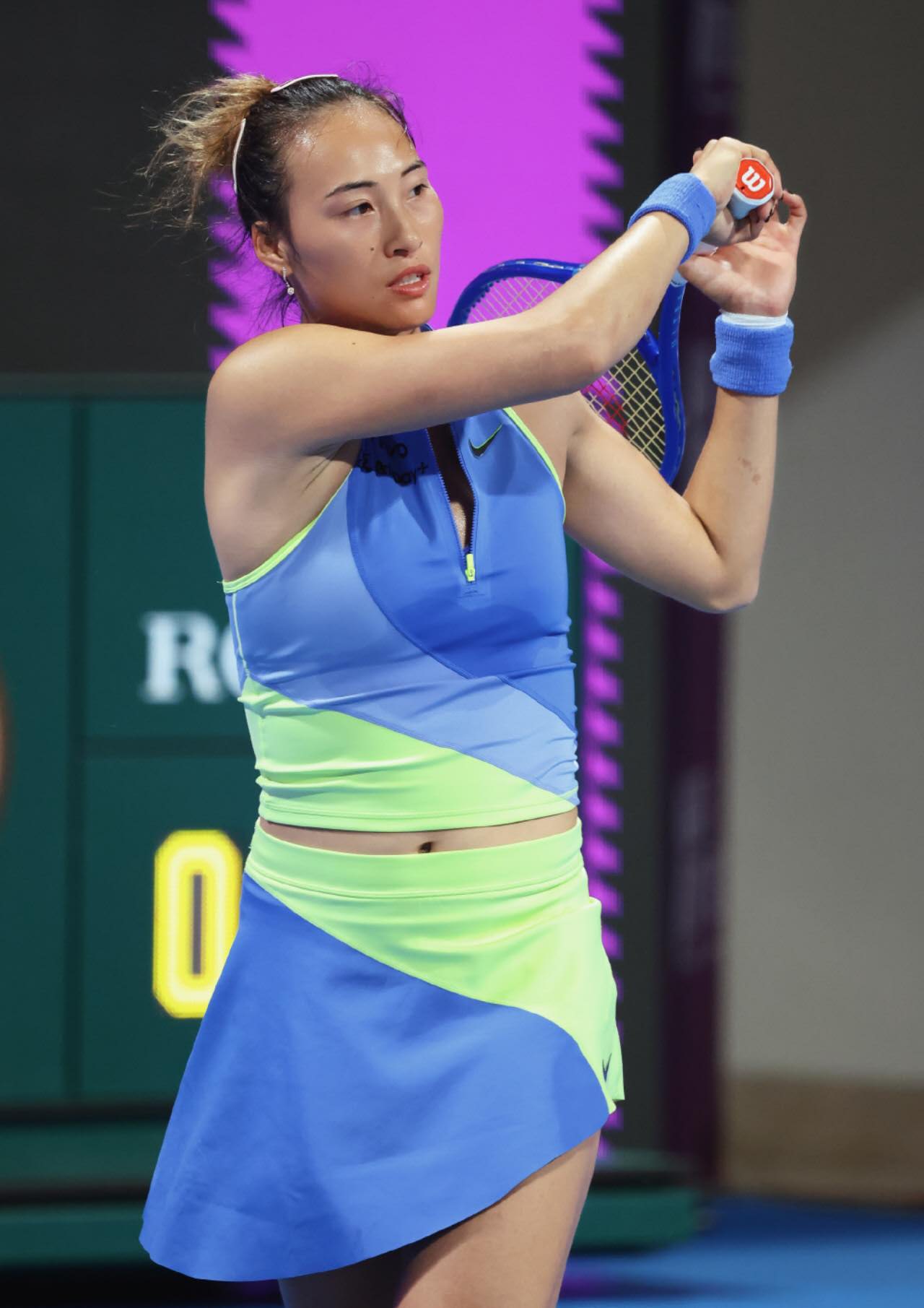
Some comments express deeper concern: “Starting the deciding set 0-3, digging her own hole and filling it, then losing a 40-0 lead again. This isn’t a technical issue, it’s a habitual mental blackout.”
Longtime followers of Zheng Qinwen have reviewed her “controversy history”: after losing at Roland Garros she said her skills were not inferior but was accused of making excuses; in 2025, heavy commercial activities led to doubts about her training time; this time, explaining focus issues after the match, she was accused of repeating excuses.
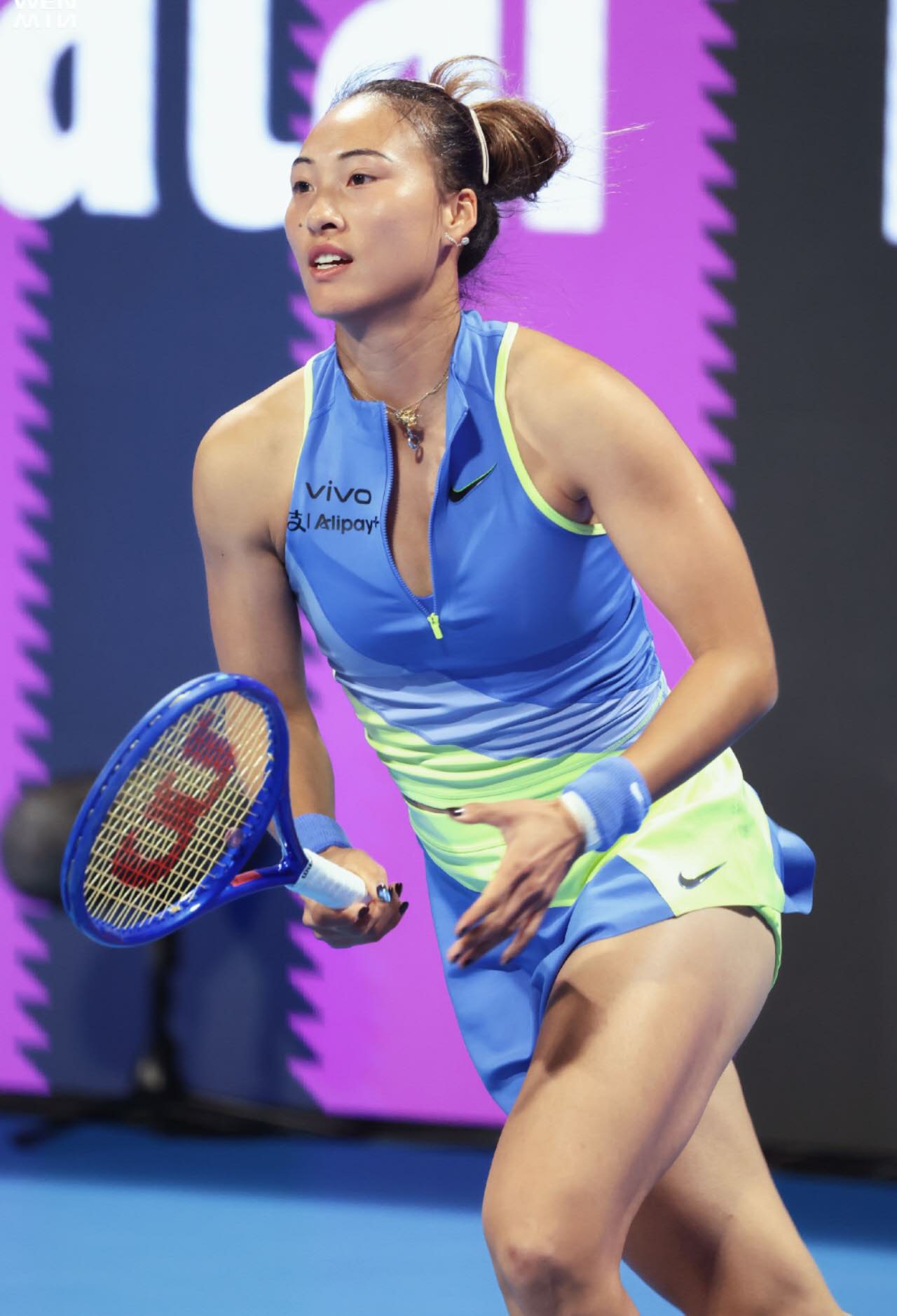
Why is Zheng Qinwen always caught in the eye of public controversy? Perhaps this question is more worth exploring than a single match’s outcome.
On one hand, expectations have changed. She is no longer the "dark horse" from years ago but a Grand Slam finalist, former top ten player, and a top athlete with commercial appeal beyond tennis. People’s demands have shifted from “winning a match” to “being consistent.”
On the other hand, it’s her personality. Zheng Qinwen is not a conventional "obedient girl." She raises her fists when winning, looks serious when losing, and never gives a perfunctory post-match review—“focus issues” are honest, but to those expecting “deep reflection,” honesty often seems insufficiently heartfelt.
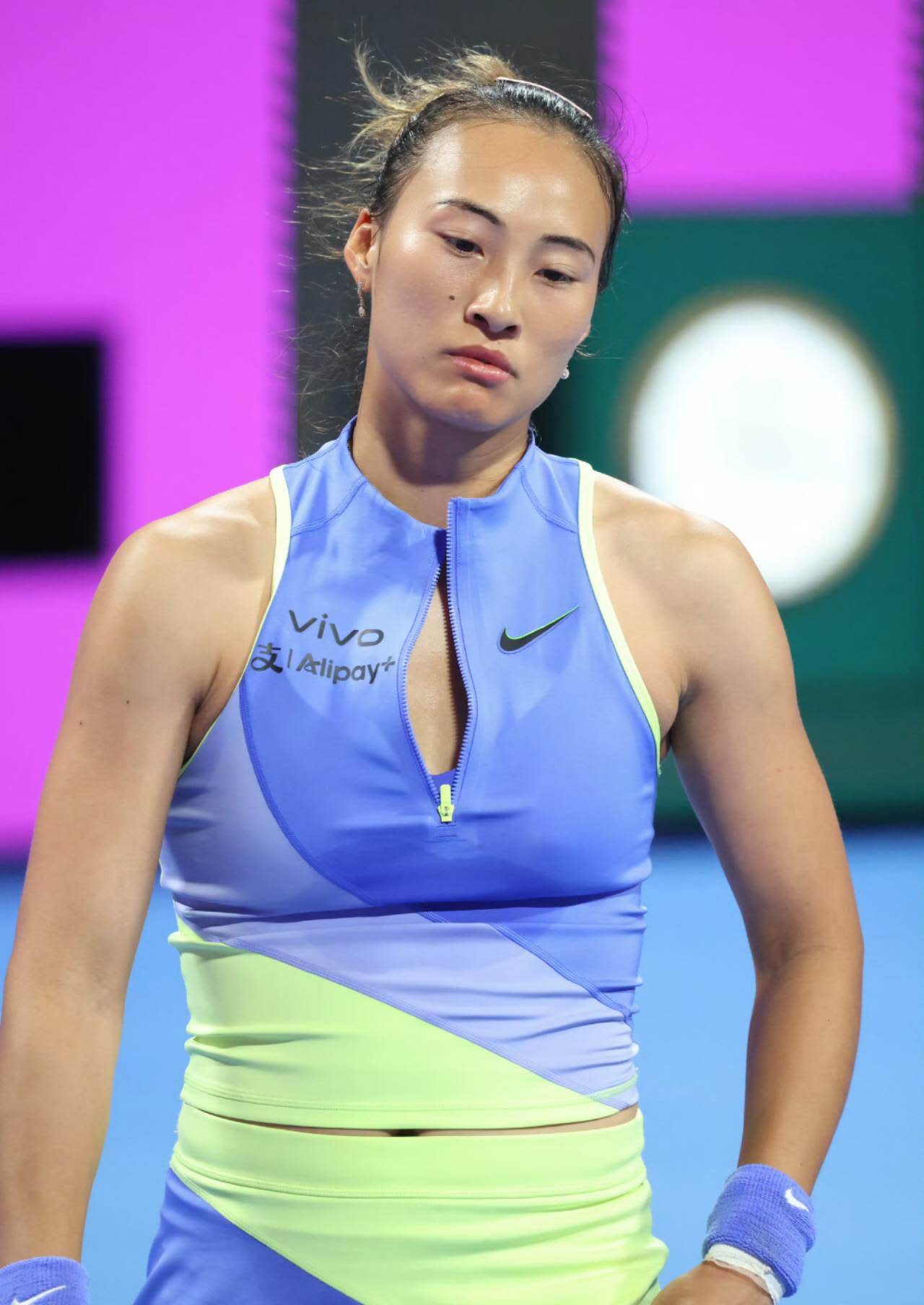
This creates a curious media landscape: foreign press praises her technical talent and entertaining style, while domestic netizens fiercely debate her professional attitude. The same person, two narratives.
Compared to the more emotional comments from many domestic fans, voices within the professional circle are calmer.
Tennis commentator Wang Fei analyzed post-match that Zheng Qinwen’s issue is not focus or willpower but adapting to the intensity of high-level competition: "I observed that under continuous pressure from opponents, her serve speed drops and her backhand lacks sudden changes. It’s not unwillingness to focus, but her body still adjusting to elite-level intensity."
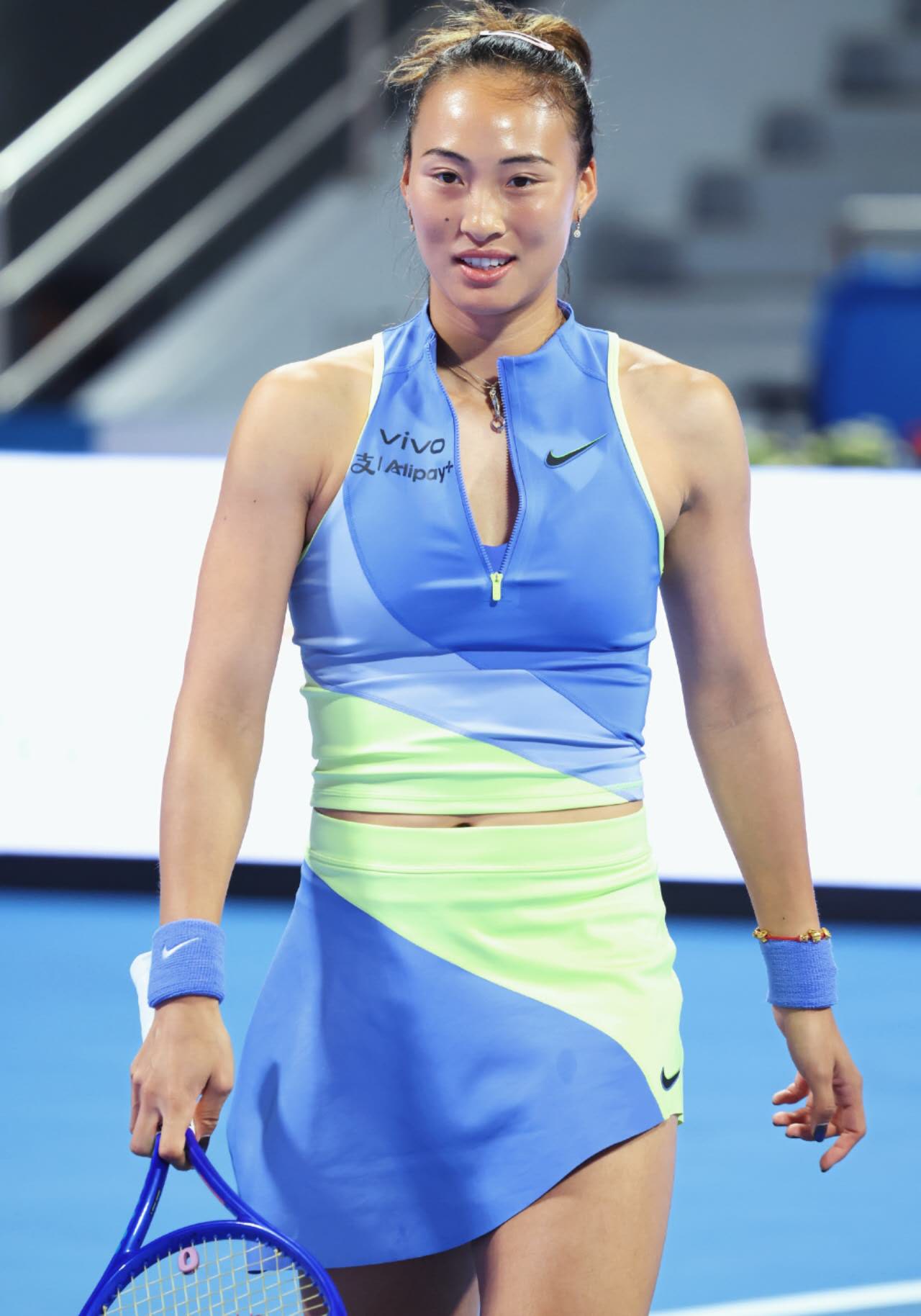
Other experts also pointed out that Zheng Qinwen’s anticipation and movement for high floating and sliced shots on crucial points were half a beat late, “This isn’t a form issue but tactical preparation—she should have adapted earlier to Leylah Fernandez’s changing rhythm.”
In other words, it’s not a lack of attitude but her muscle memory hasn’t fully returned. This is the most genuine sign of “long absence from competition” and something that can be improved through match experience.
According to plan, Zheng Qinwen will continue to compete next week at the WTA1000 Dubai tournament. These two consecutive Middle East hard-court events will further test her elbow recovery and offer the best opportunity to regain match rhythm.
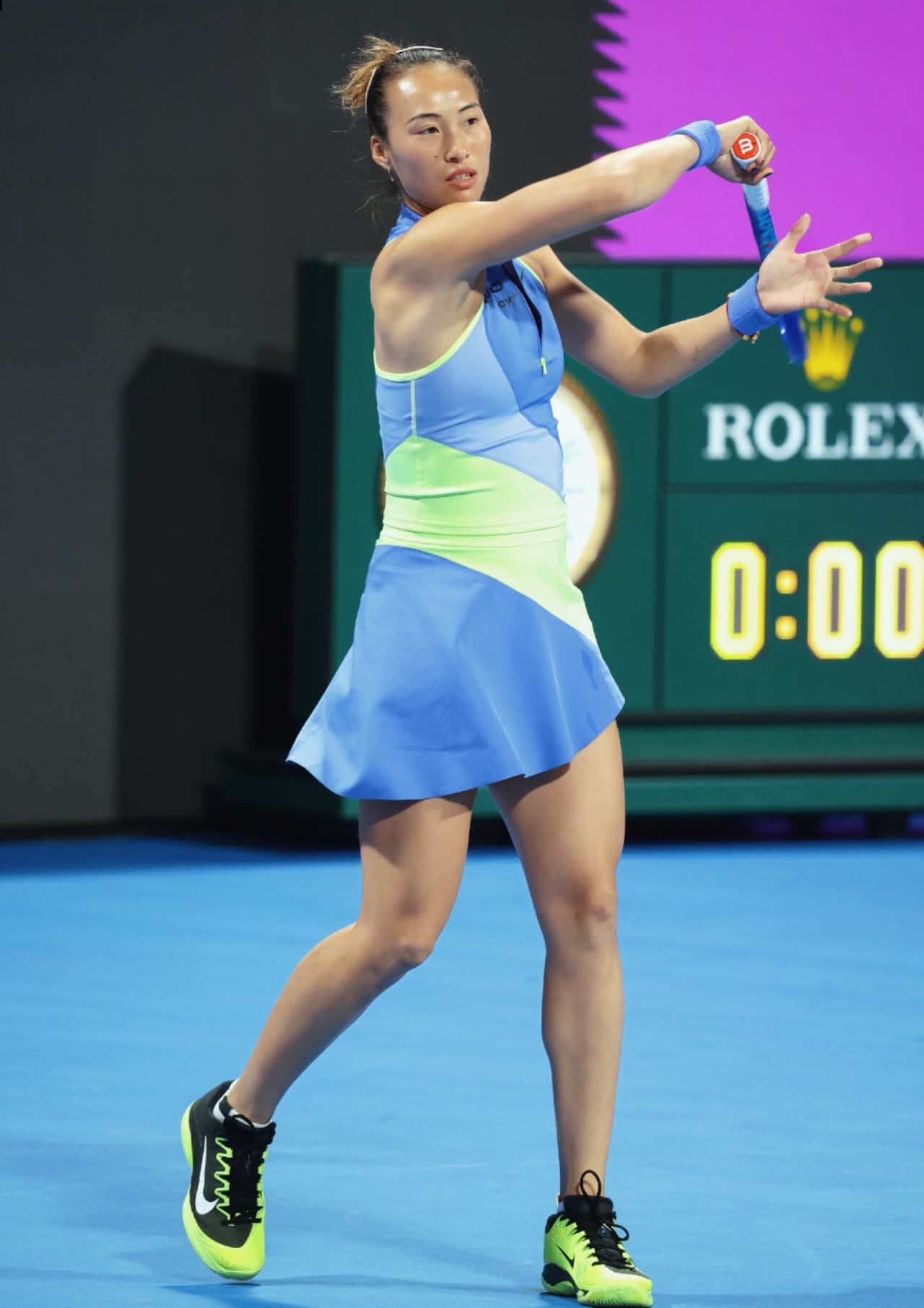
The 133-day gap away from competition cannot be bridged in one week. Although losing a 40-0 lead in the deciding set is harsh, a more important signal than the result is that her serve still has power, her baseline shots still penetrate, and she still dares to fight in adversity.
On this night in Doha, Leylah Fernandez took the victory, while Zheng Qinwen took away 39 winners, a near-comeback, and a clear list of issues. For her just returned, this list may be more valuable than a quarterfinal spot.(Source: Tennis Home, Author: Lu Xiaotian)

 Links
Links
 Contact
Address:UNIT 1804 SOUTH BANK TOWER, 55 UPPER GROUND,LONDON ENGLAND SE1 9E
Number:+85259695367
E-mali:[email protected]
 App
App


