



Djokovic officially announces withdrawal from Doha, his family enjoys a joyful time at the Winter Olympics



Djokovic began the new season powerfully in Melbourne, advancing to his 38th Grand Slam final and setting the record as the oldest man to reach the Australian Open singles final. Currently, this Serbian ace is turning his attention to more important events, withdrawing from another competition that includes Alcaraz and Sinner, signaling his preference for Grand Slam events.
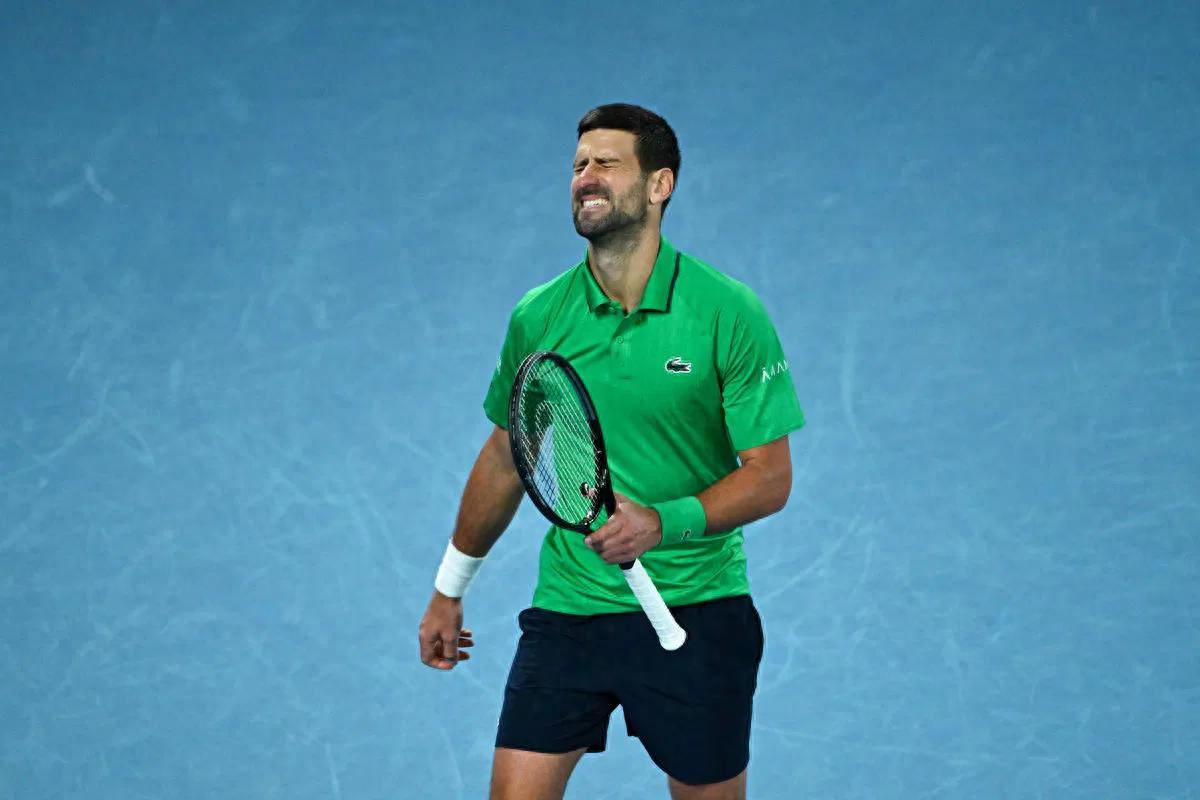
The 24-time Grand Slam champion has confirmed his withdrawal from next week's ATP Qatar Open in Doha, a tournament he won twice in 2016 and 2017. With Djokovic pulling out, potential clashes with the world No. 1 and No. 2, who are key young rivals, will not take place.
The tournament’s official Instagram posted a video saying, “Qatar will miss you. Wishing you a speedy recovery,” confirming Djokovic’s withdrawal due to severe fatigue, likely related to his recent Australian Open campaign.
Despite Djokovic’s absence, the Qatar Open lineup remains strong, featuring eight players ranked in the world’s top 20, with defending champion Rublev returning to the Doha Khalifa Court. This historic event, upgraded to ATP 500 status in 2025, will hold its 34th edition this year.
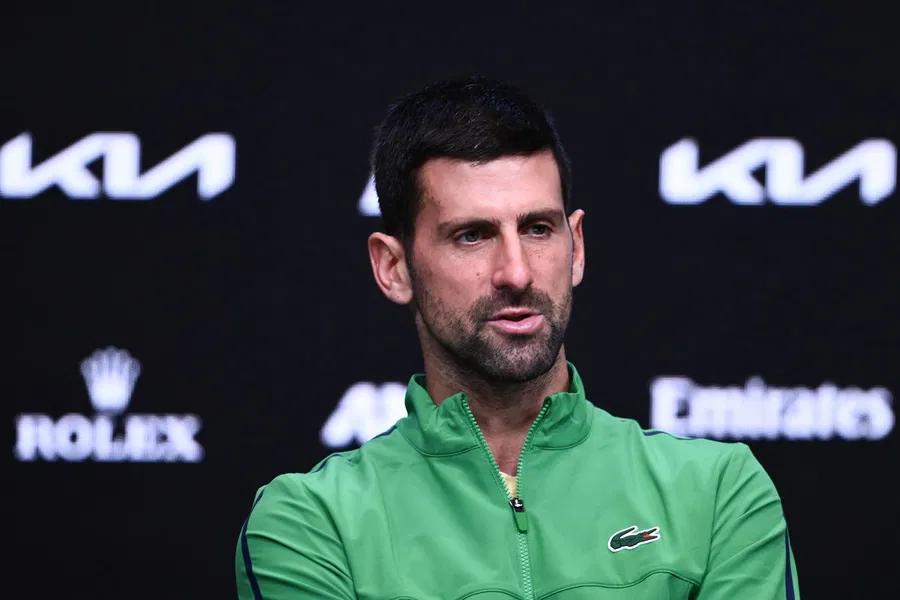
Last year, Djokovic returned to Doha but was eliminated in the first round in straight sets by Berrettini, ending his comeback with a loss. This year, he has chosen to allow more time for physical recovery and is focusing on the upcoming Indian Wells and Miami tournaments.
In fact, this is not Djokovic’s first recent withdrawal. As he ages, he has become more cautious with his tournament schedule, balancing physical management and match load. Last year, he withdrew from the 2025 ATP Finals just one hour after winning the ATP 250 Athens title, citing a shoulder injury as the reason to end his season early.
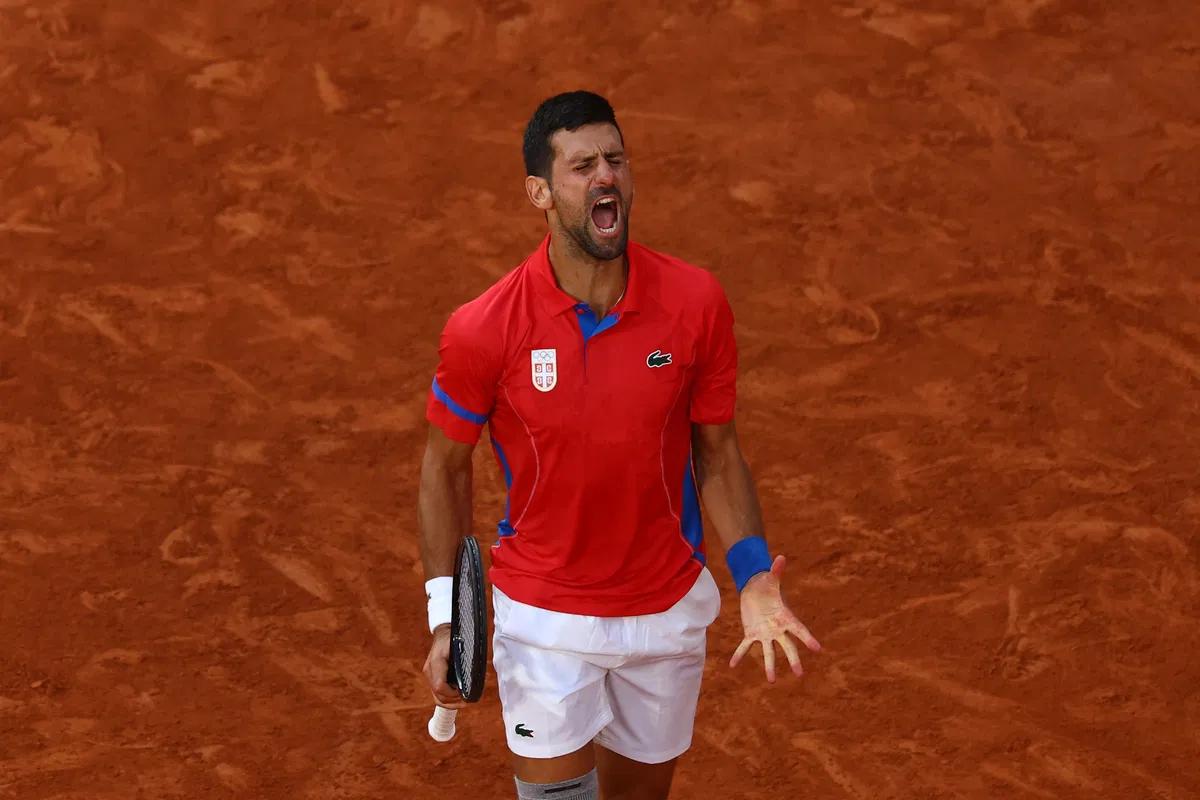
This withdrawal also marks his second consecutive year missing the year-end championships, reflecting his strong emphasis on long-term health and recovery.
Earlier this year, the Serbian also pulled out of the Adelaide International — originally an important warm-up event before the Australian Open — because he felt his physical condition was not yet ready for competition. Djokovic wrote on social media: “To all the fans in Adelaide, I’m very sorry that my current physical state does not allow me to participate in next week’s Adelaide International. This is very disappointing for me personally, as I won there two years ago and have great memories. I really look forward to returning because it felt like playing at home.”
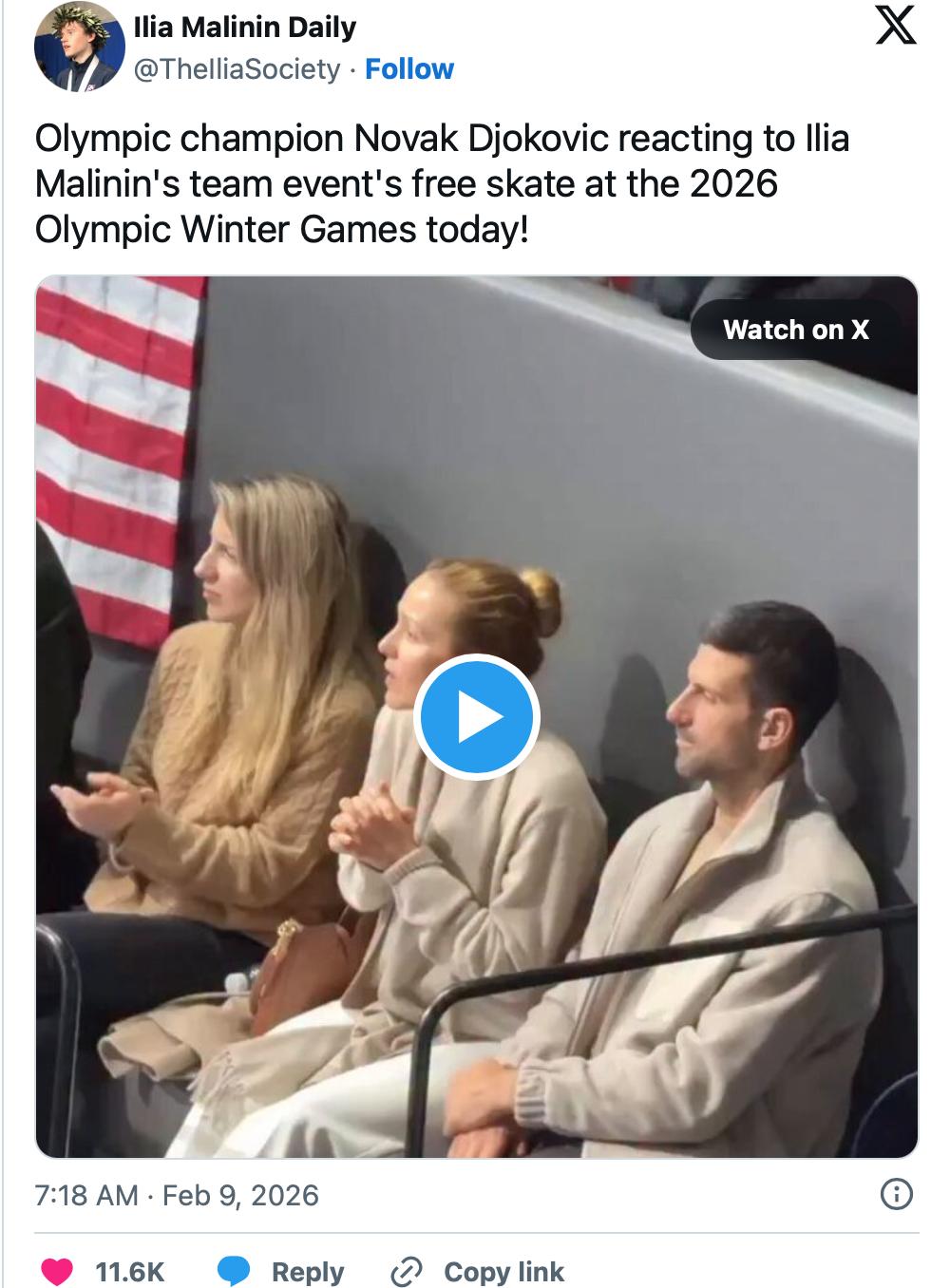
Away from the tour, Djokovic recently appeared at the Winter Olympics venue. The Paris Olympic champion watched the figure skating team event alongside his wife Jelena.
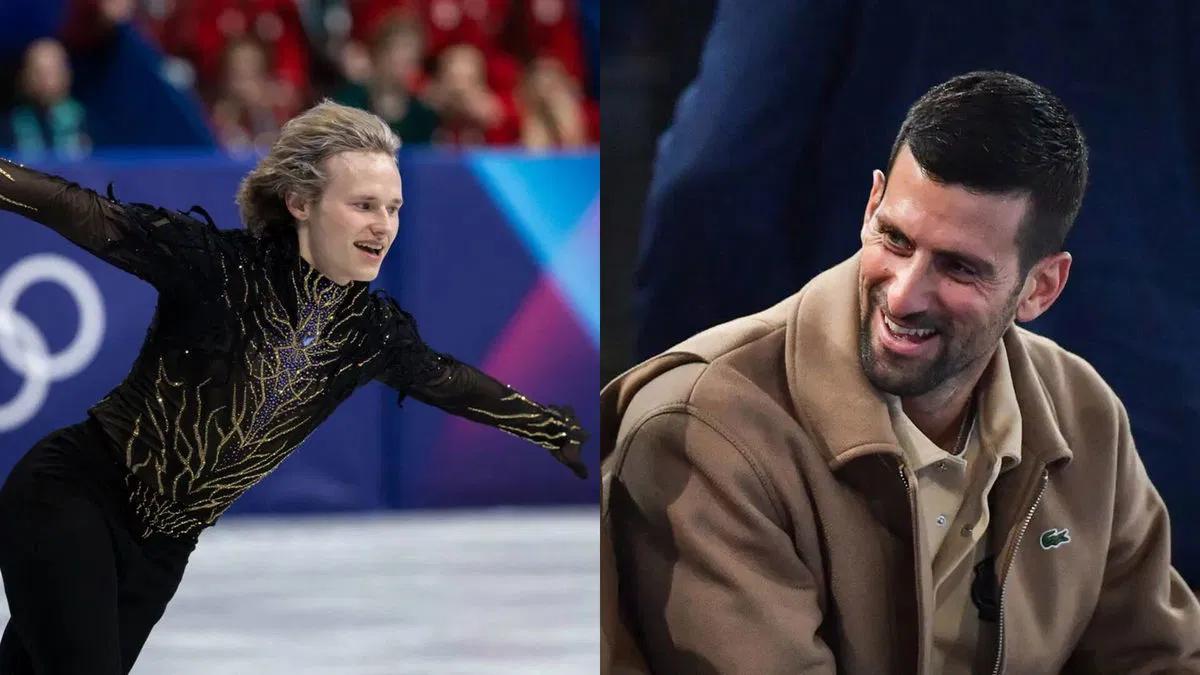
He sat close to the ice, applauding the athletes’ performances. After American rising star Ilia Malinin completed his free skate, Djokovic even stood up to applaud. Malinin later said, “I actually saw Djokovic; it was really unreal.”
Overall, Djokovic’s recent series of withdrawals demonstrate a clear strategic approach — carefully managing his physical condition and selectively choosing tournaments. His current main goal is to maintain peak performance for the most important events of the season.
Djokovic has achieved unprecedented feats in tennis history, holding the men’s record with 24 Grand Slam titles. Yet, he still harbors higher ambitions — aiming to claim a historic 25th Grand Slam and further cement his legendary status.
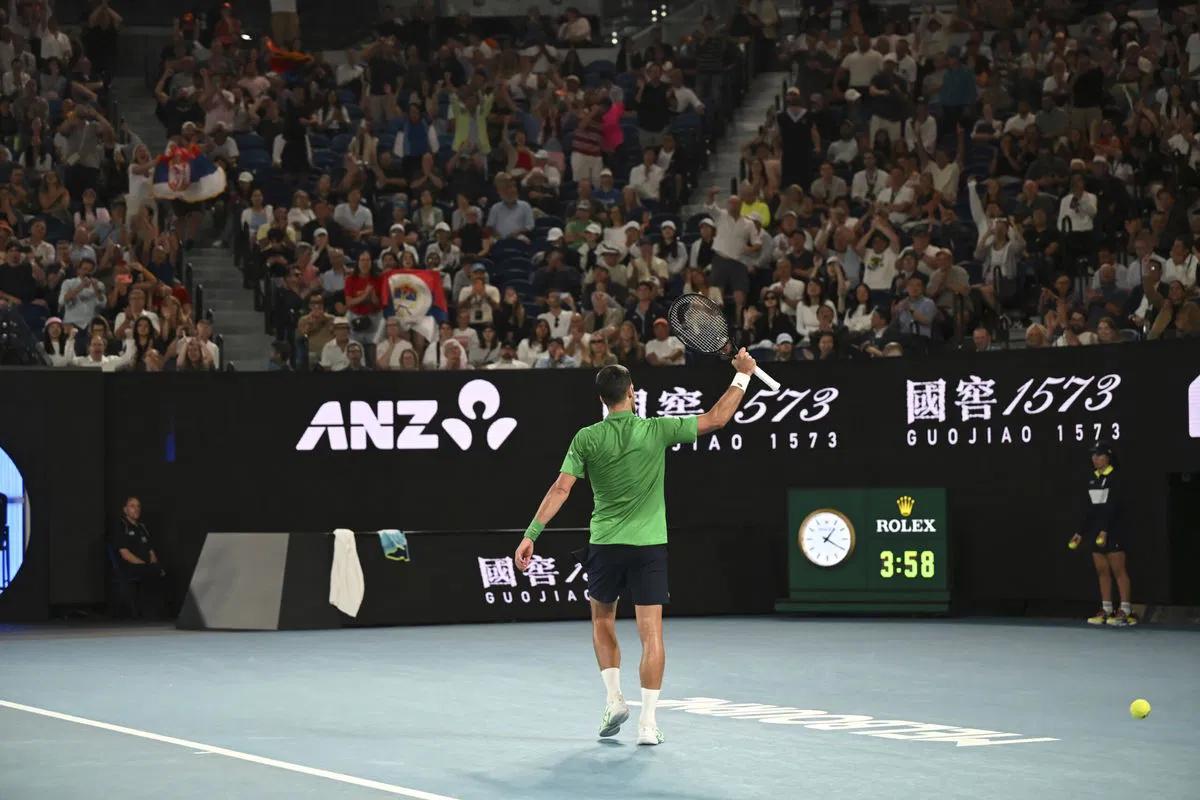
At this stage of his career, Djokovic is planning his schedule more meticulously. Last year, he skipped both the Toronto and Cincinnati Masters to spend more time with his family. He has also made it clear that world ranking is no longer his primary focus; now, peak performance at major tournaments, especially Grand Slams, is what matters most.
Before the US Open, Djokovic said at a press conference: “I chose not to participate in the Canadian and Cincinnati Masters because I wanted to spend more time with my family. At this point in my career, I feel entitled to decide my schedule.”
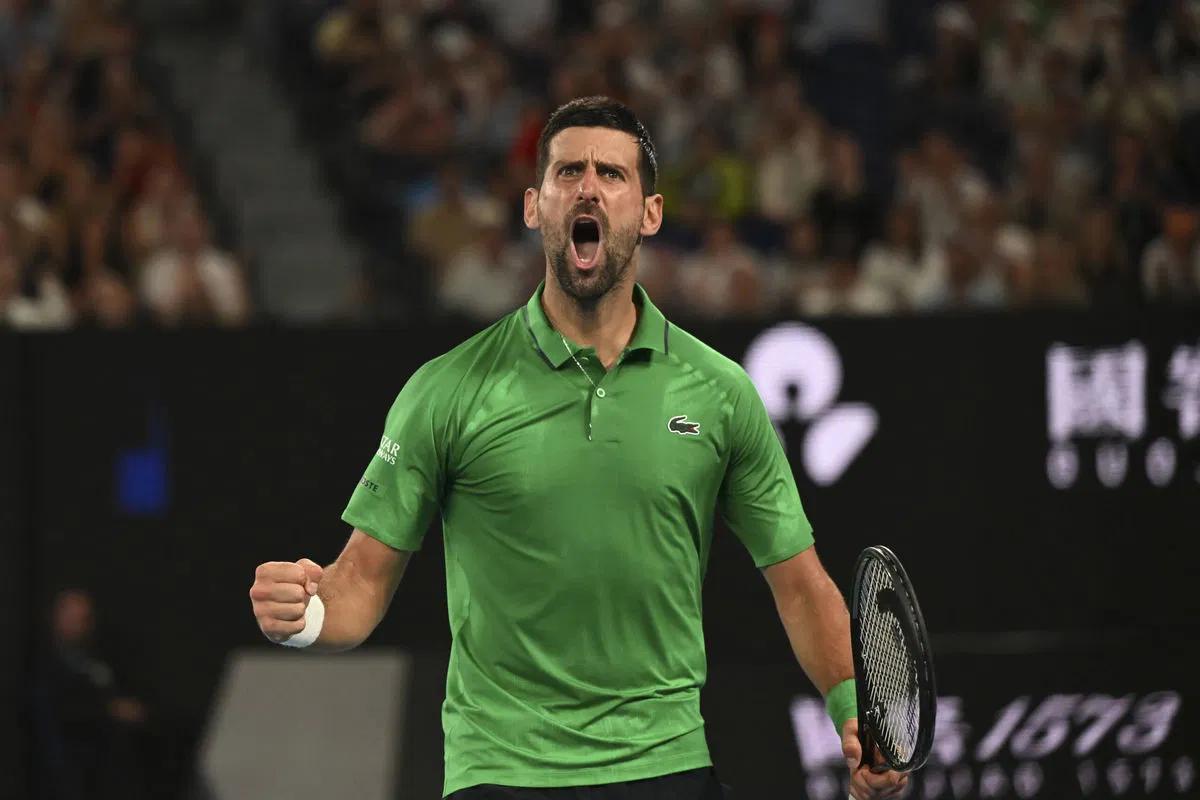
The physical toll of long tournaments also influenced his decision, especially the demanding two-week Masters events. He added, “Honestly, I no longer enjoy the two-week Masters tournaments; they are too long for me. My main focus is the Grand Slams. I’m no longer chasing ranking points or filling my schedule as I used to. Now, what matters most is where I can stay motivated and inspired to play my best tennis — and that’s usually at the Grand Slams.”
This more selective participation reflects a shift in his priorities. Rather than quantity of tournaments, career longevity and peak performance have become paramount, and every event he enters fits into his overall plan.
Next, Djokovic will turn his attention to Indian Wells. Last year, he exited in the round of 64, losing to Van de Zandschulp. After extra rest, a key question arises: can the Serbian star return in a stronger condition and deliver convincing performances in the “Sunshine Double”?(Source: Tennis Home, Author: Spark)

 Links
Links
 Contact
Address:UNIT 1804 SOUTH BANK TOWER, 55 UPPER GROUND,LONDON ENGLAND SE1 9E
Number:+85259695367
E-mali:[email protected]
 App
App


