



Who did Federer reveal as the person he "hates the most"?


In the recent YouTube audio episode, Federer revealed the five players he “disliked” most in his professional career,which immediately grabbed the attention of tennis fans around the globe. Ranked from fifth to second on his “dislike list” were Davydenko, Simon, Djokovic, and Safin. Yet, the undisputed number one was Rafael Nadal, the rival who had shadowed him throughout his career.
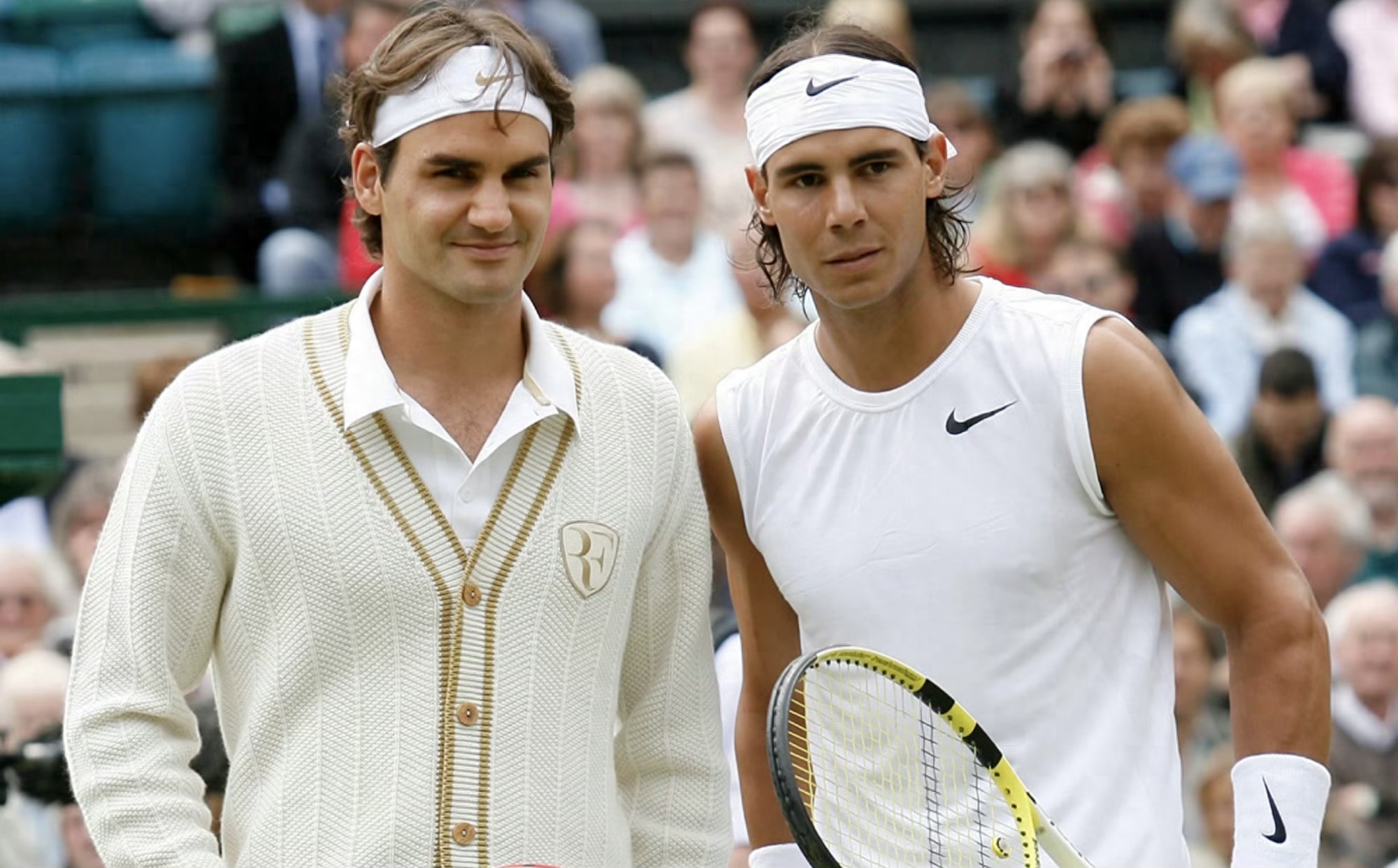
Federer was unusually candid when explaining these feelings: “There are players I intensely disliked, not because of who they were, but because of what they made me become. They disrupted my rhythm, unsettled the timing I depended on, dragged me into grueling rallies, and made me feel my skills were completely out of control at times. My dislike was never personal.” Regarding Nadal, this sentiment was the strongest: “No name is etched more deeply in my mind than his.”
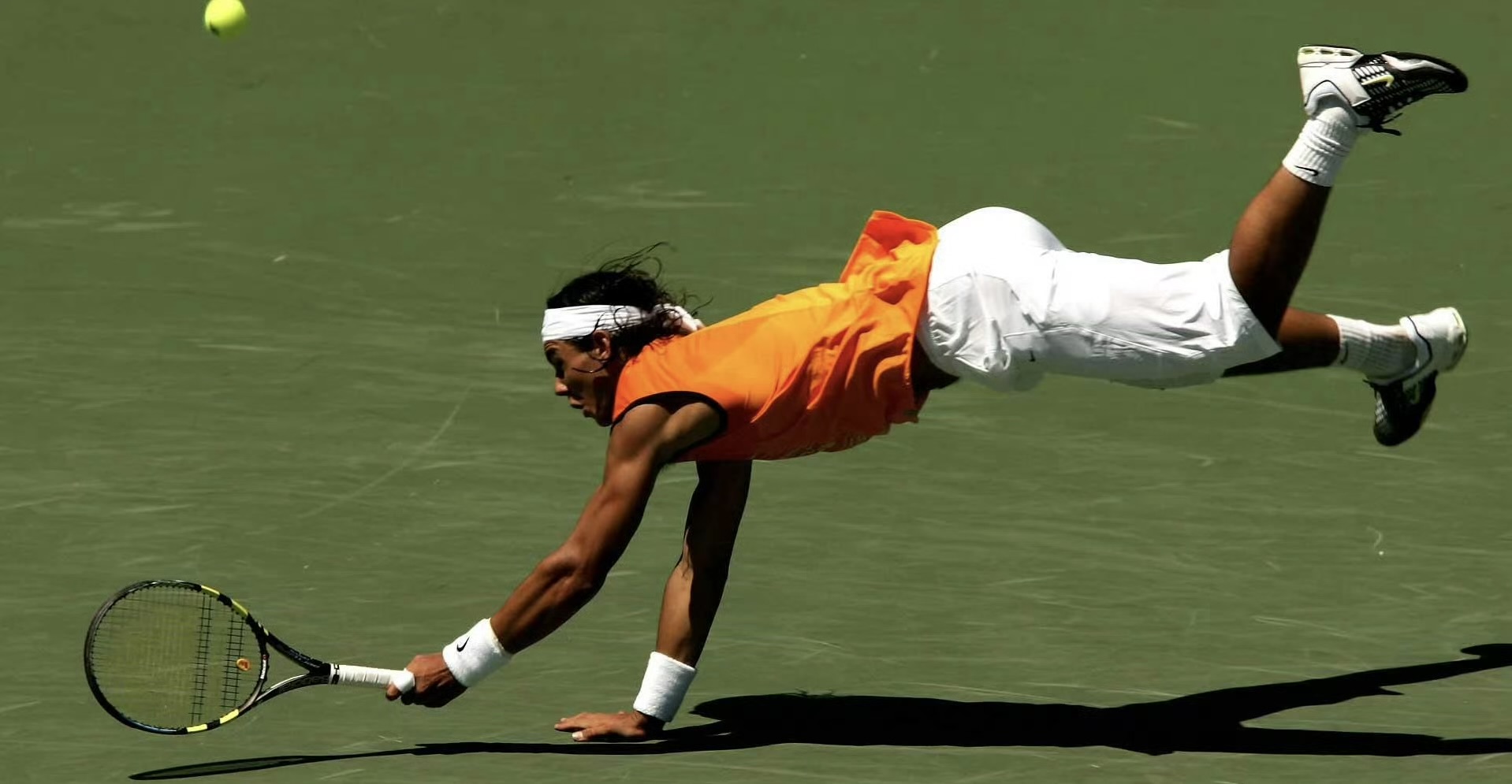
To understand Federer’s complex “hatred” for Nadal, we must go back to Miami in 2004. At that time, Federer was already world number one and a two-time Grand Slam champion, while across the net stood a Spanish teenager, not yet 18, with a youthful face. Unexpectedly, Nadal swept him with two 6-3 sets. This was Federer’s first encounter with the heavy topspin shots from across the net that would revolutionize his understanding of tennis.
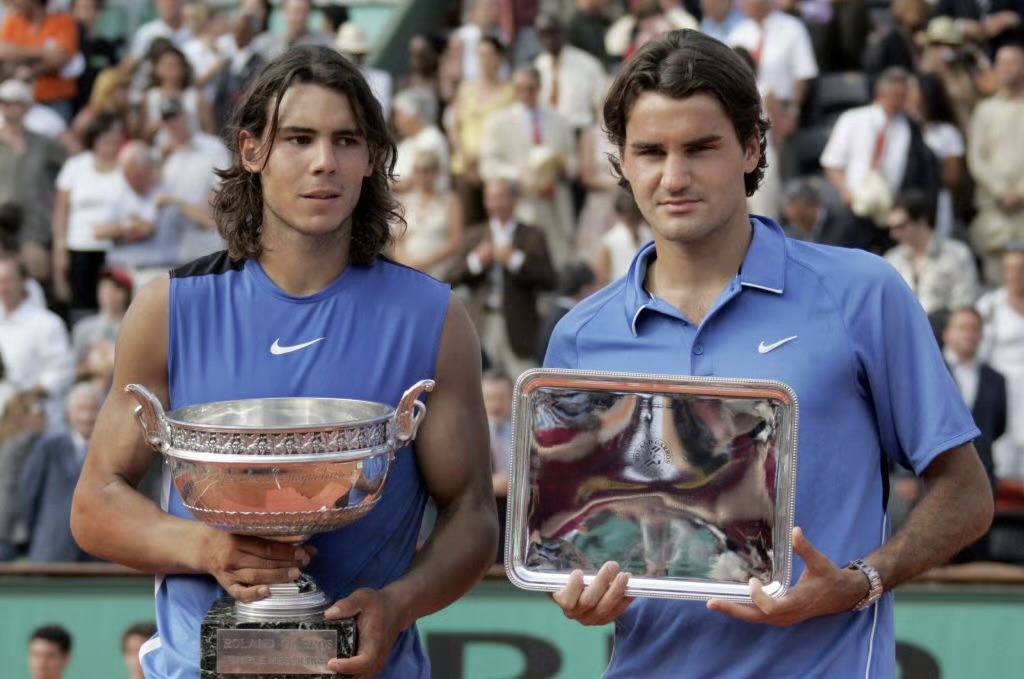
During Federer’s peak years, Nadal was almost the only “counterforce.” While Federer dominated grass and hard courts with elegant one-handed strokes and precise net play, Nadal built an impenetrable fortress on clay. From 2005 to 2008, Federer challenged the French Open title four consecutive times but was blocked each time by the same opponent. The 2008 French Open final even turned into a “massacre,” with Nadal delivering a painful 6-0 set as Federer managed only four games in the entire match. That feeling of total loss of control on the court perfectly reflected what Federer described as “what they made me become.”
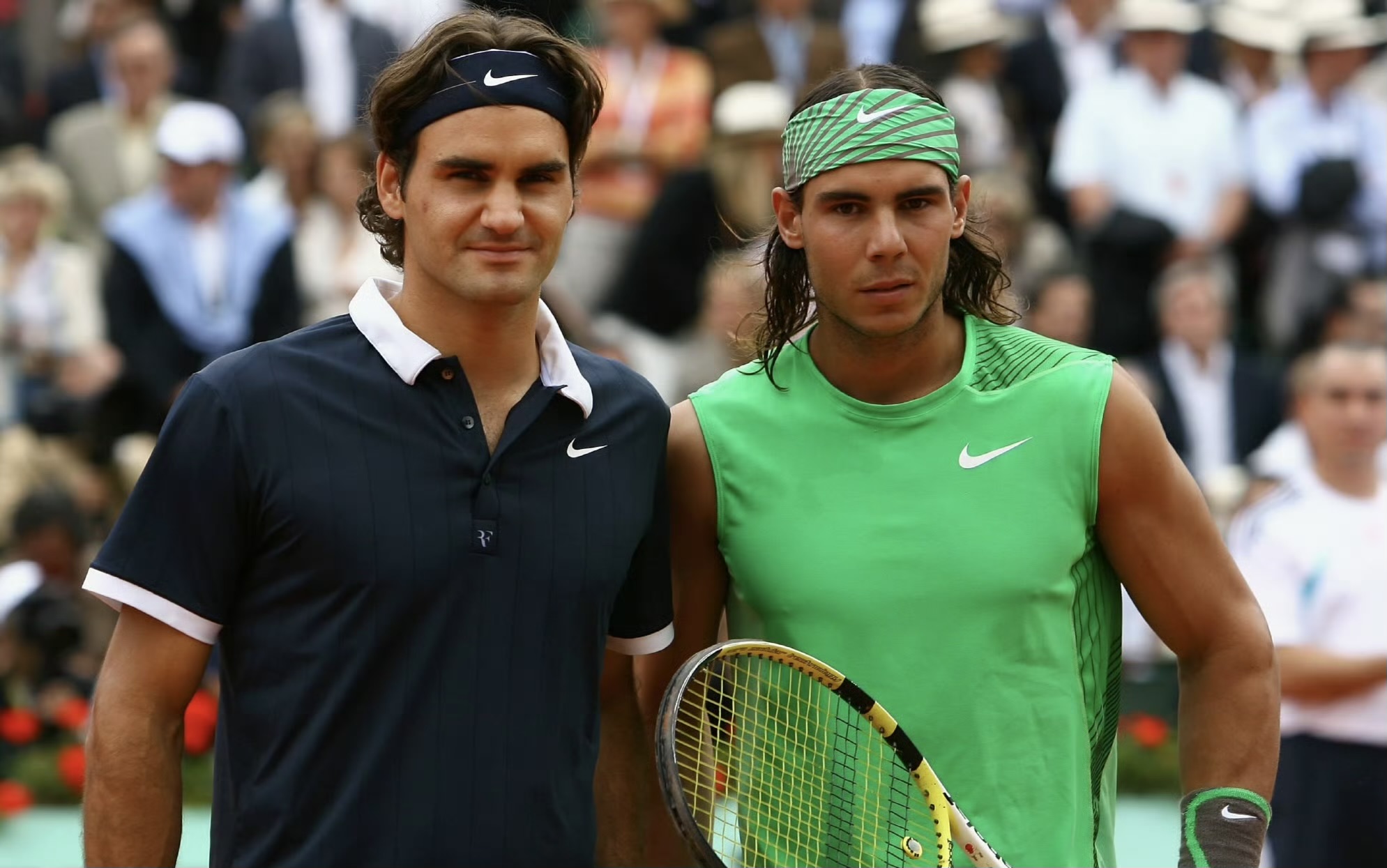
If the losses on clay could be attributed to surface disadvantages, then the night at Wimbledon in 2008 truly shattered Federer’s backyard legend.
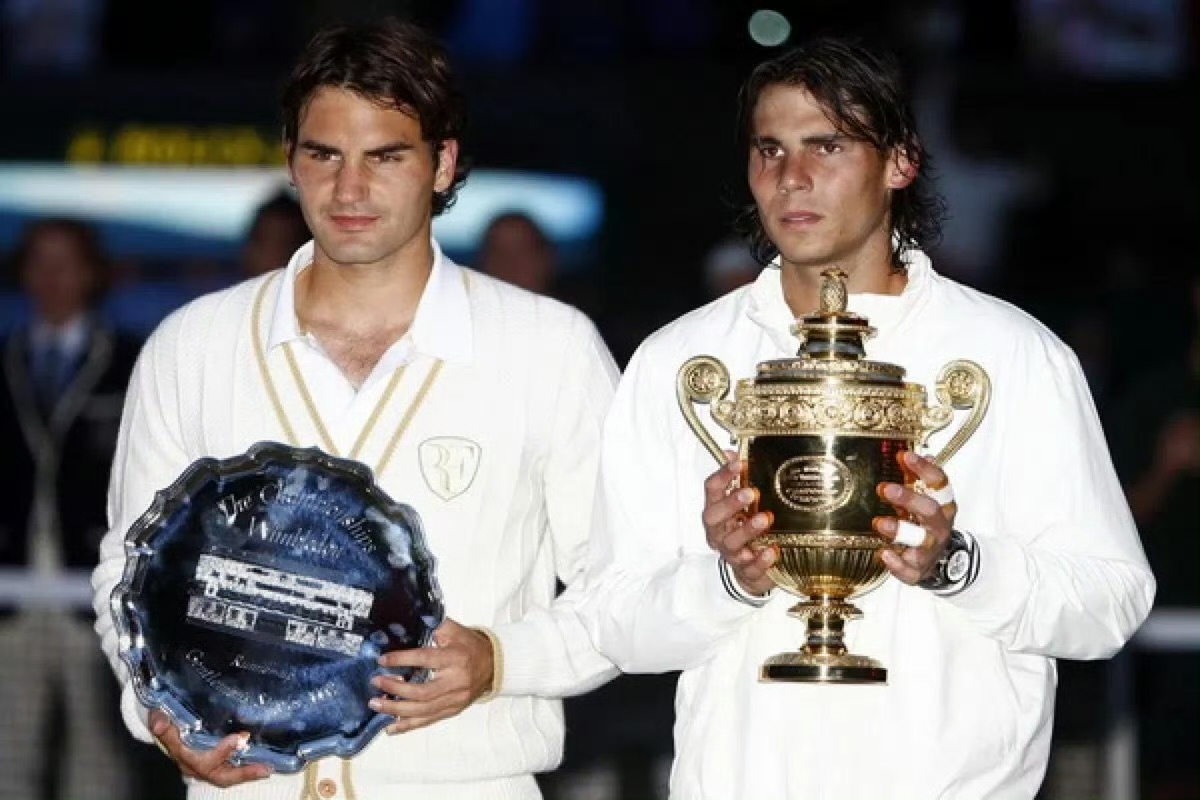
That Wimbledon final, interrupted three times by rain and lasting from day into night, is regarded as one of the greatest matches in tennis history. Nadal overwhelmed Federer’s prized grass-court defense with sheer power. Federer saved match points and dragged the match into a long final set but eventually lost 7-9. The Swiss maestro’s 40-match winning streak at Wimbledon and 65-match winning streak on grass both ended. At the trophy ceremony, Federer’s eyes were filled with tears — a profound loss for a grass-court king defeated on his own turf. This defeat was not only a score loss but also seen as the turning point marking the decline of Federer’s career. As Federer said, Nadal challenged not only his skills but also his self-perception.
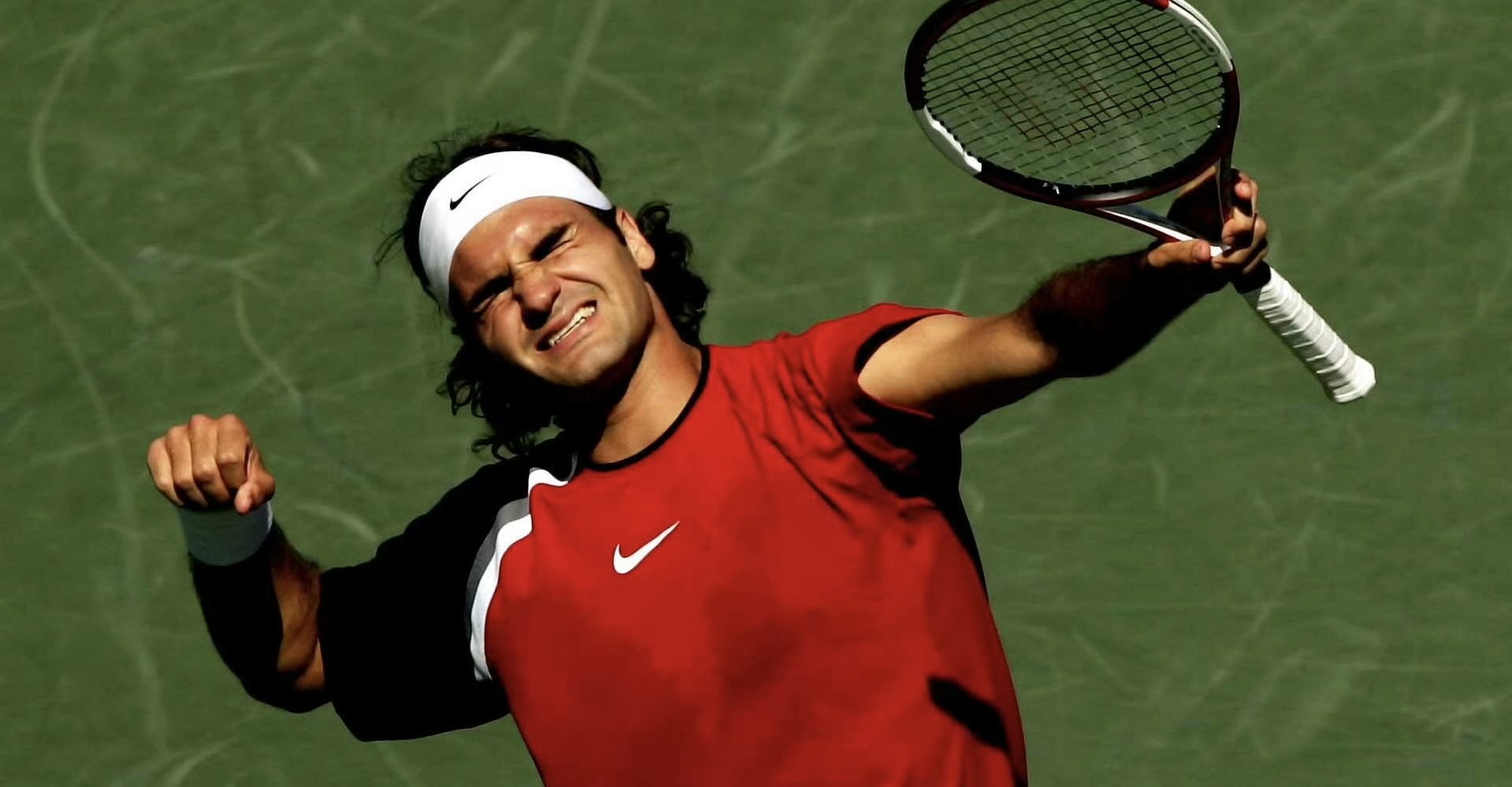
Nadal’s relentless spirit turned every point into a battle for survival. He denied rhythm and angles, instead applying relentless pressure. Federer admitted that Nadal’s style was unique: “I don’t even know where to find anyone with a style remotely close to his to practice with.” This sense of isolation made preparing for each encounter filled with anxiety.
Interestingly, at the end of this “hatred” often lies the deepest respect. As their careers progressed, especially when both entered their later years, this “hatred” gradually transformed into a mutual admiration only they could understand.
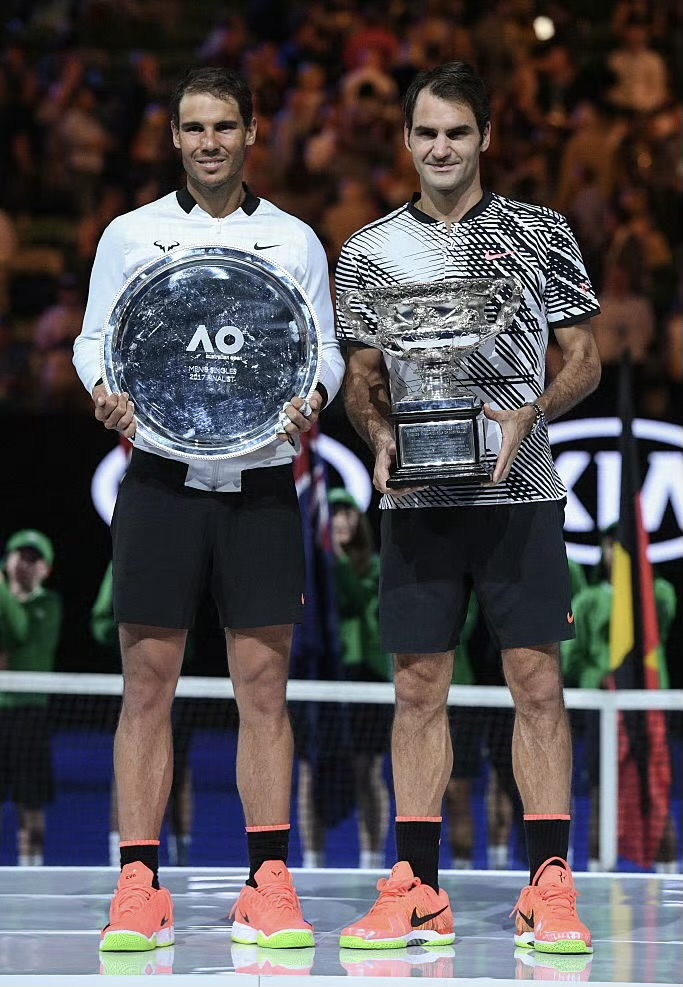
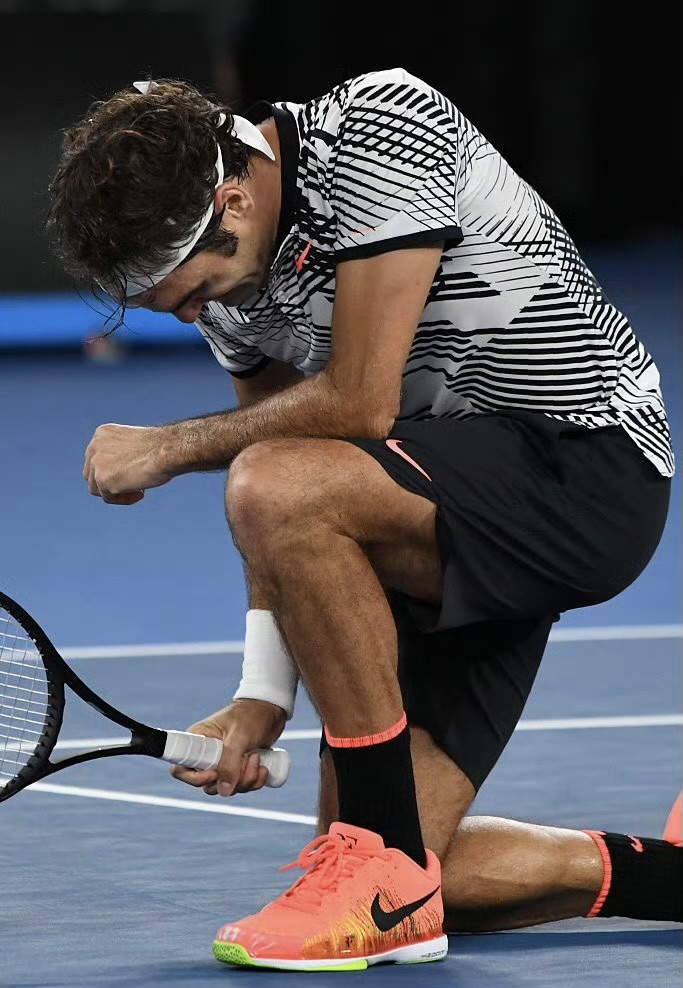
The 2017 Australian Open final was the pinnacle of this rivalry. Both players were struggling with injuries, their rankings had dropped, and many thought they were out of the top title contention. Yet, miraculously, they met in the final in Melbourne. Federer, down 1-3 in the deciding set, staged a remarkable comeback to win five consecutive games and defeat his greatest nemesis. When Hawk-Eye confirmed his backhand winner on the line, Federer jumped in joy like a child. He called that point “perhaps my favorite in my entire career.” At that moment, he conquered not just his opponent but also the long-standing inner demons that had troubled him.
At the 2022 Laver Cup, Federer’s final professional match, he chose Nadal as his doubles partner. The two held hands, tears streaming down their faces. The man Federer once “hated” with fierce intensity ultimately accompanied him through the last step of his tennis journey.
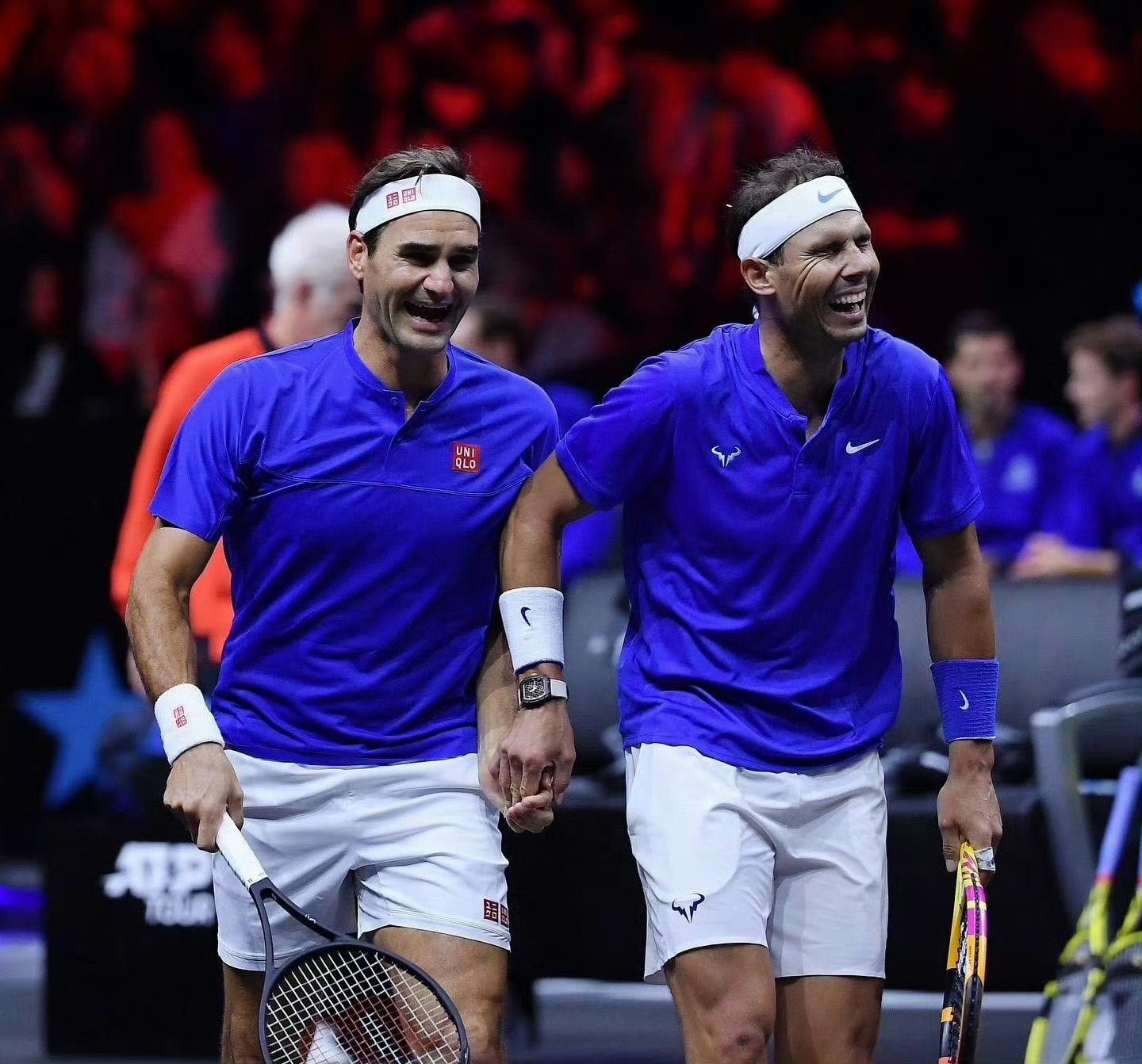
Looking back at Federer’s notion of “hatred,” it is actually a supreme tribute from a perfectionist to his greatest challenger. Nadal’s presence exposed Federer’s vulnerabilities and also unearthed his untapped resilience. Their 40 battles of love and rivalry defined a magnificent era in tennis. As Federer said, this feeling involves “pressure, weight, and an indomitable spirit.” That spirit transformed an adversary into a legend.(Source: Tennis Home, Author: Mei)

 Links
Links
 Contact
Address:UNIT 1804 SOUTH BANK TOWER, 55 UPPER GROUND,LONDON ENGLAND SE1 9E
Number:+85259695367
E-mali:[email protected]
 App
App


