



Osaka strikes back at Tsitsipas' ex-girlfriend for watching other sports; Tsitsipas blasts the schedule as inhumane



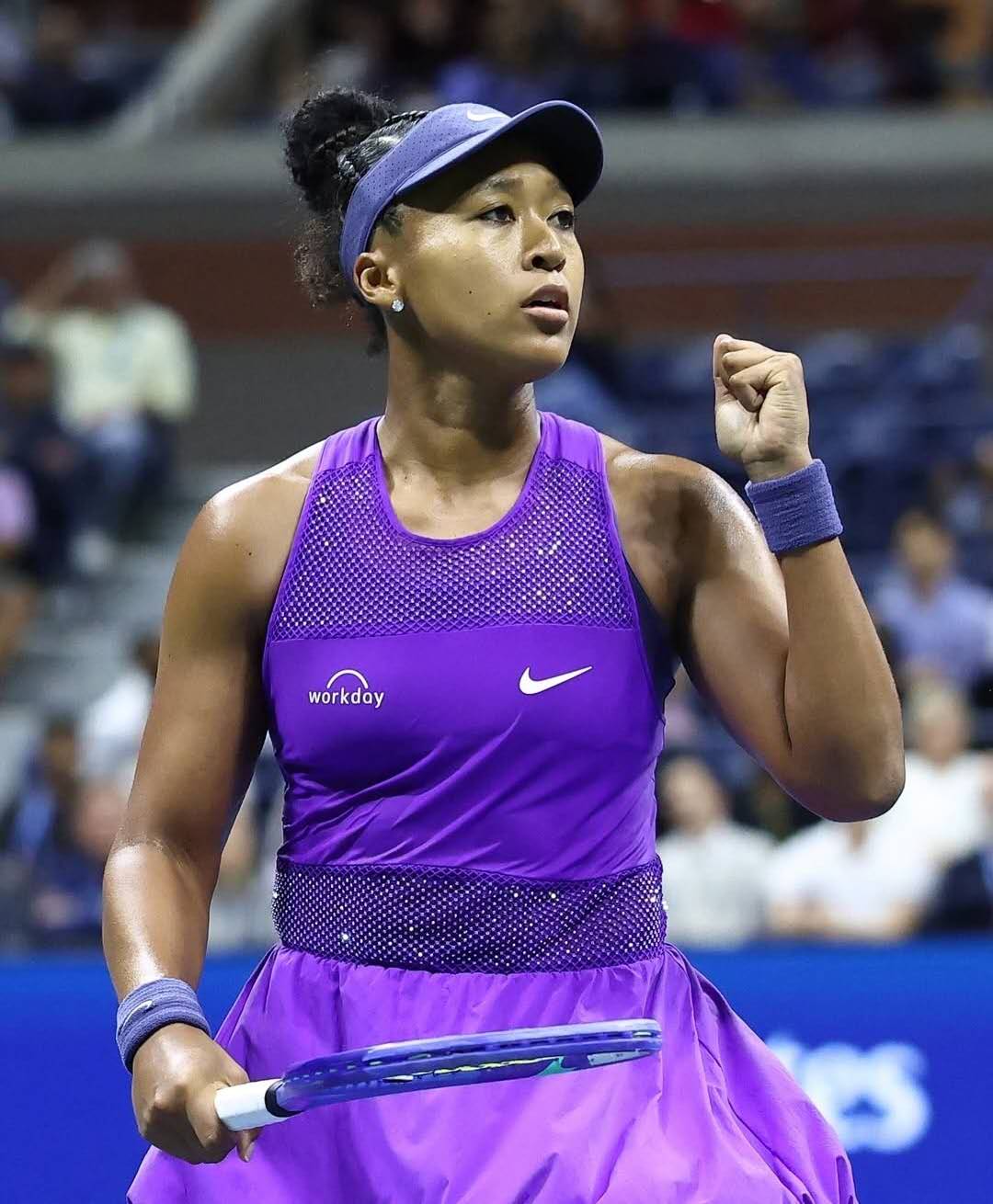
Recently, the tennis world has been buzzing with off-court voices. On one side, four-time Grand Slam champion Naomi Osaka sharply responded to criticism about her on-court attitude from Stefanos Tsitsipas’ ex-girlfriend; on the other, Tsitsipas himself targeted the ATP, condemning the current packed tour schedule and stagnant prize money, calling the back-to-back Sunshine Double “inhumane.”
The trigger came from Tsitsipas’ ex-girlfriend, Theodora Petalas, who recently criticized Osaka’s on-court behavior during her second-round match against Kostyuk at the Australian Open on her tennis podcast, describing Osaka’s shouting and self-encouragement as “very annoying” and bordering on “theatrical.”
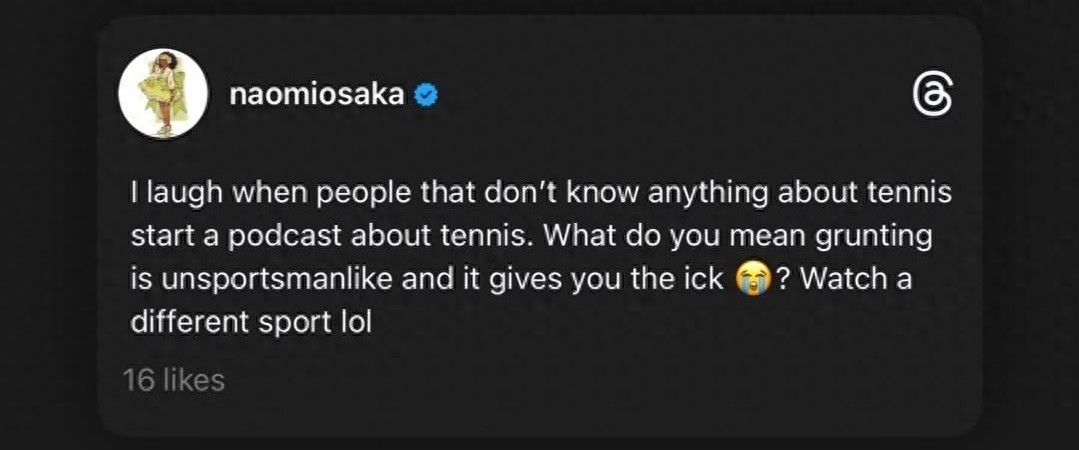
This statement quickly provoked a sharp reply from Osaka herself on social media: “It’s funny when someone who knows nothing about tennis hosts a tennis podcast. Why does shouting violate sportsmanship and make you uncomfortable? Go watch other sports, lol.”
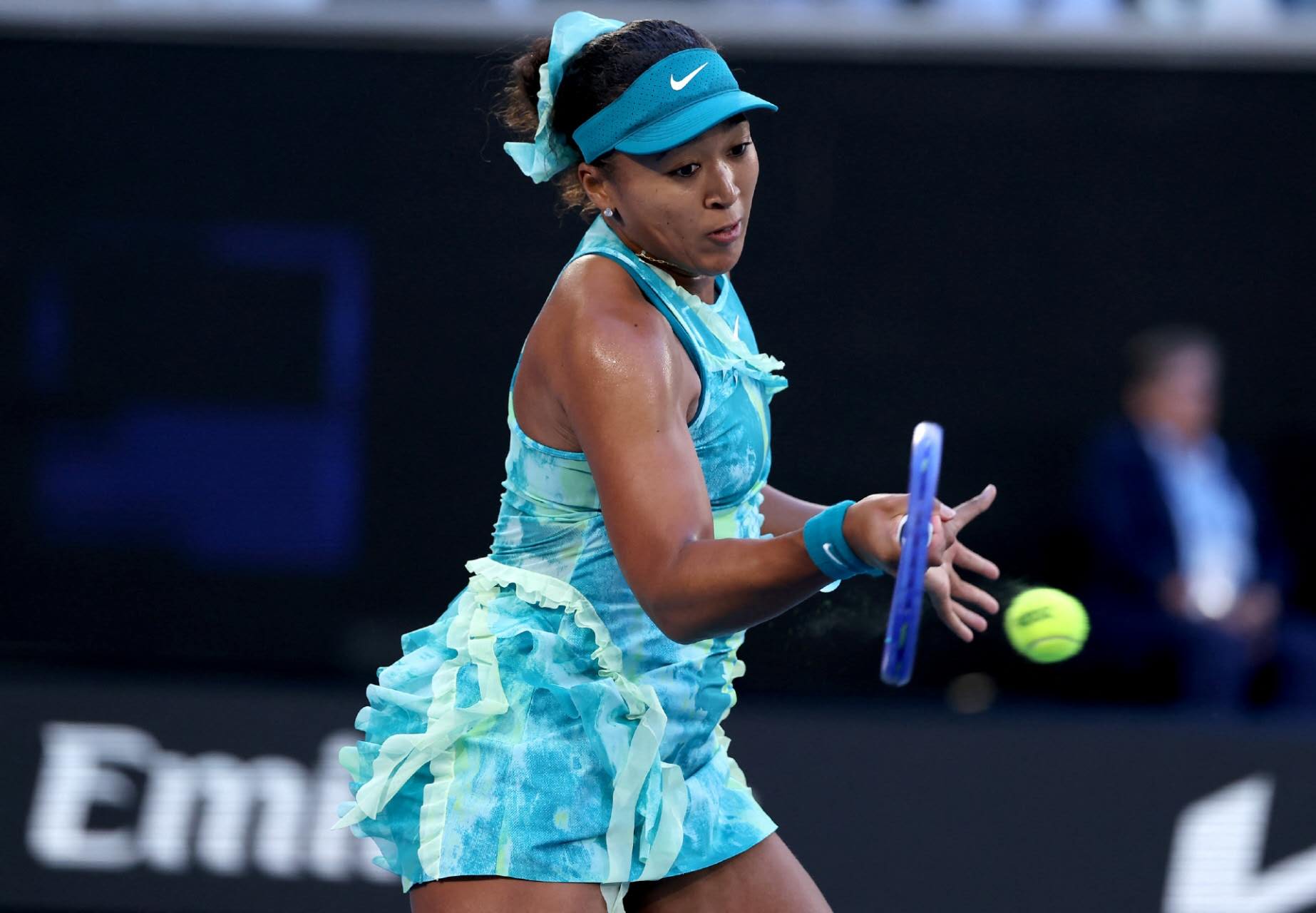
The controversy originated from the Australian Open second round, when Kostyuk gave Osaka a cold handshake after the match, displeased by Osaka’s shouting during her serves. Osaka explained afterward: “Obviously, she was unhappy with the ‘Come on’ calls. Whatever, I was just too excited.” Now, nearly a month later, Osaka’s counterattack to the podcast criticism is much more ruthless.
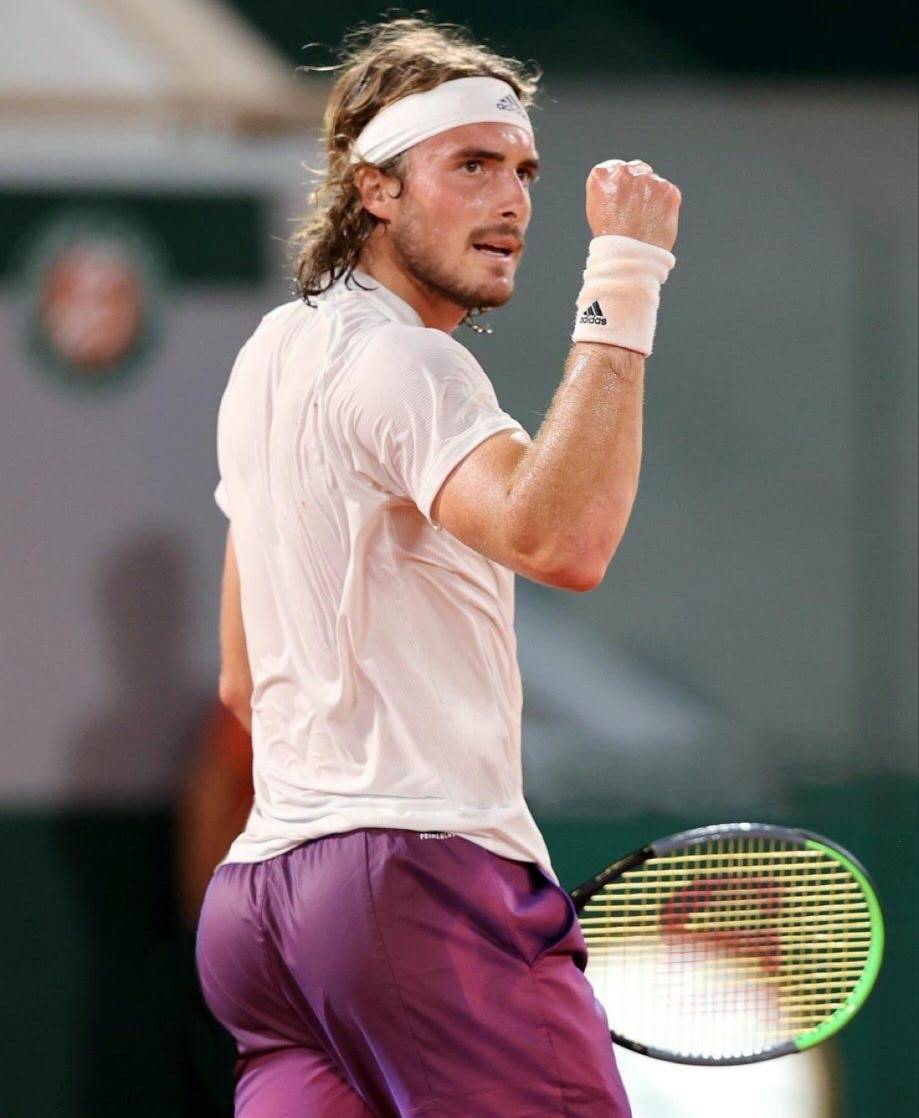
Almost simultaneously, Tsitsipas, in a podcast interview, turned his criticism toward the ATP officials. The two-time Grand Slam finalist from Greece bluntly stated that the current tour schedule is overwhelming players.
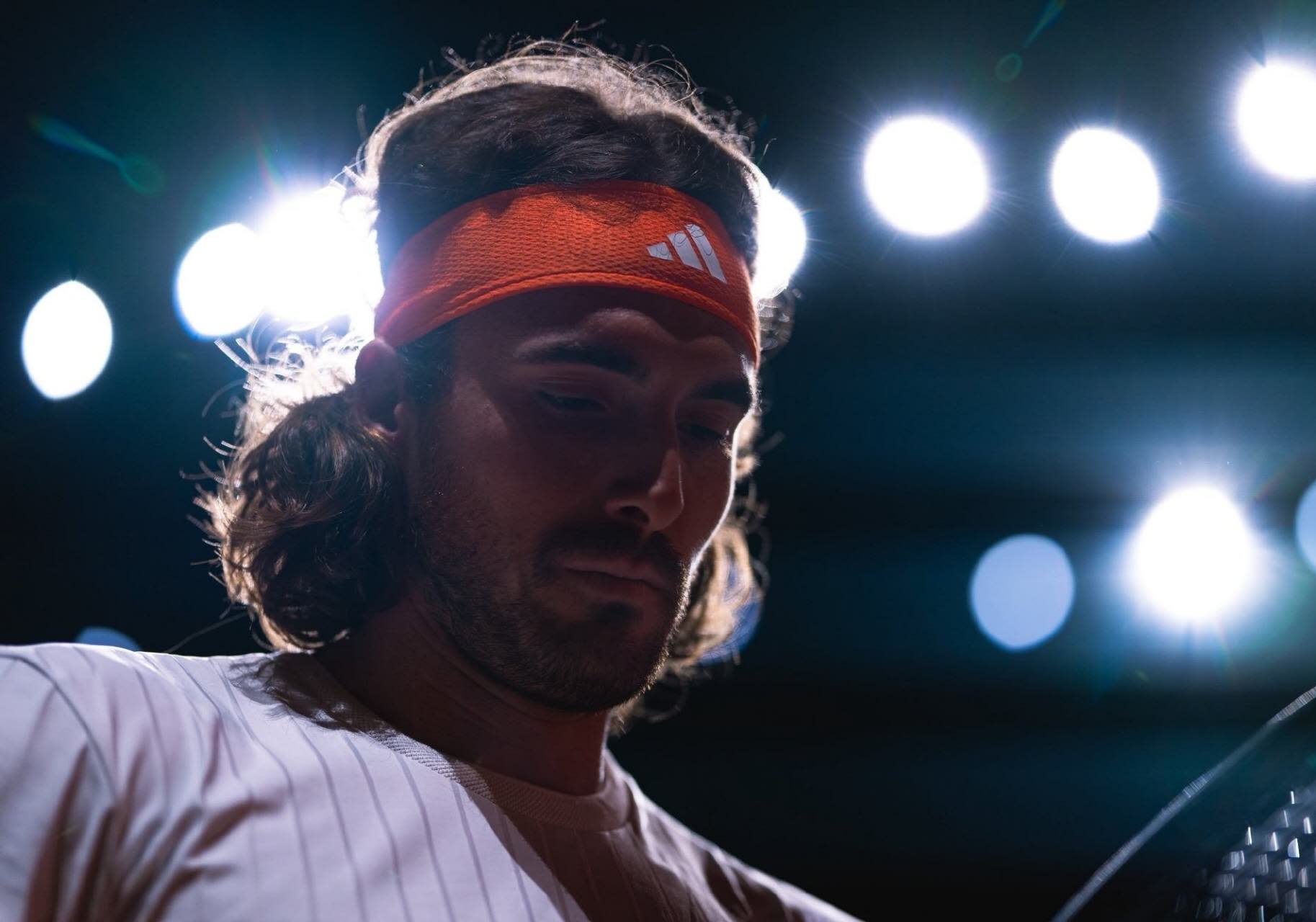
“The most frustrating thing is that we are forced to play more matches—which might be acceptable. Playing more is fine, but at least the prize money should increase,” Tsitsipas recalled. During a previous meeting with the ATP chairman, the latter outlined the “One Vision” plan promising better player treatment, but so far “there has been no real increase in prize money or player compensation.”
He specifically criticized the recent reform extending several Masters tournaments to 12 days, expressing strong dissatisfaction with the back-to-back scheduling of Indian Wells and Miami.
“Playing Indian Wells and Miami consecutively is simply inhumane,” Tsitsipas said. “Fatigue is a huge factor; to perform well, you need to stay fresh. The one-week format at Monte Carlo was reasonable, everyone was happy, and all players could focus for a full week, which is more than enough.”
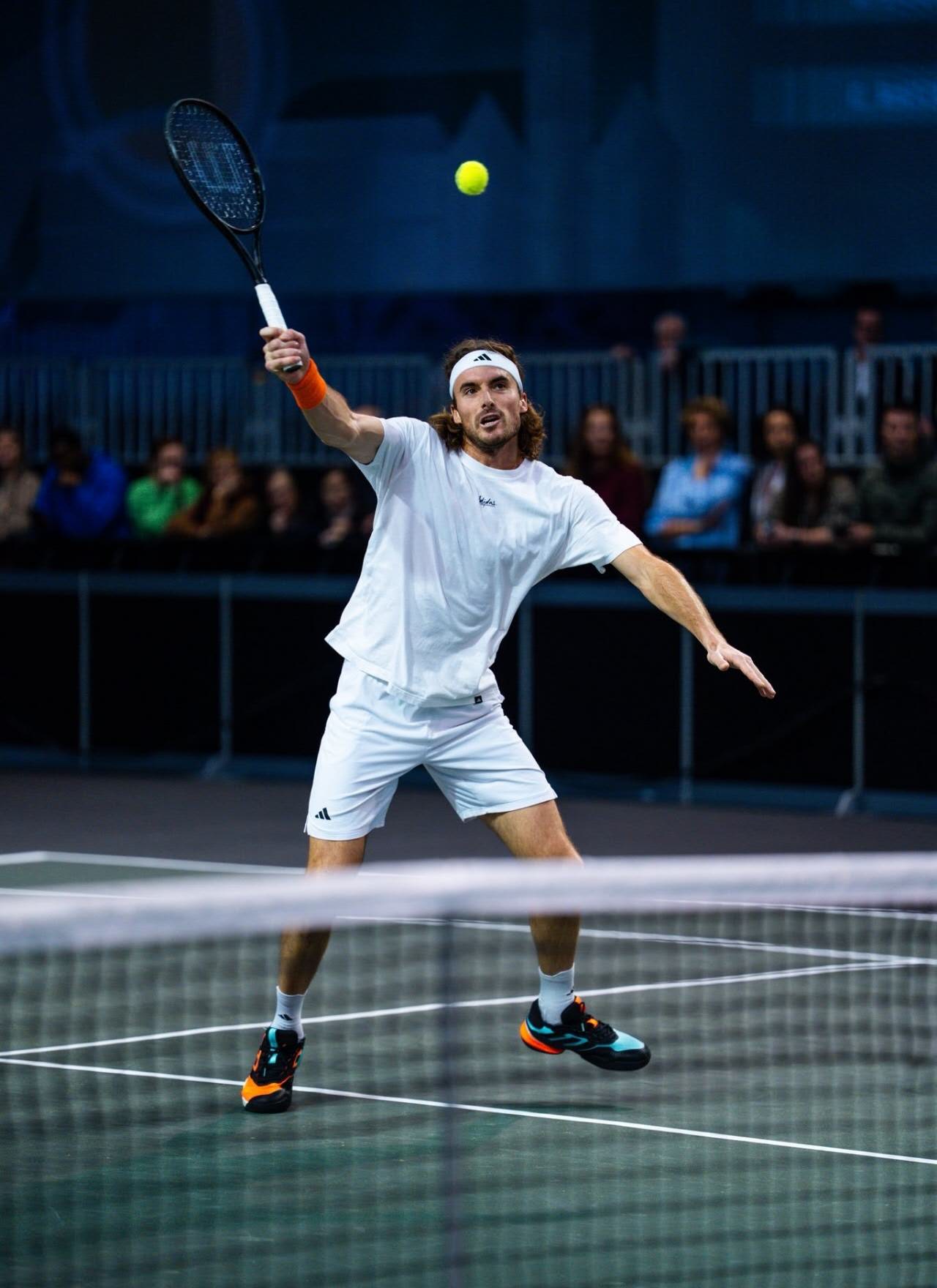
Tsitsipas believes the overly dense schedule directly causes increased fatigue and injuries among players. “I think 2025 becoming the year with the most ATP withdrawals is no coincidence,” he emphasized. “I’m not saying all Masters 1000 should return to seven days, but at least there should be a balance. Right now, they’ve gone too far.”
Although Osaka and Tsitsipas’ incidents differ in nature, the public generally sees these two events as reflecting two kinds of “anxieties” currently in tennis.
Regarding Osaka’s strong rebuttal, commentators noted it reflects players’ instinctive resistance to “outsiders instructing insiders.” Especially in an era flooded with podcasts and social media, while retired players or insiders commenting is understandable, purely subjective judgments based on impressions can easily cross players’ boundaries. Osaka’s “go watch other sports” comment, though sharp, is actually a defense of professional authority.
As for Tsitsipas’ criticism, the tennis industry has shown more sympathy and resonance. A well-known tennis analyst said in an interview: “Tsitsipas voiced what most players feel. The 12-day Masters may increase exposure but comes at the cost of players’ health for tickets and viewership. When the 2025 withdrawal wave becomes reality, the ATP must face the limits of ‘human’ capacity.”
Below these two news stories, netizens’ opinions formed an interesting contrast.
Regarding the spat between Osaka and the podcast host, a netizen “Tennis Veteran” said: “Although Osaka’s personality is a bit ‘quirky,’ this time I support her. Someone who has never played a professional match teaching a four-time Grand Slam champion about sportsmanship on a podcast? That’s dark humor in itself.” Another commented: “Shouting is indeed part of tennis, from Seles to Sharapova it’s common. But if self-motivation becomes a tactic to disturb opponents, that’s debatable. Still, having a ‘former girlfriend’ comment on a podcast adds some gossip flavor.”

Regarding Tsitsipas’ attack on the ATP schedule, netizen “Marathon Runner” said: “‘Inhumane’ is the perfect word. Forcing players to compete in two weeks of intense matches between Indian Wells and Miami, dealing with jet lag and environmental changes, this isn’t competition—it’s a survival challenge.”
Netizen “Rational Viewer 2026” said: “Tsitsipas told the truth. But the problem is, will the ATP dare to shorten the schedule? Ticket sales and sponsorship contracts are signed. Players are athletes, but in the eyes of the commercial league, they are first ‘employees.’ The 2025 withdrawal wave is the body’s answer.”
Some netizens joked: “Suggest ATP rename the ‘Sunshine Double’ to ‘Sunshine Double Loss’—players lose their health, fans lose the viewing experience (all exhausted stars), only the organizers win big.”
Whether it’s Osaka defending her on-court shout or Tsitsipas fighting for fairer schedules for peers, these two events signal that beyond the fierce competition of the 2026 season, the struggle over “voice” and “survival rights” is quietly heating up off the court.(Source: Tennis Home, Author: Lu Xiaotian)

 Links
Links
 Contact
Address:UNIT 1804 SOUTH BANK TOWER, 55 UPPER GROUND,LONDON ENGLAND SE1 9E
Number:+85259695367
E-mali:[email protected]
 App
App


