



Leading search volume for seven years, Google data exposes the ATP's "Most Popular Player" award facade



This list from 2004 to 2025 shows the tennis player with the highest Google search volume each year, revealing more than just nostalgia but a critical challenge to tennis storytelling hegemony. Here are the top-searched tennis players annually since 2004:
2004-2006: Sharapova
2007: Federer
2008: Nadal
2009: Federer
2010: Nadal
2011-2012: Djokovic
2013: Serena Williams
2014: Djokovic
2015-2016: Serena Williams
2017: Federer
2018-2019: Serena Williams
2020-2023: Djokovic
2024: Alcaraz
2025: Sinner
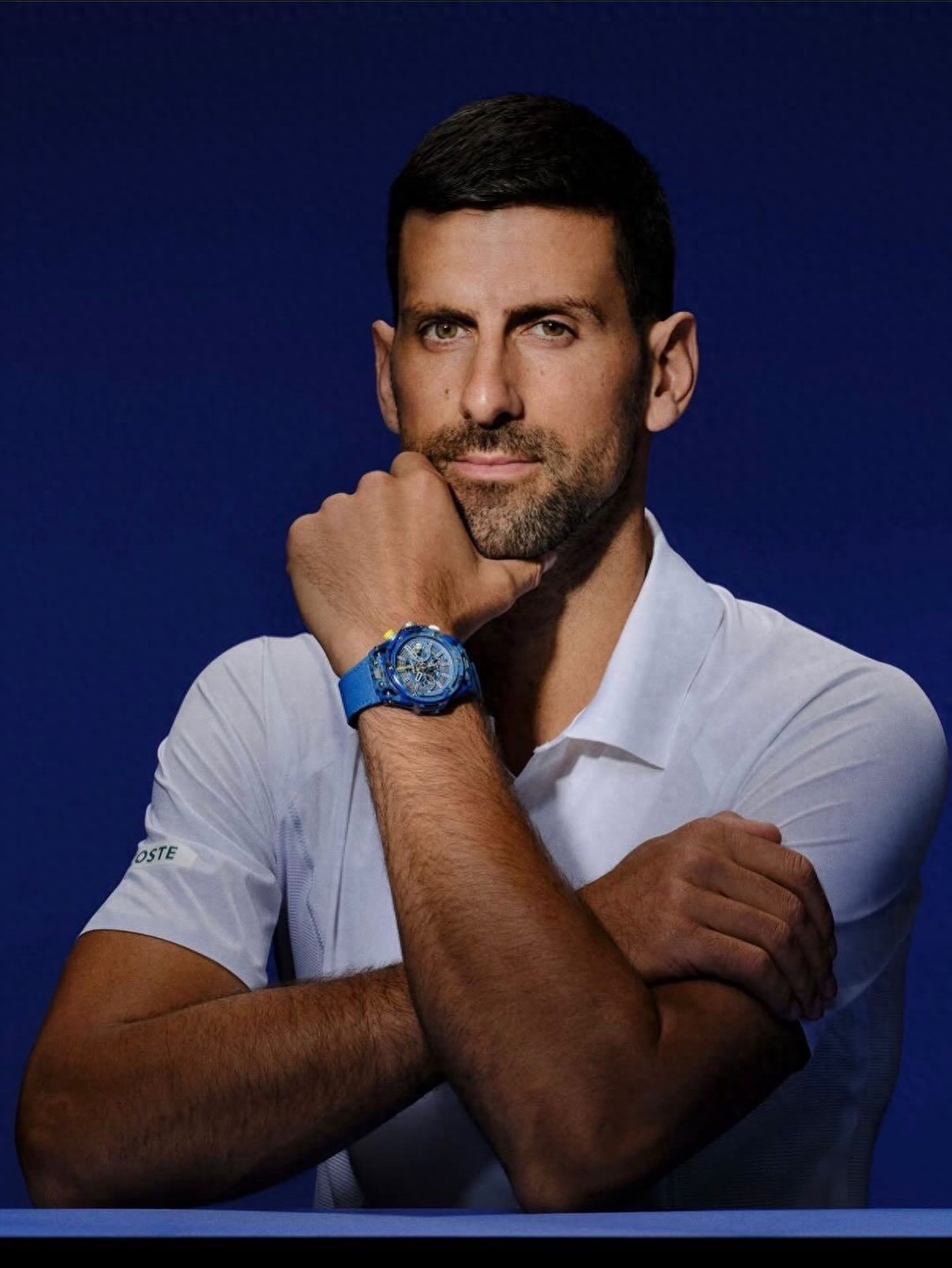
One striking figure in this list is Djokovic, who topped global search volume seven times—in 2011, 2012, 2014, and from 2020 to 2023.
This surpasses Federer’s three times and Nadal’s twice. Even when including the absolute female superstars Serena Williams (five times) and Sharapova (three times), the Serbian remains the clear leader.
Yet this raises one of tennis’s most puzzling paradoxes over the years: why has a player who so clearly leads in Google search volume never won the ATP’s annual Most Popular Player award?

For a long time, Djokovic has been labeled a “global outsider.” In media narratives, he seems like the “villain” opposing the world. Federer embodies Wimbledon’s elegance, Nadal carries Roland Garros’s glory, while Djokovic appears to have only numerical achievements.
But what does Google search volume represent? It’s the name typed by casual observers curious about who’s hottest this year; by fans seeking the latest updates; by people worldwide, of all languages and backgrounds, casting their votes with their fingertips.

This data reveals a blunt reality: over the past two decades, the tennis player who has sparked the most curiosity and prompted the most active interest is precisely the one never favored by ATP’s official “Most Popular Player” award.
What happened between 2020 and 2023? Those were four years of Djokovic clashing with the world—from vaccine controversies to deportation from Australia, from political storms to the intense pressure of chasing historic records. During those contentious times, people searched for him globally—not always out of affection, sometimes out of dislike, but regardless, he occupied everyone’s mind.

Popularity and attention are different things, but attention forms the foundation of influence. A truly “global outsider” would mean audiences have no interest in him, no one willing to spend their attention on him. Djokovic’s case is the opposite: whether loved or hated, he remains the center of focus.
Compared to the universal nature of Google search volume, the ATP’s Most Popular Player award selection mechanism appears increasingly hollow.This award is voted on by fans via the ATP official website. It sounds democratic, but in practice, it resembles a battle of fan organizations. The side with the most organized supporters, the wealthiest and most free to vote daily, and the backing of powerful Western media campaigns usually wins.

Federer won this award for 19 consecutive years, and Nadal took over after his retirement. This is not to diminish their popularity—they are indeed icons of the sport. But when Djokovic dominates global search volume yet gains nothing in ATP voting, the only explanation lies in voter sample bias and differences in fan mobilization.
Voters tend to be highly organized hardcore tennis fans deeply influenced by Western traditional media. Meanwhile, the vast majority in India, China, the Middle East, the Balkans, and even casual viewers in the US heartland who occasionally watch tennis or search Djokovic news do not register on the ATP website to vote, yet they generate the enormous search volume.
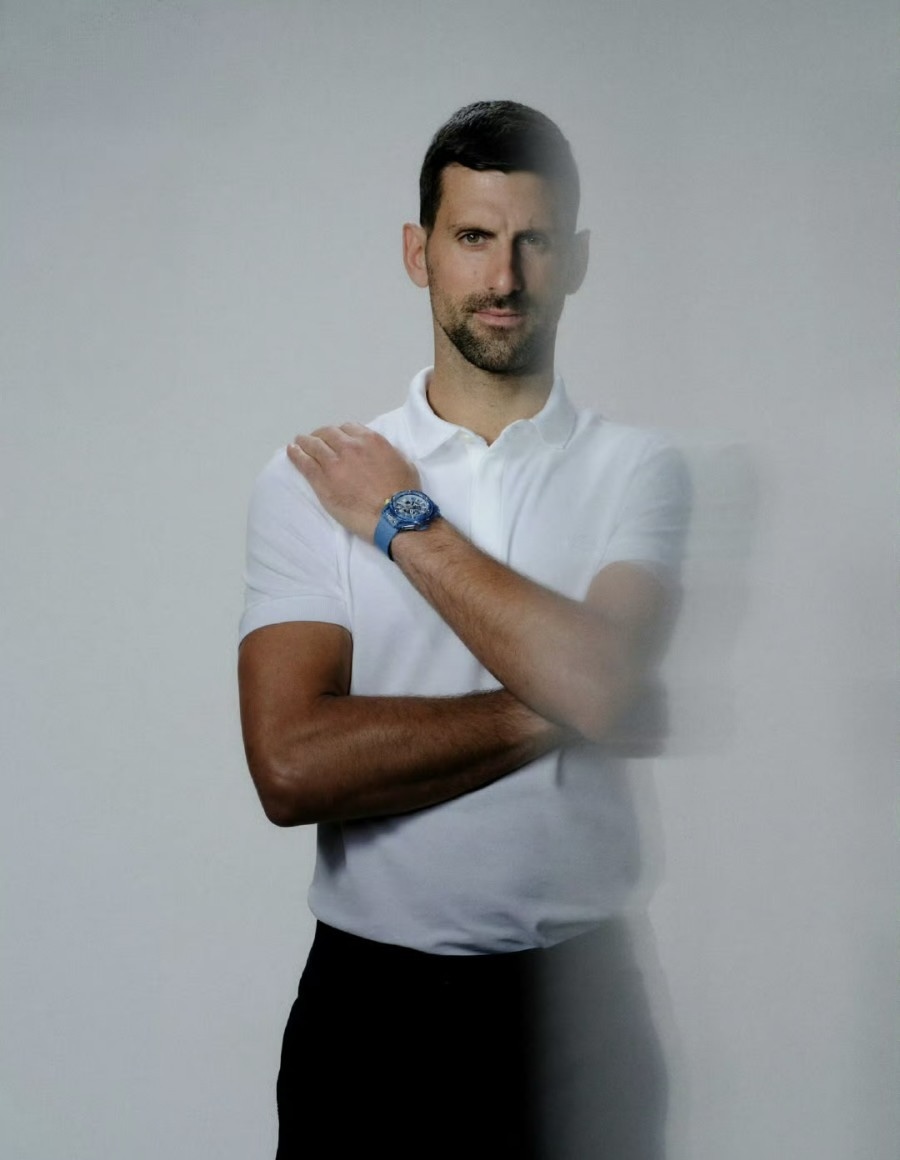
The so-called global outsider label is a manufactured illusion by vested interests to preserve the old order and suppress the outsider who broke the Federer-Nadal monopoly. When Djokovic repeatedly snatches titles from their imagined champions, they cannot deny his greatness, so they attempt to strip away his popularity, telling the world: you are strong, but we don’t love you.
However, Google’s search trends deliver a loud slap to such arrogance.Putting Djokovic’s seven times as the top search with his GOAT status side by side makes everything clear.

What is true public sentiment? It’s who people want to search for most when discussing this era, who they want to learn about. In tennis history, Djokovic is more than a player; he is a cultural icon, a barrier-breaking fighter, a complex figure of controversy and miracles.
People may love his flexibility and comebacks or hate his stubbornness and rule-breaking. But whether love or hate, you cannot take your eyes off him.

This search volume list proves Djokovic’s historical status is built not only on Grand Slam counts but on billions of moments of human curiosity. In this era where attention equals public opinion, this is the most valuable currency.
As for the ATP Most Popular Player award? Perhaps it should be renamed “Most Popular Among Core Fan Groups Award,” or more bluntly, “Most Favored by Western Traditional Media Award.”
After all, when Djokovic became the global search king seven times, the so-called global outsider label turned into a joke. Google shows no bias, data doesn’t lie, and the global audience casting their votes via search has long placed him on the throne of the GOAT.
Whether you like it or not, you are searching for him. This is the truest testament to the greatest player of this era.(Source: Tennis Home, Author: Mei)

 Links
Links
 Contact
Address:UNIT 1804 SOUTH BANK TOWER, 55 UPPER GROUND,LONDON ENGLAND SE1 9E
Number:+85259695367
E-mali:[email protected]
 App
App


