



Osaka fiercely responded to her critics: Who gave them the microphone? Ayawa calls tennis a toxic culture.


Just weeks ago, Naomi Osaka made global headlines at the Australian Open by wearing a bold "jellyfish outfit." This attire, designed by a top fashion brand, sparked mixed reactions in the tennis world, with some critics arguing she should focus more on improving her game rather than drawing attention through fashion.

Recently, Osaka, unable to hold back any longer, spoke out on social media, expressing her anger at the growing "podcast circle" in tennis. She bluntly wrote: "I really laugh when people who know nothing about tennis start making tennis podcasts. What does it mean that loud hitting is 'unsportsmanlike' or 'makes you uncomfortable'? That’s a whole different sport, haha."
In her view, these commentators lack even the most basic professionalism yet try to criticize top athletes. She then shared this message on her Instagram story, adding a helpless joke: "Who gave them the microphone? Take it away, please!"

Osaka’s remarks quickly sparked polarized reactions on social media. Supporters praised her for voicing players’ true feelings: "Those podcasters who comment on tennis for views often can’t even tell forehand from backhand." Some fans said, "Osaka is right; shouting is part of the game, just like yelling on a basketball court. If you don’t like it, mute it." However, some felt she was too sensitive: "As a public figure, accepting different perspectives is part of the job. If fans can’t express how they feel watching, tennis would become a game for only a few."
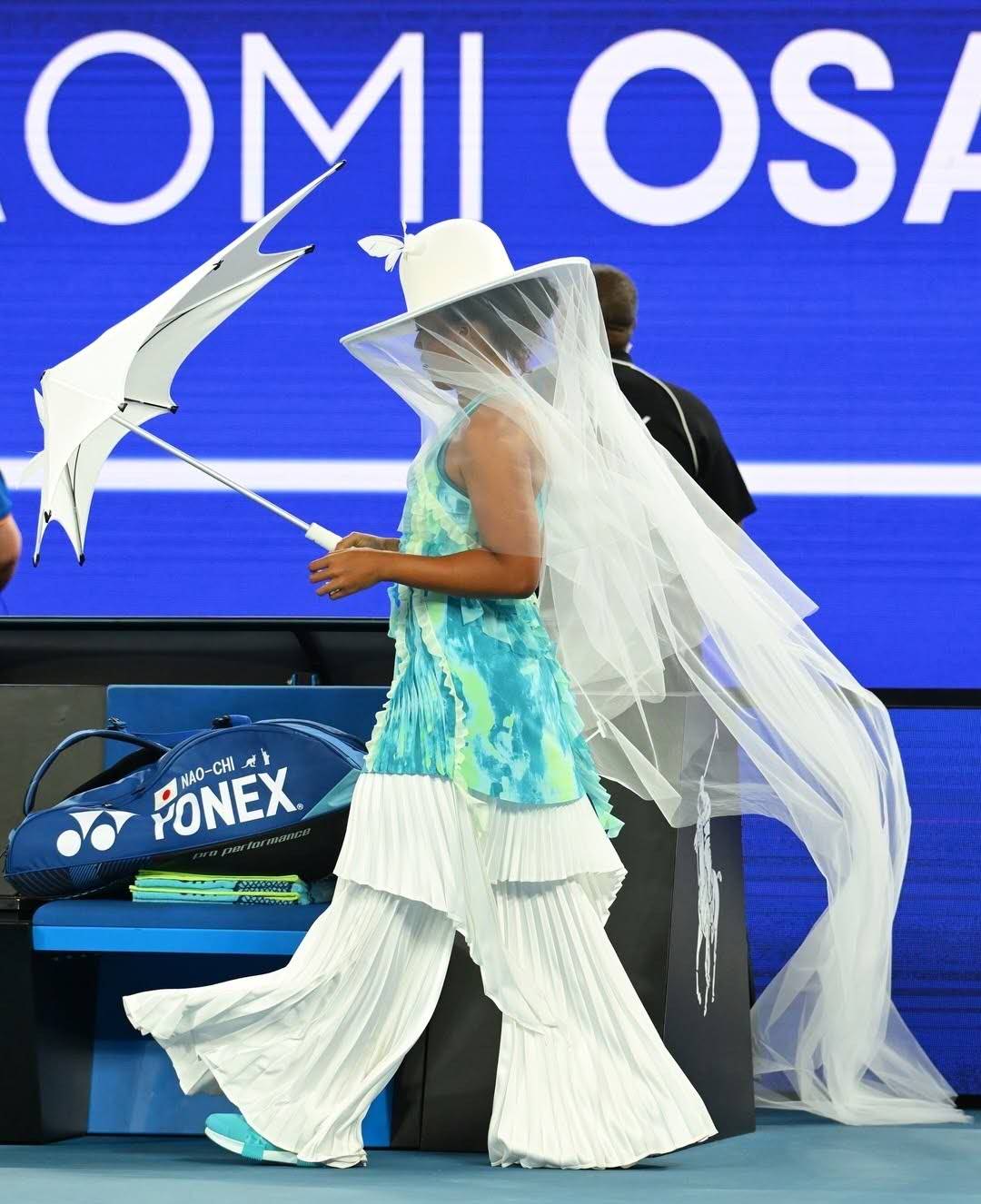
If Osaka is challenging the "amateurs" in public opinion, then 23-year-old Australian Ayawa is using the pain of her entire career to expose the "hidden wounds" behind the sport’s glamorous facade.
Recently, this first 2000s-born player to enter the WTA TOP200 and compete in a Grand Slam main draw announced her retirement in 2026. In her statement, she issued one of the most candid criticisms of professional tennis in recent years: "Behind the pristine white outfits and elegant traditions lies a culture filled with racism, misogyny, homophobia, and hostility toward anyone who doesn't fit its mold."

Ayawa’s accusations are not baseless. She admitted that during her battle with depression in 2022, she nearly took her own life: "I wanted to end it before my 22nd birthday." Now ranked 321st, she described her career with a vivid and heartbreaking metaphor: "Tennis is like my toxic boyfriend."
She detailed this "abusive relationship": "From my first lesson at Casey Tennis Club, my life was devoted to tennis. I often wonder what life would be like if I had chosen a different path. At one point in my career, I was one step away from a major breakthrough with the world at my feet. I was only 17, unprepared, and naively trusting the wrong people. After that, my career trajectory was never the same."
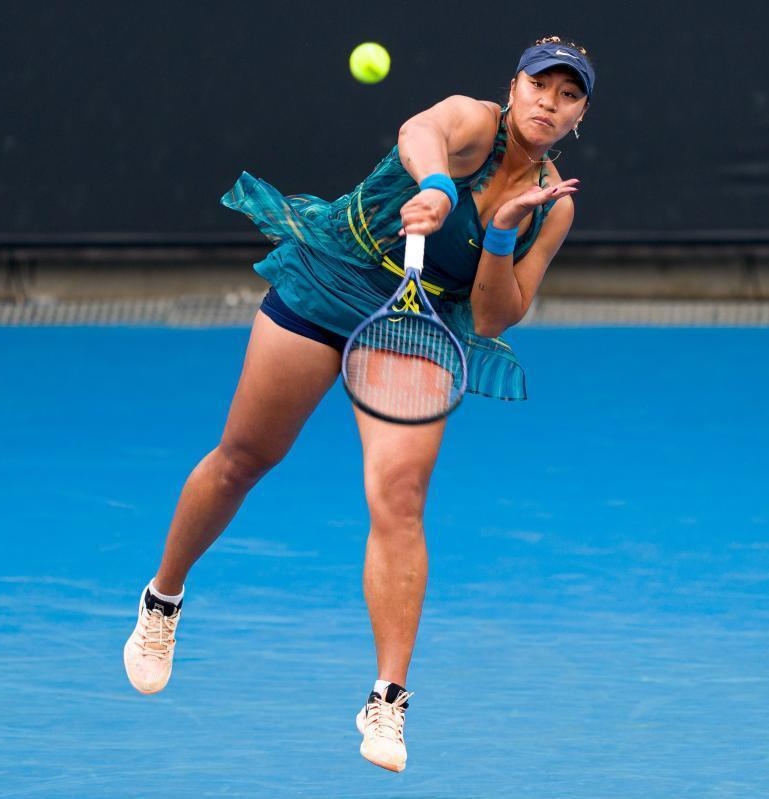
Ayawa revealed that in pursuit of so-called "success," she almost spent all her savings: "Even when I was broke, I had spent everything chasing 'success.' But tennis also took many things from me: my relationship with my body, my health, my family, and my sense of self-worth."
This heartfelt retirement statement caused an earthquake of reactions inside and outside the tennis community. Many fans were heartbroken: "A 17-year-old pushed into the world without guidance and then abandoned—it's so cruel." Some commentators pointed out that Ayawa’s experience is not unique: "Tennis is a lonely sport, expensive, and cold in its system. Many young talents burn out quietly and turn to ashes."
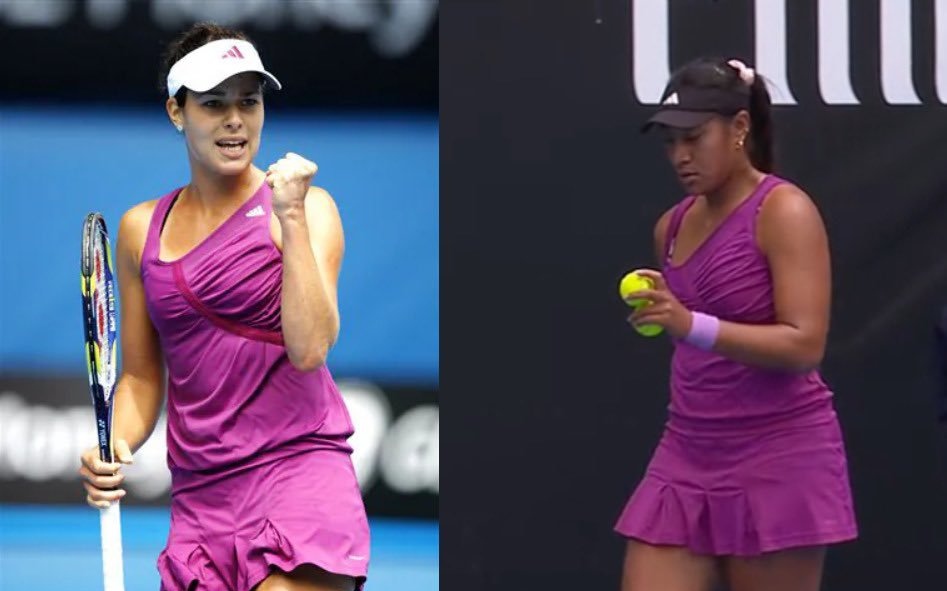
Notably, Ayawa holds a 1-0 head-to-head record against current world number one Sabalenka, which makes people lament even more for this "unfinished talent."
Naomi Osaka and Ayawa—one a superstar in the spotlight, the other a "pioneer" struggling on the edge of survival—have both torn apart the seemingly perfect curtain of the tennis world in their own ways.
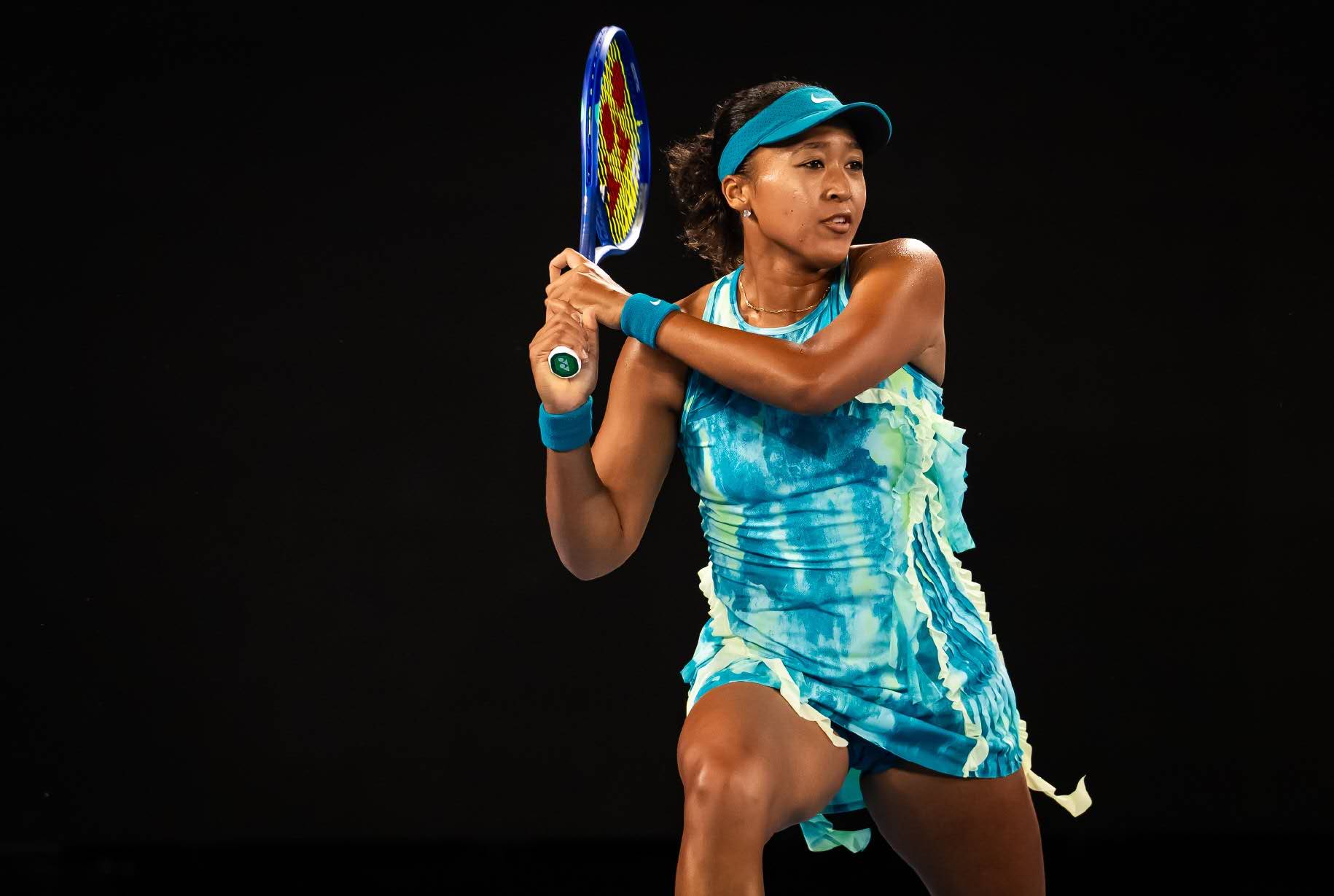
Osaka mocks the ignorant "noise," defending players’ dignity as the core of the competition; Ayawa uses tears and blood to expose the discrimination, loneliness, and mental crises hidden behind rankings, prize money, and glory.
When these two voices intertwine, the tennis world must once again confront the old but never truly solved problem: In this gentleman’s sport that values etiquette and tradition, how many "inconvenient" truths remain buried beneath the white uniforms? For Ayawa, leaving that "toxic boyfriend" might be the start of reclaiming herself and finding new life.(Source: Tennis Home, Author: Lu Xiaotian)

 Links
Links
 Contact
Address:UNIT 1804 SOUTH BANK TOWER, 55 UPPER GROUND,LONDON ENGLAND SE1 9E
Number:+85259695367
E-mali:[email protected]
 App
App


