



Sinner says he dislikes press conferences the most, exploring different approaches at the Australian Open and Rotterdam.



On March 9, Sinner defeated Shapovalov 6-3 6-2 in the third round at Indian Wells. During the post-match press conference, a reporter asked Sinner, "What do you dislike most about tennis?"
"Press conferences," Sinner replied immediately, "I always have to answer the same questions."
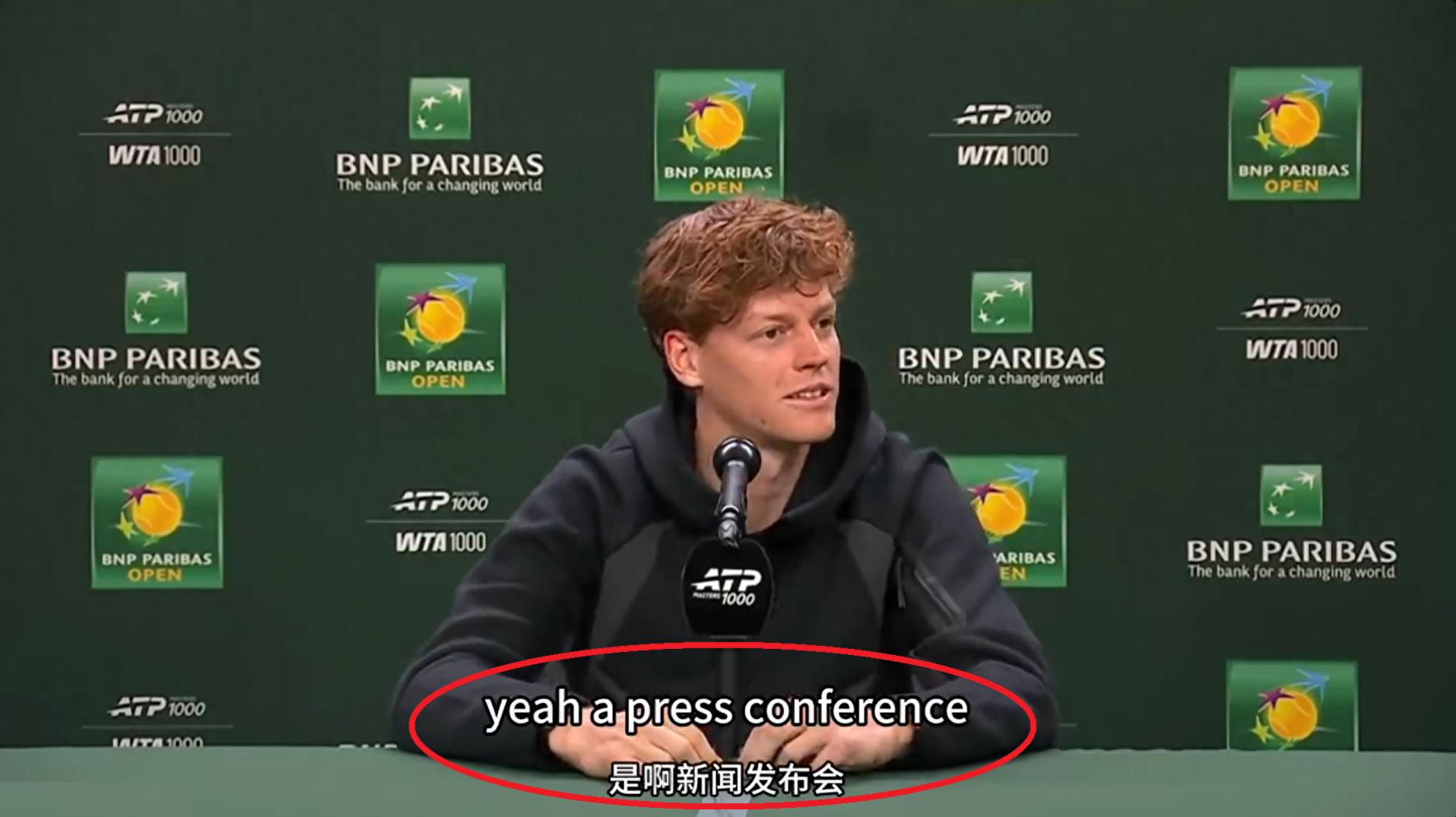
To avoid awkwardness or prevent misunderstanding from the reporters, Sinner quickly provided a more detailed explanation.
"I mean, it's not dislike. It's part of the job, you know. I enjoy going out and living my life, you understand.
"But for me, I think our lives are wonderful, you know. We visit many beautiful places. Obviously, going back every year, you always return to the same places, so you already know which ones you prefer more and which ones you like a bit less.
"I think our lives are very good, very secure, and in a way, surrounded by great people. I'm in a very fortunate position to travel with many people, you know. I have a few friends here, which helps me a lot.
"So I actually don't dislike much. More broadly, you know, dealing with the media, I'm not someone who enjoys dealing with the media."
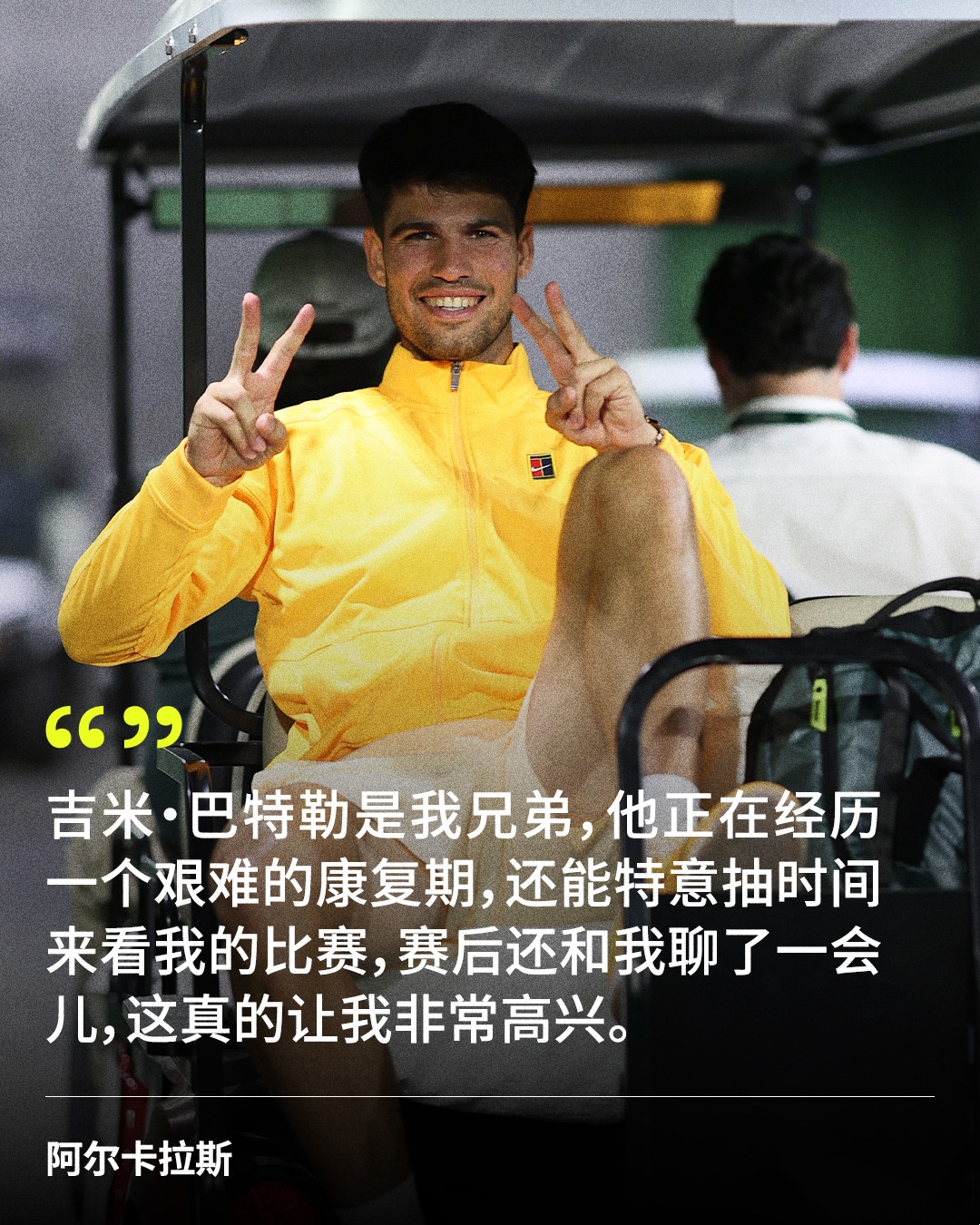
Professional tennis tournaments are scheduled day after day, from the beginning to the end of the year. After each match, a press conference is arranged. Over time, reporters ask similar questions, and players give similar answers.
Occasionally, some reporters come up with interesting topics that both players and the public find engaging, and players are happy to answer such questions. However, these interesting moments are always rare.
Tennis press conferences are becoming increasingly boring. Reporters lazily ask questions, players routinely say a few harmless platitudes, and then reporters write a few lines of repetitive coverage.
It seems both reporters and players treat this as a mandatory procedure to muddle through—after all, there's nothing fresh, and few people read what's written.

Post-match tennis press conferences seem to have reached a point where they could be canceled.
To reverse this situation, some reporters try asking players about topics beyond tennis, attempting to uncover interesting subjects.
For example, some reporters are very interested in players' private lives, even asking about rumors based on hearsay.
At the 2019 ATP Finals, Nadal was asked a private question about marriage. The Spanish star replied displeased, "Honestly, are you really asking me this? Is this a serious question or a joke? Are you serious?"
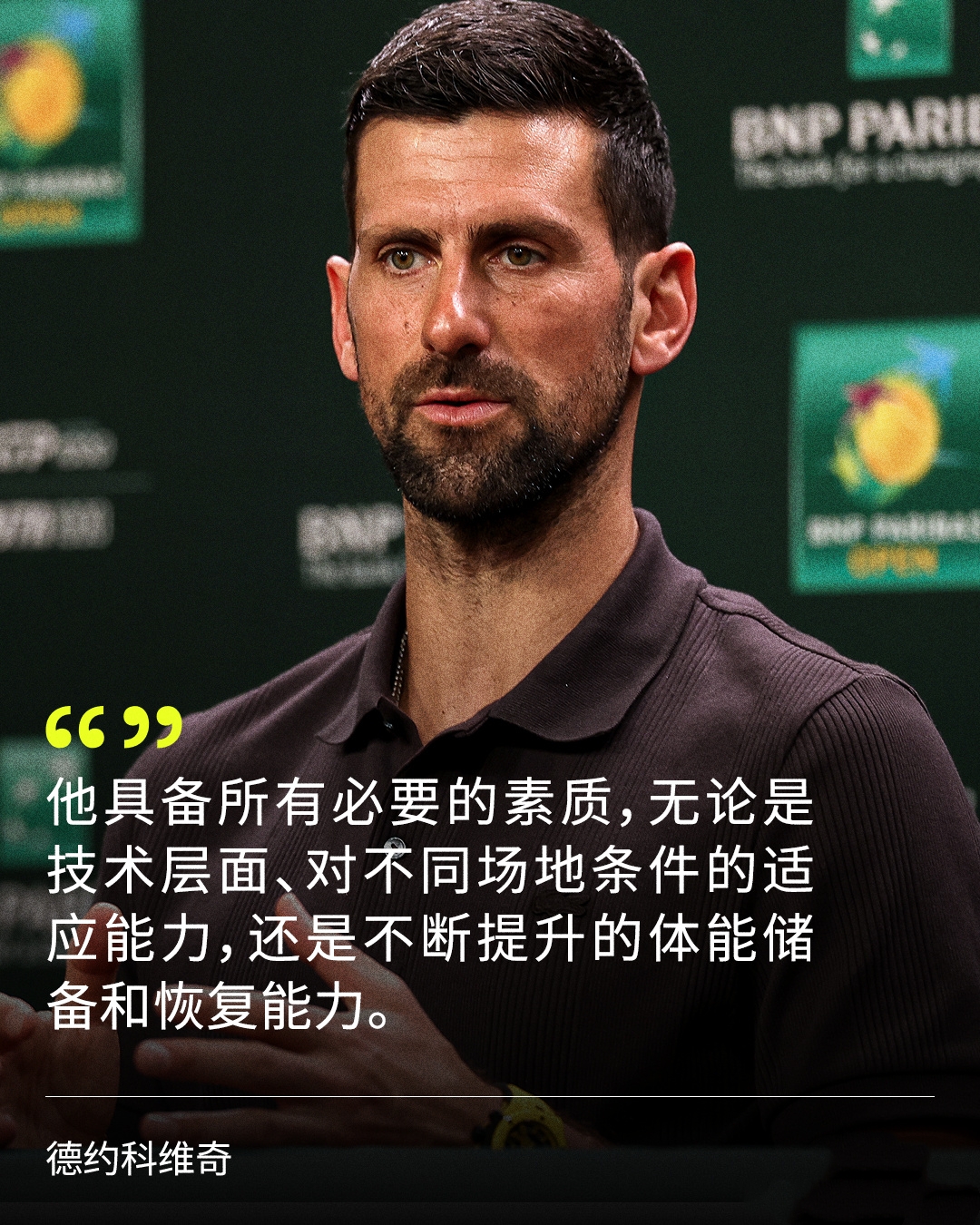
Asking about private life is often impolite and frequently gets players rebuffing or refusing to answer. Nowadays, a clear trend is that reporters ask political topics. For instance, during this year's Australian Open, reporters repeatedly posed political questions to players.
A reporter named Owen Lewis asked Coco Gauff to comment on President Trump's performance over the past year, which surprised many attendees.
After defeating Siniakova in the second round, Anisimova also faced a similar question. The reporter asked, "I've asked many American players about what it feels like to represent the U.S. now, and I'd like to hear your thoughts."
Anisimova's reply was concise and focused: "I was born in the U.S., so I always feel proud representing my country." When the reporter continued on political topics, she added, "I think this is unrelated to the match."
After losing to Zverev in the quarterfinals, Lerner Chan was also asked a political question: "Considering the current Trump administration and the situation with U.S. Immigration and Customs Enforcement, what does your Asian background mean to you? How important are immigrants to American sports now?"
Lerner Chan avoided the topic, responding, "Sorry, I don't want to talk about this now." His attitude reflects that players prefer to focus on tennis itself.
Regarding political questions in tennis matches, retired American player John Isner publicly criticized this phenomenon on social media: "In tennis press conferences, questions should be about tennis and the players. (Asking political questions) This practice is terrible."
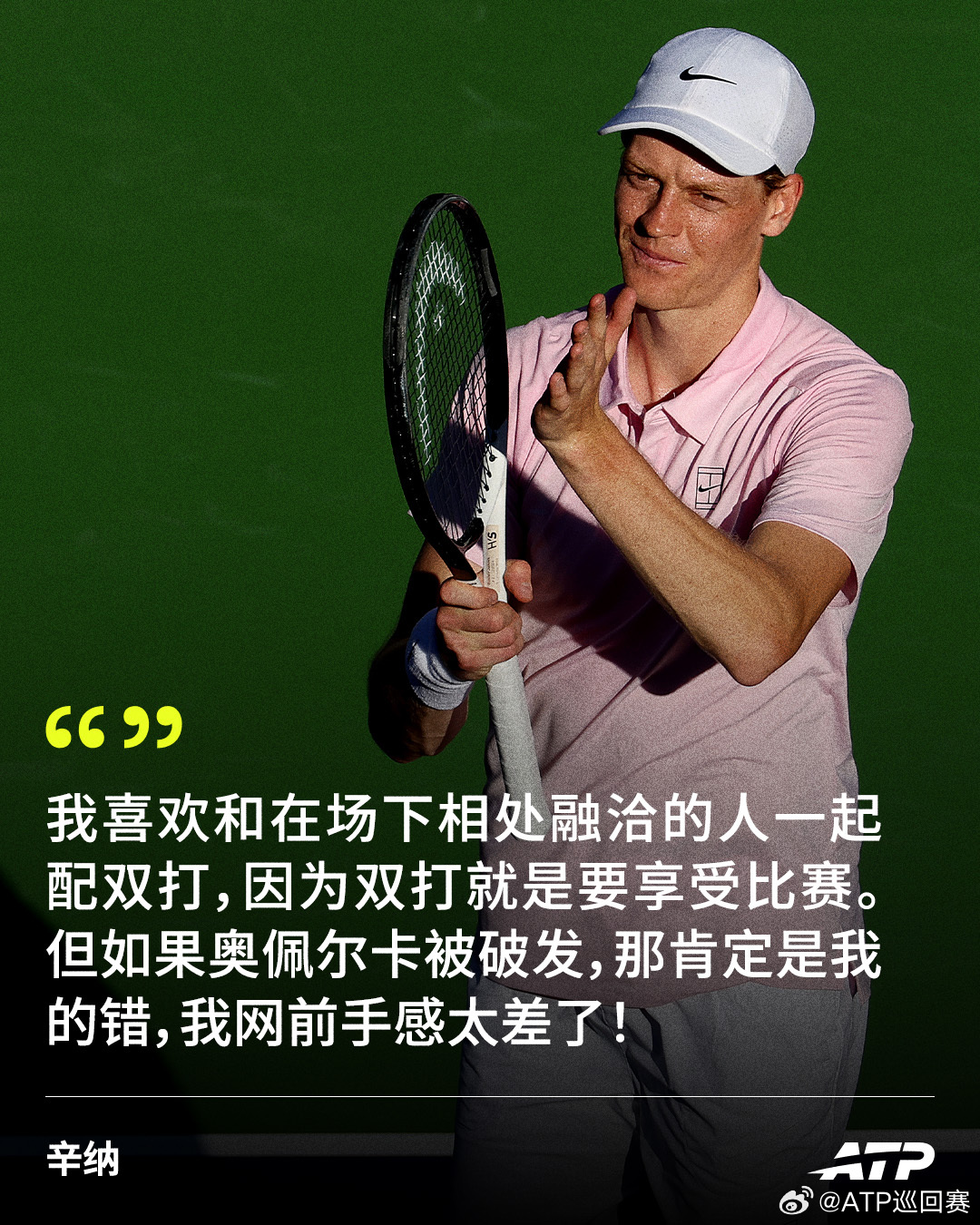
Probably realizing that reporters' questions are becoming more off-topic and causing some distress to players, after the Australian Open, the organizers of the ATP500 Rotterdam tournament preemptively instructed reporters to limit questions to tennis, aiming to refocus press conferences on the match and the sport itself.
The tournament organizers gave reporters a simple yet controversial directive—talk only about the match, otherwise don't ask.
This directive dissatisfied some reporters. A reporter named Nicholas Albeck expressed his concern on X platform: "During the Rotterdam tournament, all reporters were told they could only ask match-related questions. This is abnormal—as reporters, having questions restricted is extremely outrageous, moreover, no player has requested such restrictions."
Albeck further explained, "This is completely irregular in tennis tournaments; I've covered matches in many countries. It's regrettable that such a situation occurs in such a great tournament."
From reporters' perspective, the most important principle of journalism is freedom, allowing interviewers to ask freely and interviewees to answer freely, provided it aligns with facts, does not violate laws, and upholds universal values.
Facing the situation of tennis press conferences, whether players, reporters, or tournament organizers, none are satisfied with the current state, and all believe improvements are needed.
The question is, how to change correctly, and how to change to satisfy all parties.
In my view, Rotterdam organizers' blanket ban on all non-match questions undoubtedly stifles journalistic diversity and restricts press freedom. However, allowing reporters unlimited questioning infringes on players' rights, disperses public attention, and ultimately harms the interests of organizers and sponsors.
This issue somewhat resembles a common scenario in Chinese administrative management—"loosening leads to chaos, tightening leads to stagnation." The final result is that everyone constantly tests boundaries amid swings, then finds a balance acceptable to all sides.
Regarding this difficult problem, how do you think it should be resolved? Feel free to leave your comments.Source: Tennis Home, Author: Yun Juan Yun Shu

 Links
Links
 Contact
Address:UNIT 1804 SOUTH BANK TOWER, 55 UPPER GROUND,LONDON ENGLAND SE1 9E
Number:+85259695367
E-mali:[email protected]
 App
App


