



YONEX's new generation VCORE racket series trial.



The weather is exceptionally nice today, so I'm trying out Yonex's latest VCORE 98 and 100.
The first thing that catches the eye is its aesthetic appeal—it features a glossy lacquer design with a genuine ruby red color, complemented by subtle ivory white and turquoise accents, making it strikingly beautiful. Under sunlight, it has a sparkling, shimmering effect.
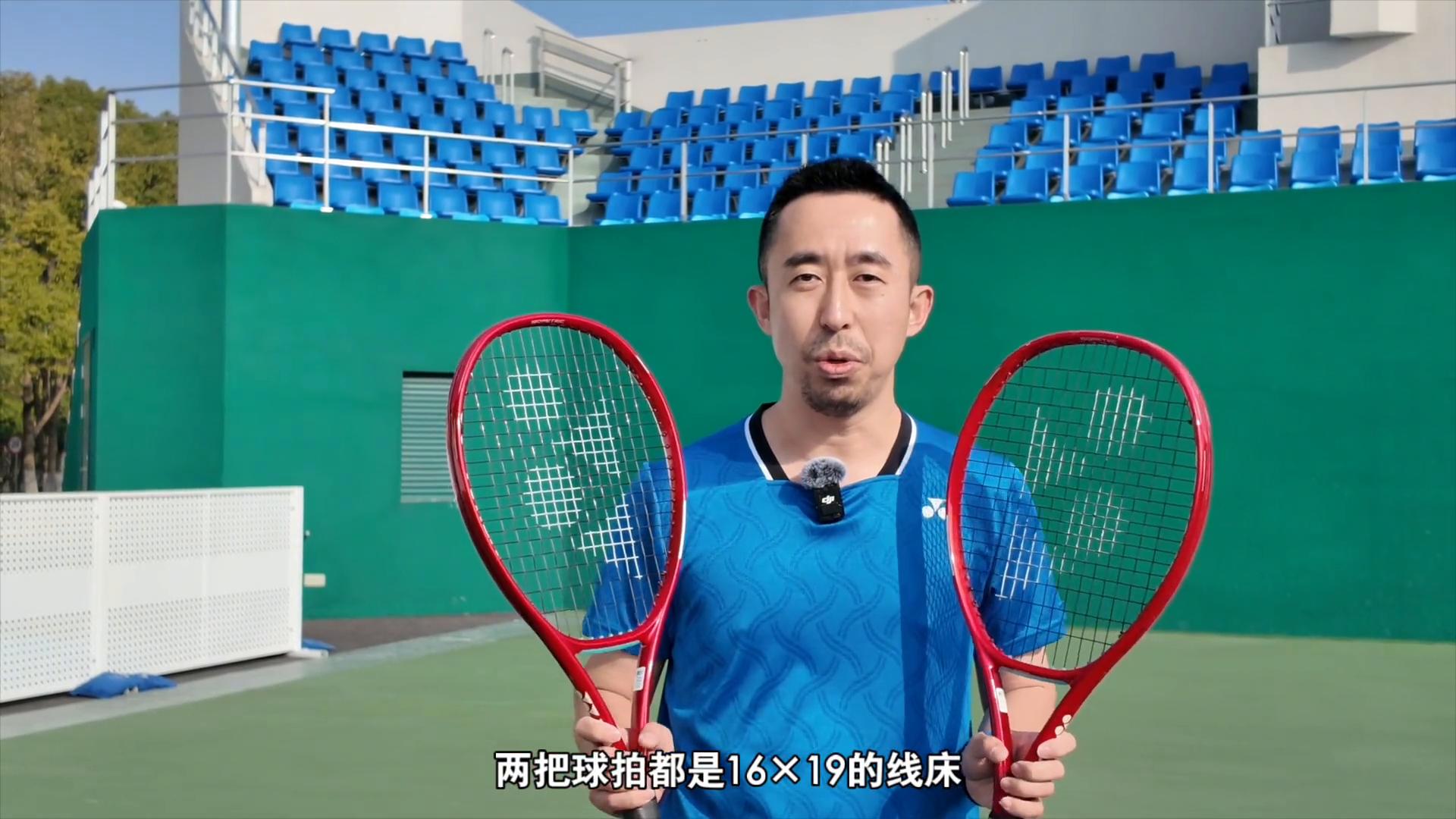
First, let me introduce the parameters of these two rackets. This one is the VCORE 98, with a 98-inch head size and an unstrung weight of 305 grams. Its frame is relatively narrower. This one is the VCORE 100, weighing 300 grams, and its frame is slightly thicker compared to the 98.
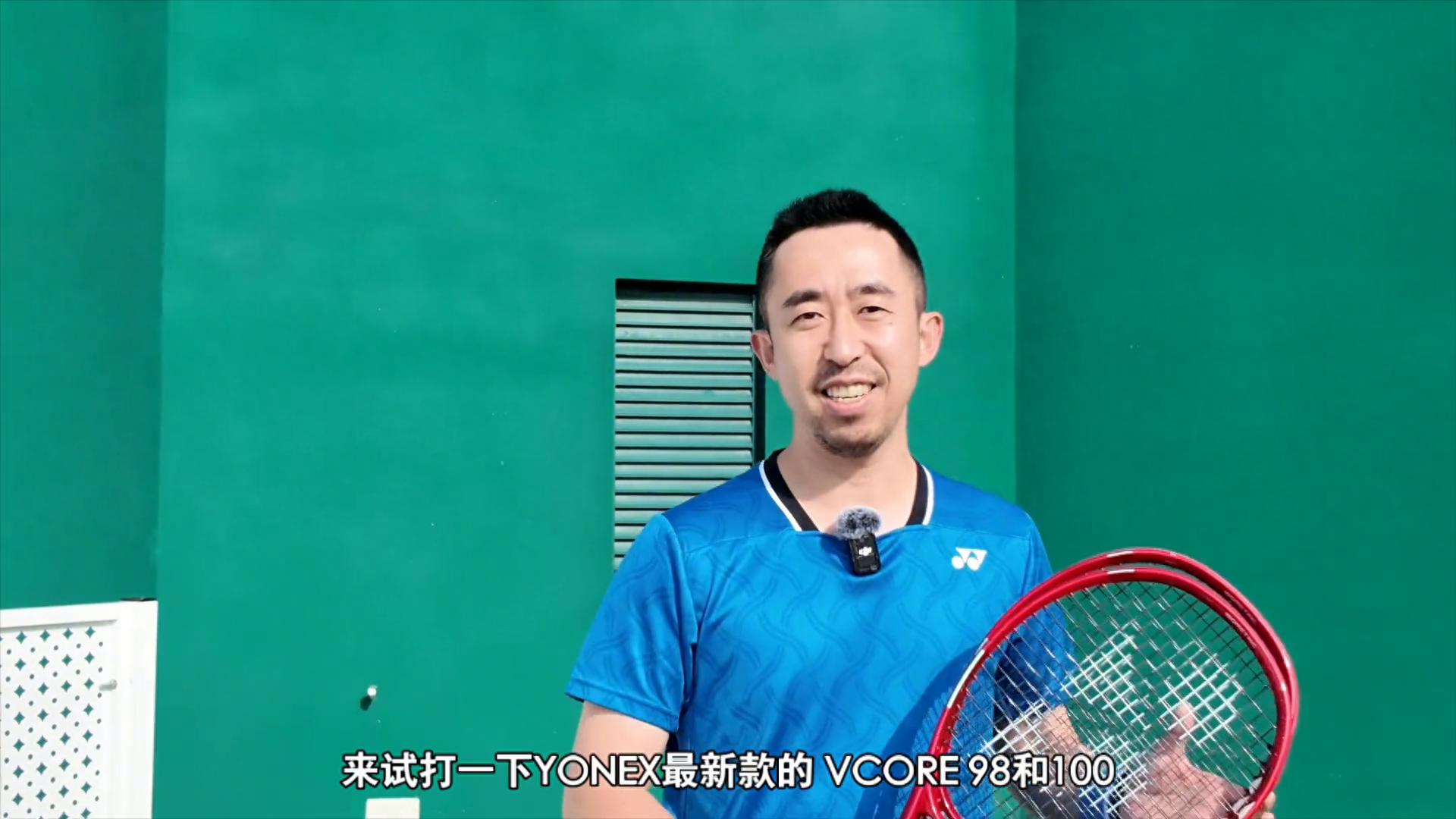
Both rackets have a 16x19 string pattern, but the 98 has a smaller head, so its string bed appears denser. In terms of appearance, the 98 looks more refined and agile, while the 100 appears more solid and substantial.
Next, I'll test each racket separately.
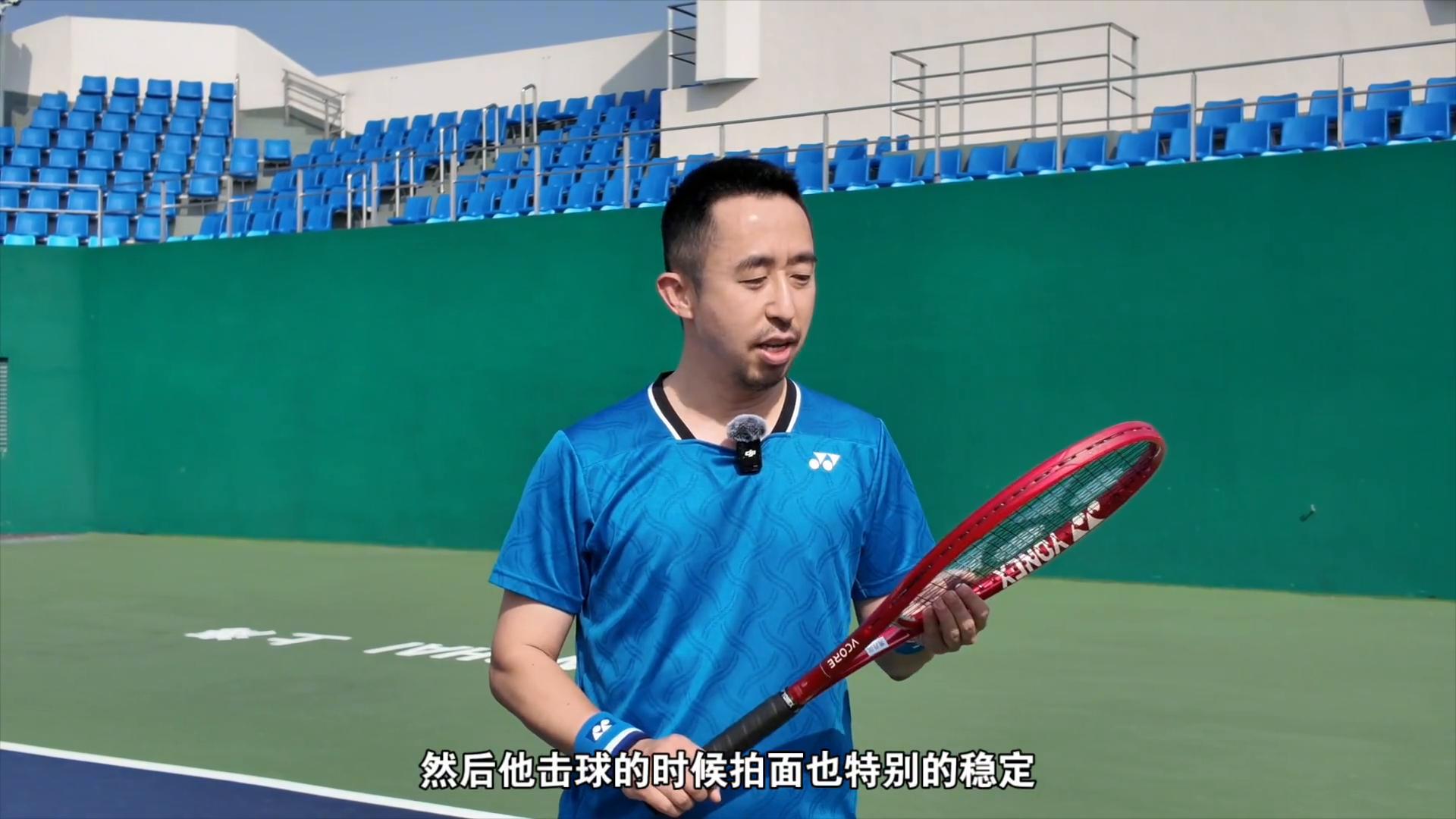
First, about the VCORE 98 trial experience: its hitting feel is exceptionally clear and crisp, with excellent feedback. The racket face remains very stable during impact. Since the frame is slightly thicker than the previous generation, it offers enhanced elasticity. It facilitates generating topspin easily, but to produce deep, high-quality attacking topspin, one needs to actively exert force and complete the stroke thoroughly; otherwise, errors might occur.
Overall, it's a very effective weapon for offense, but it highly depends on precise contact point control and one's ability to actively generate power.
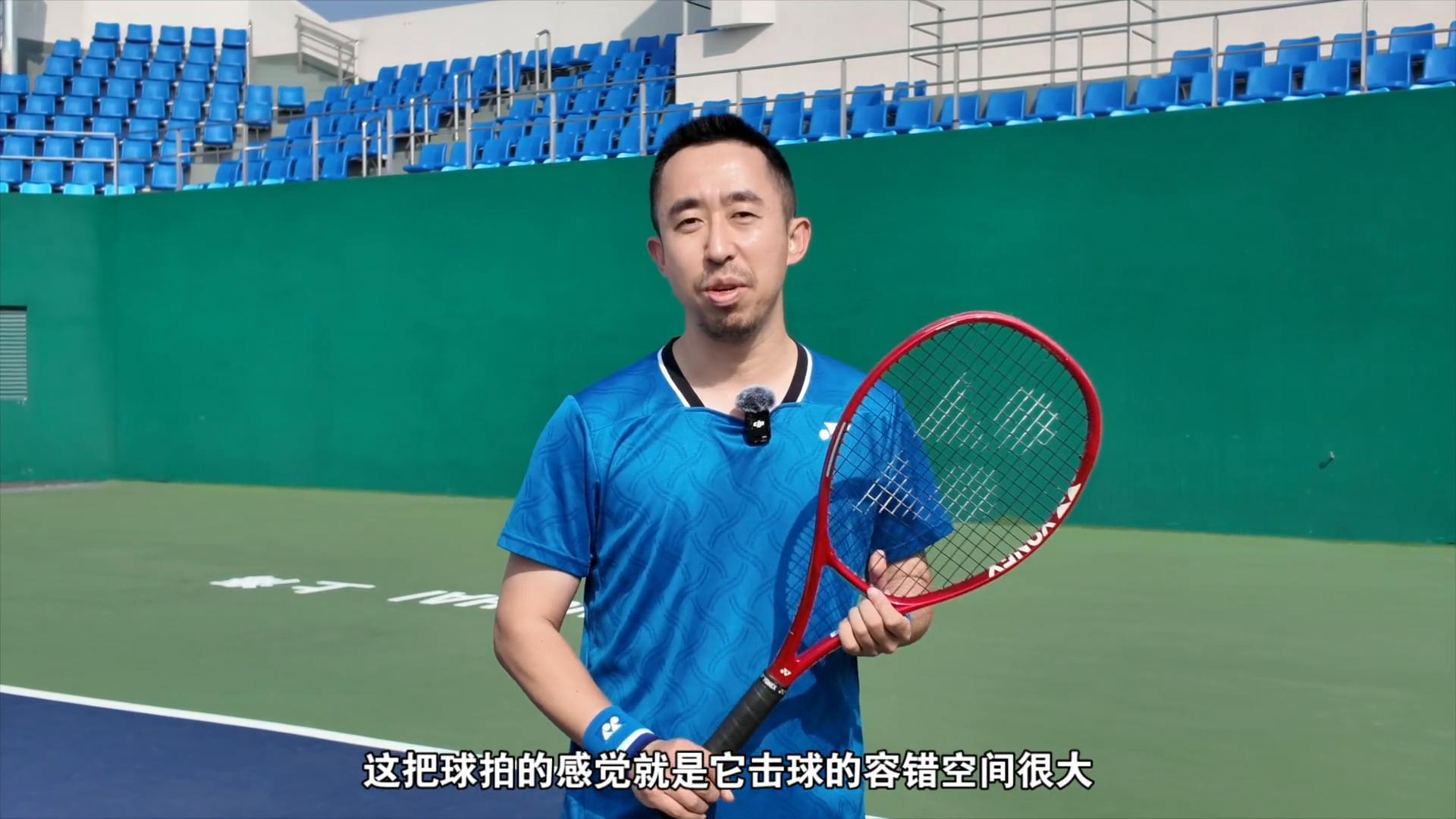
Now, about the VCORE 100 trial experience: this racket offers great error tolerance, as its sweet spot is larger than the 98's. Even when footwork isn't perfect or the contact point isn't very accurate, the shot outcome remains quite good. It feels very easy to create spin, and the ball seems well-pocketed, offering a strong sense of ball engagement.
Additionally, regarding serving, this racket provides a very stable feel, especially on second serves, giving a full sense of security. However, its maneuverability at the net for volleys might not be as sharp as the 98.
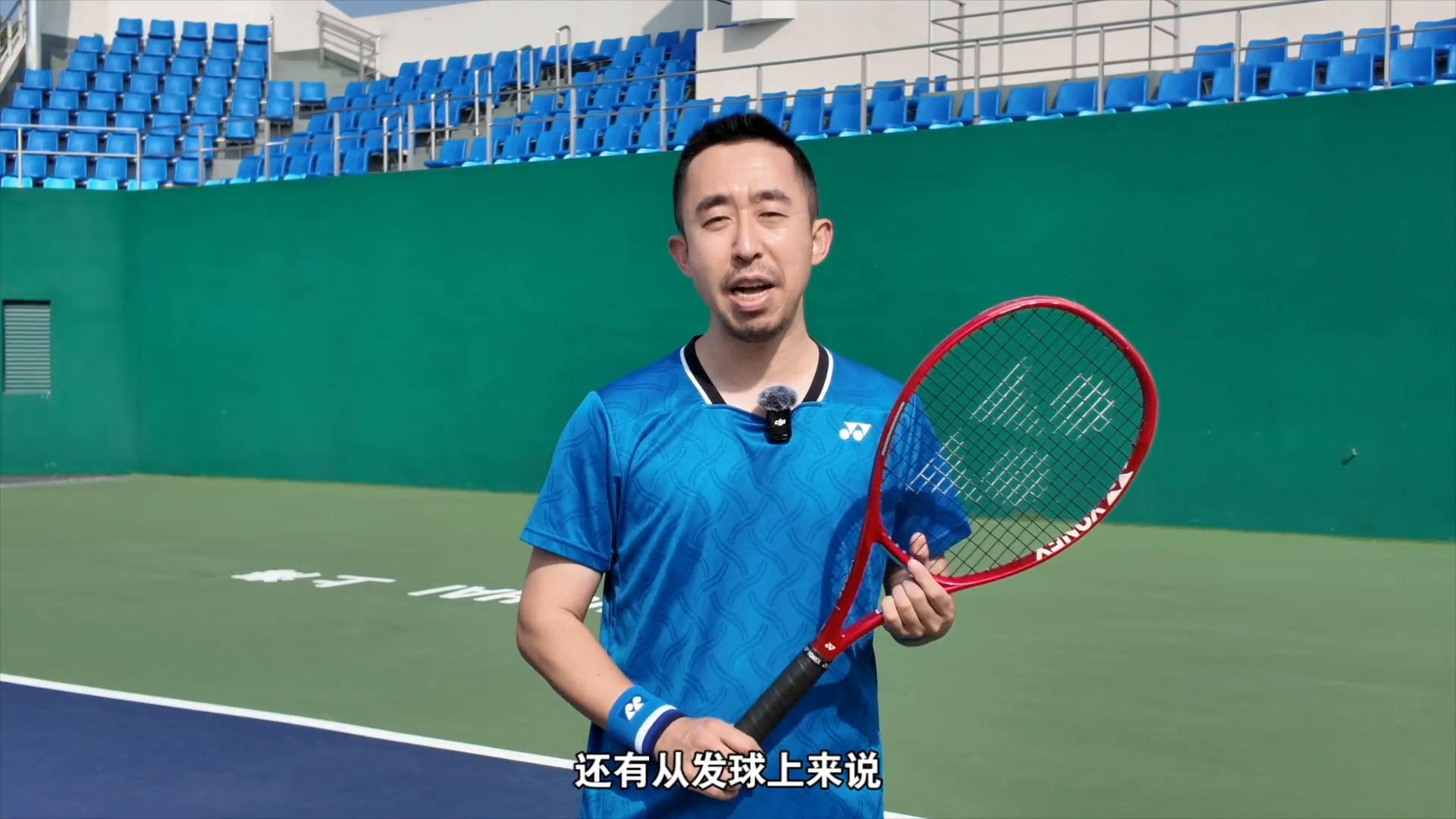
Finally, let's discuss the differences between these two rackets.
First, both retain Yonex's traditional square-shaped head design, with optimized sweet spots compared to before.
Second, they have improved the grommet structure, allowing strings more movement range on the racket, which better facilitates generating spin.
Third, the new frame and throat structure design further enhance overall racket stability. The racket's structural design also incorporates aerodynamics, resulting in faster swing speed.
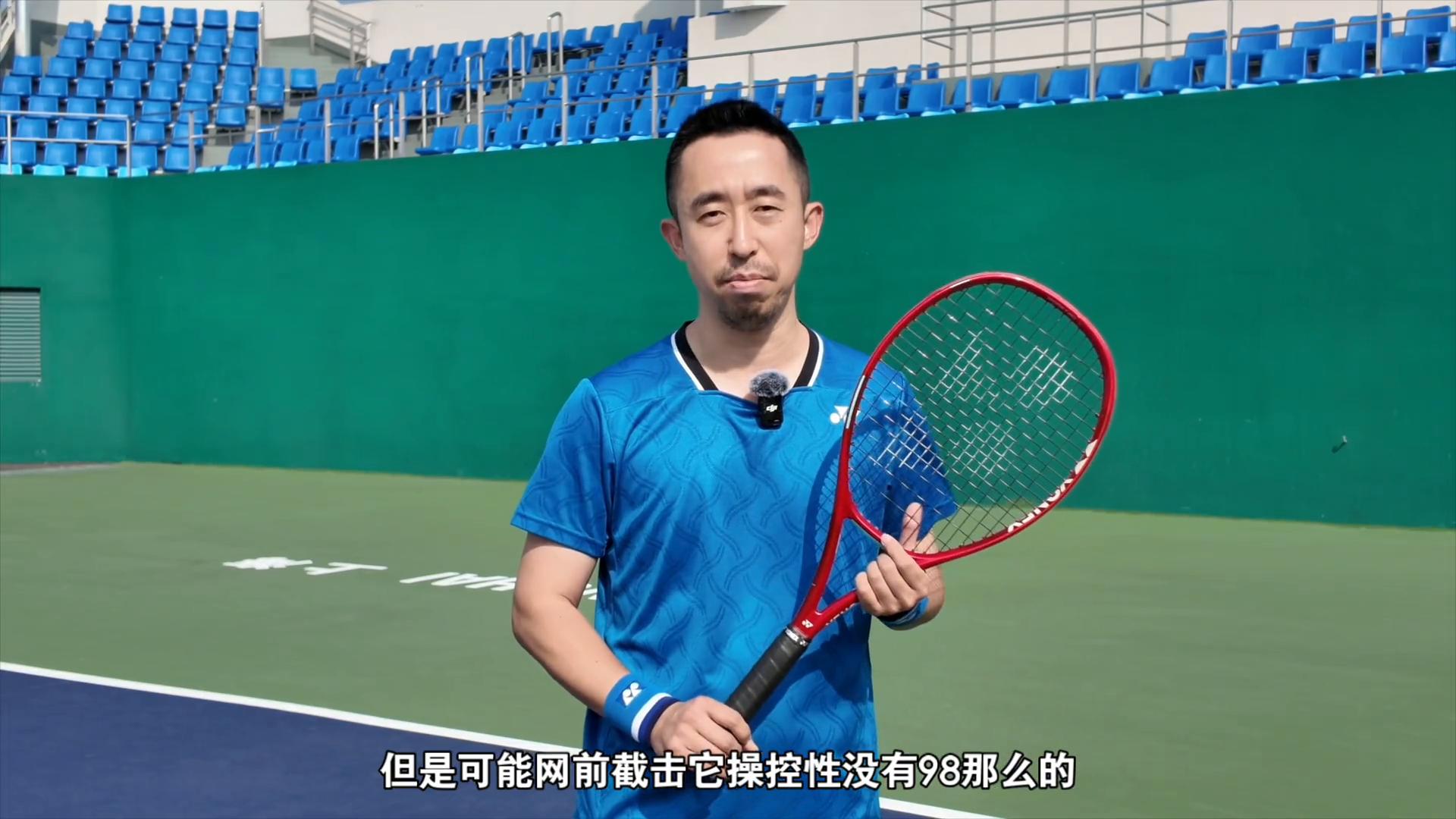
Regarding their differences, I think the VCORE 98 is more suitable for players with strong offensive capabilities, who prefer to place shots, change directions, and use heavy topspin to pressure opponents, requiring higher self-power generation ability.
The VCORE 100, in contrast, I feel has broader adaptability. It's especially suitable for baseline-oriented players who can effortlessly produce high-quality spin from the baseline, keeping the rhythm firmly under their control.
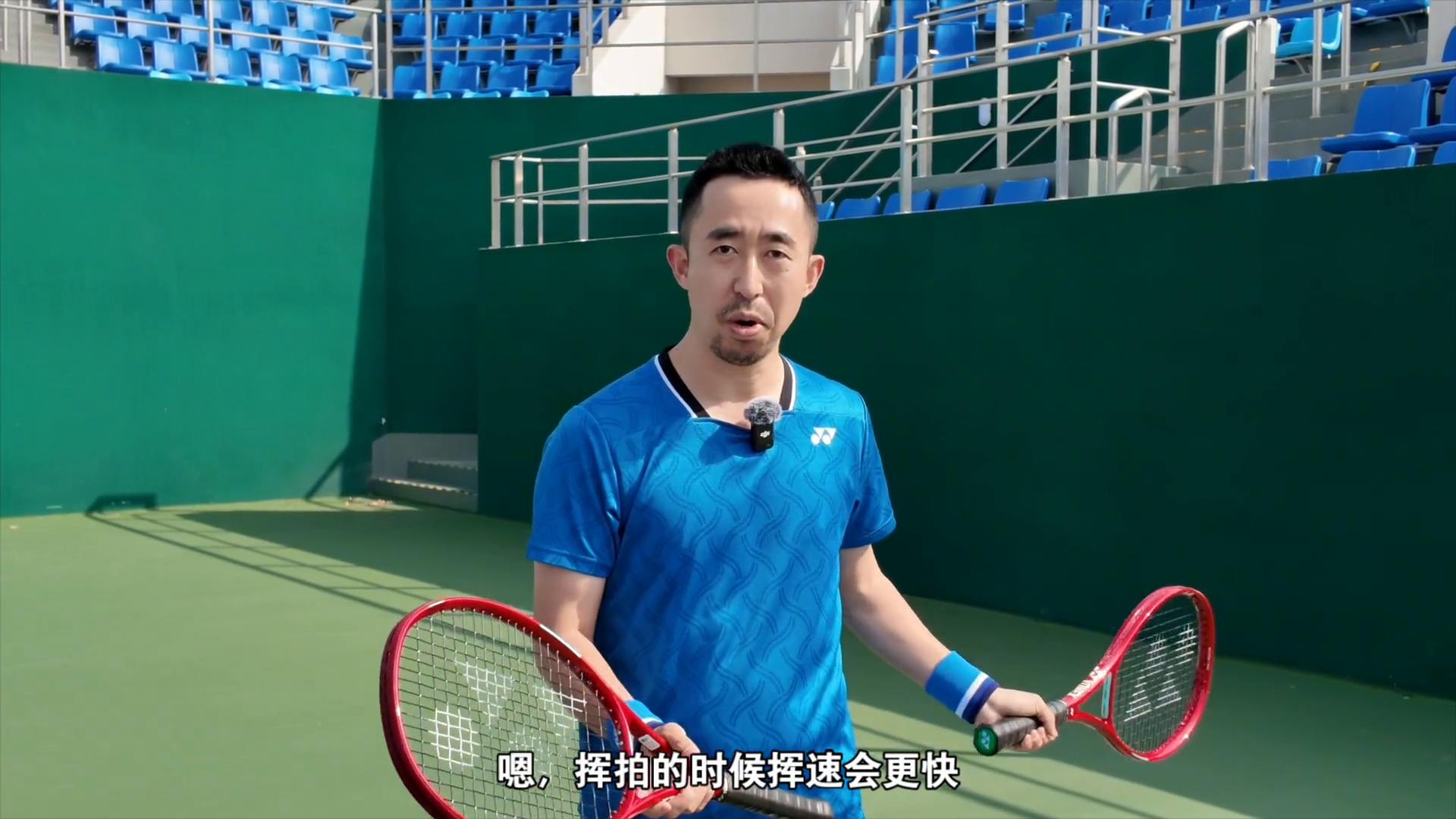
Besides the 98 and 100 head sizes, Yonex's new VCORE racket series also includes a 95 head size, with weights ranging from light to heavy, offering multiple choices. I believe both casual amateur tennis enthusiasts and advanced players can find their suitable match.
In 2026, let's follow Yonex's new VCORE series for a vibrant and successful year.

 Links
Links
 Contact
Address:UNIT 1804 SOUTH BANK TOWER, 55 UPPER GROUND,LONDON ENGLAND SE1 9E
Number:+85259695367
E-mali:[email protected]
 App
App


