



Medvedev: I will seize every opportunity to challenge the new generation's twin stars.



In the Indian Wells Masters final, Medvedev once again stood opposite Sinner, and once again fell short in a tie-break. Two tie-breaks, two 7-6 results—the conclusion displayed on the scoreboard mirrored that of numerous previous matches: the win went to the Italian.
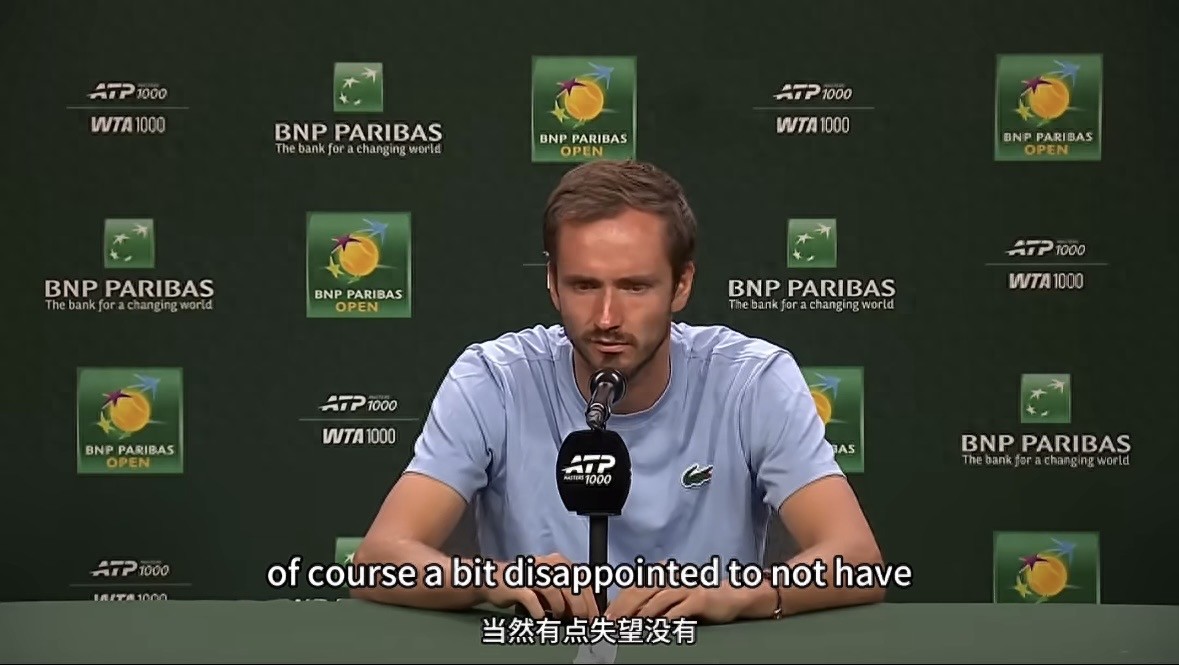
But this time, the Russian star showed no frustration or self-deprecation in the post-match press conference, instead displaying a rare calmness and clarity:“This was a fantastic tournament, and my overall form was very good, including today’s match.” He summarized his Indian Wells journey this way. Defeating world number one Alcaraz and reaching the final, battling world number two until the very last moment—for a player gradually recovering from a slump since late last year, this was indeed a commendable performance.
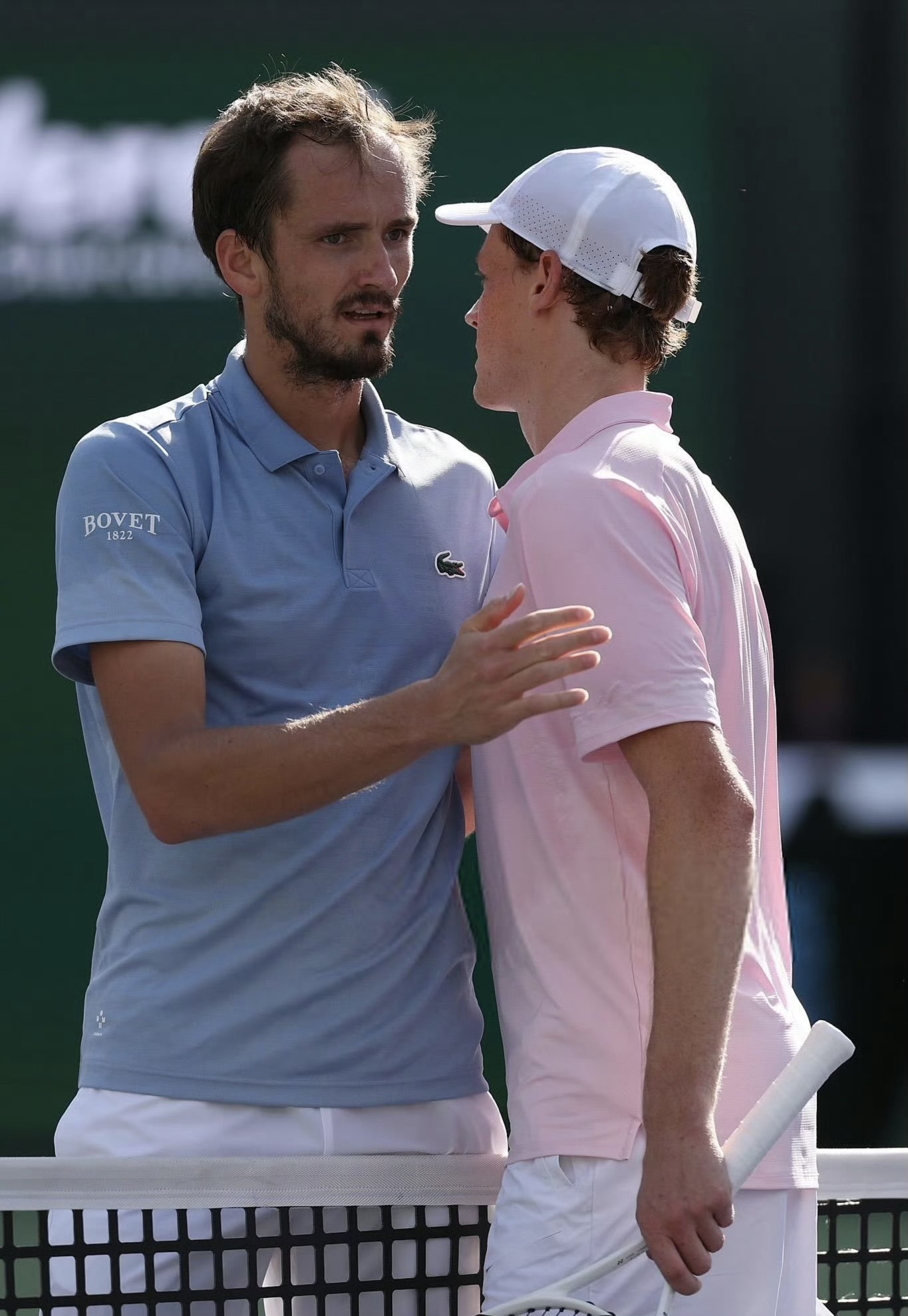
When asked about his confidence against Sinner and Alcaraz, Medvedev’s response was intriguing: “There certainly is enjoyment. I said last year that I never faced them because I played so poorly and lost early.”
This statement hits the core of the issue. During the 2024 and 2025 seasons, when Sinner and Alcaraz split the Grand Slams and alternately held the world number one ranking, where was Medvedev? He was eliminated in the first, second, or third rounds, never even reaching the chance to confront the top players.

“That will be my goal: not focusing specifically on them, but concentrating on improving myself, first by defeating all other opponents.” Medvedev spoke pragmatically. In the era dominated by Sinner and Alcaraz, to challenge them, one must first qualify to stand before them.
When asked if he believes he can be the one to consistently challenge Sinner and Alcaraz, Medvedev’s answer reflected the straightforwardness typical of Russians: “It’s hard to say. Because I’ve lost to them many times before, and today I lost to Sinner again.”But he immediately added: “In a single match, anyone can challenge them. Jakub defeated Sinner in Doha, and I defeated Alcaraz here. But it’s truly very difficult. That’s why by the end of the season, they usually achieve around 60 wins with only about 5 or 6 losses.”

These words recall the Medvedev of a few years ago, who achieved a 20-match winning streak on hard courts and frustrated countless opponents with his “hexagonal defense.” He was once a giant-slayer, once a leading figure among the new generation. But now, born in 1996, under the冲击 of the post-00s generation, he has become the veteran needing to prove himself anew.
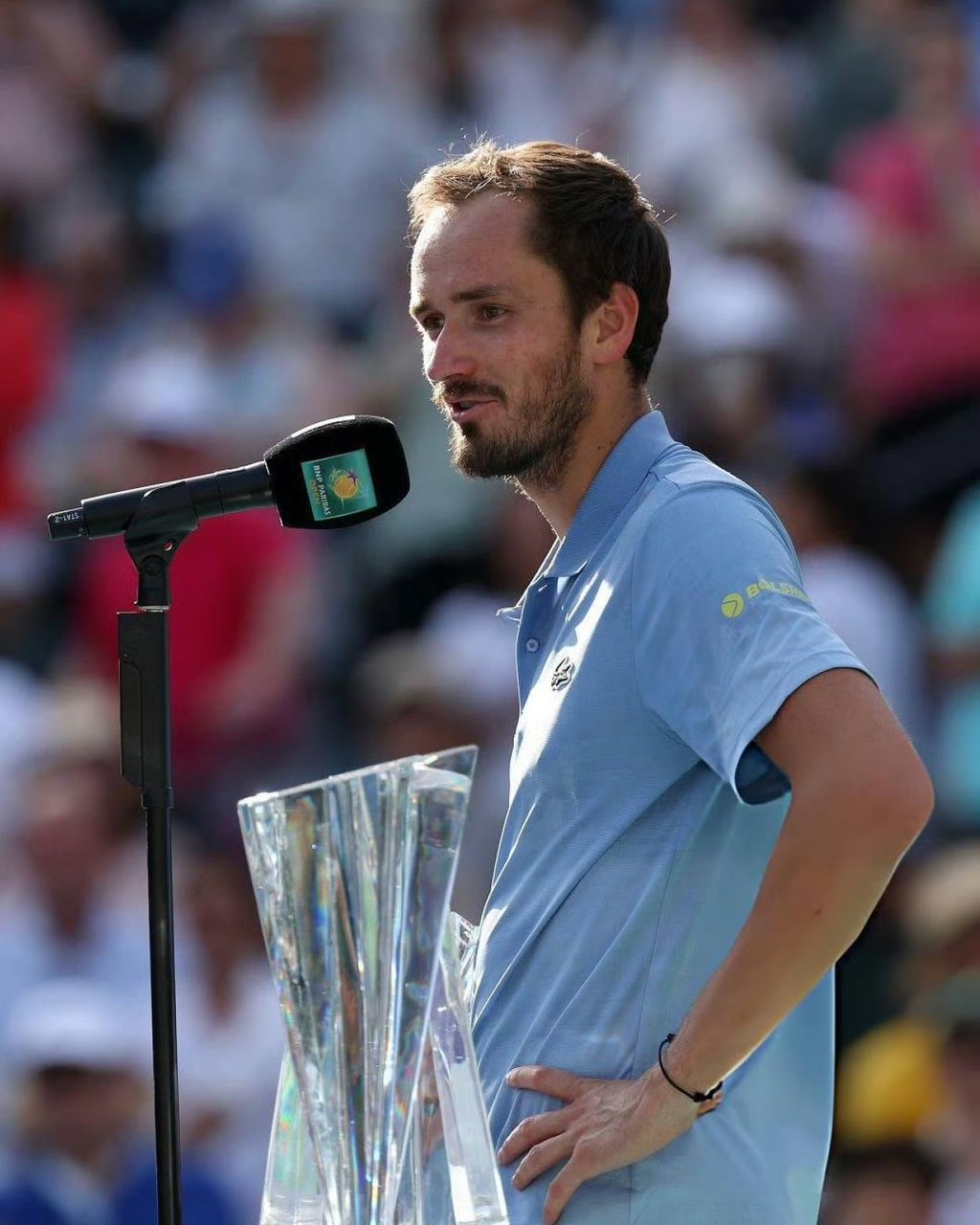
When asked about the difference between challenging Federer, Nadal, and Djokovic in the past and challenging Sinner and Alcaraz now, Medvedev recalled his only three encounters with Federer—all losses; his battles with Nadal—that exaggerated spin of the left-handed player; and his struggles with Djokovic—that suffocating feeling of baseline endurance:“They were all completely different, with distinct playing styles. Sinner and Alcaraz are also different.”But one thing is the same: “They are all extremely tough to play. That’s why they have all won many Grand Slam titles. Sinner and Alcaraz currently have fewer, but if nothing unexpected happens, they will win many in the future.”
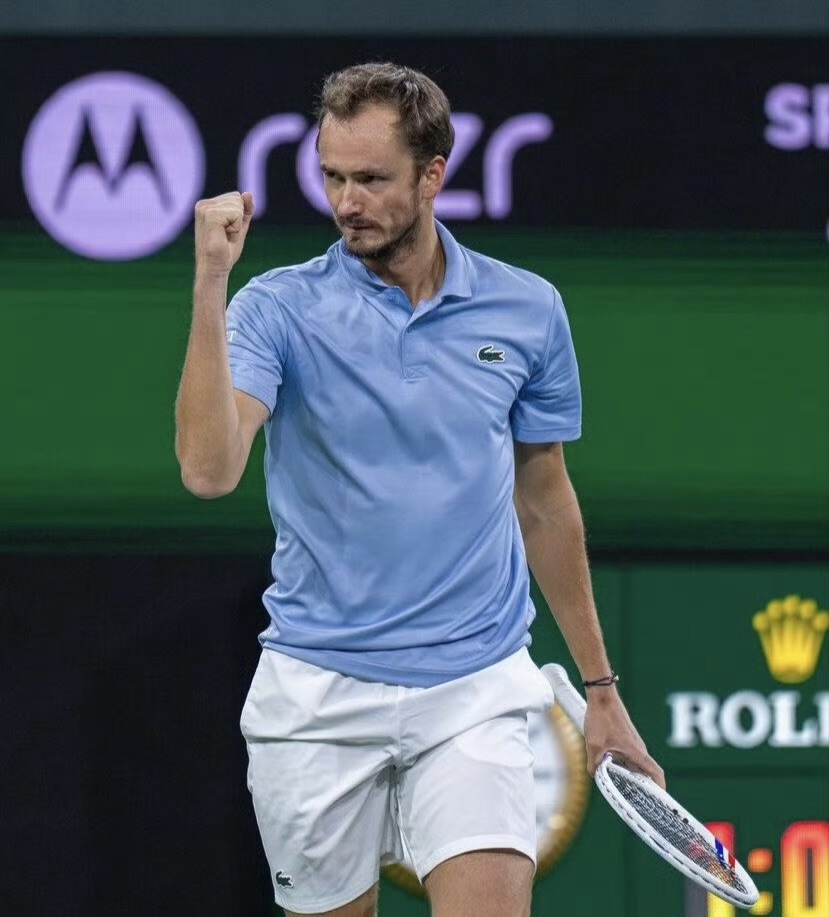
Then, Medvedev uttered perhaps the most candid summary of his career:“Looking back at my career, I am indeed not as good as them, but I will seize every opportunity to try to challenge them. Sometimes I succeed, and I will continue to do so.”
This statement carries a rare clarity. The 30-year-old Russian has won one Grand Slam, been world number one, and reached six Grand Slam finals. But sandwiched between the Big Three and the new generation’s twin stars, he clearly understands his place in tennis history.
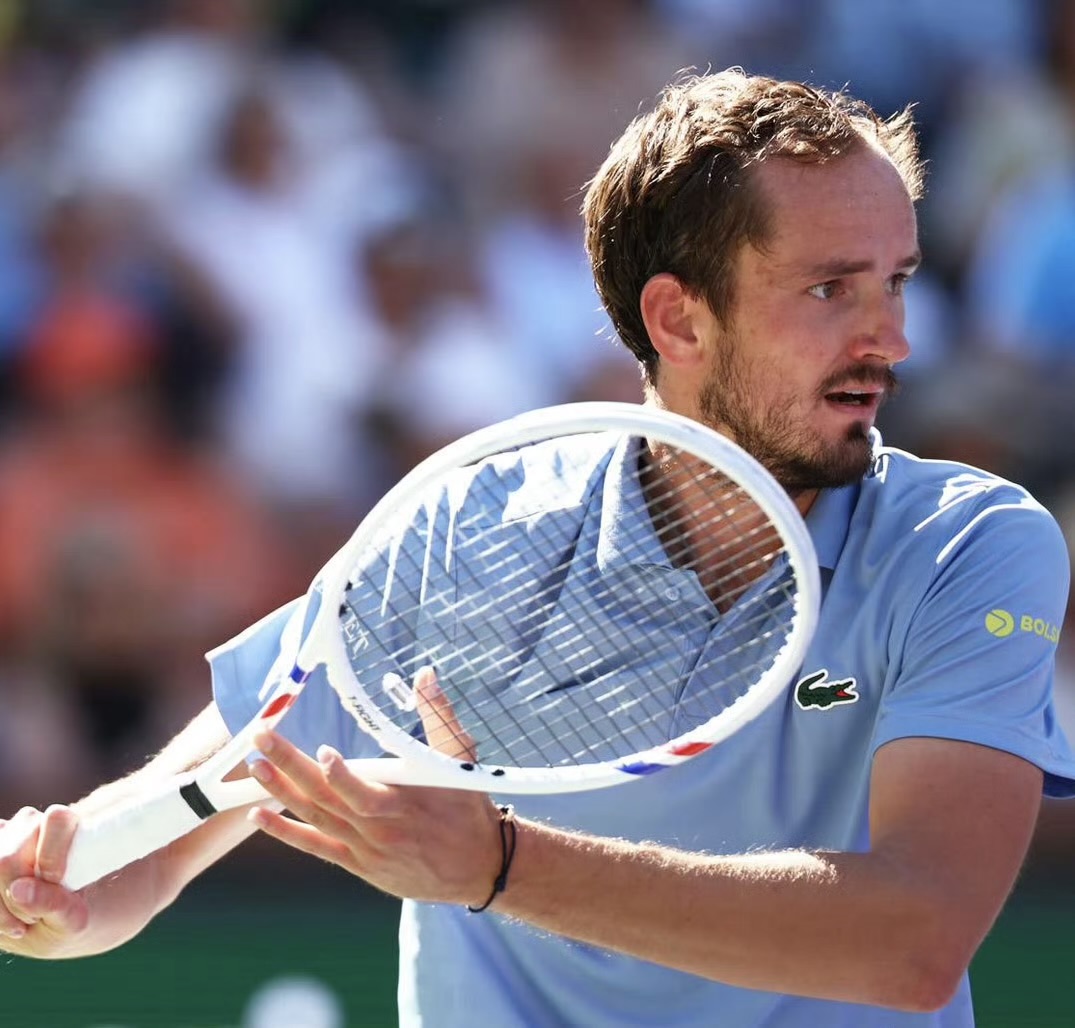
He is not Nadal, not Djokovic, nor even Sinner or Alcaraz. He is Medvedev—an ordinary person who carved out a space in an era of geniuses through impenetrable defense, resilience, and relentless running.
This clarity also manifests in his analysis of the final. When asked how he viewed Sinner’s serving today—throughout the match, Medvedev did not secure a single break point.“His serving today was phenomenal. I feel that since his first match defeating me in Beijing, he and his team have adjusted his serve, and it has been incredibly strong ever since. Very difficult to read, very hard to return, even if you anticipate correctly.”This is not an excuse from a loser, but respect for the opponent.
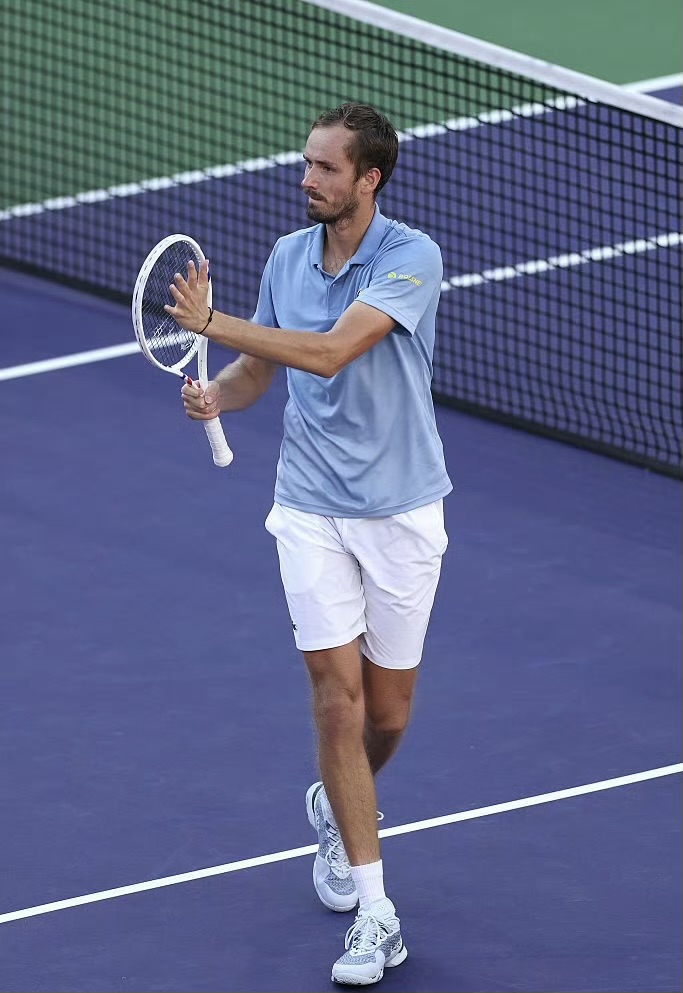
When asked about his feelings on returning to the TOP10, Medvedev’s response remained matter-of-fact: “It feels good, but I’ve always said: if I play well, I will return to the TOP10. If I can maintain this level, I will eventually return to the TOP10, even TOP5; but if my form drops, my ranking will fluctuate.”
No bold declarations, no standard answers like “I believe I am the best.” Medvedev simply states a fact: his ranking depends on his performance, and his performance depends on whether he can seize those fleeting opportunities when facing the best players of this era.Sometimes he succeeds—like defeating Alcaraz. Sometimes he does not—like losing to Sinner.
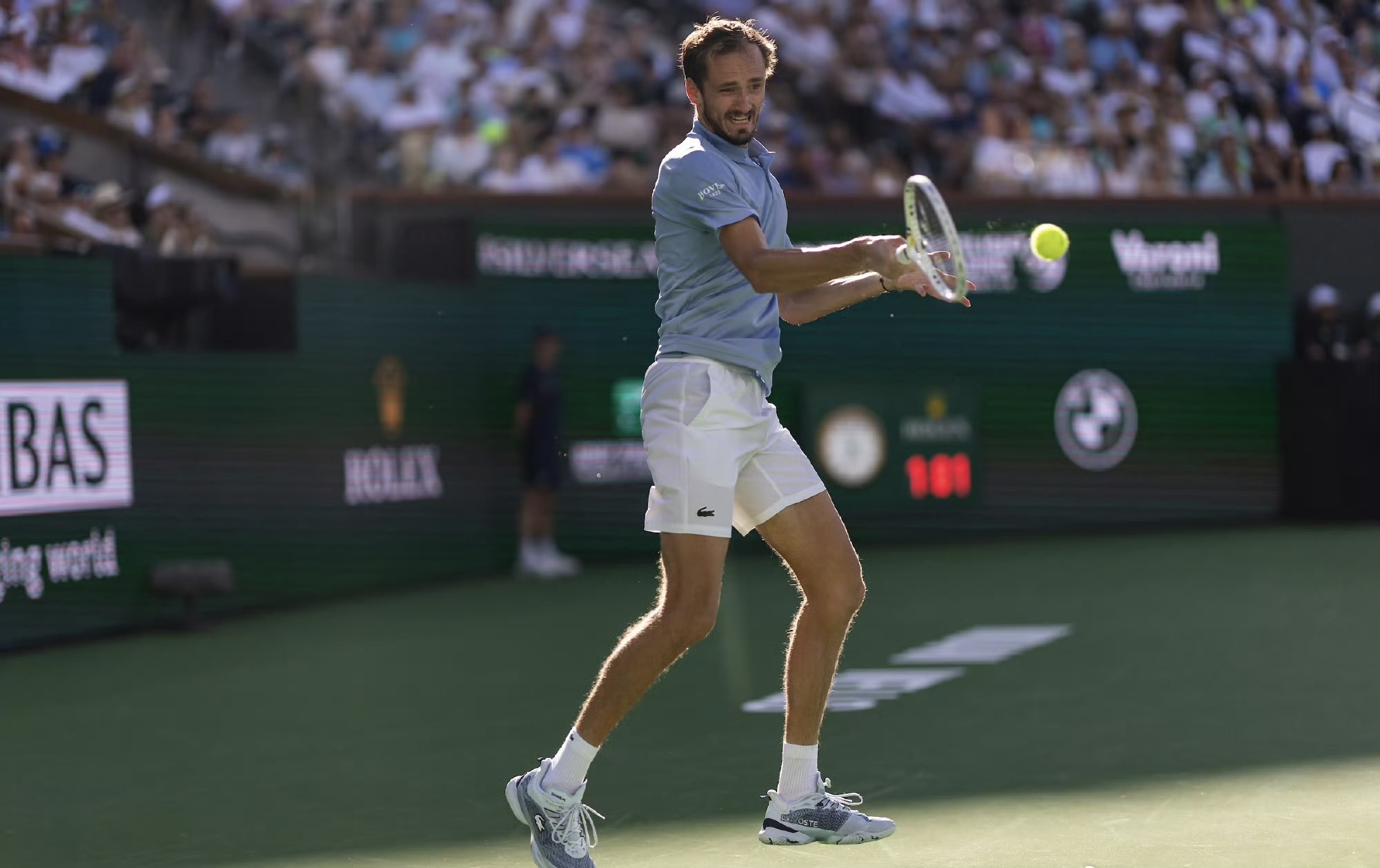
At the end of the press conference, Medvedev summarized his feelings about this week with one sentence: “Defeating Alcaraz yesterday felt almost like winning a championship to me. But the reality is, there was still a final to play. The emotions are complex: what I achieved this week makes me feel very good, but I certainly wish I could have pressured Sinner more, though it was truly difficult.”
This is Medvedev—a player who always清醒ly knows who he is, always清楚ly understands the gap between himself and historical geniuses, yet still chooses to stand opposite them time after time.
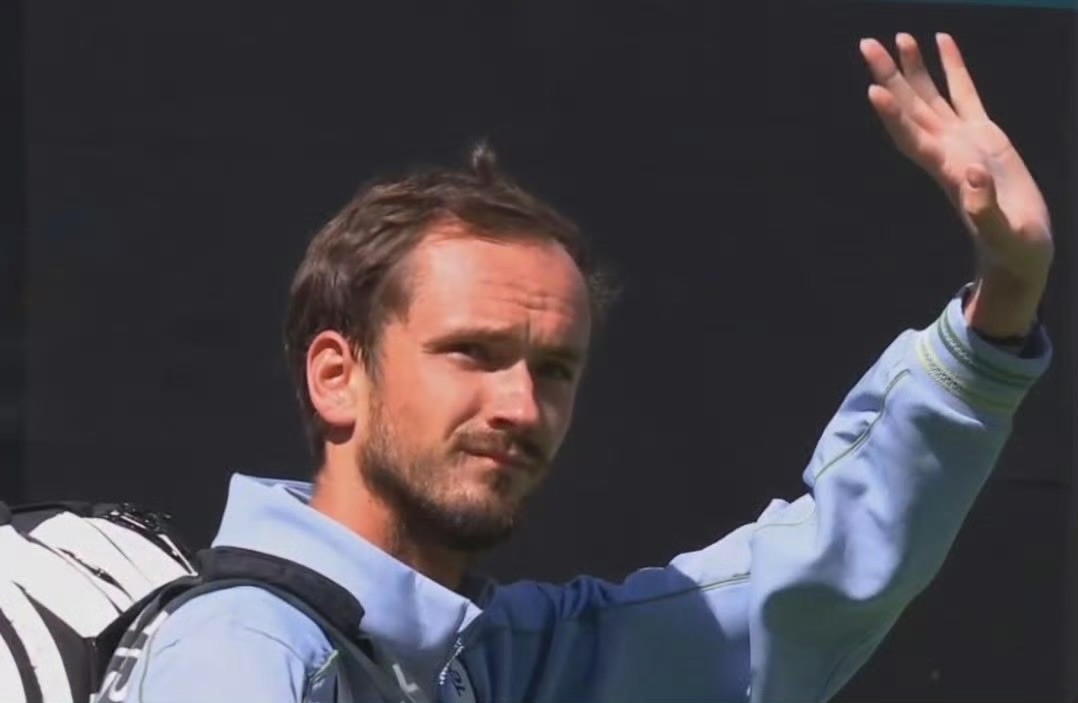
He may never become a ruler like Sinner or Alcaraz. But he will be the challenger whom every opponent must exert full effort to defeat in every tournament, every round.
As he said: I am indeed not as good as them, but I will seize every opportunity.
Sometimes I succeed, sometimes I do not.
But next time, he will still be there.(Source: Tennis Home Author: Mei )

 Links
Links
 Contact
Address:UNIT 1804 SOUTH BANK TOWER, 55 UPPER GROUND,LONDON ENGLAND SE1 9E
Number:+85259695367
E-mali:[email protected]
 App
App


