



Made in China! The world's first fully autonomous tennis robot astonishes the globe, even earning praise from Musk.



We've grown accustomed to seeing robots walk, but have you ever witnessed a robot playing tennis? Not the slow, stationary swinging kind, but one capable of sustained rallies at speeds of tens of kilometers per hour, with agile footwork. Recently, a robotics team from Beijing, China, developed the world's first fully autonomous humanoid tennis robot. Videos of it have sparked widespread discussion online, even receiving shares and likes from Elon Musk.
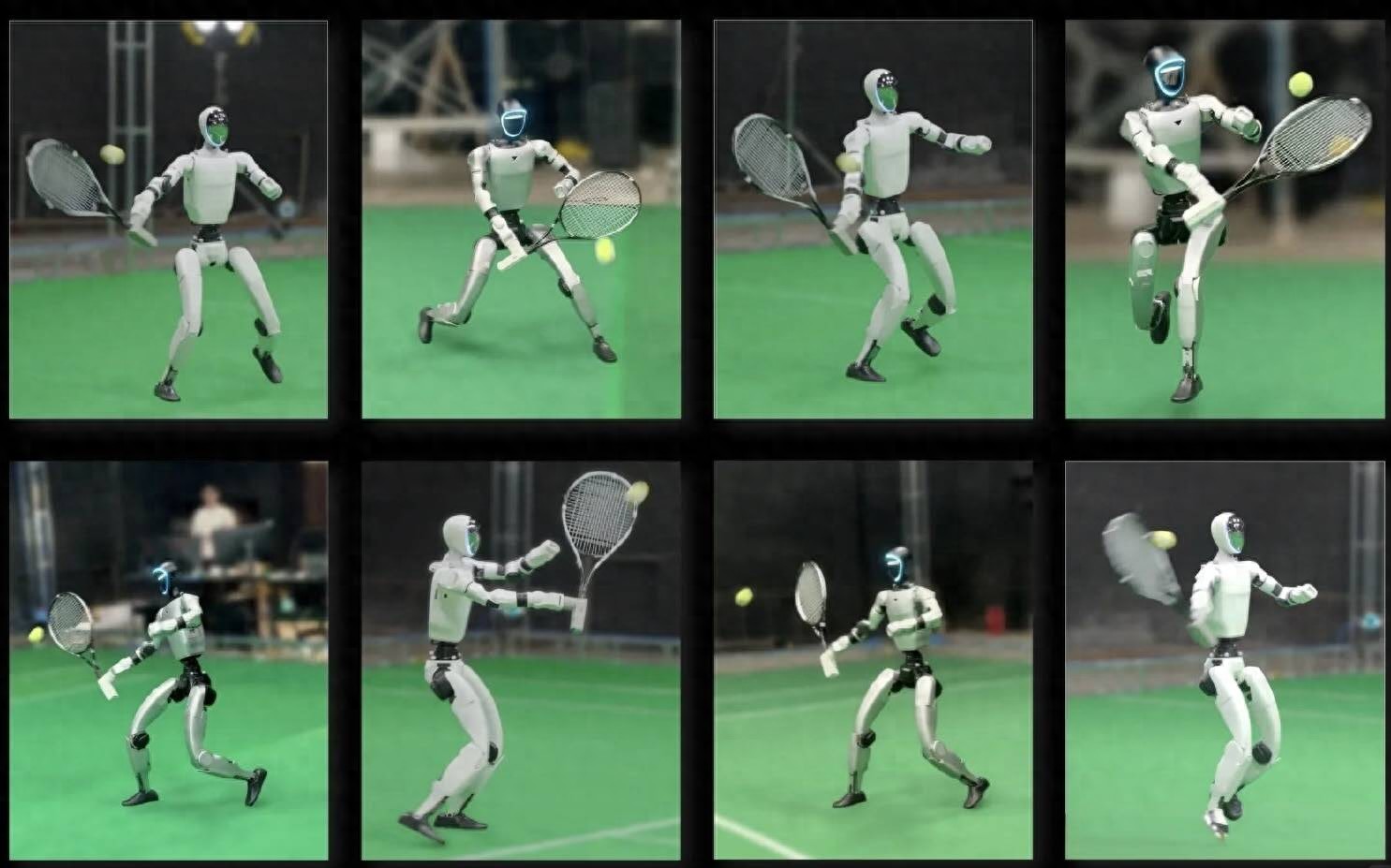
It is reported that this robot, launched by Beijing Galaxy General Robot in collaboration with a Tsinghua University team, stands approximately 1.75 meters tall and is equipped with an intelligent planning and control algorithm named "LATENT." Unlike previous industrial robots reliant on preset programs, this tennis robot autonomously acquired motor skills through deep reinforcement learning, achieving a leap from "mechanical replication" to "intelligent decision-making."
On a real tennis court, it demonstrated remarkable athletic talent: its binocular vision system can lock onto incoming balls traveling over 50 km/h within 0.1 seconds, completing judgment, adjustment, and response within milliseconds. Test data shows its forehand shot success rate reaches as high as 90.9%. It can consistently complete over 20 consecutive rallies and precisely control the placement and rhythm of returns. CCTV News commented that this is no longer a simple machine, but a genuine "opponent."
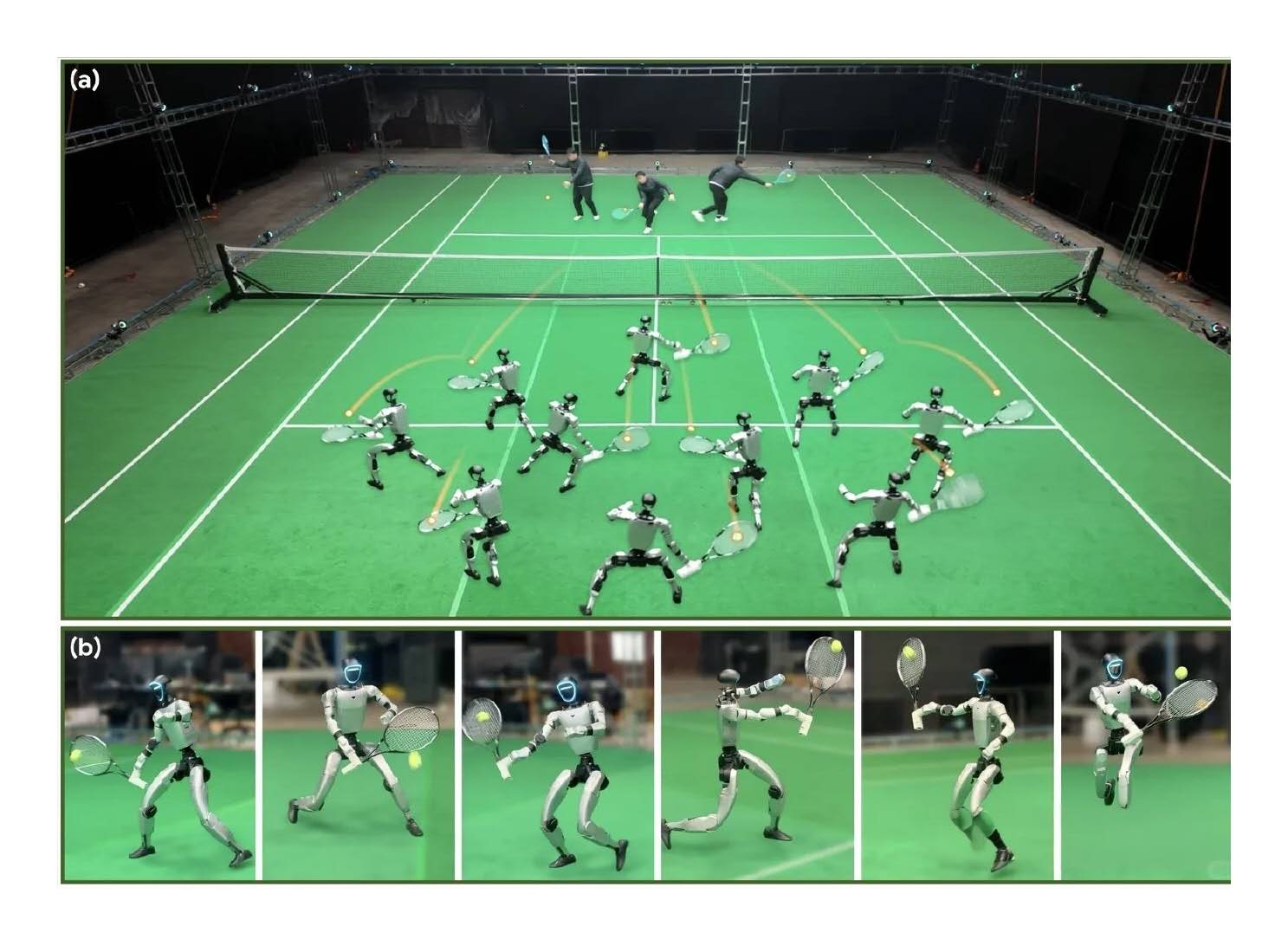
This breakthrough not only dominated headlines domestically but also caught the attention of global tech leaders. Tesla CEO Elon Musk shared the related video on social media, and renowned AI researcher, former Tesla AI director Andrej Karpathy, posted in amazement: "Wow, I originally thought it was an AI-generated video."
Industry analysts note that the significance of this breakthrough extends far beyond sports. It demonstrates robots' capabilities in real-time perception and motion planning in high-dynamic, high-agility scenarios, holding immense commercial potential for future applications in areas requiring rapid response, such as industrial sorting and emergency response.
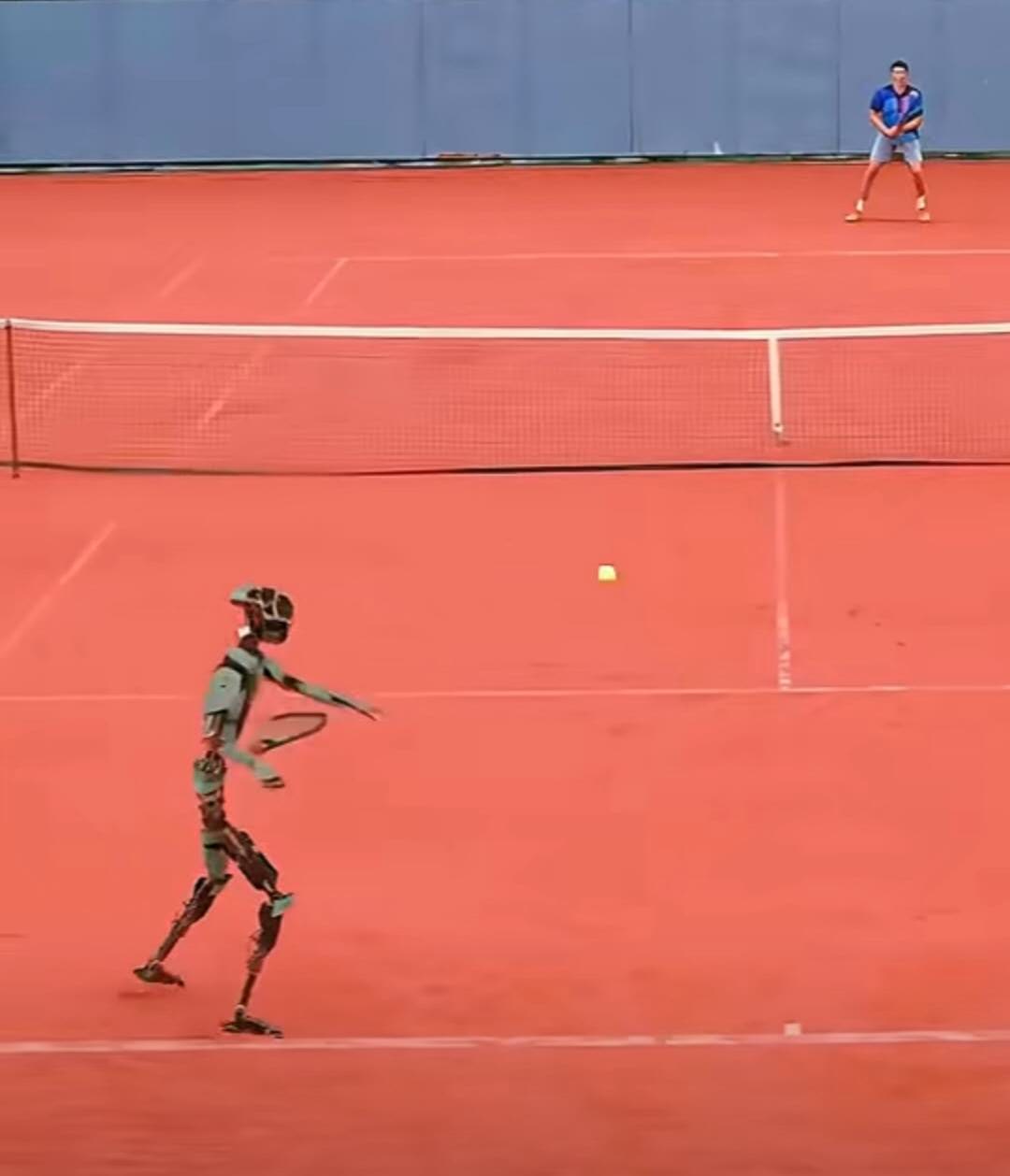
Compared to the industry's serious discussions on technical parameters, the online community's tone is much lighter. Faced with this "iron lump" capable of millisecond responses and flexible movement, what seems to intrigue people most is: Is this tennis partner easy to book?
In the comments sections of related news, many netizens are eager to try. Some marvel at technological progress: "A real cyber tennis buddy, cool! Feels like finding someone to play with won't be a problem in the future." Others humorously reflect on their own skill level: "Looking at its reaction speed, I guess as a clumsy player, I'd only be picking up balls. I probably can't beat this tennis 'buddy'."
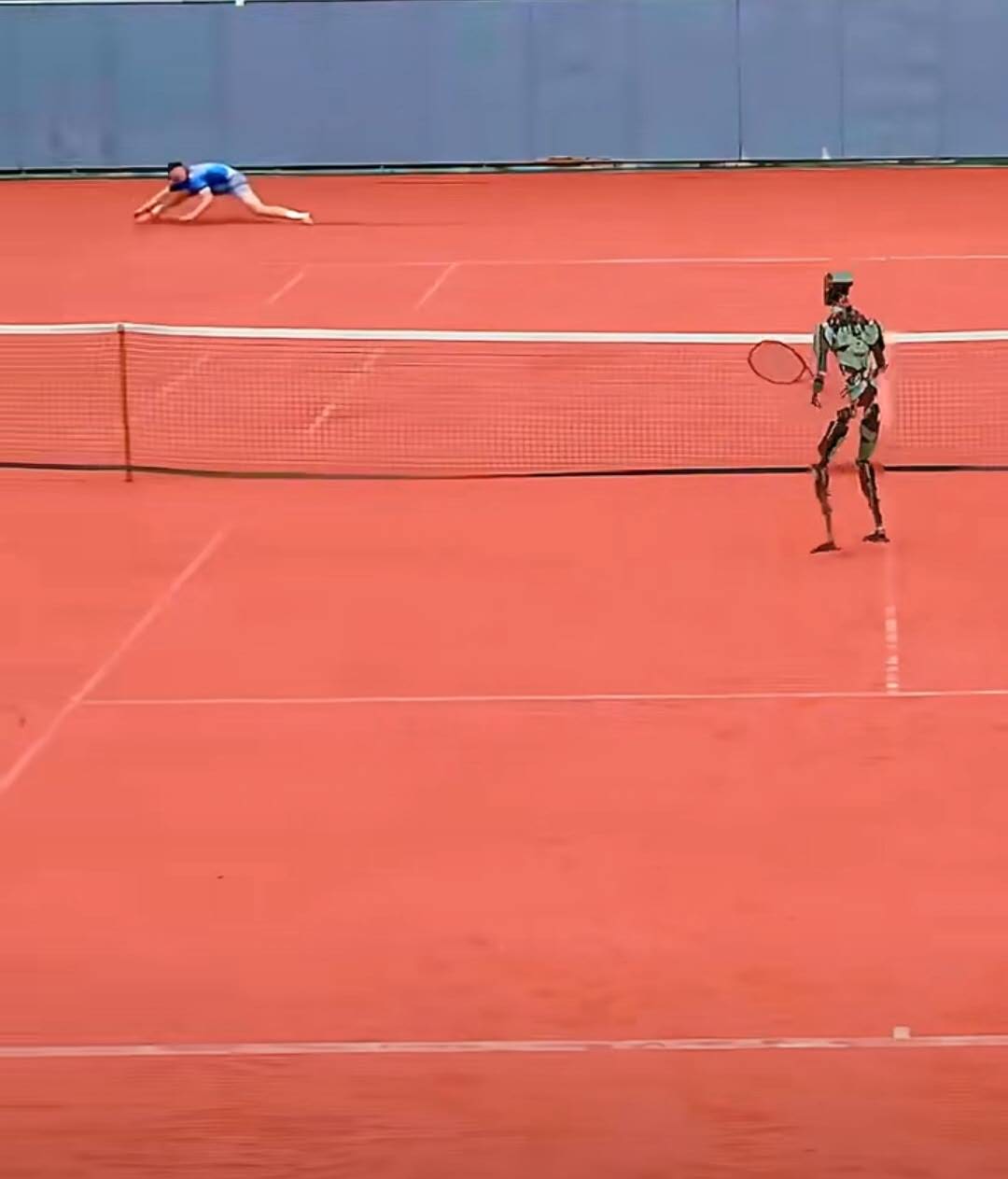
However, amidst the chorus of "awesome" applause, one netizen's comment sparked deeper reflection. The comment pointed out that while the robot technology is impressive, it "lacks the情趣价值 (emotional/relational value) a human partner can provide,"感慨 (reflecting) "this is the difference between humans and AI."
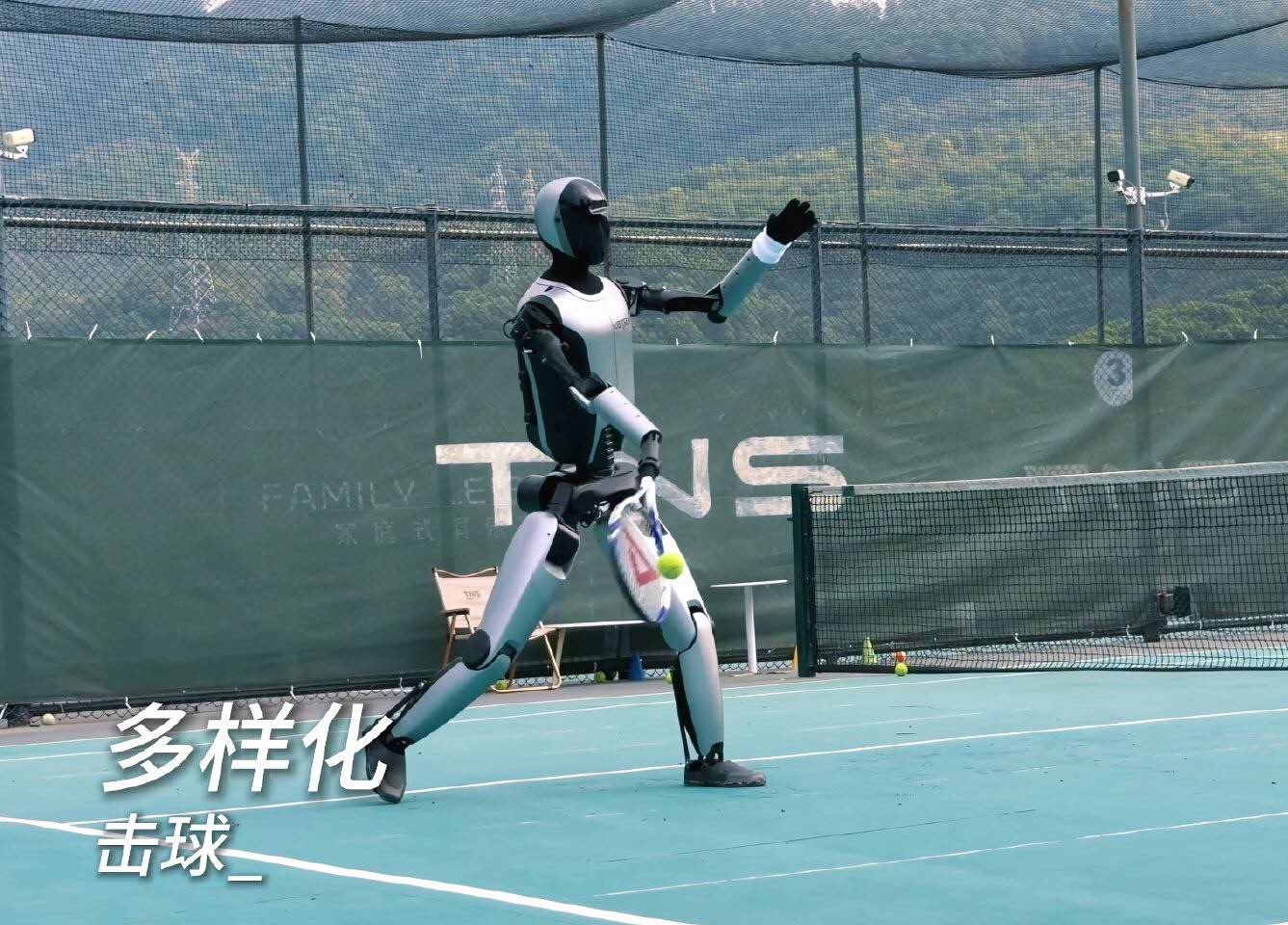
This comment touches on the core boundary of technology in mimicking human behavior. For the vast majority of业余爱好者 (amateurs), playing tennis is固然 (certainly) for exercise and competition, but perhaps more importantly, it's about the laughter during friendly banter, the glance of acknowledgment after a good shot, or the encouragement of "no worries, try again" after a mistake. This kind of interaction based on shared emotional experience is the "soul" that even the most advanced algorithms currently struggle to simulate.
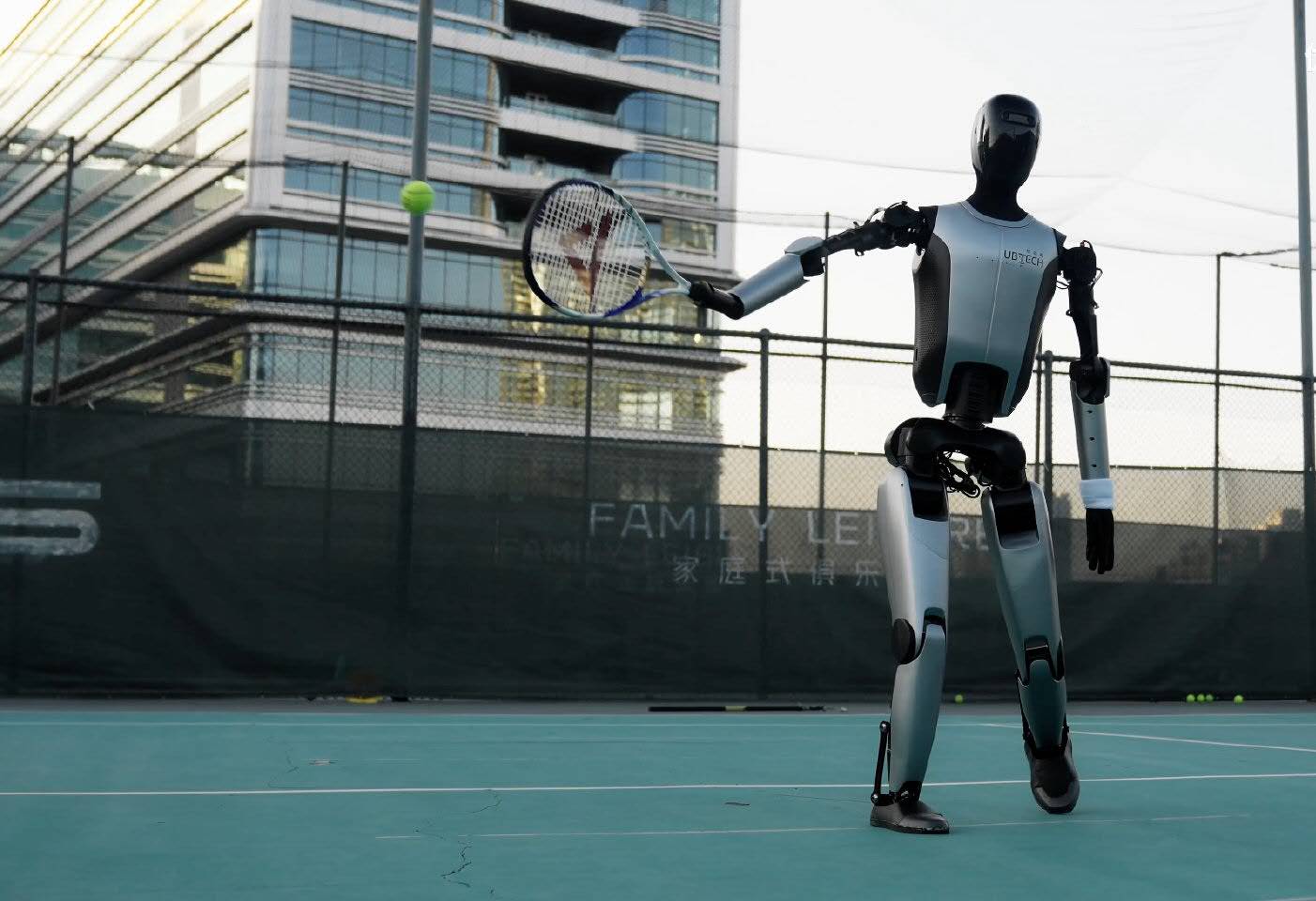
Regardless, as robots can rally with us on the tennis court, the future once confined to sci-fi films is entering reality in a vibrant way. Perhaps soon, tennis club options will include an additional category: training partner—human coach or AI球搭子 (ball buddy)?(Source: Tennis Home Author: Lu Xiaotian)

 Links
Links
 Contact
Address:UNIT 1804 SOUTH BANK TOWER, 55 UPPER GROUND,LONDON ENGLAND SE1 9E
Number:+85259695367
E-mali:[email protected]
 App
App


