



IW Finals Box Office Proves Alcaraz Irreplaceable, Miami Director Reveals Most Favored Non-Top Players


After the Miami tournament commenced, discussions about Alcaraz's loss to Medvedev at Indian Wells did not diminish; especially after the men's singles final box office data emerged, the topic surged to new heights.

When Alcaraz was blocked from the final by the Russian star in two sets, there was significant debate over whether the Spaniard's exit would affect the final's box office.
Some argued that the Sinner-Alcaraz clash has become a grand feast in tennis, and Alcaraz's absence could severely impact final ticket sales. While disrupting this harmony might benefit tennis development and seem thrilling, tournament organizers likely felt dismayed.
However, more people suggested that while the Sinner-Alcaraz matchup is indeed worth watching, repetition can become tedious; one cannot always eat the same dish, and occasionally changing flavors is good. They believed a Medvedev versus Sinner final could also spark a viewing frenzy, with no need to worry about box office.
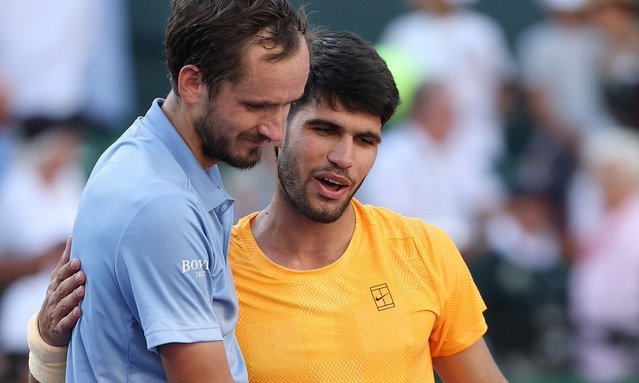
Yet, when the Indian Wells Masters final box office revenue data was released, the answer quickly emerged regarding whether Alcaraz's presence was insignificant.
Data showed that when predictions favored a Sinner-Alcaraz final, standard men's singles final tickets on resale platforms exceeded $400, some reaching sky-high prices. After the Spaniard missed the final, ticket prices plummeted to around $200, a drop exceeding 50%.
This proves many still prefer watching Sinner versus Alcaraz, showing less interest in finals with disruptors, otherwise ticket prices wouldn't have shrunk so drastically.

Recall a previous insider stating tournament organizers altered court speed to increase chances of Sinner and Alcaraz meeting in the final, which many deemed not public-desired and detrimental to tennis development.
Some even criticized organizers for prioritizing money, using the "Sinner-Alcaraz clash" as a招牌 to gain流量 and revenue, opposing public sentiment. From the significant impact of Alcaraz's absence on Indian Wells men's singles final tickets, it seems public sentiment leans toward wanting the "Sinner-Alcaraz clash," revealing a poignant truth.
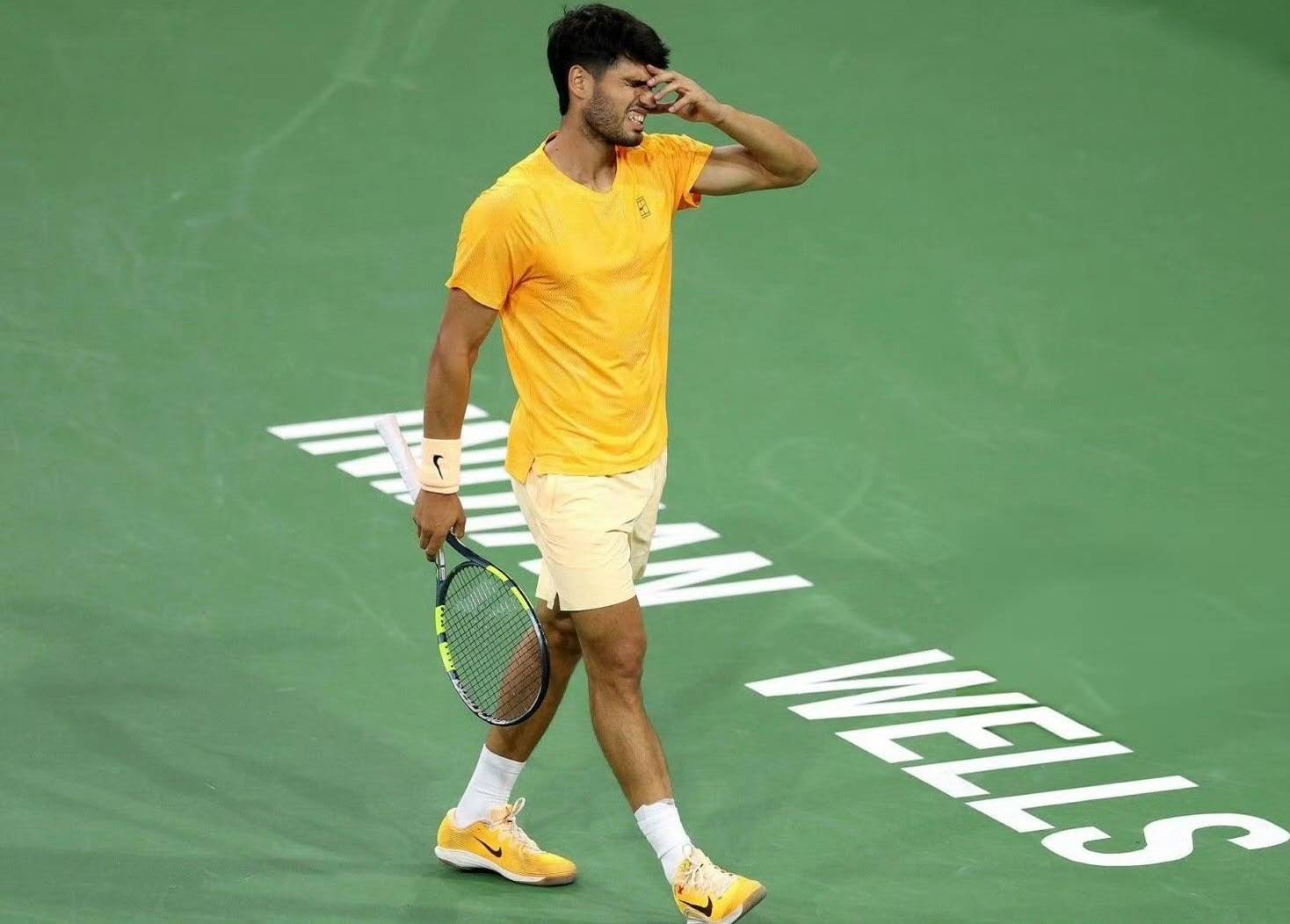
Of course, some defended Medvedev, noting that despite losing in two sets to Sinner in the final, each set was fiercely contested, deserving better recognition and praise. Yet, because he replaced the anticipated Alcaraz, public willingness to support box office waned, which is somewhat frustrating.
Some participants suggested many are accustomed to the "Sinner-Alcaraz clash," finding intruders unfamiliar or hard to accept, leading to the final box office halving. If more players like Medvedev can prevent Sinner-Alcaraz finals, it might change some external perceptions and break this habitual pattern.

Alcaraz's exit severely impacting Indian Wells Masters final box office indicates the Spaniard is indeed a treasured asset for tournament organizers. Among non-top players, who is favored in Miami? Tournament director Blake highlighted Fonseca and Eala.
"We must schedule them on the center court because they have fans globally." Miami's director emphasized that Fonseca and Eala's matches will be on the center court this year, showing the organizers' special favor.
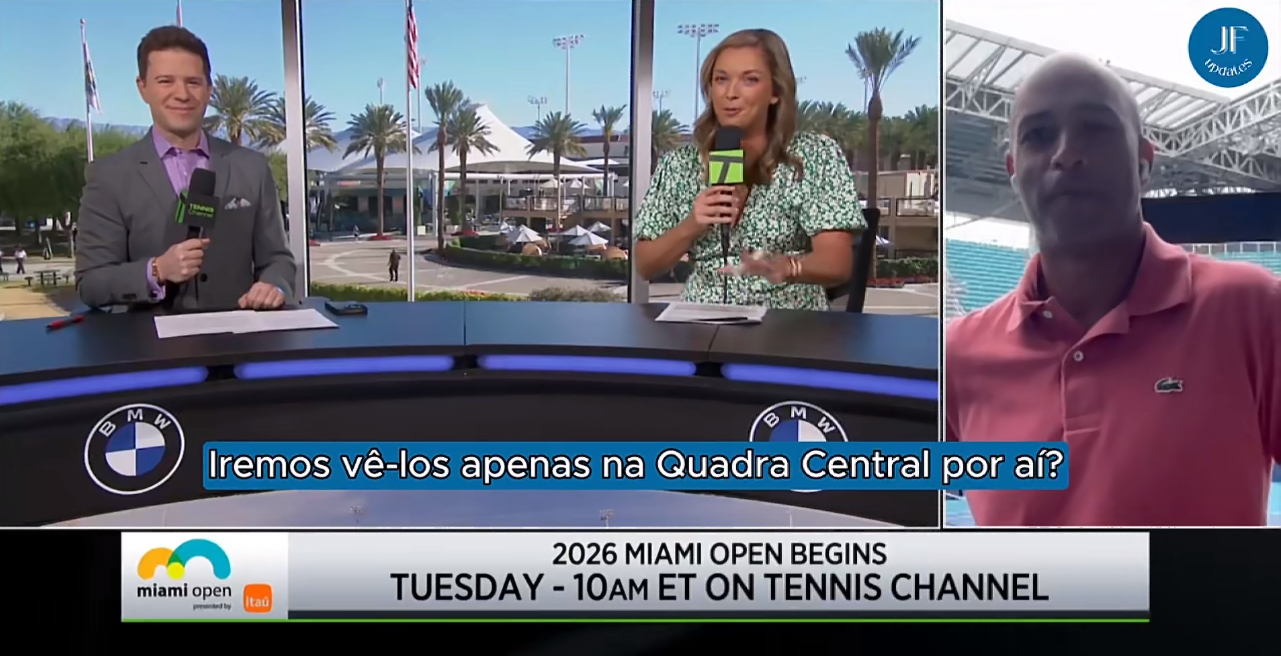
Although Fonseca hasn't reached top-tier status, his high popularity is considered comparable to the rising 00s stars Sinner and Alcaraz.
Last year, Fonseca's matches were scheduled on Court 1, but due to overwhelming demand, they were moved to the center court. Miami organizers deciding early this year is reasonable.
Regarding Eala, her matches nearly sell out every time, proving the Filipino youngster deserves the title of top "three流量小花" in women's tennis.
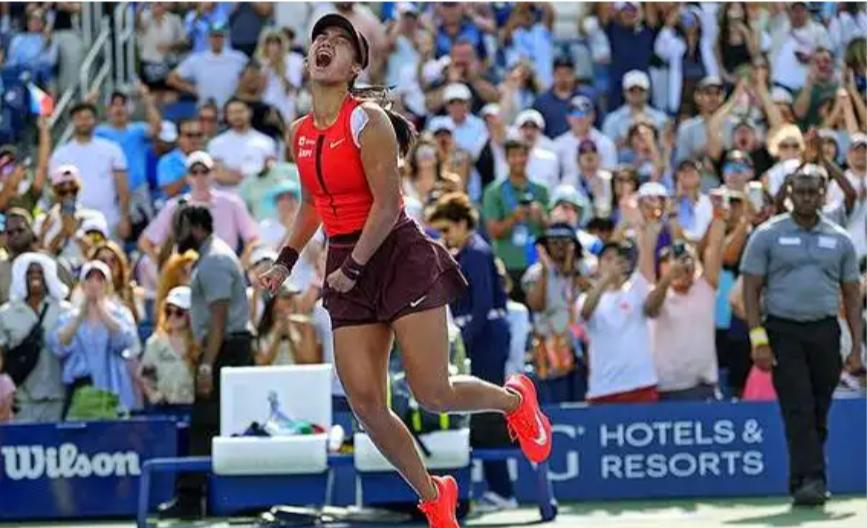
Some may deem this unfair to others, but tennis is a business; scheduling popular players on the center court is justified. Fonseca and Eala, though non-top players, match or surpass top players' popularity, hence Miami organizers' special regard.(Source: Tennis Home Author: Moon River's Starry Sky)

 Links
Links
 Contact
Address:UNIT 1804 SOUTH BANK TOWER, 55 UPPER GROUND,LONDON ENGLAND SE1 9E
Number:+85259695367
E-mali:[email protected]
 App
App


