



Alcaraz: They "win big, lose nothing," and opponents' exceptional performance is "a bit annoying"



Early this morning, Indian Wells witnessed a major upset as world number one Carlos Alcaraz unexpectedly lost to Korda, failing to advance to the round of 16. After the match, Alcaraz shared some intriguing thoughts when discussing the reasons for his defeat.
The Spaniard admitted after the match that he is currently facing a unique kind of trouble associated with being at the top—almost all opponents approach matches against him with a mindset of "winning big, losing nothing," and this pressure-free, all-out effort makes him feel "a bit annoyed."
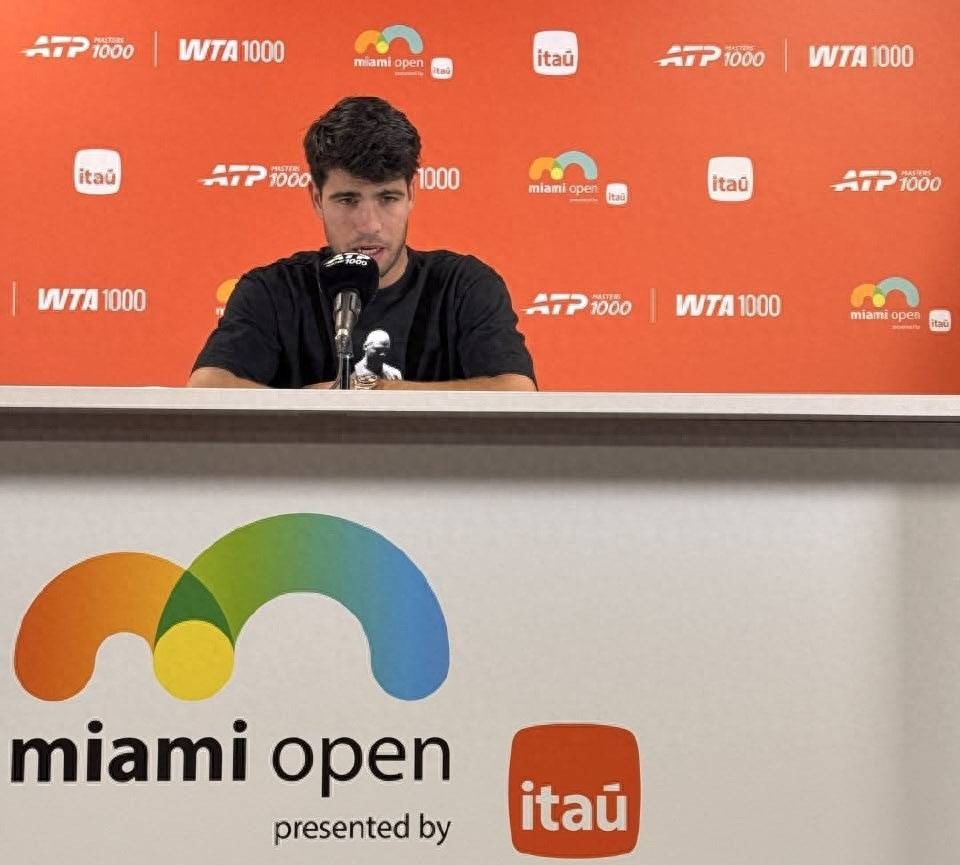
When asked how he views opponents consistently performing far beyond their usual level against him, Alcaraz first showed a helpless smile, then gave a candid answer: "Honestly, it doesn't feel good, and it's a bit annoying, but you have to accept it and keep playing, giving your all."
He further elaborated on the "special treatment" he feels as a top player, believing that when a player continuously wins tournaments and performs well, opponents face much less pressure. This imbalance in mentality is vividly reflected in matches.

"I can truly feel that in these matches, they have a mindset of winning big and losing nothing, which is why at certain moments, even almost throughout the entire match, they play without any pressure. This is what I feel after every match," Alcaraz said.
He emphasized that he doesn't dwell on his own pressure and feels no pressure on the court, just trying to play his tennis. However, it's undeniable that "the pressure these players face when playing against me is completely different from when they face other ordinary players."
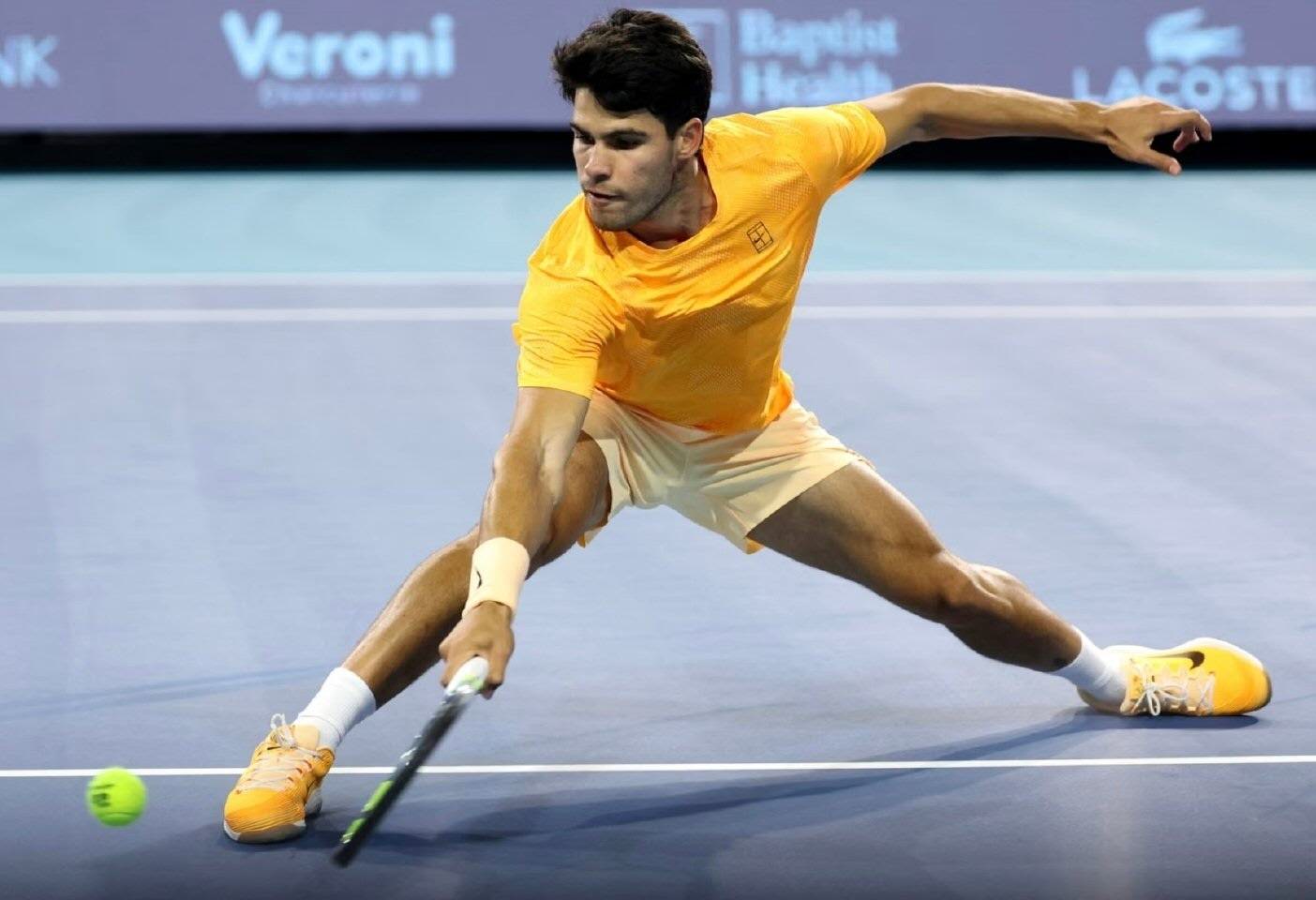
Despite opponents frequently delivering "superhuman" performances, Alcaraz did not attribute it to luck or chance. He admitted that in the recent match, he indeed couldn't find an effective way to counter his opponent's hot streak.
"I have many ways to score points on the court, many methods to make opponents uncomfortable. But honestly, today I didn't find that method," he admitted. "But I also know that opponents will always fight like this in the future, and I must be prepared."
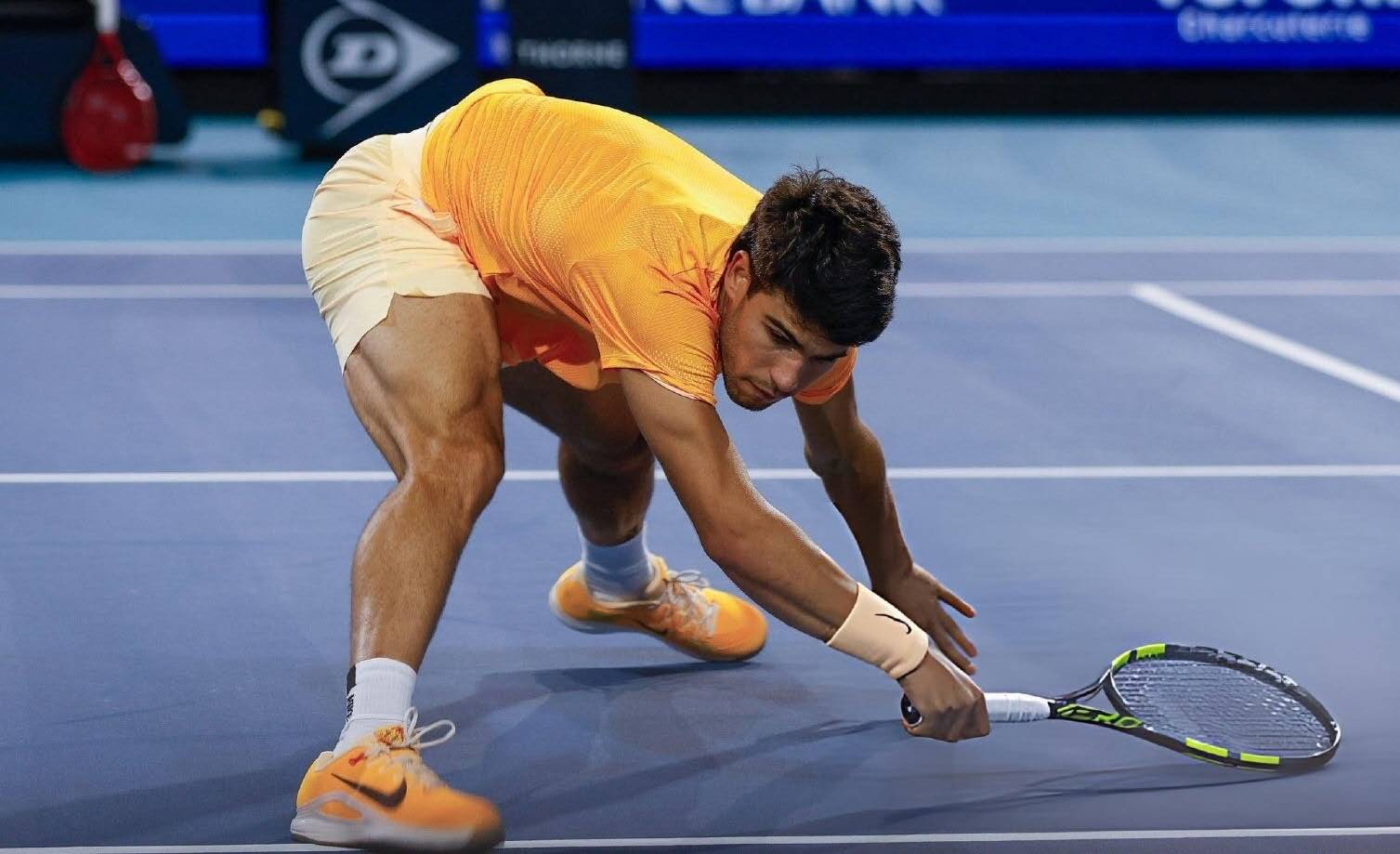
Alcaraz reviewed the details of the match, trying to learn from them. He pointed out that despite the opponent's exceptional performance, he actually stayed close in the score, reaching crucial points like 30-30 and 40-40 multiple times and having many break points, but just couldn't seize them at key moments.
"I need to learn from these details. In future matches, even if opponents play crazily like this, I will still have opportunities," Alcaraz said firmly. "I will play better on those crucial points, not letting opponents stabilize the situation continuously; I will push them to their limits."

This candid statement quickly sparked widespread discussion in the tennis world. Many commentators and former stars highly praised the young world number one's mindset.
Former British star Tim Henman commented: "What Alcaraz said is completely true. This is the 'price' of being world number one. Everyone is targeting you, and they have no baggage. Recognizing this without anxiety, accepting it, and seeking solutions shows his maturity."
Other tennis analysts offered a technical perspective: "Alcaraz pointed out a subtle psychological game. When opponents play beyond their usual level, it tests not only the top player's skills but also their mental resilience. Admitting he's 'a bit annoyed' is very genuine, but he didn't complain; instead, he said he wants to 'push them to their limits.' That's the mindset of a champion."
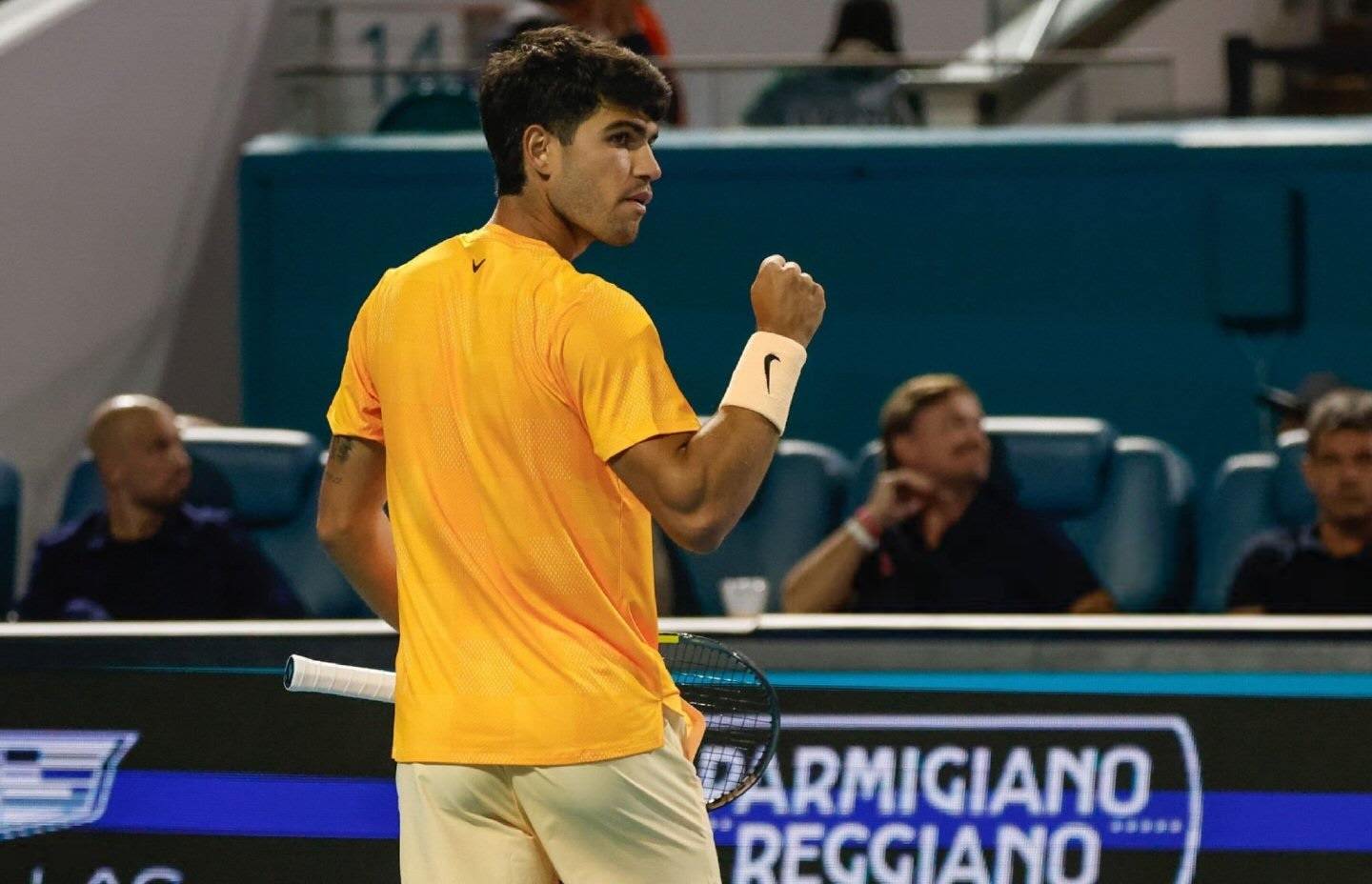
On social media, fans also engaged in lively discussions about Alcaraz's remarks.
Some fans expressed empathy: "His 'a bit annoyed' is so real. It's not complaining about opponents playing well, but admitting that this asymmetrical pressure makes him uncomfortable, yet choosing to adapt. This honesty is much better than those interviews full of official talk."
Other fans believed this precisely proves Alcaraz's strength: "Making all opponents adopt a 'go all out' mindset is itself proof of his ability. Ordinary players don't get this kind of treatment."
Some fans joked: "Alcaraz: Can you guys not get so pumped up every time you play me? I'm annoyed. Opponents: Of course we fight hard against you; beating you is a win!"

There were also rational voices pointing out: "Alcaraz's approach is correct. Instead of complaining about opponents' exceptional performance, think about how to perform better on crucial points. His post-match review mentioning those 30-30s and missed break points shows he's seriously looking for problems."
For Alcaraz, being the target might be a sweet burden. His response—"opponents will always play crazily like this in the future, and I will still have opportunities"—shows a young tennis king learning how to handle everyone's full-force attacks under the spotlight. This discussion about pressure and mindset might define his champion qualities more than any match he plays next.(Source: Tennis Home, Author: Lu Xiaotian)

 Links
Links
 Contact
Address:UNIT 1804 SOUTH BANK TOWER, 55 UPPER GROUND,LONDON ENGLAND SE1 9E
Number:+85259695367
E-mali:[email protected]
 App
App


