



From Miami Fairytale to Mediocre Dilemma: How to Break Through Menchik's "Second-Year Syndrome"?



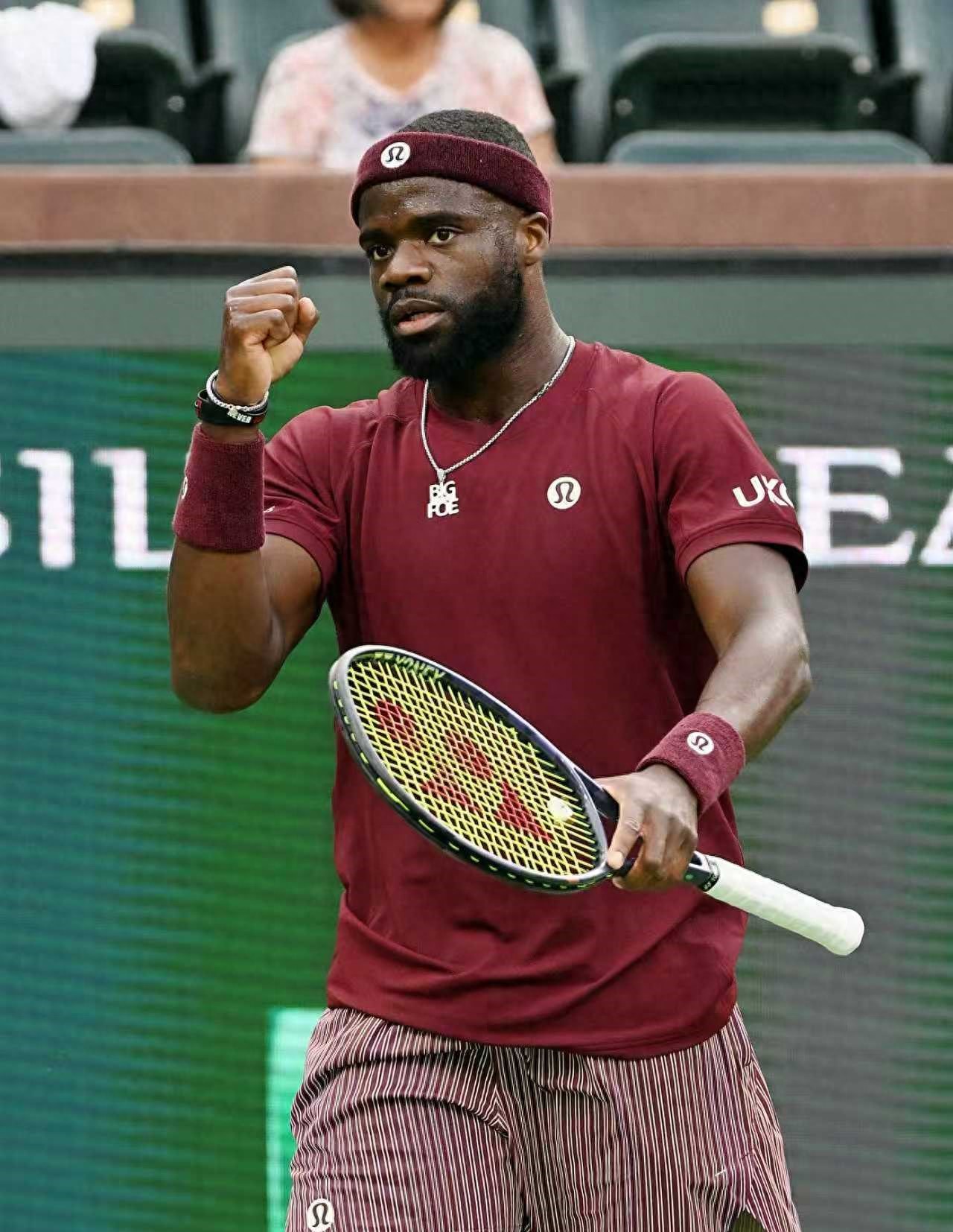
At the Hard Rock Stadium in Miami during the 2026 season, defending champion Menchik battled fiercely on the center court for three sets, ultimately losing 6-7, 6-4, 6-7 to the formidable American player Tiafoe, ending his run in the third round. For this Czech rising star under 21, this defeat serves as a harsh mirror, reflecting his trajectory over the past year from soaring heights to a descent into reality. A year ago, he defeated his idol Djokovic here, lifting the heaviest championship trophy of his career, seemingly heralding that the door to a new era in men's tennis was opening for him; a year later, under the pressure of defending his title, he appeared so stumbling on the same court.
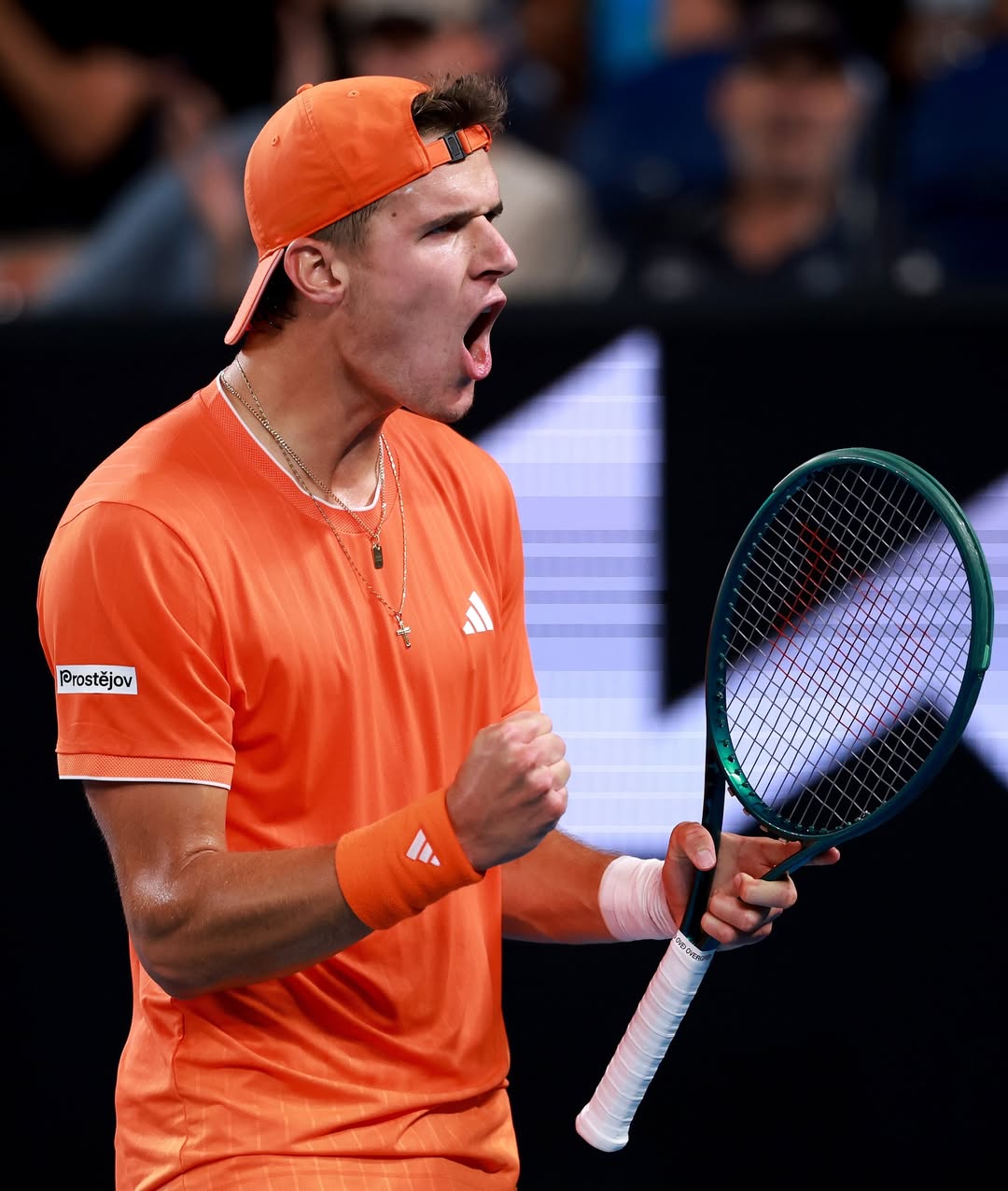
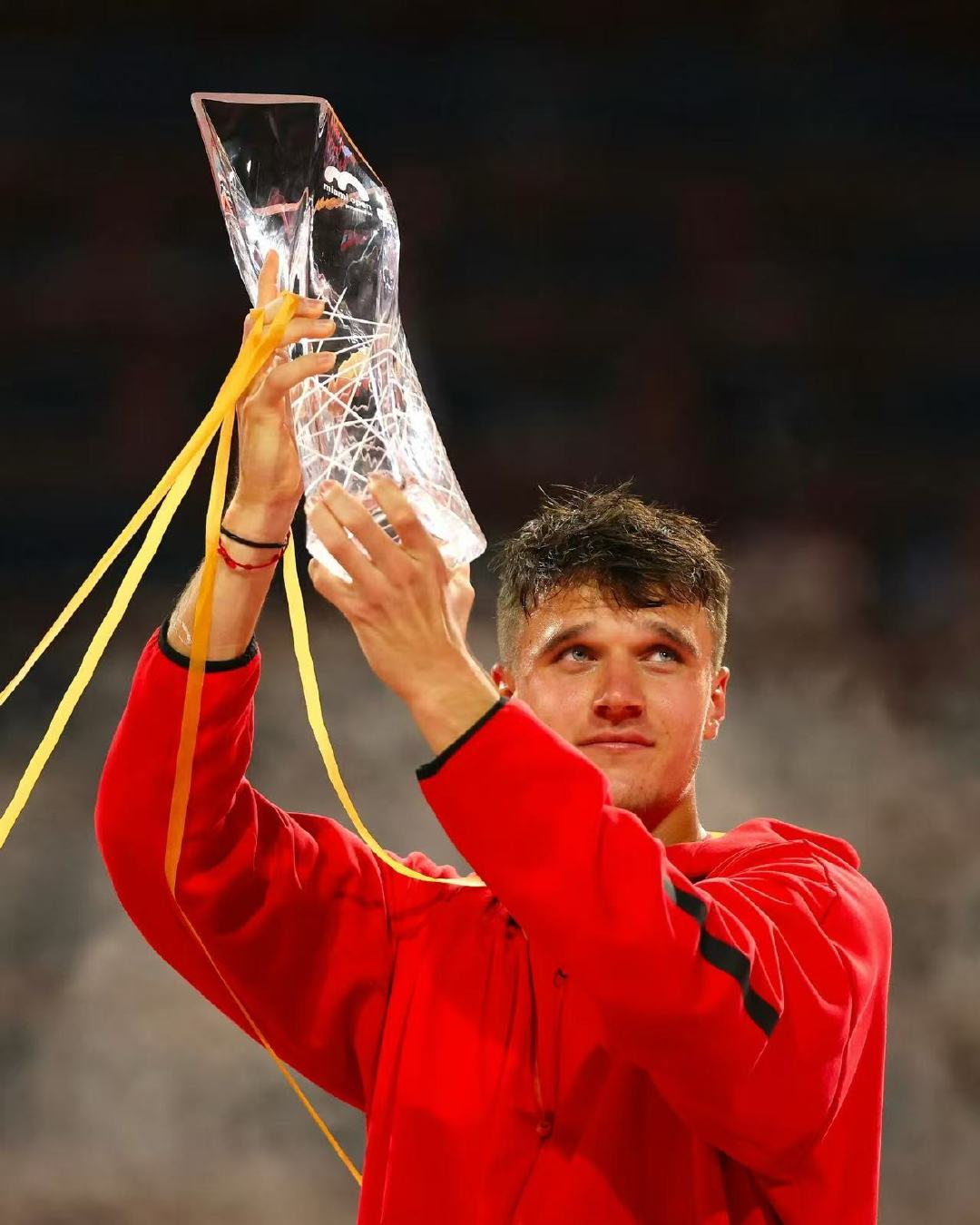
Let us turn back to Miami in 2025. At that time, Menchik, 19 years old and ranked 54th in the world, faced 24-time Grand Slam champion Djokovic in the final. This Czech teenager, who had photos of the Serbian star on his bedroom wall, delivered an almost flawless performance, defeating his idol in straight sets. In that match, his serve speed frequently exceeded 220 km/h, his backhand line drives were as precise as missiles, and more impressively, his calmness at crucial points—he converted all five break points. In the final, he continued his momentum, winning the championship as a dark horse, becoming one of the youngest champions in the history of the Miami Masters. Tennis commentators lavished praise: "A supernova is rising."
However, fairytales often end abruptly at "living happily ever after," while the real tennis season does not pause for a beautiful story. In the remainder of the 2025 season, Menchik fell into a strange slump. He lost in five sets to a player ranked 200th in the world in the second round of the French Open, suffered a straight-set defeat to Kobori in the third round of Wimbledon, and again lost in a five-set battle in the second round of the US Open. The statistics are startling: in Grand Slam matches under the five-set format, he has a record of 2 wins and 6 losses. Physical fitness, this seemingly fundamental issue, is becoming the key bottleneck limiting the ceiling of his career.

Menchik's predicament reflects a classic question in contemporary men's tennis: how to evolve from a "talented second-tier player" to a "first-tier player with sustained competitiveness." He possesses enviable technical foundations—standing 1.93 meters tall, with exceptional serving talent, balanced baseline forehand and backhand, and smooth natural ball sense. However, the gap between first-tier and second-tier is never merely technical. Physical endurance, tactical literacy, mental resilience, schedule planning, team building—these "soft skills" outside the court are often the key determinants of whether a player can achieve qualitative transformation.
The physical fitness issue is the most urgent challenge Menchik needs to address. Modern men's tennis has long entered the era of "track and field events," with top players like Djokovic, Alcaraz, and Sinner all possessing ironman-like endurance. Menchik's physical condition is not poor, but his stamina in high-intensity confrontations has consistently failed to reach top-level standards. Repeated collapses in five-set battles are not accidental but inevitable results of insufficient physical reserves. This requires him to invest in more rigorous physical training during off-seasons and necessitates his team to develop more scientific planning in diet, recovery, and schedule arrangements.
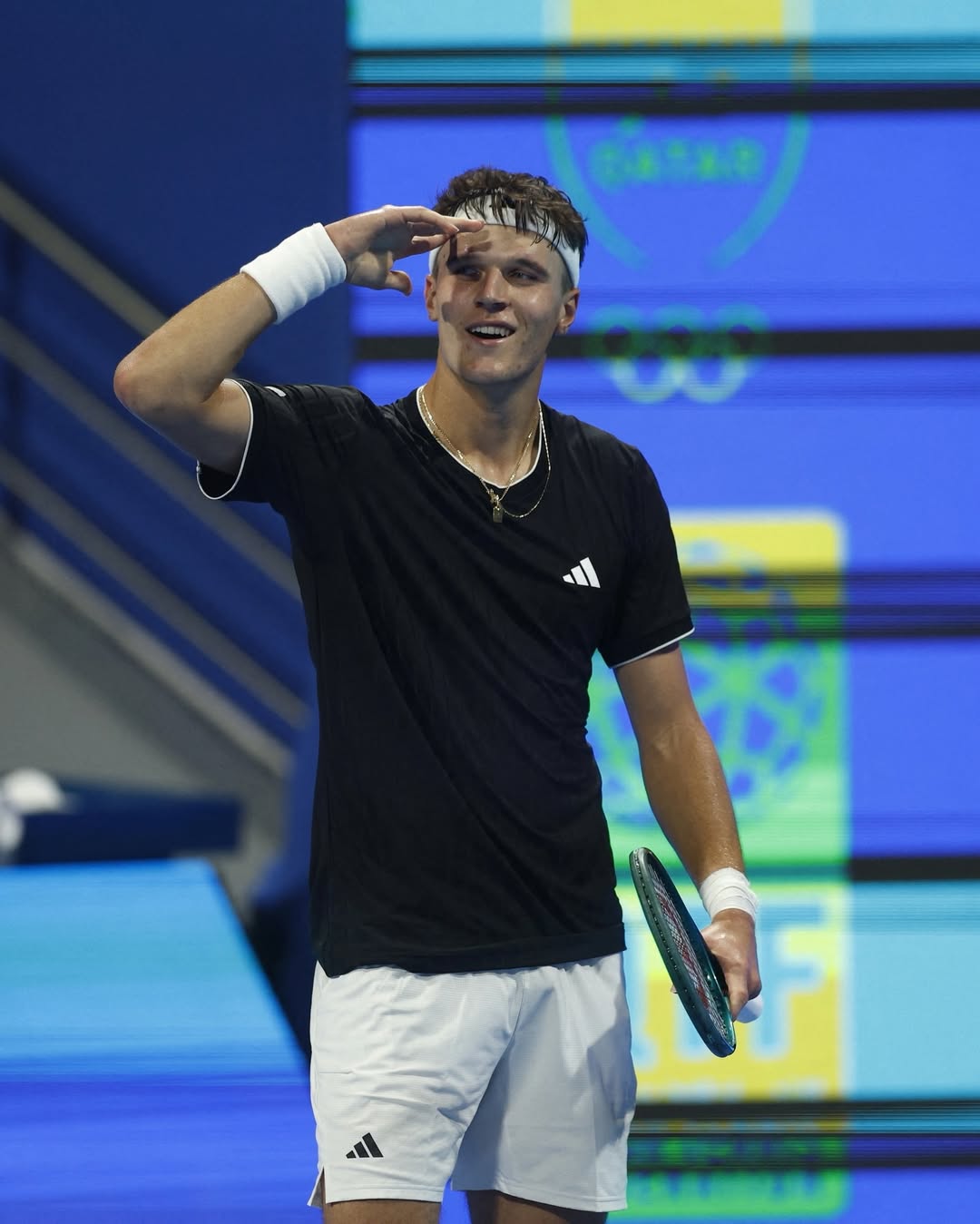
A deeper issue lies in that Menchik seems not yet to have completed the transition from the role of a "challenger" to that of a "challenged." When he won the Miami title in 2025, he was the underdog, the challenger, able to approach each match with a light load. But when the spotlight shines on him, when opponents begin to study his technical weaknesses, when the pressure of being a defending champion adds extra weight, this young player appears somewhat disoriented. His matches lack a Plan B—when his signature powerful shots are adapted by opponents, when his serve power diminishes due to declining stamina, he rarely demonstrates tactical adjustment wisdom. Moving from "winning by playing well" to "winning by playing smart" is a threshold all talented players must cross.
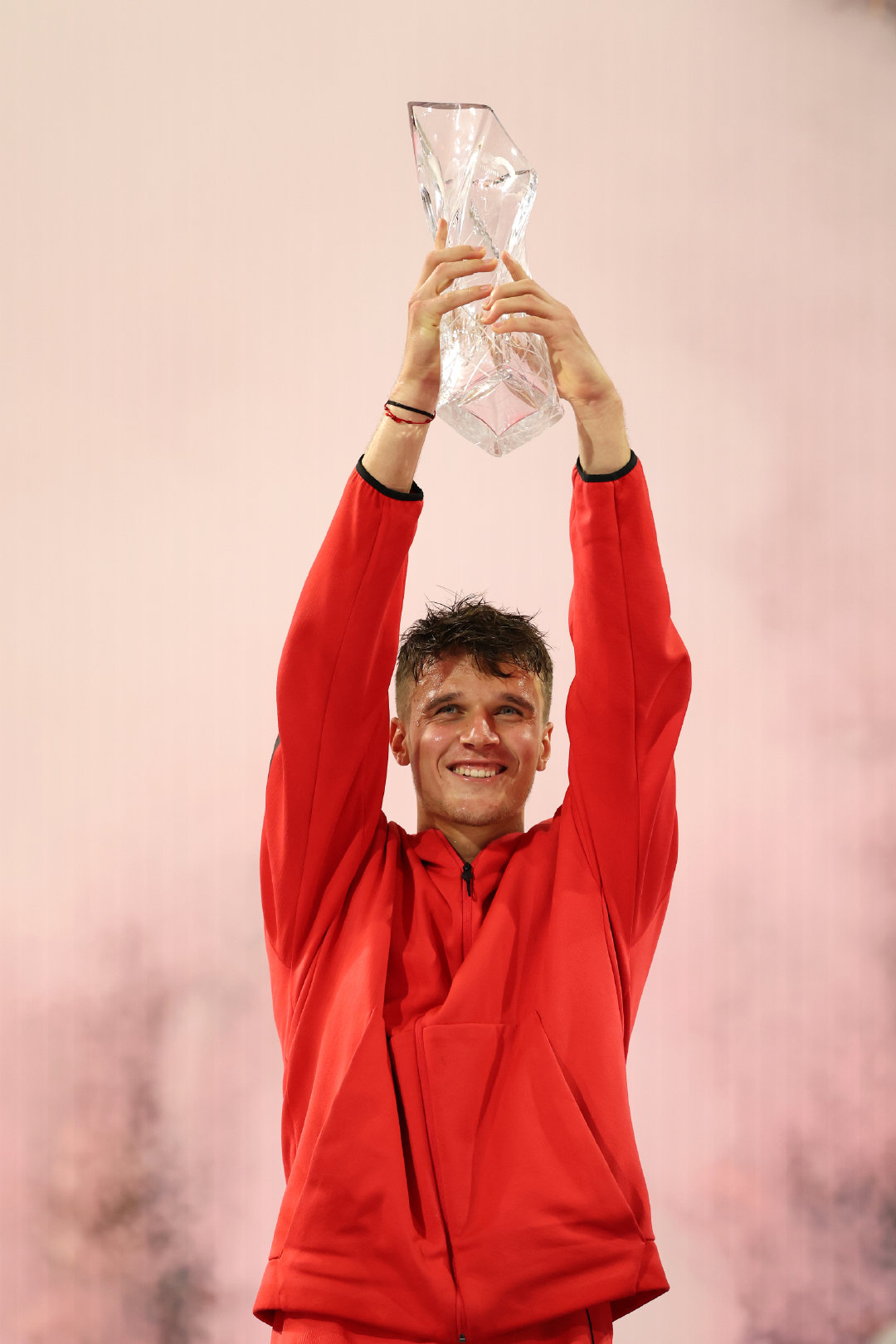
The journey to defend the title in Miami has ended, Menchik lost valuable ranking points, and his world ranking may further decline. This defeat might be a wake-up call or possibly a turning point. True champions are not those who never fall, but those who can rise and continue forward after each fall. For Menchik, the path from second-tier to first-tier is not far but fraught with thorns—he needs to sweat more in the gym, invest more thought into tactical boards, and become more resilient psychologically. When these issues are resolved one by one, the talented teenager who once defeated his idol in Miami can truly fulfill his full potential, transforming from a "rising star" into a "fixed star."(Source: Tennis Home Author: Xiao Di)

 Links
Links
 Contact
Address:UNIT 1804 SOUTH BANK TOWER, 55 UPPER GROUND,LONDON ENGLAND SE1 9E
Number:+85259695367
E-mali:[email protected]
 App
App


