



Coco Gauff grappling with self-doubt: Sometimes I feel I have impostor syndrome.



In the quarterfinals of the WTA 1000 Miami Open, the young American tennis star Coco Gauff once again battled through a three-set match, defeating Belinda Bencich to reach the Miami semifinals for the first time. This was her fourth consecutive three-set match, creating a tournament record.
The numbers don't lie; the scoreboard clearly bears her name. Yet, during the post-match press conference, this 22-year-old top American tennis player shared something surprising:“Sometimes I feel I have impostor syndrome.”
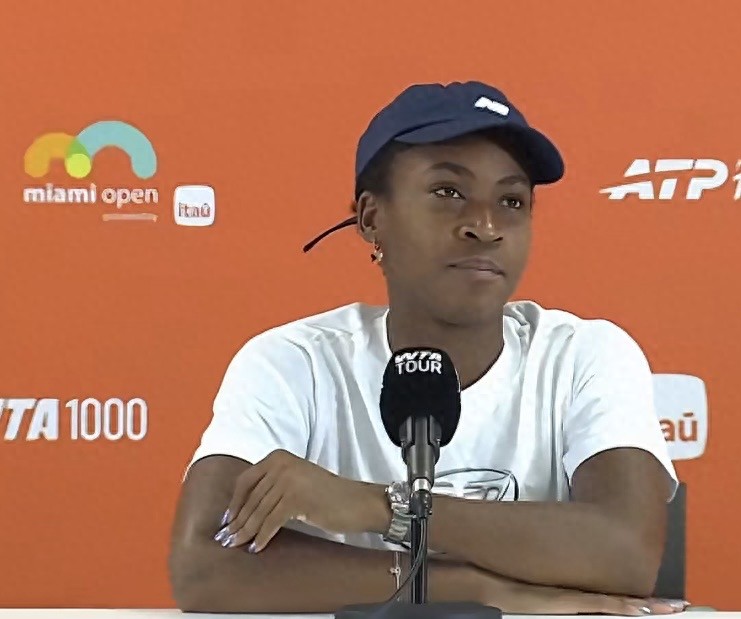
This is an exceptionally candid self-reflection. She said that even when entering the court or warming up, hearing others list her achievements creates an inner dissonance—“that's not me.” She even admitted that at certain moments, especially when struggling with her serve, she feels she “shouldn't be in this position.”
It is somewhat surprising to hear such words from Gauff. After all, she already holds two Grand Slam singles titles and has reached the top of the doubles world rankings and the singles world No. 2. From an external perspective, she is no longer the emerging teenager but a pillar of women's tennis. Yet, the gap between achievement and self-perception is deeper than we might imagine.
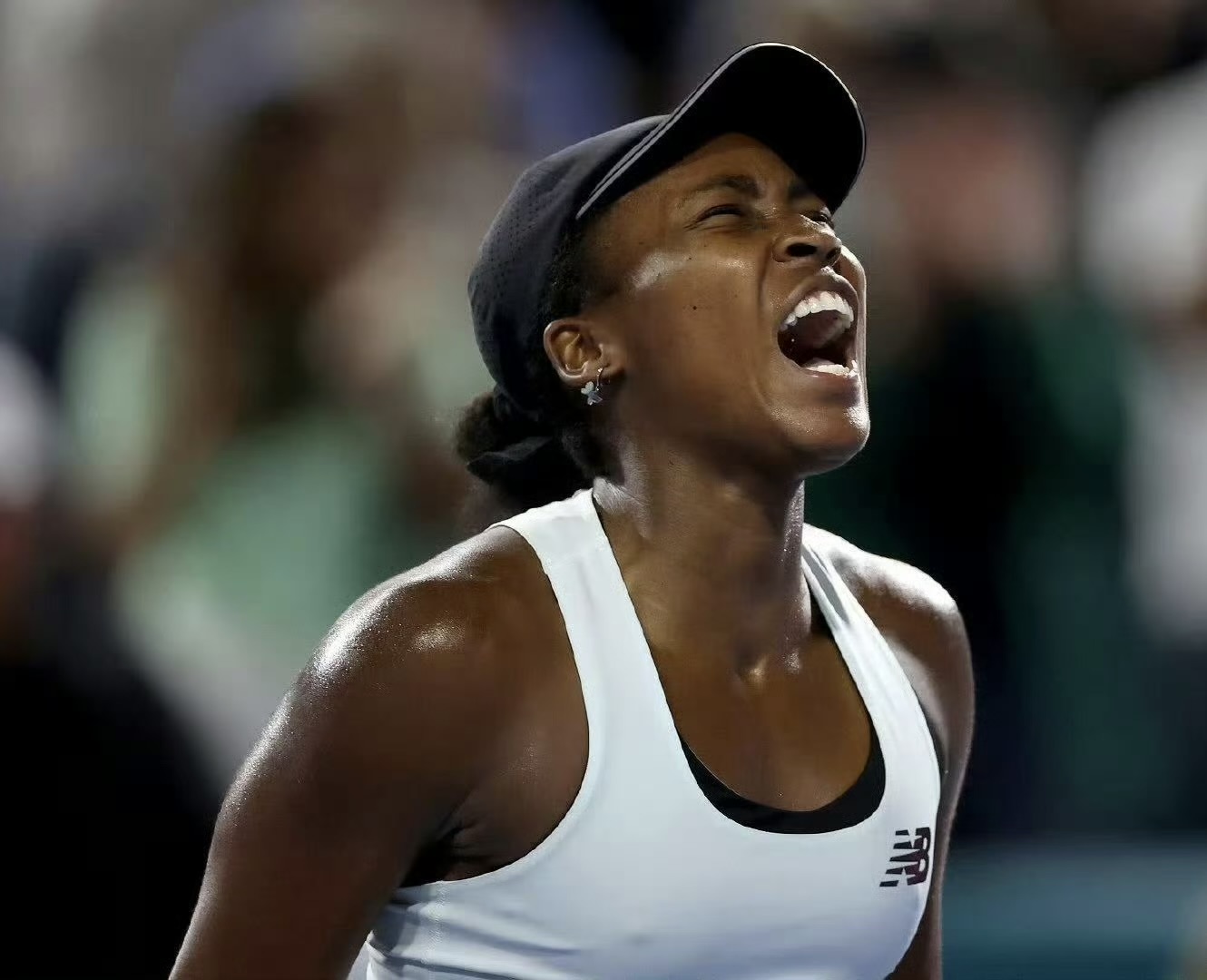
The essence of impostor syndrome is profound self-doubt. It leads individuals to attribute their success to luck, timing, or others' mistakes, rather than their own ability and effort. For athletes, this psychological state is particularly harsh—because the metrics of competitive sports seem most objective: win or lose, the data is there, the ranking is there. But Gauff shows us that even when the numbers on the scoreboard are indisputable, the inner voice can still dissent.
It is interesting to note Gauff's response: “But tennis doesn't lie, the ball doesn't lie, so I just need to believe in myself.”

This statement contains a simple yet powerful philosophy. When the inner voice questions “Do you really deserve this?”, the court offers another narrative—each shot over the net, each comeback from behind, is undeniable evidence. The ball has no consciousness, no bias, no comfort. It merely faithfully responds to each swing. In this sense, tennis truly “doesn't lie.” And those victories fought through adversity, one after another, are precisely the most honest answer.
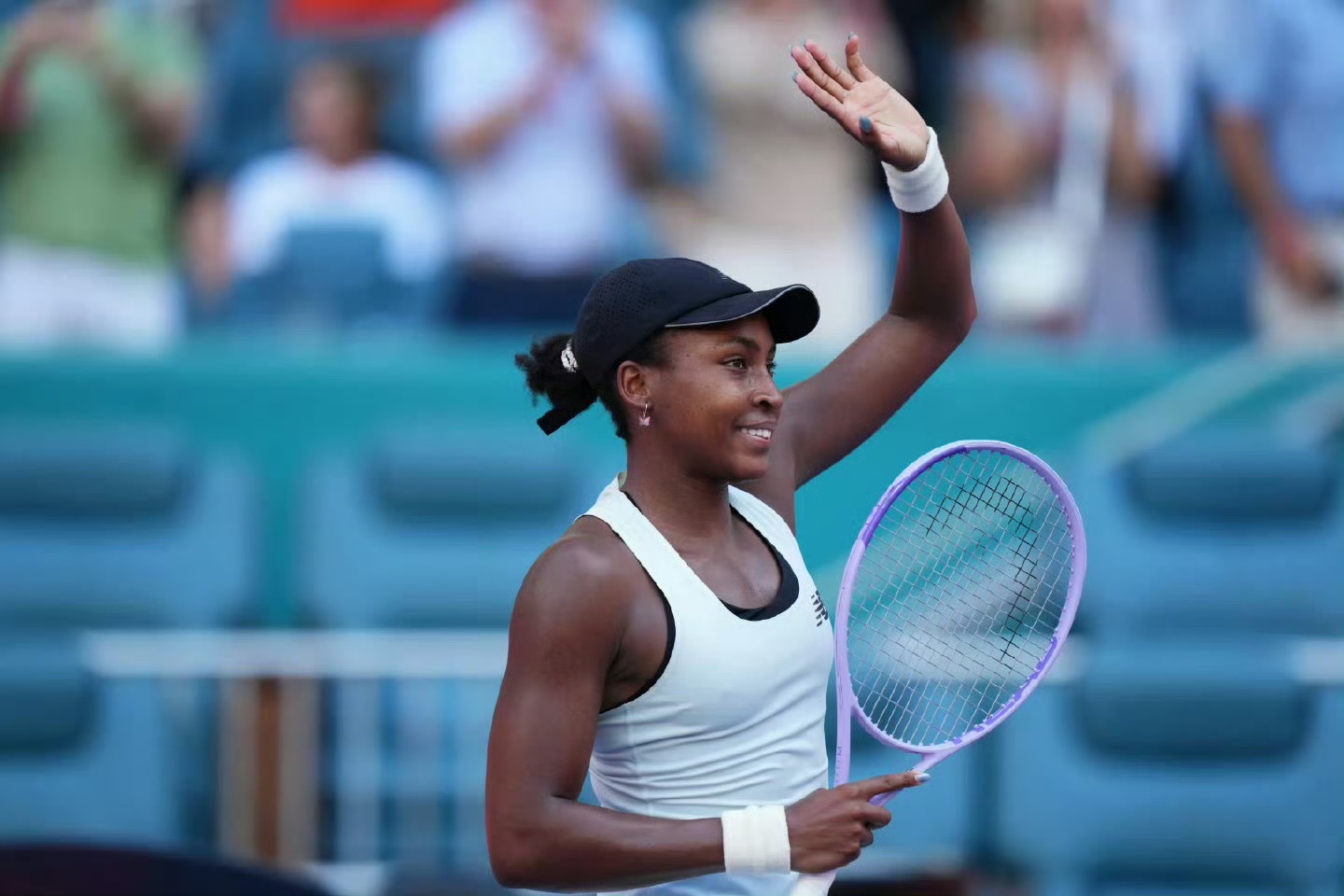
Gauff's four three-set battles in Miami might be more convincing than a straight-set sweep. Because two of those comeback wins mean she was once trailing, once on the brink of elimination, yet she still found a way out. Such victories are hard to explain as mere luck. One comeback could be chance; two consecutive comebacks prove a capability—resilience, adaptability, the ability to believe in finding solutions under pressure.
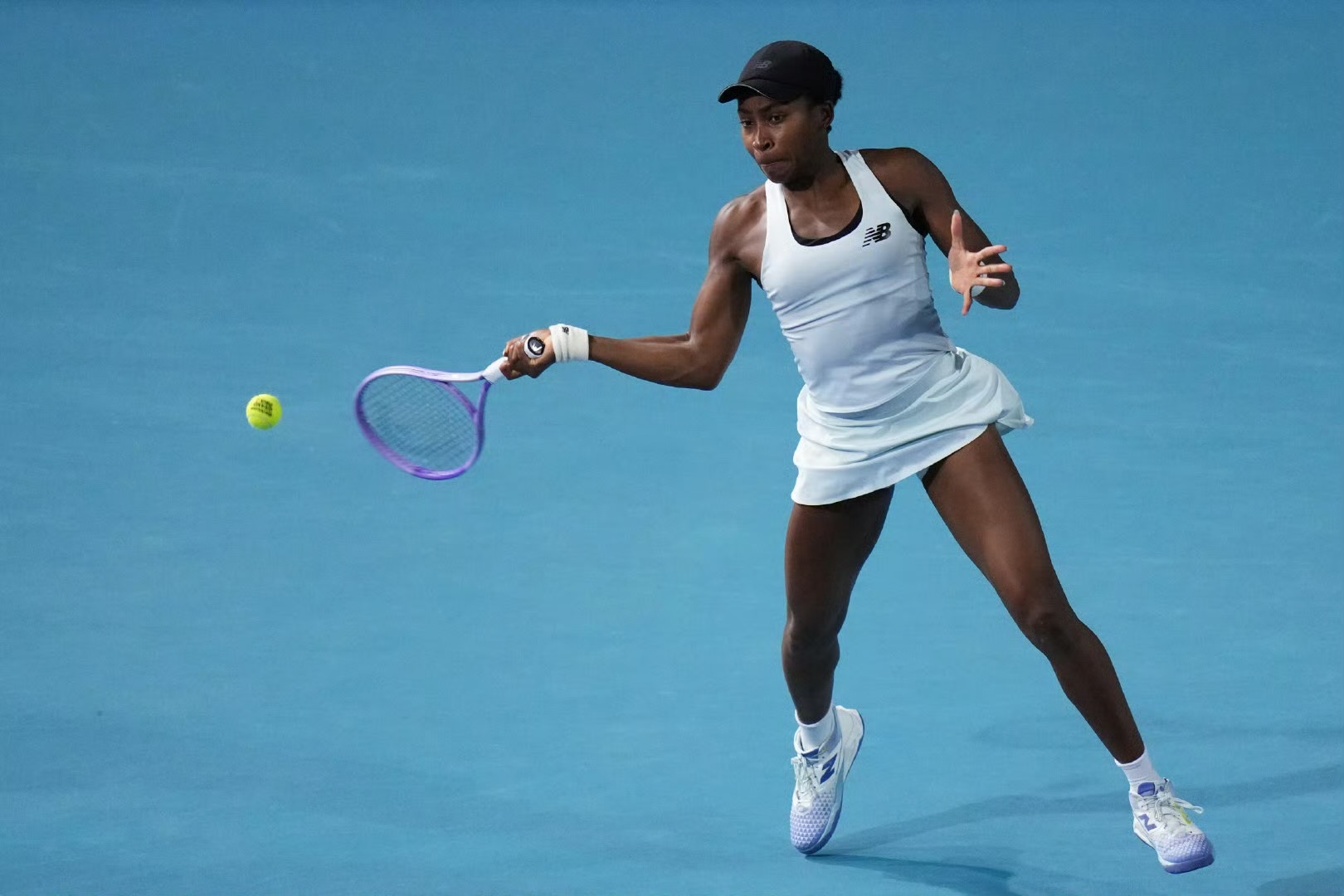
The value of Gauff's candor lies in revealing a truth obscured by glory: success does not automatically cure self-doubt. On the contrary, standing higher can intensify the fear of “Do I really belong here?” This is not unique to Gauff. From Natalie Portman to Tom Hanks, many accomplished individuals across fields have publicly discussed this experience. It seems a side effect of success—as you are constantly pushed to new heights, the old self within hasn't yet caught up.
But Gauff offers a memorable coping method: when inner doubt arises, return to the most honest evidence. The ball doesn't lie, match results don't lie, the points you won yourself don't lie. Believing in yourself is not blind optimism; it's because the facts support it.
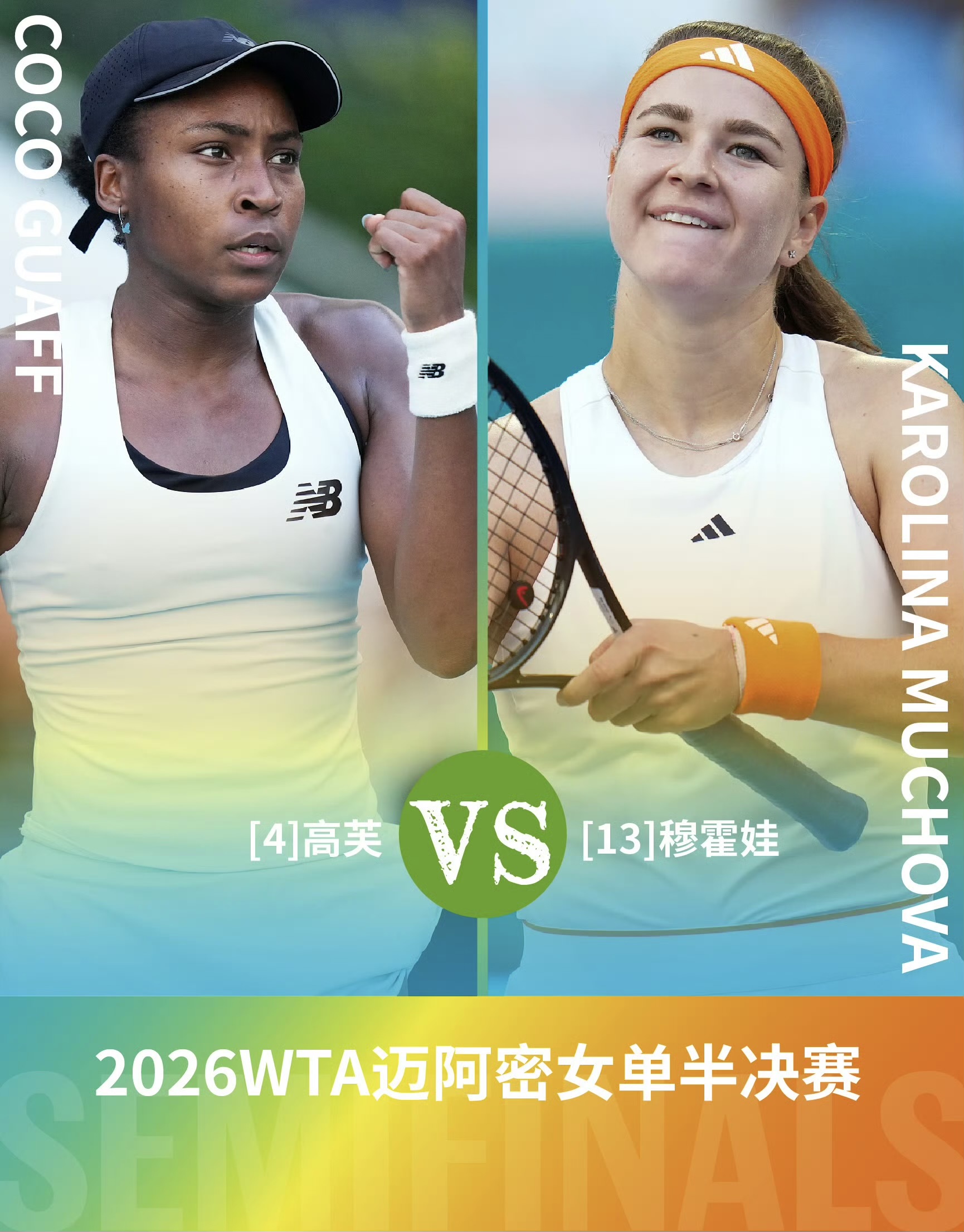
The Miami sun is intense, and Gauff will continue advancing beyond the semifinals. At 3:00 AM Beijing time on March 27, Gauff will face the 13th seed, Karolina Muchova, for a spot in the 2026 WTA 1000 Miami Open women's singles final. Regardless of the outcome, this record-setting young woman, at age 22, daringly confronting and openly discussing her vulnerability is itself a rare maturity. She shows us that self-doubt is not shameful; true courage is not never doubting, but choosing to believe in oneself amidst doubt.(Source: Tennis Home Author: Mei)

 Links
Links
 Contact
Address:UNIT 1804 SOUTH BANK TOWER, 55 UPPER GROUND,LONDON ENGLAND SE1 9E
Number:+85259695367
E-mali:[email protected]
 App
App


