



Another arrogant individual! The psychological myth behind Baptiste's "Zheng-style remarks"


At the 2026 Miami Tennis Tournament, an American dark horse named Baptiste stunned audiences by advancing to the quarter-finals, emerging as a rising star of the event. Although she ultimately lost to the renowned player Sabalenka with two sets of 4-6, her performance had already earned the respect and anticipation of fans. However, Baptiste's post-match interview sparked a huge controversy: "I should have won the match," "The outcome was in my hands, unrelated to my opponent"—these statements closely resemble the long-standing speaking style of Chinese tennis star Zheng Qinwen, dubbed by fans as "Zheng-style remarks." This manner of expression, which refuses to acknowledge the opponent's superior performance regardless of win or loss, insisting that "if I perform normally, no one can beat me," appears to showcase the athlete's confidence and dominance, yet actually reflects a more complex psychological state.
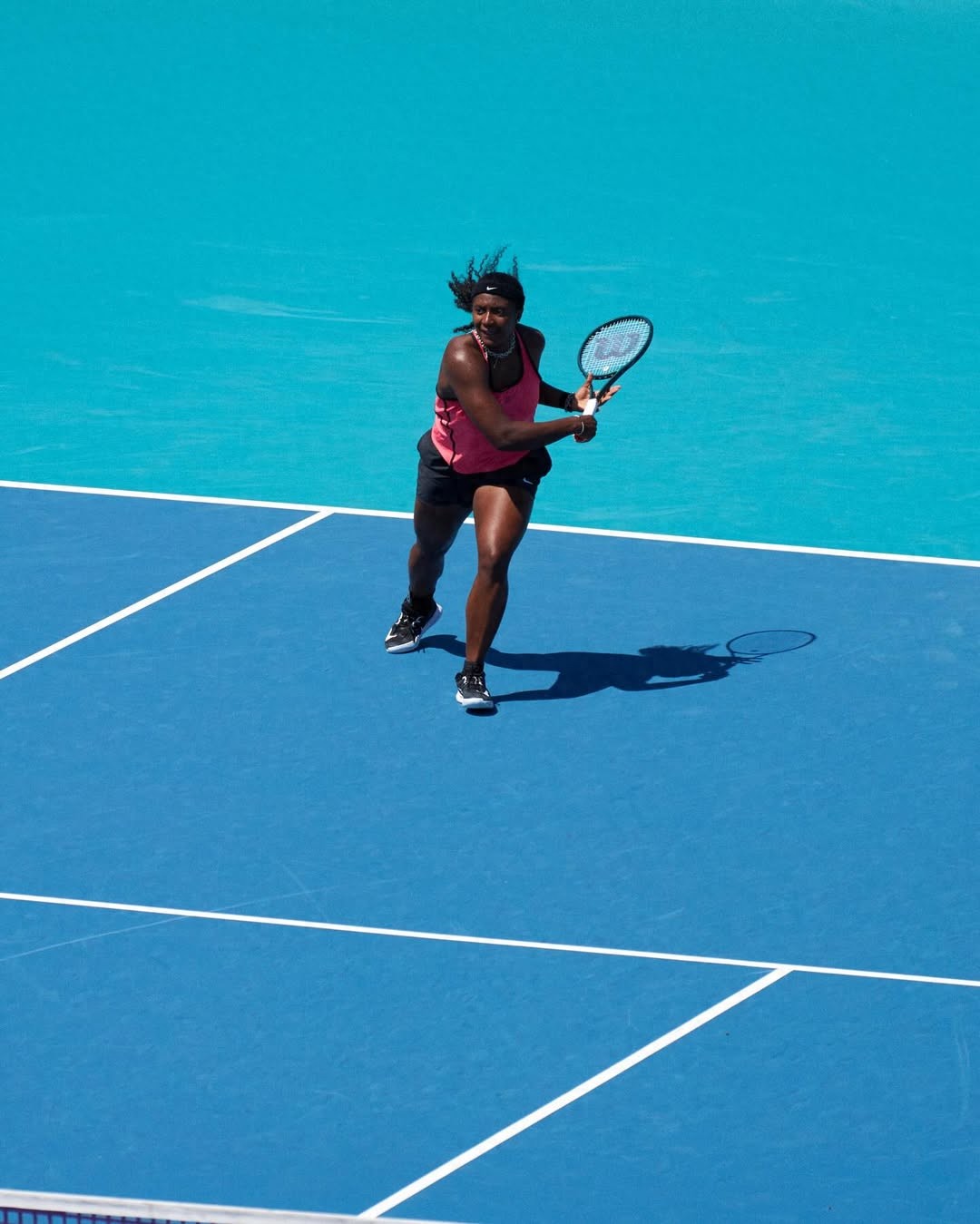
The core characteristic of "Zheng-style remarks" lies in deliberately downplaying the opponent's performance and asserting absolute confidence in one's own abilities. When Zheng Qinwen loses a match, she rarely admits that the opponent played better, instead attributing the loss to her own poor condition, injury troubles, or on-court performance issues; when she wins, she emphasizes that it reflects her "normal level." Baptiste's statements perfectly replicate this pattern—after losing to top-tier player Sabalenka, she did not first acknowledge the opponent's strength and performance, but stressed that victory should have belonged to her, as if the opponent were merely a supporting character in her victory script.
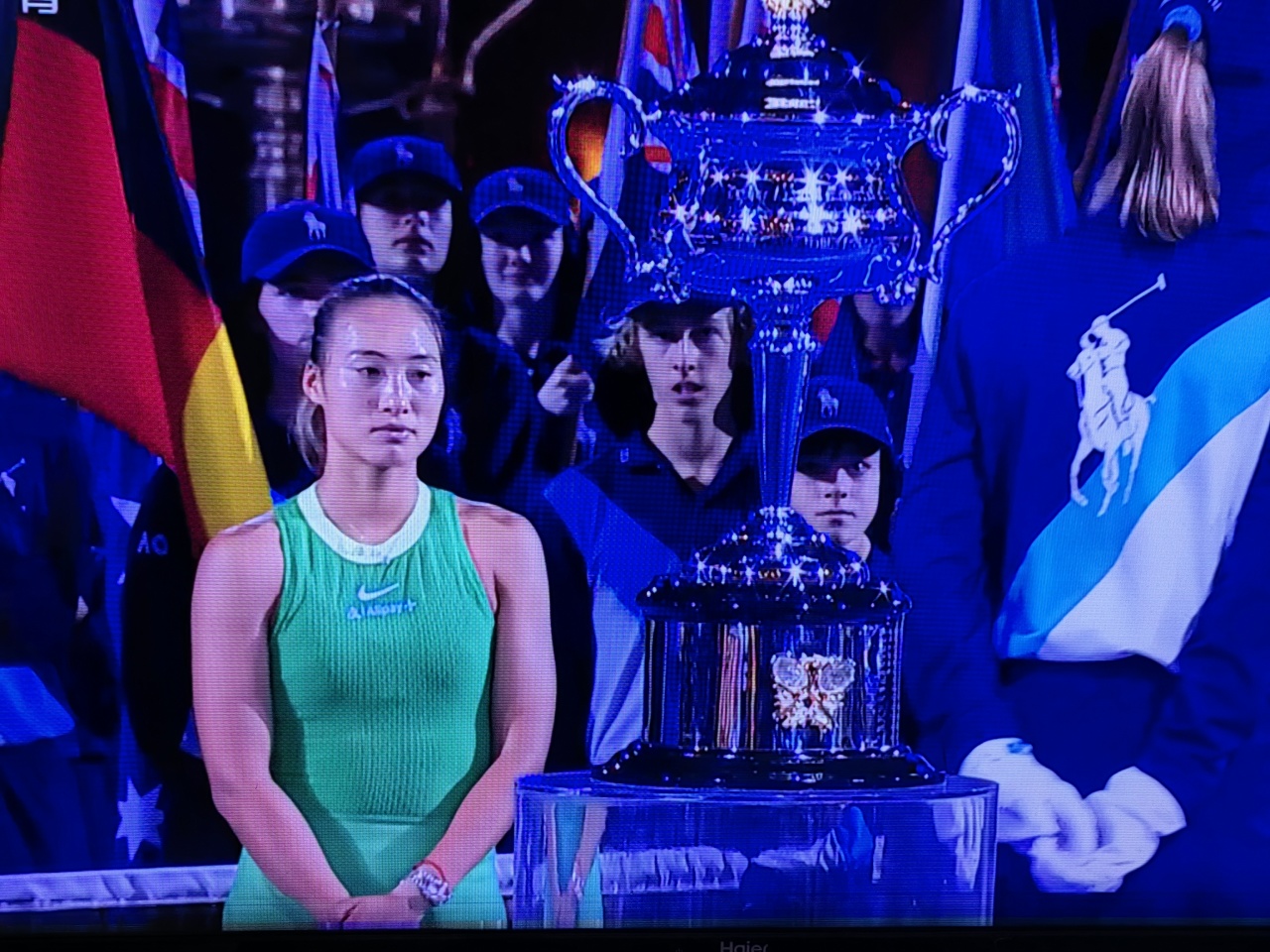
This speaking style superficially displays an almost obsessive confidence, but upon closer examination, it may be a defensive externalization of an inferiority complex. Sports psychology research indicates that truly mentally strong athletes can often calmly acknowledge their opponent's excellent performance, because their self-worth does not depend on winning every match. Conversely, athletes who cannot accept failure frequently protect their fragile self-esteem by belittling the opponent's performance or emphasizing external factors. When Baptiste says "the outcome was in my hands," she is essentially attempting to regain control over a match that has already slipped away—psychologically negating the opponent's influence to maintain the integrity of her self-worth.

This manner of speaking "loses public favor" because it violates the basic ethics of competitive sports and the aesthetic expectations of spectators. The charm of sports lies not only in victory or defeat, but also in the mutual respect and mutual achievement displayed by athletes in极限对抗. Great matches require great opponents; when an athlete refuses to acknowledge the opponent's contribution, she actually diminishes the value of the match she participated in. Fans expect to see not only superb skills, but also the demeanor and perspective of athletes facing outcomes—the quality of being able to triumph proudly yet also concede gracefully.

From a deeper perspective, "Zheng-style remarks" reflect the psychological defense mechanisms of some athletes facing competitive pressure. In high-level竞技场, admitting "the opponent was simply better today" requires immense psychological courage, as it directly threatens the athlete's core self-perception. Especially for athletes who tightly bind their self-worth to match results, failure is not just the end of a match, but an冲击 to self-identity. Hence, they use this speaking style to maintain psychological balance, even though it appears insincere and lacking in magnanimity to the public.

The persistence of this speaking style may also negatively impact the athlete's long-term development. True growth stems from清醒认知 of one's own limitations and虚心学习 from the opponent's strengths. When an athlete always attributes failure to external factors or "poor condition," she loses the precious opportunity to gain养分 from defeat. As a rising star, Baptiste should have gained valuable experience and lessons from competing against top players like Sabalenka, but this mindset of "should have won the match" might hinder her from objectively analyzing the真实差距 between herself and elite players.

It is worth pondering whether this speaking style relates to specific cultural backgrounds and training systems. In a competitive culture emphasizing "always strive for first place" and "cannot lose at the starting line," athletes are从小灌输 with a strong win-loss mentality, where failure is often viewed as unacceptable. Athletes growing up in such environments may have relatively weaker psychological adjustment abilities when facing failure,更容易产生这种防御性的发言模式. Of course, this is not an absolute causal relationship; many athletes from similar backgrounds demonstrate more mature mindsets.
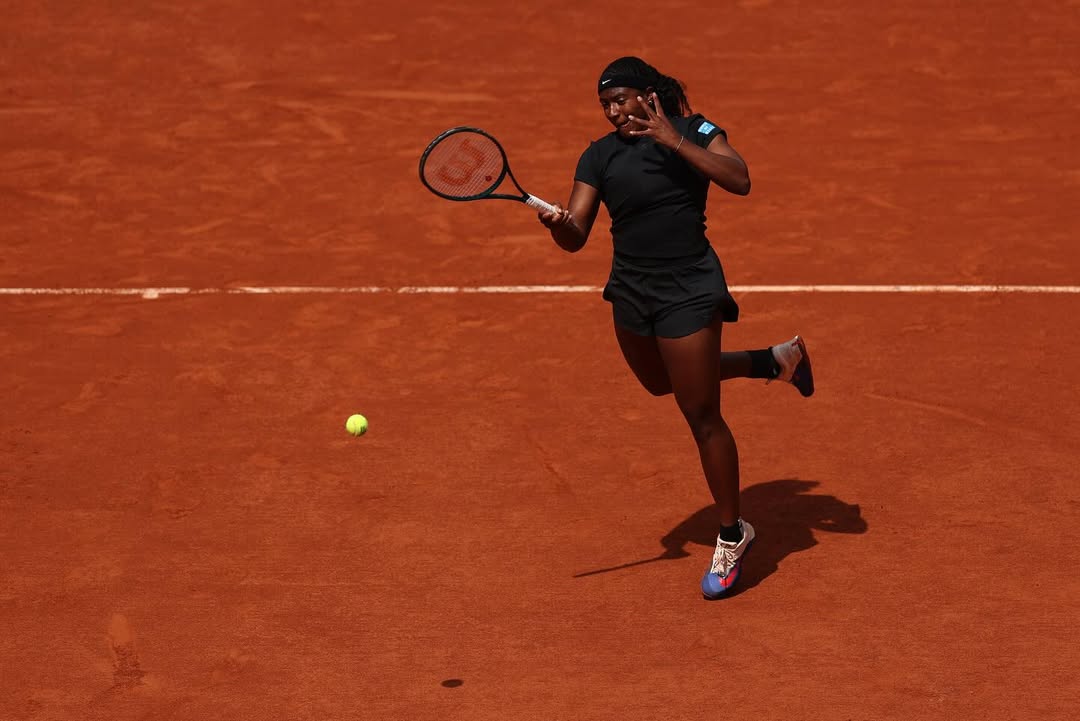
The true charm of sports lies in its赤裸裸展现 of the authentic self of humans in极限状态. Whether Zheng Qinwen or Baptiste, they are both excellent athletes, but true greatness lies not only in winning matches, but also in how one faces defeat. When an athlete can sincerely say after losing, "the opponent indeed performed better today," she displays not weakness, but a deeper confidence—that从容与笃定 which does not require belittling others to affirm oneself.

For Baptiste, this controversy might be a growth opportunity. The growth of young athletes manifests not only in technical refinement and tactical maturity, but also in psychological resilience and开阔格局. True "invincibility" is not denying the opponent's existence, but being able to acknowledge the opponent's strength while still believing one will ultimately surpass them. We look forward to Baptiste showcasing not only stunning skills on future courts, but also a mature mindset that matches them—that is the true模样 of a truly great athlete.(Source: Tennis Home Author: Xiao Di)

 Links
Links
 Contact
Address:UNIT 1804 SOUTH BANK TOWER, 55 UPPER GROUND,LONDON ENGLAND SE1 9E
Number:+85259695367
E-mali:[email protected]
 App
App


