



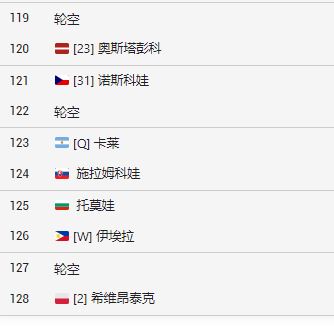
Is it a coincidence? It starts with the signing of Ceswiatek in Madrid and Ostapenko in the same zone



After the draw for the 2025 Madrid Open was announced, the news that world No. 1 Iga Swiatek and her nemesis, Yelena Ostapenko, were once again placed in the same half of the division. This is the fourth time in nearly two years that the two have met early in a major tournament, and this phenomenon is not unique - since 2024, a number of players who have beaten Swiatek (such as Noskova, Collins, etc.) have been repeatedly placed in their semi-zone, and have even been nicknamed the "Swiatek Exclusive Challenge Zone" by fans. This seemingly coincidental signing arrangement has once again pushed the hidden "signing" controversy in tennis tournaments to the forefront. This phenomenon is not only about the fairness of the competition, but also reflects the business logic and interest game of professional tennis.
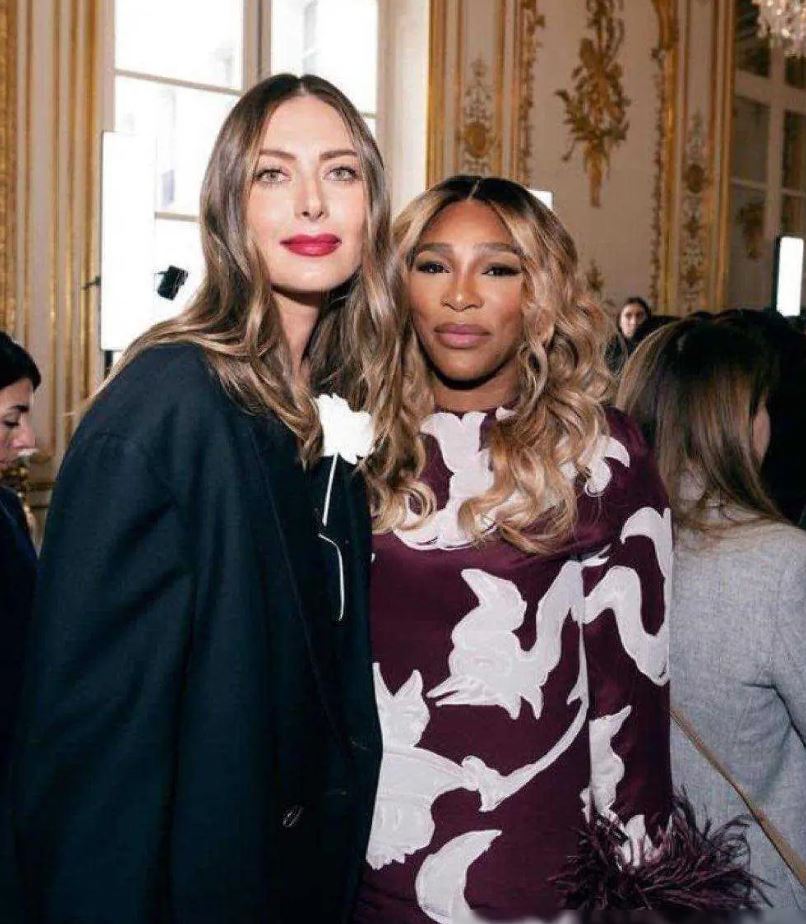
This high degree of similarity is not new. Back in the 2019 U.S. Open, the organizing committee was questioned for calling the first-round matchup between Serena Williams and Sharapova a "windfall". The match, which was portrayed by the media as a "reunion of old enemies", ended in a defeat for Sava, but ticket revenue and broadcast ratings hit a new high. In recent years, as the WTA market has fluctuated, similar operations have become more frequent and more subtle.
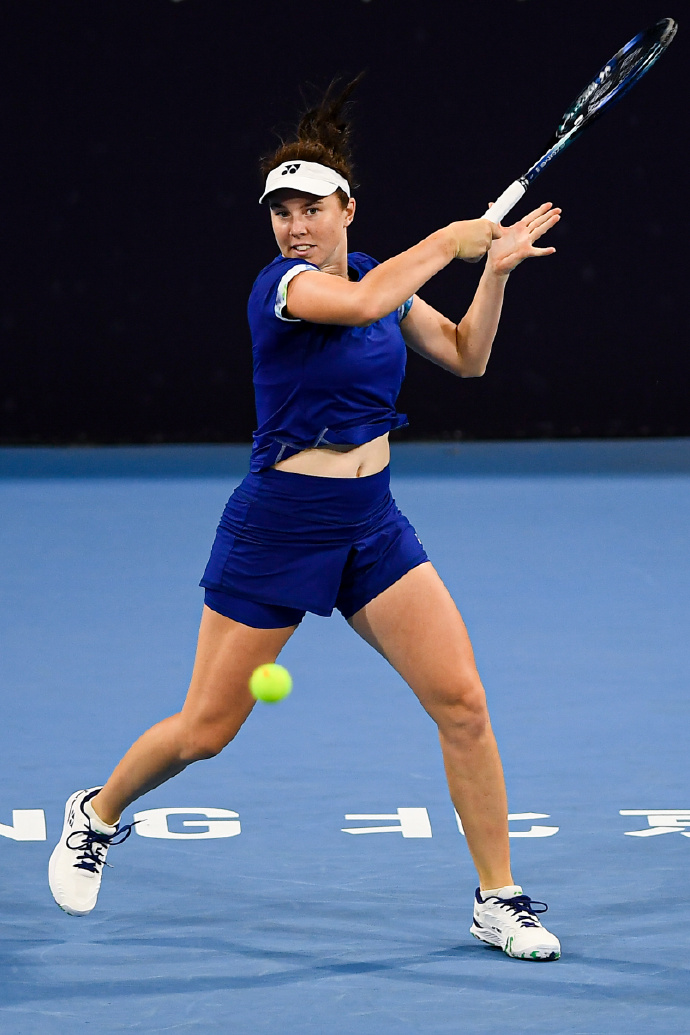
Taking Swiatek as an example, since being upset by Czech rising star Linda Noskova at the Australian Open in 2024, the latter has been divided into Swiatek's half several times in Indian Wells and Miami. A similar story has happened to Danielle Collins, who has been in the same zone as the Pole in subsequent tournaments since beating Swiatek at the 2022 Australian Open. Ostapenko is Swiatek's 'number one bitter master', winning six times in his career, with the Latvian winning all of them and holding off opponents in key rounds of Grand Slams on several occasions. However, since the 2024 French Open, the pair have been placed in the same half of the four major tournaments three times, including Madrid 2025. This arrangement obviously added to the buzz of the event, especially the drama of Ostapenko's repeated upsets as an unseeded player.
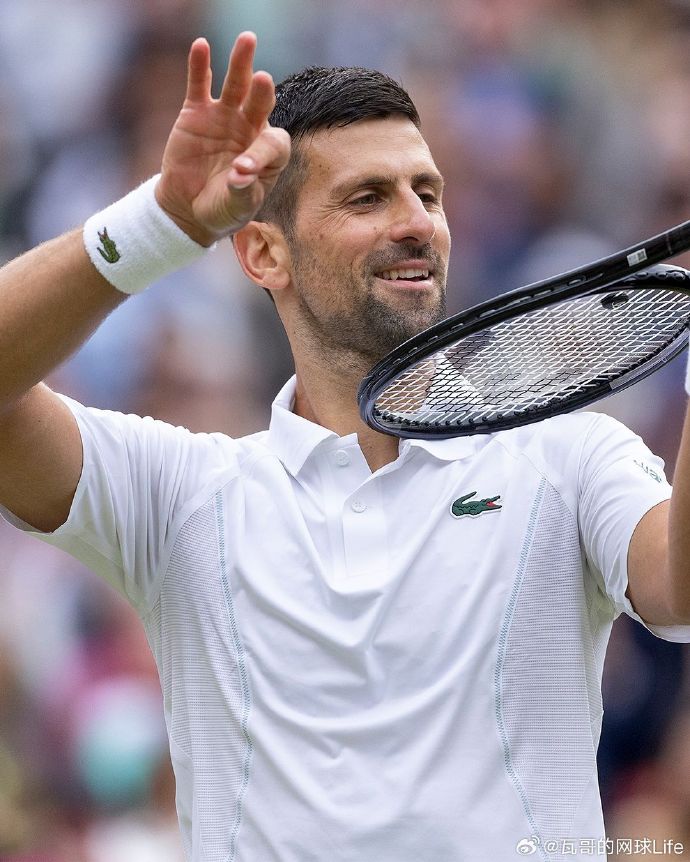
Tournament parties often create the gimmick of "early finals" by concentrating multiple popular players or grudge groups in the same half of the district. For example, the top half of Doha 2023, which brings together five Grand Slam champions, has been dubbed the "death half" by the media, while the bottom half is relatively uneventful. A similar practice is also common in Djokovic's draw – at Wimbledon 2024, the organizing committee has been accused of deliberately isolating him from strong opponents such as Alcaraz and Sinner to ensure that he can easily qualify for the final, so as to maintain ratings and ticket revenue. The business model of professional tennis is highly dependent on sponsors, broadcast ratings, and ticket sales, which are essentially commercial arrangements adopted by the tournament parties to maximize commercial revenue.
Swiatek's confrontation with Ostapenko has become the WTA's "traffic code". The two men have very different styles – Swiatek's rational control contrasts sharply with Ostapenko's frantic attack, which has even been described as "extremely stealthy and unpredictable". This kind of duel has a natural dramatic tension, and combined with the crushing nature of the historical record, every encounter can trigger a media frenzy. A similar logic applies to the "grudge game" between Serena Williams and Sharapova, where despite the disparity in strength, has far more commercial value than ordinary matches.
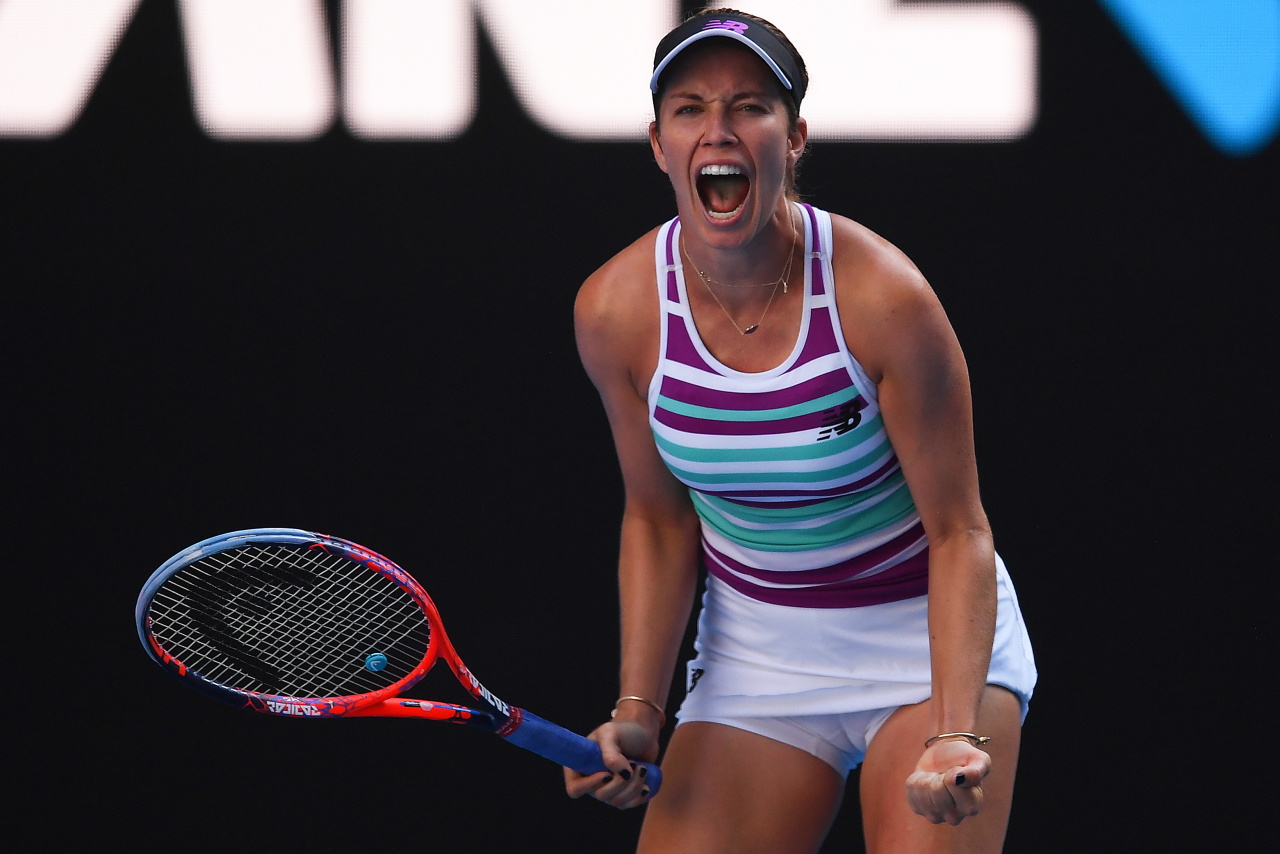
By designing a "friendly draw" for top players, tournament players ensure that they go as far as possible to maintain audience stickiness. Djokovic's draw at Wimbledon 2024 was accused of "avoiding all strong opponents" and finally easily advancing to the final. Conversely, if the favourites go out prematurely (such as the 2025 Doha upset), the second half of the tournament could see a precipitous drop in attention. In recent years, the WTA has fallen into a "crowd scuffle" situation due to the decline in the dominance of top players, and the signing can artificially create a "dark horse narrative" or "revenge story" to make up for the lack of competitive suspense. For example, Noskova has quickly gained popularity as a rising star by playing Swiatek many times; The "revenge battle" between Zheng Qinwen and Abdul-Jabbar in Dubai was also deliberately arranged to attract the attention of Asian and Middle Eastern markets.
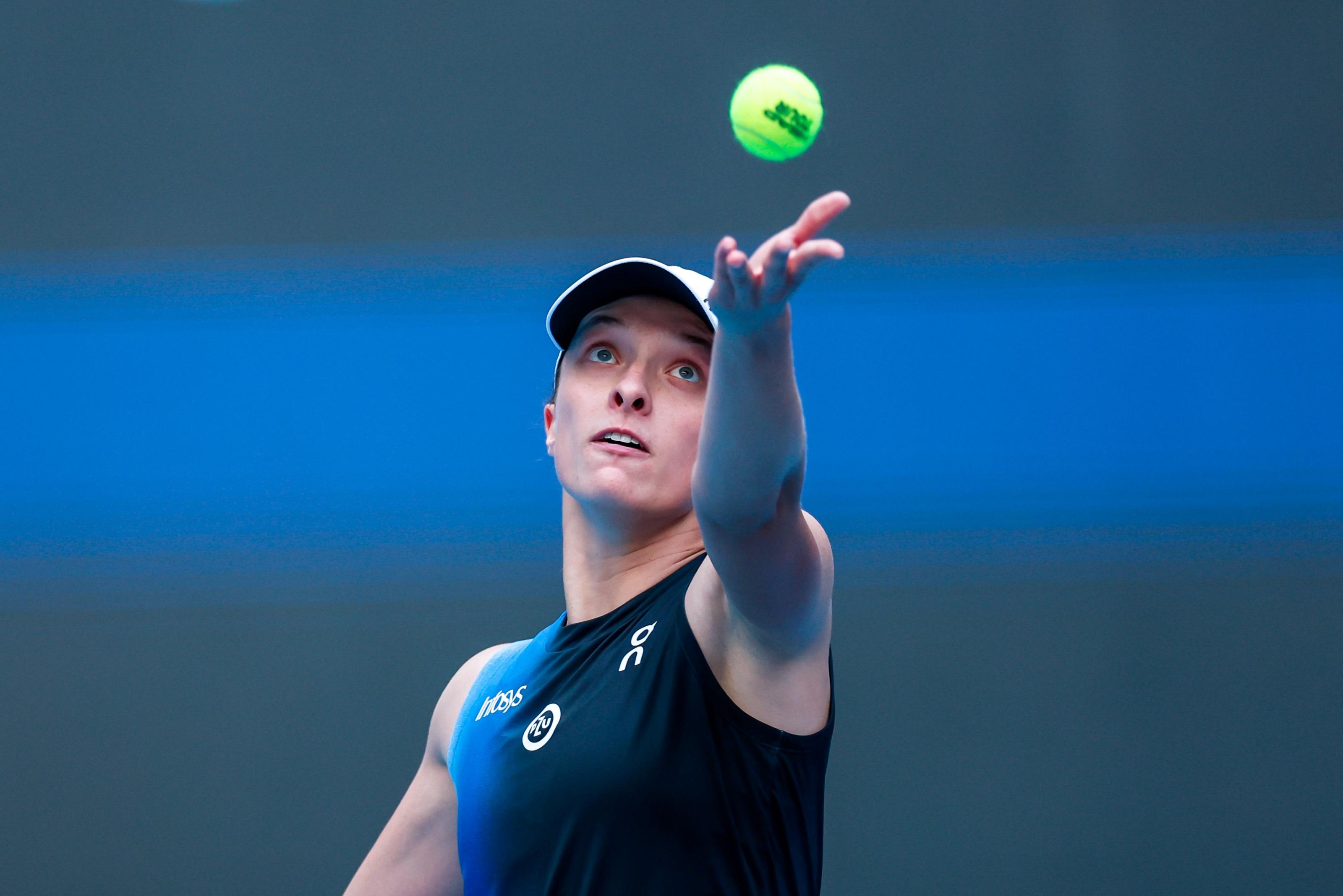
While this kind of behavior can boost business performance in the short term, its erosion of competitive fairness and player rights has been widely criticized: tennis tournaments are supposed to be based on fair draws based on world rankings, but human intervention has led to high-ranked players not necessarily gaining the advantage they deserve. For example, Noskova has been placed in the Swiatek half several times, and it is far more difficult for her to advance than her peers, which in disguise compresses the upside of her points and prize money. Intensive "strong conversations" could exacerbate the physical load on the players, and Swiatek was physically exhausted at the 2024 US Open due to back-to-back matches against Ostapenko and Gauff, eventually stopping in the round of 16 and relinquishing the world No. 1 spot. In addition, lower-ranked players who are frequently scheduled to meet star players early may have their career development hindered. At present, neither the ATP nor the WTA have disclosed the specific algorithm for the generation of the draw form, and there is a lack of independent supervision of the draw process. After Rybakina's withdrawal due to "acute bronchitis" during Paris 2024 and her reassignment of her signing, Swiatek's qualification path has been significantly simplified, further raising questions about manoeuvring.
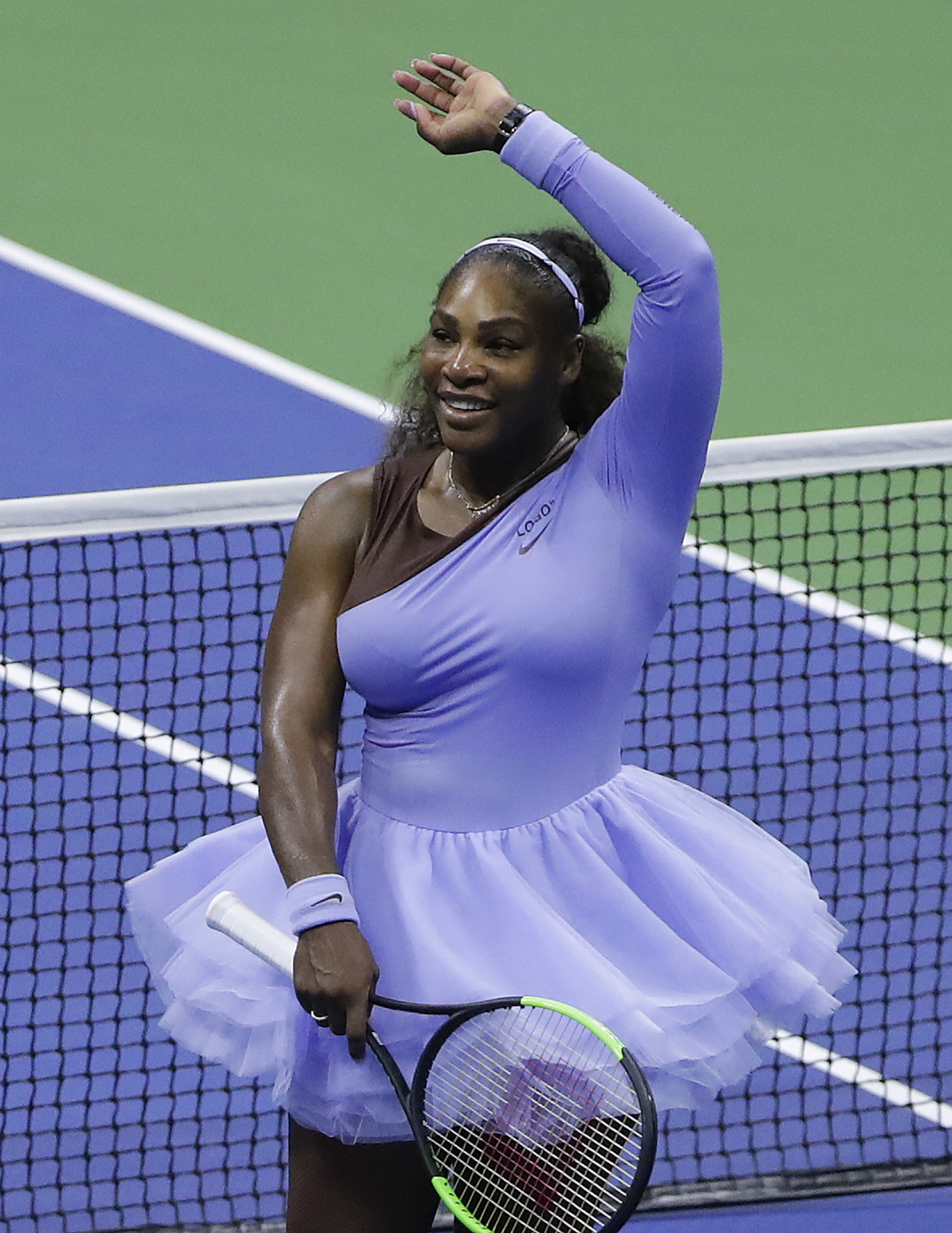
This behavior is like a double-edged sword: in the short term, it injects topicality and commercial vitality into professional tennis; In the long run, it could damage the purity and credibility of the sport. The reunion of Ceswiatek and Ostapenko in Madrid is not only a feast for the audience's eyes, but also a microcosm of the system's ills. If the WTA wants to continue to thrive in the global sports market, it must find a more sustainable balance between commercial interests and competitive fairness – after all, true superstars are born on a level playing field, not a well-choreographed script.(Source: Tennis Home Author: Xiaodi)

 Links
Links
 Contact
Address:UNIT 1804 SOUTH BANK TOWER, 55 UPPER GROUND,LONDON ENGLAND SE1 9E
Number:+85259695367
E-mali:[email protected]
 App
App


