



Use probability to deny the suspicion of signing! Once again, the mystery of Zheng Qinwen and Saba's counterpoint is discussed



In the second round of the women's singles at the 2025 French Open, Zheng Qinwen and Sabalenka, who are also in the same quarter, easily defeated their opponents to advance to the round of 32 respectively, and they are one step closer to the quarterfinals. Just as last week, the draw was being held in a state where Chinese fans were discussing what appeared to be a "sign", the third time in a row that the two had been drawn in the same division at a Grand Slam event. On social media, the topic of "Zheng Qinwen Sabalenka's shady draw" exceeded one million within 24 hours, topping the hot search list. A comparison chart of the data produced by fans shows that the average probability of other players being in the same zone as the world No. 1 is only 12%, while Zheng Qinwen is as high as 62.5%. Probability experts quickly gave a calculation: the probability of two people being in the same area for 5 consecutive times is only 0.097%, which is less than 1 in 1,000.
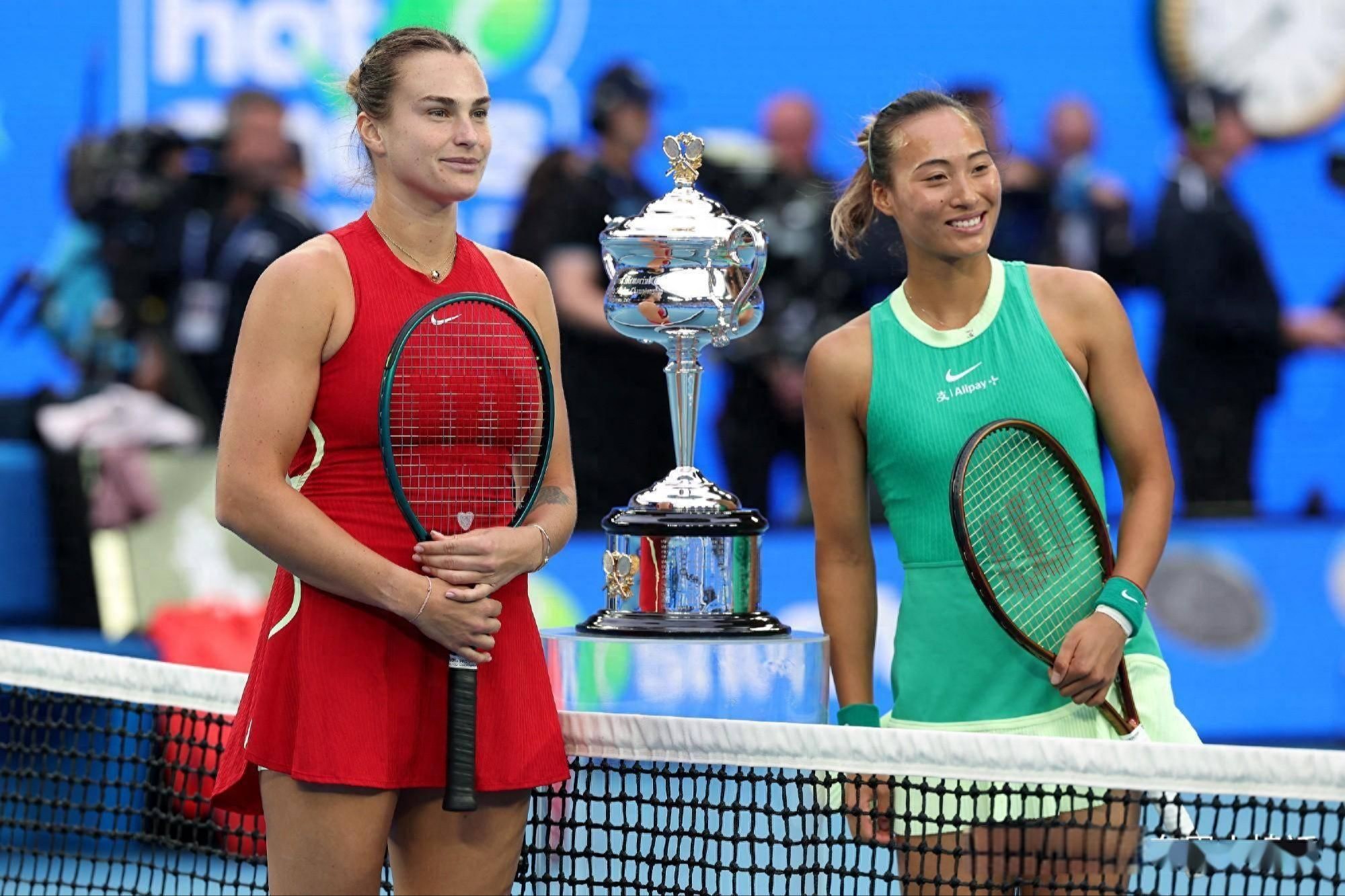
This is not the first time Zheng Qinwen has faced Sabalenka in the draw. In fact, starting with the 2024 US Open, the pair have been "bound" in the same division in three consecutive Grand Slam tournaments. Although in the end, the two finally met at the US Open in '24, but every time the draw came out, it caused a lot of discussion among fans.
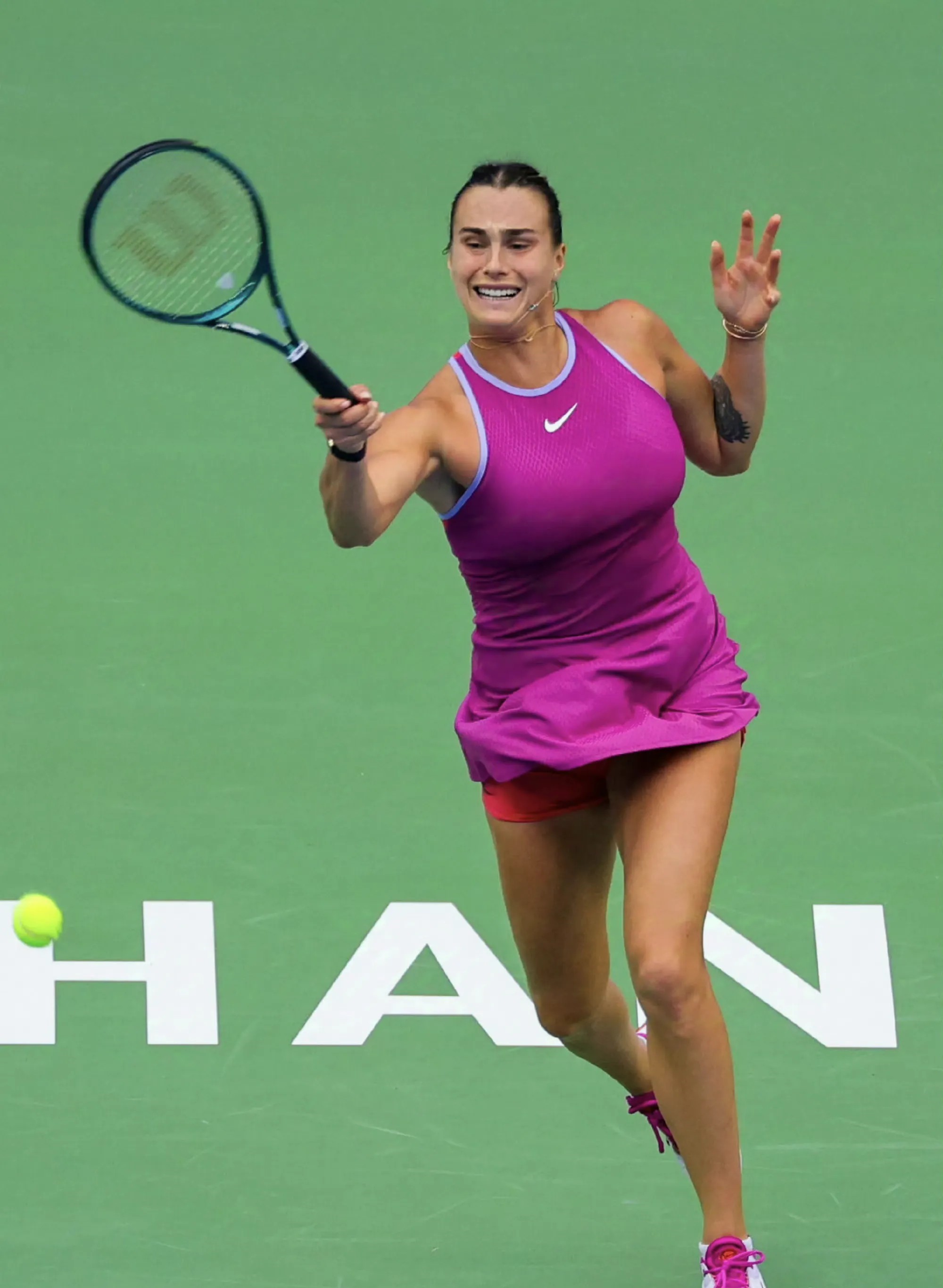
In addition to the Grand Slam tournaments, the pair are often tied to a quarter on the usual tour, and this year's Miami, Madrid and Rome were tied together. In the quarterfinals of Rome 2025, Zheng Qinwen's ratings against Sabalenka increased by 37% year-on-year. According to the WTA Business Value List, the topic of confrontation between the two has brought more than 10 million US dollars in brand exposure value.
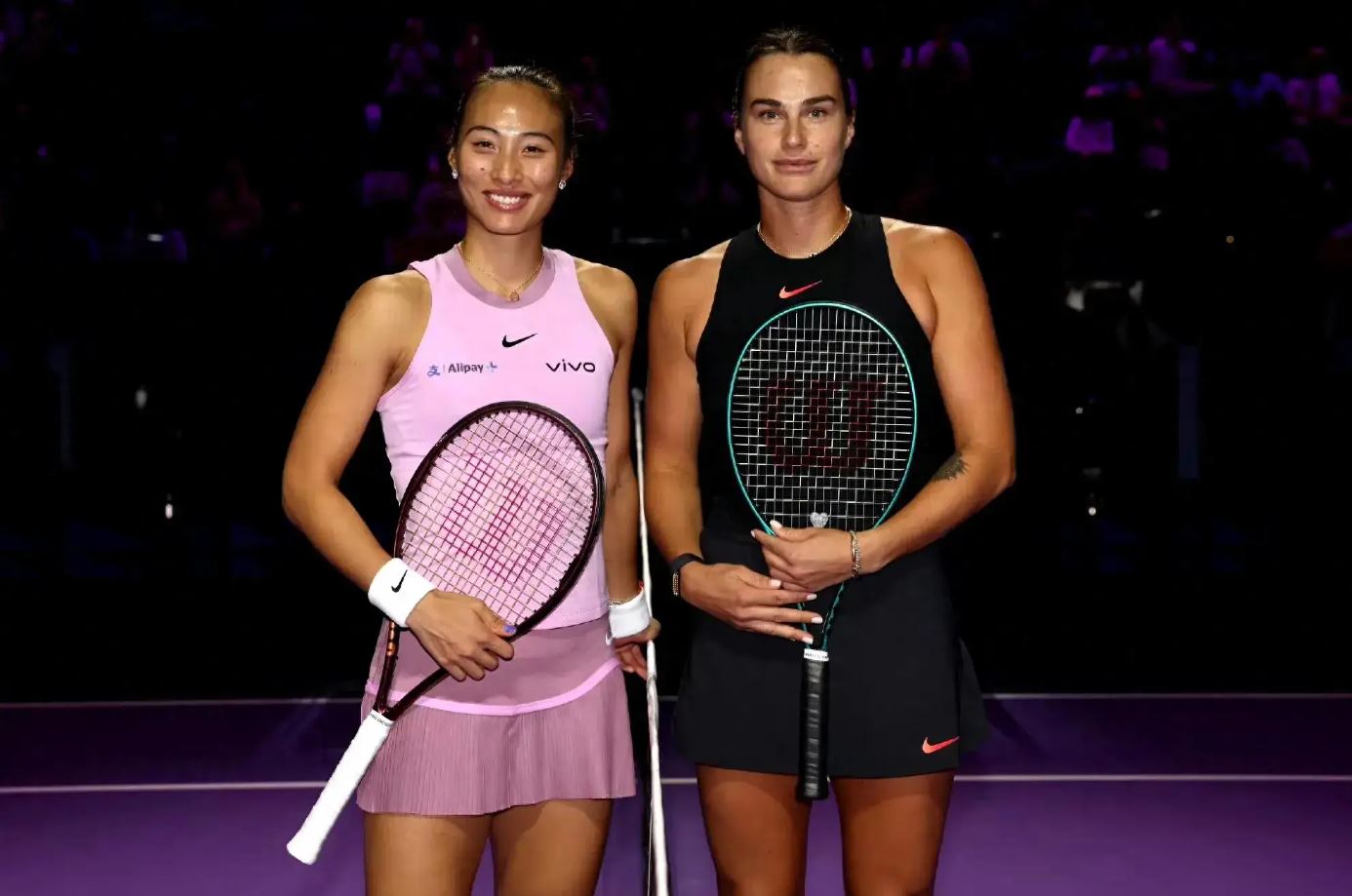
In the face of doubts, WTA officials quickly responded that "the draw was completely random", but this statement failed to quell the controversy. Data experts pointed out that even considering the seed ranking rules, the probability of Zheng Qinwen being in the same district for three consecutive times is still less than 0.5%.
"It's more like a well-crafted script." A number of media outlets commented on this two-year-long signing coincidence.
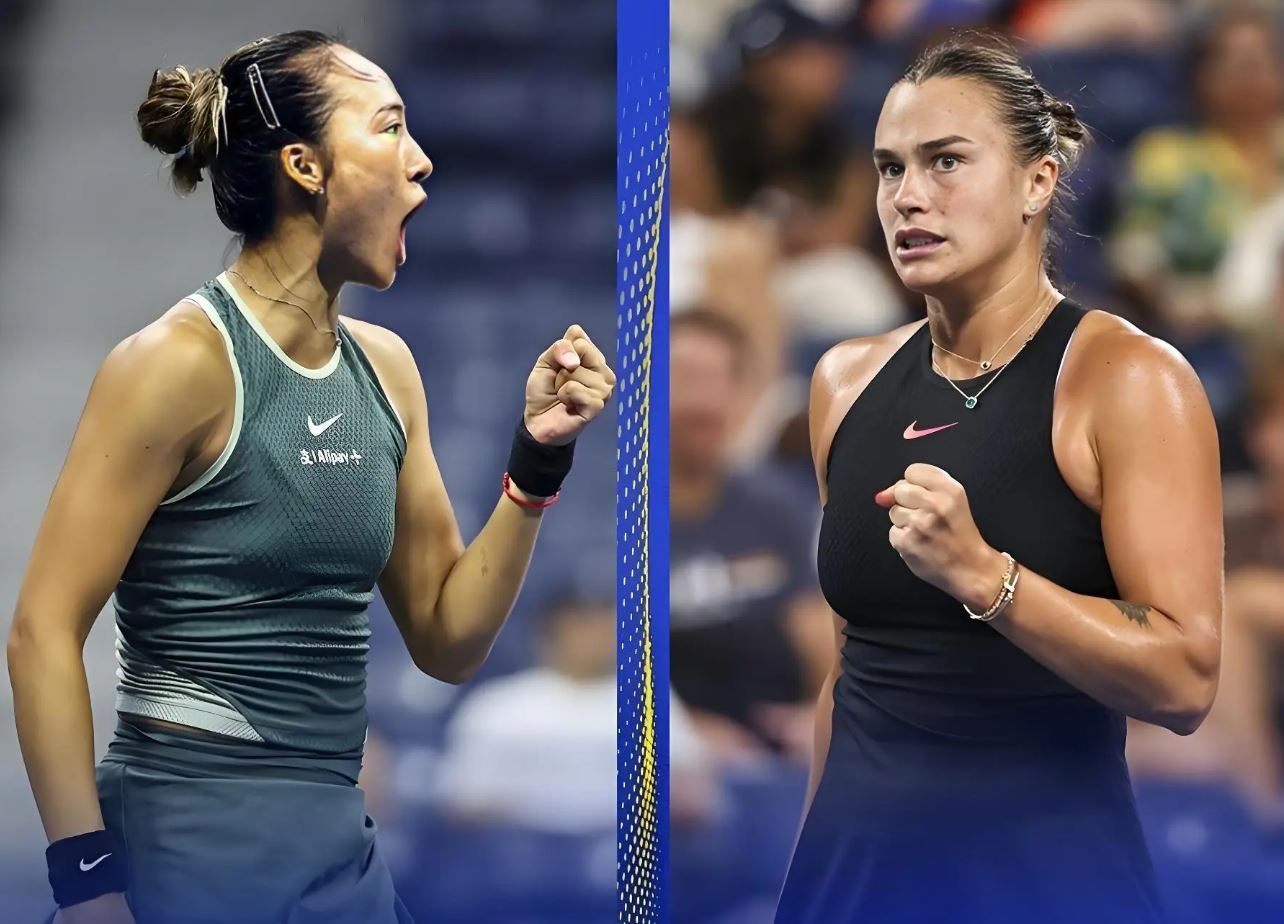
To solve the mystery of the draw table, it is essential to understand the seeding rules of a Grand Slam. The top 4 seeds each sit in a 1/4 division, while the 5th-8th seeds are randomly drawn into the top 4 seeds' half. As the No. 8 seed in the tournament, which 1/4 division Zheng Qinwen is drawn to is entirely a matter of probability. The top four seeds at the French Open are: No. 1 seed Sabalenka, No. 2 seed Gauff, No. 3 seed Pegula and No. 4 seed Paulini. For Zheng Qinwen, there is not much difference between Sabalenka or Gauff's half – she is 1-6 against Sabalenka and 0-3 against Gauff.
The seeding rules themselves are not designed for individual players. There is a similar controversy in history: at the 2018 French Open, Serena Williams, who made a comeback after giving birth, entered the main draw due to ranking protection but was not seeded, and ended up squeezing into the same eighth zone as many famous players, forming the "death zone". At that time, many players, including Sharapova and Halep, spoke out for Serena Williams, believing that players returning after giving birth should be treated more fairly, but the French Open organizing committee insisted on the rules and did not give special arrangements.
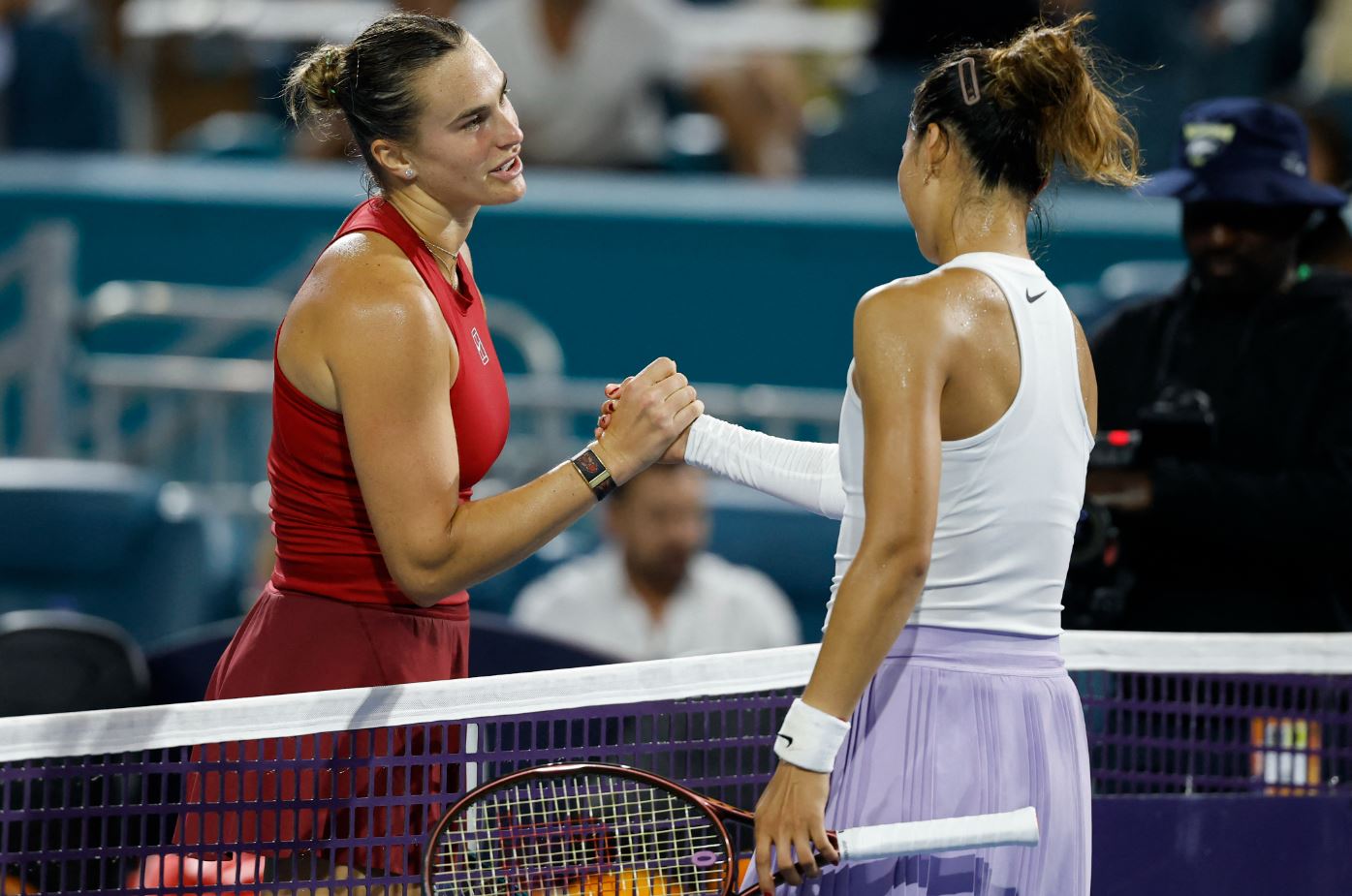
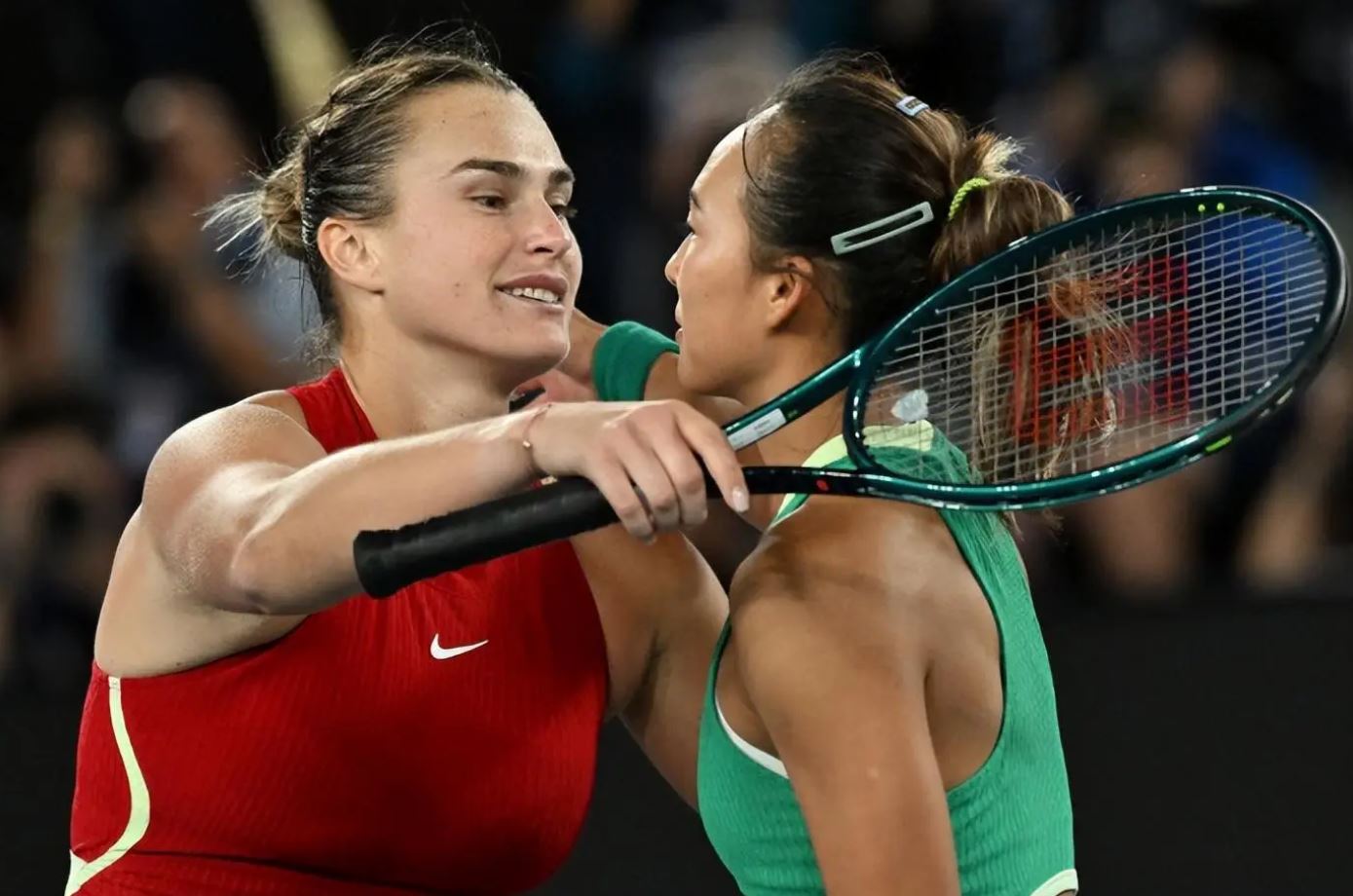
When fans question "making a sign", probability gives a sober answer. While the probability of 0.097% may seem negligible, it is not impossible for a low-probability event to happen in consecutive draws on the tennis tour. Data experts pointed out that even considering the seed ranking rules, the probability of Zheng Qinwen being in the same zone for five consecutive times is still less than 0.5%, which is rare but still within the random probability range. From another point of view, if the WTA really has the motivation to "sign", why did it choose Zheng Qinwen? Until Roma 2025, she has an embarrassing six-game losing streak against Sabalenka. It wasn't until the last Rome quarter-finals that Zheng Qinwen defeated Sabalenka 2-0 for the first time to end the losing streak. This victory gave Zheng Qinwen a big boost in confidence, and she wrote on Weibo after the game: "The mountains and seas can be flat, and the top 4 in Rome!" Reading between the lines reveals a sense of accomplishment over this "mountain".
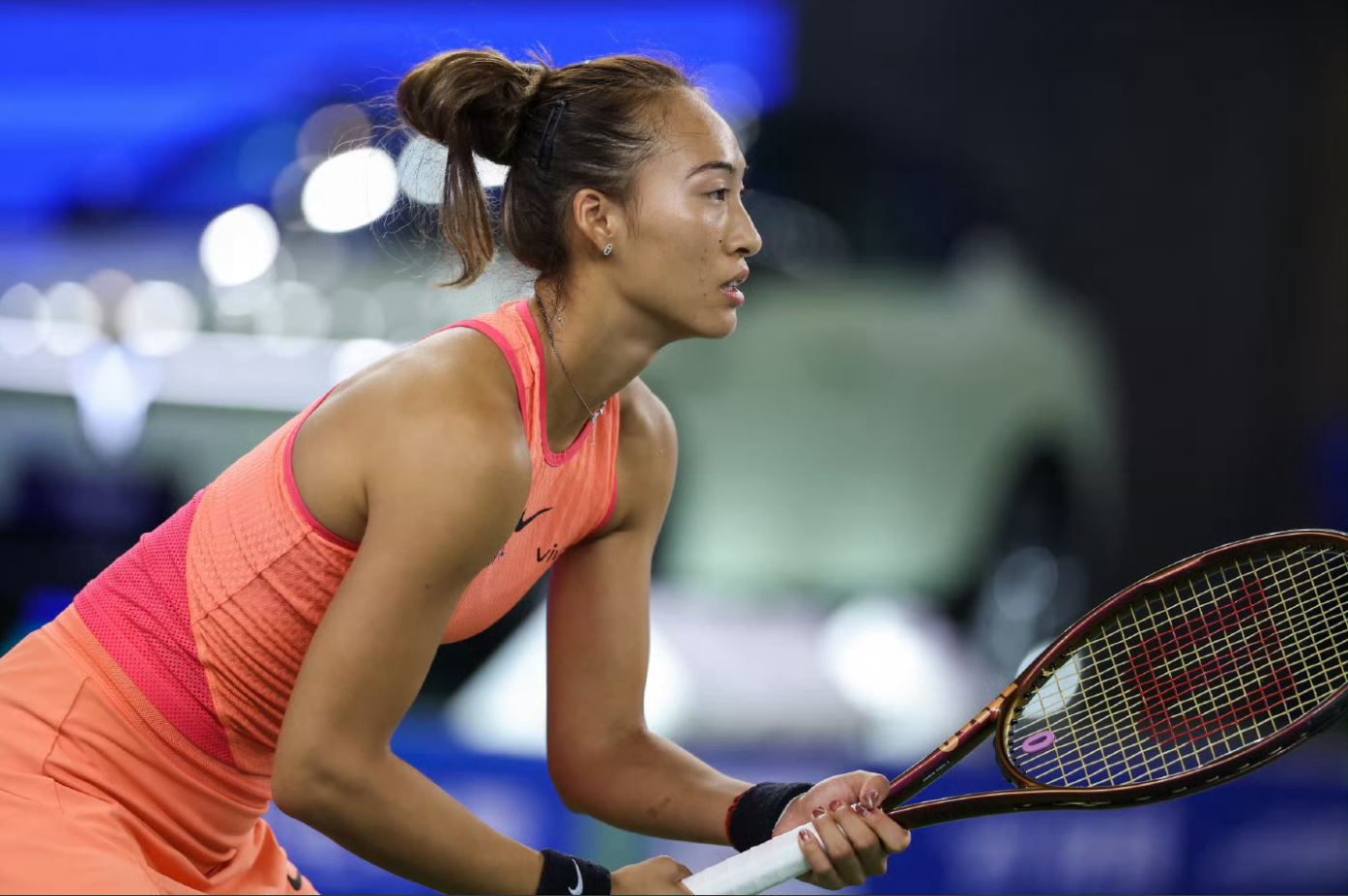
Roland Garros in 2025 has a special meaning for Zheng Qinwen. Nine months ago, it was on this clay court that she won the women's singles gold medal at the Paris Olympics, creating Chinese tennis history. "I will never forget that moment of tears at the Olympics." After advancing to the second round of the French Open, Zheng Qinwen admitted, "It was the best experience of my life so far. "But an Olympic gold medal is not the same as a Grand Slam title. At the French Open, the highest hall of clay, Zheng Qinwen's best record is only the round of 16 in 2022. At the French Open, her draw can be called the "devil's schedule": in the first round against former French Open runner-up Pavlyuchenkova, in the third round against the Canadian rising star Mboko, who has been in terrible form recently, in the fourth round the potential opponent is Samsonova, and finally in the quarterfinals Sabalenka.
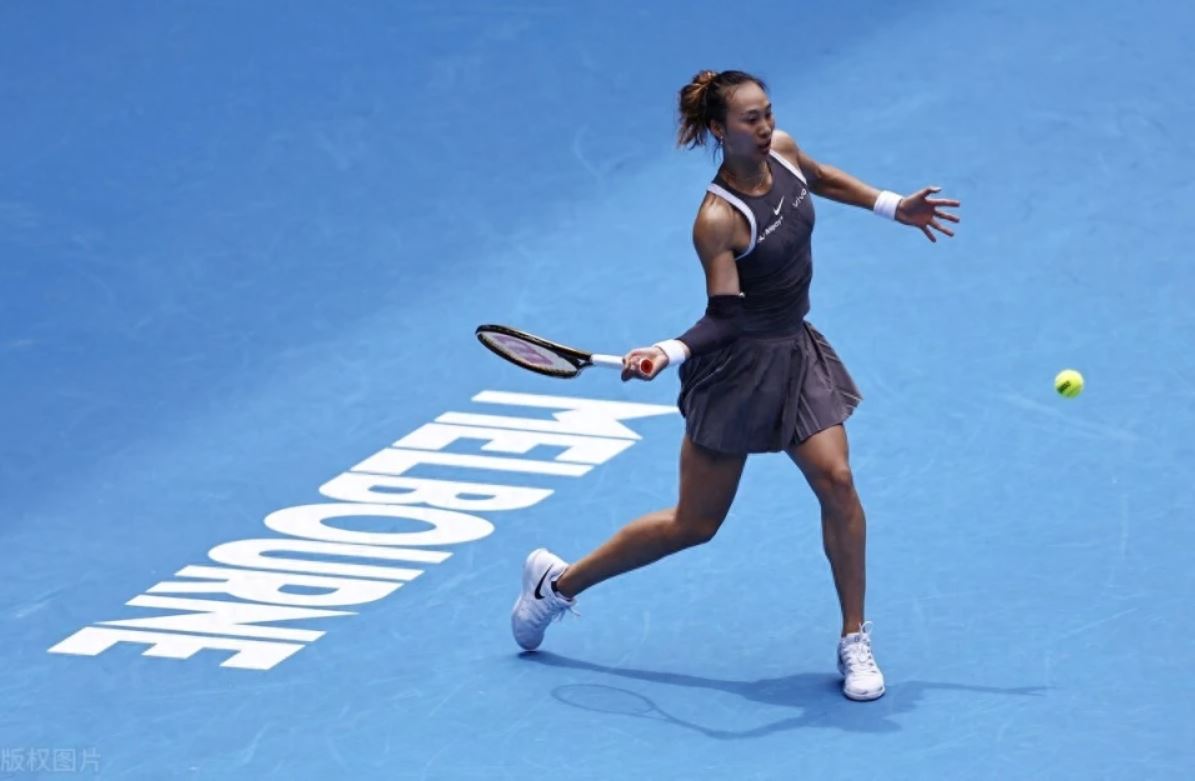
In the face of challenges, Zheng Qinwen showed a mature attitude: "It is still very early to reach the quarterfinals of the French Open. Everybody needs to play game by game, but I didn't pay much attention to what kind of form Sabalenka was in. Her team has adapted their tactics accordingly, and training videos show that Zheng Qinwen has recently stepped up her baseline line change training on clay, increasing her backhand success rate to 68 per cent – a key technique in her victory over Sabalenka in Rome.
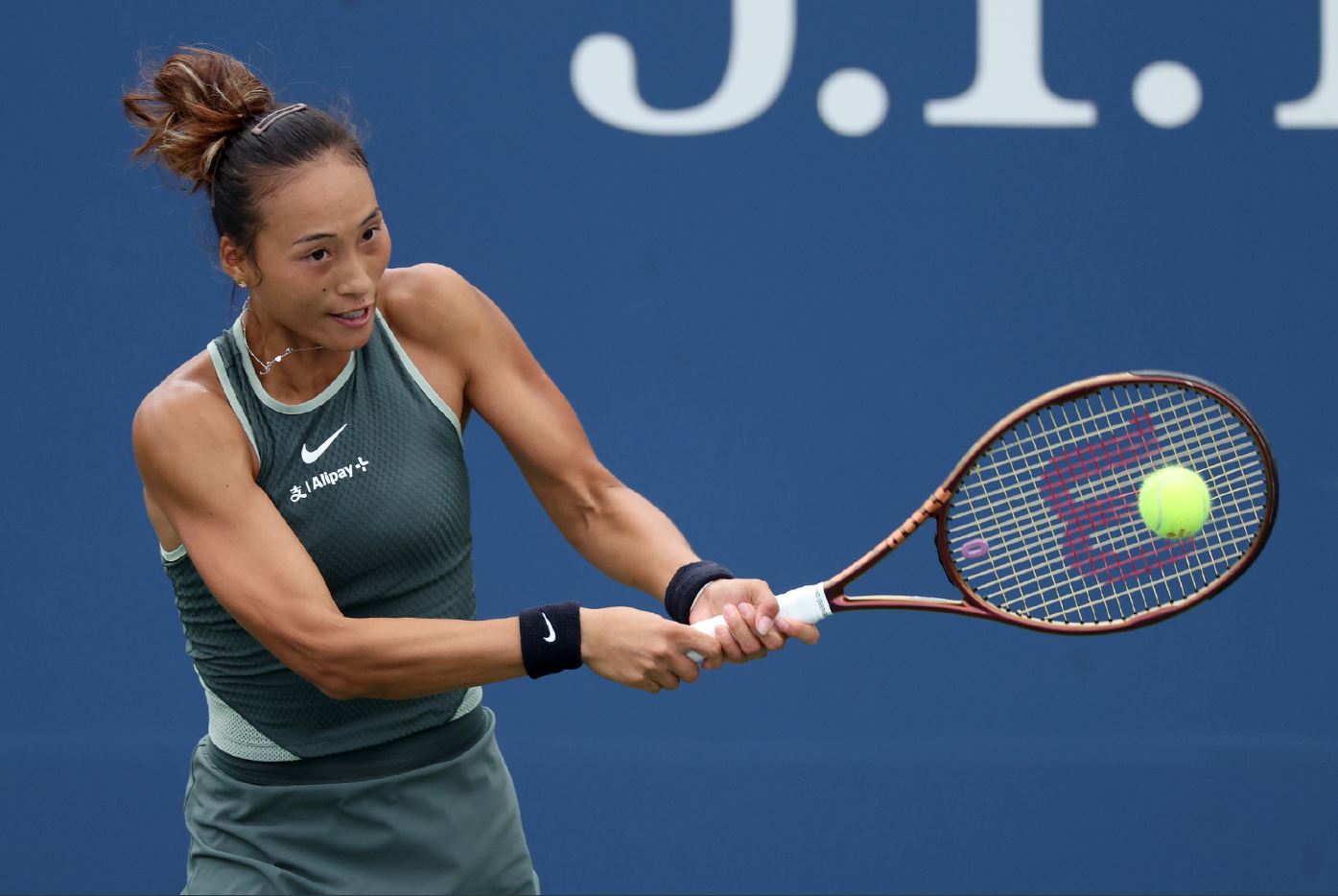
Statistics can't explain all coincidences, but the court ultimately determines the outcome of tennis. When Zheng defeated Sabalenka for the first time in Rome, she proved her determination to "level the mountains and the sea."
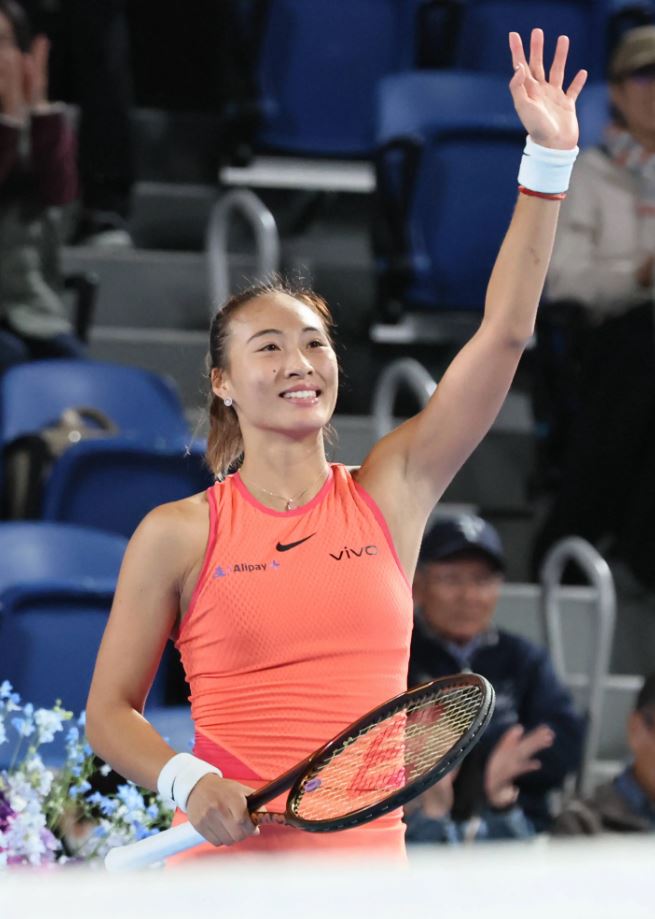
Probabilities can calculate controversy, but not how quickly a player evolves. From 0-6 to 1-6, although it is just a simple turnover, it will usher in a big change in mentality, and it is the sharpest response to "fatalism". The charm of tennis lies precisely in the fact that it uses the inexhaustible randomness of mathematics to leave a shining gap for the human will. The controversy over the signing of the table will eventually fade, and on the red clay of Roland Garros, only the trajectory of strength and faith is eternal.(Source: Tennis Home Author: Xiaodi)

 Links
Links
 Contact
Address:UNIT 1804 SOUTH BANK TOWER, 55 UPPER GROUND,LONDON ENGLAND SE1 9E
Number:+85259695367
E-mali:[email protected]
 App
App


